Missouri Waiver and Release From Liability For Minor Child for Scuba Diving and Skin Diving
Description
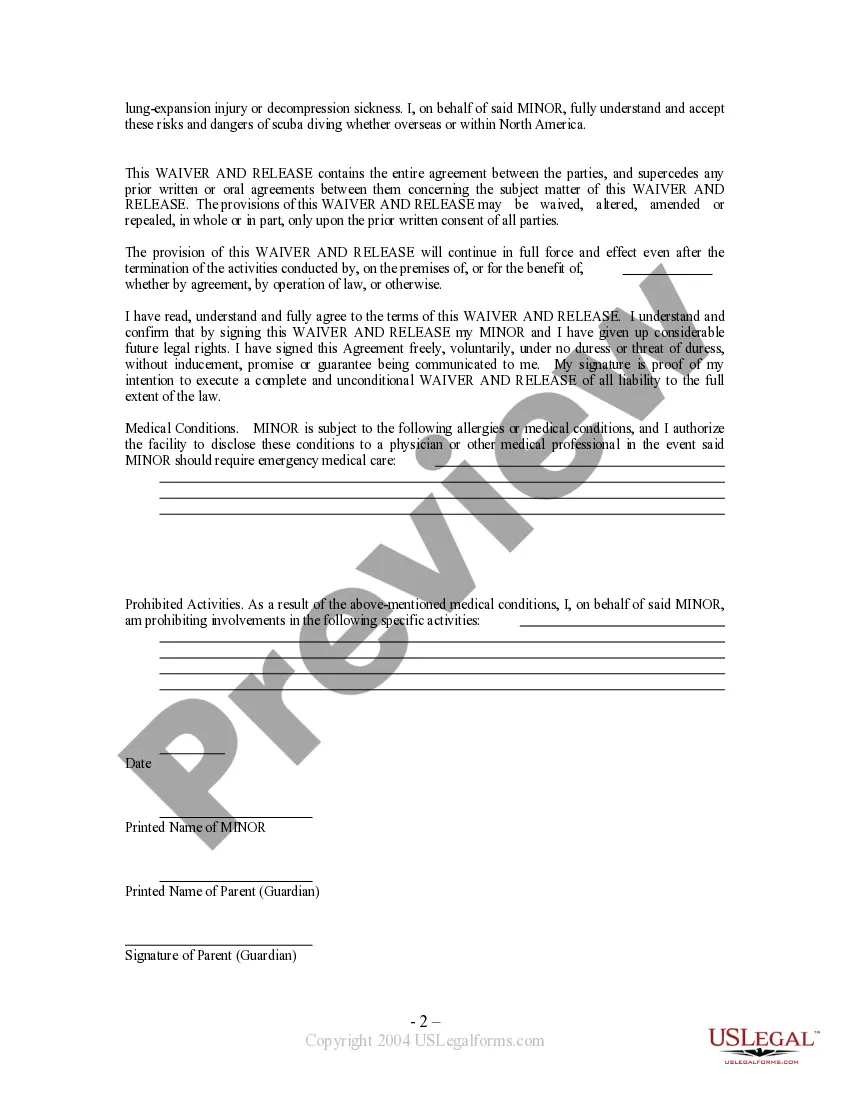
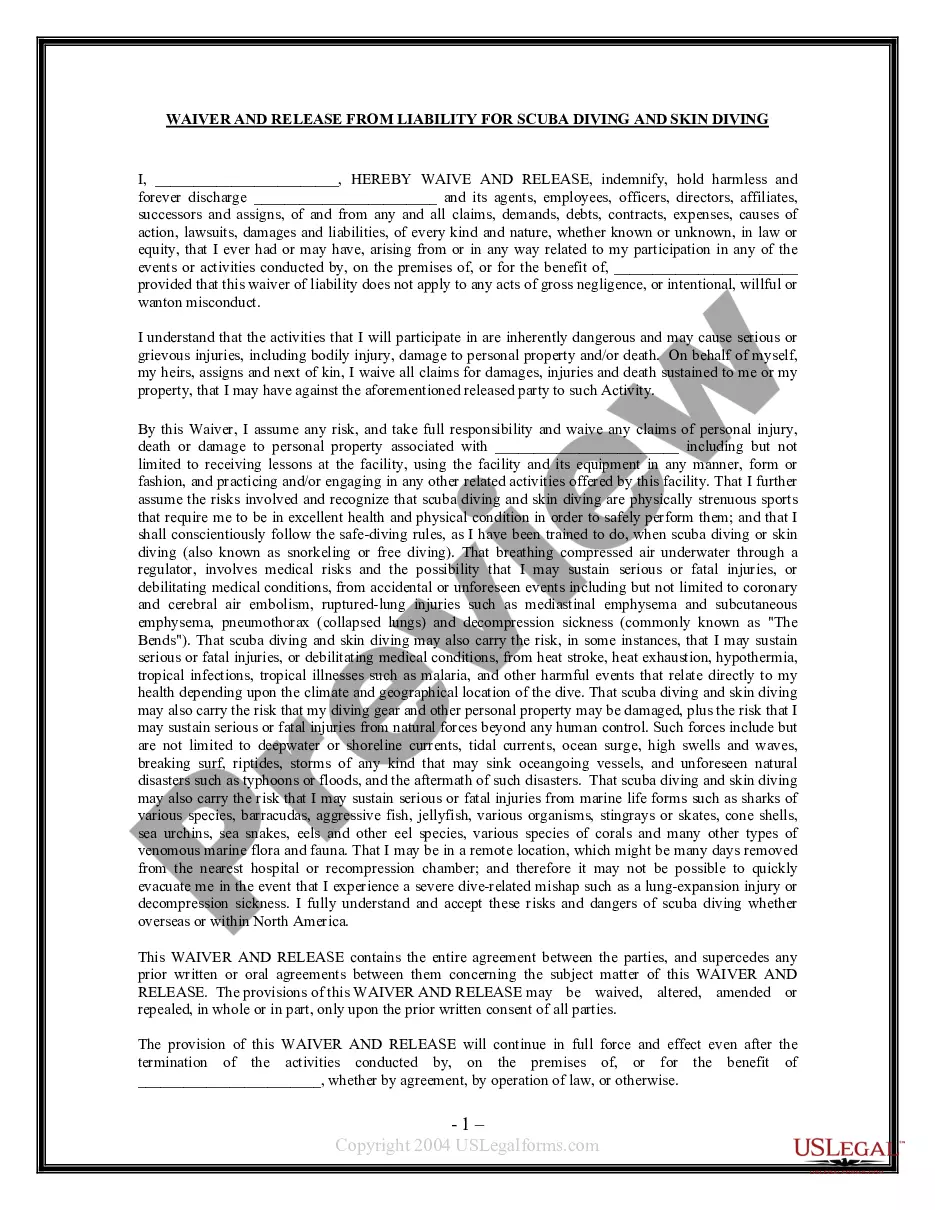
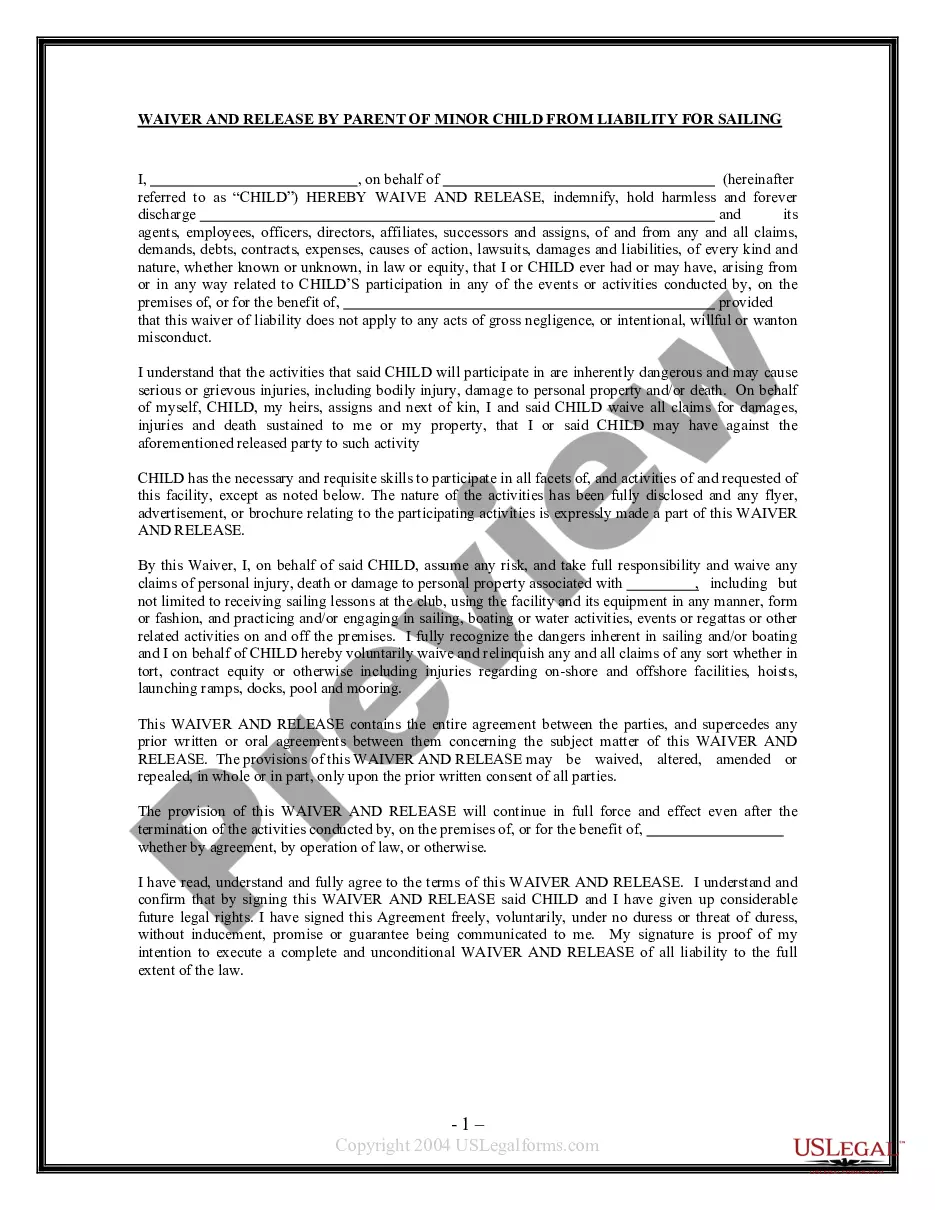
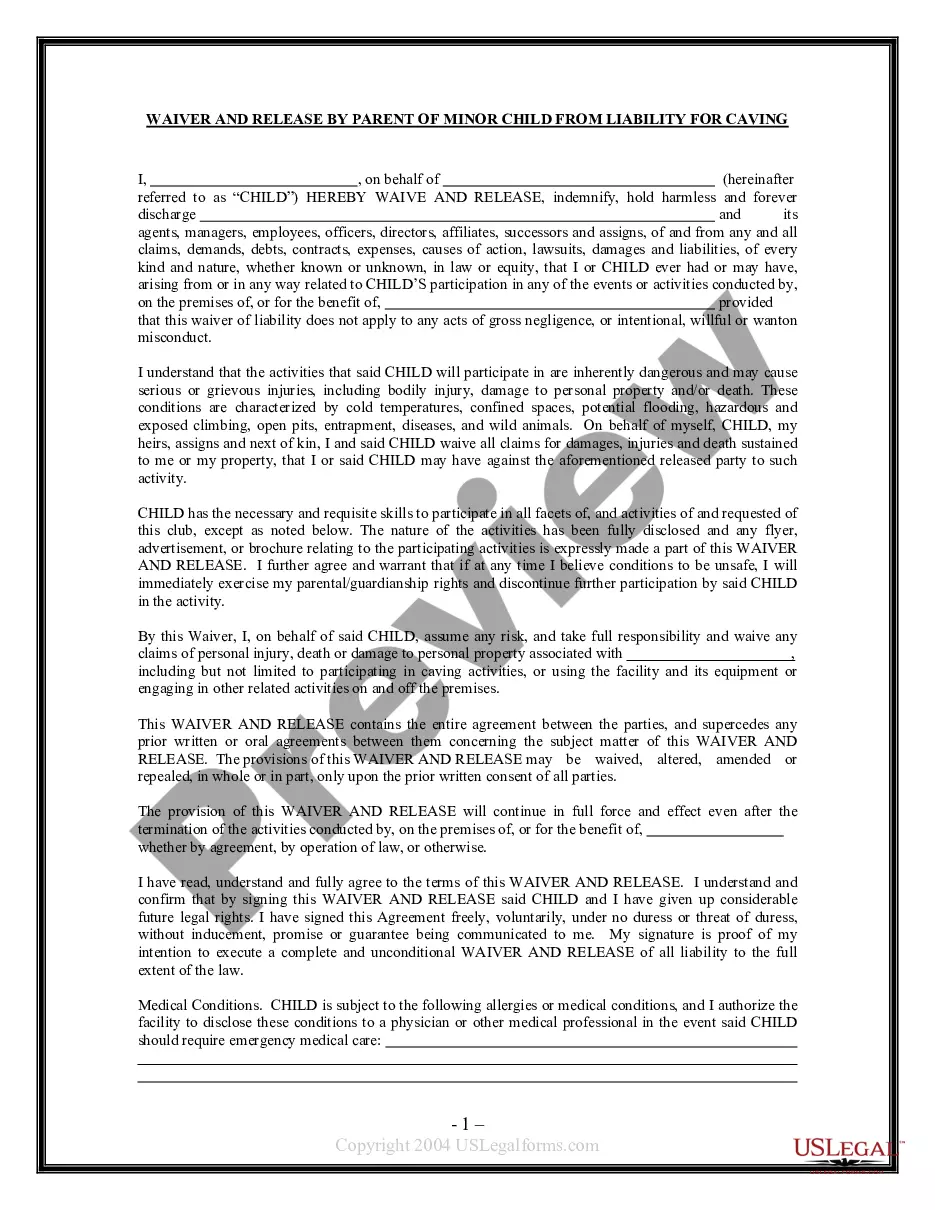
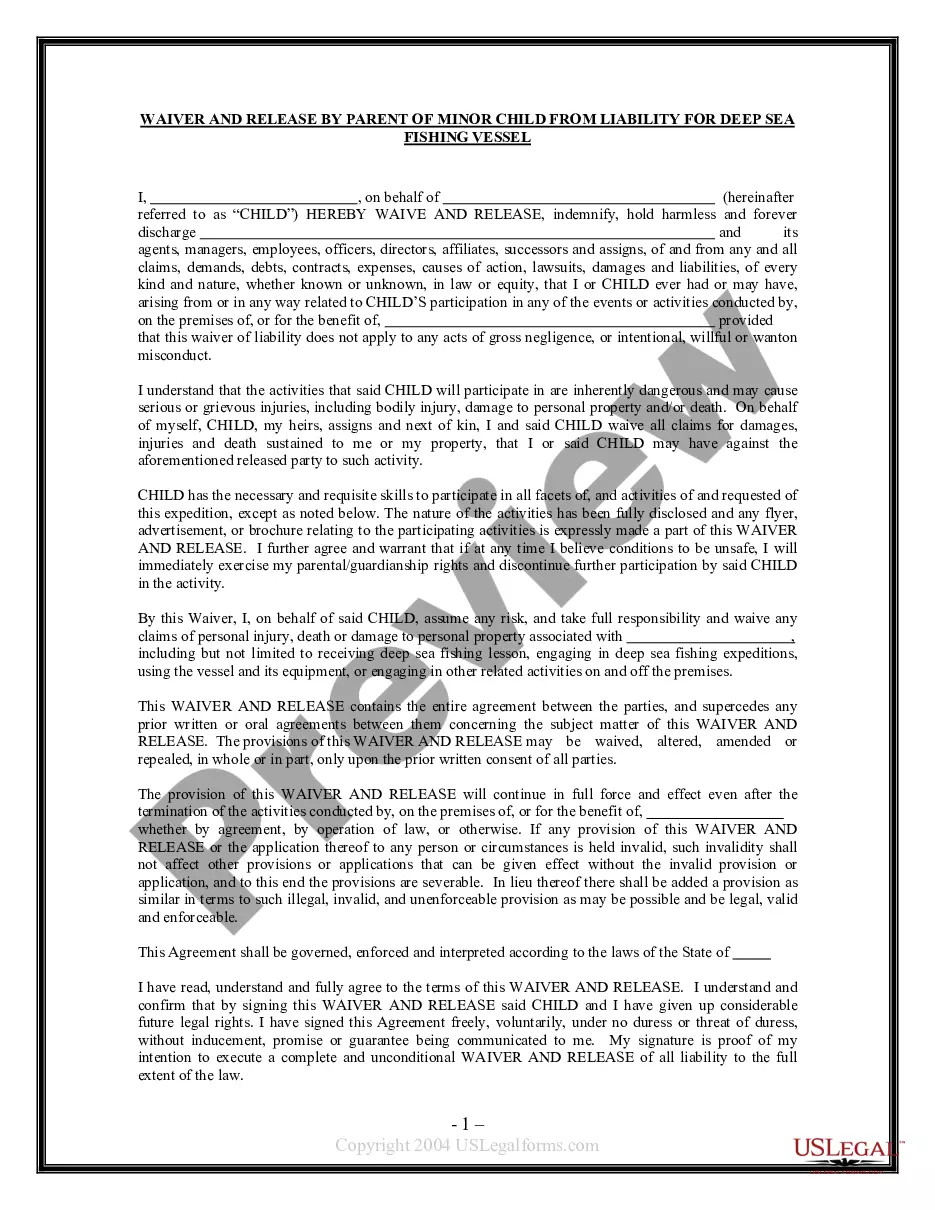
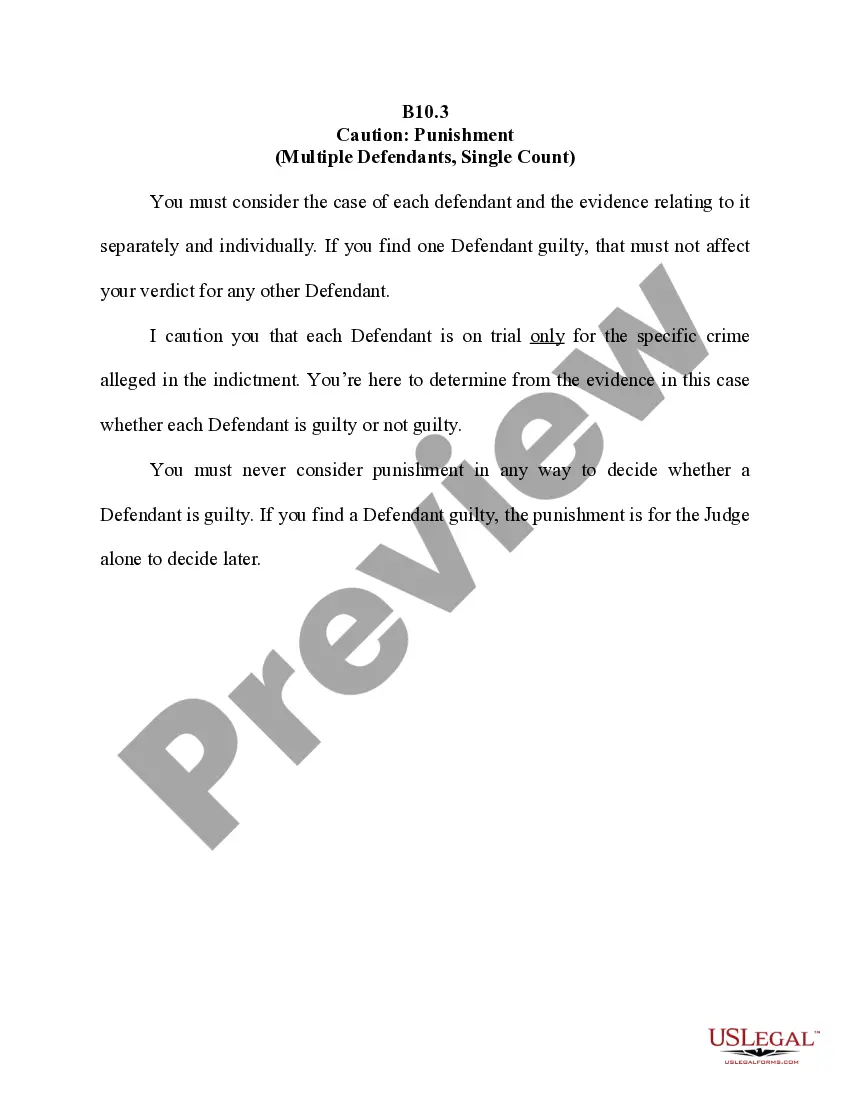
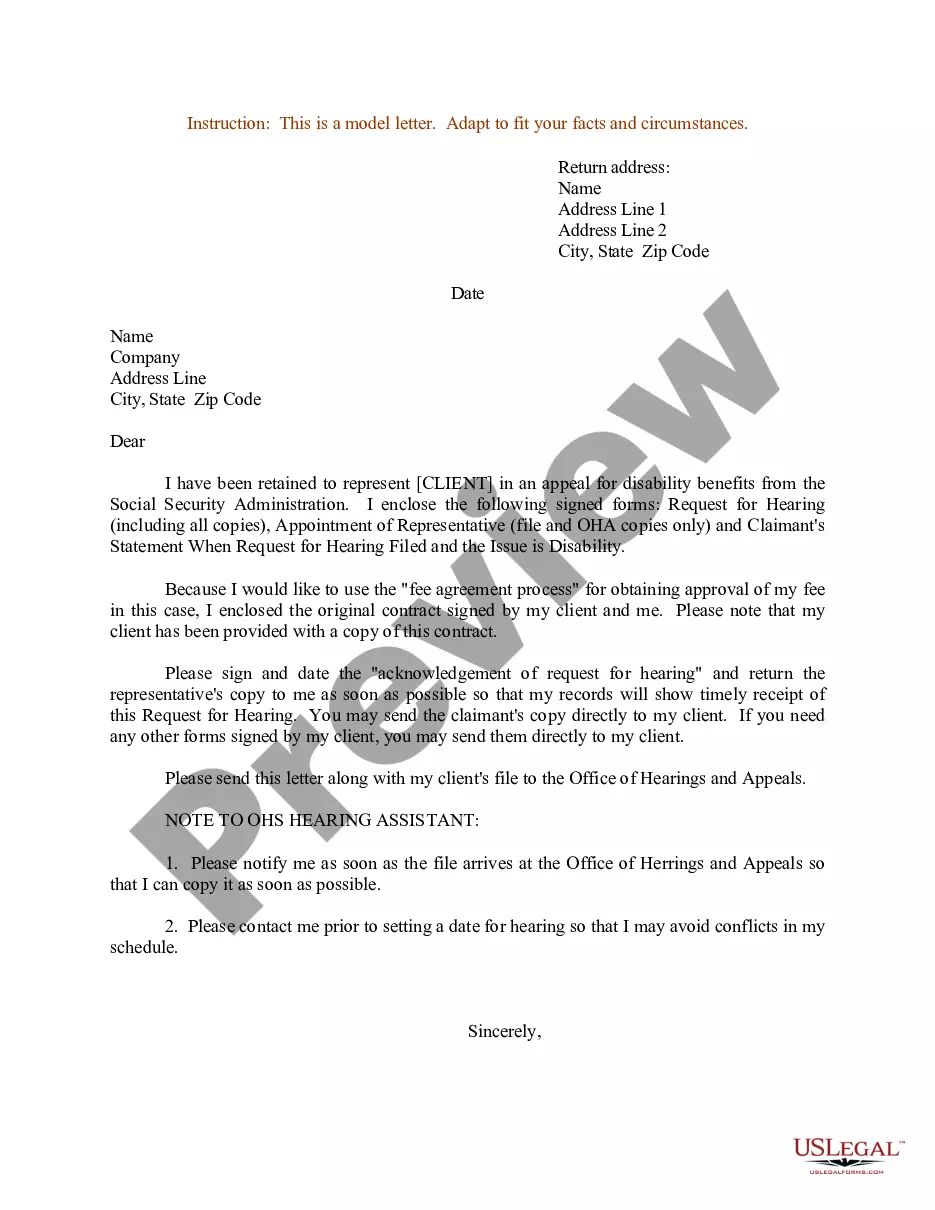
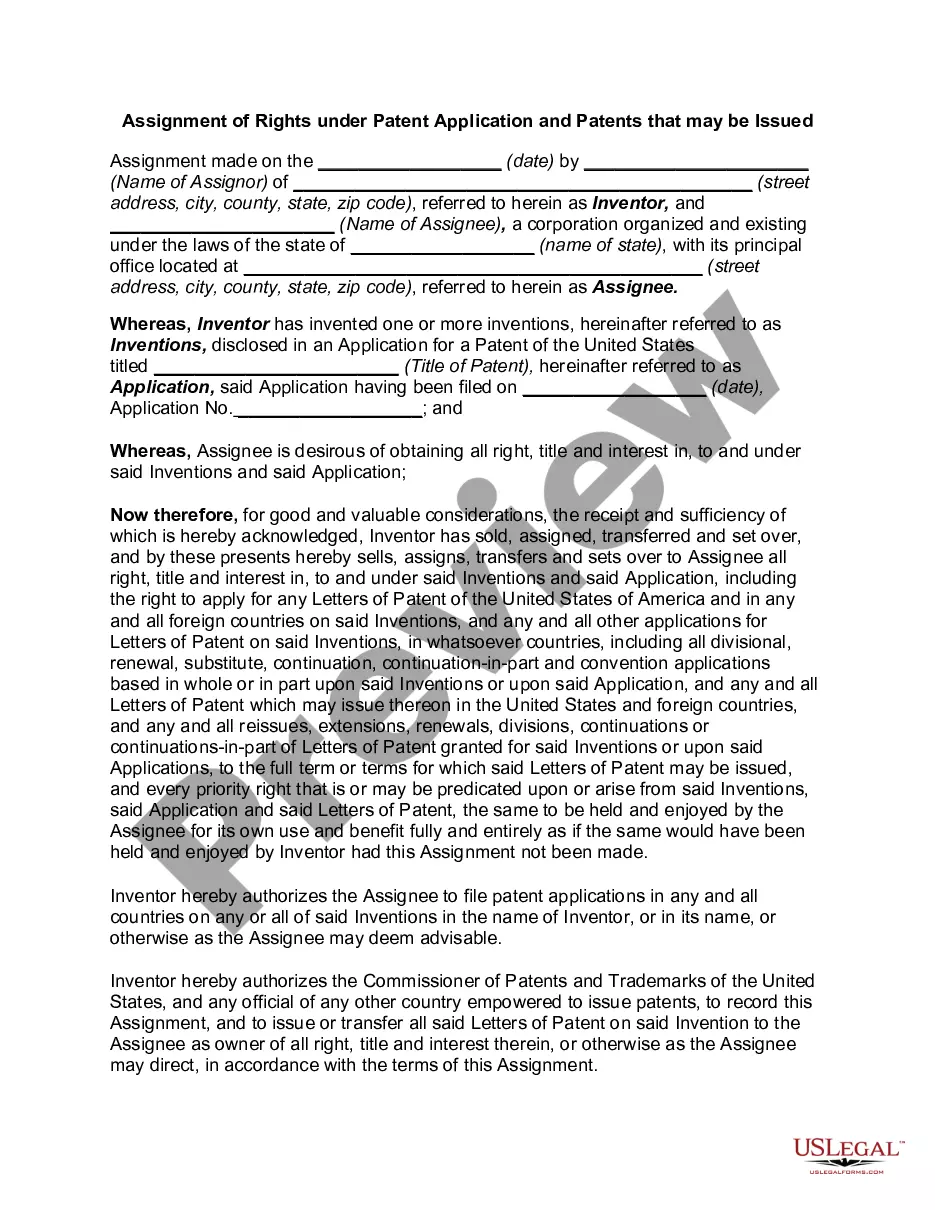
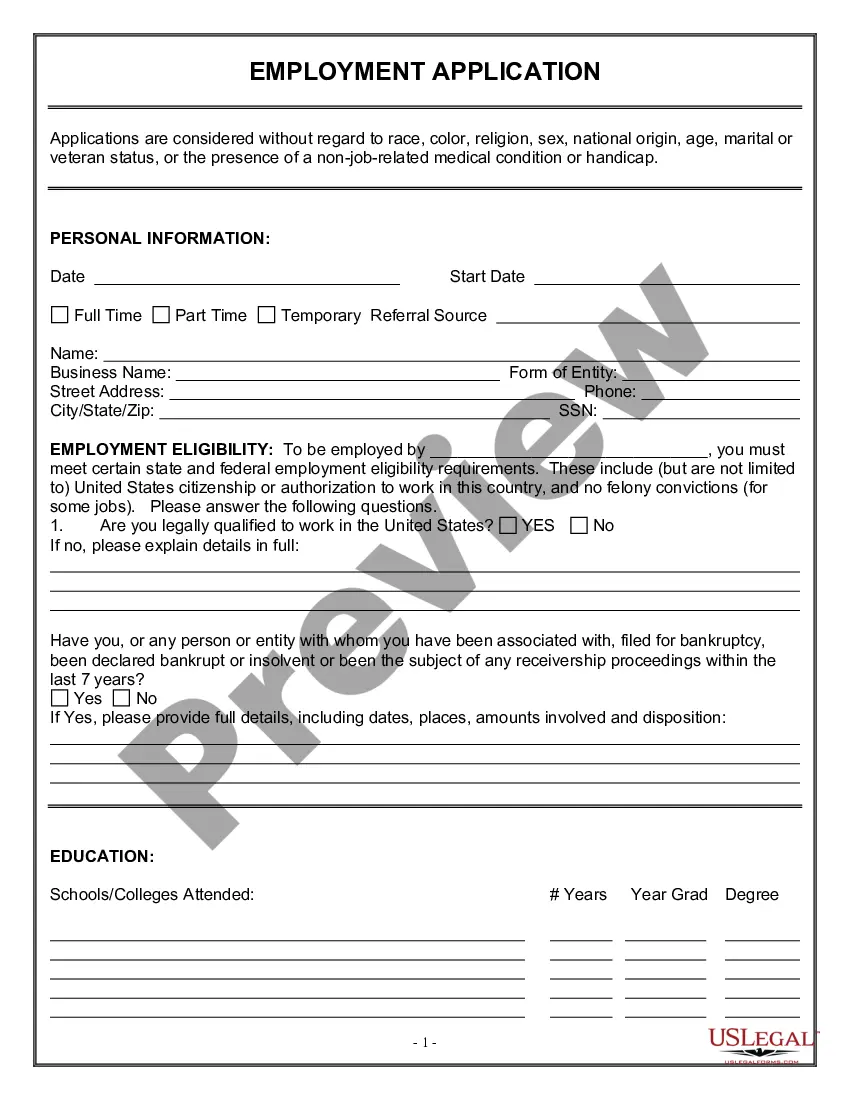
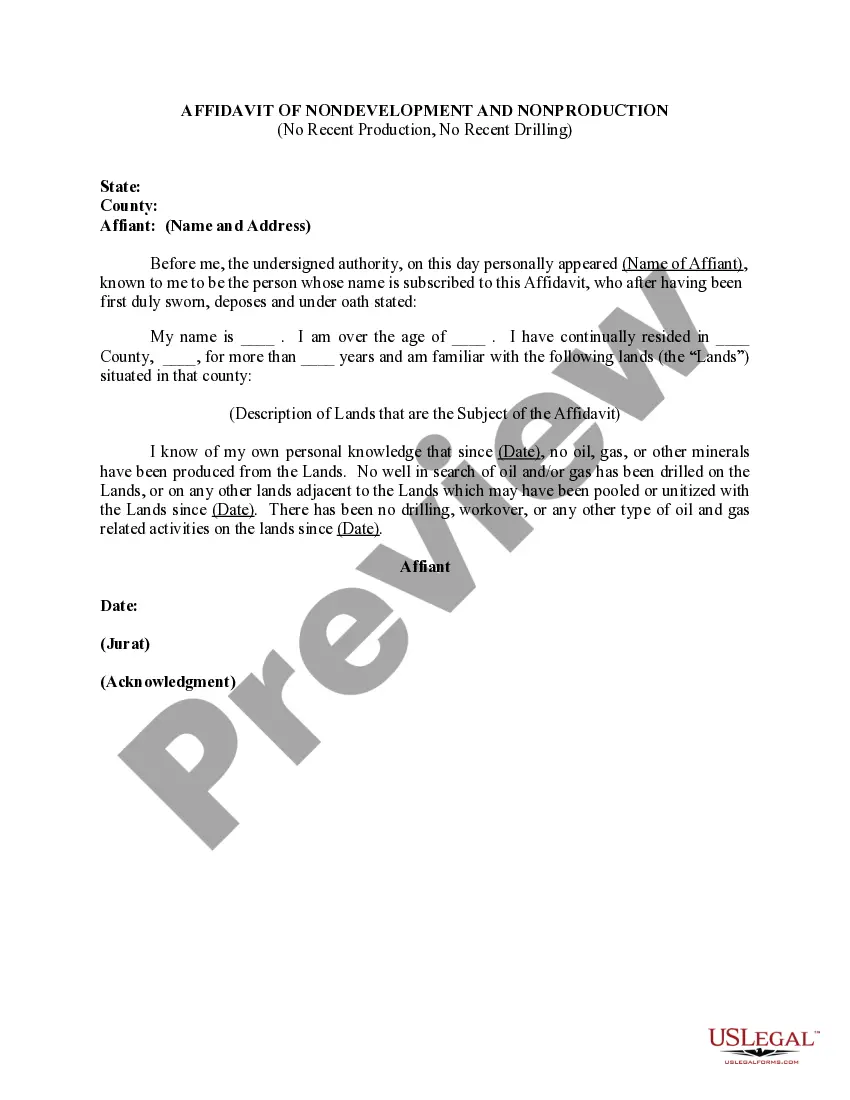
How to fill out Waiver And Release From Liability For Minor Child For Scuba Diving And Skin Diving?
US Legal Forms - one of the largest collections of legitimate documents in the USA - provides a range of authentic record templates that you can download or create.
By utilizing the site, you can access thousands of forms for business and personal purposes, organized by categories, states, or keywords. You can obtain the latest versions of documents like the Missouri Waiver and Release From Liability For Minor Child for Scuba Diving and Skin Diving in just minutes.
If you have a monthly subscription, Log In and download the Missouri Waiver and Release From Liability For Minor Child for Scuba Diving and Skin Diving from the US Legal Forms library. The Download option will appear on every form you view. You have access to all previously downloaded forms in the My documents section of your account.
Process the transaction. Use your credit card or PayPal account to complete the transaction. Select the format and download the form to your device.
Make edits. Fill out, modify, print, and sign the downloaded Missouri Waiver and Release From Liability For Minor Child for Scuba Diving and Skin Diving. Each template you added to your account has no expiration date and belongs to you indefinitely. Therefore, to download or print another copy, simply go to the My documents section and click on the form you need. Access the Missouri Waiver and Release From Liability For Minor Child for Scuba Diving and Skin Diving with US Legal Forms, one of the most comprehensive libraries of legitimate record templates. Utilize thousands of professional and state-specific templates that cater to your business or personal needs.
- If you are using US Legal Forms for the first time, here are simple steps to help you begin.
- Ensure you have selected the correct form for your city/county.
- Click the Review option to examine the form's content.
- Check the form description to confirm you have chosen the appropriate form.
- If the form does not meet your requirements, use the Search section at the top of the screen to find one that does.
- If you are satisfied with the form, confirm your choice by clicking the Purchase now button.
- Then, choose the pricing plan you prefer and provide your details to register for an account.
Form popularity
FAQ
So, if an accident happens and injury occurs, is a Waiver effective in protecting the institution from liability and preventing a lawsuit from the injured party? The answer is that, if properly worded and signed, the Waiver is likely valid and will preclude legal claims for injuries.
Liability waivers are enforceable in California solely to the extent they shift to the customer the risk of ordinary negligence. Under California law, a liability waiver cannot excuse an injury caused by a defendant's gross negligence, recklessness or intentionally wrongful act.
Liability waivers are enforceable in California solely to the extent they shift to the customer the risk of ordinary negligence. Under California law, a liability waiver cannot excuse an injury caused by a defendant's gross negligence, recklessness or intentionally wrongful act.
Liability waivers may be deemed invalid if: 1) the provisions of the agreement are unconscionable or illegal; 2) the language of the waiver is not clear, explicit, and comprehensible; 3) the waiver was obtained through fraud, deception, misrepresentation, duress, or undue influence; 4) the plaintiff's injuries were
Liability waivers are enforceable in California solely to the extent they shift to the customer the risk of ordinary negligence. Under California law, a liability waiver cannot excuse an injury caused by a defendant's gross negligence, recklessness or intentionally wrongful act.
A waiver is an exculpatory contract. That means it's used to excuse a party from responsibility when the other contracted party is injured by either known or unknown risks in a particular activity. This includes inherent risks and ordinary negligence.
The waiver contains errors that make it invalid. The language of the waiver must obey relevant state laws. An improperly worded or drafted waiver, as well as one that violates the law or public policy, may not hold up in court.
Generally, a liability waiver document is a legally binding agreement that relinquishes the right of one party to pursue legal remedy for injuries accrued on the property, regardless of fault involved.
Ambiguous language or missing information can invalidate a waiver. The waiver contains errors that make it invalid. The language of the waiver must obey relevant state laws. An improperly worded or drafted waiver, as well as one that violates the law or public policy, may not hold up in court.
A liability waiver, or release of liability, is a legal document that a company or organization has you sign in order to protect them from being sued in the event that you are injured.