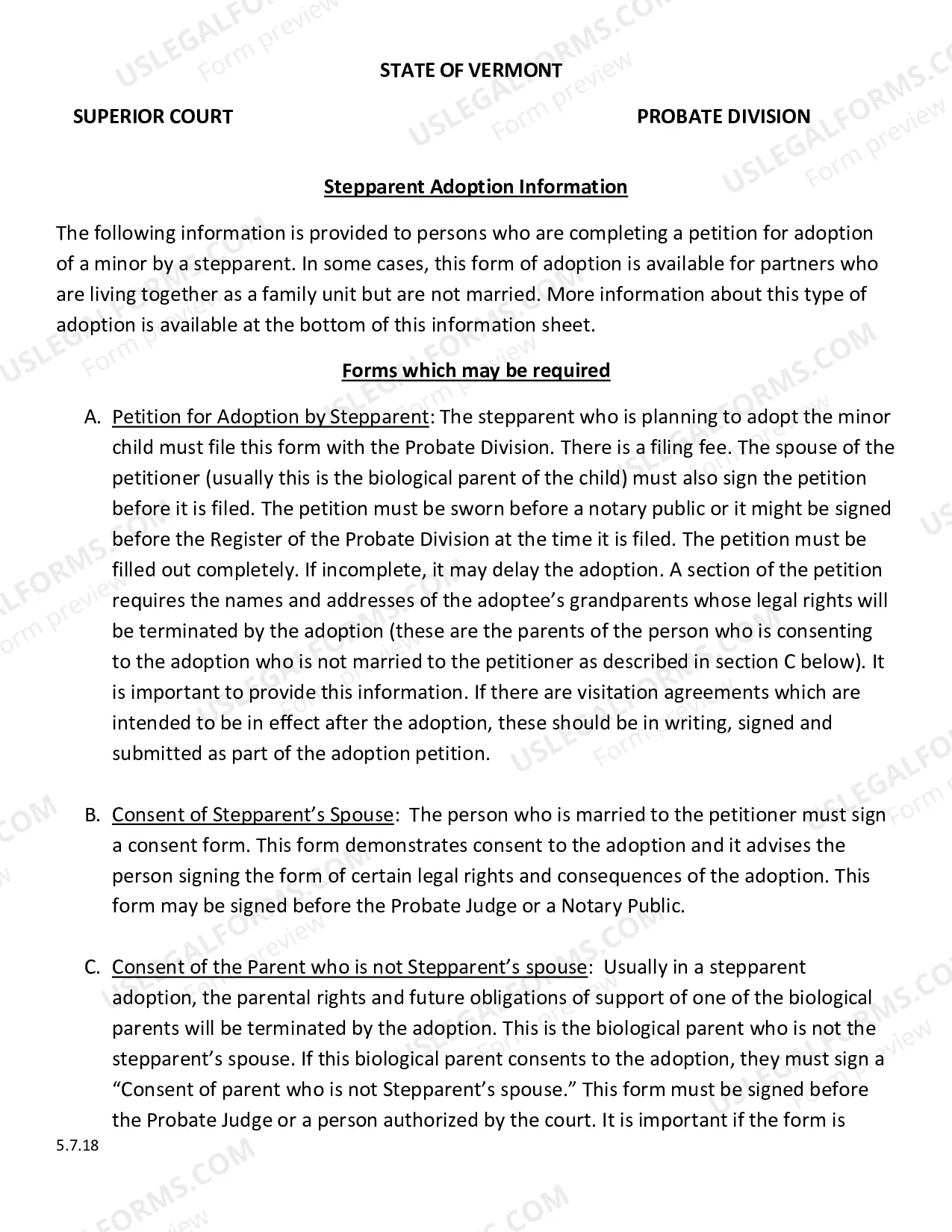
Missouri Landlord Agreement to allow Tenant Alterations to Premises
What this document covers
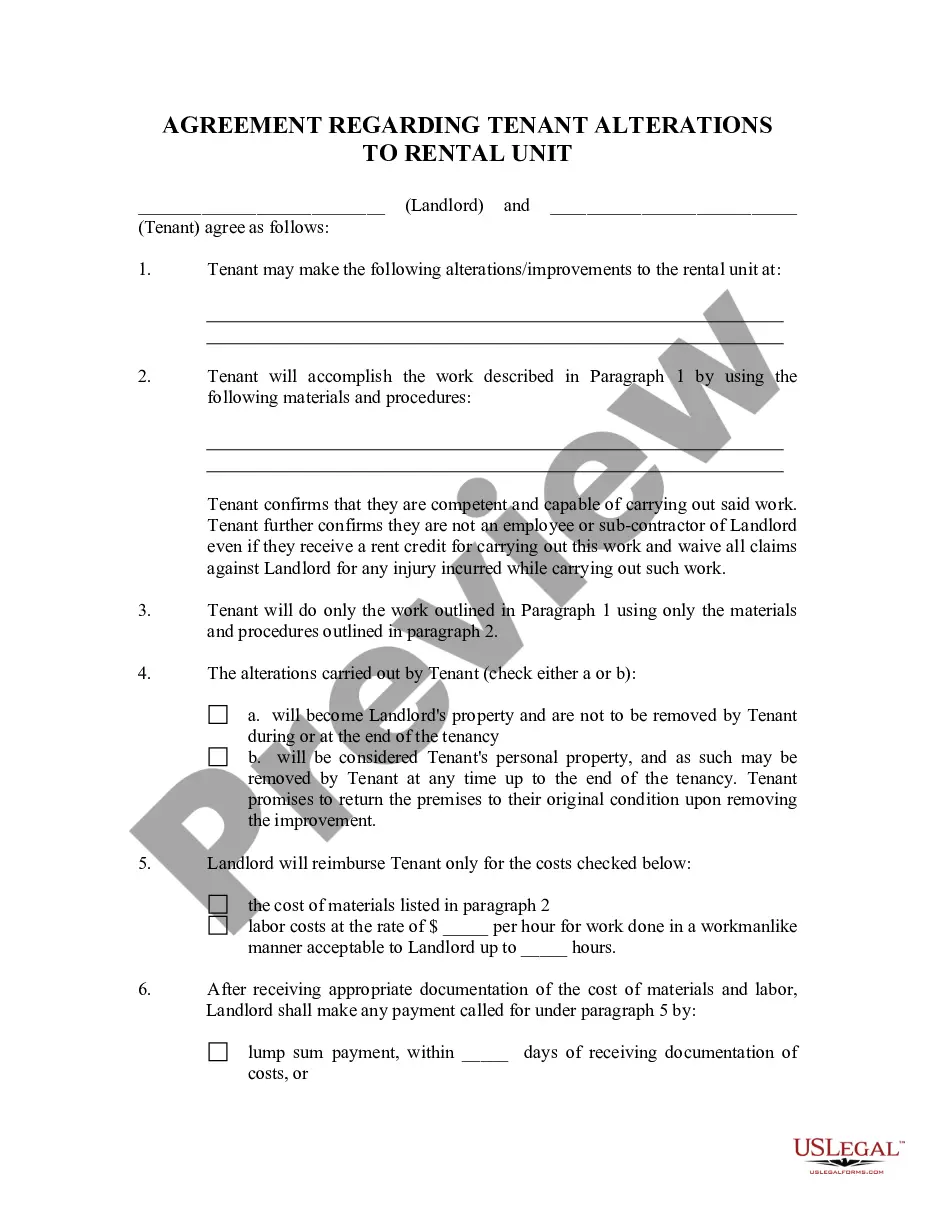
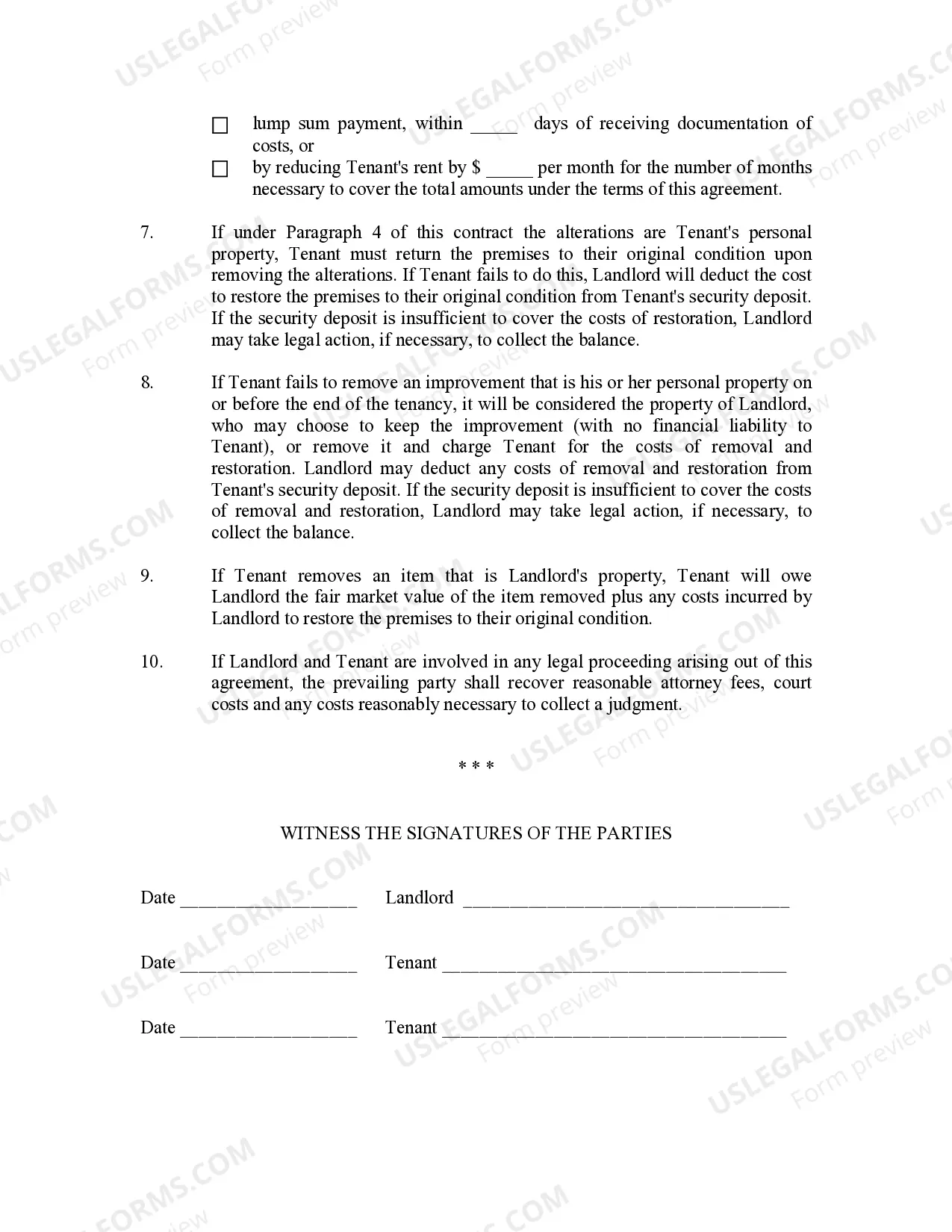
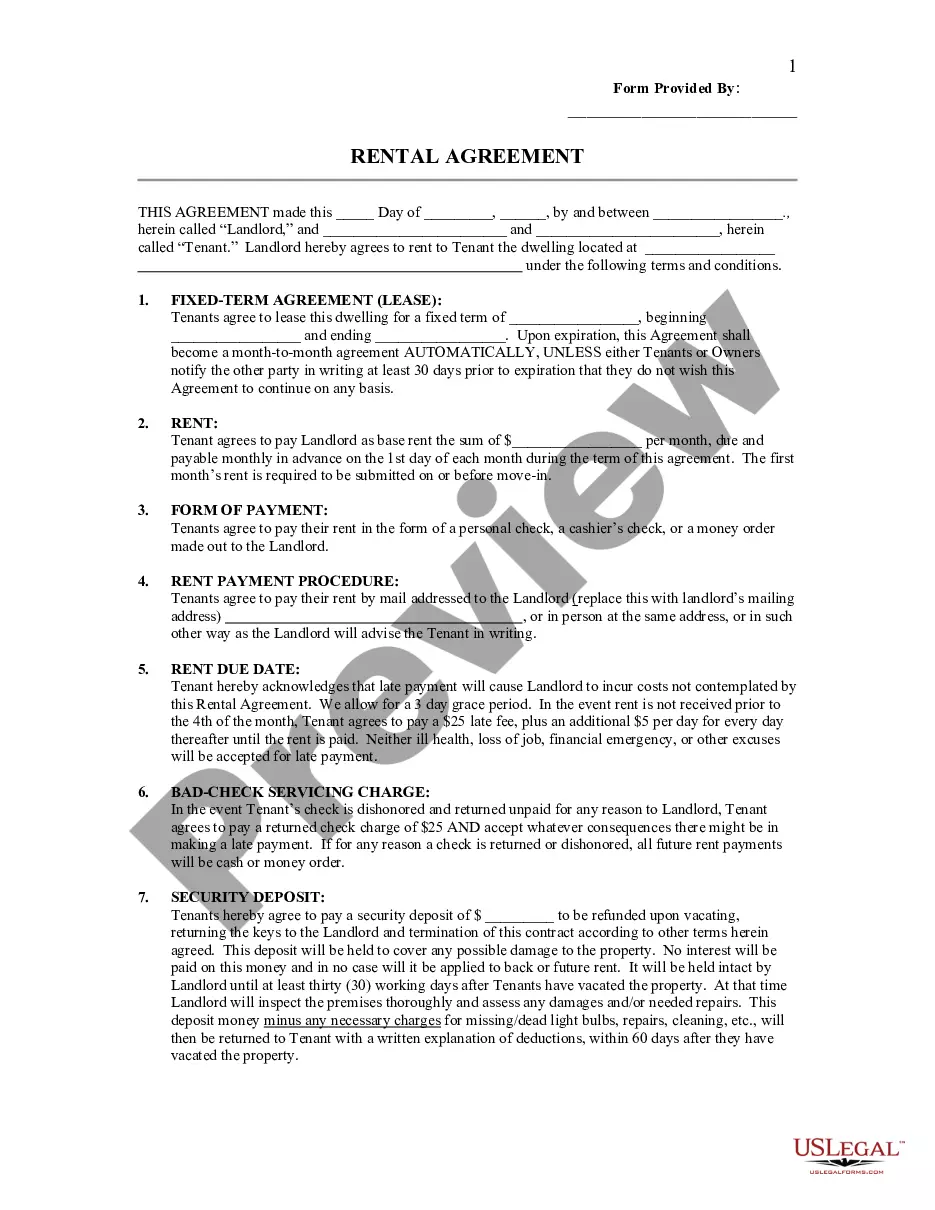
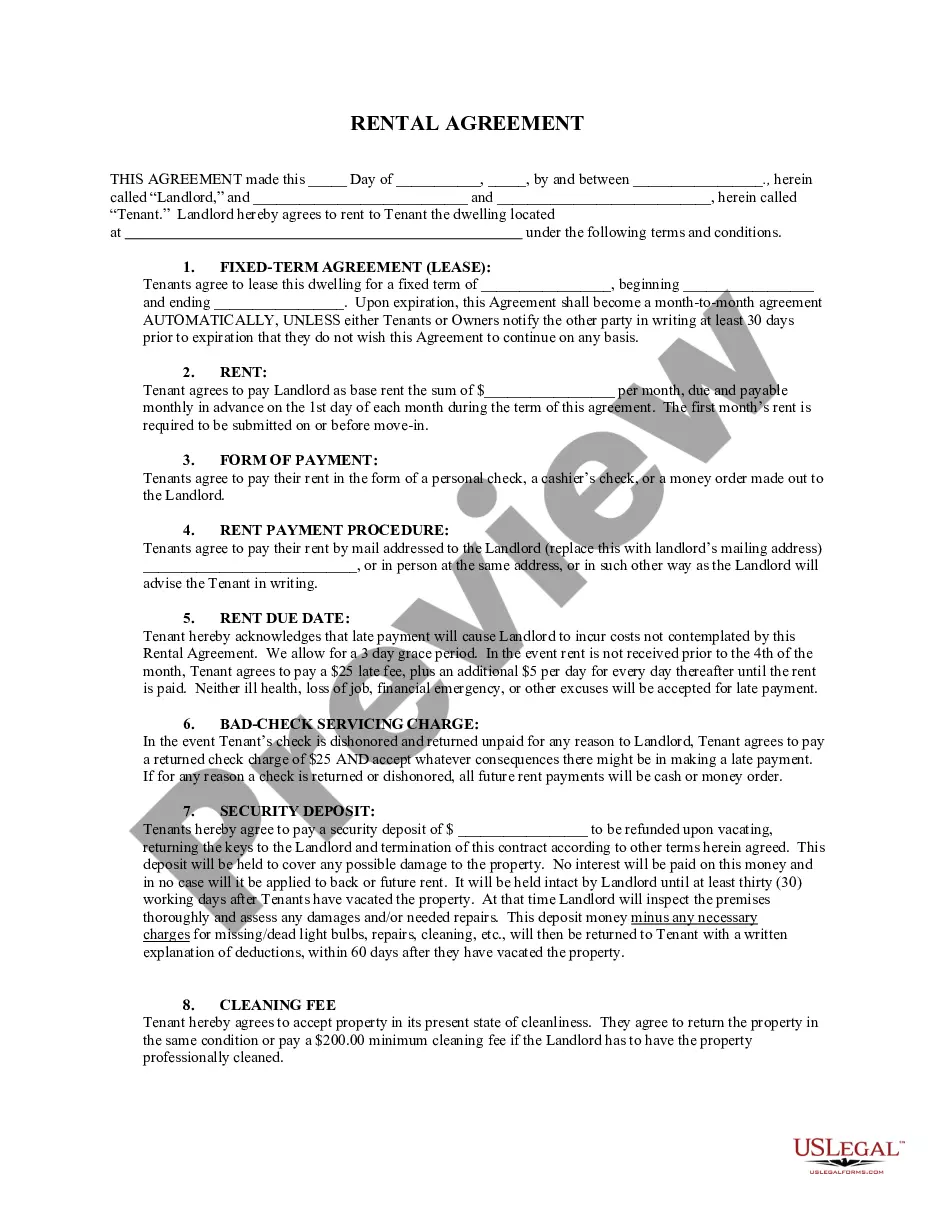
The Landlord Agreement to allow Tenant Alterations to Premises is a legal document that formalizes the understanding between a landlord and a tenant regarding any modifications the tenant wishes to make to a rental property. This form clarifies the responsibilities of each party, including who will pay for the improvements and the ownership of the alterations, ensuring that all parties are aware of their rights and obligations. By using this agreement, misunderstandings can be minimized, compared to more generic rental agreements that may not address specifics of tenant alterations.
Main sections of this form
- Identification of the landlord and tenant.
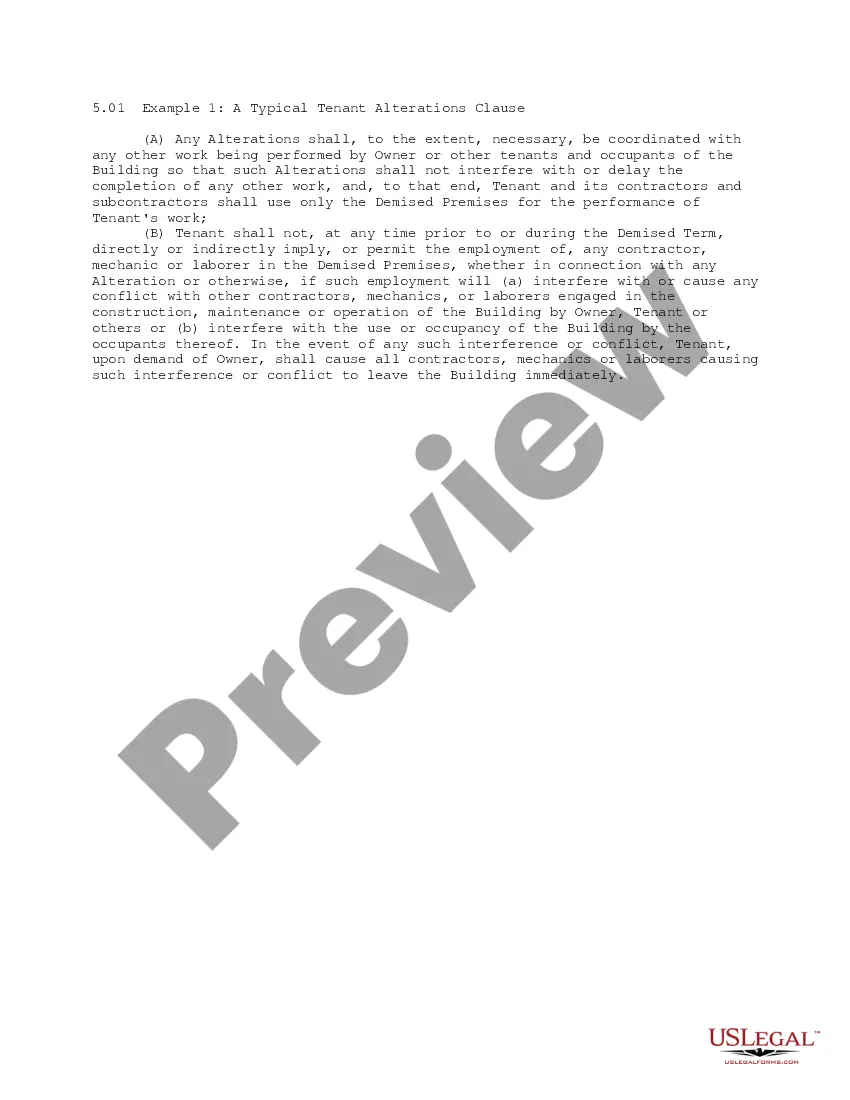
- Details of the specific alterations or improvements to be made by the tenant.
- Clarification of whether alterations remain the landlord's or are deemed the tenant's personal property.
- Reimbursement terms for costs associated with the improvements.
- Conditions for returning the premises to its original state upon termination of tenancy.
- Legal provisions regarding the recovery of costs and attorney fees in case of disputes.
When this form is needed
This form should be used when a tenant wishes to make physical changes or improvements to a rental unit, such as remodeling a bathroom, painting walls, or installing new fixtures. It is essential to have a written agreement to ensure clarity on what modifications can be made, the financial responsibilities attached to those modifications, and the handling of alterations after the tenancy ends.
Intended users of this form
- Landlords who want to allow tenants to make alterations while maintaining control over property modifications.
- Tenants who seek permission to modify their living space and want to outline their rights regarding those alterations.
- Property management companies managing rental agreements on behalf of landlords.
Instructions for completing this form
- Identify the parties involved by filling in the names of the landlord and tenant.
- Specify the rental unit's address and details regarding the alterations the tenant intends to make.
- Determine and document who will own the improvements after they are made.
- Outline the reimbursement terms for the costs associated with the alterations.
- Ensure all parties sign and date the agreement to make it legally binding.
Does this form need to be notarized?
This form does not typically require notarization unless specified by local law. It is advisable to check local regulations to confirm the requirements for executing the agreement.
Get your form ready online
Our built-in tools help you complete, sign, share, and store your documents in one place.
Make edits, fill in missing information, and update formatting in US Legal Forms—just like you would in MS Word.
Download a copy, print it, send it by email, or mail it via USPS—whatever works best for your next step.
Sign and collect signatures with our SignNow integration. Send to multiple recipients, set reminders, and more. Go Premium to unlock E-Sign.
If this form requires notarization, complete it online through a secure video call—no need to meet a notary in person or wait for an appointment.
We protect your documents and personal data by following strict security and privacy standards.

Make edits, fill in missing information, and update formatting in US Legal Forms—just like you would in MS Word.

Download a copy, print it, send it by email, or mail it via USPS—whatever works best for your next step.

Sign and collect signatures with our SignNow integration. Send to multiple recipients, set reminders, and more. Go Premium to unlock E-Sign.

If this form requires notarization, complete it online through a secure video call—no need to meet a notary in person or wait for an appointment.

We protect your documents and personal data by following strict security and privacy standards.
Common mistakes to avoid
- Failing to specify all the alterations permitted can lead to disputes later.
- Not discussing or agreeing on the reimbursement process beforehand.
- Neglecting to get all parties' signatures, rendering the agreement unenforceable.
- Ignoring state-specific laws that might influence tenant alteration rights.
Why complete this form online
- Convenience of downloading and completing the form at your own pace.
- Editability allows you to customize terms according to specific needs.
- Reliability as documents are drafted by licensed attorneys, ensuring legal soundness.
What to keep in mind
- The agreement clearly outlines tenant modifications and associated responsibilities.
- Clarification of property ownership for any alterations made is essential.
- Completing this form helps prevent conflicts and ensures clear communication between landlords and tenants.
Looking for another form?
Form popularity
FAQ
In real estate, alteration refers to any change made to a property that affects its physical characteristics. This can include renovations, remodels, or other significant changes. Understanding the implications of alterations is crucial when engaging in a Missouri Landlord Agreement to allow Tenant Alterations to Premises, as it sets clear expectations for both landlords and tenants.
A home alteration generally includes any modification that changes the structure or design of a home. This could involve major renovations like adding a room or minor changes such as installing shelves. When entering into a Missouri Landlord Agreement to allow Tenant Alterations to Premises, it’s essential to clarify what types of home alterations are permissible to prevent conflicts.
In the context of renters, alterations can encompass any modification that affects the rental unit's appearance or functionality. This may involve painting walls, replacing appliances, or landscaping the yard. Tenants should always consult their Missouri Landlord Agreement to allow Tenant Alterations to Premises to understand what changes are allowed without risking their security deposit.
An alteration to a rental property can include structural changes, such as installing new fixtures, or cosmetic updates, like changing flooring. These alterations often require permission from the landlord, as they can impact the overall property value. A clear understanding of what alterations are permitted is vital when drafting a Missouri Landlord Agreement to allow Tenant Alterations to Premises.
An alteration typically refers to any change made to a property that modifies its original state. This can include renovations, additions, or even minor adjustments like painting walls. In the context of a Missouri Landlord Agreement to allow Tenant Alterations to Premises, it is important to define what constitutes an alteration to avoid misunderstandings between landlords and tenants.
Law 441.060 in Missouri governs the landlord-tenant relationship, specifying the rights and duties of both parties. It addresses issues such as security deposits, lease agreements, and tenant alterations to the premises. Understanding this law is crucial when creating a Missouri Landlord Agreement to allow Tenant Alterations to Premises, as it informs both parties of their legal obligations.
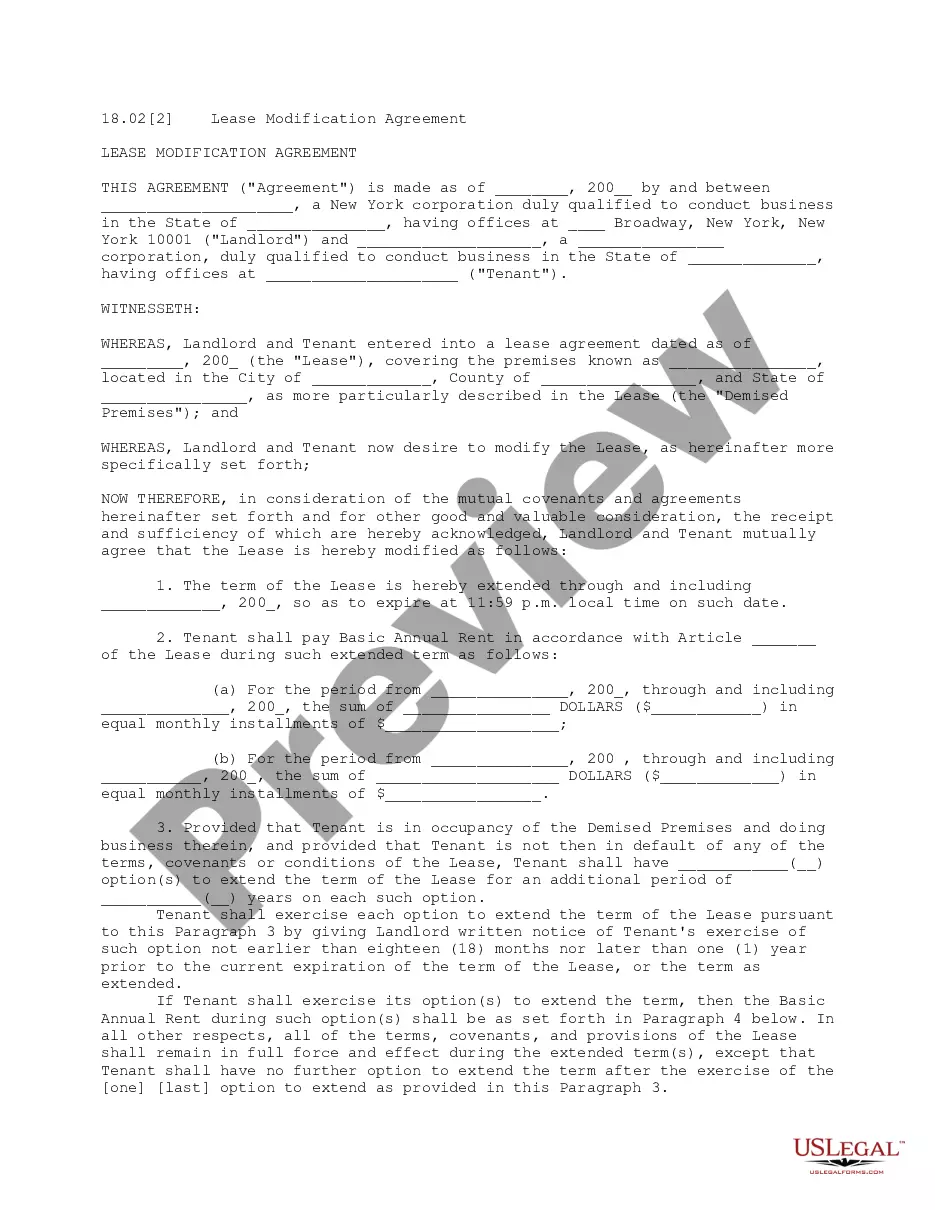
To amend a tenancy agreement, both the landlord and tenant must agree to the changes. This often involves drafting a written document that outlines the specific amendments, which should then be signed by both parties. By following these steps, you can maintain a clear understanding of the Missouri Landlord Agreement to allow Tenant Alterations to Premises, fostering a positive rental relationship.
Identifying red flags in a lease agreement is crucial for both landlords and tenants. Look for vague language that leaves room for misinterpretation, as well as clauses that seem unusually one-sided. Additionally, be cautious of excessive fees or penalties that are not clearly explained. A well-crafted Missouri Landlord Agreement to allow Tenant Alterations to Premises should offer clarity and fairness to foster a positive rental experience.
In Missouri, landlords must adhere to specific regulations that protect tenants. They cannot retaliate against tenants for exercising their legal rights, such as complaining about unsafe living conditions. Additionally, landlords cannot illegally evict tenants without following the proper legal procedures. Understanding these restrictions can help both parties navigate a Missouri Landlord Agreement to allow Tenant Alterations to Premises effectively.