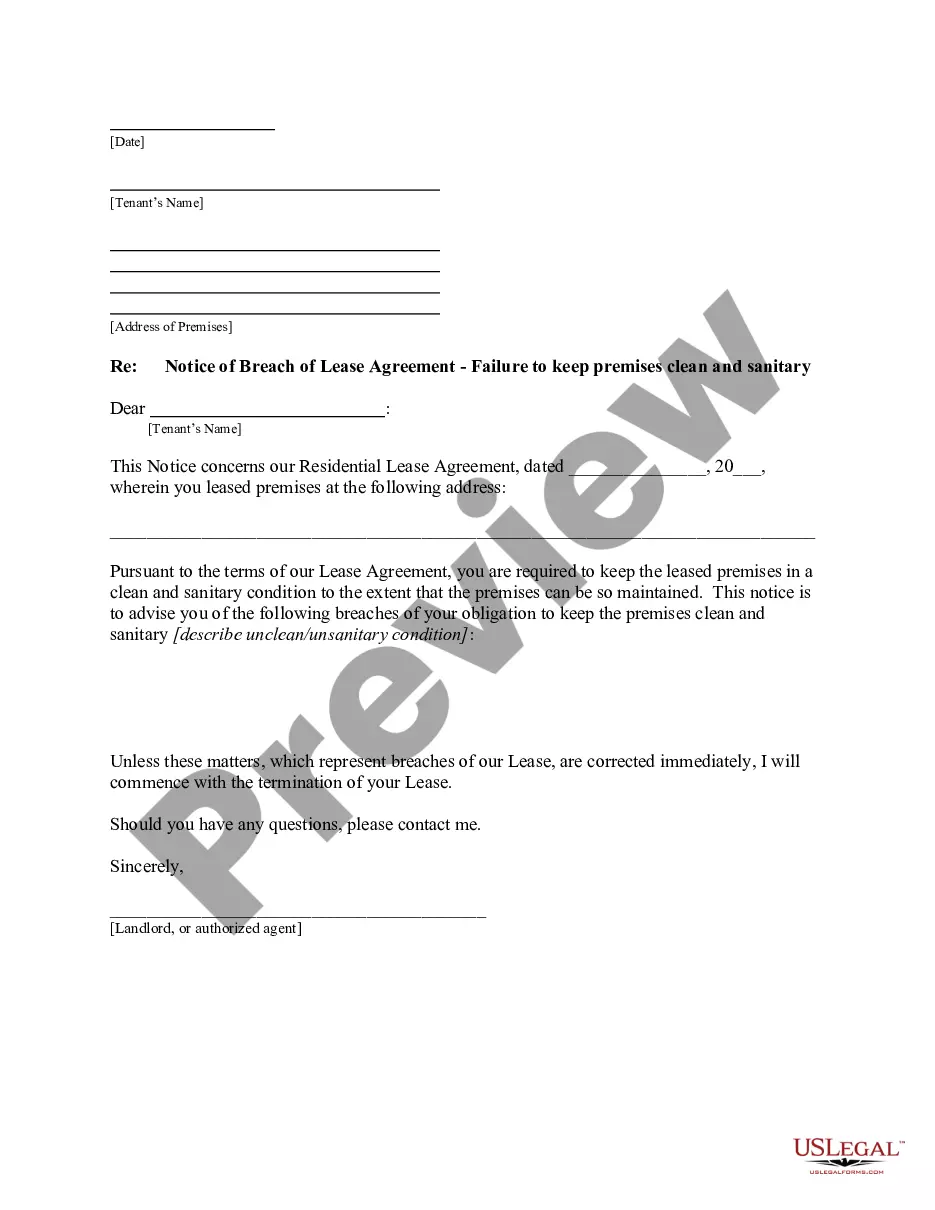
Missouri Warranty Deed from Four Individuals to a Limited Liability Company (LLC)
Understanding this form
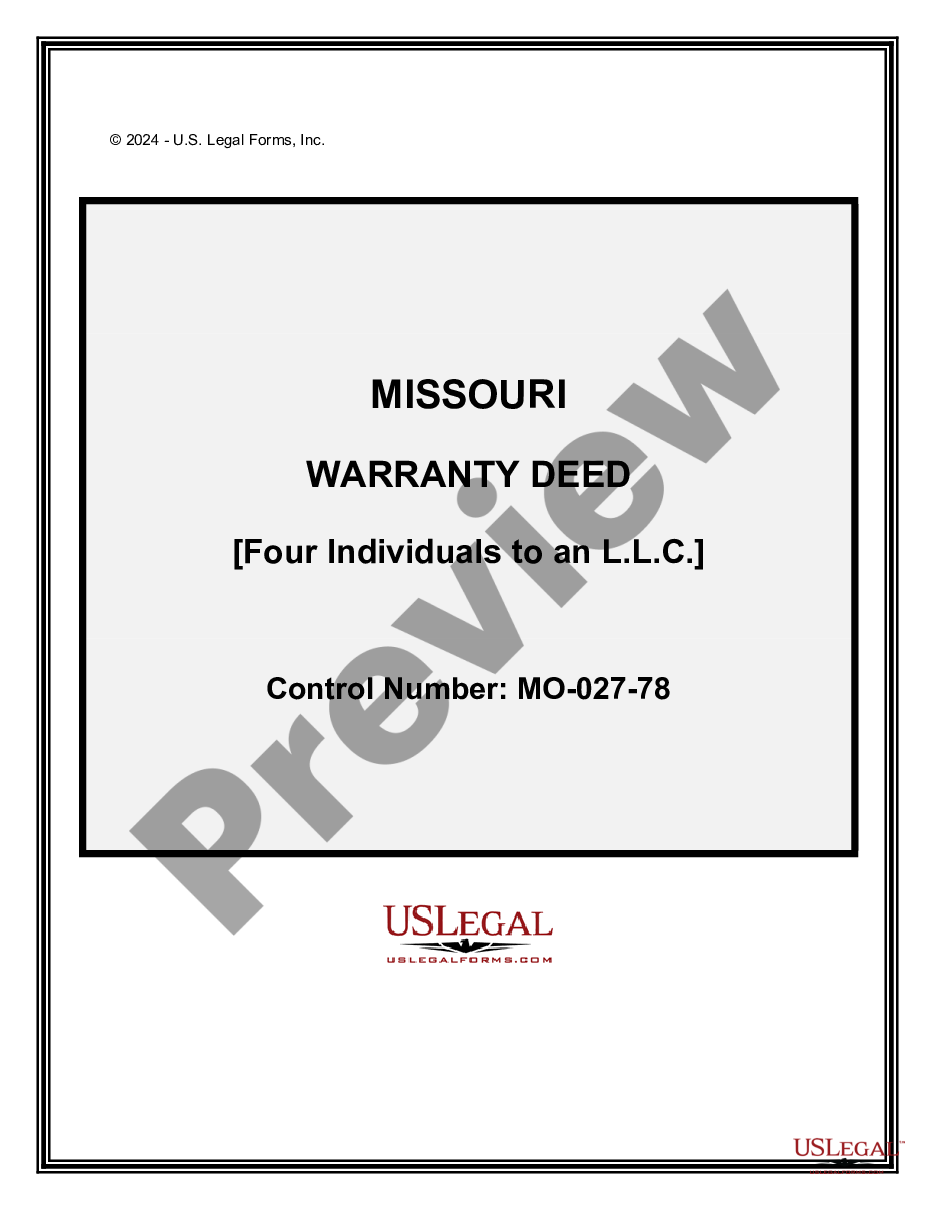
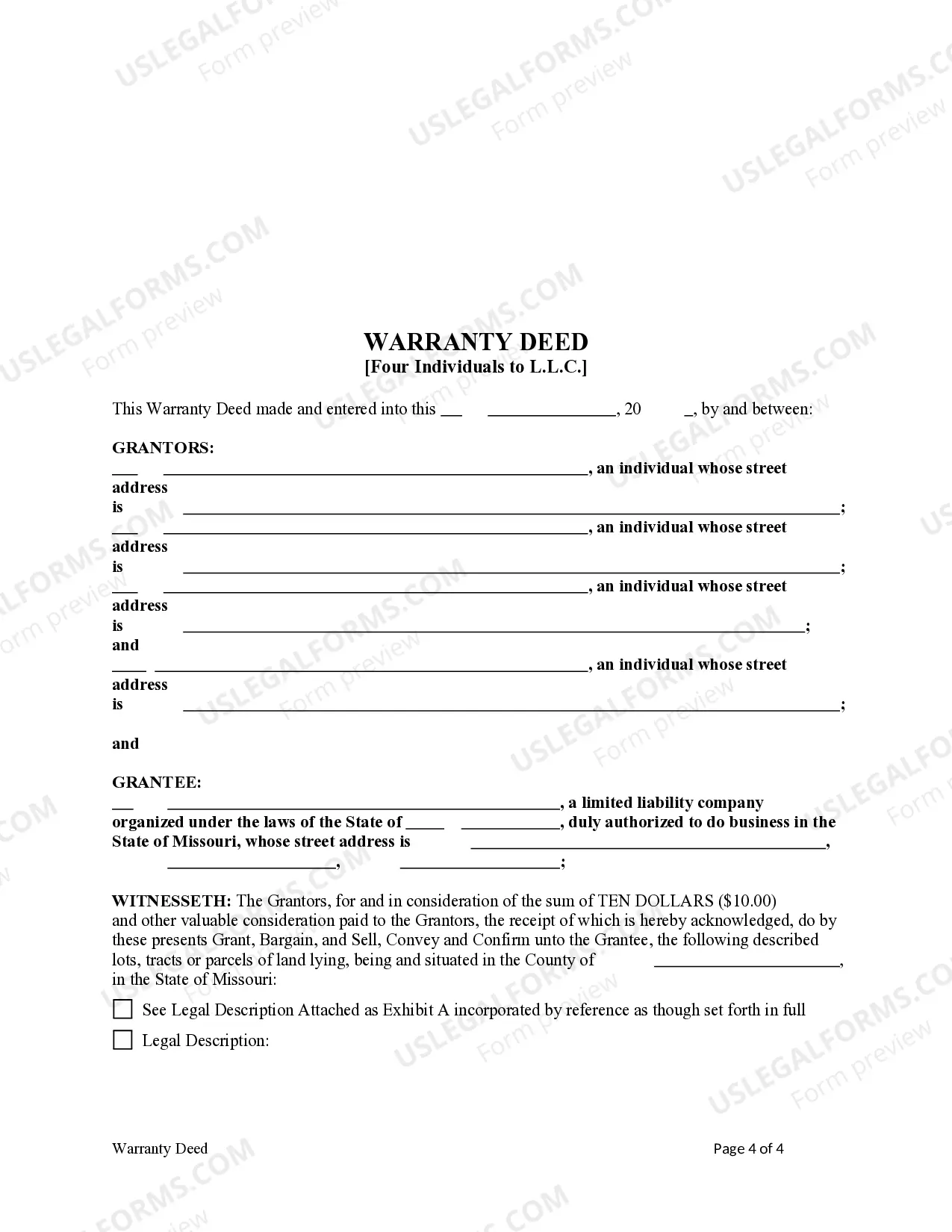
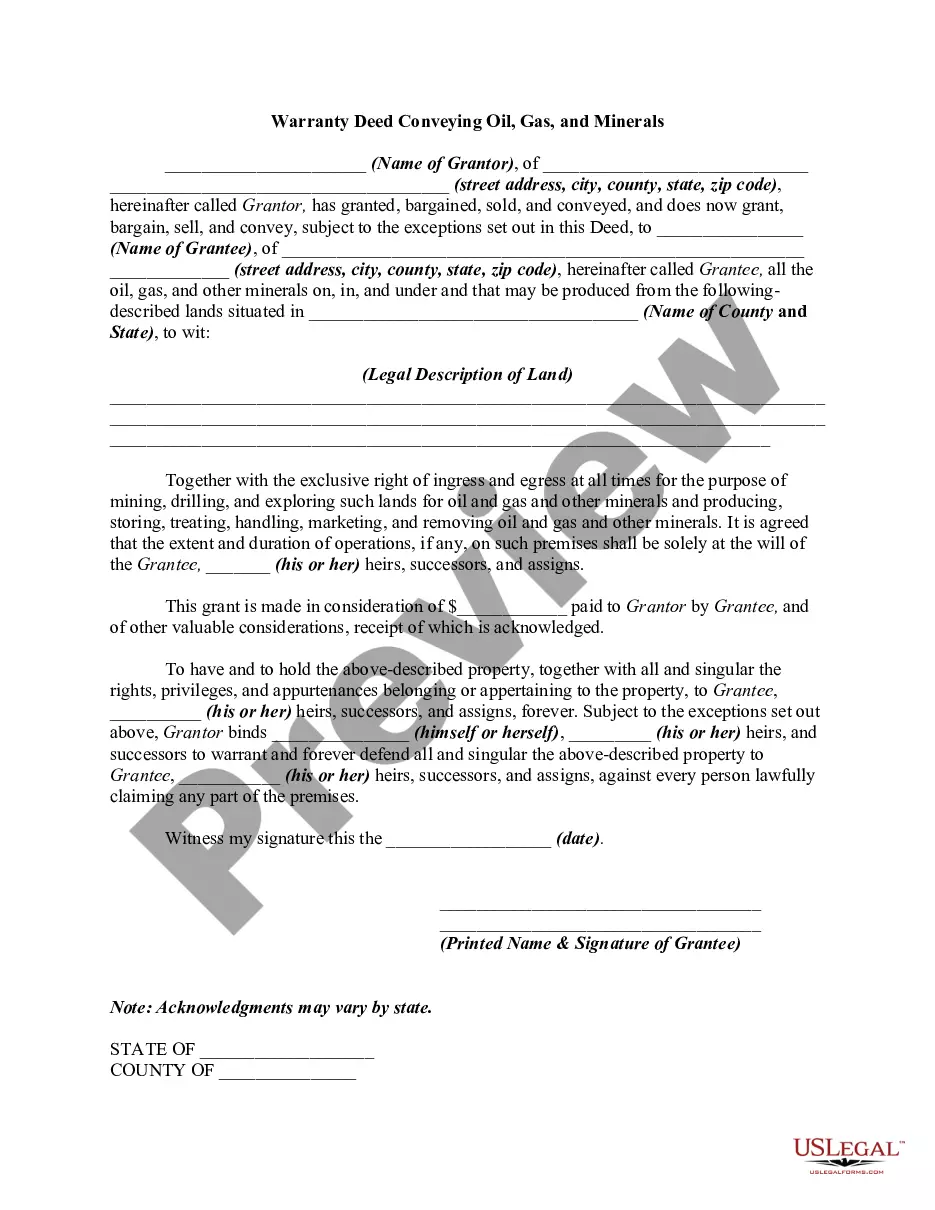
The Warranty Deed from Four Individuals to a Limited Liability Company (LLC) is a legal document used to transfer real property ownership from four individuals (the Grantors) to an LLC (the Grantee). This form ensures that the Grantors not only convey the property but also warrant it against any claims. Unlike a quitclaim deed, this warranty deed provides a higher level of protection to the Grantee, affirming the Grantors' clear title to the property.
Key parts of this document
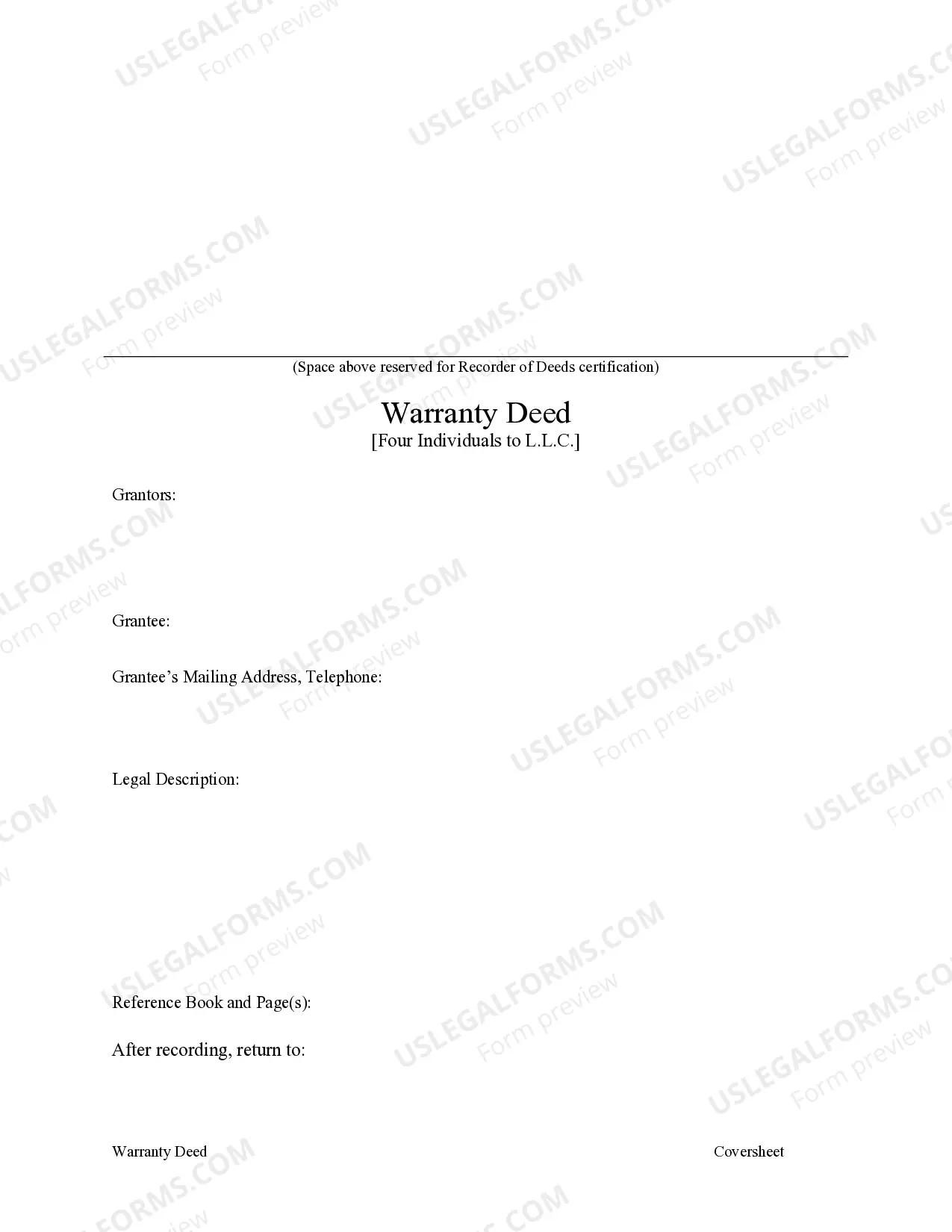
- Grantors: Identifies the four individuals transferring the property.
- Grantee: Specifies the Limited Liability Company receiving the property.
- Property Description: Detailed information regarding the property being conveyed.
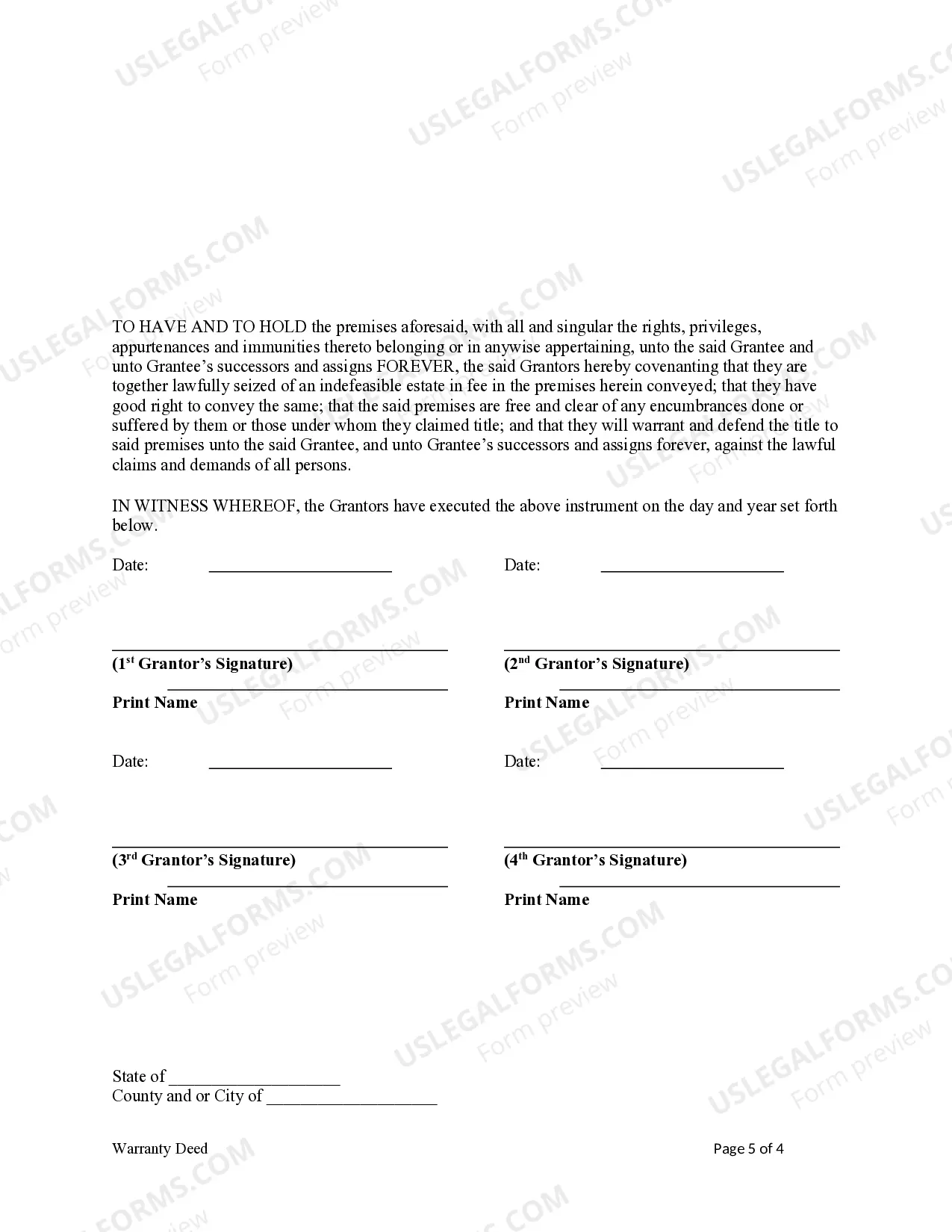
- Warranties: Clauses that affirm the Grantors guarantee clear title to the property.
- Signatures: Required signatures of all Grantors to validate the deed.

When to use this form
You should use the Warranty Deed from Four Individuals to a Limited Liability Company when you need to formally transfer ownership of real estate from multiple individuals to an LLC. This is commonly applied in business transactions where property owned by partners or co-investors is reallocated to a business entity for liability protection and management purposes.
Who should use this form
- Four individuals who jointly own a property and wish to transfer it to an LLC.
- Business partners looking to consolidate property under a single legal entity.
- Real estate investors moving their property assets into an LLC for protection and tax purposes.
Steps to complete this form
- Identify the Grantors: Enter the full names of the four individuals conveying the property.
- Specify the Grantee: List the name of the Limited Liability Company receiving the property.
- Describe the Property: Provide detailed information about the property, including its legal description.
- Include Fair Market Value: State the value of the property being transferred.
- Sign the Deed: Ensure all Grantors sign the document in the appropriate places.
Is notarization required?
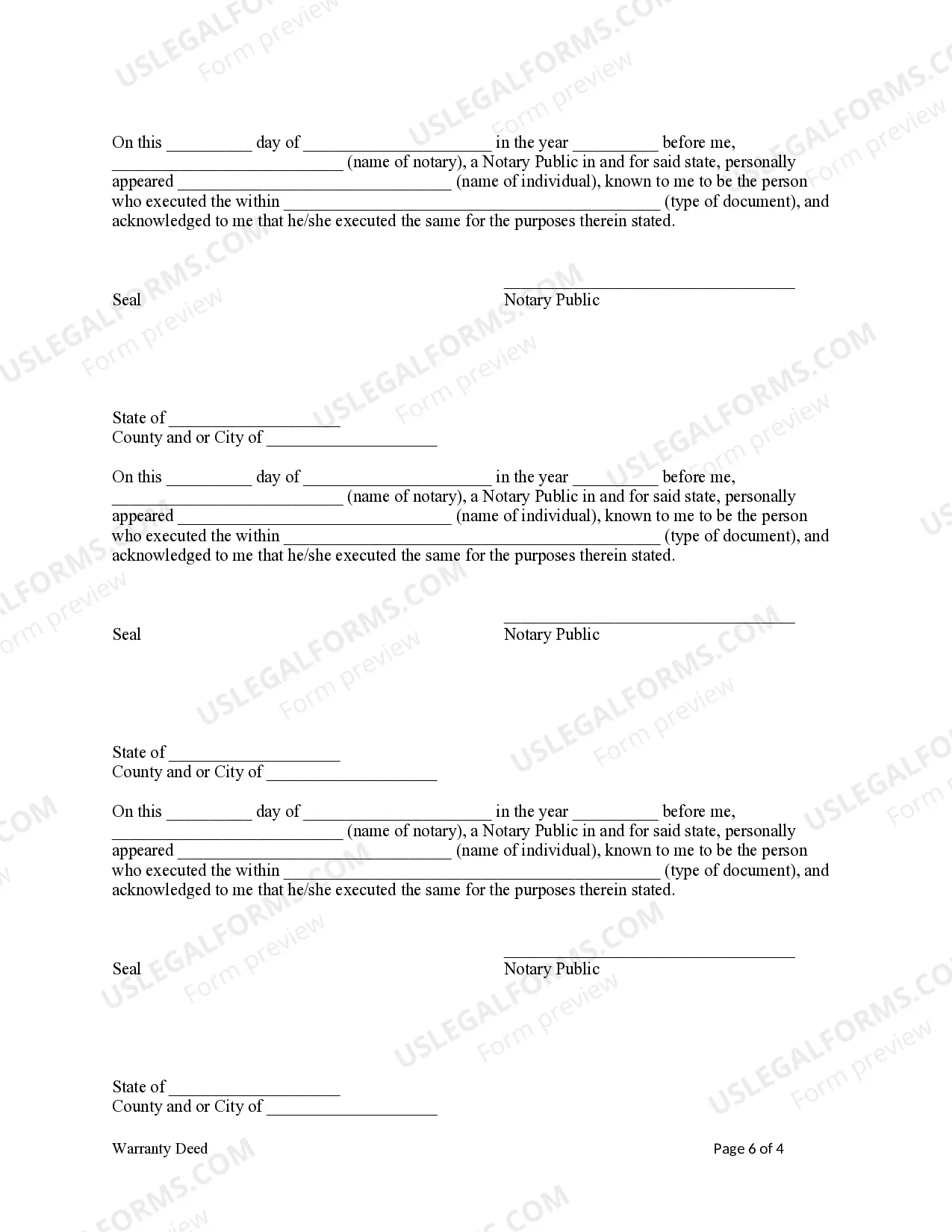
This form does not typically require notarization unless specified by local law. It is advisable to check with local regulations to ensure compliance.
Get your form ready online
Our built-in tools help you complete, sign, share, and store your documents in one place.
Make edits, fill in missing information, and update formatting in US Legal Forms—just like you would in MS Word.
Download a copy, print it, send it by email, or mail it via USPS—whatever works best for your next step.
Sign and collect signatures with our SignNow integration. Send to multiple recipients, set reminders, and more. Go Premium to unlock E-Sign.
If this form requires notarization, complete it online through a secure video call—no need to meet a notary in person or wait for an appointment.
We protect your documents and personal data by following strict security and privacy standards.

Make edits, fill in missing information, and update formatting in US Legal Forms—just like you would in MS Word.

Download a copy, print it, send it by email, or mail it via USPS—whatever works best for your next step.

Sign and collect signatures with our SignNow integration. Send to multiple recipients, set reminders, and more. Go Premium to unlock E-Sign.

If this form requires notarization, complete it online through a secure video call—no need to meet a notary in person or wait for an appointment.

We protect your documents and personal data by following strict security and privacy standards.
Typical mistakes to avoid
- Failing to include all Grantors' signatures, which may invalidate the deed.
- Omitting accurate property descriptions, leading to confusion over the property being conveyed.
- Not checking local laws regarding the use of the Warranty Deed, which may vary by state.
Why complete this form online
- Convenience: Easily download and complete the form from the comfort of your home.
- Editability: Fill in the form electronically, reducing the chance of errors.
- Legal Compliance: Forms are drafted based on current state laws to ensure validity.
Legal use & context
- This Warranty Deed provides full assurance regarding the title for the Grantee.
- The use of this form helps in maintaining clear title ownership and preventing future disputes.
- It is recognized in court should the need arise for legal validation of the transaction.
Main things to remember
- This Warranty Deed is essential for transferring property to an LLC with full title assurance.
- Proper completion and notarization are critical for the deed's legality.
- This form is tailored to meet the needs of individuals involved in real estate transactions.
Looking for another form?
Form popularity
FAQ
To transfer ownership of property to an LLC, you need to prepare a Missouri Warranty Deed that clearly identifies the property and the LLC as the new owner. Ensure all current owners sign the deed, and consider having it notarized for added legitimacy. After executing the deed, file it with the local county recorder’s office. This process makes the transfer official and secures your property under the LLC, protecting personal assets.
To transfer ownership of an LLC in Missouri, you should first review the operating agreement for any specific procedures. Next, you will need to document the transfer with an official agreement or resolution. Additionally, update the Missouri Secretary of State's records to reflect the new ownership structure. Utilizing a Missouri Warranty Deed from Four Individuals to a Limited Liability Company (LLC) can simplify the process of transferring property associated with the LLC.
Transferring property to a Limited Liability Company (LLC) can offer several benefits, including liability protection and potential tax advantages. By executing a Missouri Warranty Deed from Four Individuals to a Limited Liability Company (LLC), owners can safeguard personal assets from business liabilities. Additionally, this structure can streamline property management and facilitate easier transfer of ownership. Always consult a legal professional to ensure this move aligns with your financial and personal goals.
To obtain a Missouri Warranty Deed from Four Individuals to a Limited Liability Company (LLC), you should first draft the deed, ensuring it meets state requirements. You can use online legal platforms like USLegalForms to access templates that simplify this process. After drafting, sign the deed in front of a notary public and then file it with the county recorder's office. This process secures your property transfer legally and effectively.
Typically, the lender will provide you with a copy of the deed of trust after the closing. The original warranty deeds are often mailed to the grantee after they are recorded. These are your original copies and should be kept in a safe place, such as a fireproof lockbox or a safe deposit box at a financial institution.
Retrieve your original deed. Get the appropriate deed form. Draft the deed. Sign the deed before a notary. Record the deed with the county recorder. Obtain the new original deed.
The Beneficiary Deed transfers an owner's interest in real estate to named beneficiaries upon the owner's death without need for the probate process. This saves the family both the time and money associated with the Probate Process.
The original deed is returned to the owner of the property from the office of the recorder after proper entry. The office of the Recorder of Deeds maintains a set of indexes about each deed recorded, for an easy search. Almost all states have a grantor-grantee index including a reference to all documents recorded.
Review your Operating Agreement and Articles of Organization. Establish What Your Buyer Wants to Buy. Draw Up a Buy-Sell Agreement with the New Buyer. Record the Sale with the State Business Registration Agency.
Locate the Prior Deed to the Property. The prior deed includes important information that is needed to prepare the new deed. Get a New Deed to the Property. Sign and Notarize the New Deed. Record the New Deed in the Land Records.