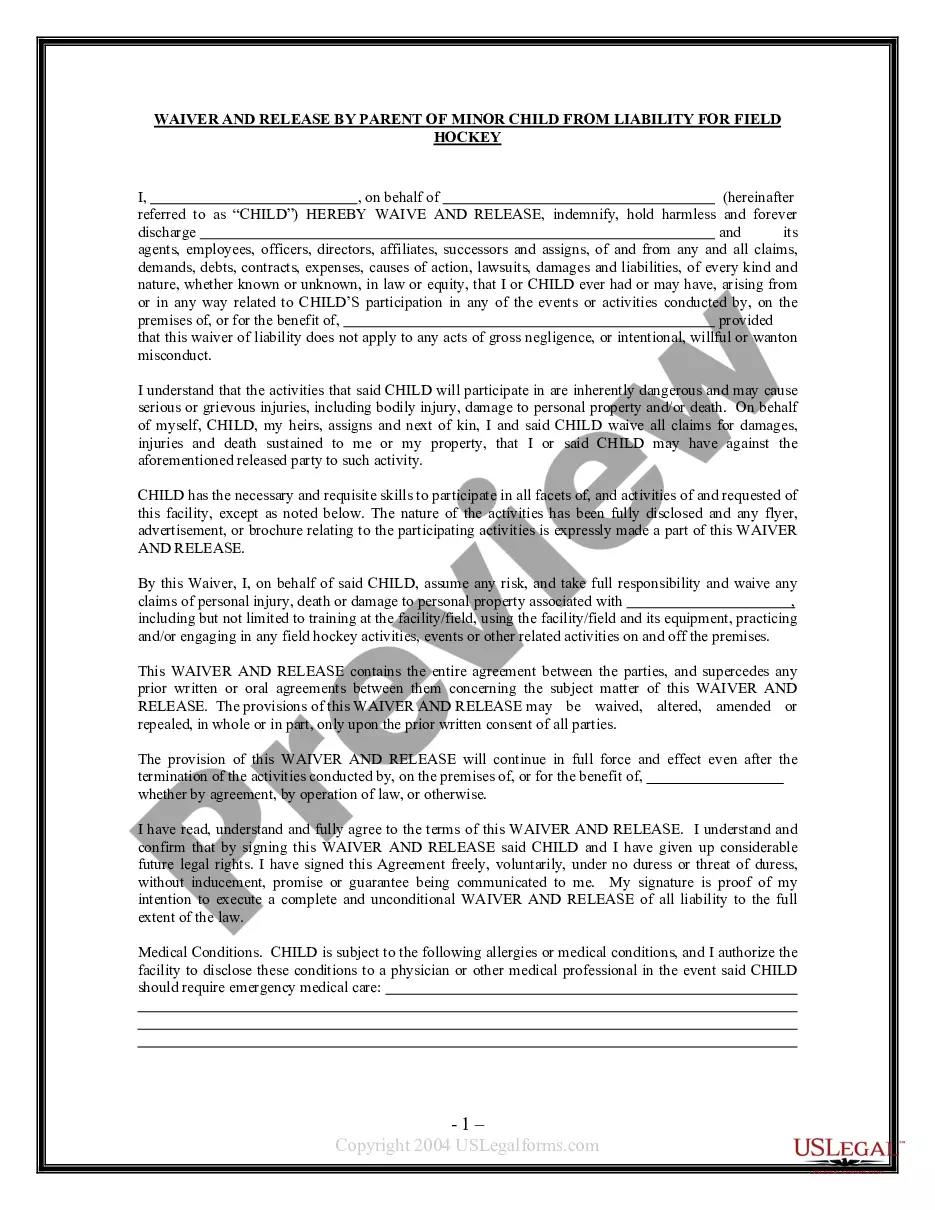
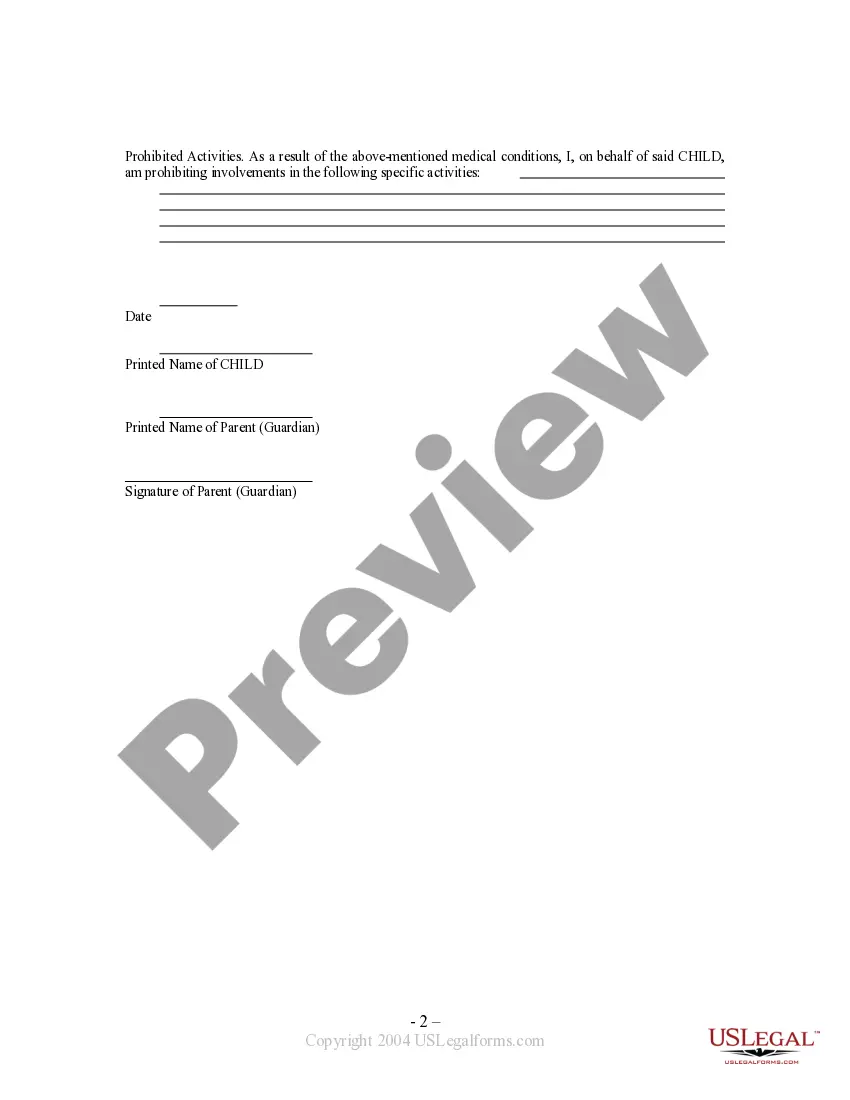
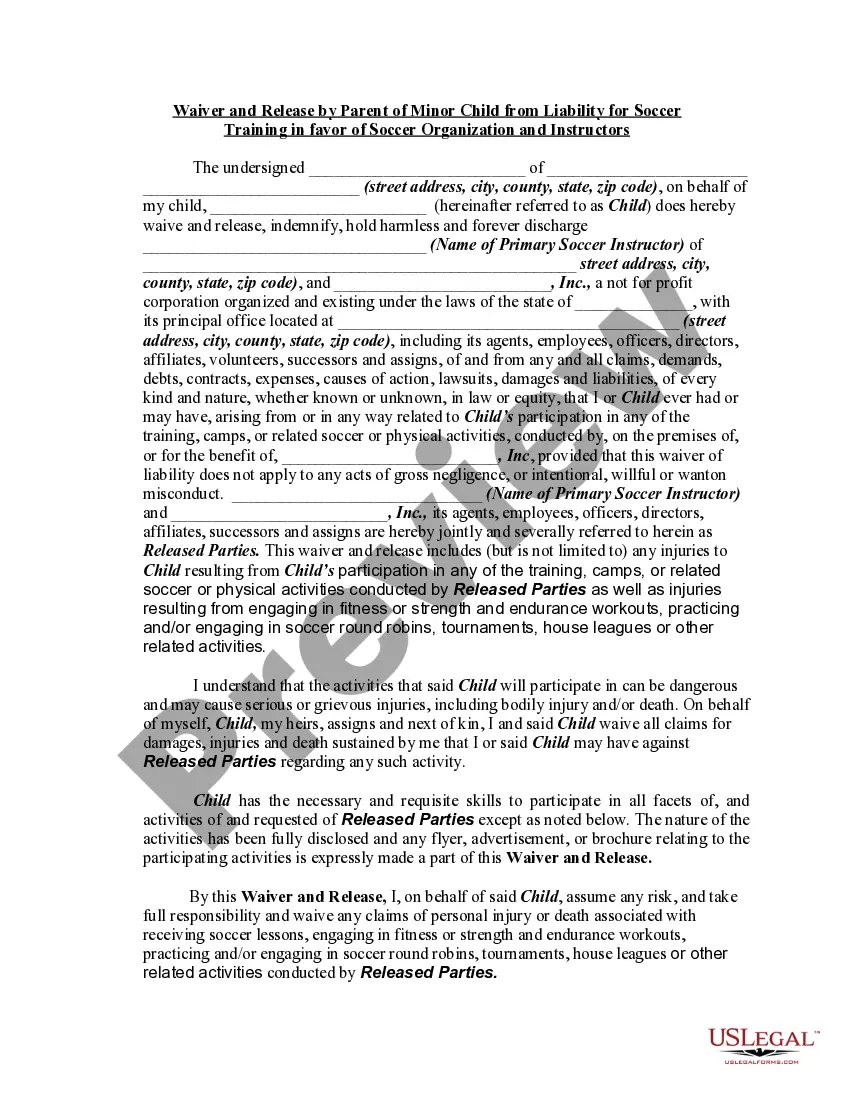
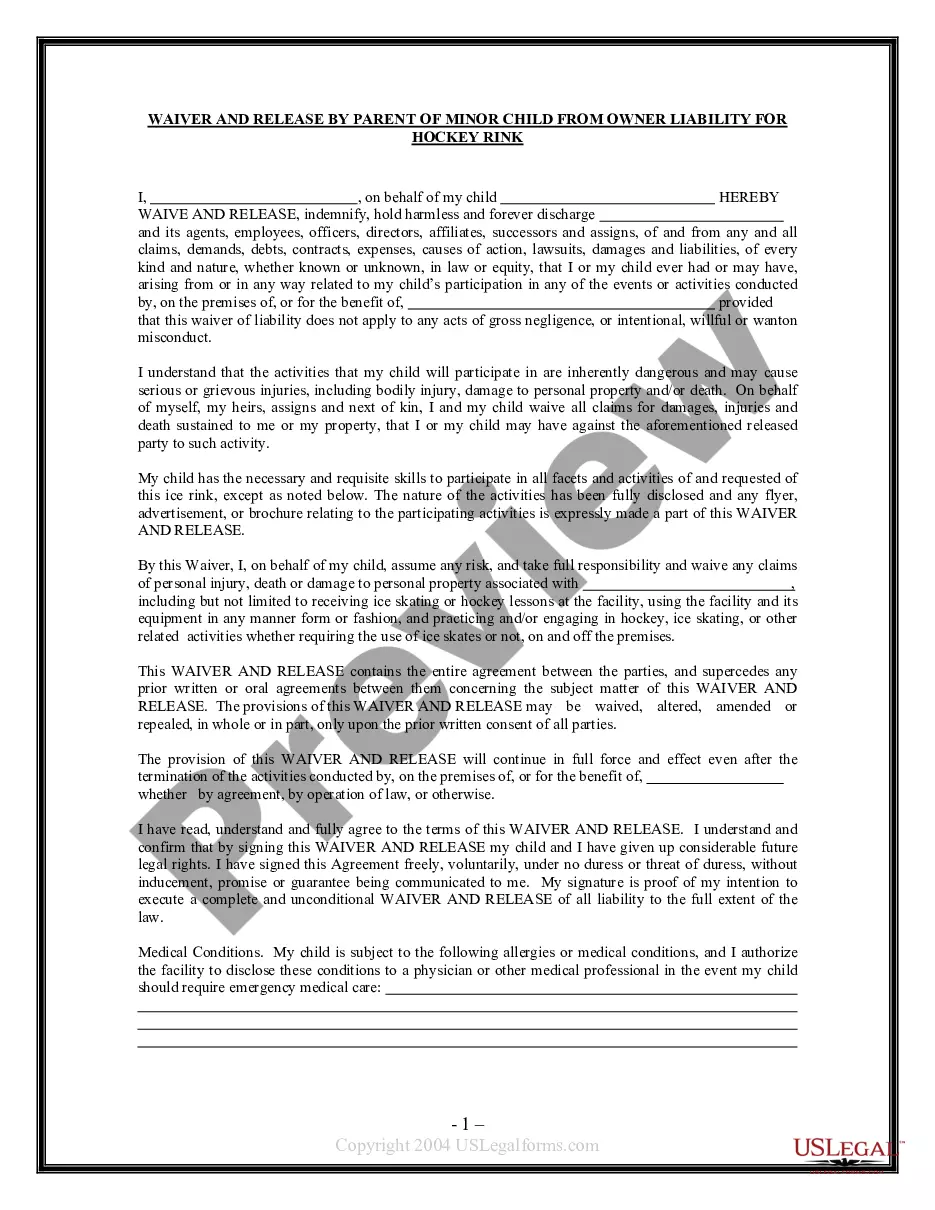
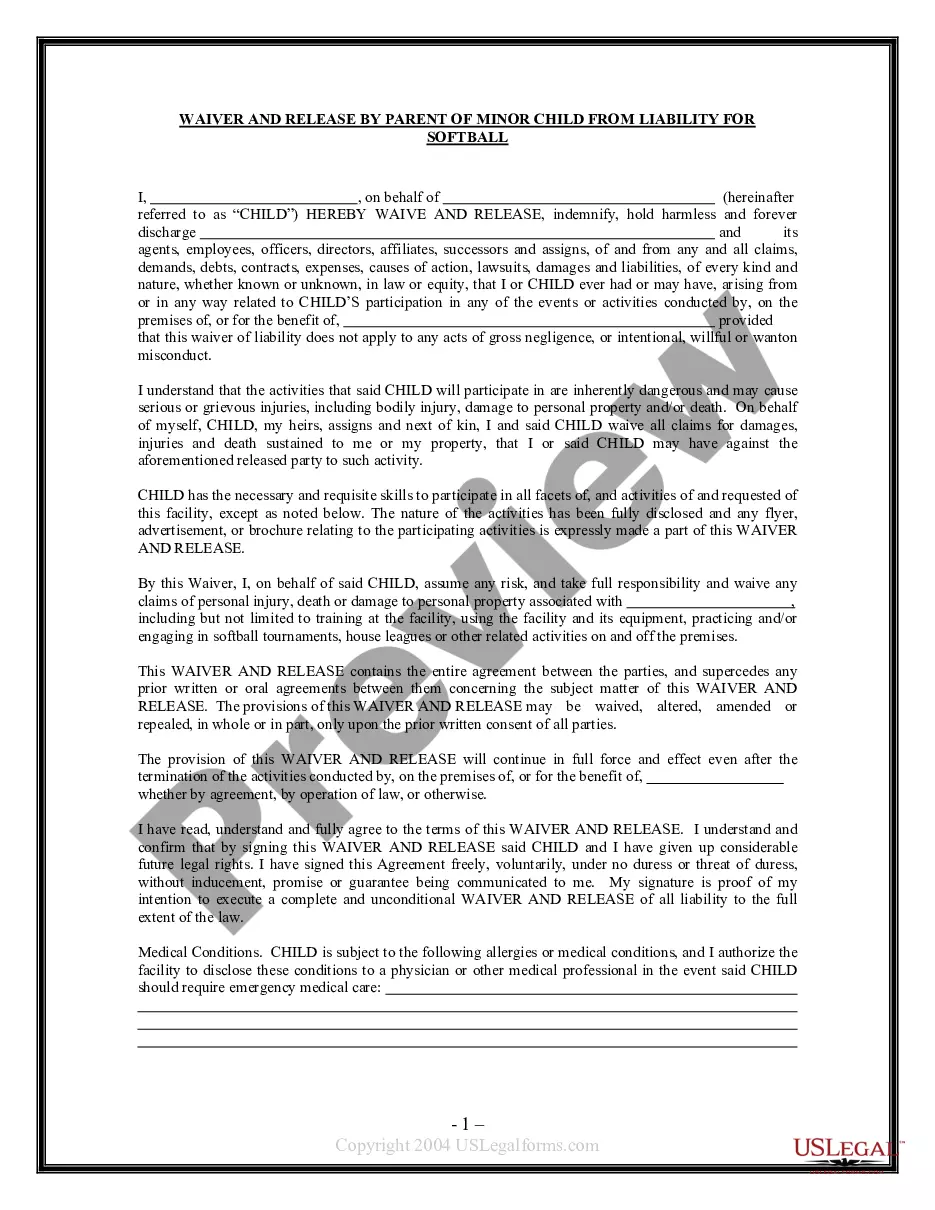
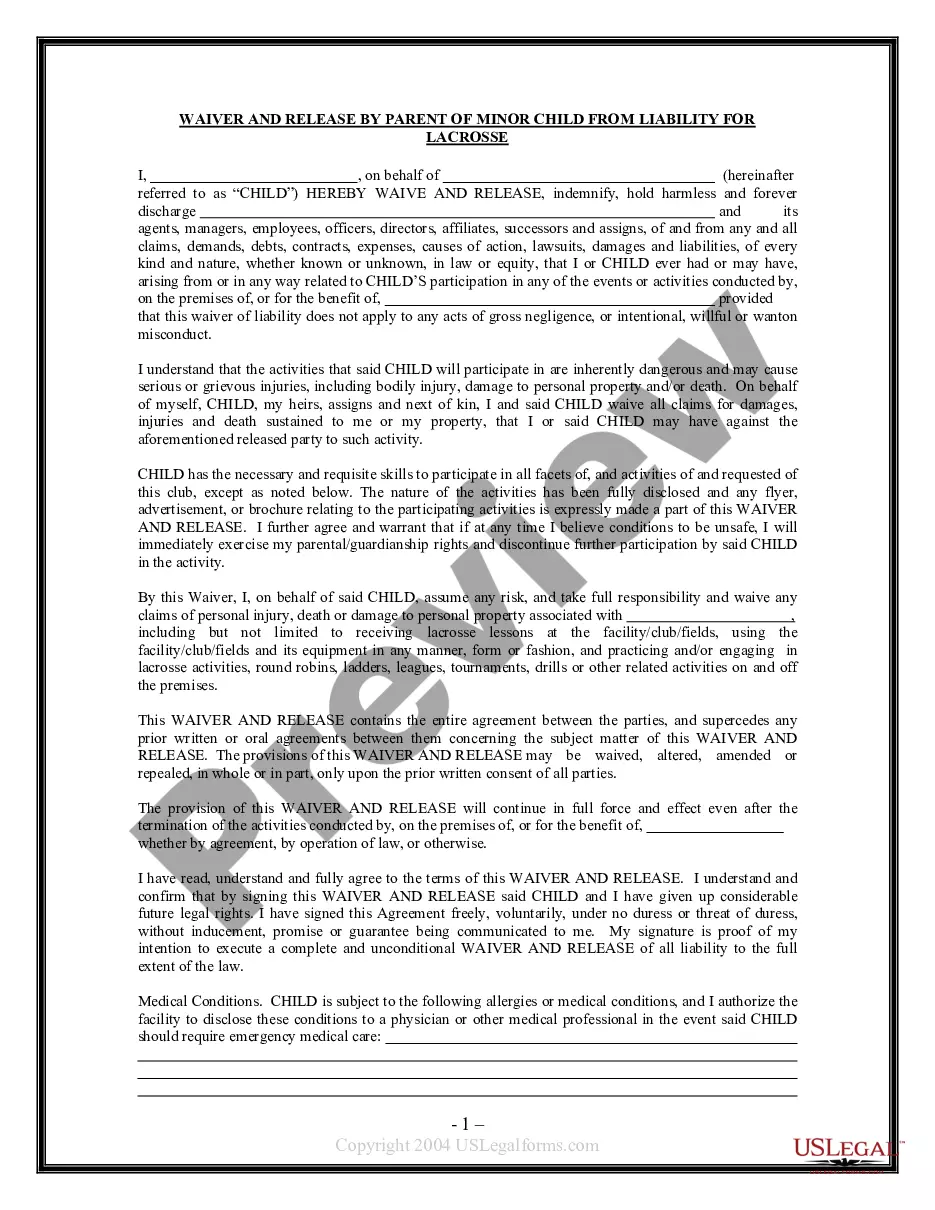
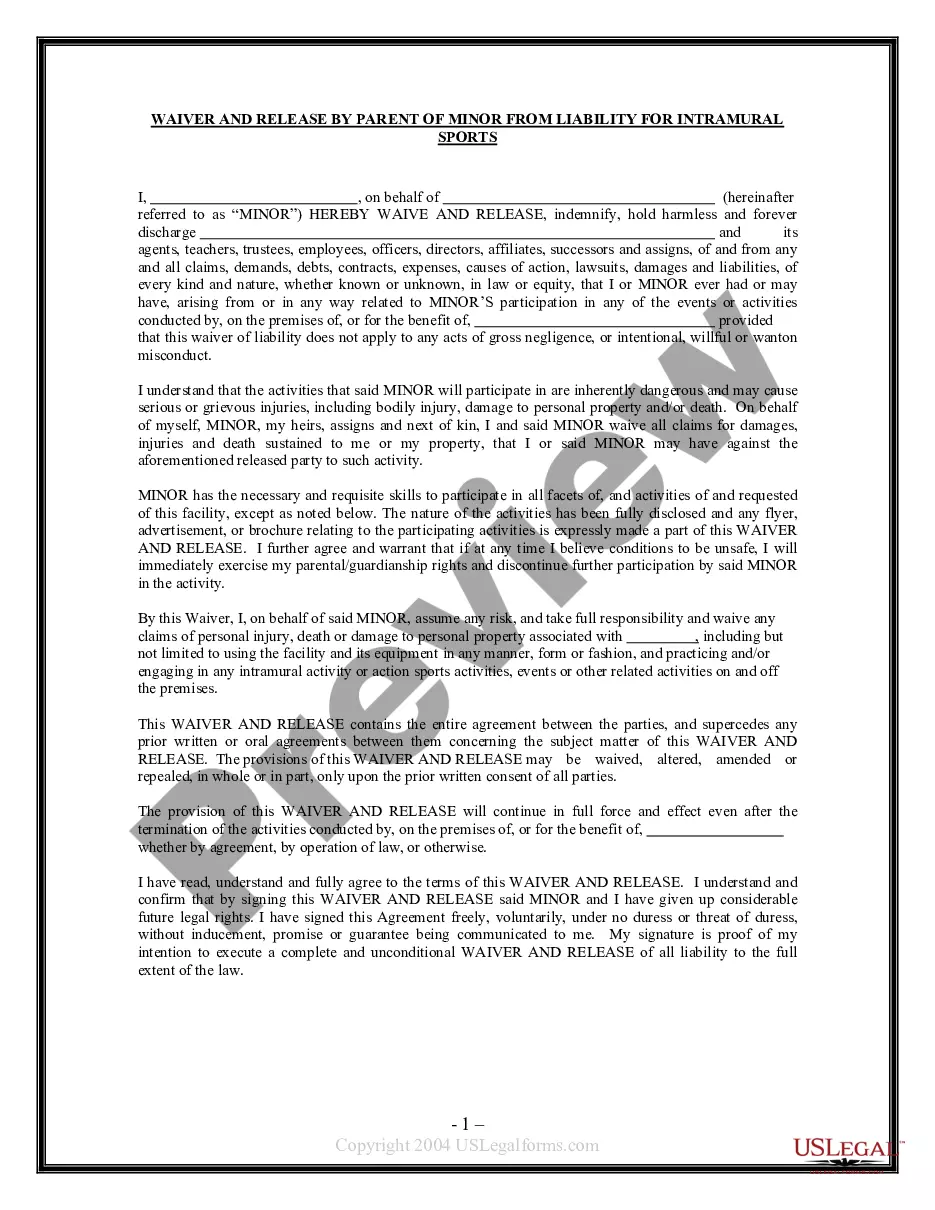
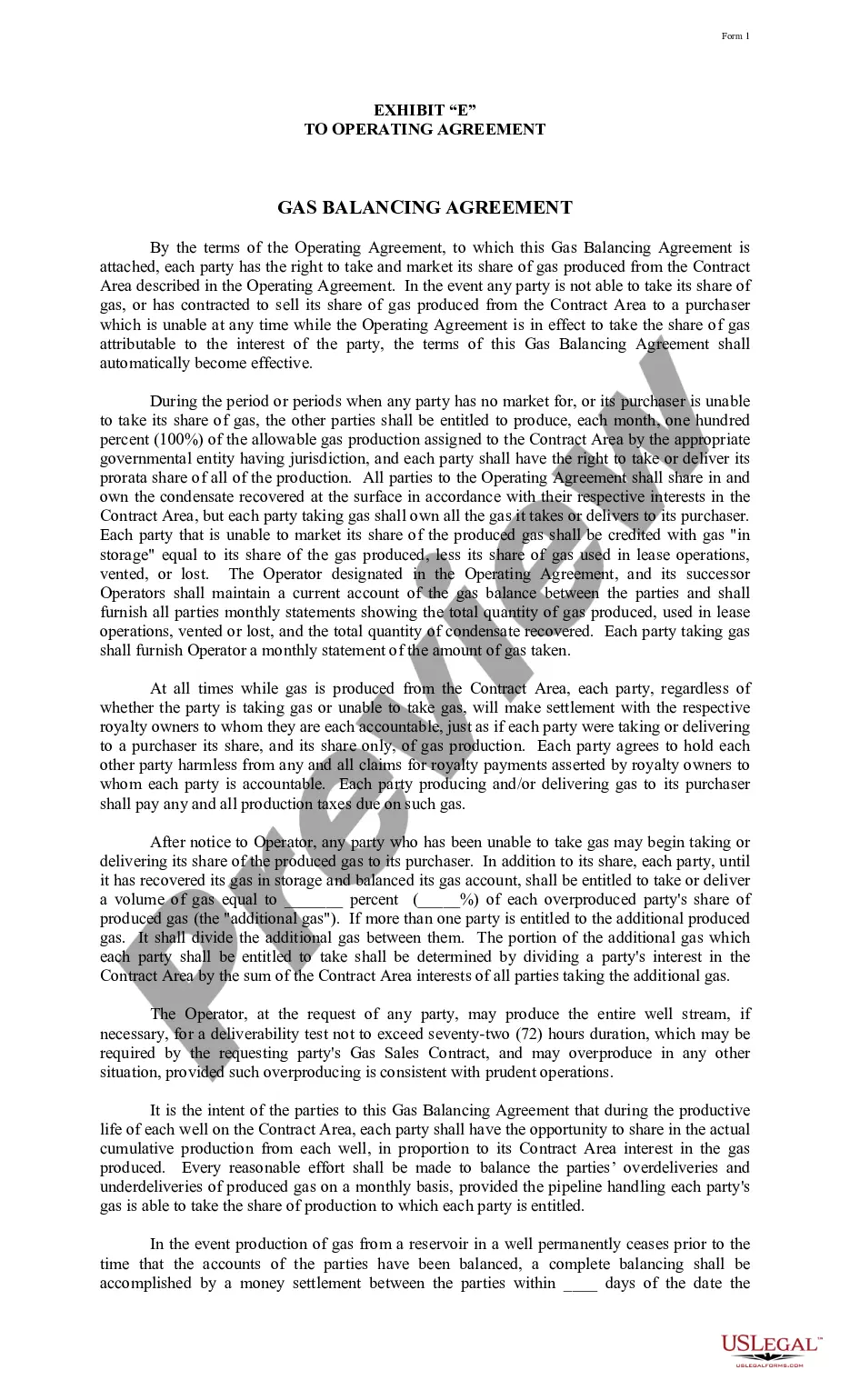
This form allows a parent or guardian to release a fieldhockey facility from liability for injuries which may be incurred by a minor child while on the premises, taking part in activities, etc.
Minnesota Waiver and Release From Liability For Minor Child for Field Hockey
Category:
State:
Multi-State
Control #:
US-WAV-40M
Format:
Word;
Rich Text
Instant download
Description
Free preview
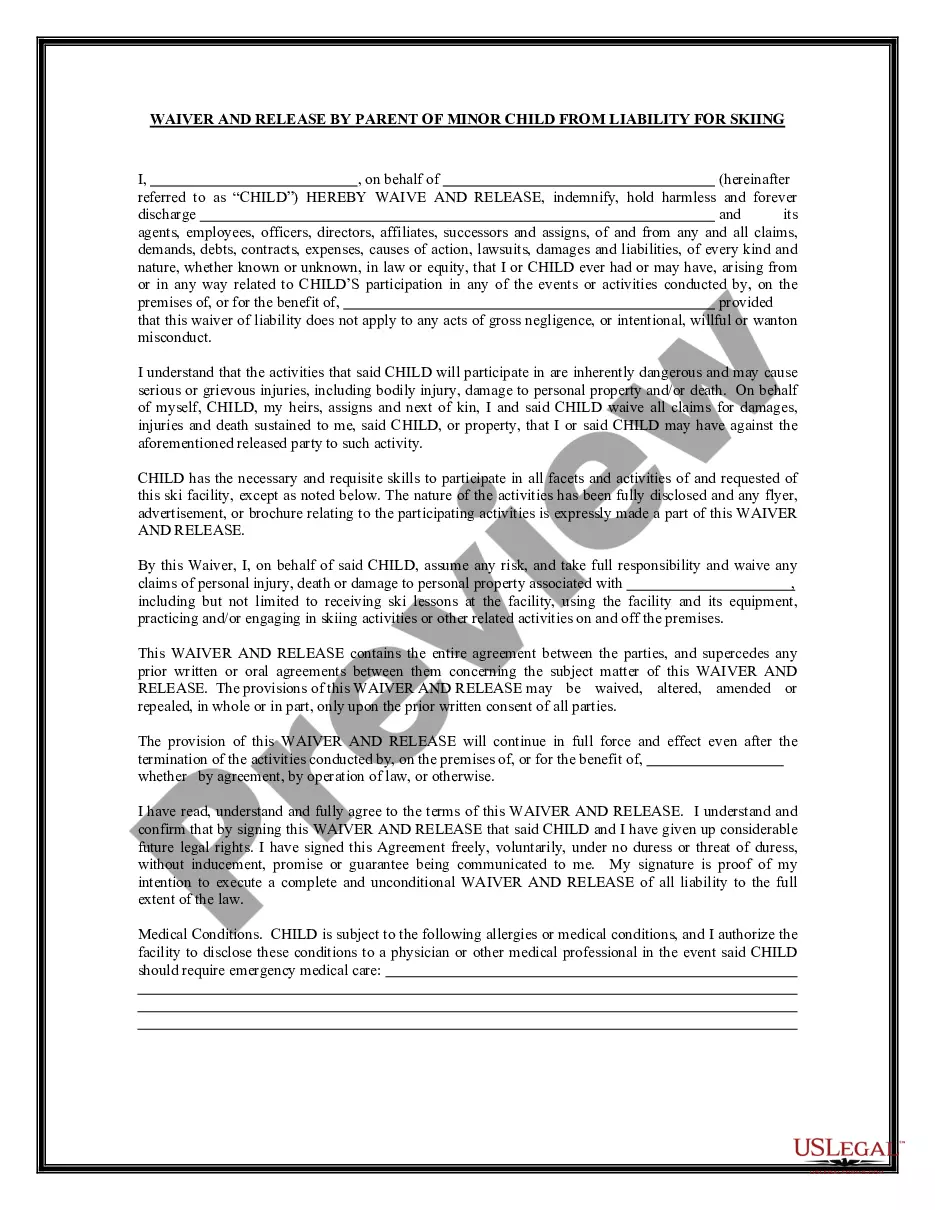
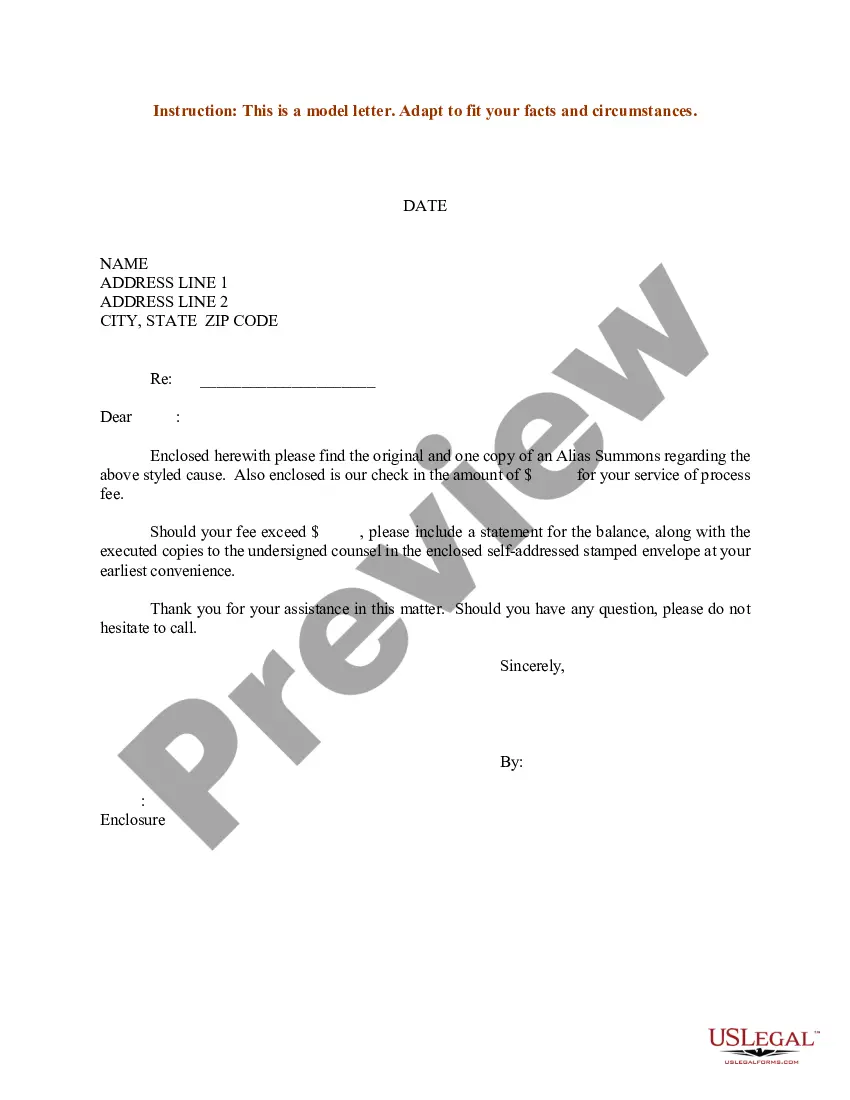
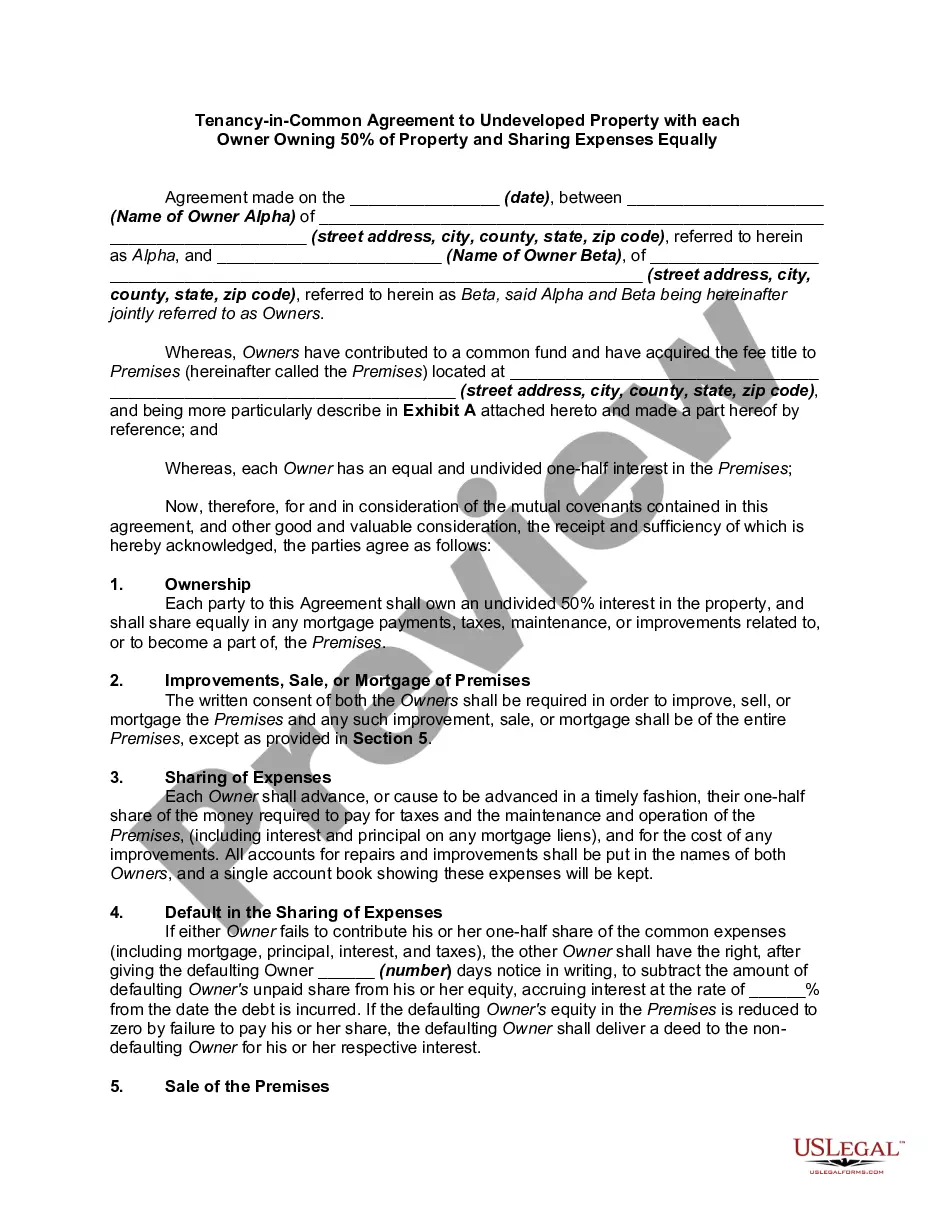
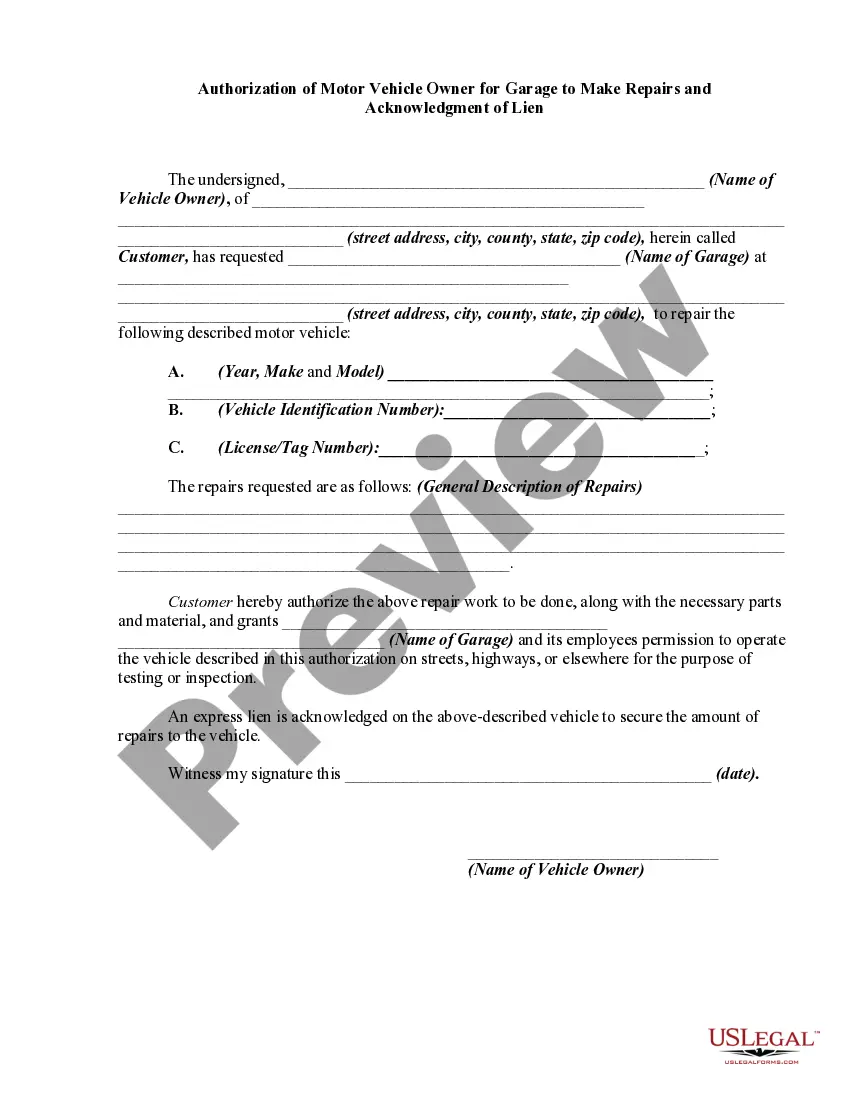


How to fill out Waiver And Release From Liability For Minor Child For Field Hockey?
If you wish to total, obtain, or print lawful document templates, utilize US Legal Forms, the premier selection of legal forms available online.
Employ the site's straightforward and user-friendly search to find the documents you need.
Numerous templates for business and personal purposes are categorized by categories and states, or keywords.
Step 4. Once you have found the form you need, click the Get now button. Select the pricing plan you prefer and enter your details to register for an account.
Step 5. Complete the transaction. You can use your credit card or PayPal account to finalize the purchase.
- Utilize US Legal Forms to acquire the Minnesota Waiver and Release From Liability For Minor Child for Field Hockey in just a few clicks.
- If you are already a US Legal Forms user, sign in to your account and click the Download button to obtain the Minnesota Waiver and Release From Liability For Minor Child for Field Hockey.
- You can also find forms you previously downloaded in the My documents section of your account.
- If you are using US Legal Forms for the first time, follow the instructions below.
- Step 1. Ensure you have selected the form for the correct city/state.
- Step 2. Use the Preview option to review the document's content. Don't forget to read the description.
- Step 3. If you are not satisfied with the form, use the Search field at the top of the page to find other variations of the legal document template.
Form popularity
FAQ
The waiver rule in Minnesota hockey requires participants to sign a waiver that acknowledges the risks associated with the sport. This rule aims to protect organizations and coaches from liability in case of injuries. By signing the Minnesota Waiver and Release From Liability For Minor Child for Field Hockey, you affirm your understanding of these risks, which is crucial for a safe and enjoyable experience for your child.
Yes, liability waivers can be enforceable in Minnesota, provided they meet certain legal requirements. These requirements include clear language, the voluntary nature of signing, and an understanding of the risks involved. When your child participates in field hockey, utilizing the Minnesota Waiver and Release From Liability For Minor Child for Field Hockey helps protect both you and the organization, ensuring everyone is aware of the inherent risks.
In Minnesota, peewee hockey generally includes players aged 11 to 12 years old. This age group focuses on skill development and teamwork, preparing young athletes for more advanced levels of play. If you are considering enrolling your child in peewee hockey, it’s important to have the Minnesota Waiver and Release From Liability For Minor Child for Field Hockey completed to ensure proper coverage and protection.
What is the purpose of a waiver? A waiver is a legal agreement the primary purpose of which is to let you or another party modify or relinquish a right, privilege, or claim. The agreement can be a separate document on its own, such as if you sign a waiver form, or added to a contract as a waiver clause.
A waiver is a legally binding provision where either party in a contract agrees to voluntarily forfeit a claim without the other party being liable. Waivers can either be in written form or some form of action.
Within the United States, the most common types of waivers tend to fall into one of three categories criminal rights, procedural rights, and liability waivers.
In California, waivers of liability are generally enforceable so long as they have been drafted correctly, are explicit as to the scope of coverage, are legible and use high-visibility text, and do not illegally waive unknown or unrelated claims.
A waiver explained A release form or a waiver is simply a legal document containing an agreement between two parties. The first party is the releasor (person promising not to sue) and the releasee (the party that is reliable).
To sum it up, customers can still sue business owners even when they've signed a waiver to use the business.
Liability waivers are enforceable in California solely to the extent they shift to the customer the risk of ordinary negligence. Under California law, a liability waiver cannot excuse an injury caused by a defendant's gross negligence, recklessness or intentionally wrongful act.