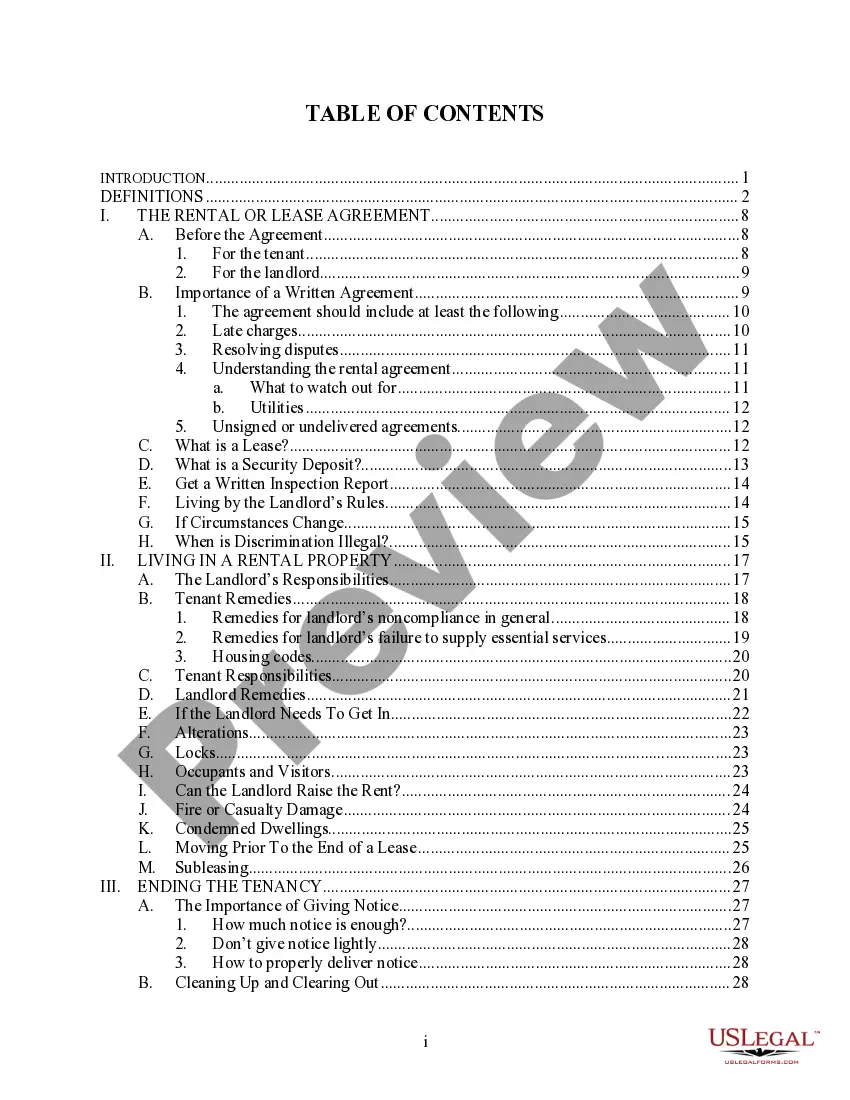
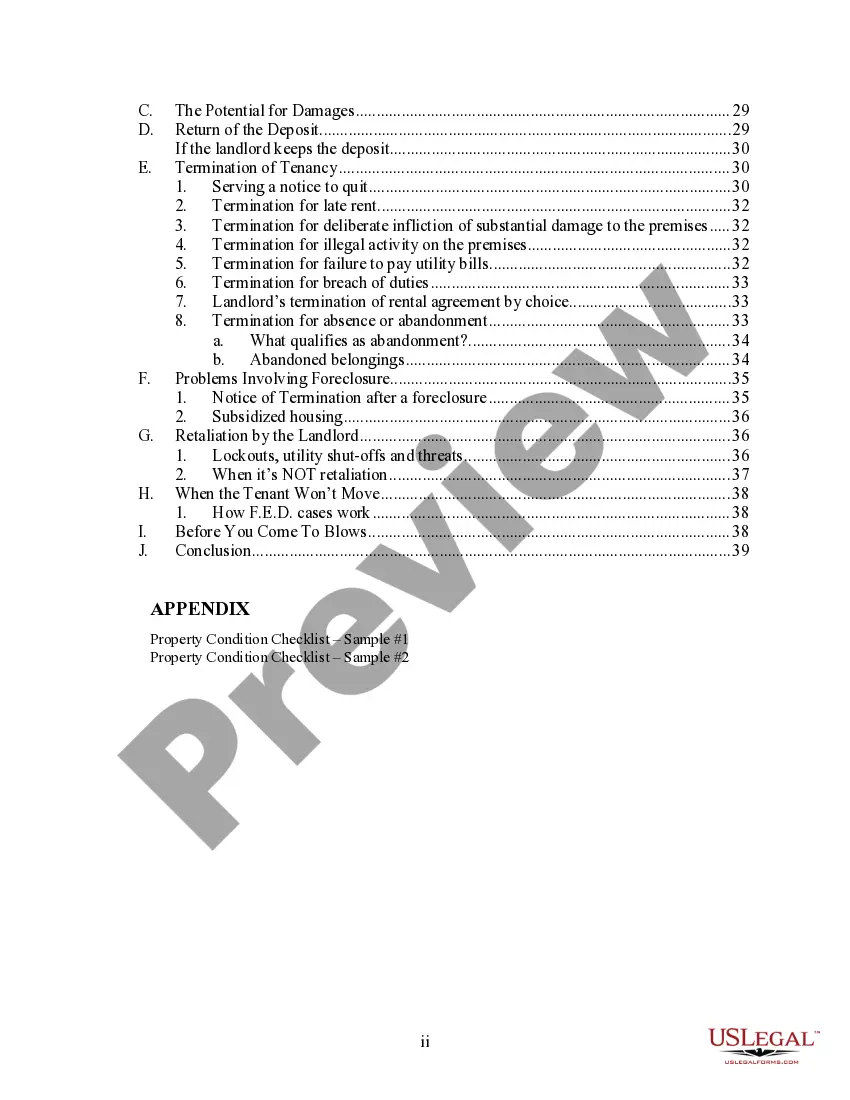
This Handbook summarizes the rights and obligations of landlords and tenants, and is designed to be a helpful guide to both landlords and tenants. Information about rental applications, leases, security deposits, inventory checklists, repair responsibilities, rent increases, termination of leases, eviction notices and much more is included in 40+ pages of materials.
Minnesota Multistate Landlord Tenant Handbook - Guide - Laws
Instant download
Description
Free preview
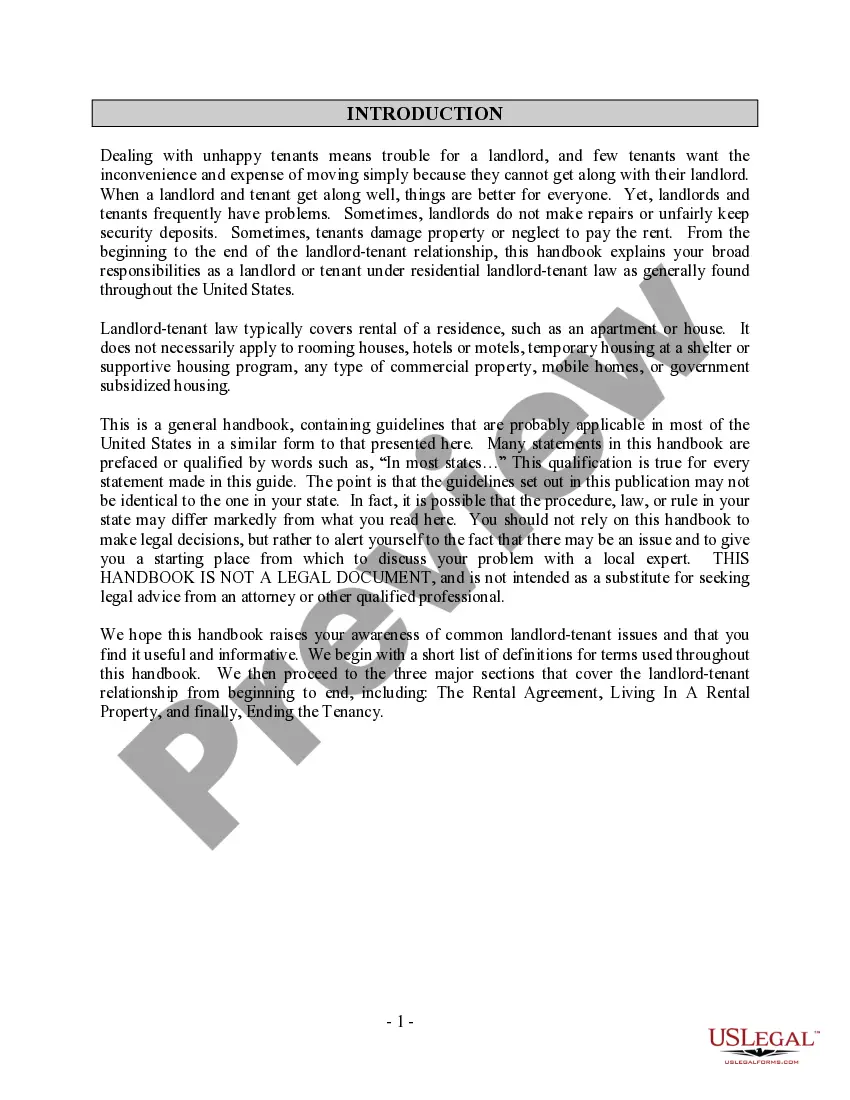
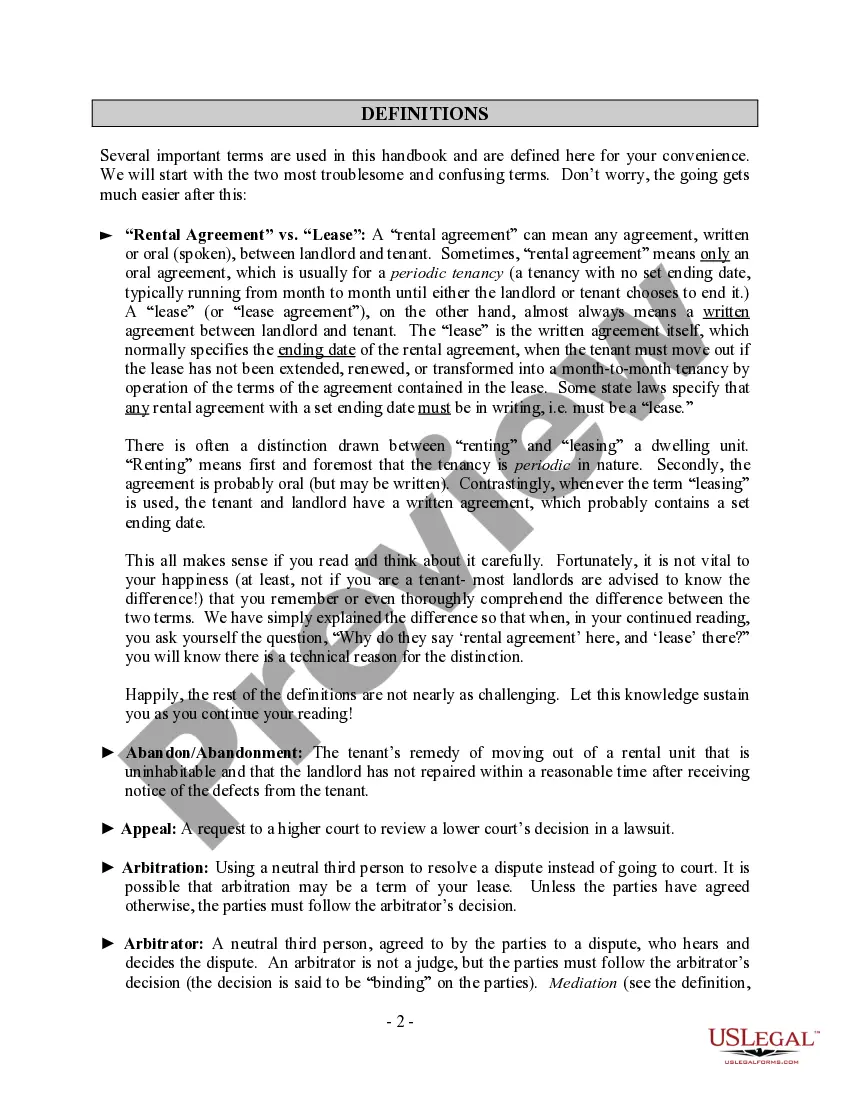
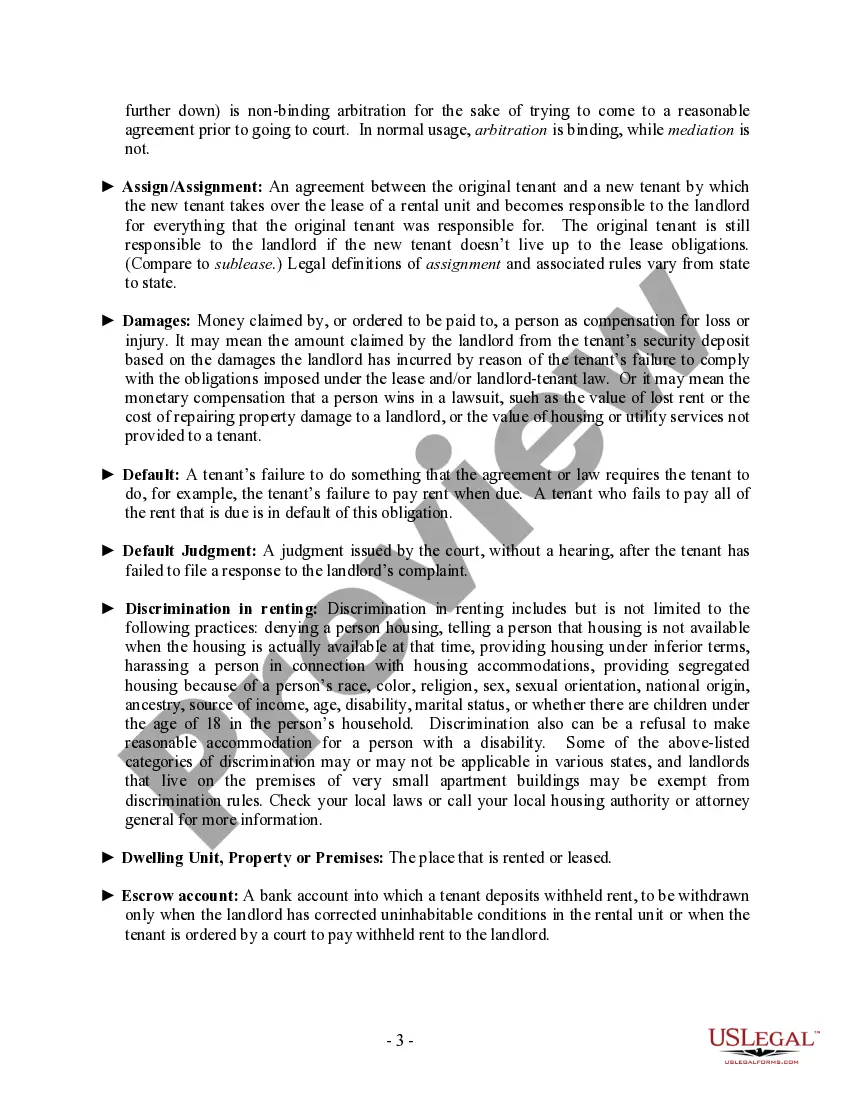
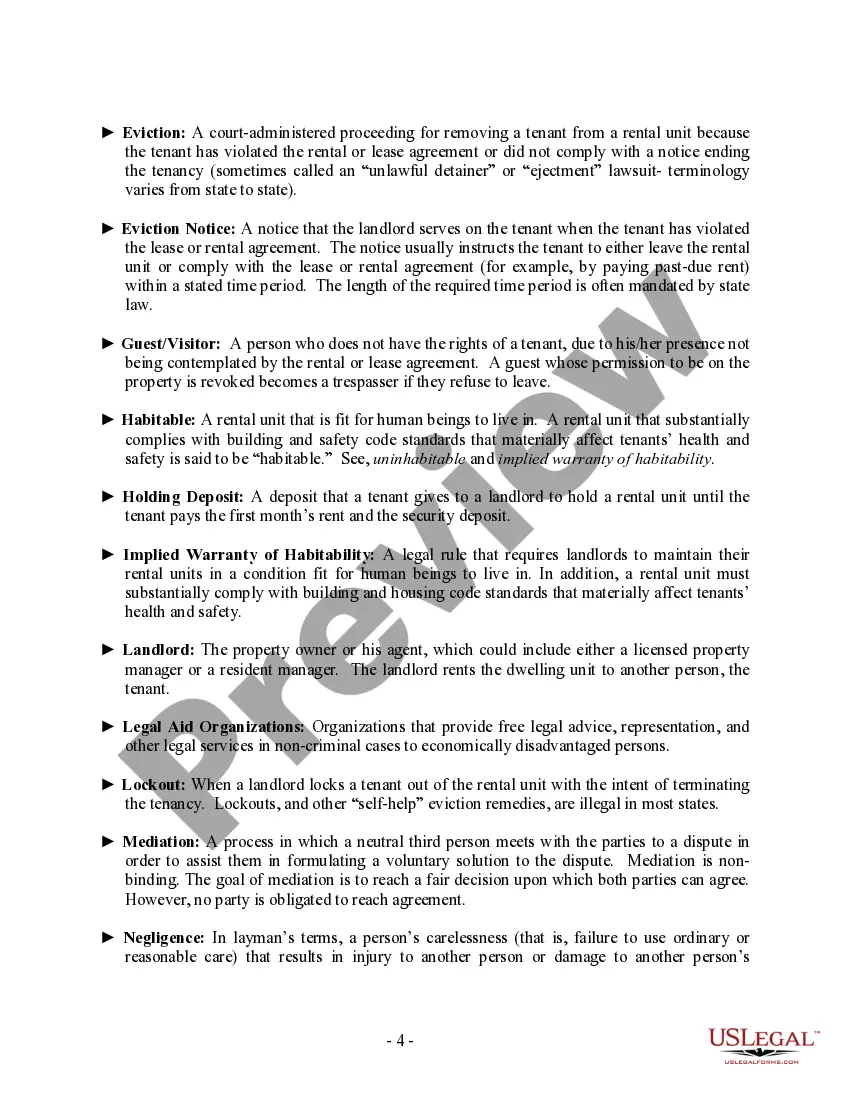
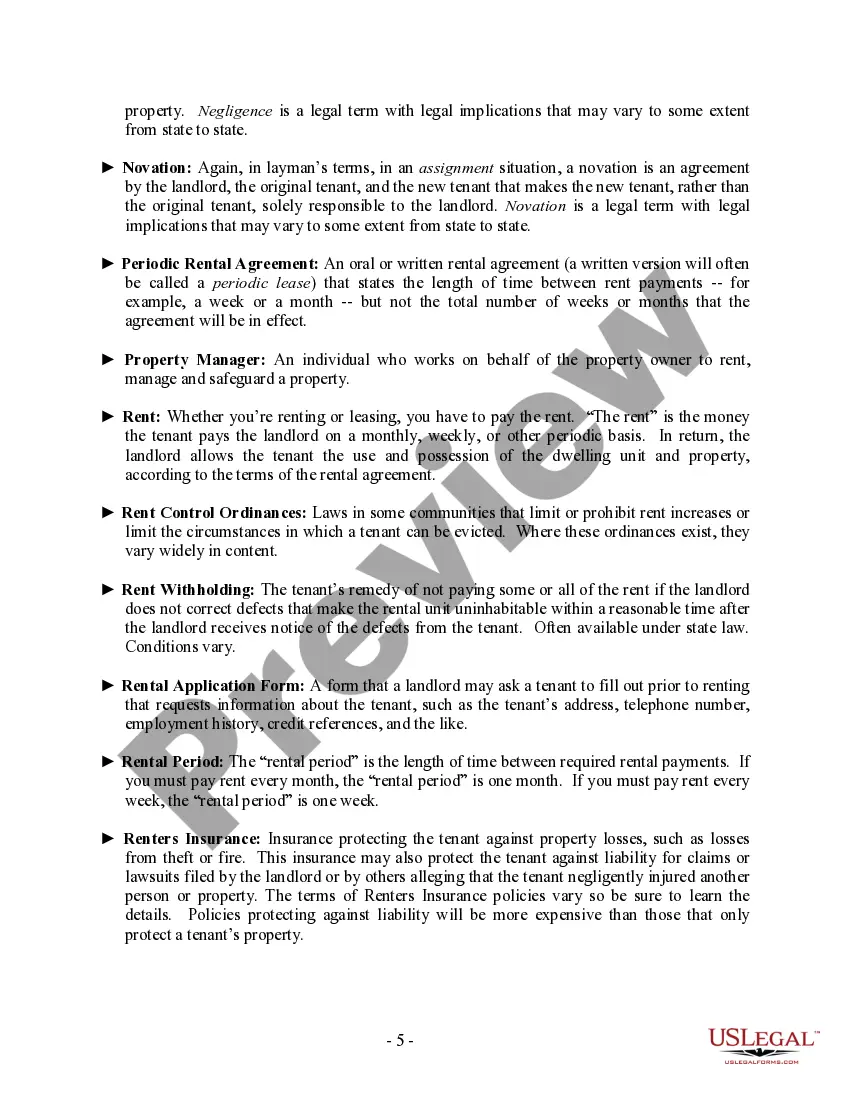
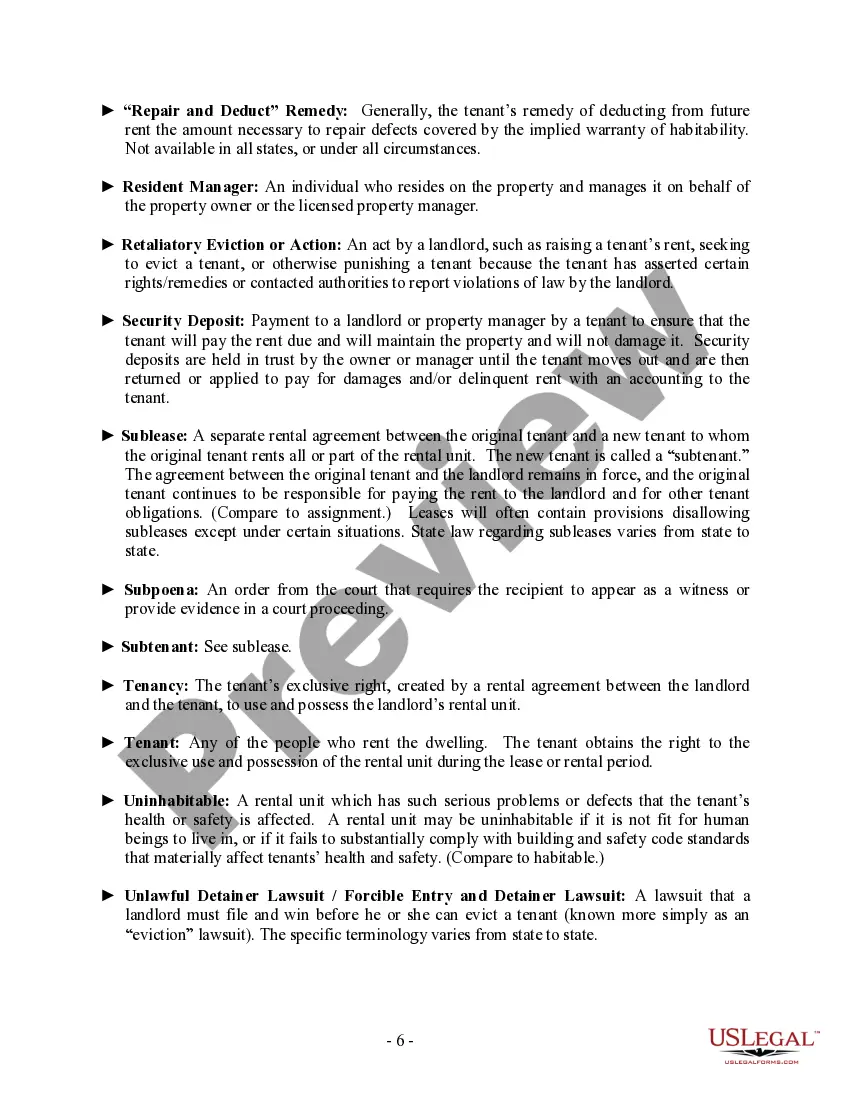

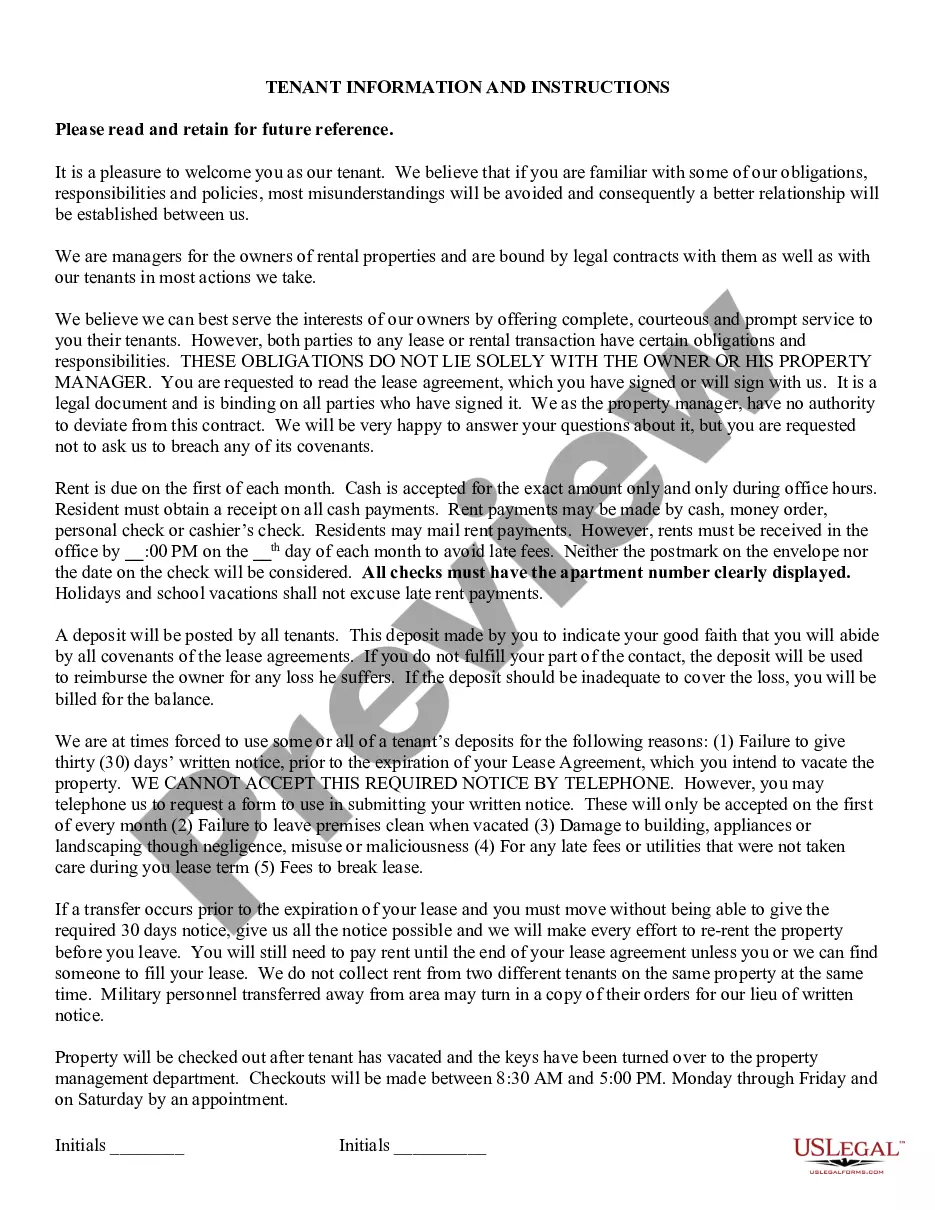
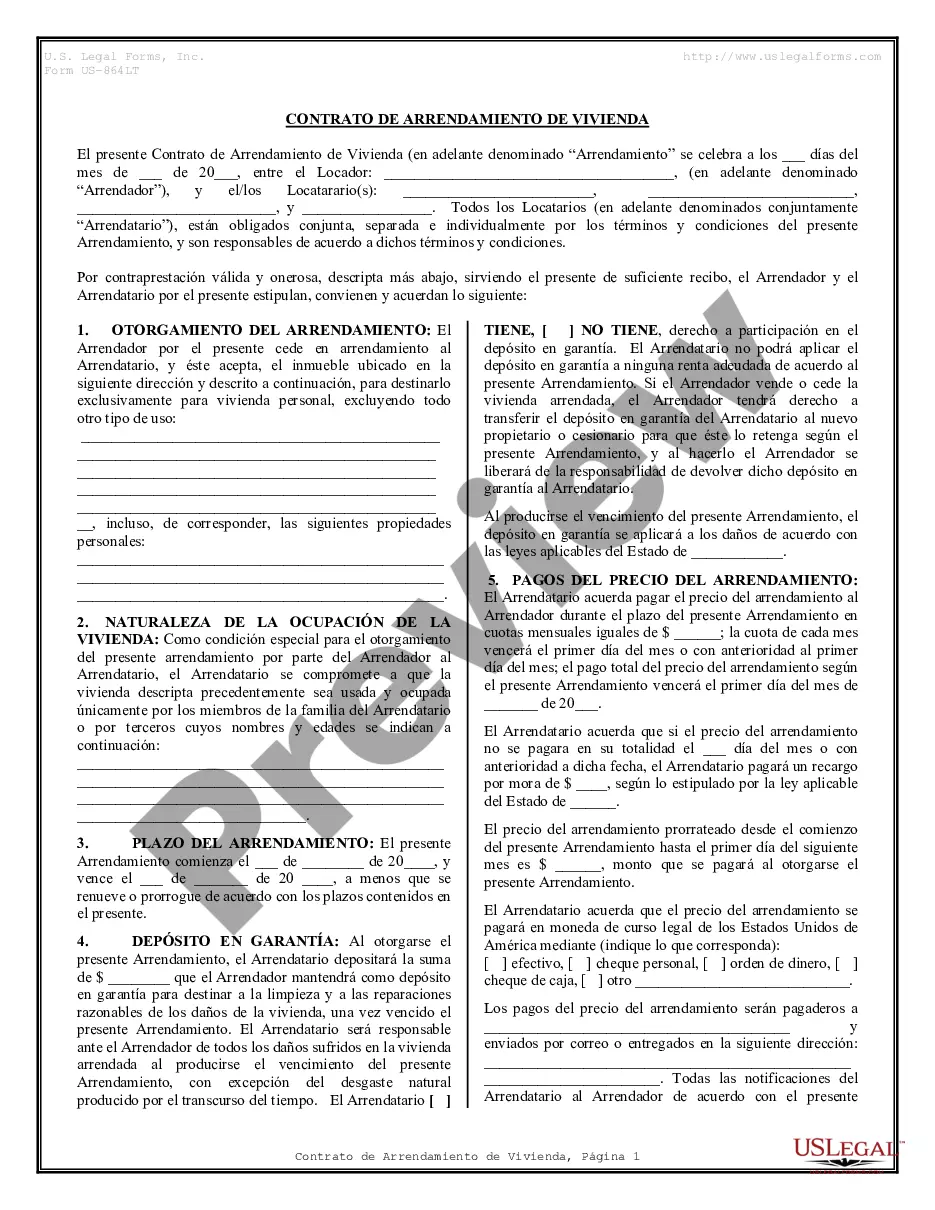
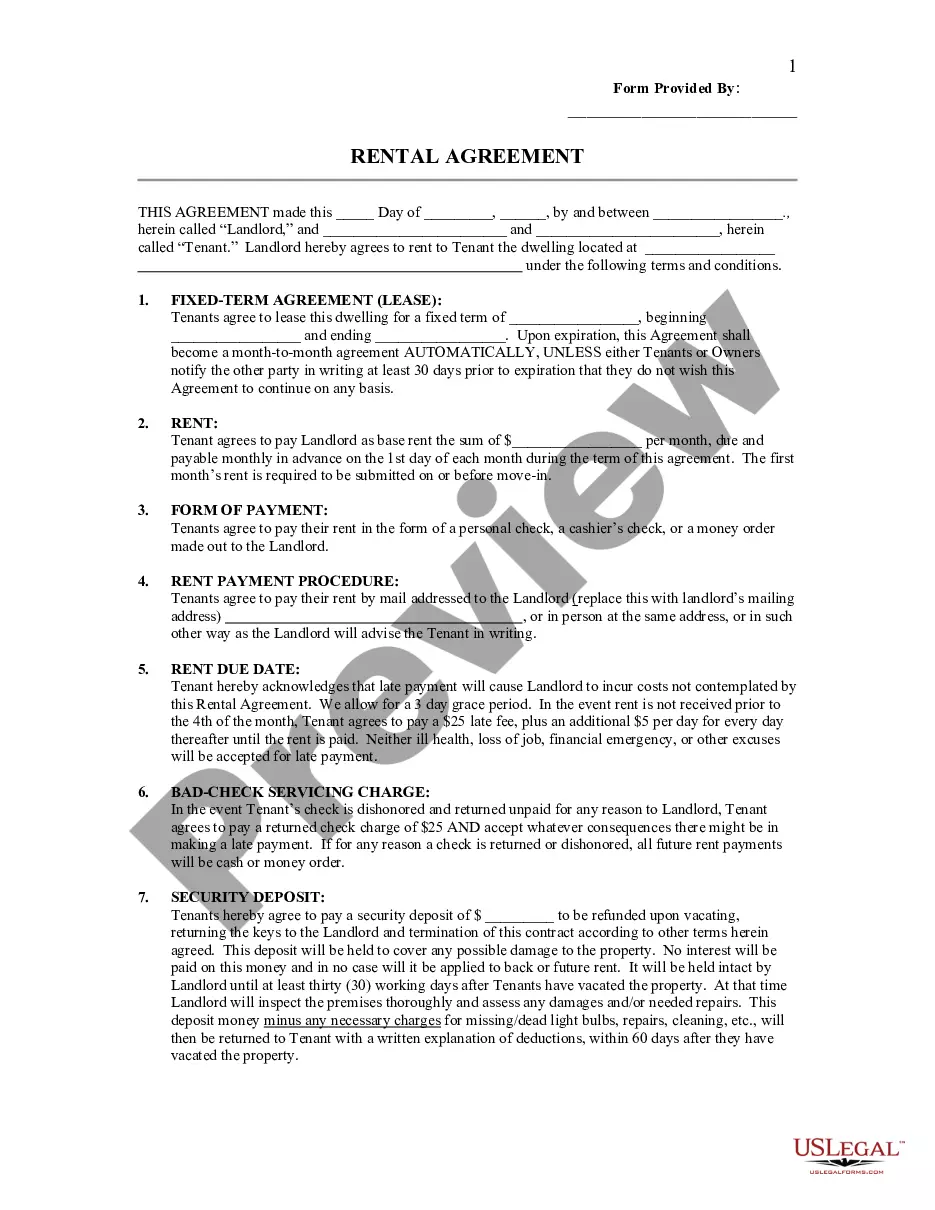
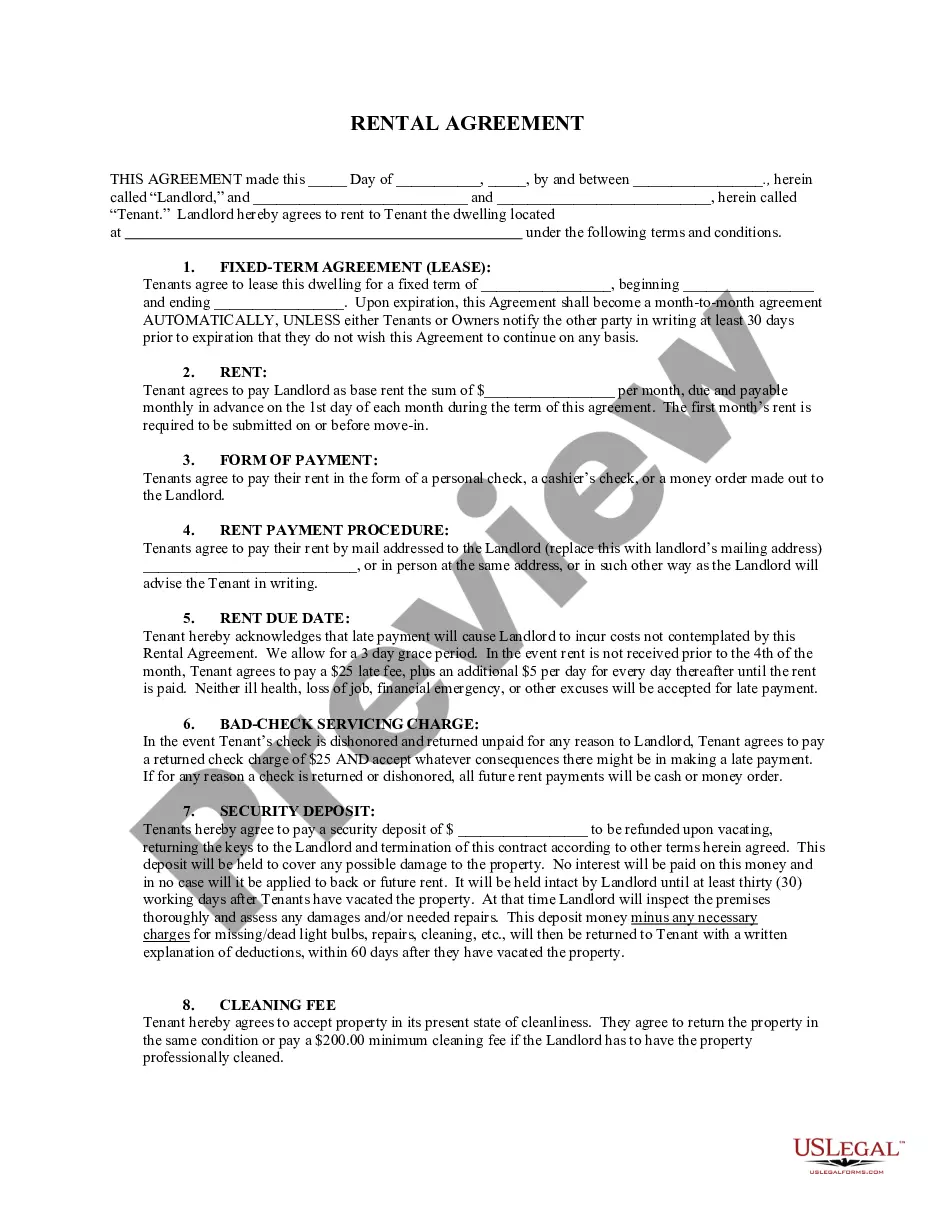
How to fill out Multistate Landlord Tenant Handbook - Guide - Laws?
Are you currently in a situation where you need documents for either business or personal purposes almost every time.
There are numerous legal document templates available online, but finding reliable ones is not simple.
US Legal Forms offers a wide array of form templates, such as the Minnesota Multistate Landlord Tenant Handbook - Guide - Laws, that are designed to comply with federal and state requirements.
Avoid altering or removing any HTML tags. Only synonymize plain text outside of the HTML tags.
- If you are already familiar with the US Legal Forms website and have an account, simply Log In.
- After that, you may download the Minnesota Multistate Landlord Tenant Handbook - Guide - Laws template.
- If you do not have an account and wish to start using US Legal Forms, follow these steps.
- Obtain the form you need and ensure it is for your specific area/region.
- Utilize the Preview button to review the form.
- Read the description to confirm that you have selected the correct form.
- If the form isn’t what you are looking for, use the Search field to find the form that meets your needs and requirements.
- Once you find the correct form, click on Get now.
- Choose the pricing plan you need, complete the required details to process your payment, and finalize the order using your PayPal or credit card.
- Select a convenient file format and download your version.
- Access all the document templates you have purchased in the My documents section. You can acquire another version of the Minnesota Multistate Landlord Tenant Handbook - Guide - Laws at any time if needed. Just click on the desired form to download or print the document.
- Utilize US Legal Forms, the most extensive collection of legal documents, to save time and avoid mistakes. The service provides well-crafted legal document templates that can be used for various purposes. Create an account on US Legal Forms and begin making your life easier.
Form popularity
FAQ
There is no predefined maximum amount a landlord can raise rent in Minnesota. However, they must adhere to the notification guidelines established in the Minnesota Multistate Landlord Tenant Handbook - Guide - Laws. This ensures transparency and gives you time to prepare for any financial changes. Knowing your rights and the laws can help you navigate these situations effectively.
While Minnesota does not impose a specific limit on rent increases, landlords must comply with notice requirements, as detailed in the Minnesota Multistate Landlord Tenant Handbook - Guide - Laws. This notice is typically 30 days for month-to-month tenants. Familiarizing yourself with these regulations can help you better understand any potential changes to your rent.
Yes, a landlord can raise your rent by $300, but they must follow the proper procedures as specified in the Minnesota Multistate Landlord Tenant Handbook - Guide - Laws. It's crucial to review your lease agreement and ensure that the landlord provides adequate notice of the increase. Staying informed about your rights can help you respond appropriately to such changes.
'Quiet enjoyment' is a legal term that ensures renters have the right to use their rental property peacefully. This means landlords cannot interfere with your use of the property or enter without notice, as highlighted in the Minnesota Multistate Landlord Tenant Handbook - Guide - Laws. If you experience disturbances, it’s important to address them promptly. Knowing your rights can empower you in these situations.
In Minnesota, there is no statewide cap on how much a landlord can raise rent. However, landlords must provide proper notice before increasing rent, as outlined in the Minnesota Multistate Landlord Tenant Handbook - Guide - Laws. Typically, this notice period is 30 days for month-to-month leases. Understanding your rights can help you navigate any rent increase.
A landlord in Minnesota cannot engage in practices that violate tenant rights as specified in the Minnesota Multistate Landlord Tenant Handbook - Guide - Laws. This includes harassment, illegal eviction processes, and neglecting property maintenance obligations. Being informed about these limitations empowers tenants to advocate for themselves.
Illegal actions by landlords can include refusing to return a security deposit without cause or retaliating against tenants for reporting code violations. The Minnesota Multistate Landlord Tenant Handbook - Guide - Laws serves as a valuable resource, outlining these illegal practices and helping tenants understand their rights.
Your landlord cannot violate your rights as a tenant, such as entering your home without notice or failing to make necessary repairs. The Minnesota Multistate Landlord Tenant Handbook - Guide - Laws clearly defines these prohibited actions, ensuring tenants are aware of their protections and can take appropriate action if needed.
In Minnesota, landlords must follow the laws outlined in the Minnesota Multistate Landlord Tenant Handbook - Guide - Laws. They cannot unlawfully evict tenants, fail to maintain the property, or discriminate against potential renters. Understanding these restrictions helps landlords manage their properties responsibly.
When reviewing rental applications, certain red flags can indicate potential issues. These include inconsistent income, frequent address changes, and a history of evictions. The Minnesota Multistate Landlord Tenant Handbook - Guide - Laws provides insights on how to evaluate applications effectively while ensuring compliance with legal standards.