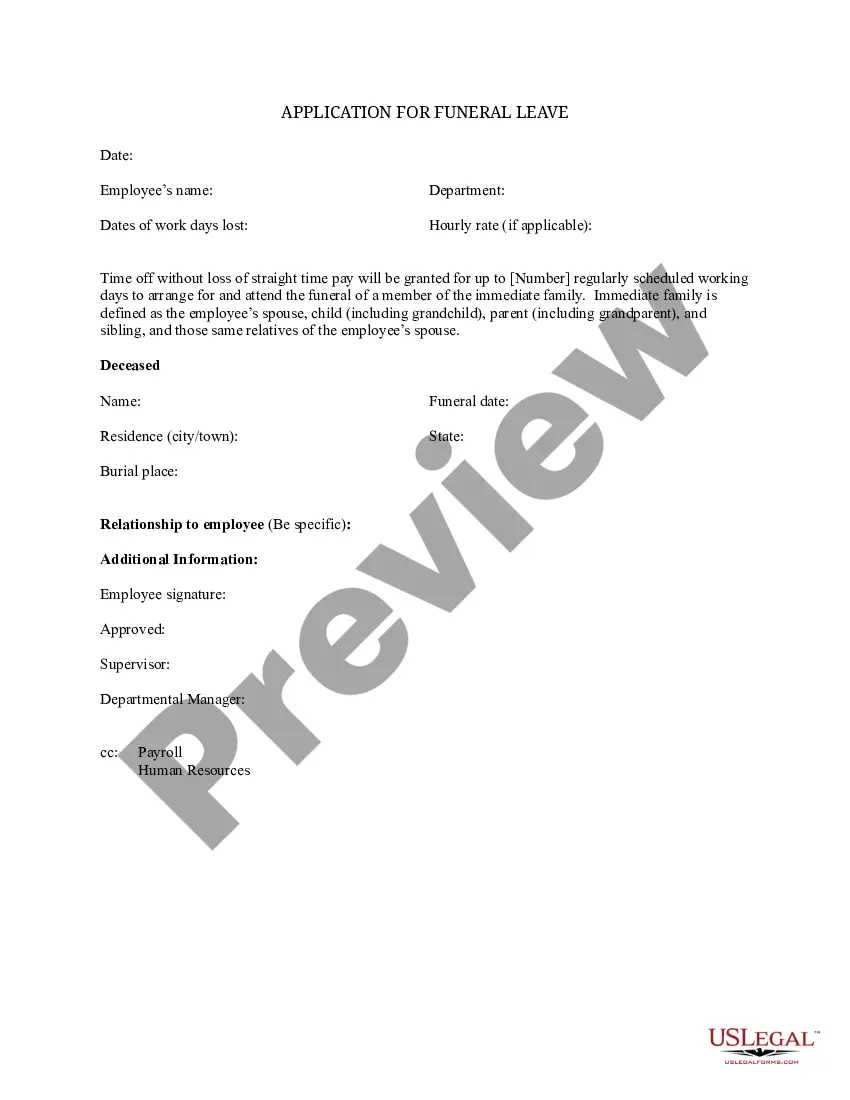
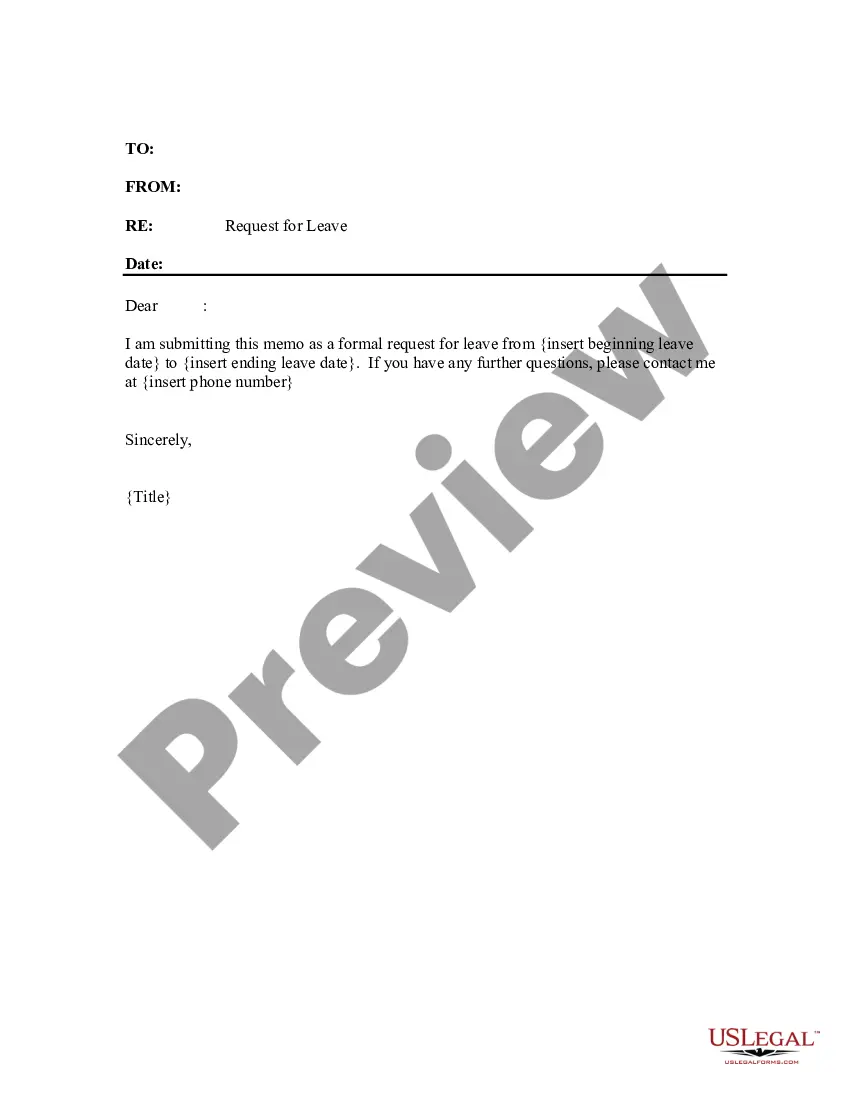
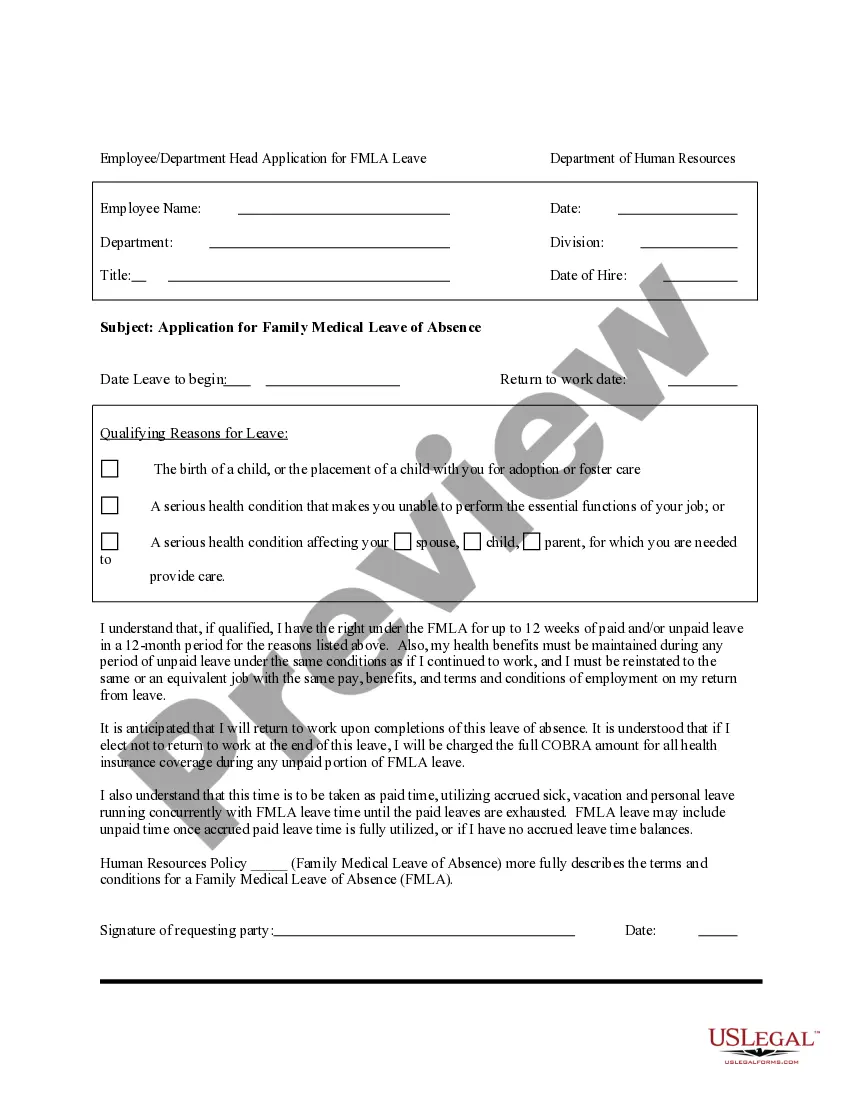
Minnesota Application for Funeral Leave
Description
Get your form ready online
Our built-in tools help you complete, sign, share, and store your documents in one place.
Make edits, fill in missing information, and update formatting in US Legal Forms—just like you would in MS Word.
Download a copy, print it, send it by email, or mail it via USPS—whatever works best for your next step.
Sign and collect signatures with our SignNow integration. Send to multiple recipients, set reminders, and more. Go Premium to unlock E-Sign.
If this form requires notarization, complete it online through a secure video call—no need to meet a notary in person or wait for an appointment.
We protect your documents and personal data by following strict security and privacy standards.

Make edits, fill in missing information, and update formatting in US Legal Forms—just like you would in MS Word.

Download a copy, print it, send it by email, or mail it via USPS—whatever works best for your next step.

Sign and collect signatures with our SignNow integration. Send to multiple recipients, set reminders, and more. Go Premium to unlock E-Sign.

If this form requires notarization, complete it online through a secure video call—no need to meet a notary in person or wait for an appointment.

We protect your documents and personal data by following strict security and privacy standards.
Looking for another form?




How to fill out Application For Funeral Leave?
You can invest several hours online trying to locate the legitimate document format that meets the state and federal requirements necessary for you.
US Legal Forms offers thousands of legal documents that are assessed by professionals.
You can easily download or print the Minnesota Application for Funeral Leave from my service.
If available, utilize the Review button to view the document format as well.
- If you already have a US Legal Forms account, you may Log In and click the Obtain button.
- Thereafter, you can fill out, modify, print, or sign the Minnesota Application for Funeral Leave.
- Each legal document you acquire is yours permanently.
- To obtain another copy of any purchased document, navigate to the My documents tab and click the corresponding button.
- If you are using the US Legal Forms site for the first time, follow the straightforward instructions below.
- First, ensure that you have selected the correct format for your county/city that you choose.
- Review the form details to confirm you have selected the right document.
Form popularity
FAQ
Grief experts recommend 20 days of bereavement leave for close family members. 4 days is the average bereavement leave allotted for the death of a spouse or child. 3 days is the average time off given for the loss of a parent, grandparent, domestic partner, sibling, grandchild or foster child.
See Minnesota Statute 181.948 for more information. If your immediate family member, as a member of the United Stated armed forces, has been injured or killed while engaged in active service, you will be granted up to 10 working days of unpaid leave.
There is no legal right to paid time off for bereavement, unless someone is eligible for parental bereavement pay when a child dies.
Time off for a funeral This time off might be called 'compassionate leave' or 'special leave'. In all circumstances there's no legal right for this time off to be paid, but some employers might offer pay. Employers and employees should check the employee's contract or organisation's policy.
Minnesota law does not require employers to provide employees bereavement leave or leave to attend funerals. Bereavement leave is leave that is taken by an employee due to the death of another individual, usually a close relative.
How to apply for bereavement leave? The bereaved employee must write a formal bereavement leave letter to their employer, stating the circumstances and the duration for which they will need an exemption from work.
Employers also should ensure that the use of paid sick days for additional bereavement time does not run afoul of the requirements under any applicable state and local paid sick leave laws (see Paid Sick Leave State and Local Laws Chart: Overview). Typically, bereavement leave is paid, but may also be unpaid.
There isn't actually a law to protect an employee's right to bereavement leave. However, the Employment Rights Act 1996 gives employees the right to take time off to deal with an emergency situation, which includes the death of a dependent. There isn't any statutory right to be paid for bereavement leave.
Bereavement leave, or "bereaved leave," is an employer-offered policy that provides time off to an employee following the death of a family member or friend. The death of a loved one can create emotional stress that interferes with your ability to perform at your job.