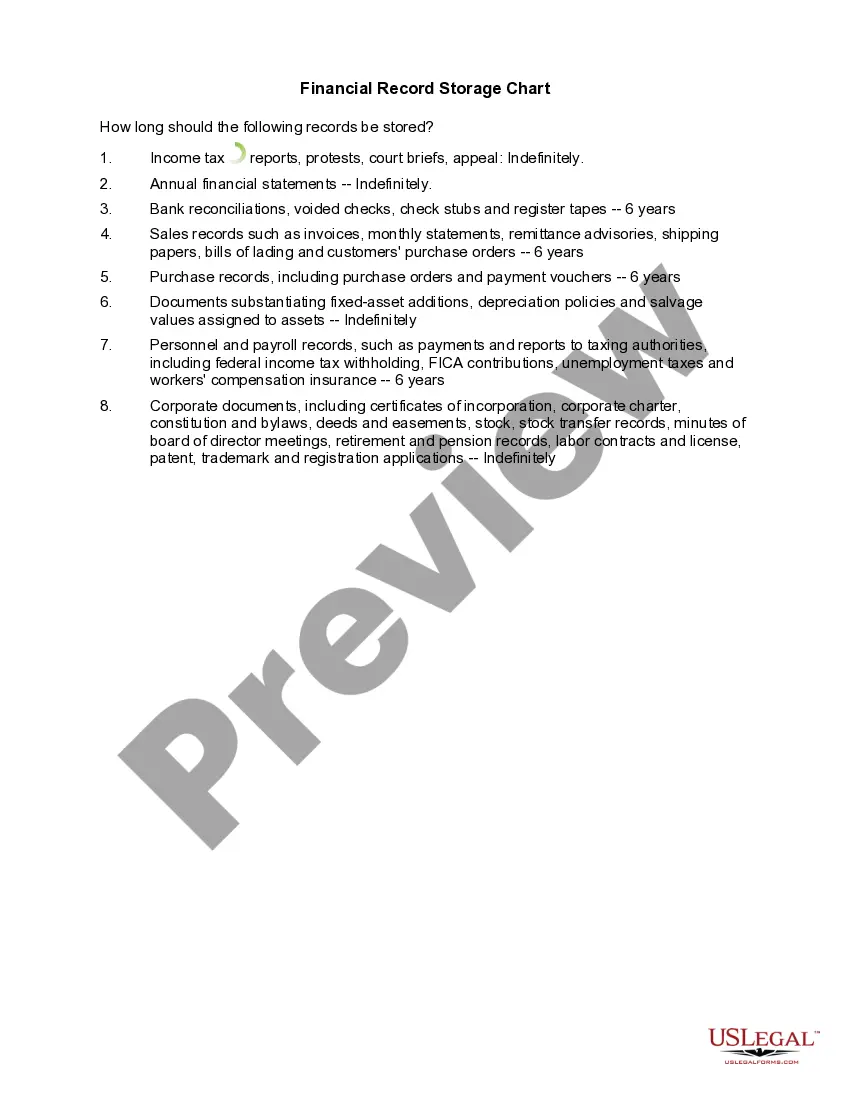
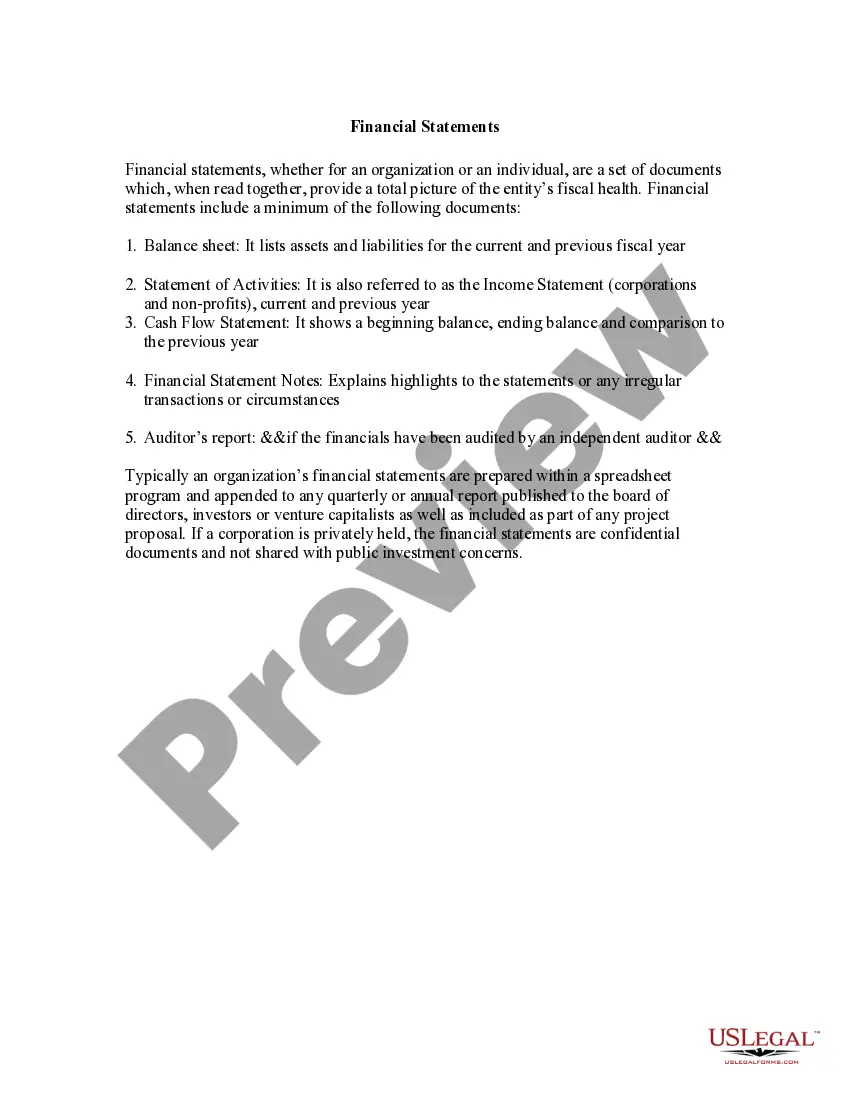
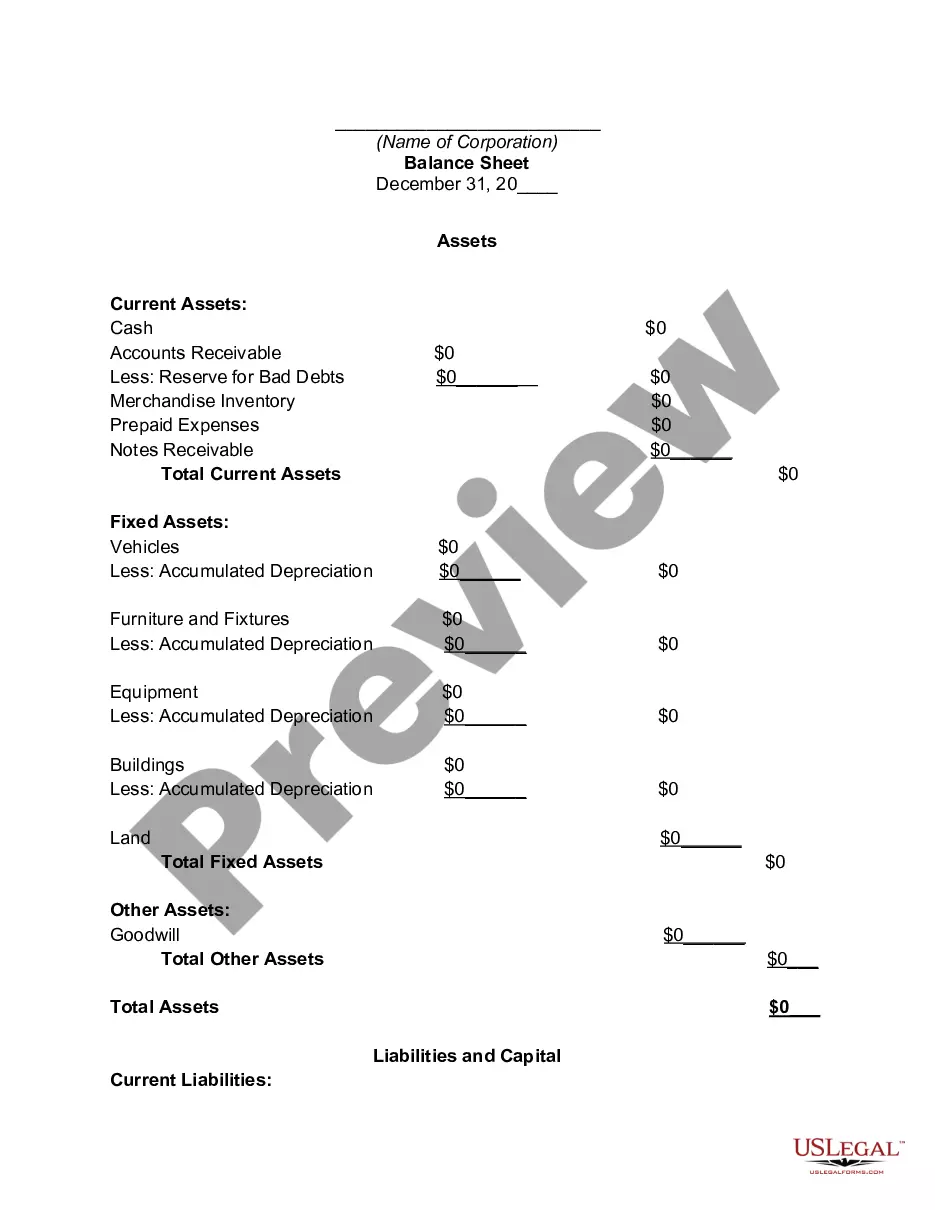
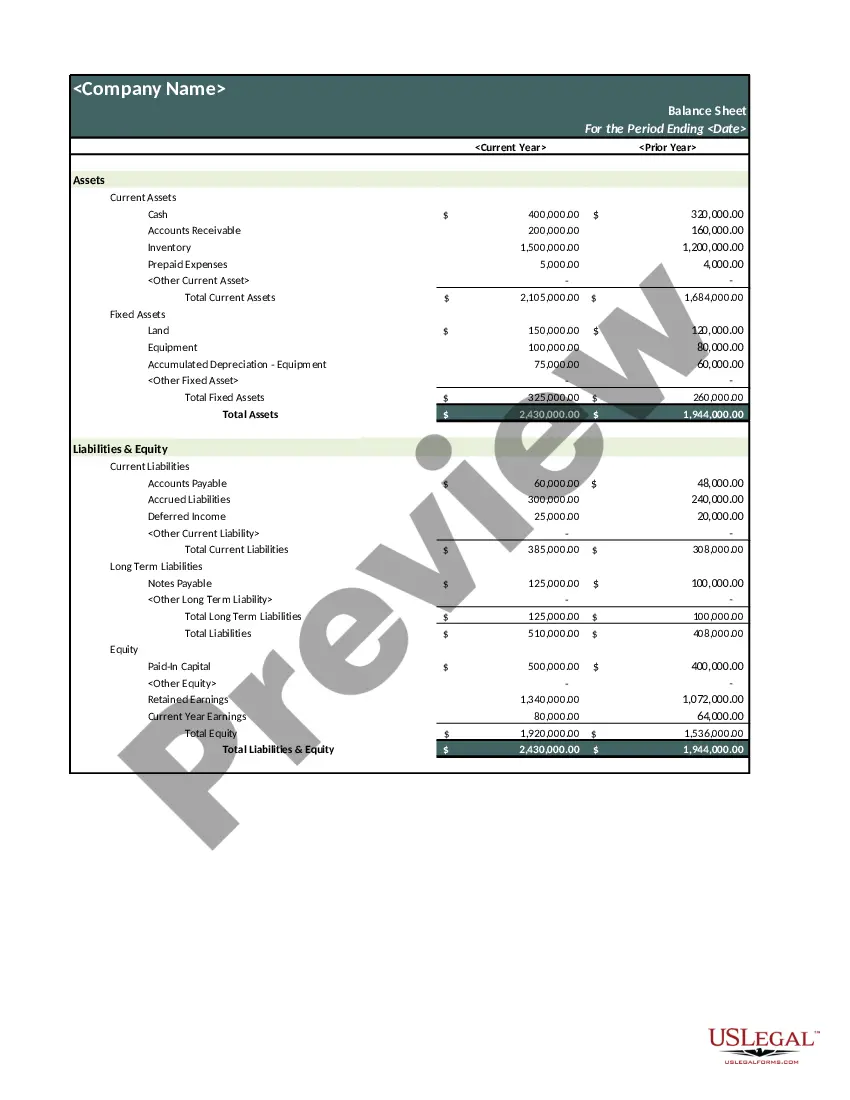
Minnesota Financial Record Storage Chart
Description
Get your form ready online
Our built-in tools help you complete, sign, share, and store your documents in one place.
Make edits, fill in missing information, and update formatting in US Legal Forms—just like you would in MS Word.
Download a copy, print it, send it by email, or mail it via USPS—whatever works best for your next step.
Sign and collect signatures with our SignNow integration. Send to multiple recipients, set reminders, and more. Go Premium to unlock E-Sign.
If this form requires notarization, complete it online through a secure video call—no need to meet a notary in person or wait for an appointment.
We protect your documents and personal data by following strict security and privacy standards.

Make edits, fill in missing information, and update formatting in US Legal Forms—just like you would in MS Word.

Download a copy, print it, send it by email, or mail it via USPS—whatever works best for your next step.

Sign and collect signatures with our SignNow integration. Send to multiple recipients, set reminders, and more. Go Premium to unlock E-Sign.

If this form requires notarization, complete it online through a secure video call—no need to meet a notary in person or wait for an appointment.

We protect your documents and personal data by following strict security and privacy standards.
Looking for another form?




How to fill out Financial Record Storage Chart?
Are you currently in a circumstance where you frequently require documents for either professional or personal purposes.
There are numerous legal document templates available online, but finding trustworthy ones can be challenging. US Legal Forms offers a vast collection of template forms, including the Minnesota Financial Record Storage Chart, which are designed to comply with state and federal regulations.
If you are already familiar with the US Legal Forms website and possess an account, simply Log In. After that, you can download the Minnesota Financial Record Storage Chart template.
Access all the document templates you have purchased in the My documents section. You can obtain another version of the Minnesota Financial Record Storage Chart at any time if needed. Simply follow the required form to download or print the document template.
Utilize US Legal Forms, the most extensive collection of legal documents, to save time and minimize errors. The service offers professionally crafted legal document templates that can be used for various purposes. Create an account on US Legal Forms and start making your life easier.
- If you don’t have an account and wish to start using US Legal Forms, follow these steps.
- Locate the form you need and ensure it corresponds to the correct city/county.
- Utilize the Preview button to review the form.
- Examine the description to confirm that you have selected the right form.
- If the form does not meet your requirements, make use of the Search area to find the form that fulfills your needs.
- Once you find the appropriate form, click Get now.
- Select the pricing plan you desire, enter the necessary information to create your account, and process the payment using your PayPal or Visa or Mastercard.
- Choose a convenient document format and download your copy.
Form popularity
FAQ
Garnishment records need to be kept for a minimum of six years. This period aligns with the statutes of limitations for collecting on a judgment in Minnesota, making it imperative to consult the Minnesota Financial Record Storage Chart for precise guidelines. Keeping these records can help safeguard your business interests and provide clarity during any disputes. USLegalForms can assist you in maintaining organized and compliant financial documentation.
Medical records in Minnesota should be kept for at least ten years following the last treatment date or until the patient turns 18, whichever is longer. This timeframe is crucial for ongoing patient care and legal compliance as outlined in the Minnesota Financial Record Storage Chart. Properly managing these records can enhance your practice's efficiency and provide peace of mind. USLegalForms offers tools that simplify this process for medical providers.
In Minnesota, employers must retain employee records for at least three years after an employee's departure. This requirement is consistent with federal regulations, but reviewing the Minnesota Financial Record Storage Chart can provide additional guidance tailored to your specific needs. Keeping these records ensures compliance and can protect your organization from potential legal issues. Consider leveraging USLegalForms for streamlined record-keeping solutions.
Nonprofits should keep financial records for at least seven years according to the Minnesota Financial Record Storage Chart. This majority timeframe allows organizations to meet tax obligations and respond to inquiries from stakeholders. Retaining these records ensures transparency and accountability, which are crucial for maintaining public trust. You can consider using USLegalForms to help organize and archive your records effectively.
Financial records should be kept in a safe, organized manner that is easily accessible when needed. You can store these records digitally or physically, depending on your preferences. The Minnesota Financial Record Storage Chart can help you determine the most effective way to maintain these records, promoting efficiency and compliance.
The 7 year retention rule refers to the guideline for retaining financial documents for at least seven years. This timeframe helps protect you against surprises during tax audits. To assist you in adhering to this rule, consider using the Minnesota Financial Record Storage Chart to structure and simplify your document retention process.
The IRS does not automatically destroy tax records after seven years; instead, they recommend that you keep these documents for this duration. While you are not obligated to keep them indefinitely, it's wise to retain them in case of disputes. You can refer to the Minnesota Financial Record Storage Chart to understand your retention needs clearly.
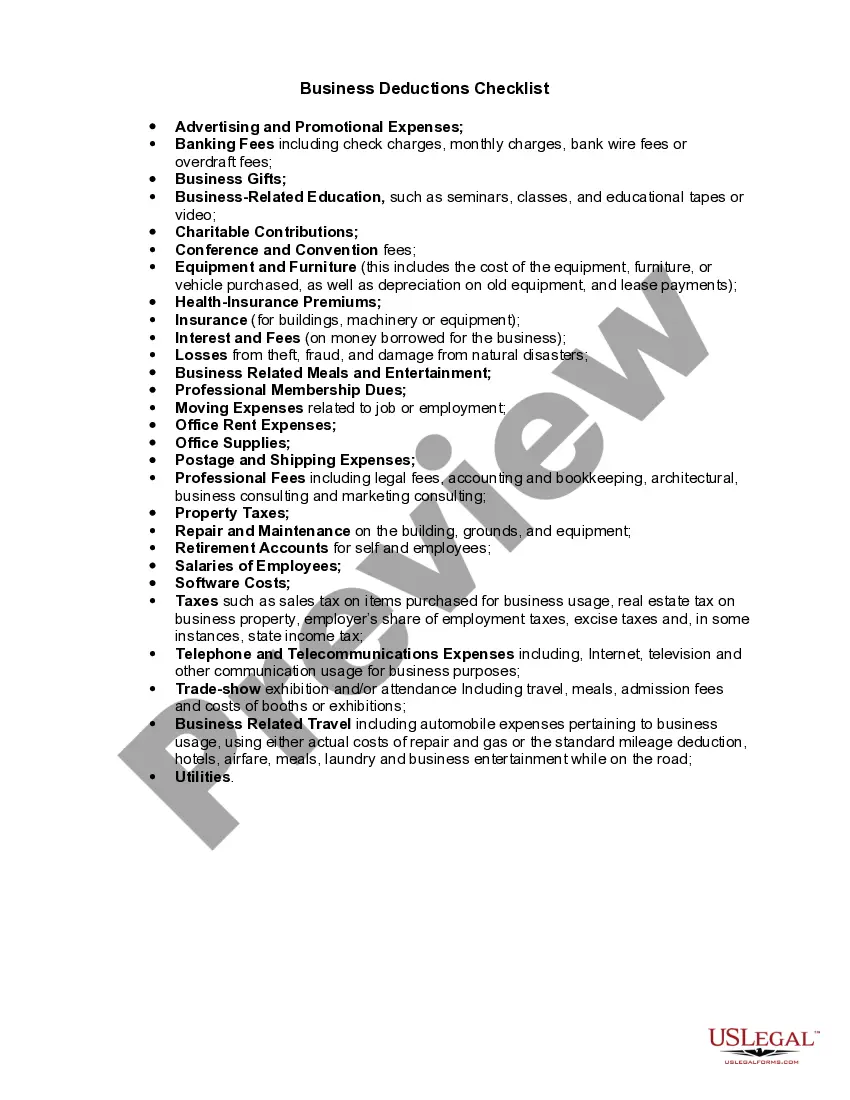
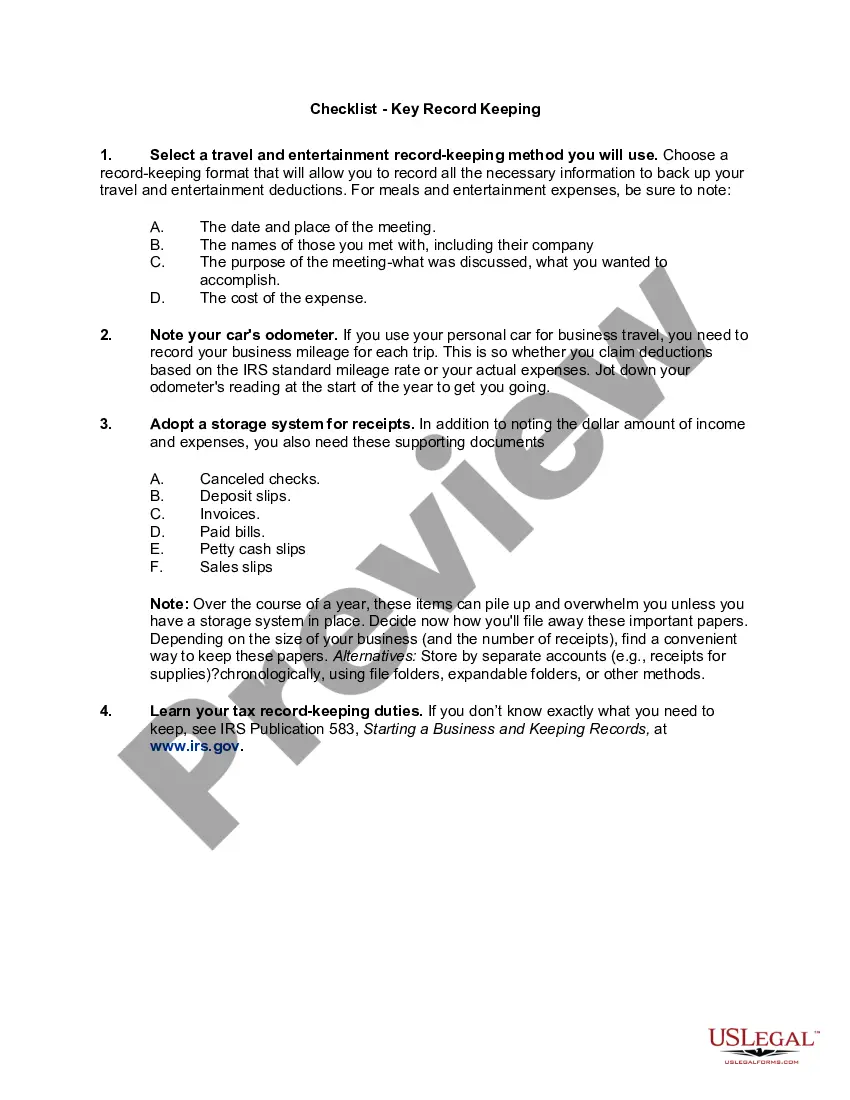
You need to keep records such as tax returns, bank statements, and any documentation related to deductions or credits for seven years. These documents ensure you are prepared for potential audits or verification requests. The Minnesota Financial Record Storage Chart serves as a helpful tool to organize and manage these crucial records.
A 7 year retention policy is a guideline that suggests keeping certain financial and personal records for seven years. This policy assists individuals and businesses in managing their records responsibly. Utilizing the Minnesota Financial Record Storage Chart can help you follow this policy, ensuring you maintain necessary documentation while reducing clutter.
You should retain personal records like tax returns, W-2 forms, and any supporting documents for seven years. This period aligns with the IRS rules for audits and disputes. Maintaining these documents can help you effectively use the Minnesota Financial Record Storage Chart for better organization and compliance.