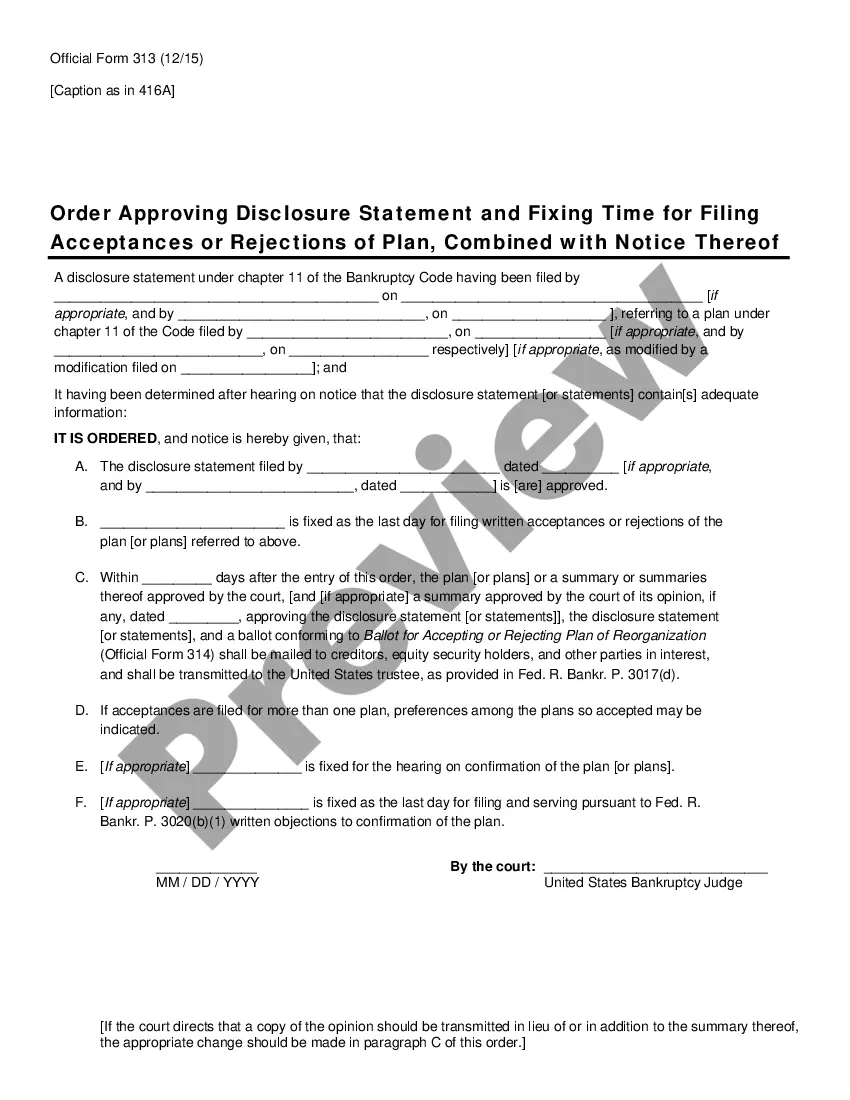
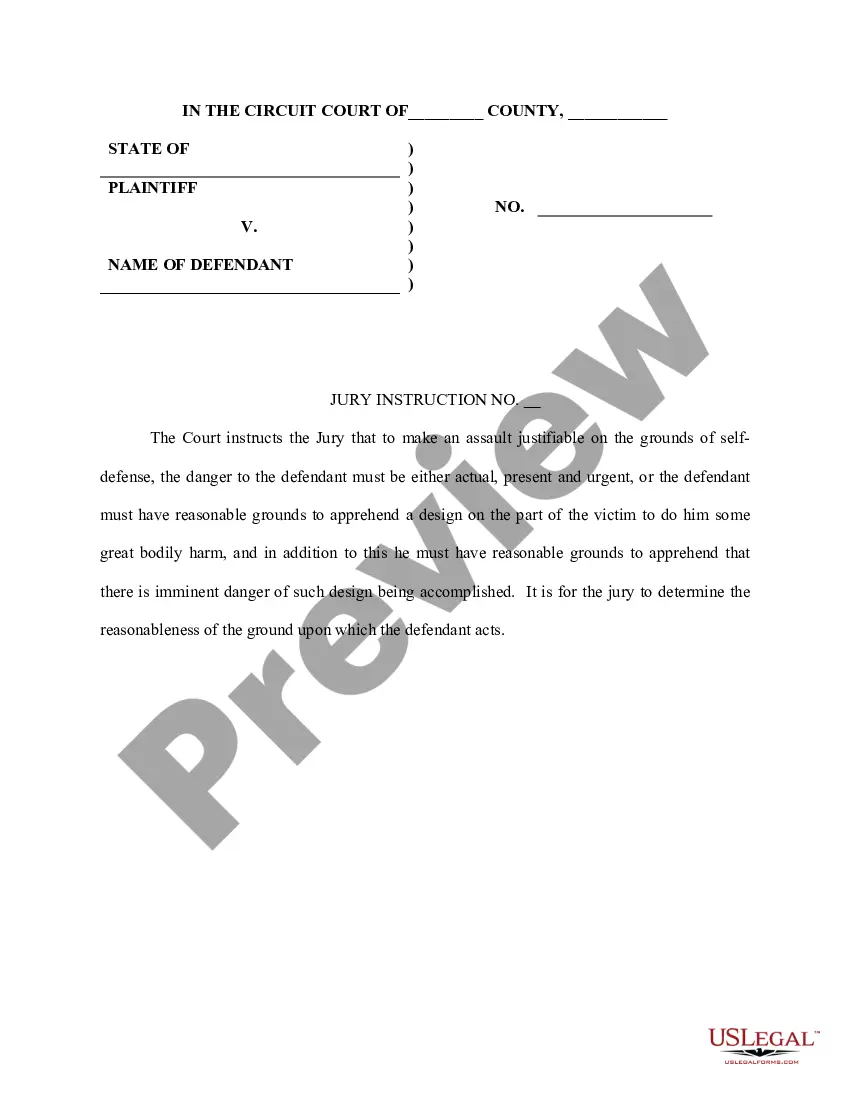
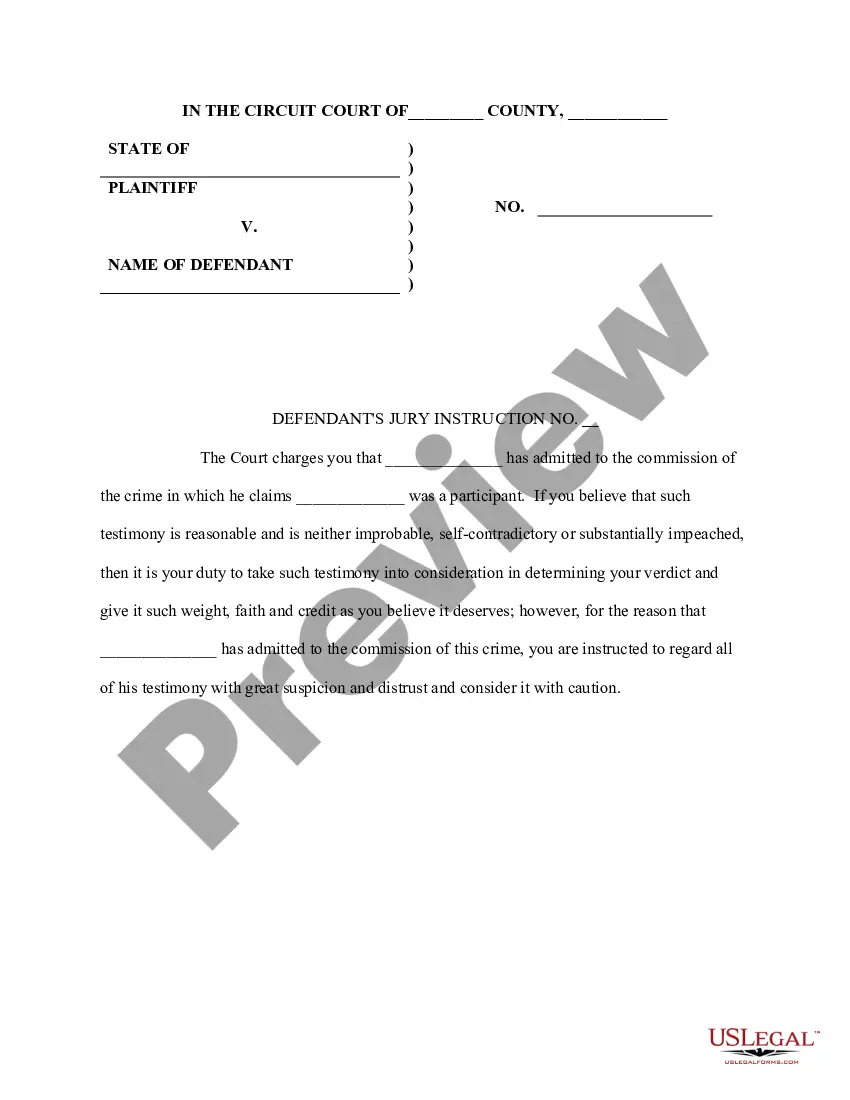
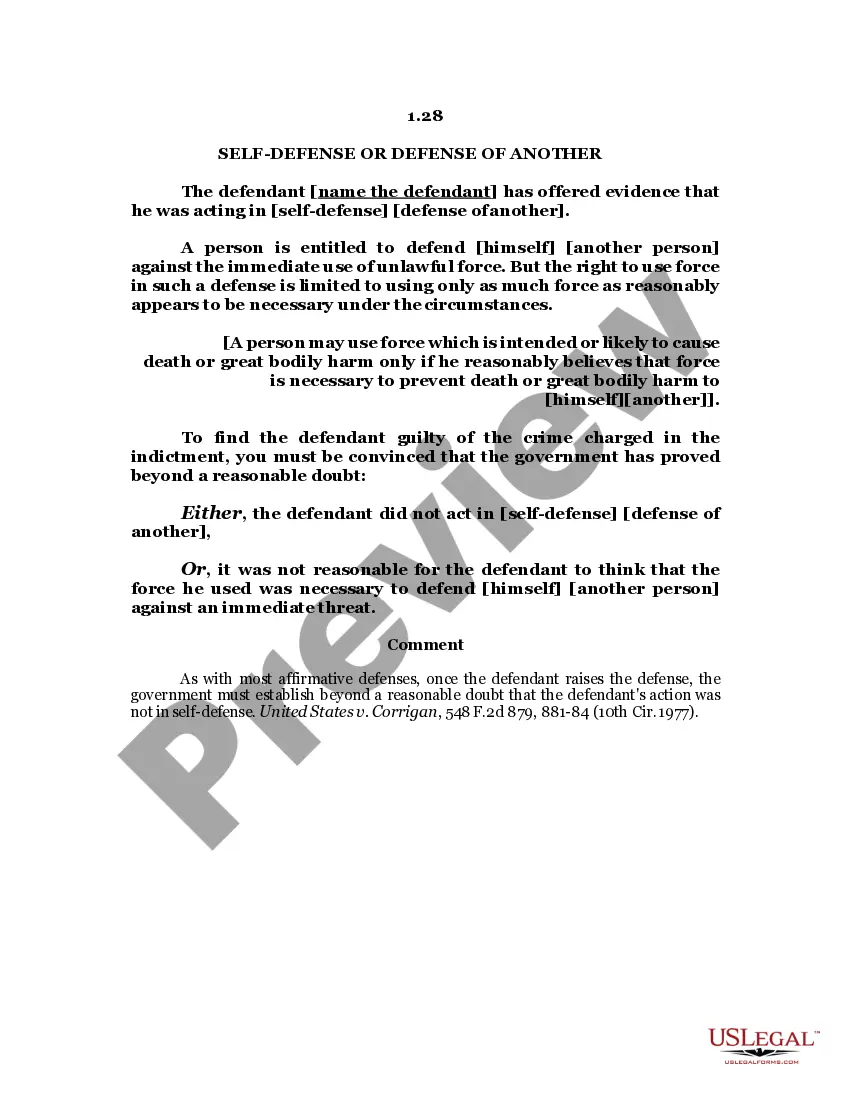
Minnesota Self-Defense - Assault
Description
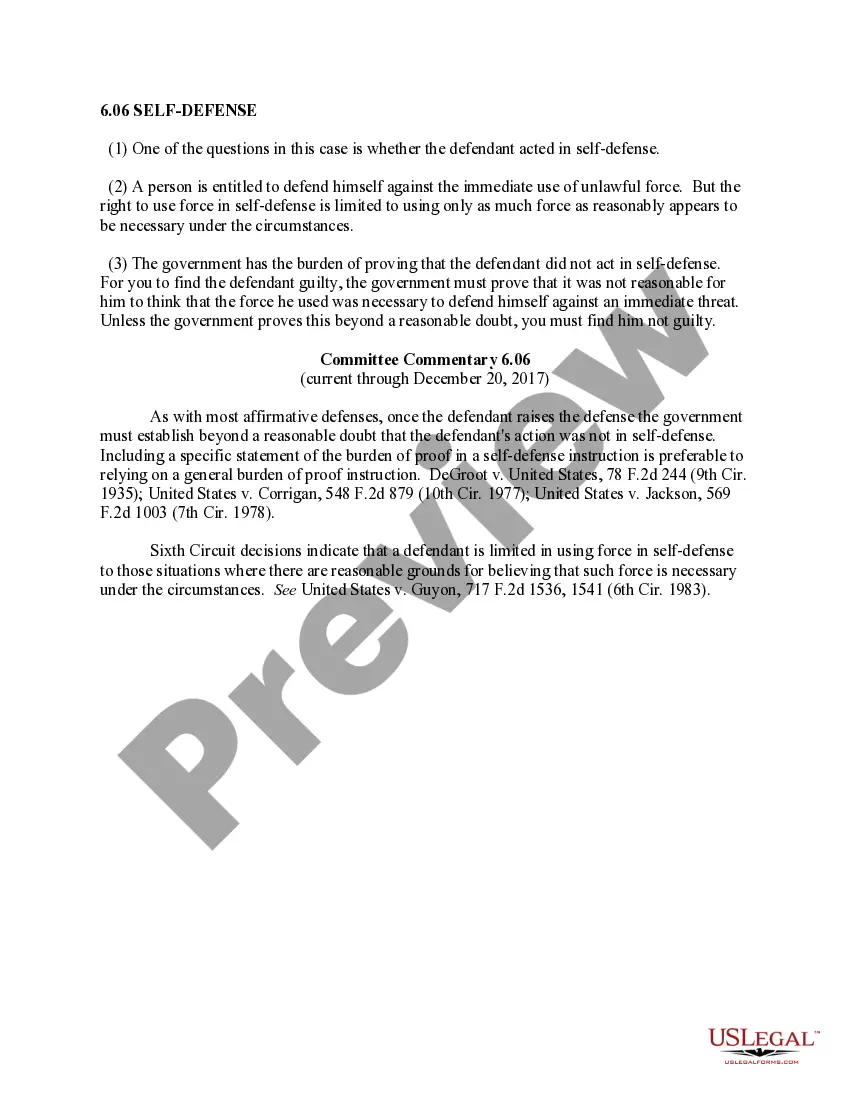
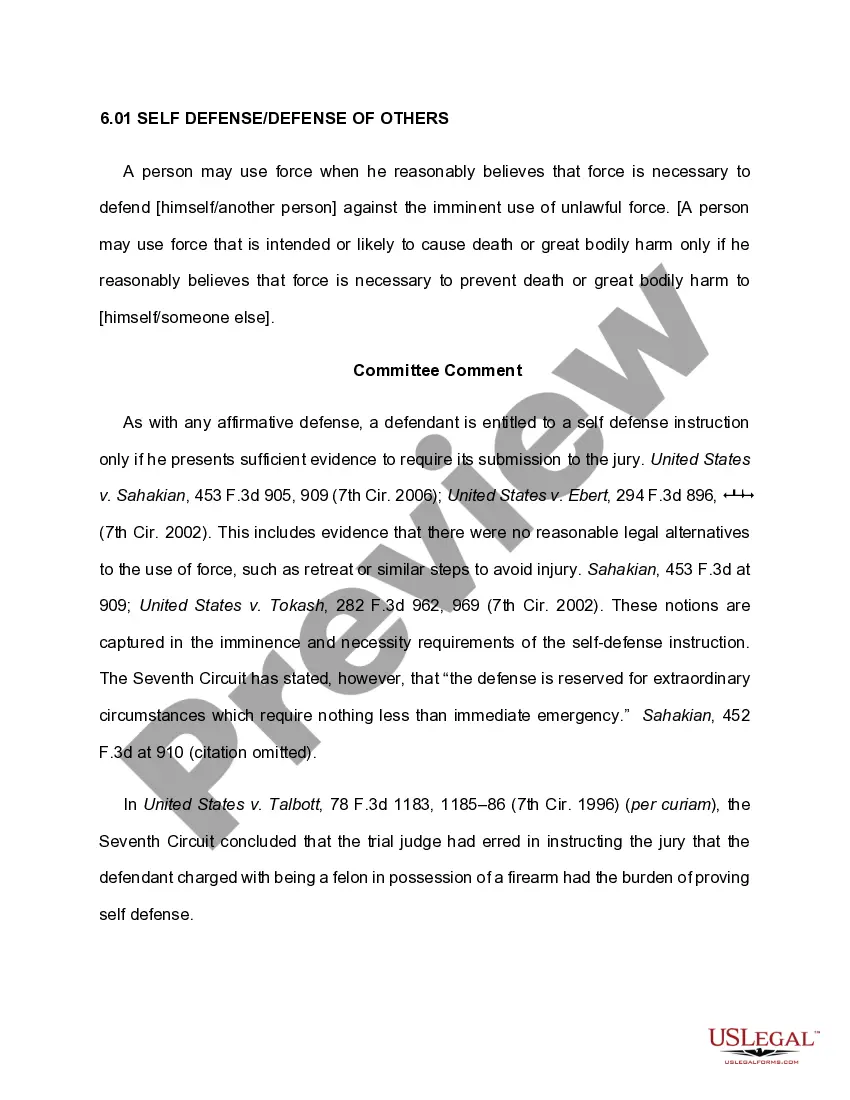
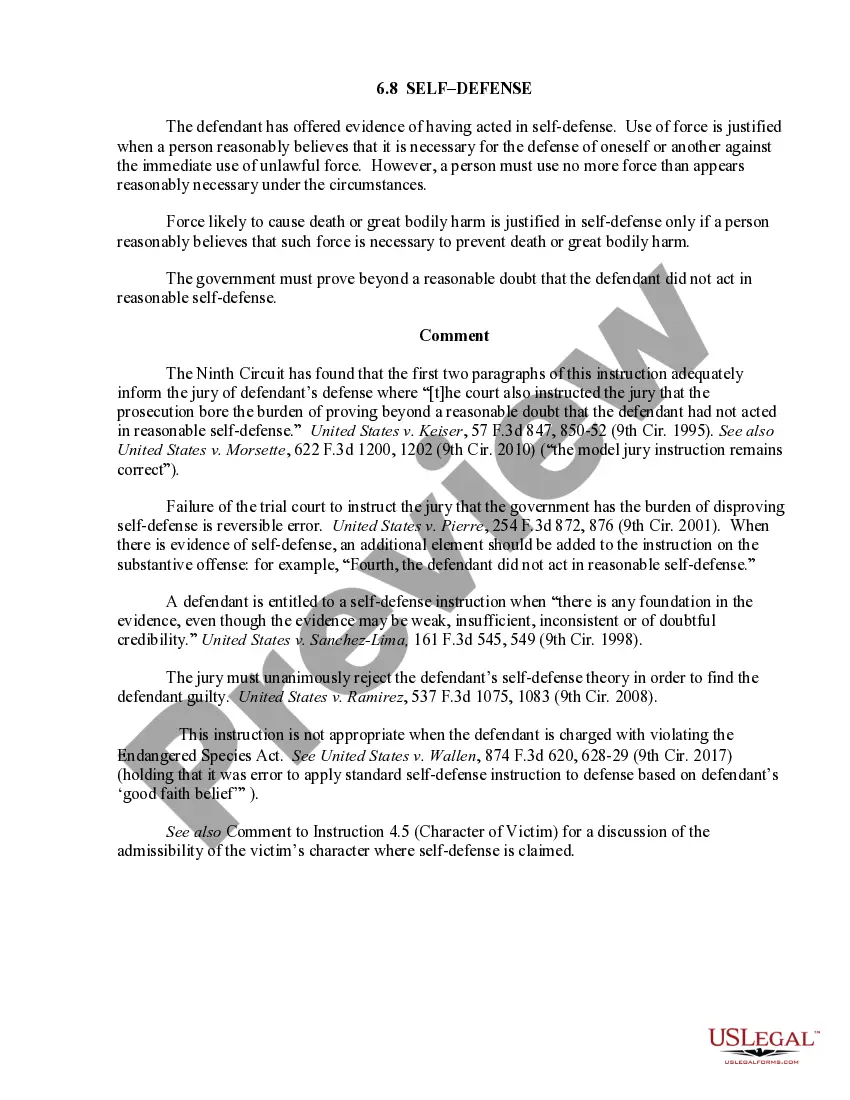
Get your form ready online
Our built-in tools help you complete, sign, share, and store your documents in one place.
Make edits, fill in missing information, and update formatting in US Legal Forms—just like you would in MS Word.
Download a copy, print it, send it by email, or mail it via USPS—whatever works best for your next step.
Sign and collect signatures with our SignNow integration. Send to multiple recipients, set reminders, and more. Go Premium to unlock E-Sign.
If this form requires notarization, complete it online through a secure video call—no need to meet a notary in person or wait for an appointment.
We protect your documents and personal data by following strict security and privacy standards.

Make edits, fill in missing information, and update formatting in US Legal Forms—just like you would in MS Word.

Download a copy, print it, send it by email, or mail it via USPS—whatever works best for your next step.

Sign and collect signatures with our SignNow integration. Send to multiple recipients, set reminders, and more. Go Premium to unlock E-Sign.

If this form requires notarization, complete it online through a secure video call—no need to meet a notary in person or wait for an appointment.

We protect your documents and personal data by following strict security and privacy standards.
Looking for another form?
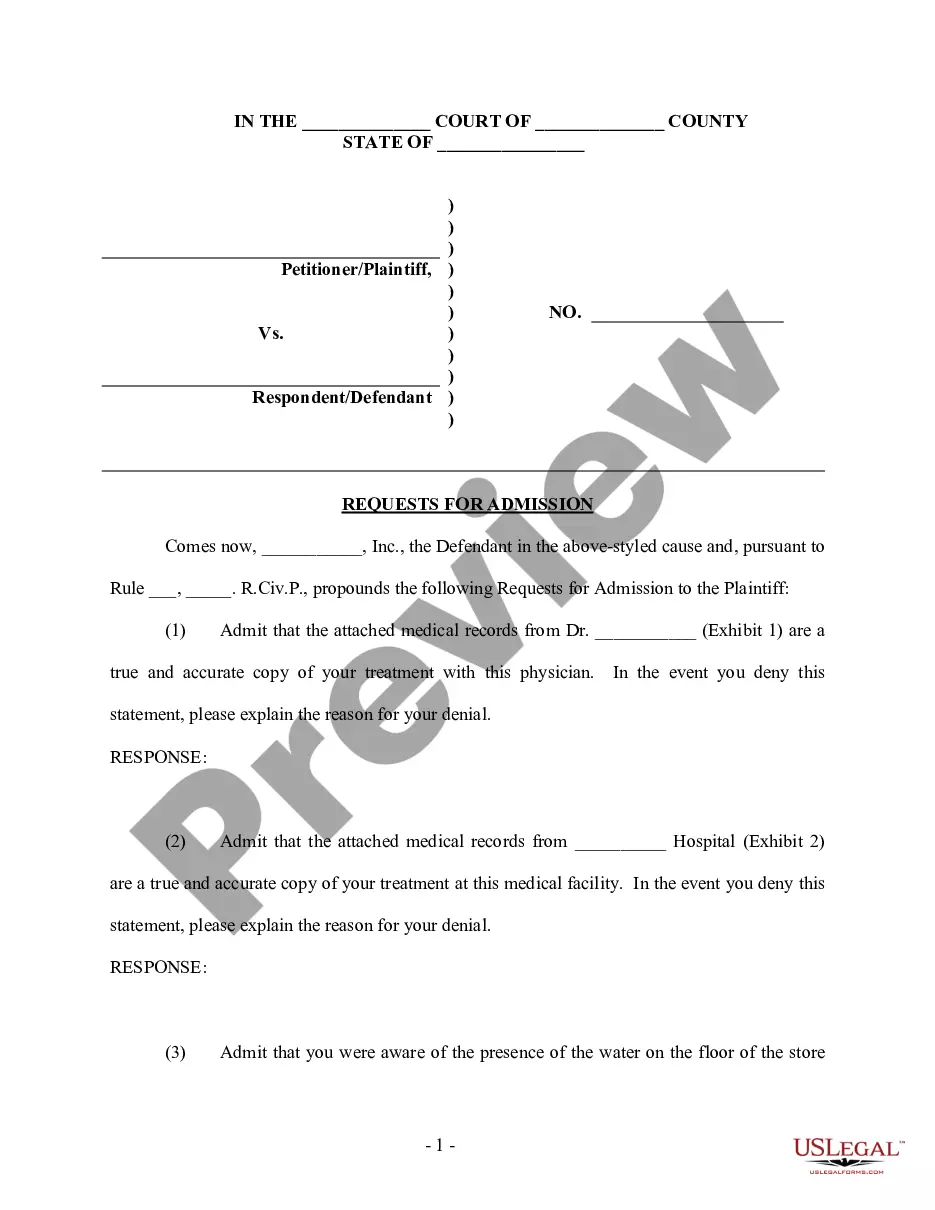



How to fill out Self-Defense - Assault?
Are you currently in the situation where you require documents for occasional business or personal needs almost every day? There are numerous legal document templates available online, but locating ones you can trust is challenging.
US Legal Forms offers a wide variety of form templates, including the Minnesota Self-Defense - Assault, which are designed to comply with both state and federal regulations.
If you are already familiar with the US Legal Forms website and have an account, simply Log In. After that, you can download the Minnesota Self-Defense - Assault template.
Choose a convenient document format and download your copy.
Access all the document templates you have purchased in the My documents menu. You can obtain another copy of the Minnesota Self-Defense - Assault at any time, if needed. Just select the desired form to download or print the document template. Use US Legal Forms, the most extensive collection of legal forms, to save time and avoid mistakes. The service provides professionally crafted legal document templates that you can use for various purposes. Create your account on US Legal Forms and start making your life easier.
- If you do not have an account and wish to start using US Legal Forms, follow these steps.
- Obtain the form you need and ensure it is for the correct city/region.
- Utilize the Review button to examine the form.
- Read the description to confirm that you have selected the correct form.
- If the form isn’t what you’re looking for, use the Search field to find the form that meets your needs and requirements.
- Once you find the right form, click Purchase now.
- Select the payment plan you prefer, fill in the required information to create your account, and complete your purchase using PayPal or a credit card.
Form popularity
FAQ
Canadians have a right to defend their property or themselves as long as their defensive actions are reasonable under the circumstances. This means that if you injure an intruder entering your home or property, you would need to show that the circumstances gave you no other reasonable choice.
Wisconsin does not have a stand your ground law. The state's case law allows juries to consider a failure to retreat when evaluating the necessity of a person's use of force in public. Wisconsin does, however, allow for the use of deadly force without a duty to retreat in defense of an occupied vehicle or business.
Guns, knives, pepper spray, and tasers are legal self-defense weapons in Minnesota. There are, however, some restrictions placed on when these weapons can be used. For the use of a weapon to be considered in ?self-defense,? it must be used to ward off an attack or imminent danger.
An affirmative defense involves two parts. First, you and your self-defense attorney must meet ?the burden of going forward? with some evidence to support self-defense. And after that, the State must attempt to meet its burden to disprove, beyond a reasonable doubt, self-defense.
While many states have enacted ?stand your ground? laws, Minnesota does not have a so-called stand your ground law. Minnesota law imposes a ?duty to retreat,? which means that if a person feels threatened, he or she may only use deadly force as a last resort.
Castle Doctrine: The ?Castle Doctrine? in Minnesota allows individuals to use force, including deadly force, to protect themselves or others within their dwelling or occupied vehicle from unlawful entry or harm.
Guns, knives, pepper spray, and tasers are legal self-defense weapons in Minnesota. There are, however, some restrictions placed on when these weapons can be used. For the use of a weapon to be considered in ?self-defense,? it must be used to ward off an attack or imminent danger.
There are four elements to a self-defense claim: (1) an absence of aggression or provocation; (2) an actual and honest belief that imminent death or great bodily harm would result; (3) a reasonable basis existed for this belief; and (4) an absence of reasonable means to retreat or otherwise avoid the physical conflict.