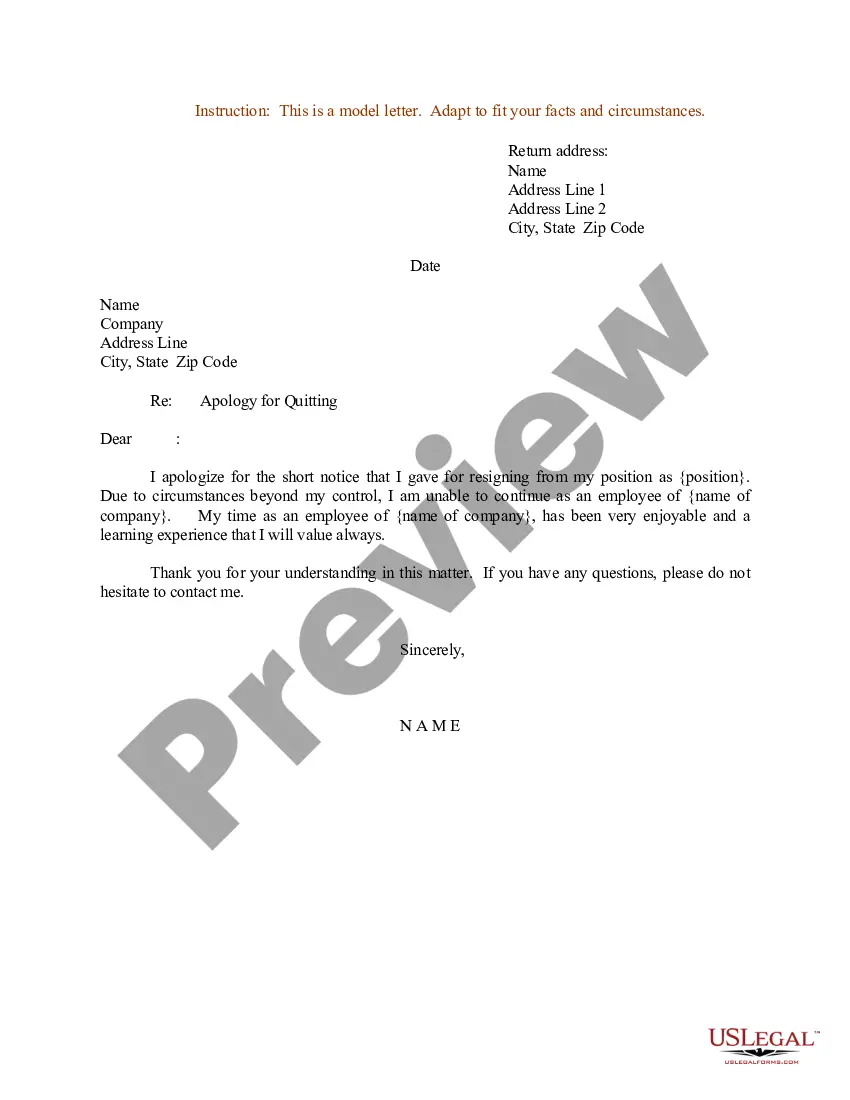
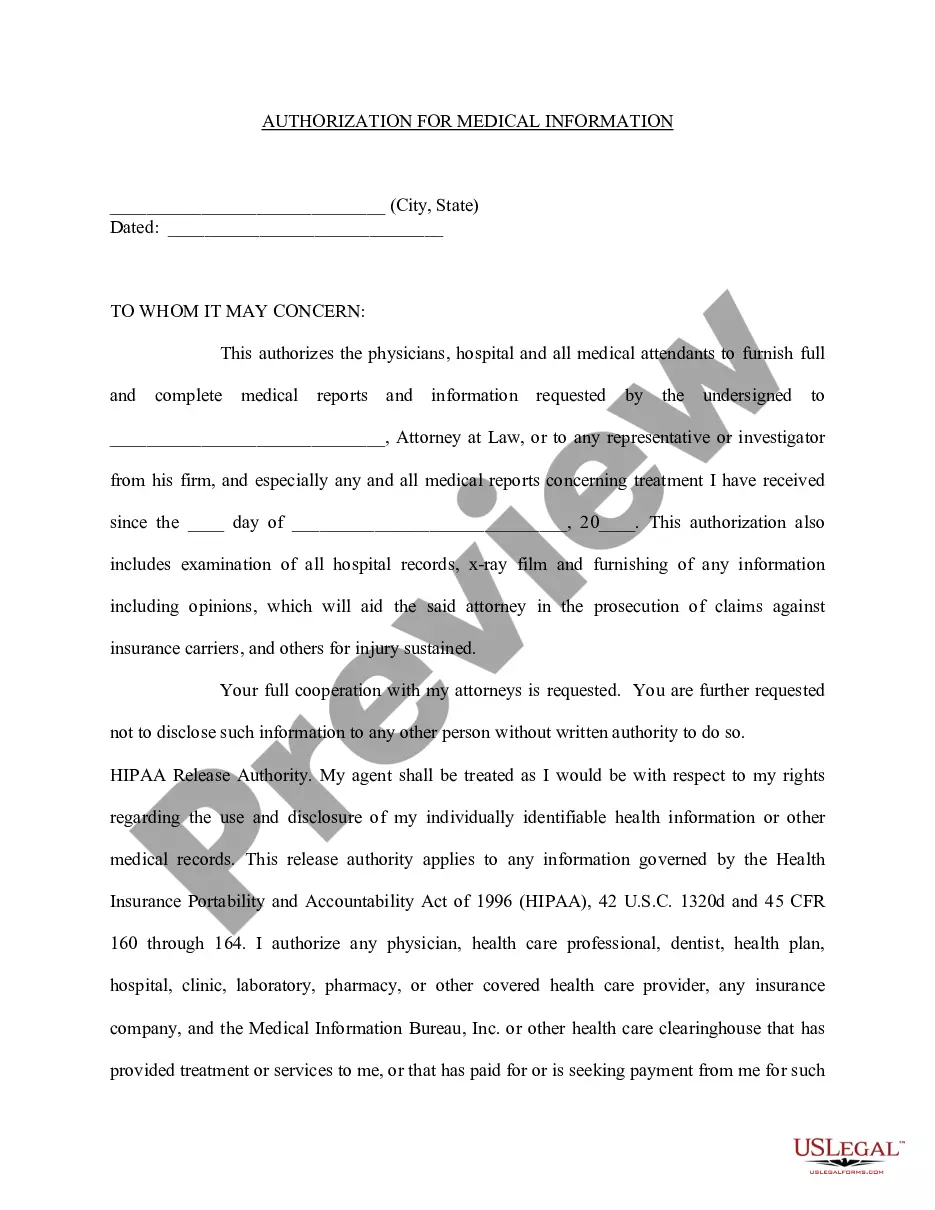
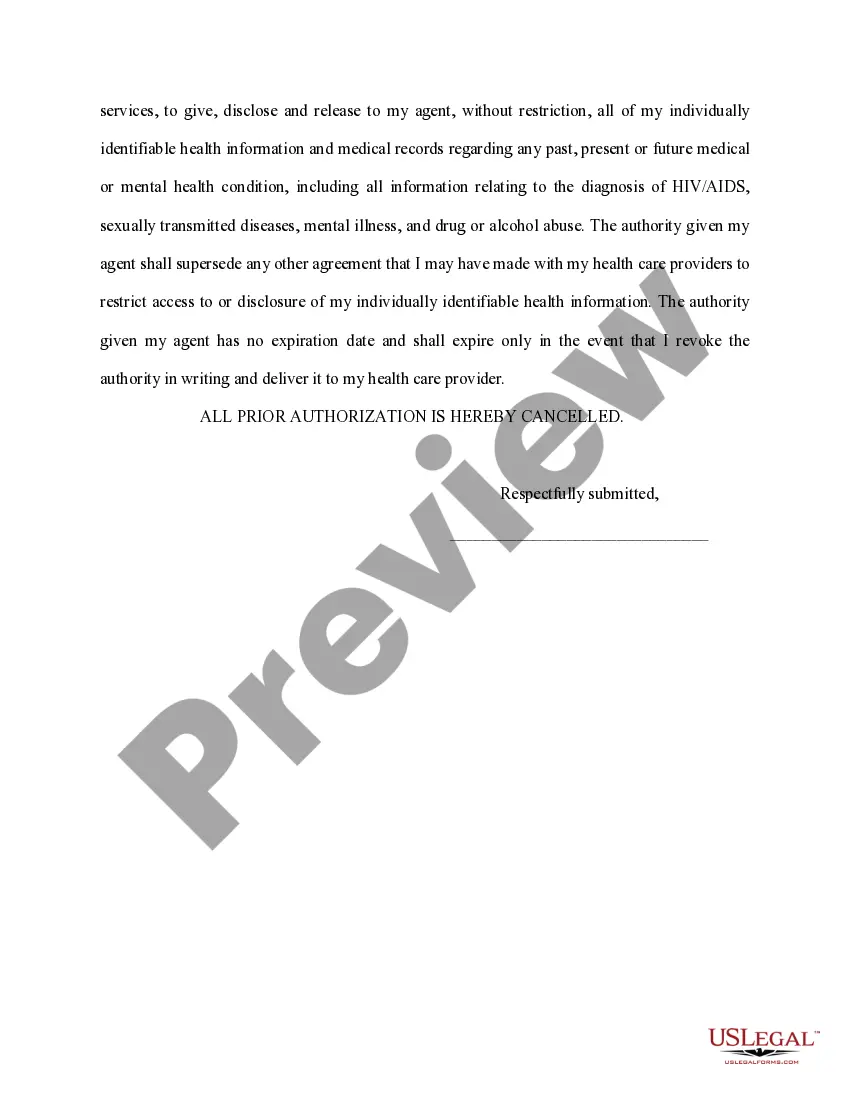
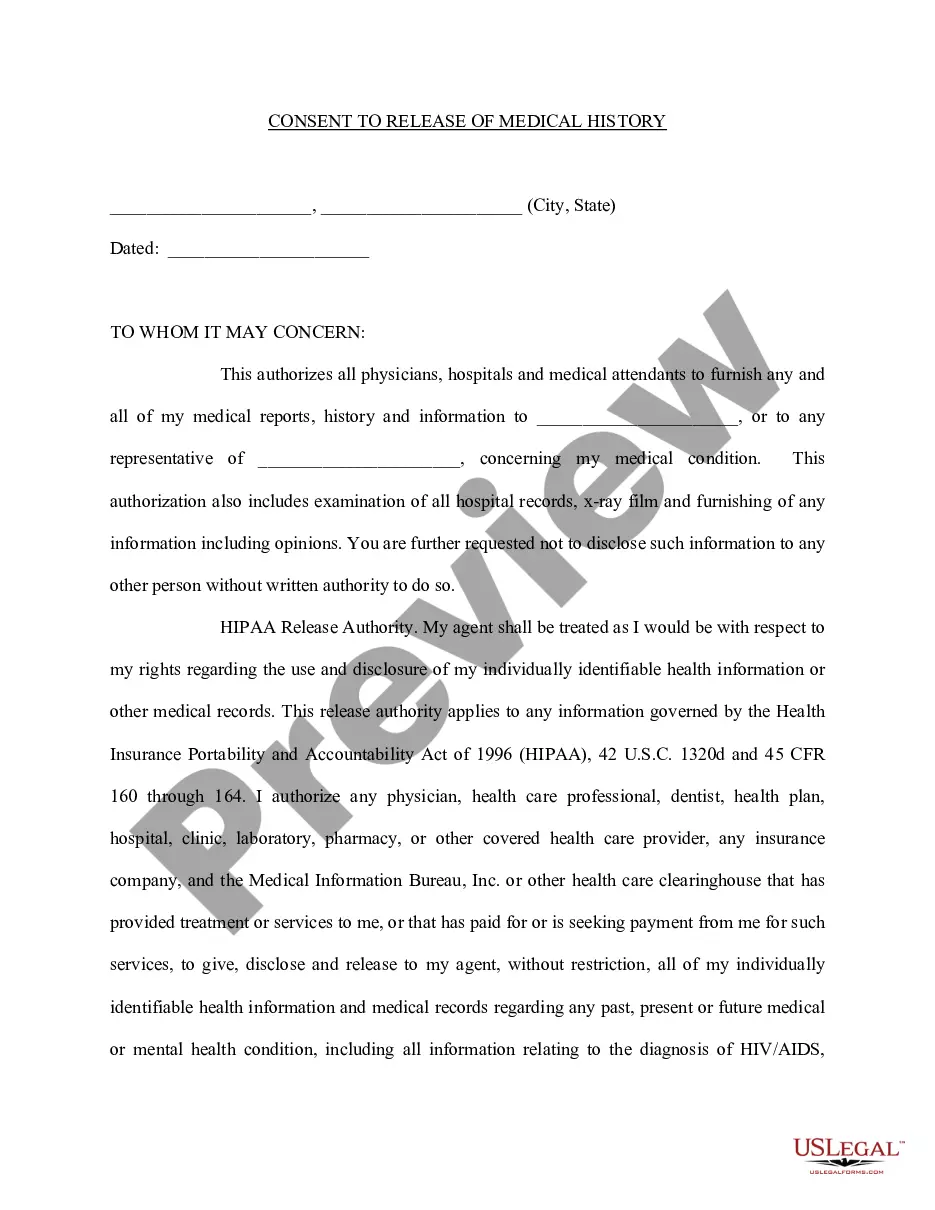
Minnesota Medical Release
Description

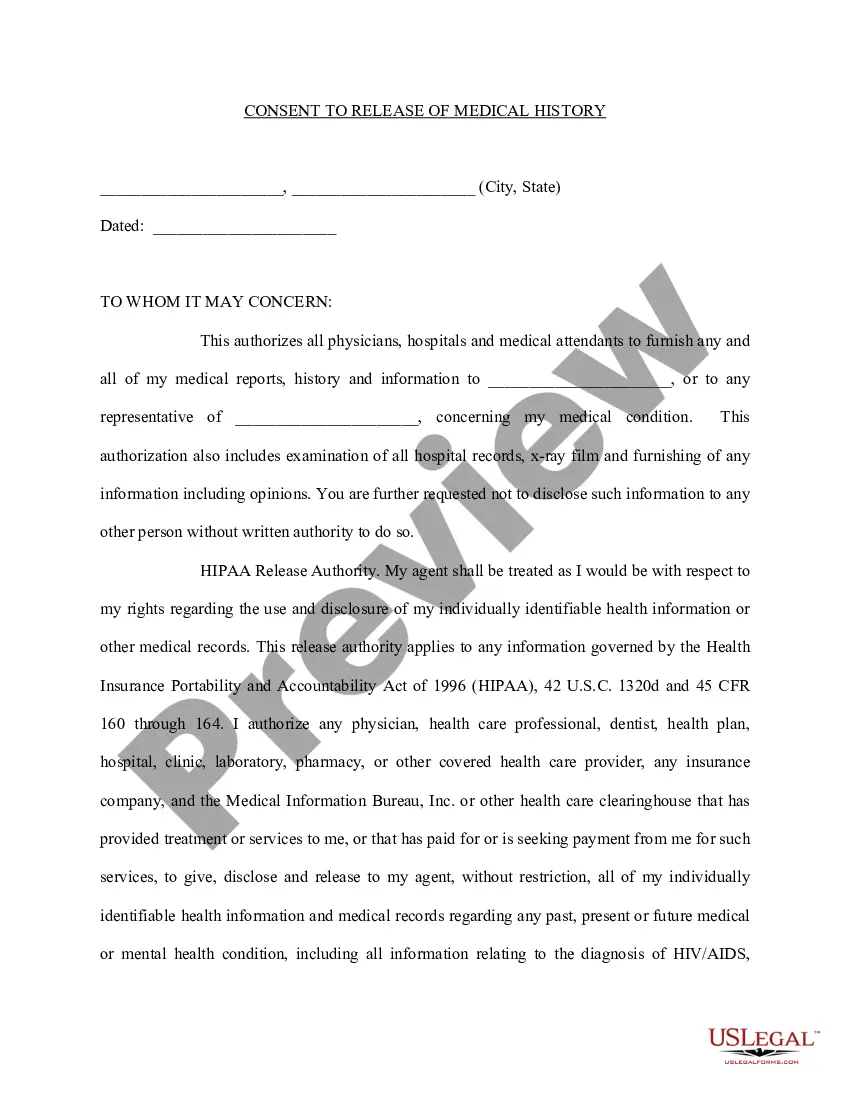
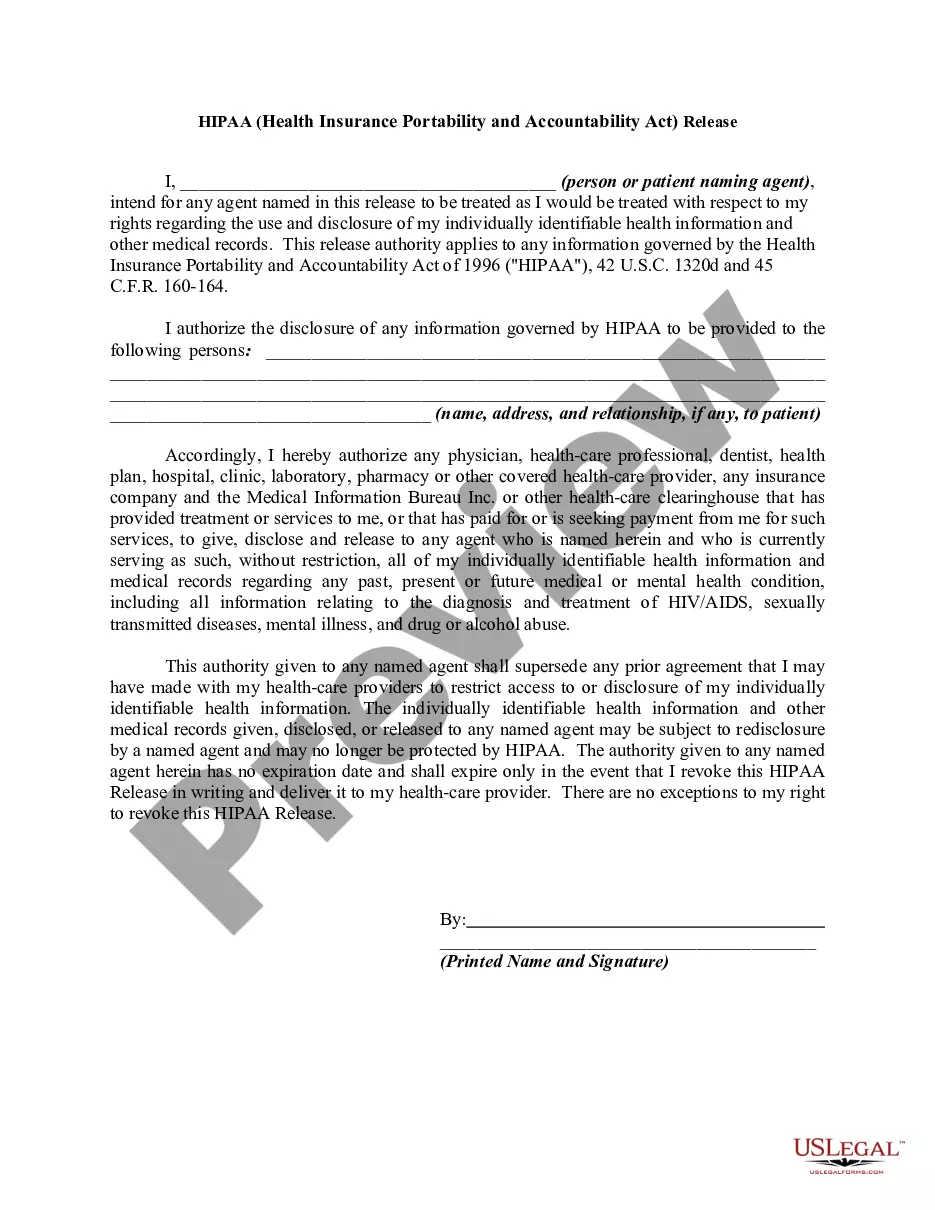
Get your form ready online
Our built-in tools help you complete, sign, share, and store your documents in one place.
Make edits, fill in missing information, and update formatting in US Legal Forms—just like you would in MS Word.
Download a copy, print it, send it by email, or mail it via USPS—whatever works best for your next step.
Sign and collect signatures with our SignNow integration. Send to multiple recipients, set reminders, and more. Go Premium to unlock E-Sign.
If this form requires notarization, complete it online through a secure video call—no need to meet a notary in person or wait for an appointment.
We protect your documents and personal data by following strict security and privacy standards.

Make edits, fill in missing information, and update formatting in US Legal Forms—just like you would in MS Word.

Download a copy, print it, send it by email, or mail it via USPS—whatever works best for your next step.

Sign and collect signatures with our SignNow integration. Send to multiple recipients, set reminders, and more. Go Premium to unlock E-Sign.

If this form requires notarization, complete it online through a secure video call—no need to meet a notary in person or wait for an appointment.

We protect your documents and personal data by following strict security and privacy standards.
Looking for another form?



How to fill out Medical Release?
US Legal Forms - one of the largest compilations of sanctioned documents in the USA - provides a broad selection of legal paperwork templates that you can download or print.
While utilizing the website, you can access thousands of forms for business and personal purposes, organized by categories, states, or keywords.
You can find the latest versions of forms like the Minnesota Medical Release within moments.
Check the form summary to ensure you have chosen the right document.
If the form does not meet your needs, utilize the Search box at the top of the screen to find one that does.
- If you already possess a membership, Log In to download the Minnesota Medical Release from the US Legal Forms library.
- The Download button will appear on every form you view.
- You can access all previously downloaded forms in the My documents section of your account.
- If you're using US Legal Forms for the first time, here are simple steps to get you started.
- Confirm you have chosen the correct form for your locality/region.
- Select the Preview option to review the form's content.
Form popularity
FAQ
Call the Board of Medical Practice at (612) 617-2130 or 1-800-657-3709. Ask if they have any information on your doctor's current location.
How to Review Medical Records: The Value of Legal Nurse ConsultantsRequest the Relevant Medical Records.Organize the Medical Records.Critically Analyze the Medical Records.Identify Medical Experts and Assist Legal Counsel in Retaining Qualified Experts.Re-evaluate Medical Record Requests.More items...?
There are a few scenarios where you can disclose PHI without patient consent: coroner's investigations, court litigation, reporting communicable diseases to a public health department, and reporting gunshot and knife wounds.
What is a Medical Records Release Form? A Medical Records Release Form is used to request that a health care provider (physician, dentist, hospital, chiropractor, psychiatrist, etc.) release a patient's medical records, either to the patient, a third party (such as an employer or insurance company), or both.
According to HIPAA, patients have the right to request their records. Other individuals can also request records on behalf of a patient. These include a parent, legal guardian, patient advocate or caregiver with written permission from the patient.
Yes. The Privacy Rule allows covered health care providers to share protected health information for treatment purposes without patient authorization, as long as they use reasonable safeguards when doing so. These treatment communications may occur orally or in writing, by phone, fax, e-mail, or otherwise.
The physician should ask the patient to sign a written authorization to release this nontherapeutic information. The written permission should be dated, state to whom the information is to be released, which information may be passed on to that party, and when the permission to obtain information expires.
The patient's legal name, date of birth, gender, Social Security number, address, telephone number, guarantor, subscriber, or next-of-kin are key identifying elements that assist in establishing the proper individual.
It can be disclosed to the parents or the legal guardian of the patient where the patient is not of legal age or mentally incapacitated; and if the patient is of legal age, then, the information can be disclosed with his right to choose the person to whom the medical information should be communicated.
All portions of individual hospital medical records of minors shall be maintained for seven years or until the individual reaches the age of majority, whichever occurs last, at which time the individual may request that the patient's hospital records be destroyed, unless the hospital is required to retain the records