Minnesota Letter to Attorney Opposite regarding Reconciliation
About this form
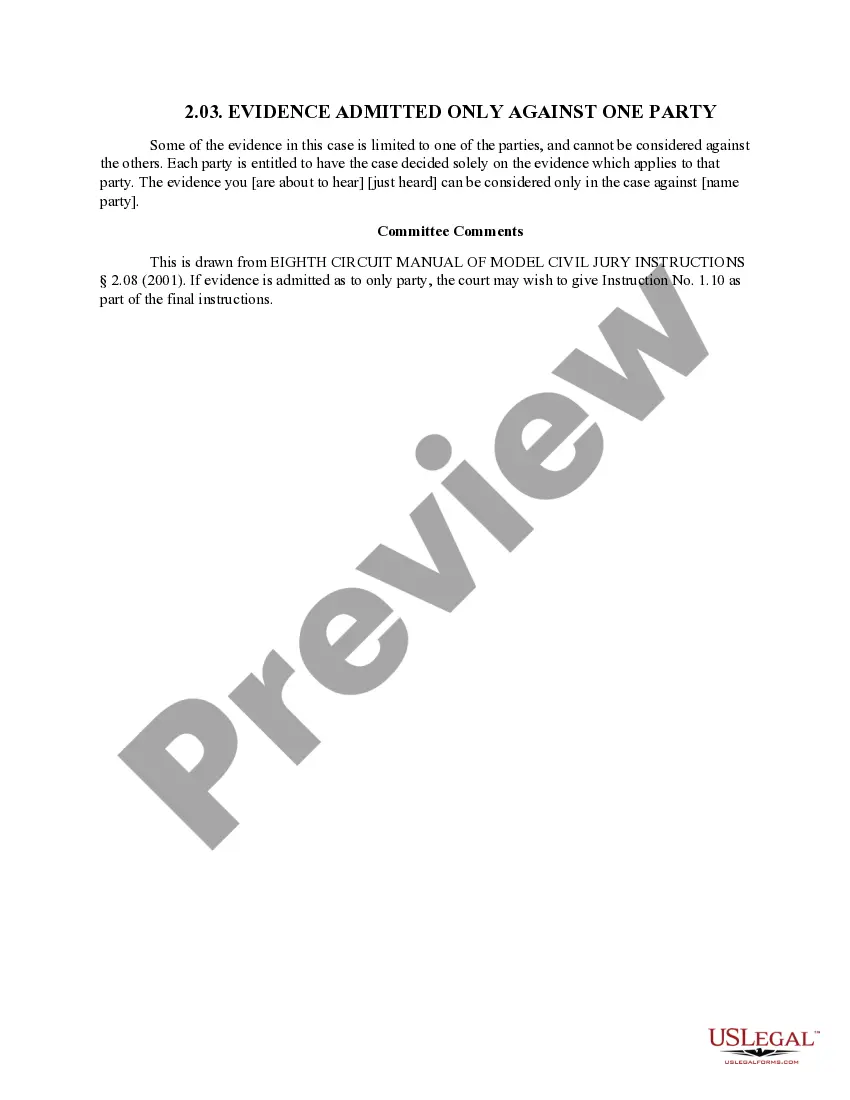
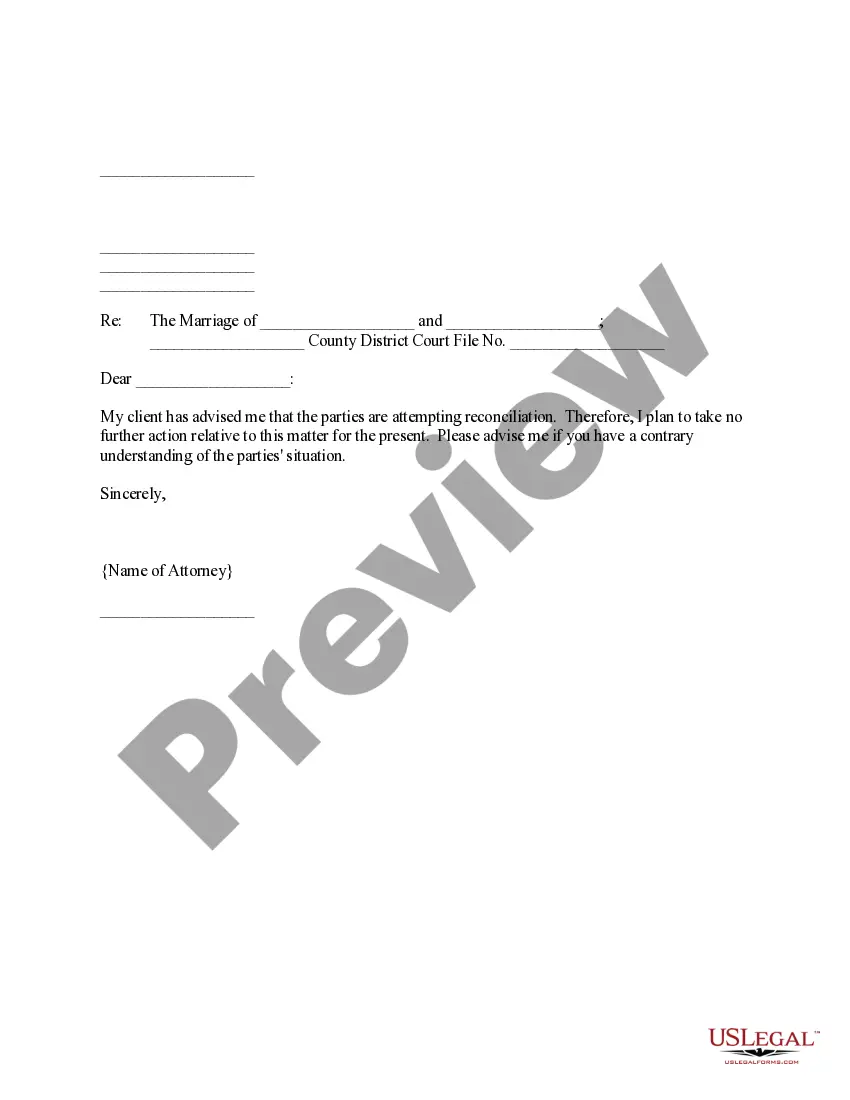
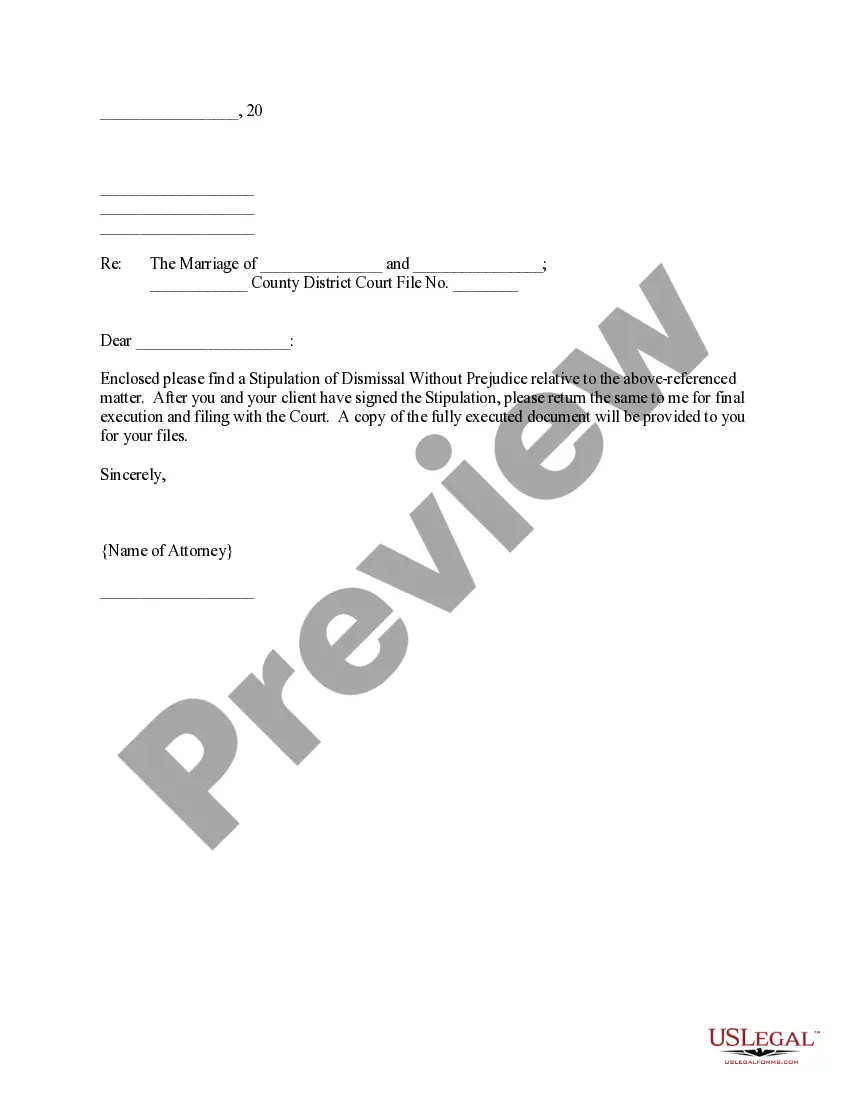
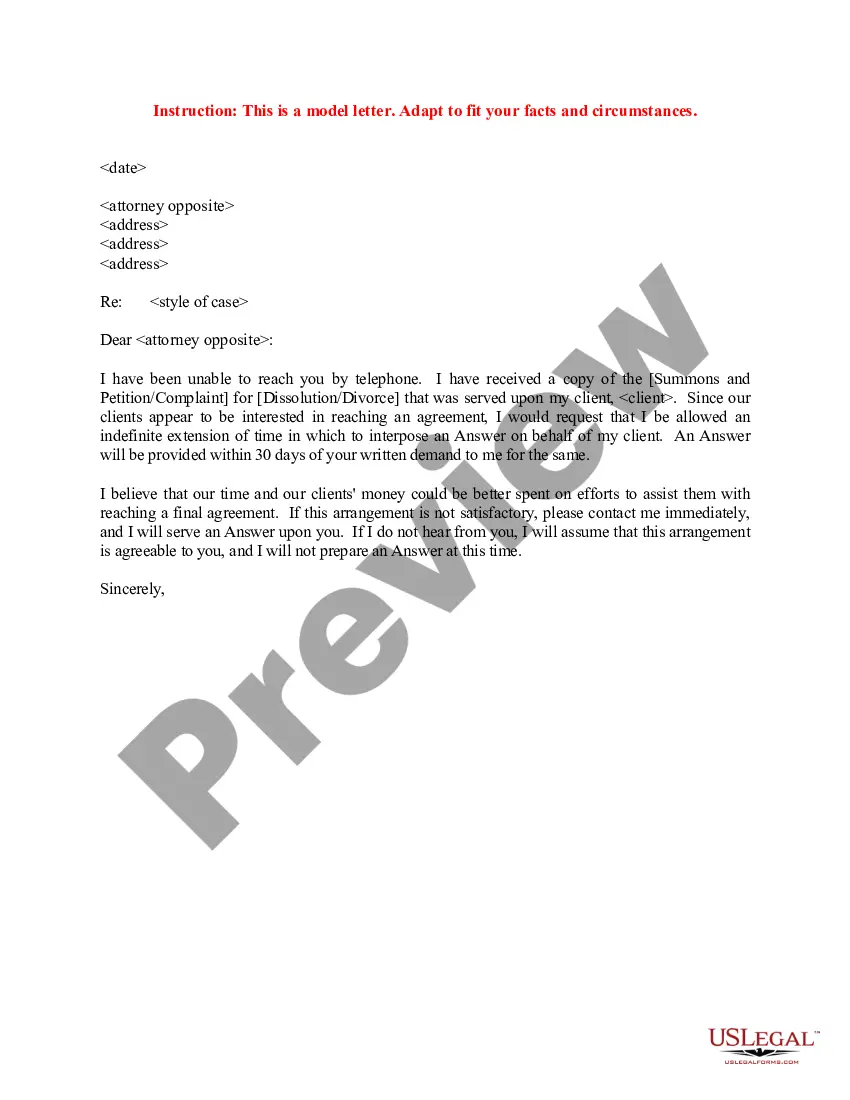
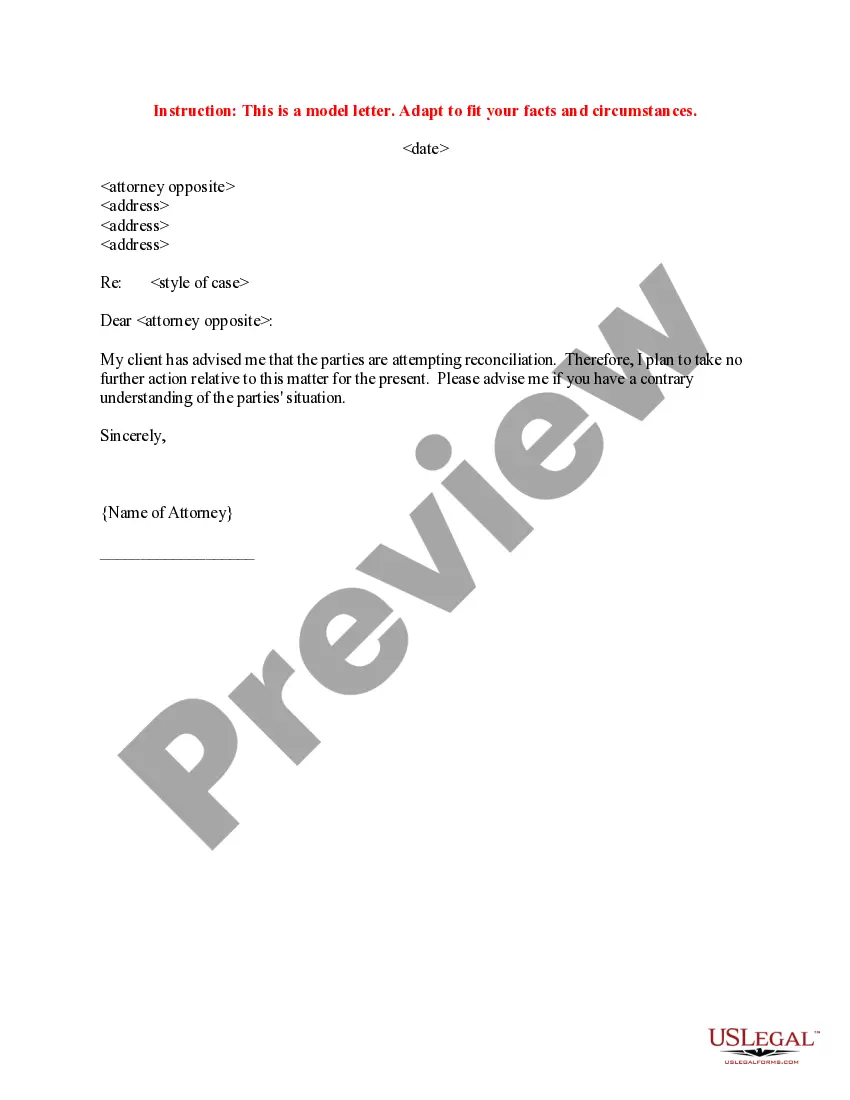
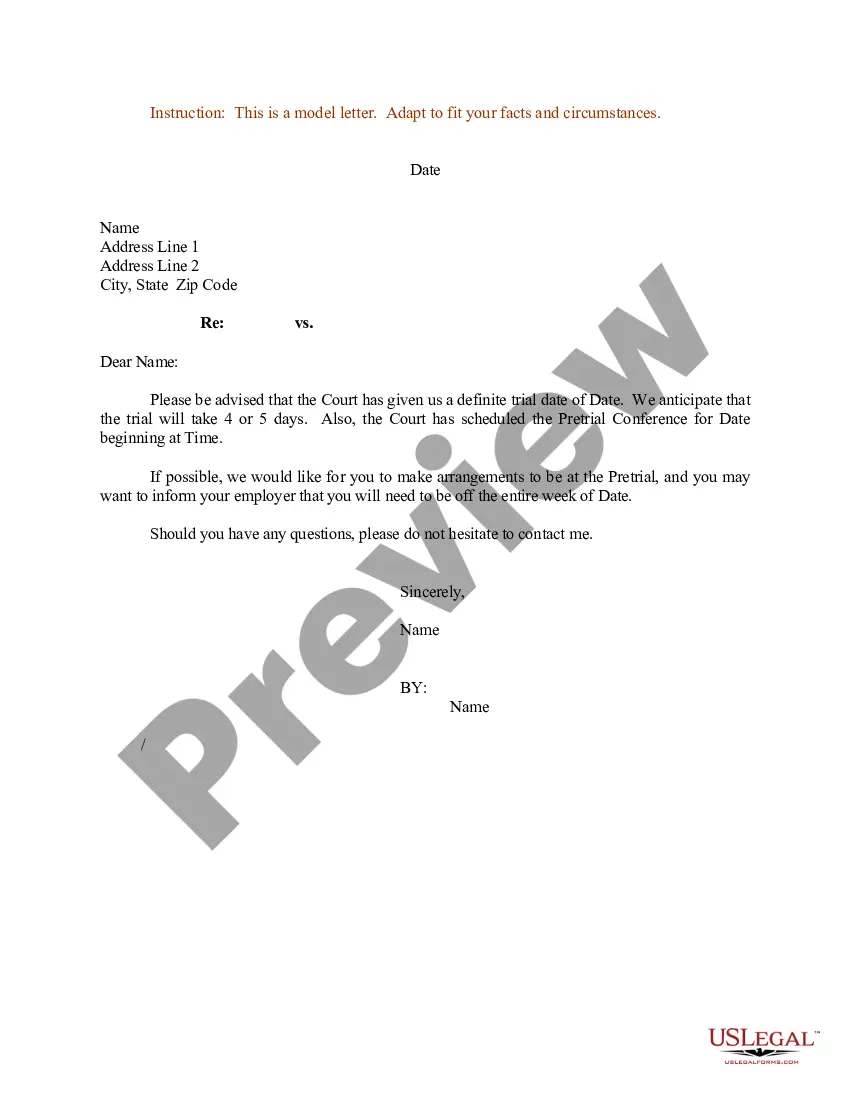
A letter to attorney opposite regarding reconciliation is a formal communication in a dissolution proceeding. Its primary purpose is to inform the opposing attorney that parties are considering reconciliation and that no further action will be taken by your attorney at this time. This letter serves as a crucial update in family law cases and helps manage expectations between both parties and their legal representatives, distinguishing it from other legal correspondence that may not address reconciliation efforts.
Form components explained
- Parties involved: Names of the parties in the marriage.
- Case information: District court file number and county.
- Attorney information: Name and contact details of the attorney sending the letter.
- Statement of reconciliation: A declaration regarding the intention of the parties to reconcile.
- Request for confirmation: Inquiry about any different understanding from the opposing attorney.
Common use cases
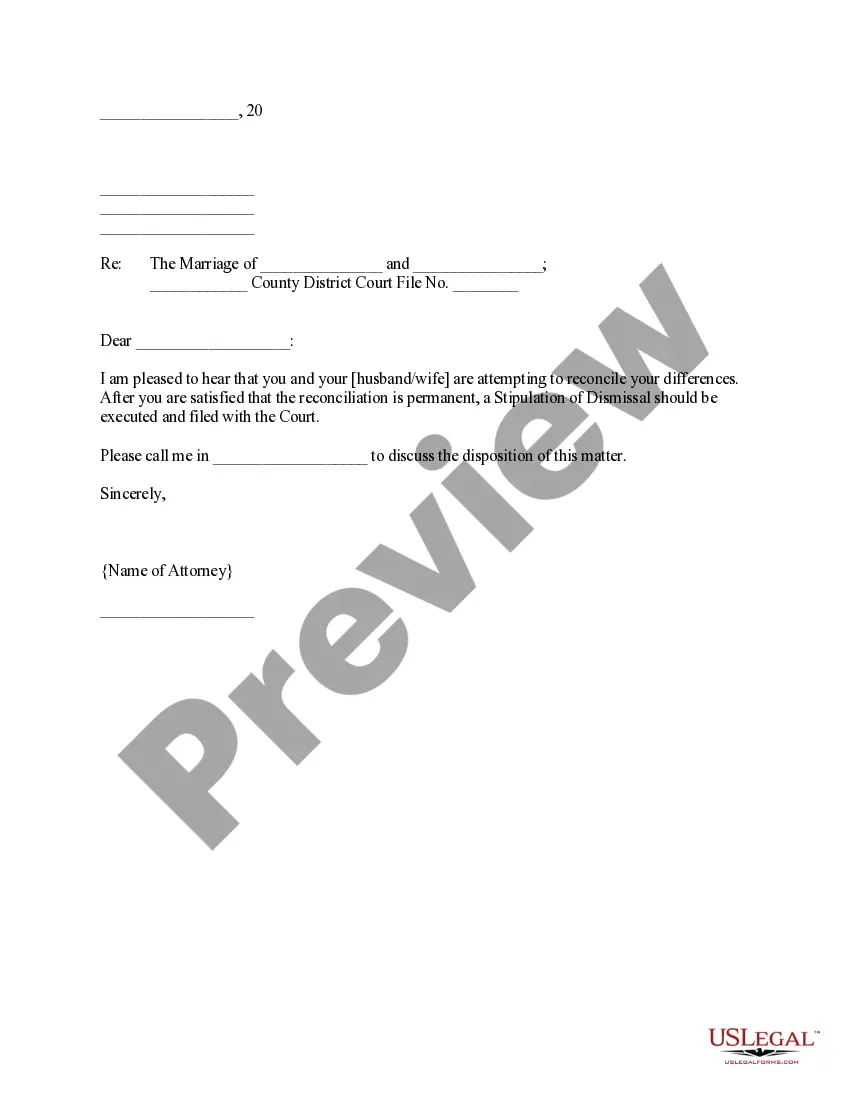
This letter should be used during a dissolution proceeding when both parties are contemplating reconciliation. It is appropriate to issue this letter to keep the opposing counsel informed and to clarify the current status of the case. If you believe your client and the other party are working towards reconciling their marriage, sending this letter can help pause any further legal actions effectively.
Who needs this form
- Attorneys representing a party in a dissolution proceeding.
- Clients who have attorneys involved in their divorce case.
- Parties seeking to formally communicate their intention to reconcile during a divorce process.
How to prepare this document
- Identify the parties: Fill in the names of both parties in the marriage.
- Enter the case information: Include the district court file number and the county.
- Provide your details: Write the name and contact information of the attorney sending the letter.
- State the reconciliation: Clearly indicate that the parties are attempting to reconcile.
- Request confirmation: Ask the opposing attorney to confirm if they have a different understanding of the situation.
Does this form need to be notarized?
This form does not typically require notarization unless specified by local law. However, it is recommended to check local regulations to ensure compliance with any specific requirements in your jurisdiction.
Get your form ready online
Our built-in tools help you complete, sign, share, and store your documents in one place.
Make edits, fill in missing information, and update formatting in US Legal Forms—just like you would in MS Word.
Download a copy, print it, send it by email, or mail it via USPS—whatever works best for your next step.
Sign and collect signatures with our SignNow integration. Send to multiple recipients, set reminders, and more. Go Premium to unlock E-Sign.
If this form requires notarization, complete it online through a secure video call—no need to meet a notary in person or wait for an appointment.
We protect your documents and personal data by following strict security and privacy standards.

Make edits, fill in missing information, and update formatting in US Legal Forms—just like you would in MS Word.

Download a copy, print it, send it by email, or mail it via USPS—whatever works best for your next step.

Sign and collect signatures with our SignNow integration. Send to multiple recipients, set reminders, and more. Go Premium to unlock E-Sign.

If this form requires notarization, complete it online through a secure video call—no need to meet a notary in person or wait for an appointment.

We protect your documents and personal data by following strict security and privacy standards.
Mistakes to watch out for
- Failure to include necessary party names and case details.
- Not clarifying the reconciliation status properly.
- Omitting the request for the opposing counsel's input.
- Using informal language instead of maintaining professionalism.
Advantages of online completion
- Convenient accessibility: Download the form anytime, anywhere.
- Editability: Customize the form easily to fit your specific case.
- Reliability: Ensure compliance with legal standards as drafts are prepared by licensed attorneys.
Legal use & context
- This letter serves to document the current status of the reconciliation attempts.
- It provides a clear communication channel to prevent further legal actions during reconciliation.
- Enforceability of this communication can vary based on local laws regarding divorce proceedings.
What to keep in mind
- The form is essential for communicating reconciliation efforts during divorce.
- Accurate completion can prevent misunderstandings between legal representatives.
- Use this form to maintain professional communication throughout the dissolution process.
Looking for another form?
Form popularity
FAQ
Rule 105 of the Minnesota General Rules of Practice focuses on the procedures for resolving disputes between attorneys and their clients. This rule emphasizes the importance of written agreements and proper notification in maintaining professional relationships. If you are facing a conflict with your attorney, a Minnesota Letter to Attorney Opposite regarding Reconciliation can provide a structured means to communicate your issues and seek resolution. Utilizing resources from US Legal Forms can simplify this process.
Rule of Practice 105 in Minnesota pertains to the guidelines for attorney conduct and the management of cases. This rule sets forth expectations for attorneys regarding communication with clients and other parties involved in a case. Understanding this rule can help you navigate the legal landscape more effectively. For specific queries about how it relates to your situation, you might find the Minnesota Letter to Attorney Opposite regarding Reconciliation helpful in addressing your concerns.
A termination of legal representation letter is a formal document that informs an attorney that you no longer require their services. This letter serves to officially end the attorney-client relationship, ensuring clarity on both sides. It is crucial to detail your reasons for termination and to request any remaining documents or files. If you need assistance drafting this letter, consider using the Minnesota Letter to Attorney Opposite regarding Reconciliation available on US Legal Forms.
The rule of practice 521 in Minnesota focuses on the process for motions and other pleadings in civil cases. It outlines how parties must submit documents and the required timelines. Familiarizing yourself with this rule can enhance your communication strategies, especially when drafting a Minnesota Letter to Attorney Opposite regarding Reconciliation to ensure all procedural requirements are met.
A withdrawal letter from a lawyer formally indicates that the attorney is ending their representation of a client. This document typically outlines the reasons for withdrawal and ensures compliance with legal ethics. If you need to manage your legal representation effectively, consider the implications of a Minnesota Letter to Attorney Opposite regarding Reconciliation when addressing this situation.
Rule 521 of the Minnesota General Rules of Practice pertains to the procedures for filing and serving documents in legal proceedings. This rule establishes guidelines to ensure that all parties receive timely notifications. When involved in a case, referencing this rule can be beneficial when drafting a Minnesota Letter to Attorney Opposite regarding Reconciliation, as it helps maintain proper communication.
In Minnesota, you can refuse jury duty under certain circumstances, such as financial hardship or medical issues. However, you must provide valid reasons and may need to submit documentation to support your request. If you find yourself needing assistance with this process, consider drafting a Minnesota Letter to Attorney Opposite regarding Reconciliation to clarify your situation with the court.
A conflict of interest occurs when an attorney has competing interests that may impair their ability to represent a client impartially. This situation can arise from prior relationships, financial interests, or other connections. Understanding conflicts of interest is crucial when sending a Minnesota Letter to Attorney Opposite regarding Reconciliation, as it ensures that your attorney can represent you without any bias.
The 55.01 rule in Minnesota is a provision that allows parties in a legal dispute to request specific information from each other before trial. This rule helps to clarify the issues in the case and promotes transparency. By understanding this rule, you can draft a Minnesota Letter to Attorney Opposite regarding Reconciliation more effectively, ensuring all necessary information is exchanged.