Minnesota Summons - Notice of Temporary Restraining Provisions
About this form
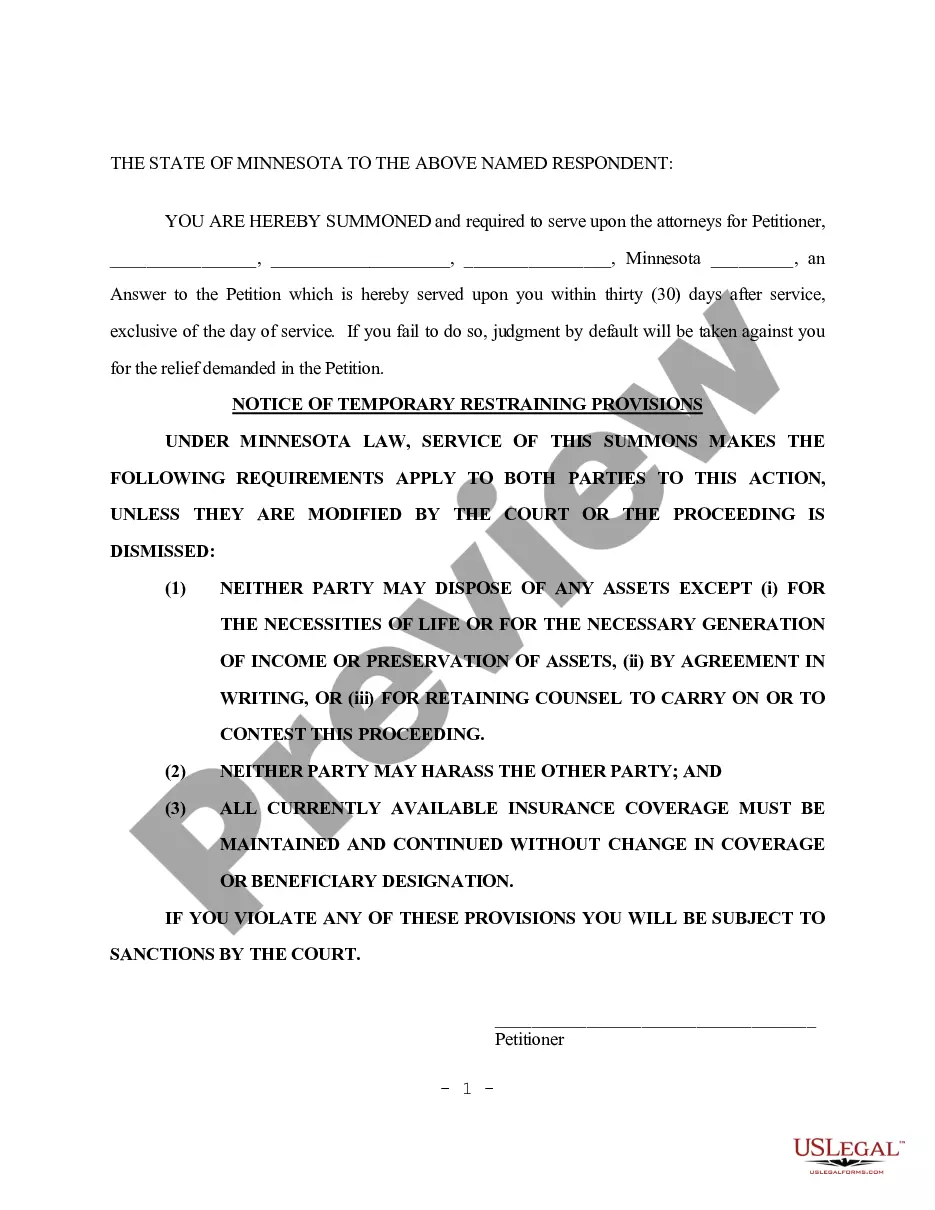
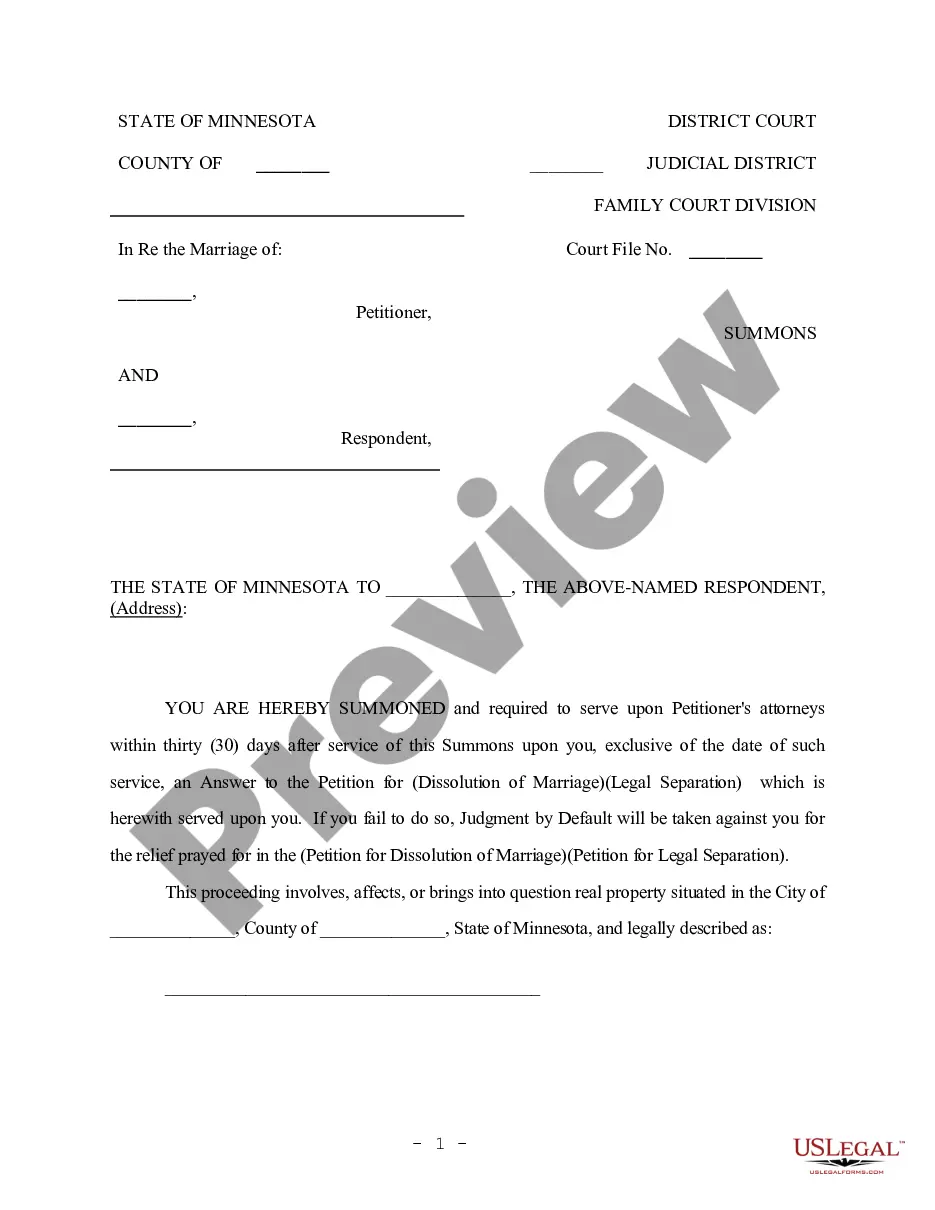
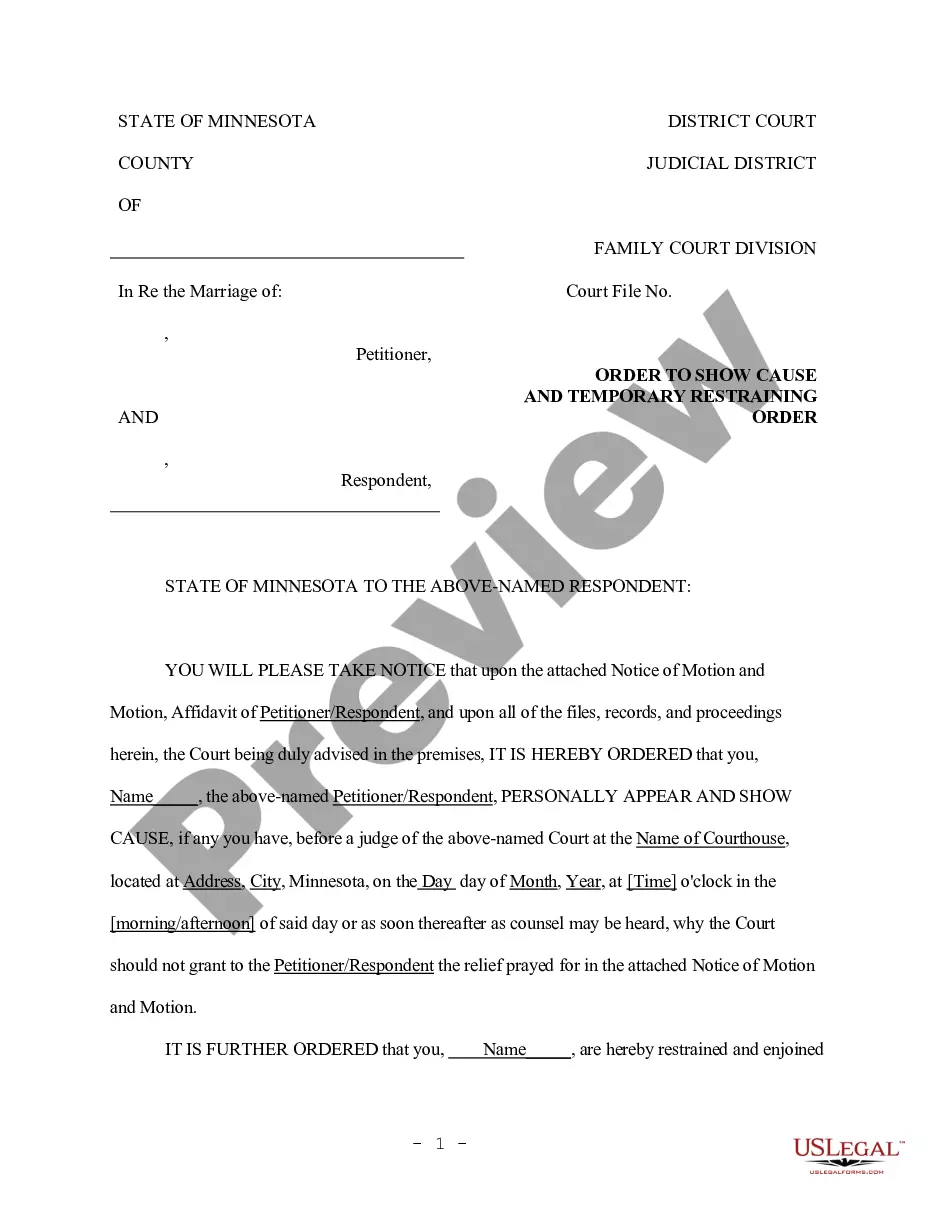
The Summons - Notice of Temporary Restraining Provisions is a legal document used in Minnesota for initiating a dissolution proceeding. This summons informs the opposing party (respondent) about the proceedings and includes important temporary restraining provisions designed to protect assets and maintain the status quo during the legal process. It differs from other summons forms by specifically addressing the temporary restrictions applicable to both parties involved in the action.
Main sections of this form
- Identification of the parties involved, including the Petitioner and Respondent.
- Instructions for the Respondent to provide an Answer to the Petition within thirty days.
- A notice outlining temporary restraining provisions that apply to both parties.
- Consequences of violating the restraining provisions, leading to potential court sanctions.
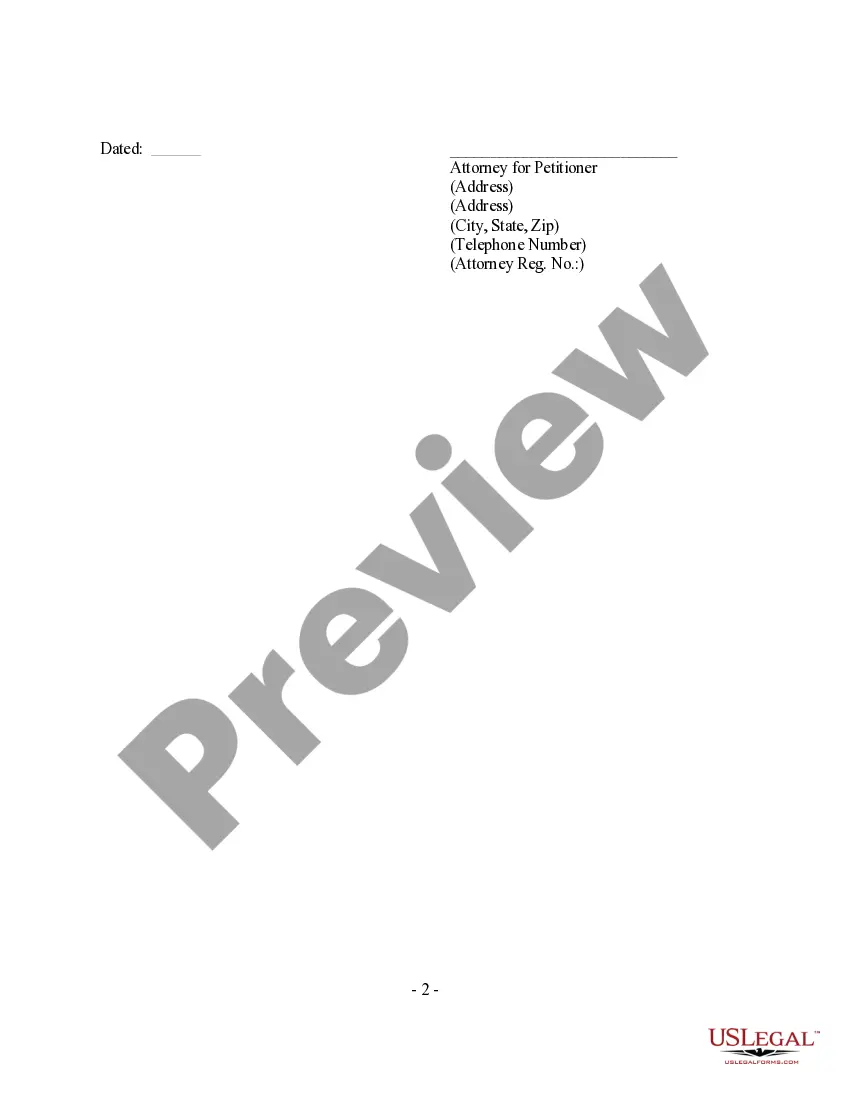
- Contact information for the attorney representing the Petitioner.
When this form is needed
This summons should be used when a Petitioner initiates a dissolution proceeding and needs to formally notify the Respondent of the action. It is particularly necessary when temporary restraining orders are needed to prevent either party from disposing of assets, harassing the other, or changing insurance coverage while the legal process is underway.
Who should use this form
- Individuals or couples undergoing a dissolution of marriage or domestic partnership in Minnesota.
- Petitioners who are initiating legal proceedings and require a formal summons for the other party.
- Respondents who receive this summons and need to understand their obligations and rights under the current legal proceedings.
Steps to complete this form
- Identify and fill in the names and addresses of both the Petitioner and Respondent.
- Specify the date by which the Respondent must respond to the petition.
- Ensure the temporary restraining provisions are clearly outlined.
- Complete the attorney's contact information if the Petitioner is represented.
- Sign and date the form to validate it.
Is notarization required?
This form does not typically require notarization unless specified by local law. However, it is crucial to ensure that all information is accurate and complete to maintain its validity in court.
Get your form ready online
Our built-in tools help you complete, sign, share, and store your documents in one place.
Make edits, fill in missing information, and update formatting in US Legal Forms—just like you would in MS Word.
Download a copy, print it, send it by email, or mail it via USPS—whatever works best for your next step.
Sign and collect signatures with our SignNow integration. Send to multiple recipients, set reminders, and more. Go Premium to unlock E-Sign.
If this form requires notarization, complete it online through a secure video call—no need to meet a notary in person or wait for an appointment.
We protect your documents and personal data by following strict security and privacy standards.

Make edits, fill in missing information, and update formatting in US Legal Forms—just like you would in MS Word.

Download a copy, print it, send it by email, or mail it via USPS—whatever works best for your next step.

Sign and collect signatures with our SignNow integration. Send to multiple recipients, set reminders, and more. Go Premium to unlock E-Sign.

If this form requires notarization, complete it online through a secure video call—no need to meet a notary in person or wait for an appointment.

We protect your documents and personal data by following strict security and privacy standards.
Avoid these common issues
- Failing to include all parties' names and addresses accurately.
- Not specifying the correct response deadline for the Respondent.
- Omitting signature and date, making the form invalid.
- Inadvertently ignoring the restraining provisions required by law.
Advantages of online completion
- Convenience of completing the form from anywhere at any time.
- Easily editable templates that allow for quick adjustments based on individual needs.
- Access to professionally drafted legal documents reviewed by licensed attorneys.
Legal use & context
- This summons form is enforceable in court, providing a framework for managing asset distribution and preventing harassment during the dissolution process.
- Temporary restraining provisions are critical in protecting the interests of both parties until the final judgment is rendered.
- Failure to comply with the terms set forth in the summons may lead to legal sanctions or unfavorable court rulings.
What to keep in mind
- The Summons is crucial in temporary legal proceedings during a dissolution case in Minnesota.
- It ensures that both parties understand their obligations and the consequences of their actions.
- Accurate completion and timely response are essential to avoiding default judgments.
- Using this form online streamlines the process and ensures legal compliance.
Looking for another form?
Form popularity
FAQ
Yes, you can look up restraining orders online in Minnesota. Various online resources allow you to search for these orders, making it easier to find the information you need. However, the depth of information available may vary. For a streamlined approach to accessing Minnesota Summons - Notice of Temporary Restraining Provisions, visit USLegalForms for guidance.
While many Minnesota court records are available online, not all records can be accessed this way. Some documents, especially those related to sensitive cases, may require in-person requests. To view Minnesota Summons - Notice of Temporary Restraining Provisions and other court documents, you can utilize resources like USLegalForms for an efficient solution.
In Minnesota, restraining orders are indeed public records. This allows the public to access these documents, which can be important for transparency and legal processes. Keep in mind that while the order itself is public, certain details might be redacted for privacy reasons. For comprehensive information, including Minnesota Summons - Notice of Temporary Restraining Provisions, consider using USLegalForms for quick access.
Yes, restraining orders are generally considered public records. This means that anyone can request access to them. However, the specific details may vary based on the jurisdiction and the nature of the case. If you are looking for information related to Minnesota Summons - Notice of Temporary Restraining Provisions, it is advisable to check with the local court or an online platform like USLegalForms.
In Minnesota, a restraining order qualifies based on various factors, including evidence of harassment, domestic abuse, or threats of violence. The law protects individuals who feel unsafe, and the Minnesota Summons - Notice of Temporary Restraining Provisions play a vital role in initiating this protective measure. It’s essential to assess your situation and gather the necessary documentation to support your request.
Rule 69 in Minnesota addresses the procedures for enforcing judgments and orders. This rule outlines how a party can seek relief when a judgment is not complied with, including the use of a temporary restraining order if necessary. Understanding this rule is important, especially when dealing with matters related to the Minnesota Summons - Notice of Temporary Restraining Provisions.
For a restraining order in Minnesota, you typically need to submit a variety of documents, including a completed petition, an affidavit detailing your situation, and any supporting evidence such as text messages or emails. These documents help establish the necessity of the restraining order. Utilizing the Minnesota Summons - Notice of Temporary Restraining Provisions can streamline this process by ensuring you have the correct forms and information.
In Minnesota, the standard for a temporary restraining order involves demonstrating that immediate harm may occur if the order is not granted. The petitioner must show a likelihood of success on the merits of the case, as well as a risk of irreparable injury. This is especially relevant when dealing with situations covered by the Minnesota Summons - Notice of Temporary Restraining Provisions, which aim to protect individuals from imminent threats.
Yes, you can drop a temporary restraining order before your court date. To do this, you typically need to file a request with the court that issued the Minnesota Summons - Notice of Temporary Restraining Provisions. This process may vary slightly depending on your local court's rules. If you are unsure how to proceed, consider seeking assistance from legal resources, such as US Legal Forms, which can provide the necessary documents and guidance.