Minnesota Stipulation and Order Limiting Expenditures pending Property Settlement
Overview of this form
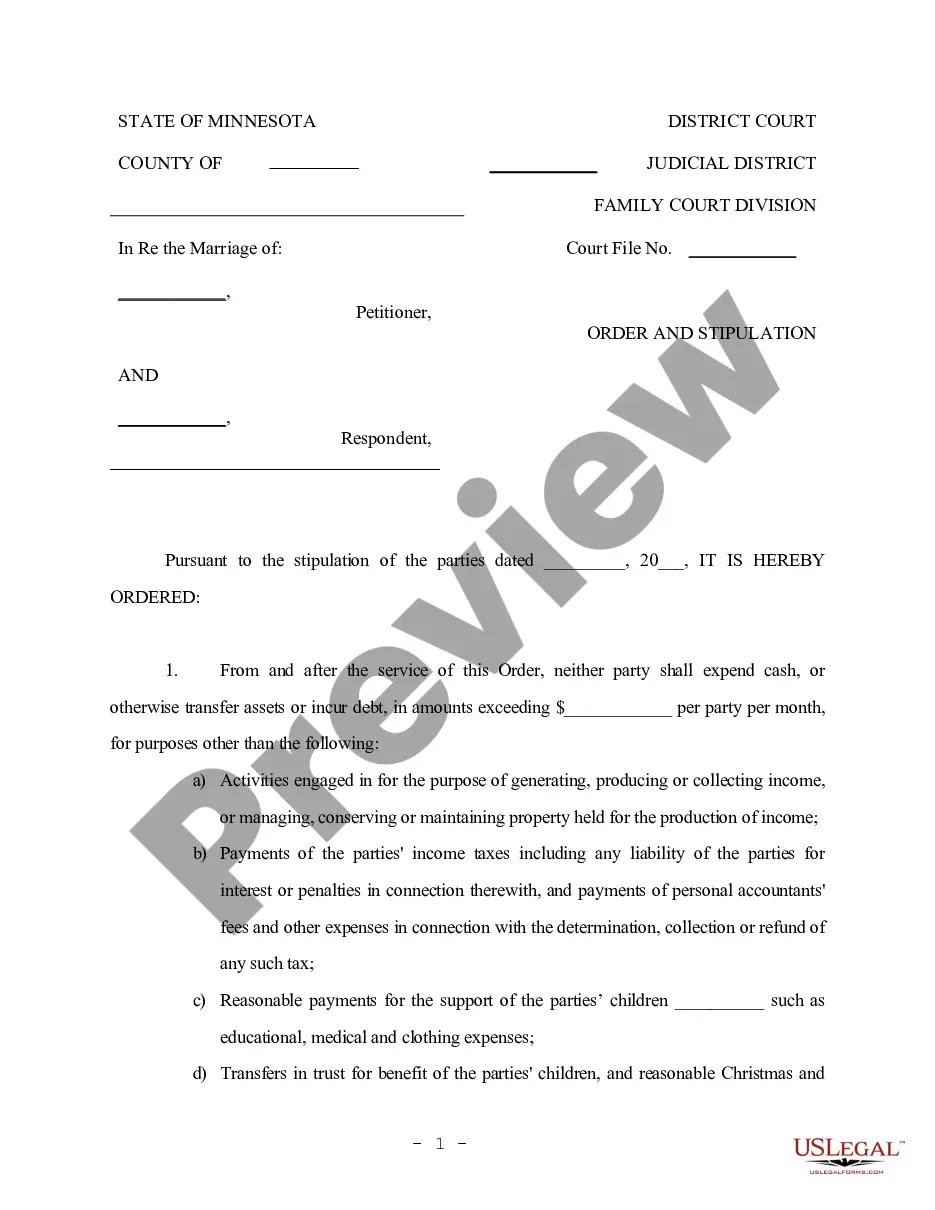
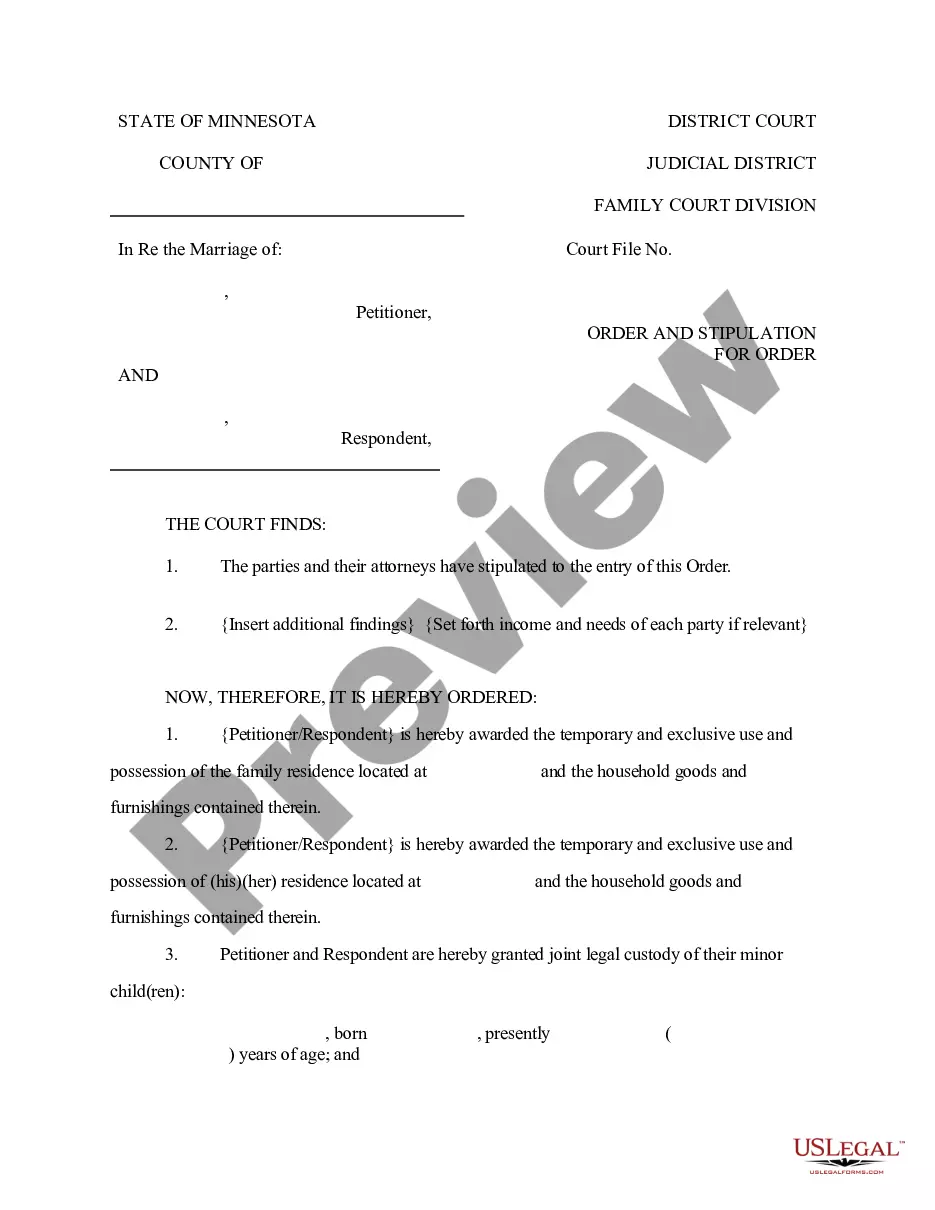
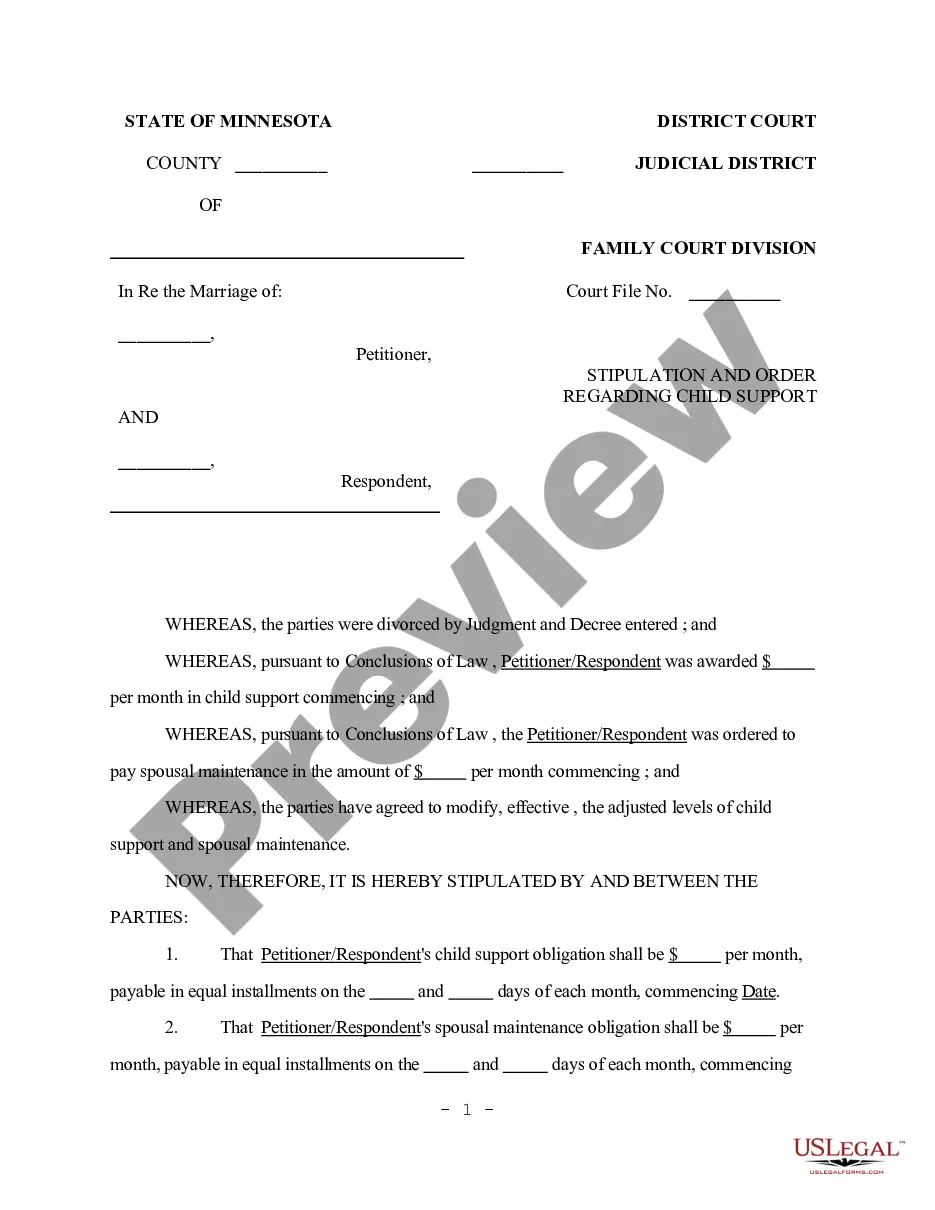
The Stipulation and Order Limiting Expenditures pending Property Settlement is a legal document that sets limitations on cash expenditures and asset transfers between parties engaged in a legal dispute, typically during divorce proceedings. This form is vital for controlling financial activities while a property settlement is pending, ensuring that neither party incurs excessive debt or diminishes assets without mutual consent.
What’s included in this form
- Preamble identifying the parties involved and the date of the agreement
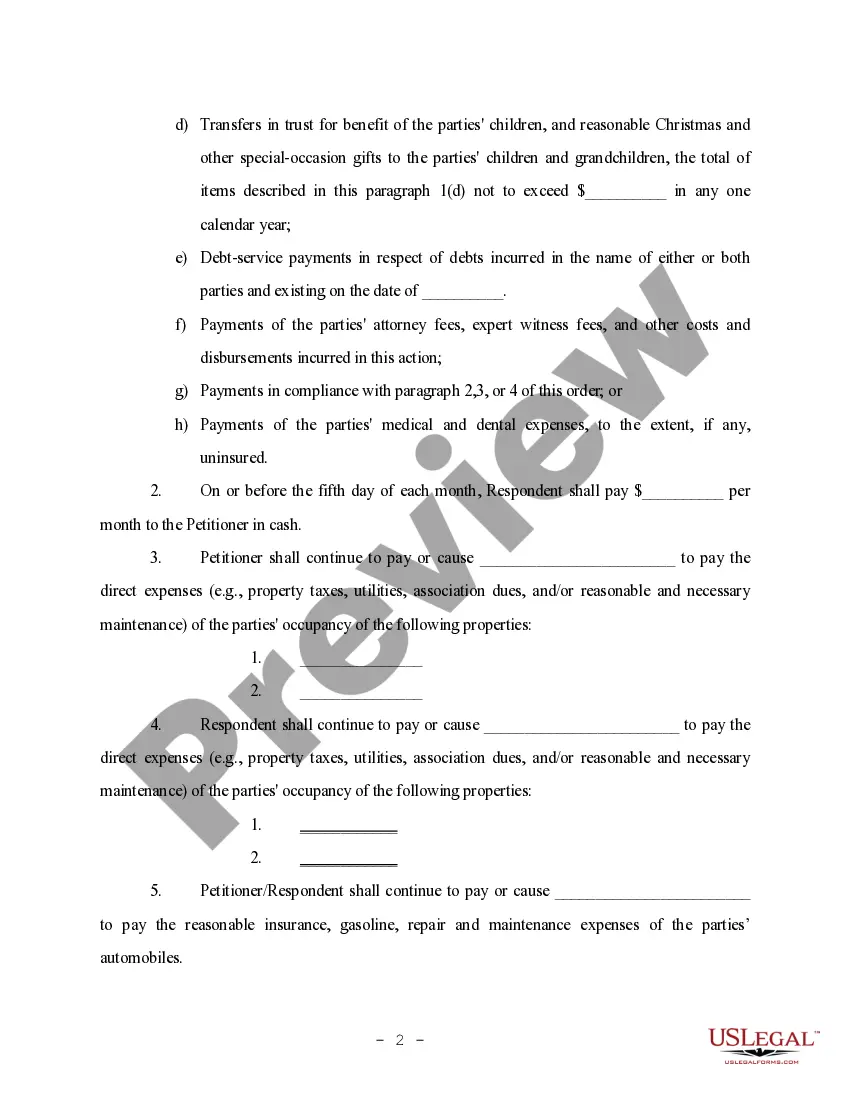
- Limitations on monthly cash expenditures and asset transfers for each party
- Exemptions for necessary expenditures related to income generation, taxes, and child support
- Provisions for specific property maintenance and expense responsibilities
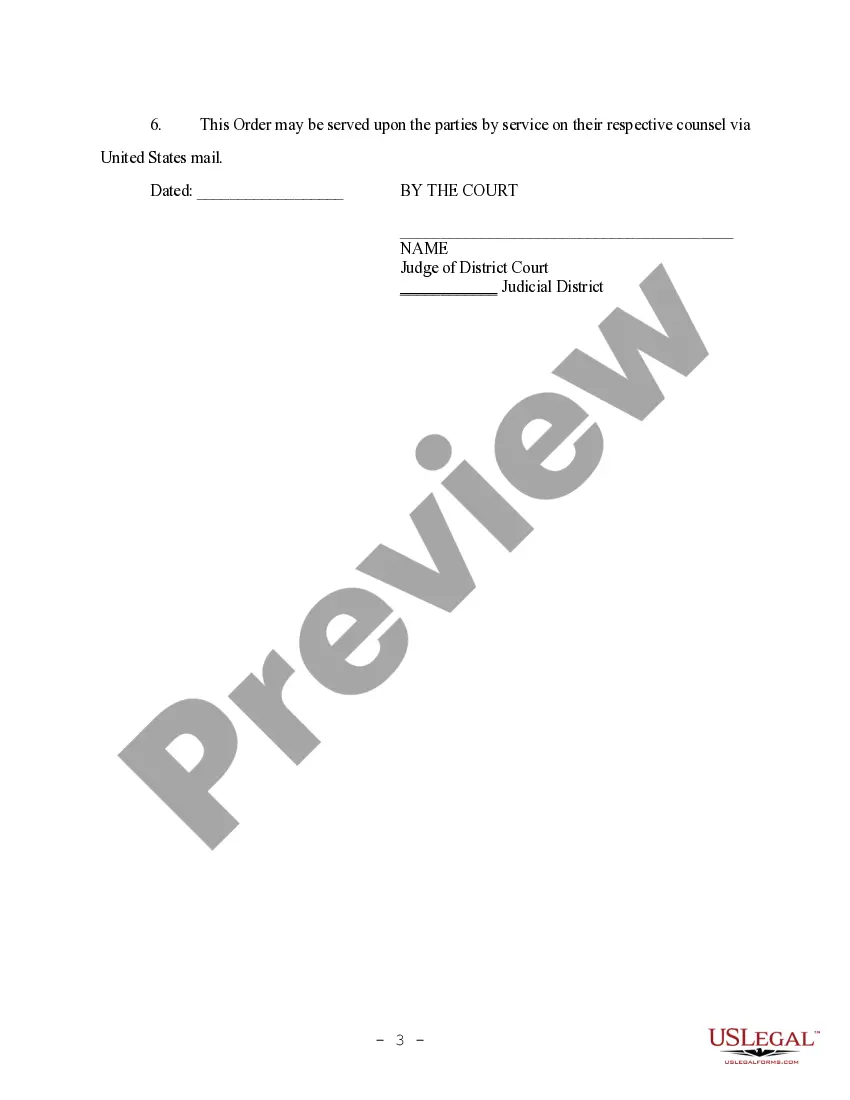
- Instructions for service of the document and court acknowledgment
When this form is needed
This form should be used when parties involved in a legal dispute, especially in divorce cases, need to establish financial boundaries temporarily while their property settlement is pending. It is useful when there are concerns about irresponsible spending that could affect the outcome of asset division or when one party wants to ensure compliance with agreed financial regulations during negotiations.
Who can use this document
This form is intended for:
- Individuals engaged in divorce or separation processes
- Parties negotiating property settlements
- Legal representatives assisting clients in managing financial aspects during litigation
How to complete this form
- Identify the parties and enter the date of the stipulation.
- Specify the maximum allowable expenditure limit per party per month.
- Detail any exceptions for necessary expenses, such as child support or tax payments.
- Include the responsibilities for property maintenance expenses for each party.
- Sign and date the order in the designated areas to finalize the document.
Is notarization required?
Notarization is generally not required for this form. However, certain states or situations might demand it. You can complete notarization online through US Legal Forms, powered by Notarize, using a verified video call available anytime.
Get your form ready online
Our built-in tools help you complete, sign, share, and store your documents in one place.
Make edits, fill in missing information, and update formatting in US Legal Forms—just like you would in MS Word.
Download a copy, print it, send it by email, or mail it via USPS—whatever works best for your next step.
Sign and collect signatures with our SignNow integration. Send to multiple recipients, set reminders, and more. Go Premium to unlock E-Sign.
If this form requires notarization, complete it online through a secure video call—no need to meet a notary in person or wait for an appointment.
We protect your documents and personal data by following strict security and privacy standards.

Make edits, fill in missing information, and update formatting in US Legal Forms—just like you would in MS Word.

Download a copy, print it, send it by email, or mail it via USPS—whatever works best for your next step.

Sign and collect signatures with our SignNow integration. Send to multiple recipients, set reminders, and more. Go Premium to unlock E-Sign.

If this form requires notarization, complete it online through a secure video call—no need to meet a notary in person or wait for an appointment.

We protect your documents and personal data by following strict security and privacy standards.
Typical mistakes to avoid
- Failing to clearly specify the expenditure limits, leading to future disagreements.
- Not detailing exceptions adequately, resulting in financial hardships.
- Overlooking signature and date requirements for both parties.
Why use this form online
- Convenience of accessing and downloading the form from anywhere.
- Editability allows for customization according to individual circumstances.
- Reliability of using attorney-drafted templates that comply with legal standards.
Legal use & context
- This form is legally binding once signed and agreed upon by both parties.
- It helps prevent misunderstandings regarding financial responsibilities during the separation process.
- May be enforceable in court as part of the divorce proceedings.
Quick recap
- Establishing limits on expenditures during a property settlement helps protect both parties.
- Clear documentation prevents financial mismanagement and disputes.
- Utilizing a professionally crafted form ensures adherence to legal standards.
Looking for another form?
Form popularity
FAQ
Rule 52.02 addresses the findings of fact and conclusions of law in Minnesota civil cases. This rule requires courts to provide clear and detailed explanations of their decisions, which can be particularly beneficial when seeking a Minnesota Stipulation and Order Limiting Expenditures pending Property Settlement. Knowing how this rule works can empower you to better understand court rulings and prepare for any necessary appeals.
Rule 5.01 outlines the service of documents in civil cases, ensuring that all parties receive necessary paperwork in a timely manner. This rule is vital because it promotes fairness and transparency within the legal process. If you are navigating a case that involves a Minnesota Stipulation and Order Limiting Expenditures pending Property Settlement, understanding this rule can help you stay informed about your obligations and rights.
In Minnesota, you typically have 21 days to respond to a complaint after being served. This timeframe is crucial to ensure you protect your legal rights, especially if a Minnesota Stipulation and Order Limiting Expenditures pending Property Settlement is involved. Failing to respond within this period may lead to default judgment against you, so it’s wise to act promptly.
In Minnesota, you may have valid reasons to request an exemption from jury duty, but refusal is not automatic. If you believe that serving would cause undue hardship, you can submit a written request to the court. It’s important to communicate your situation clearly, as the court will review your request before making a decision.
In Minnesota, the statute of limitations for property damage claims is typically six years. This timeframe begins when the damage occurs or is discovered. If you believe your situation involves a Minnesota Stipulation and Order Limiting Expenditures pending Property Settlement, understanding this timeline is crucial for protecting your rights and seeking compensation. You can find more information and resources through platforms like uslegalforms.
Rule of Practice 521 in Minnesota relates to family law matters, focusing on the requirements for financial disclosures. This rule emphasizes the importance of providing accurate financial information when seeking a Minnesota Stipulation and Order Limiting Expenditures pending Property Settlement. Understanding this rule helps you navigate financial negotiations more effectively, ensuring that both parties disclose necessary information.
Minnesota Rule 26.01 B governs the discovery process in family law cases. It specifically addresses the limitations on the exchange of information during litigation, particularly when a Minnesota Stipulation and Order Limiting Expenditures pending Property Settlement is in effect. This rule aims to ensure fairness and transparency in the proceedings while protecting the interests of both parties involved.
The rule of civil procedure 69 in Minnesota outlines the methods by which a judgment creditor can enforce a judgment. This rule is designed to provide clear guidelines for the collection process, ensuring that creditors can pursue legitimate claims. When dealing with a Minnesota Stipulation and Order Limiting Expenditures pending Property Settlement, understanding this rule can help parties navigate their rights and obligations effectively.
Rule 68 in Minnesota pertains to offers of judgment, which allows a party to propose a settlement to the opposing party before trial. If the opposing party refuses and fails to achieve a better outcome in court, they may face financial penalties. This rule can be particularly relevant in cases involving a Minnesota Stipulation and Order Limiting Expenditures pending Property Settlement, as it encourages parties to reach amicable agreements and avoid prolonged litigation.
Rule 69 execution refers to the legal process of enforcing a court judgment through various means, such as seizing assets or garnishing wages. This execution is essential in situations where a debtor does not voluntarily comply with a judgment. In cases involving a Minnesota Stipulation and Order Limiting Expenditures pending Property Settlement, execution procedures help ensure fair financial dealings while the property settlement is still pending.