Minnesota Order Requiring Financial Disclosure
Understanding this form
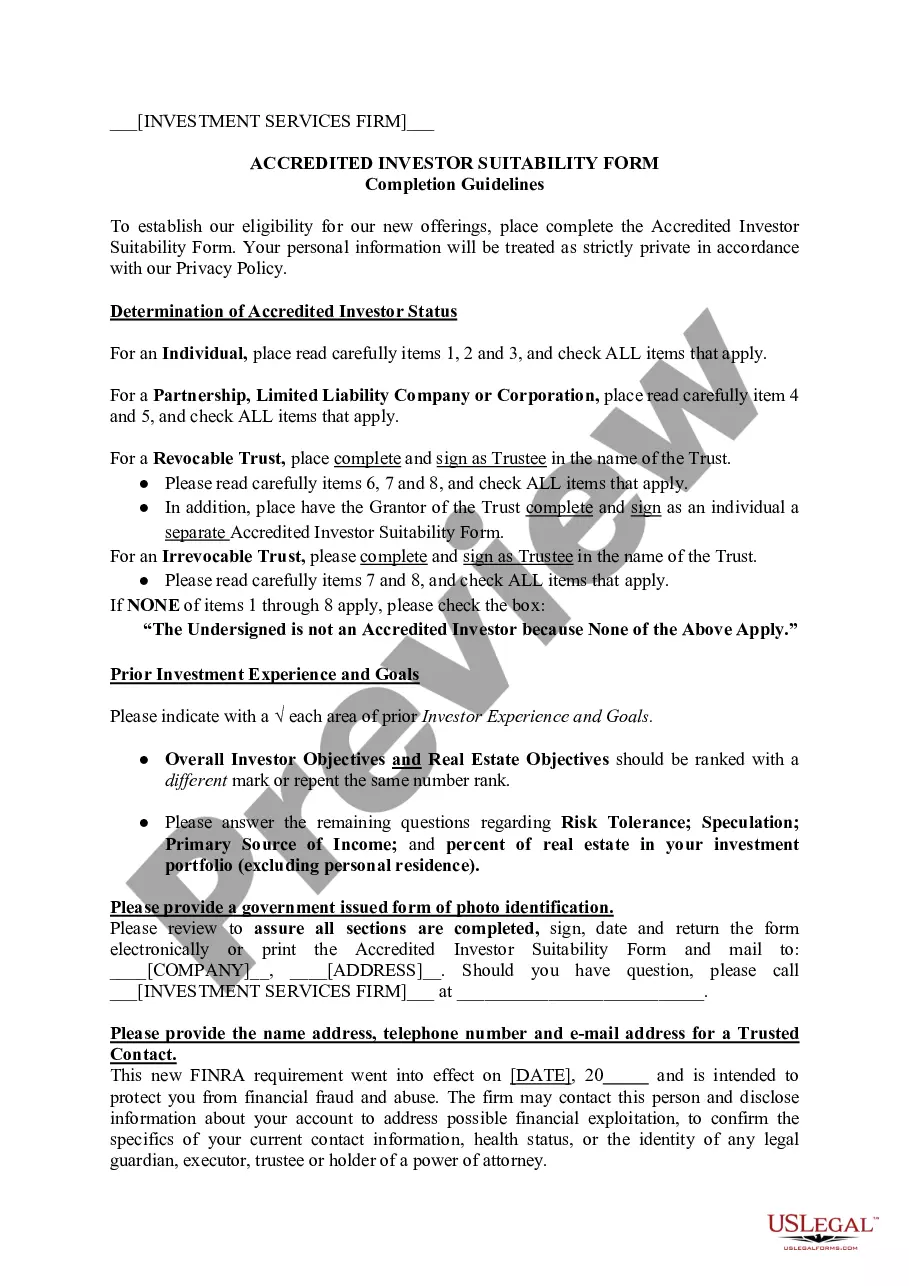
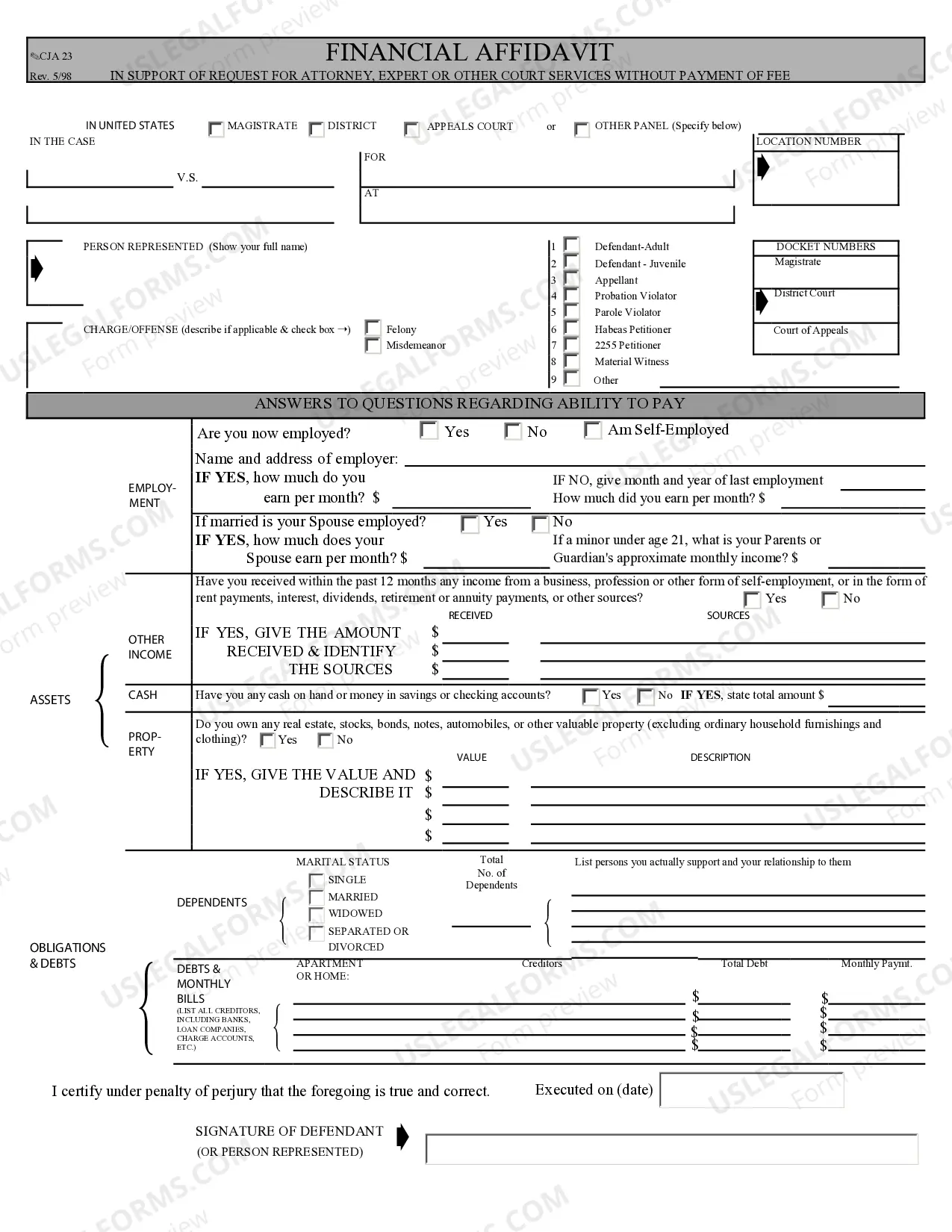
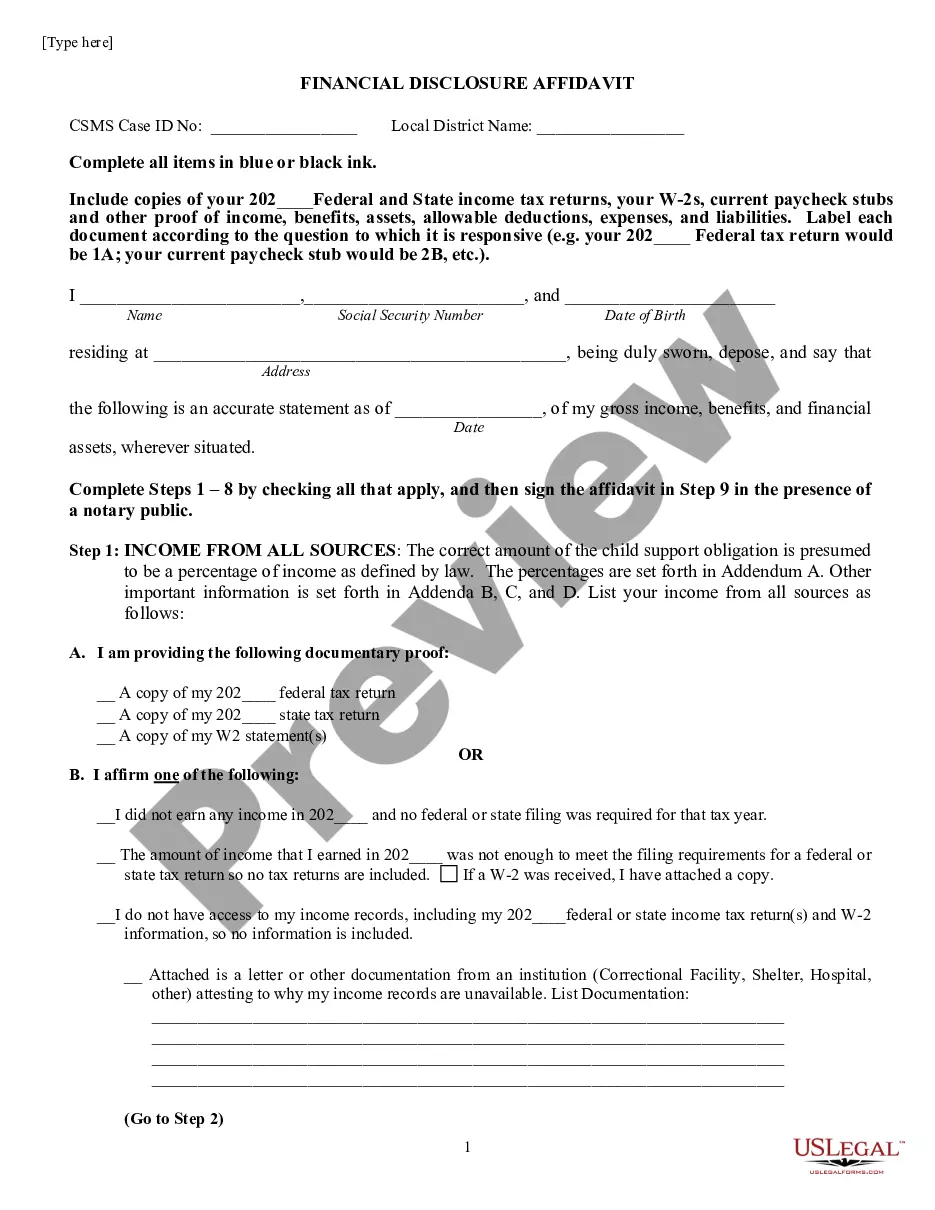
The Order Requiring Financial Disclosure is a legal document that mandates a judgment debtor to reveal their financial situation. This form serves the purpose of gathering necessary financial information following a court judgment. Unlike other financial forms, it specifically requires submission to the judgment creditor, ensuring transparency in debt settlement processes.
Form components explained
- Order details indicating the necessity of financial disclosure.
- Instructions for the judgment debtor to complete the attached financial disclosure form.
- Consequences of non-compliance, including potential civil contempt of court.
- Record of the court judgment and payment status.
- Address of the judgment creditor for mailing the completed form.

When this form is needed
This form should be used when a court has issued a judgment against an individual, and the judgment creditor requires a detailed account of the debtor's financial status. It is commonly applied in situations where the debtor has not fully paid the stipulated debt and the creditor seeks transparency to determine further collection actions.
Who this form is for
- Judgment debtors who have received a court order for financial disclosure.
- Creditors who are attempting to collect debts that remain unpaid.
- Individuals involved in legal disputes regarding financial obligations.
How to prepare this document
- Read the order requirements carefully to understand your obligations.
- Complete the attached financial disclosure form with accurate details about your finances.
- Prepare to submit the completed disclosure to the judgment creditor's specified address.
- Ensure that the form is mailed within the required timeframe of ten days.
- Keep a copy of the submitted disclosure for your records.
Does this document require notarization?
This form usually doesn’t need to be notarized. However, local laws or specific transactions may require it. Our online notarization service, powered by Notarize, lets you complete it remotely through a secure video session, available 24/7.
Get your form ready online
Our built-in tools help you complete, sign, share, and store your documents in one place.
Make edits, fill in missing information, and update formatting in US Legal Forms—just like you would in MS Word.
Download a copy, print it, send it by email, or mail it via USPS—whatever works best for your next step.
Sign and collect signatures with our SignNow integration. Send to multiple recipients, set reminders, and more. Go Premium to unlock E-Sign.
If this form requires notarization, complete it online through a secure video call—no need to meet a notary in person or wait for an appointment.
We protect your documents and personal data by following strict security and privacy standards.

Make edits, fill in missing information, and update formatting in US Legal Forms—just like you would in MS Word.

Download a copy, print it, send it by email, or mail it via USPS—whatever works best for your next step.

Sign and collect signatures with our SignNow integration. Send to multiple recipients, set reminders, and more. Go Premium to unlock E-Sign.

If this form requires notarization, complete it online through a secure video call—no need to meet a notary in person or wait for an appointment.

We protect your documents and personal data by following strict security and privacy standards.
Mistakes to watch out for
- Failing to complete the financial disclosure form accurately or completely.
- Missing the ten-day deadline for submitting the form to the judgment creditor.
- Not retaining a copy of the submitted form for personal records.
- Ignoring the consequences of non-compliance, such as potential civil contempt sanctions.
Benefits of using this form online
- Immediate access to legal documents tailored to your needs.
- Ability to fill out the form at your convenience, ensuring complete and accurate information.
- Easy download and storage for future reference.
- Reliable templates created by licensed attorneys, ensuring legal compliance.
Legal use & context
- This form is legally binding and must be adhered to as ordered by the court.
- Failure to comply can result in penalties, including fines or incarceration.
- It is essential to understand state-specific regulations regarding financial disclosures.
Quick recap
- The Order Requiring Financial Disclosure is essential for creditors to gather information on debtorsâ finances.
- Failure to comply can result in serious legal consequences, including fines or jail time.
- The form must be submitted within ten days to avoid civil contempt issues.
Looking for another form?



Form popularity
FAQ
Minnesota statute 550.011 addresses the requirement for financial disclosure in certain legal proceedings. It mandates that individuals involved in divorce, custody, or support cases submit a Minnesota Order Requiring Financial Disclosure. This statute ensures transparency and fairness in financial matters, enabling the court to make informed decisions. By understanding this statute, you can better navigate the financial aspects of your case and ensure compliance with Minnesota law.
The financial disclosure process involves several steps to ensure that all relevant financial information is shared among parties involved in a legal matter. Typically, this begins with a Minnesota Order Requiring Financial Disclosure, which outlines the specific documents and data that must be provided. Utilizing platforms like uslegalforms can simplify this process, ensuring you meet all legal requirements efficiently.
The purpose of disclosure is to promote transparency and honesty in legal proceedings. By requiring parties to share financial information through a Minnesota Order Requiring Financial Disclosure, the legal system aims to ensure fair outcomes. This process helps prevent deceit and allows all parties to make informed decisions based on the available data.
The disclosure laws in Minnesota encompass various regulations that mandate the sharing of financial information during legal proceedings. These laws include the Minnesota Order Requiring Financial Disclosure and other statutes that ensure transparency among parties. Adhering to these laws is essential for a fair resolution of disputes and can significantly impact the outcome of your case.
Rule of Practice 521 in Minnesota addresses the disclosure of financial information in family law cases. This rule complements the Minnesota Order Requiring Financial Disclosure by establishing clear guidelines for the information that must be shared. Familiarizing yourself with this rule can help you understand your obligations and rights during legal proceedings.
Rule 69 in Minnesota governs the procedures for enforcement of judgments, particularly regarding the disclosure of assets. This rule plays a significant role when a Minnesota Order Requiring Financial Disclosure is issued, as it outlines how parties must disclose financial information. Understanding Rule 69 helps individuals navigate the enforcement of court orders effectively.
The order for disclosure in Minnesota refers to a legal directive that requires parties to provide financial documents and information. This is often initiated through a Minnesota Order Requiring Financial Disclosure, which ensures that all relevant financial facts are made available during court proceedings. This process helps maintain fairness and integrity in legal disputes.
The 181.79 law in Minnesota relates to the Minnesota Order Requiring Financial Disclosure. This statute mandates that parties involved in certain legal proceedings must exchange financial information to promote transparency. Understanding this law is crucial for individuals seeking to comply with legal requirements and ensure fair proceedings.
Yes, in Minnesota, you can be served by mail under certain conditions. Typically, you need to send the documents via certified mail, ensuring the recipient signs for them. However, if you have a Minnesota Order Requiring Financial Disclosure, proper service is crucial to enforce compliance. USLegalForms can assist you in understanding the requirements and ensuring that you follow the correct procedures.
Collecting on a judgment in Minnesota involves several steps, including obtaining a Minnesota Order Requiring Financial Disclosure. This order can compel the debtor to reveal their financial status. Once you have this information, you can use various collection methods, such as garnishing wages or seizing assets. For guidance and forms that streamline this process, consider USLegalForms as a valuable resource.