Minnesota Drainage Contract for Contractor
What this document covers
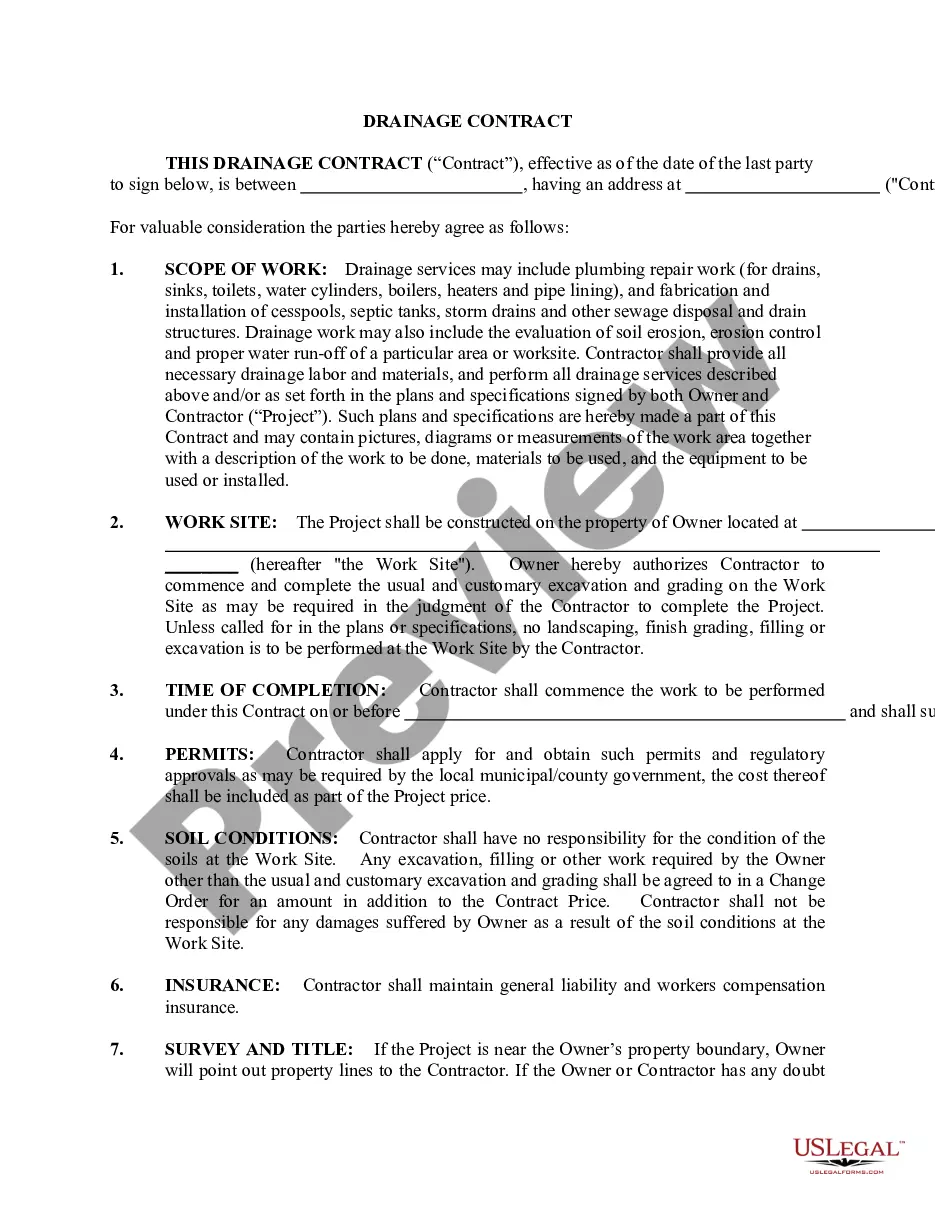
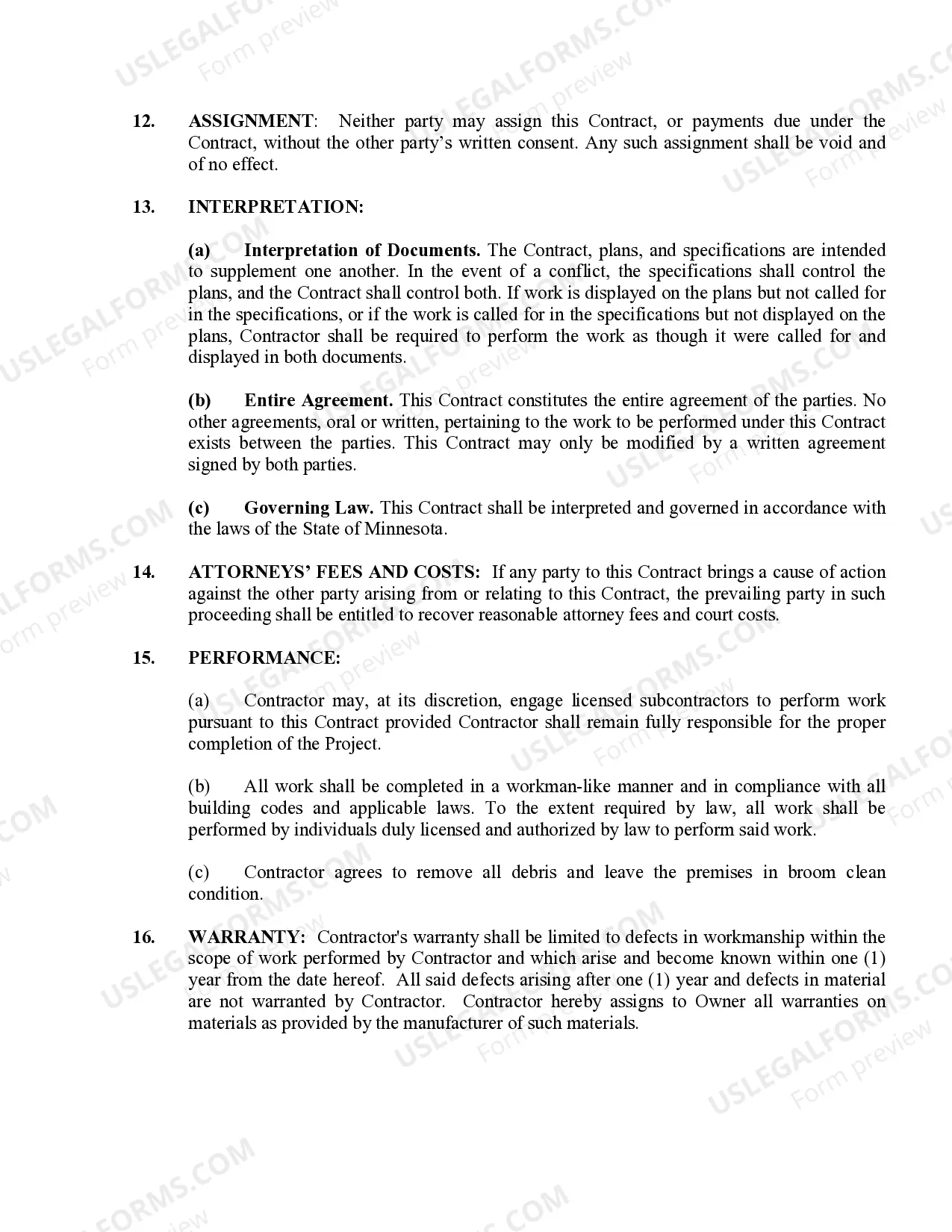
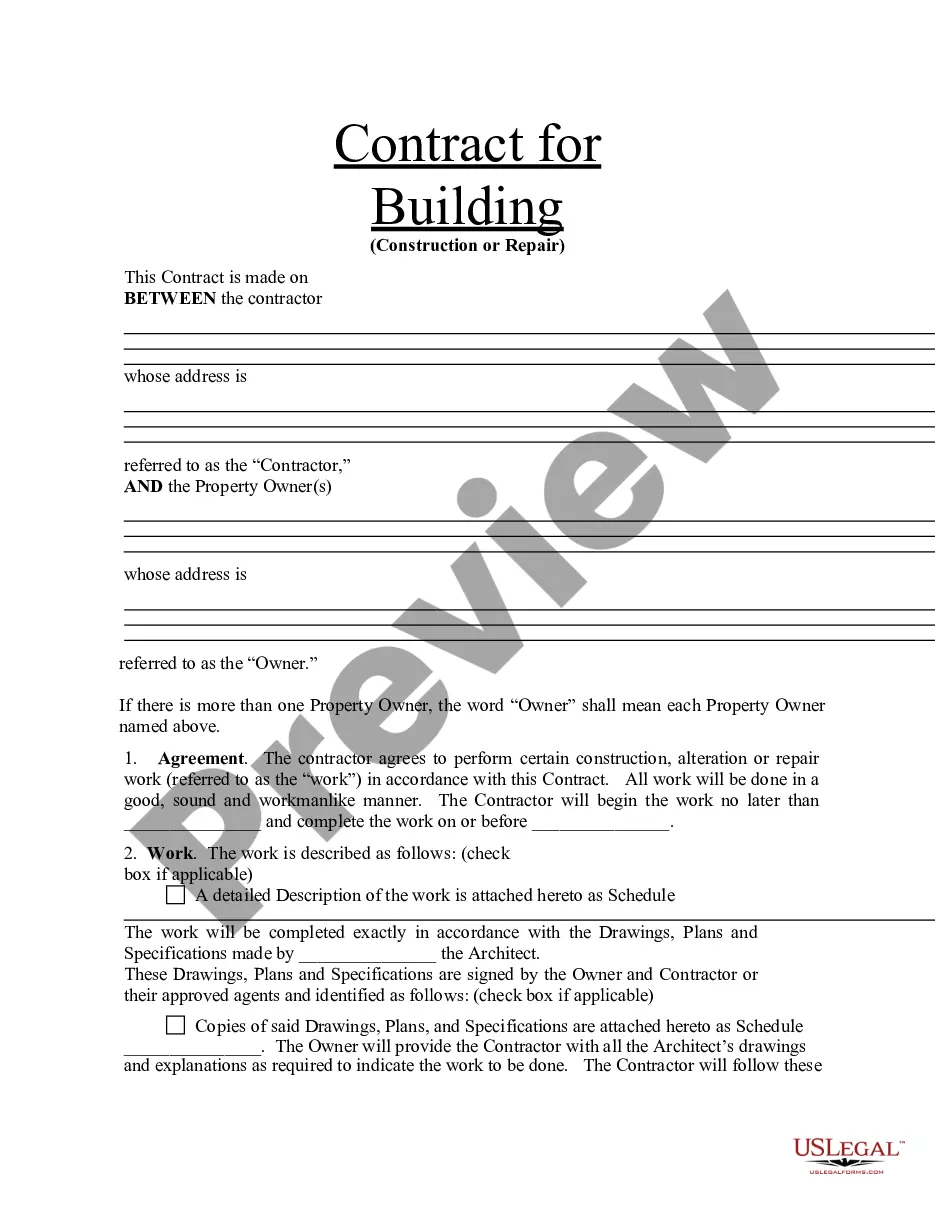
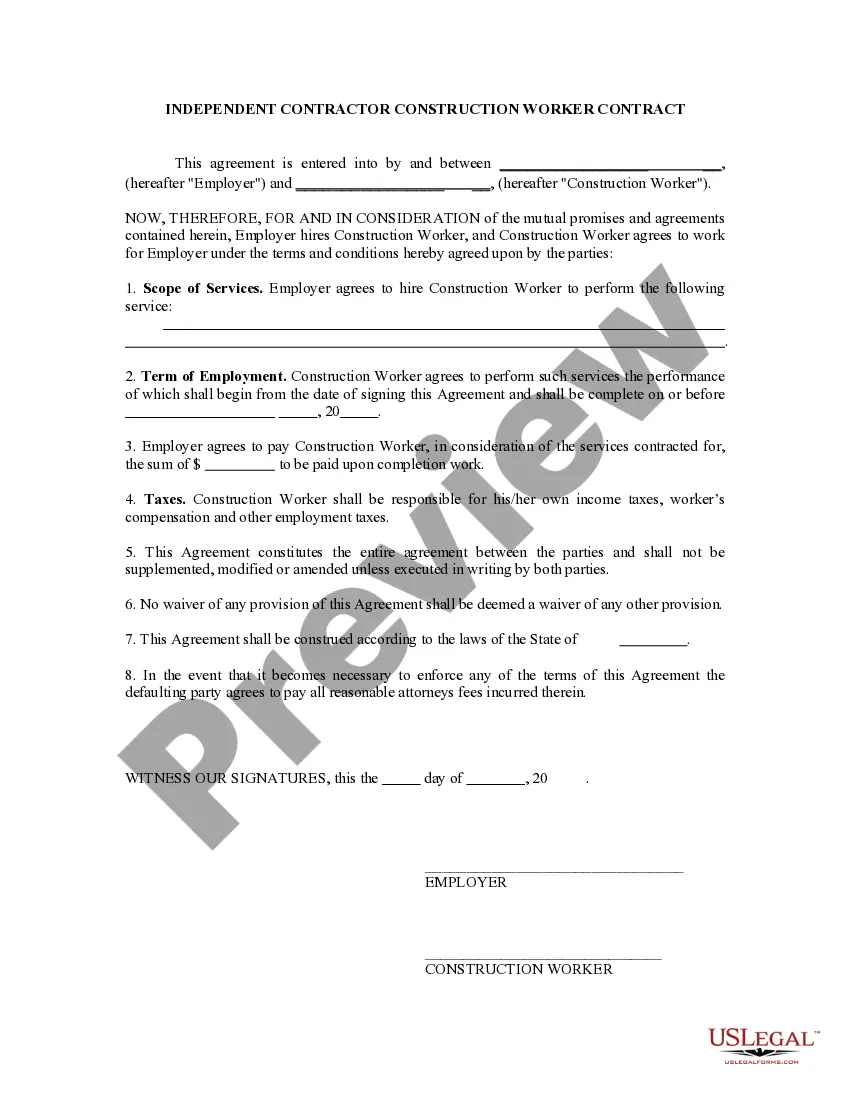
The Drainage Contract for Contractor is a legally binding agreement between a drainage contractor and a property owner. This contract outlines the terms of the drainage project, including payment structures, site information, and responsibilities related to permits, insurance, and change orders. It is tailored to comply with Minnesota laws, distinguishing it from standard contracts by addressing specific legal and logistical aspects of drainage work.
Main sections of this form
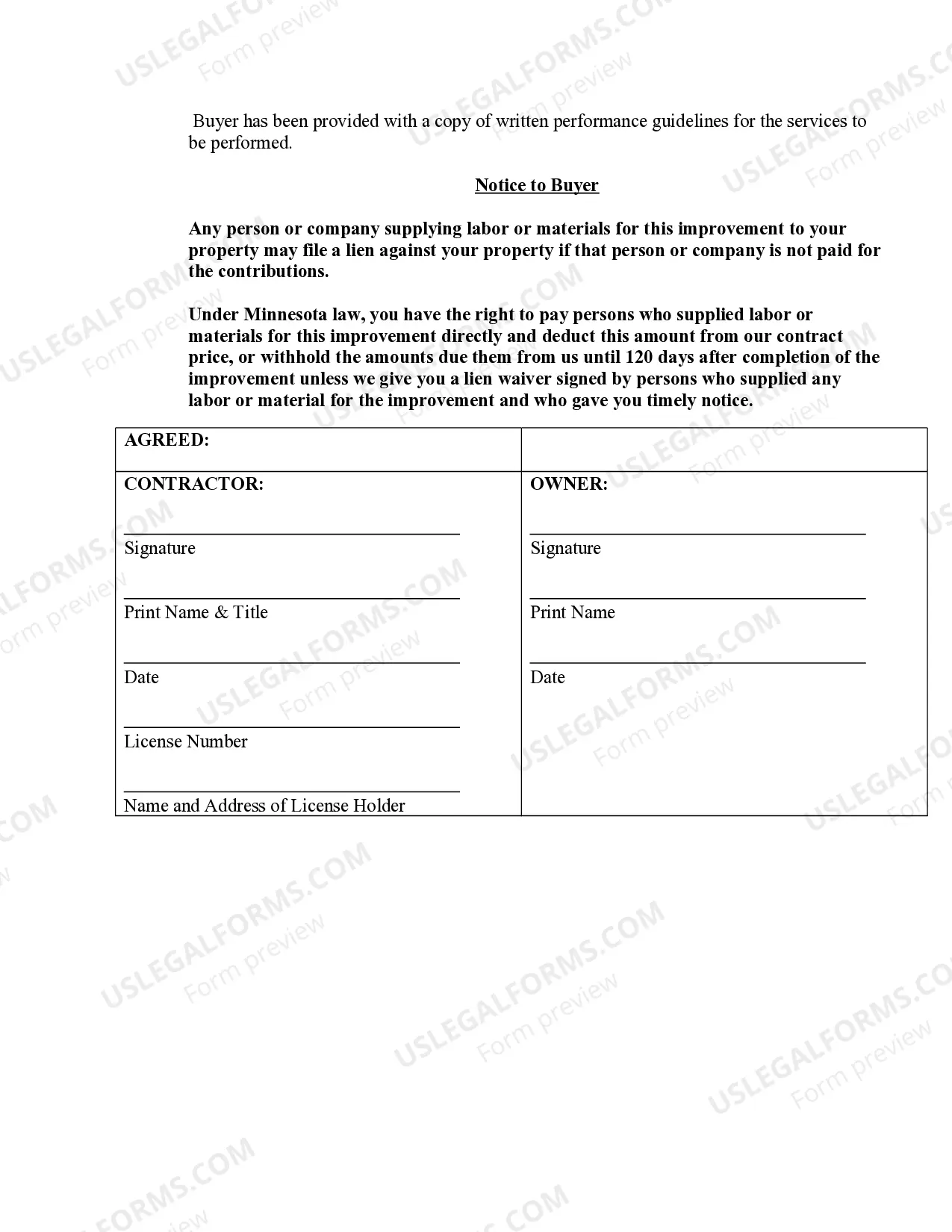
- Work site information: Specifies the property where the project will take place.
- Permits: Outlines the contractor's responsibility to obtain necessary permits.
- Soil conditions: States that the contractor is not liable for soil issues at the work site.
- Insurance requirements: Details the contractor's obligation to maintain necessary insurance.
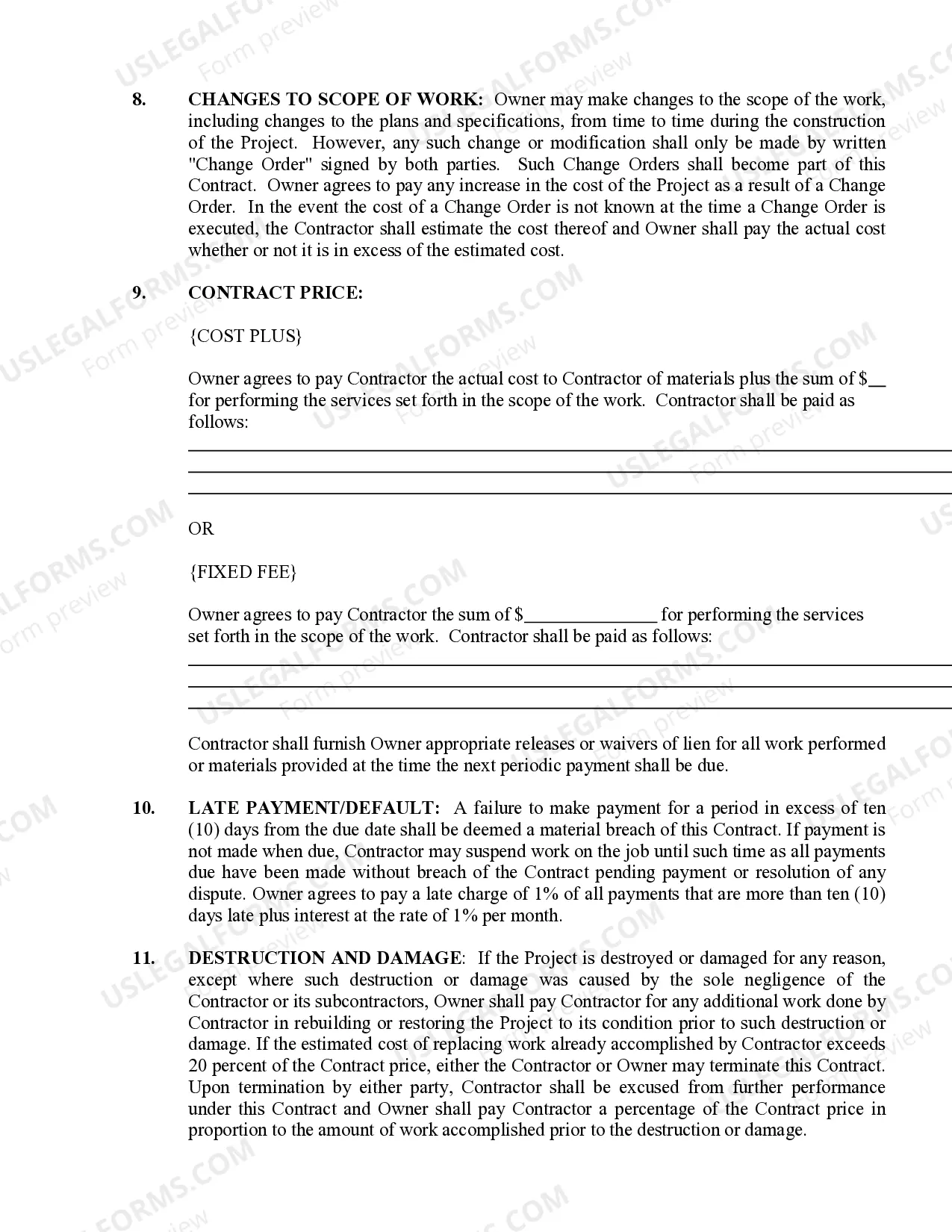
- Change orders: Describes the process for modifying the scope of work and payment adjustments.
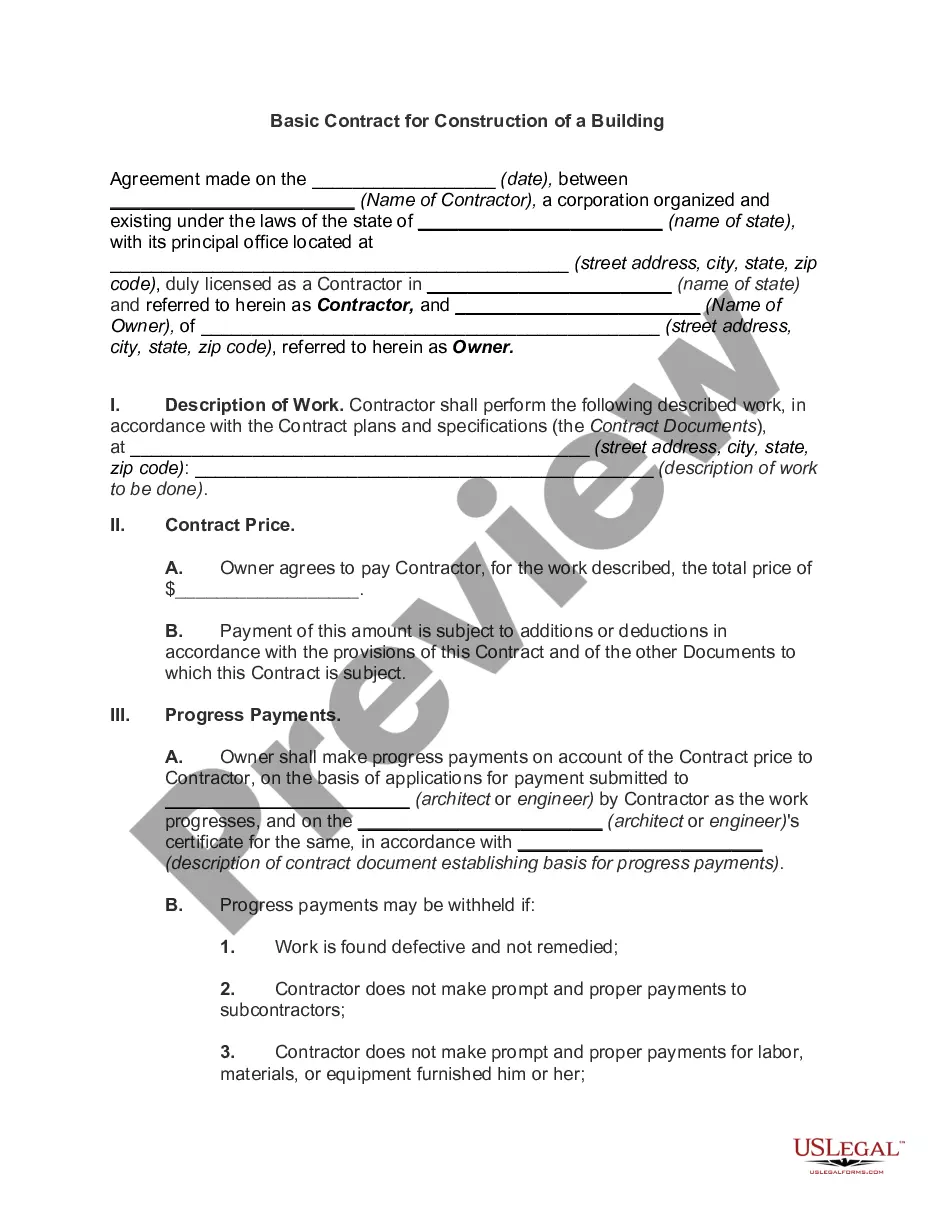
- Contract price terms: Explains payment arrangements including cost plus or fixed fee.
When to use this form
This drainage contract should be used when a property owner engages a contractor to perform drainage work. It is suitable for various scenarios, including residential, commercial, or agricultural drainage projects. This form is essential to ensure clarity on responsibilities, payment terms, and legal protections for both parties involved.
Who needs this form
- Property owners seeking professional drainage services.
- Drainage contractors looking to formalize agreements with clients.
- Both parties wanting to ensure compliance with Minnesota legal requirements.
Completing this form step by step
- Identify the parties involved: Clearly state the names and contact information of both the contractor and the property owner.
- Specify the property location: Provide the exact address of the work site where the drainage project will occur.
- Detail the scope of work: Outline the specific drainage services to be performed as part of the contract.
- Discuss payment terms: Indicate whether the payment will be on a cost-plus basis or a fixed fee agreement.
- Enter dates and signatures: Include the date of agreement and have both parties sign to validate the contract.
Notarization guidance
This form does not typically require notarization to be legally valid. However, some jurisdictions or document types may still require it. US Legal Forms provides secure online notarization powered by Notarize, available 24/7 for added convenience.
Get your form ready online
Our built-in tools help you complete, sign, share, and store your documents in one place.
Make edits, fill in missing information, and update formatting in US Legal Forms—just like you would in MS Word.
Download a copy, print it, send it by email, or mail it via USPS—whatever works best for your next step.
Sign and collect signatures with our SignNow integration. Send to multiple recipients, set reminders, and more. Go Premium to unlock E-Sign.
If this form requires notarization, complete it online through a secure video call—no need to meet a notary in person or wait for an appointment.
We protect your documents and personal data by following strict security and privacy standards.

Make edits, fill in missing information, and update formatting in US Legal Forms—just like you would in MS Word.

Download a copy, print it, send it by email, or mail it via USPS—whatever works best for your next step.

Sign and collect signatures with our SignNow integration. Send to multiple recipients, set reminders, and more. Go Premium to unlock E-Sign.

If this form requires notarization, complete it online through a secure video call—no need to meet a notary in person or wait for an appointment.

We protect your documents and personal data by following strict security and privacy standards.
Mistakes to watch out for
- Failing to specify the exact work site location can lead to disputes.
- Not including detailed descriptions of change order processes can cause confusion later.
- Overlooking insurance requirements which might expose one party to liability.
Why use this form online
- Convenience of downloading and filling out the form at your own pace.
- Editability allows for quick adjustments based on specific project needs.
- Access to legally drafted forms ensures compliance with Minnesota laws.
Looking for another form?
Form popularity
FAQ
The 145.409 law in Minnesota addresses the management of water resources and the responsibilities of contractors in drainage projects. It emphasizes the need for sustainable practices and environmental considerations in drainage work. For contractors, understanding this law is essential when drafting a Minnesota drainage contract, as it ensures compliance with state regulations.
Minnesota's drainage law regulates how water is managed across land parcels, aiming to prevent flooding and protect agricultural interests. This law establishes procedures for drainage system design, approval, and maintenance. Contractors must be well-versed in drainage law to create effective Minnesota drainage contracts that adhere to legal standards.
The ditch law in Minnesota governs the construction and maintenance of drainage ditches, ensuring they function effectively while respecting property rights. This law outlines the responsibilities of landowners and contractors regarding ditch management. Understanding the ditch law is vital for contractors who work on Minnesota drainage contracts, as it impacts project execution and compliance.
The new contractor law in Minnesota introduces regulations aimed at improving transparency and accountability in the contracting process. This law requires contractors to provide clear documentation regarding their licensing and insurance. For those engaged in Minnesota drainage contracts, staying updated with this law is crucial to ensure compliance and protect your business.
A contract becomes legally binding in Minnesota when it includes an offer, acceptance, consideration, and mutual intent to be bound. All parties involved must agree to the terms and conditions laid out in the contract. For contractors, having a well-drafted Minnesota drainage contract ensures that all legal aspects are addressed, minimizing potential disputes.
The 333.01 rule in Minnesota pertains to the regulation of drainage systems, specifically how water should be managed to prevent flooding. This rule is essential for contractors as it sets standards for drainage projects, ensuring they comply with state regulations. Familiarizing yourself with this rule can enhance the effectiveness of your Minnesota drainage contract for contractors.
Filling out a contractor agreement involves several key steps. First, ensure that all parties' names and contact information are correctly listed. Next, outline the scope of work, payment terms, and deadlines. For those in the Minnesota drainage sector, utilizing a Minnesota drainage contract for contractors can streamline this process, ensuring all legal requirements are met.
The common law for drainage refers to the legal principles governing the management of water flow across properties. In Minnesota, property owners have the right to use natural drainage systems, but they must do so without causing harm to neighboring properties. Understanding these laws is crucial for contractors involved in Minnesota drainage contracts, as they impact design and implementation.
Yes, Minnesota requires certain types of contractors to obtain a license before offering their services. This licensing requirement applies to various trades, including those involved in Minnesota drainage contracts. Obtaining the necessary license not only ensures compliance with state regulations but also enhances your credibility as a contractor. For assistance with licensing requirements and contract documentation, explore the resources available on US Legal Forms.
On August 1st, Minnesota enacted a law aimed at improving consumer protection for those hiring contractors. This law introduces new requirements for contractors, including enhanced disclosure obligations and clarity in contracts. If you are a contractor working on Minnesota drainage contracts, staying updated with these laws can help you build trust with clients and avoid legal pitfalls. US Legal Forms provides essential resources to help you navigate these changes effectively.