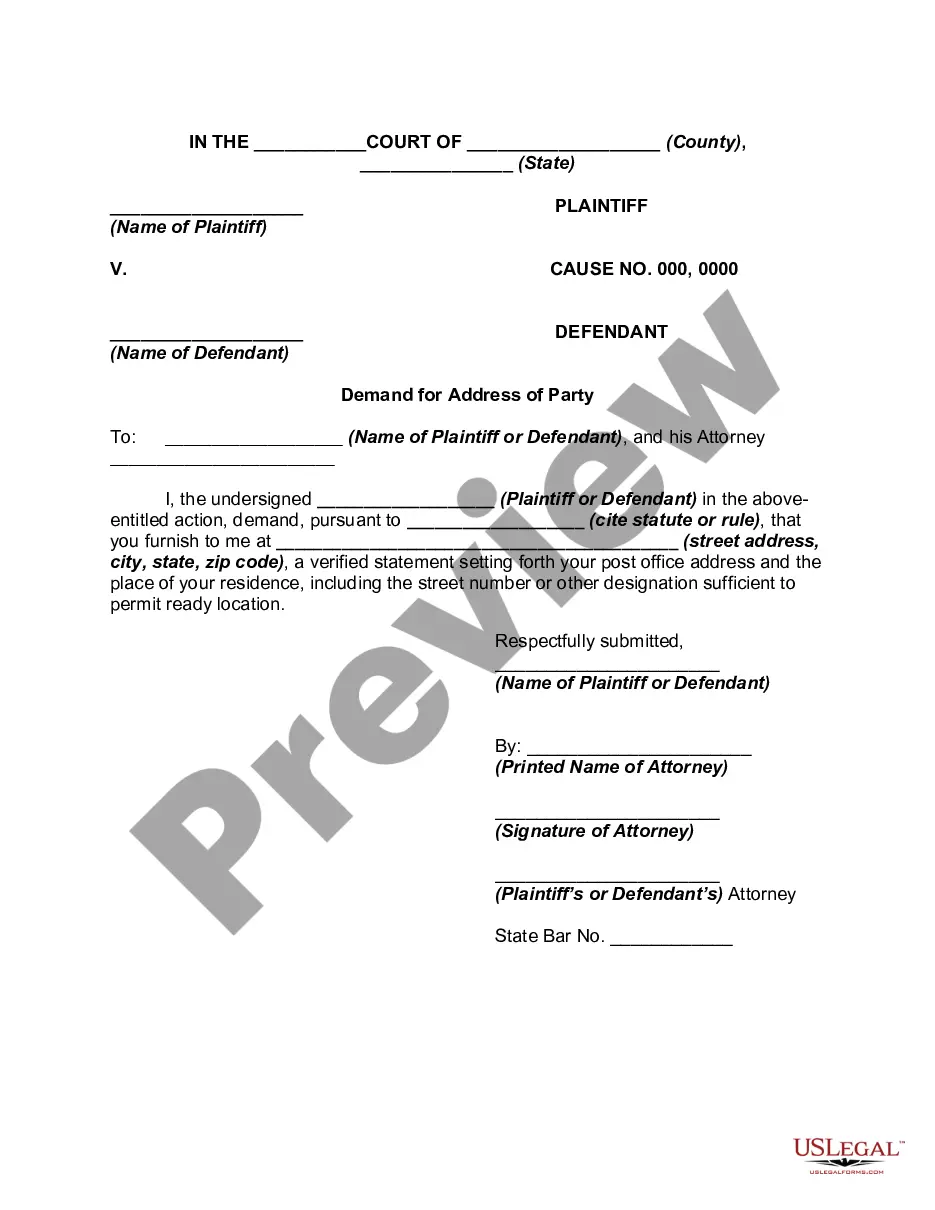
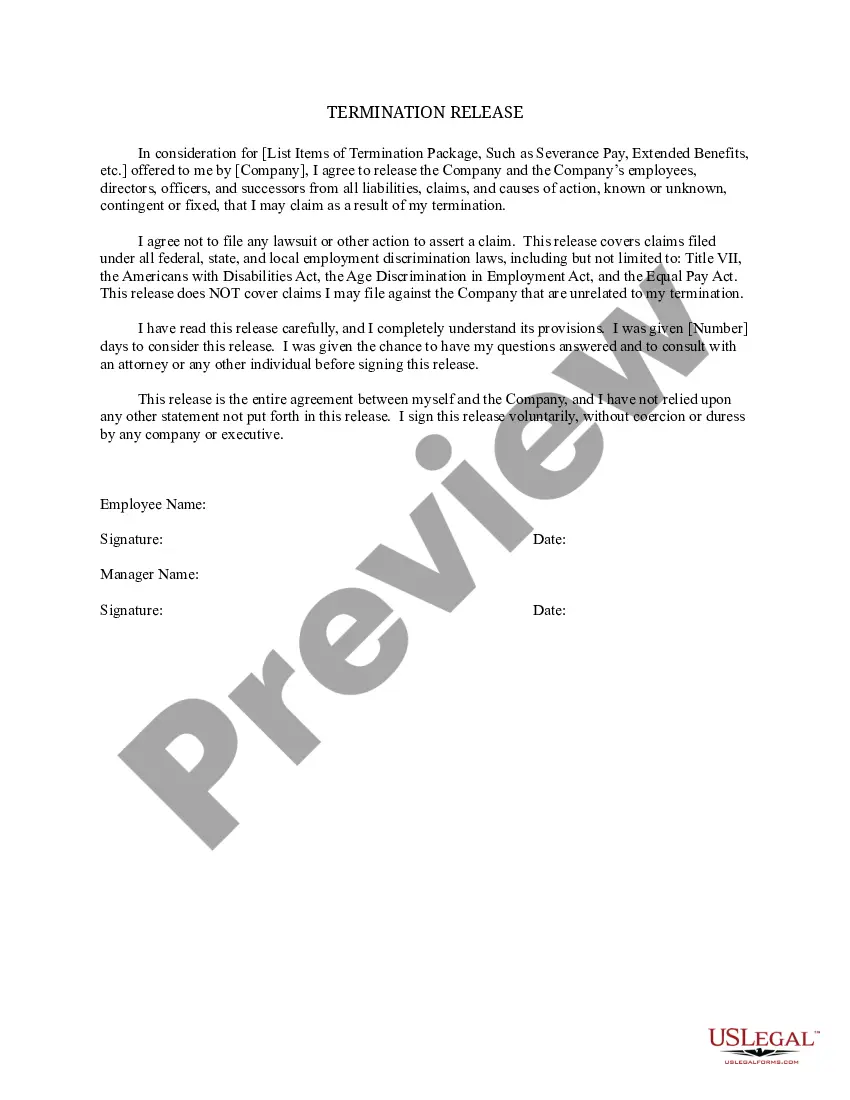
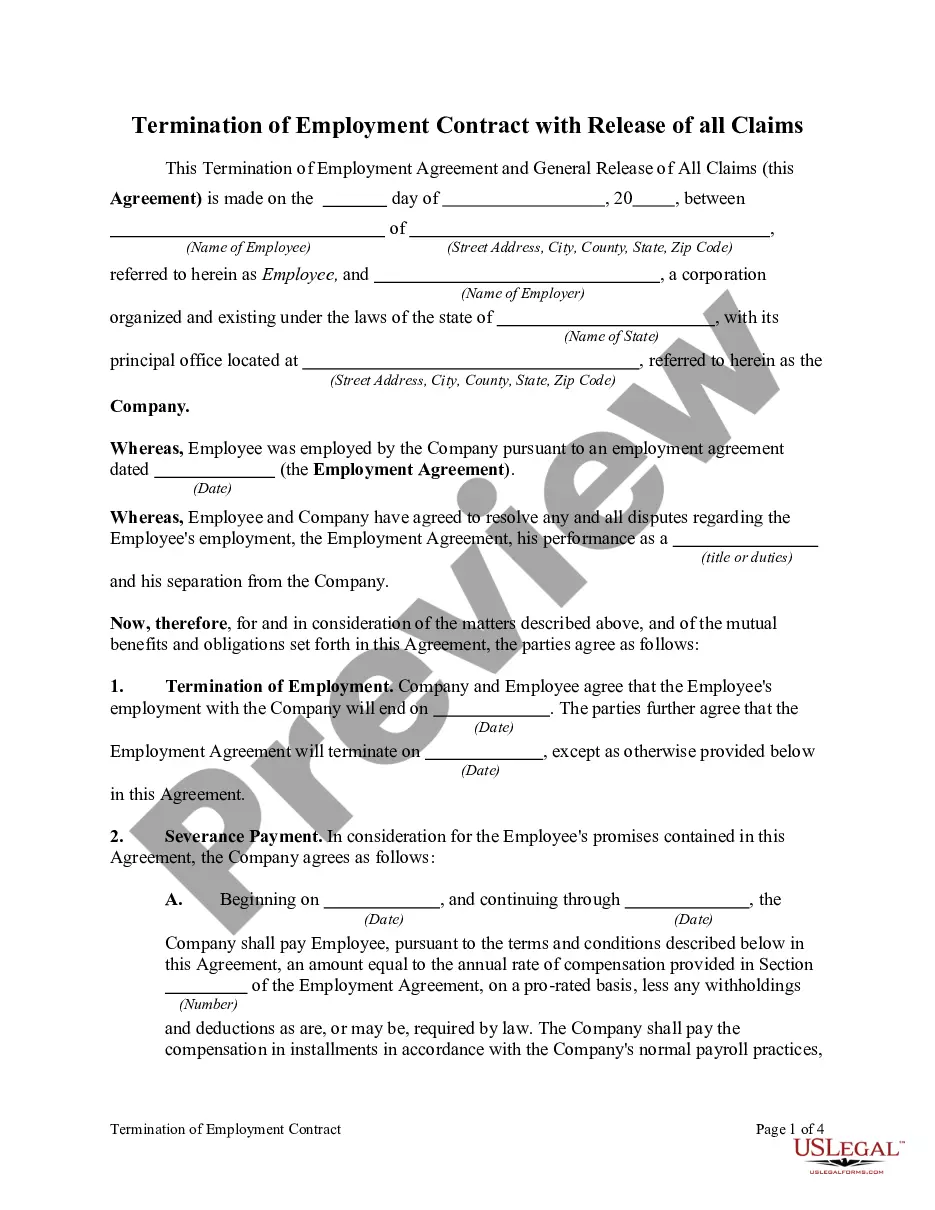
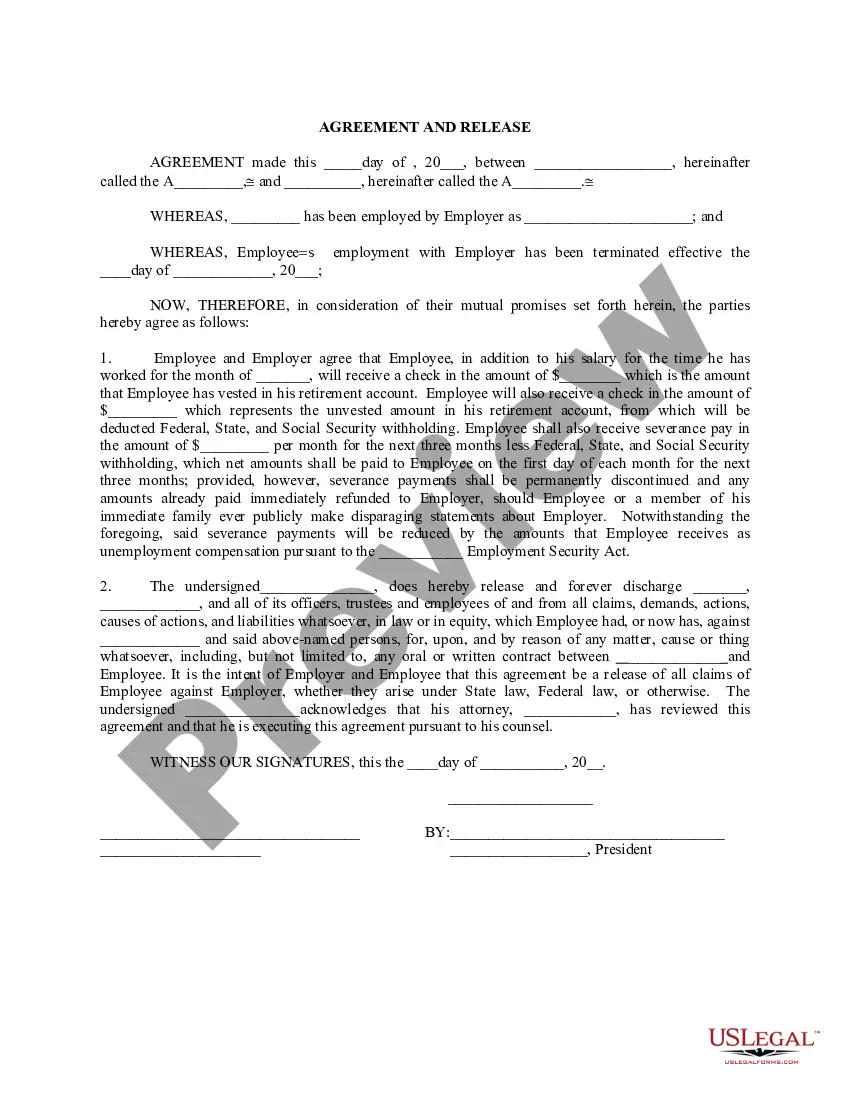
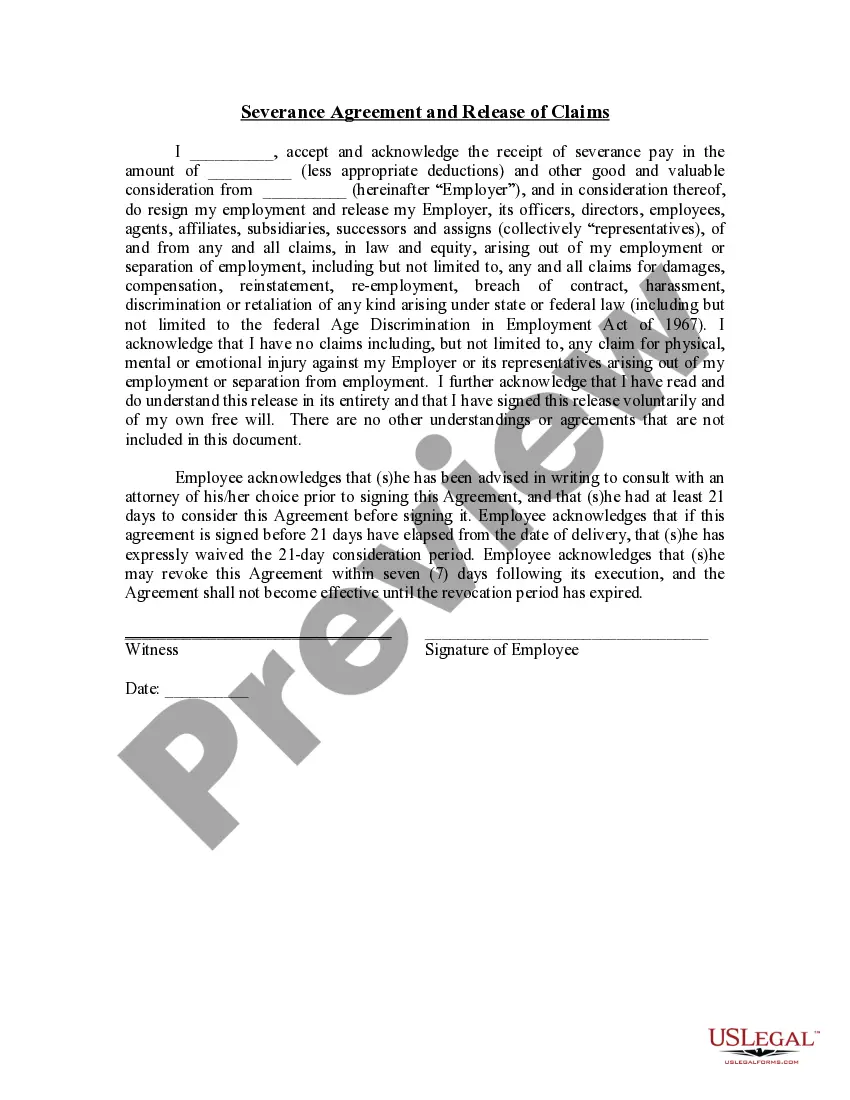
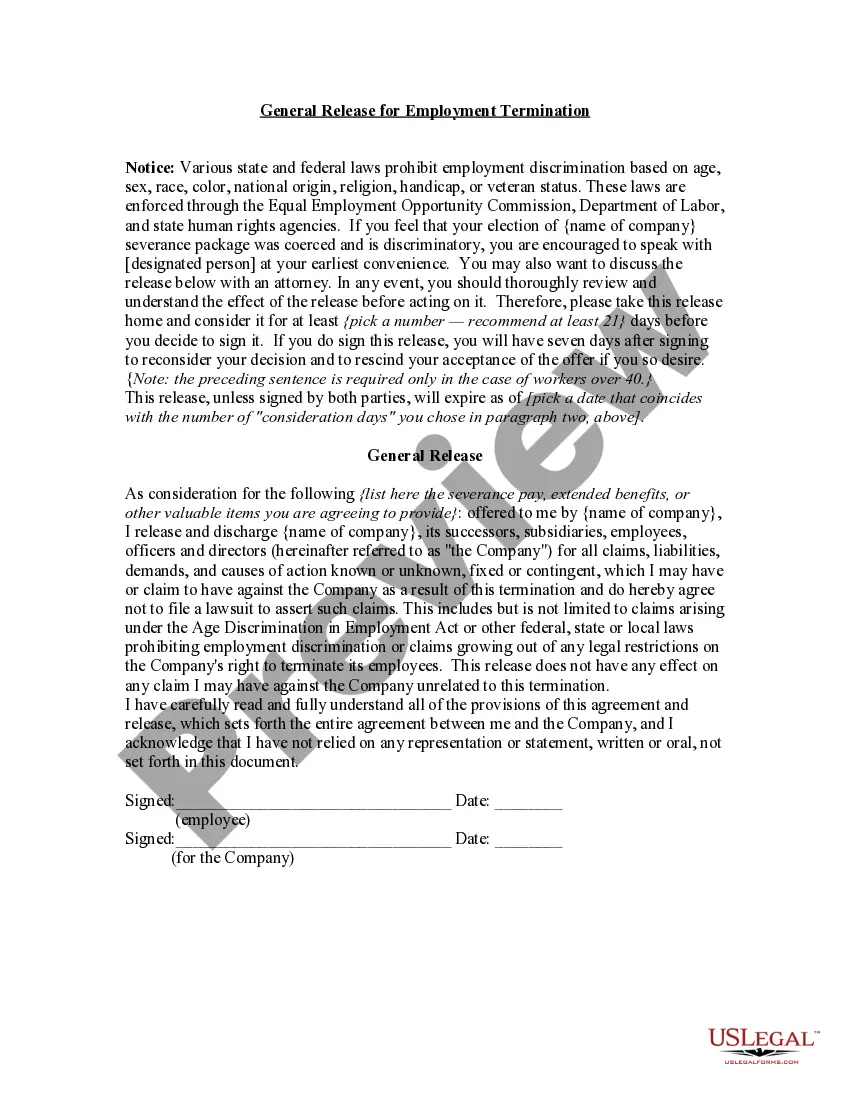
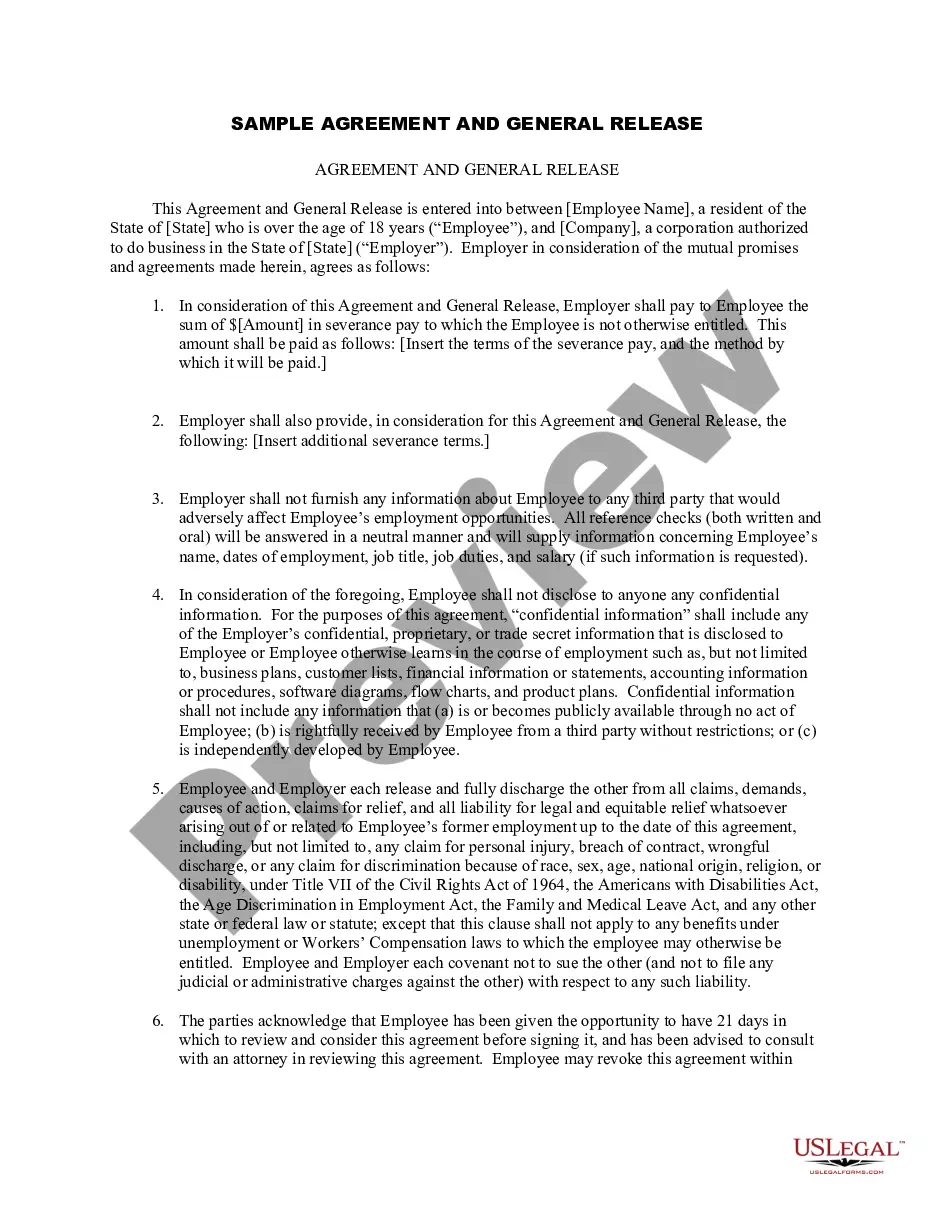
Michigan Termination Release
Description
Get your form ready online
Our built-in tools help you complete, sign, share, and store your documents in one place.
Make edits, fill in missing information, and update formatting in US Legal Forms—just like you would in MS Word.
Download a copy, print it, send it by email, or mail it via USPS—whatever works best for your next step.
Sign and collect signatures with our SignNow integration. Send to multiple recipients, set reminders, and more. Go Premium to unlock E-Sign.
If this form requires notarization, complete it online through a secure video call—no need to meet a notary in person or wait for an appointment.
We protect your documents and personal data by following strict security and privacy standards.

Make edits, fill in missing information, and update formatting in US Legal Forms—just like you would in MS Word.

Download a copy, print it, send it by email, or mail it via USPS—whatever works best for your next step.

Sign and collect signatures with our SignNow integration. Send to multiple recipients, set reminders, and more. Go Premium to unlock E-Sign.

If this form requires notarization, complete it online through a secure video call—no need to meet a notary in person or wait for an appointment.

We protect your documents and personal data by following strict security and privacy standards.
Looking for another form?


How to fill out Termination Release?
Are you in a position where you require documentation for both business and personal reasons almost every day.
There are numerous reliable document templates accessible online, but finding ones you can rely on isn’t simple.
US Legal Forms offers a vast array of template documents, including the Michigan Termination Release, designed to comply with state and federal regulations.
Once you locate the correct form, click on Purchase now.
Select the payment plan you prefer, enter the necessary information to create your account, and submit payment via PayPal or credit card.
- If you are already familiar with the US Legal Forms site and have an account, simply Log In.
- Then, you can obtain the Michigan Termination Release template.
- If you do not have an account and want to start using US Legal Forms, follow these instructions.
- Find the document you need and ensure it is for the correct city/region.
- Utilize the Preview button to examine the form.
- Check the outline to confirm that you have selected the correct type.
- If the form isn’t what you’re looking for, use the Search field to find the document that meets your requirements.
Form popularity
FAQ
There are no circumstances under which an employer can totally withhold a final paycheck under Michigan law; employers are typically required to issue a final paycheck containing compensation for all earned, unpaid wages.
Wherever you live in Michigan, if you resign from your employer, the final paycheck should be paid no later than the next scheduled payday. This should include all wages that an employee has earned but not yet received. This is also true for employees who have been fired from their roles.
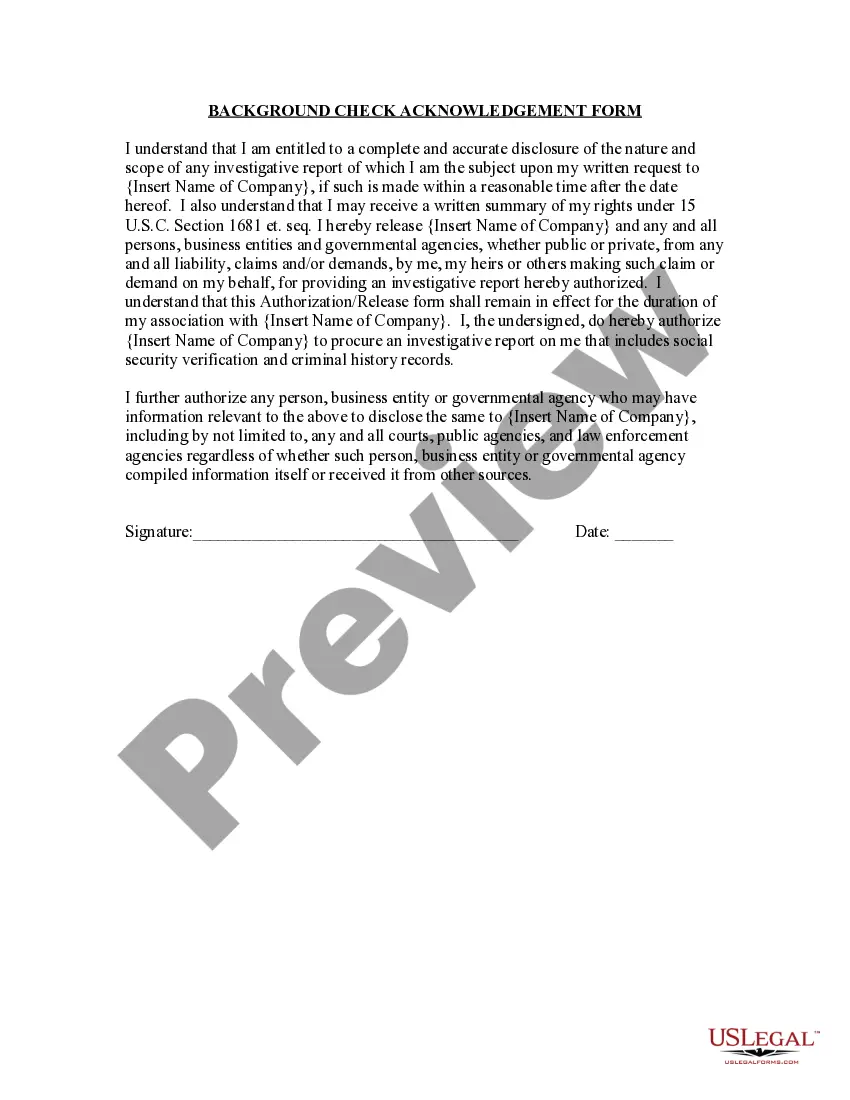
A legal release is a legal instrument that acts to terminate any legal liability between the releasor and the releasee(s), signed by the releasor. A release may also be made orally in some circumstances.
In general, an employer can discharge an employee for a good reason, bad reason, or no reason at all. An employee may challenge his/her discharge if it was based on discriminatory action specifically protected by statute.
Why Should an Employer Write a Letter of Termination? Termination letters serve two main purposes: they help employers keep records of termination decisions, and they provide employees the clarity they need to start the transition to the next stage of their career.
A release is a legal document that records an employee's agreement to relinquish their right to make any future claims against their employer relating to their employment or the termination of their employment. A release is essentially a contract between the terminated employee and the employer.
A release is an agreement not to sue; it waives your right to sue and company and "releases" your employer from legal liability for claims you may have against it.
As per Mich. Comp. Laws ?408.474, 408.475, when an employee is fired, the employer must give him or her a final paycheck no later than the next regularly scheduled pay date.
Terminating is when one party declares the contract is at an end. Releasing the contract means both parties agree that it's over.
Final And Unclaimed Paychecks Laws In Michigan. State and federal law requires that employers give departing employees their final paycheck within a specified time period or - if a paycheck goes unclaimed - to follow state escheatment rules.