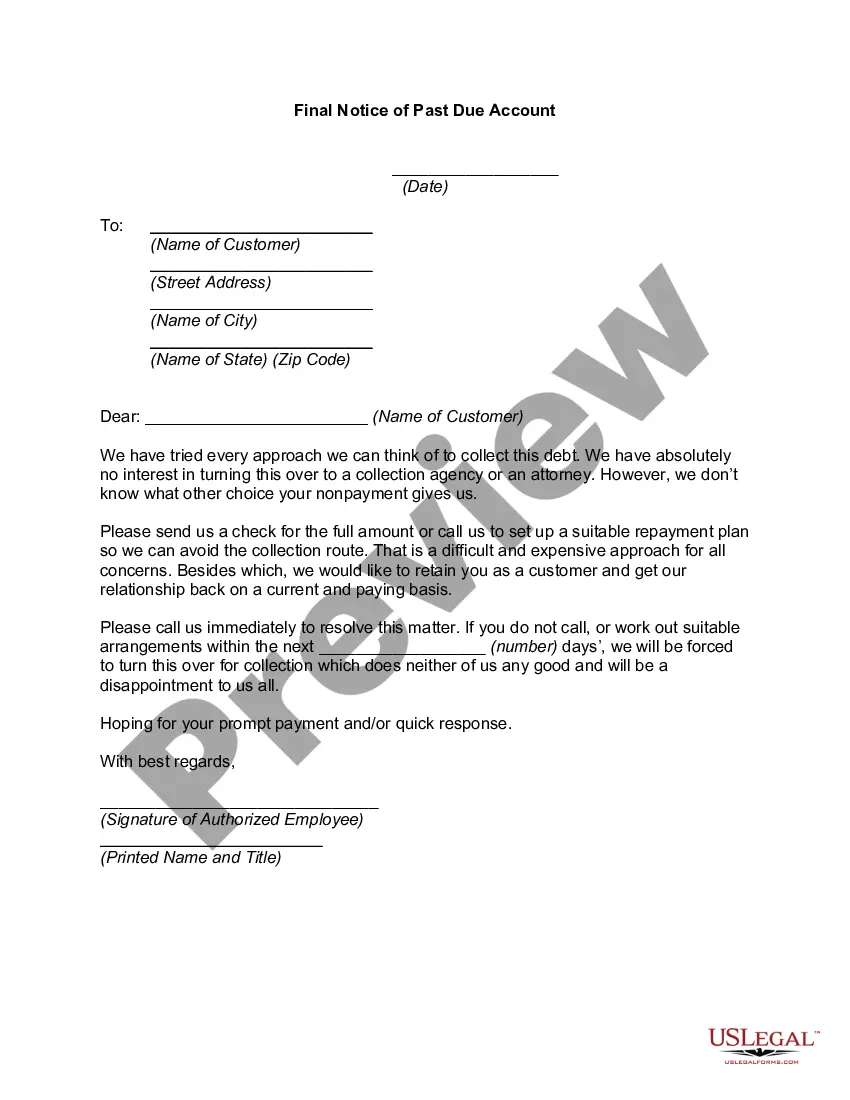
Michigan Final Notice of Past Due Account
Description
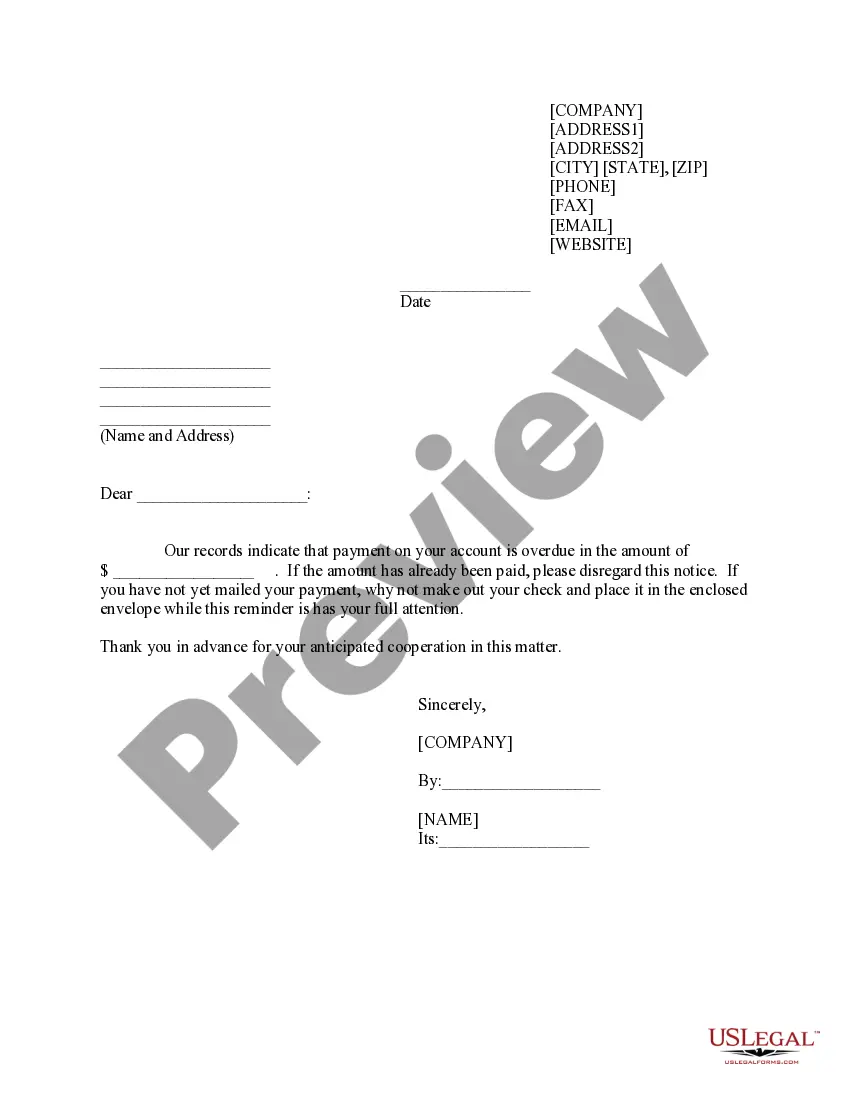
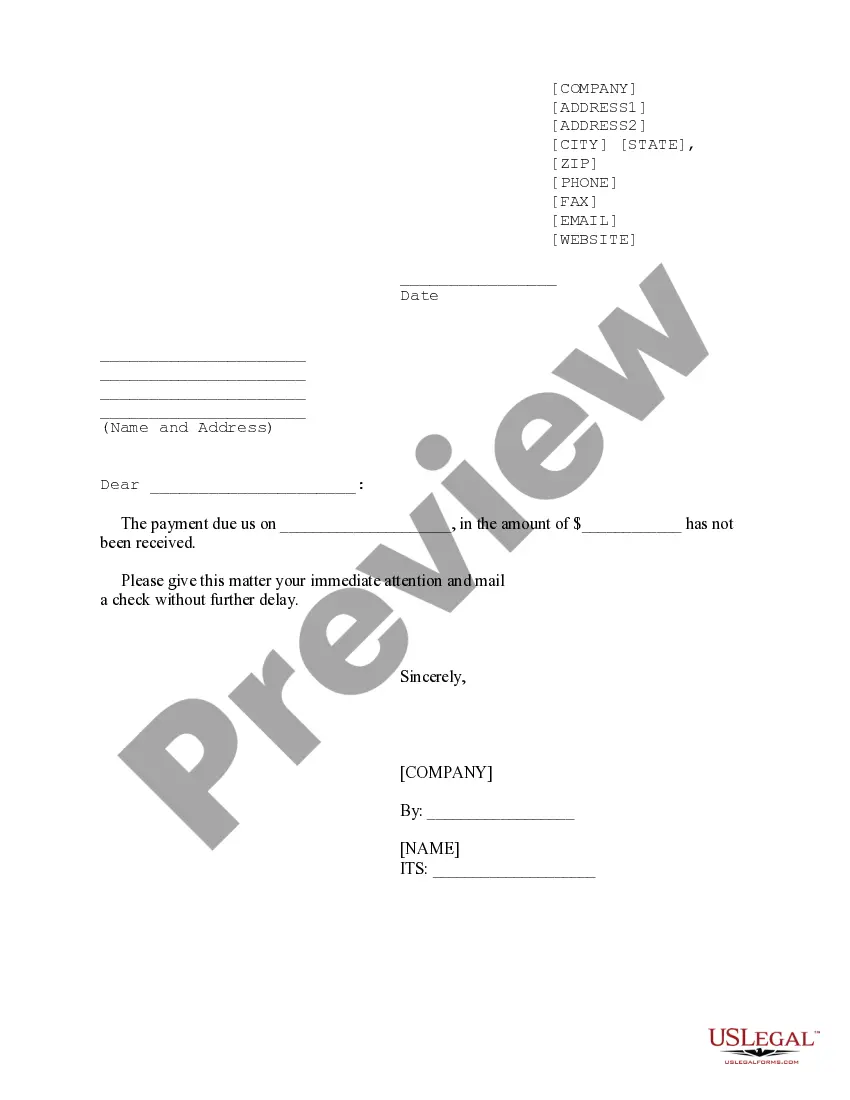
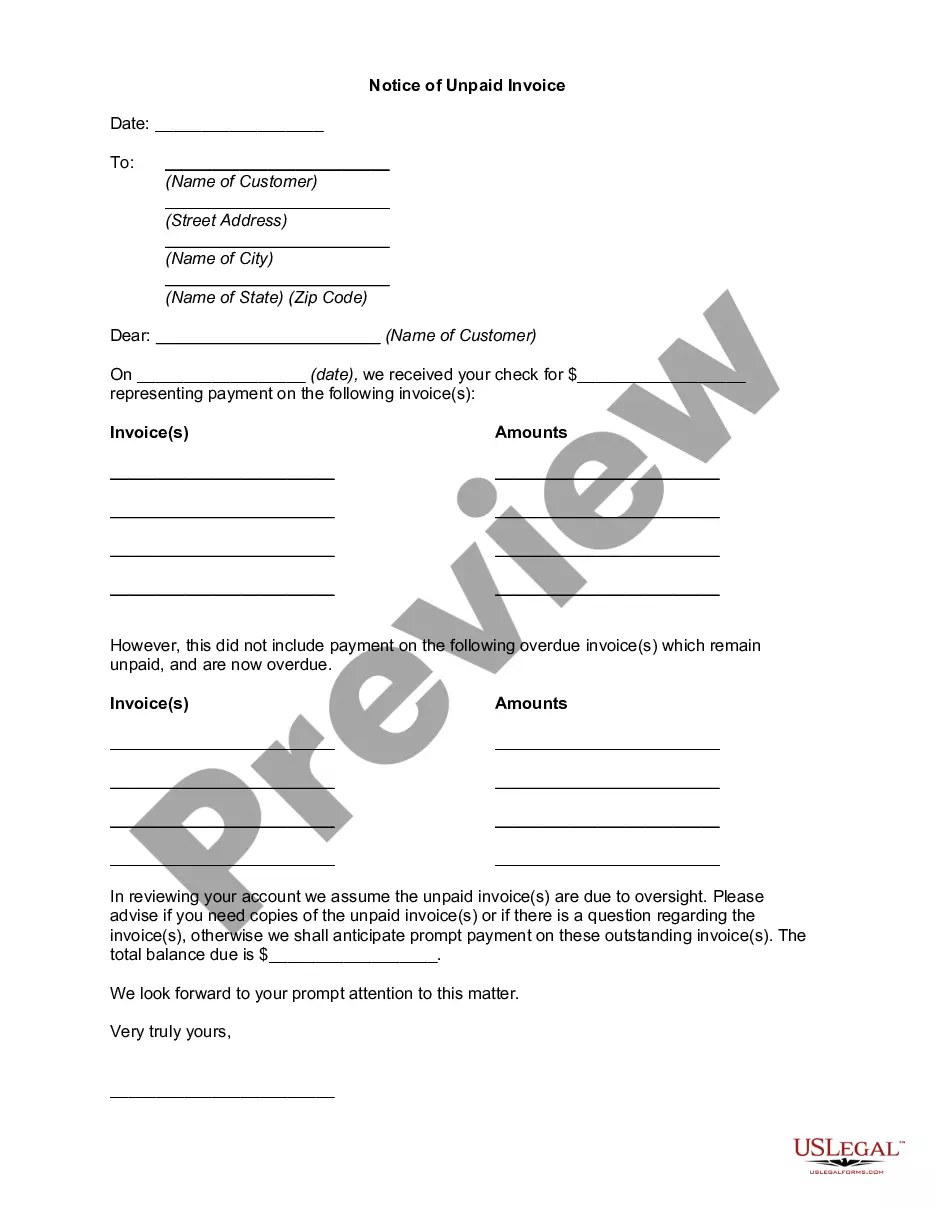


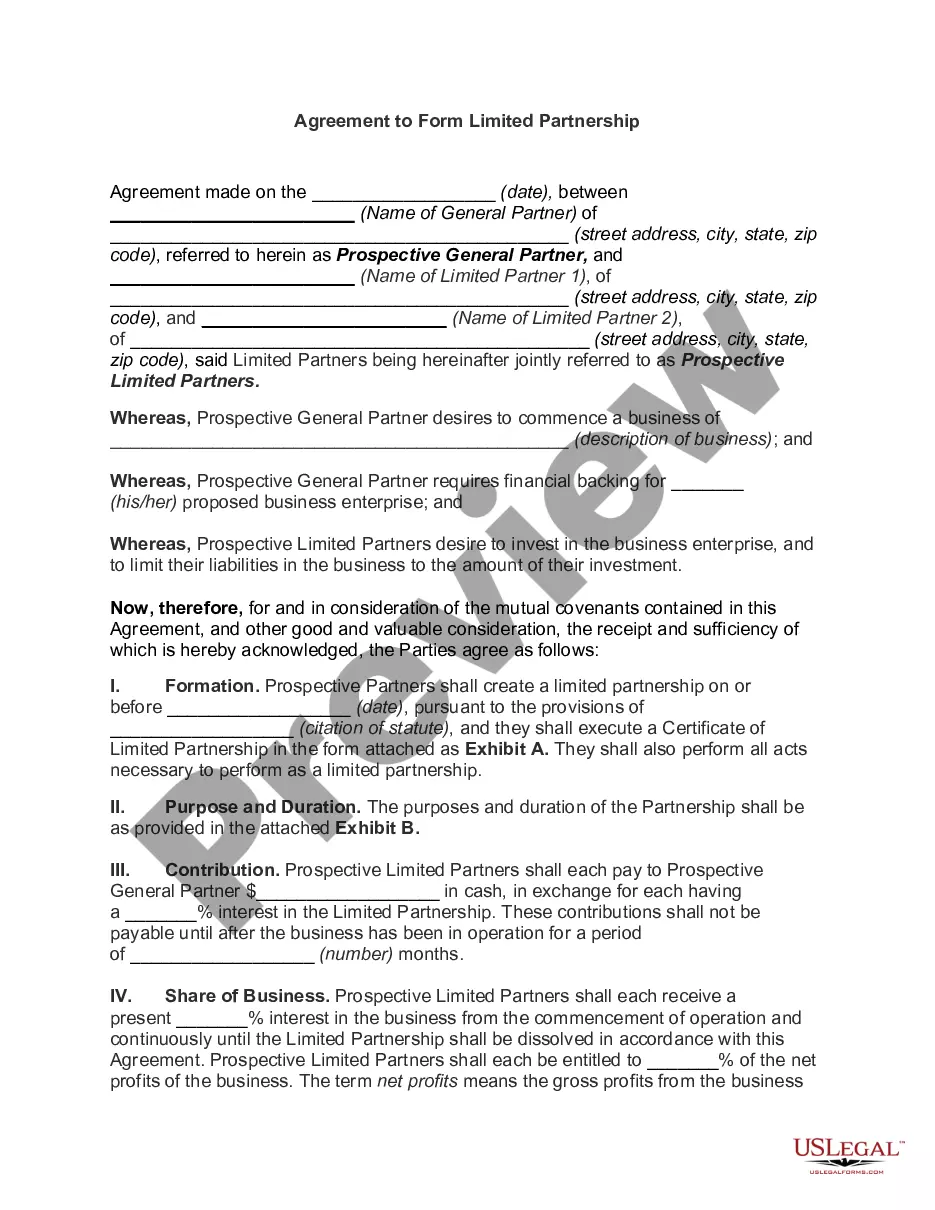
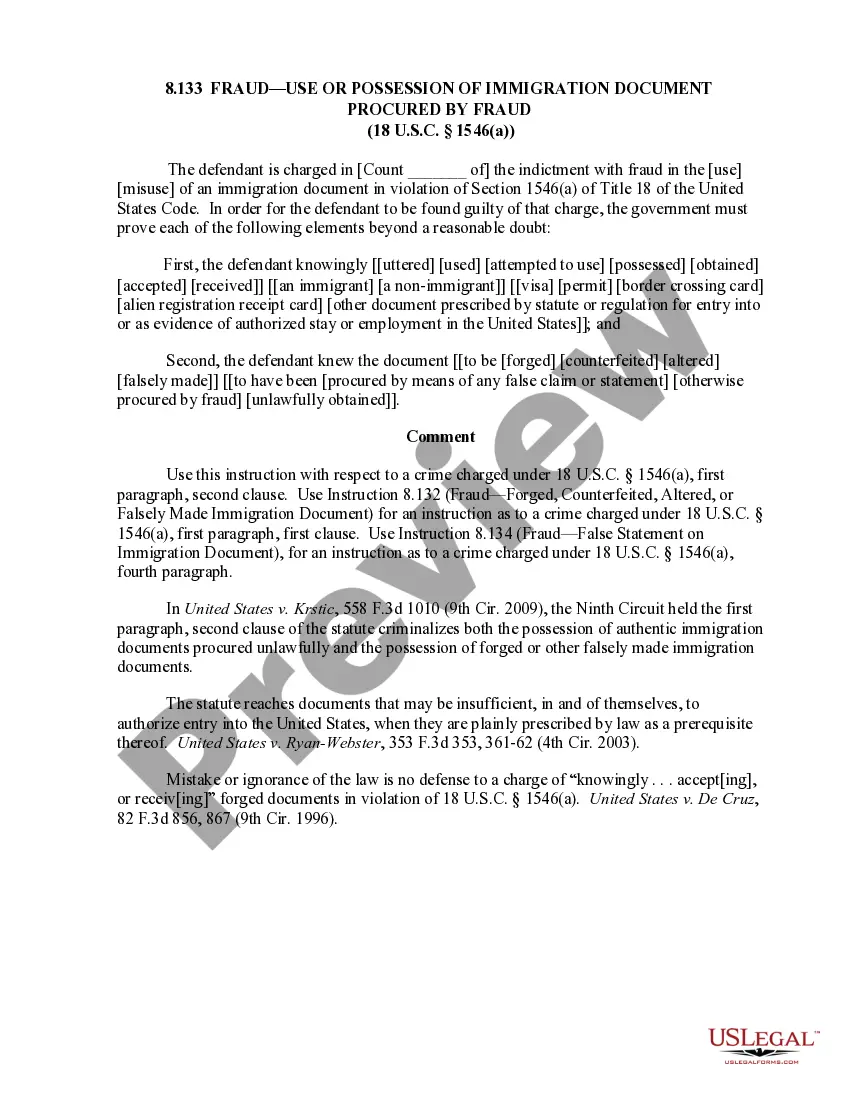
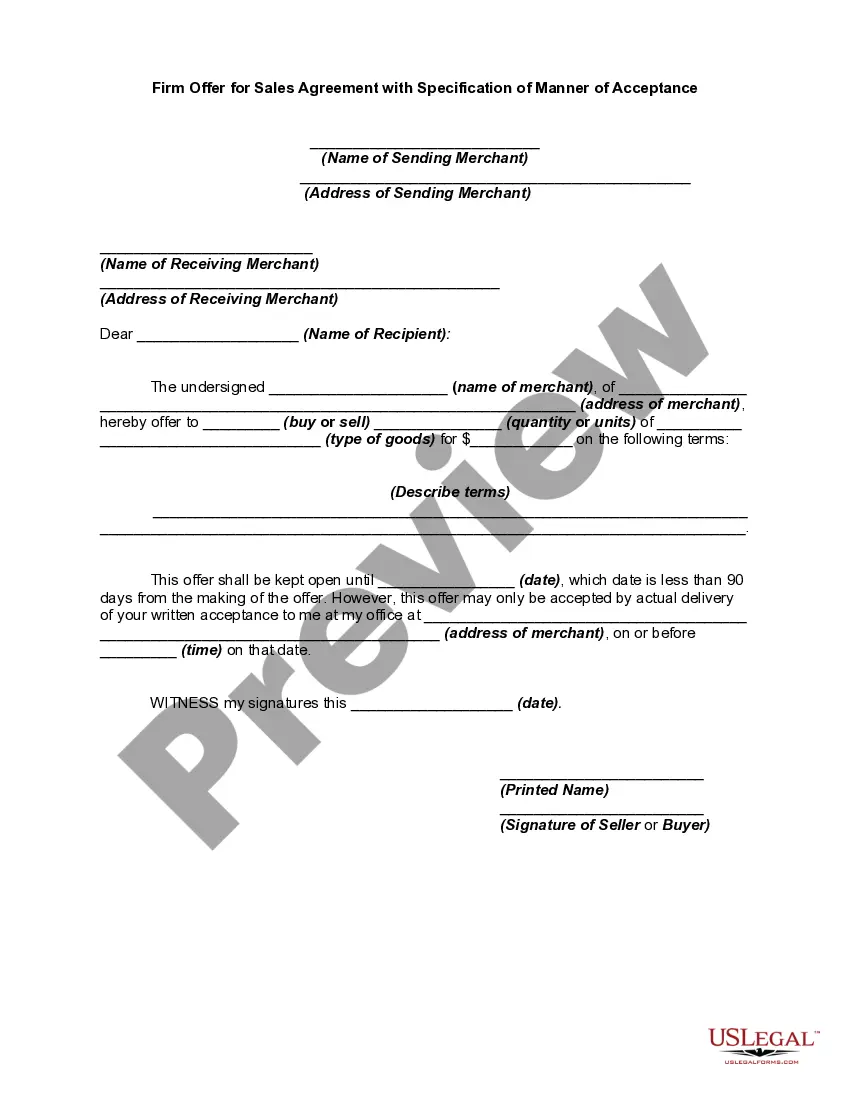
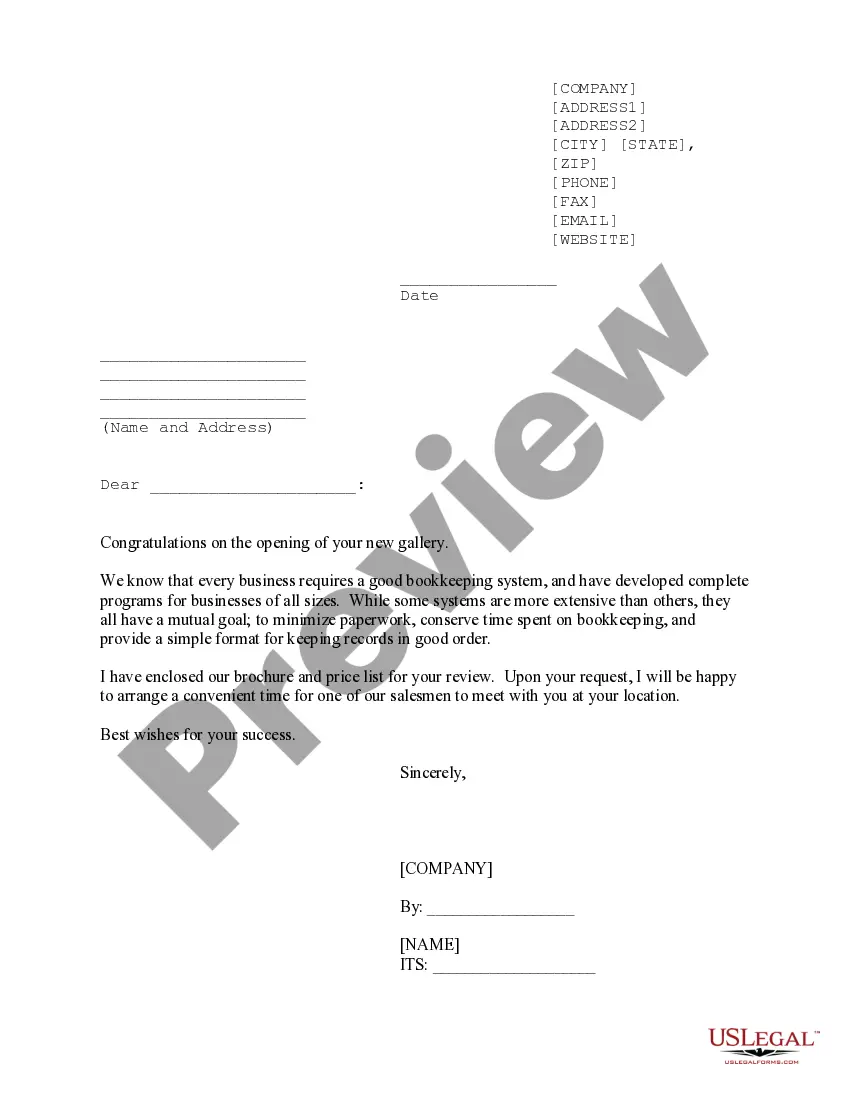
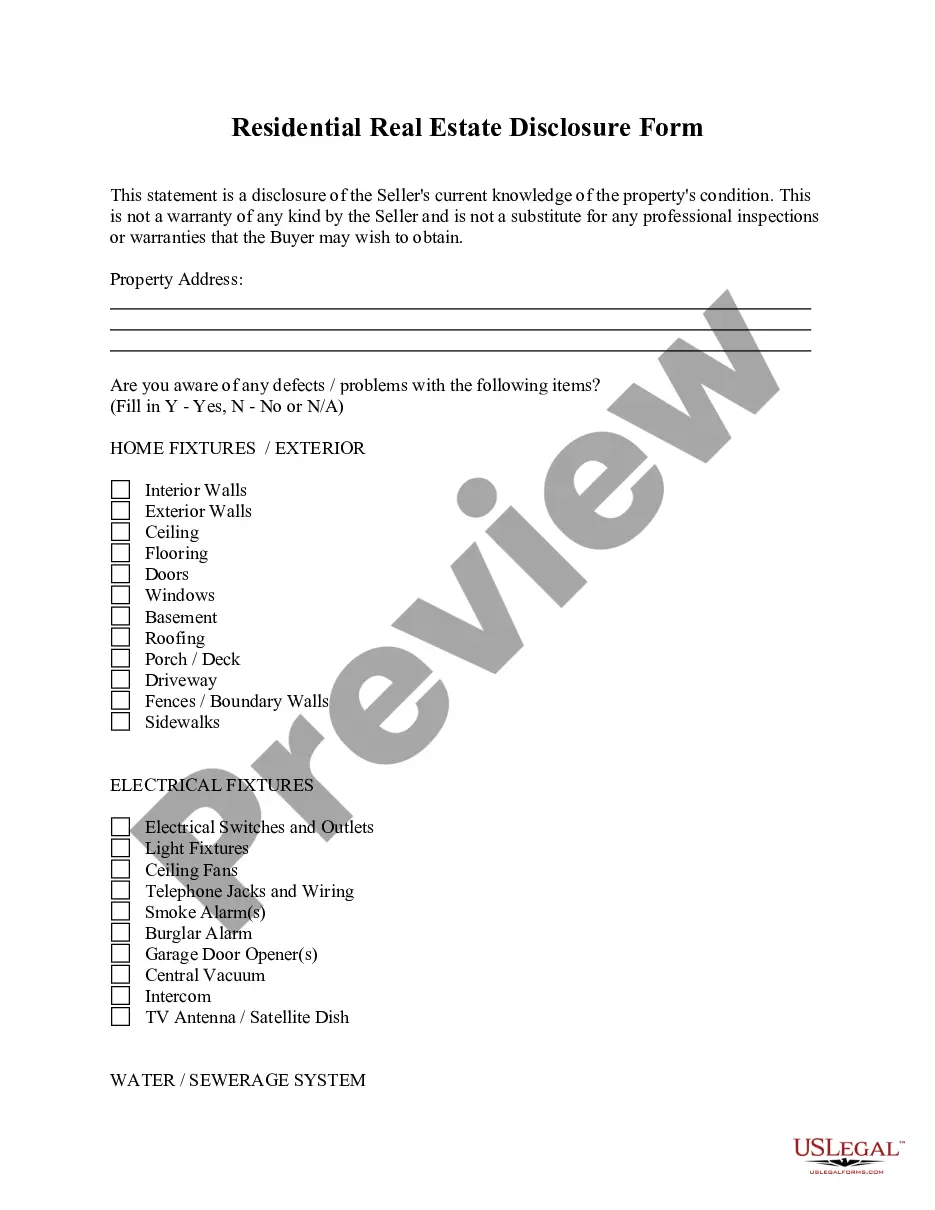

How to fill out Final Notice Of Past Due Account?
Are you in a circumstance where you require documents for both business or specific purposes on a daily basis.
There are numerous legitimate document templates accessible online, but locating ones you can trust is not straightforward.
US Legal Forms provides a vast selection of form templates, including the Michigan Final Notice of Past Due Account, designed to comply with state and federal regulations.
Choose a convenient file format and download your copy.
Access all the document templates you have purchased in the My documents section. You can obtain an additional copy of the Michigan Final Notice of Past Due Account at any time, if needed. Just select the required form to download or print the document template.
- If you are already acquainted with the US Legal Forms website and have an account, simply Log In.
- Then, you can download the Michigan Final Notice of Past Due Account template.
- If you do not have an account and wish to start using US Legal Forms, follow these steps.
- Select the form you need and ensure it is for the correct city/state.
- Use the Preview feature to examine the form.
- Read the description to confirm you have chosen the correct form.
- If the form is not what you are looking for, utilize the Search section to find the form that fits your needs and requirements.
- Once you obtain the appropriate form, click Get now.
- Select the pricing plan you prefer, enter the necessary details to create your account, and pay for the order using your PayPal or credit card.
Form popularity
FAQ
The tax lien will remain until the tax debit has been satisfied. A Michigan tax lien is valid for 7 years. The state has the option to extend tax liens at any time within the 7 year period.
The Internal Revenue Service (IRS) will send a notice or a letter for any number of reasons. It may be about a specific issue on your federal tax return or account, or may tell you about changes to your account, ask you for more information, or request a payment.
The Bureau of the Fiscal Service in the Department of the Treasury collects overdue (delinquent) nontax debt for other federal agencies. If you owe money to a federal agency and you did not pay it on time, you have a delinquent debt. You will receive a letter first from the agency to whom you owe the debt.
The statute of limitations for assessing a tax deficiency, interest, or penalty is 4 years from either the date set for the filing of the required return or the date the return was filed, whichever is later.
We will send a letter/notice if:You are due a larger or smaller refund. We have a question about your tax return. We need to verify your identity. We need additional information.
The Collection Services Bureau can use an enforcement action for a minimum of 6 years to collect the debt. The 6 year period, known as the statute of limitations, may be extended by certain actions such as a court judgment.
The Secretary of State's office has been advised that solicitation letters are being sent to California businesses encouraging them to comply with their California Corporations Code filing obligations by submitting fees and documents to a third party rather than by filing directly with the Secretary of State's office.
In general, the Internal Revenue Service (IRS) has 10 years to collect unpaid tax debt. After that, the debt is wiped clean from its books and the IRS writes it off. This is called the 10 Year Statute of Limitations. It is not in the financial interest of the IRS to make this statute widely known.
The Michigan Department of Treasury contracts with a private collection agency, GC Services LP, to help us collect the delinquent tax, penalty and interest owed to the State of Michigan.
Generally, the statute of limitations for the IRS to assess taxes on a taxpayer expires three (3) years from the due date of the return or the date on which it was filed, whichever is later. A return is considered to be filed on the due date of the return if it was filed on or before its due date.