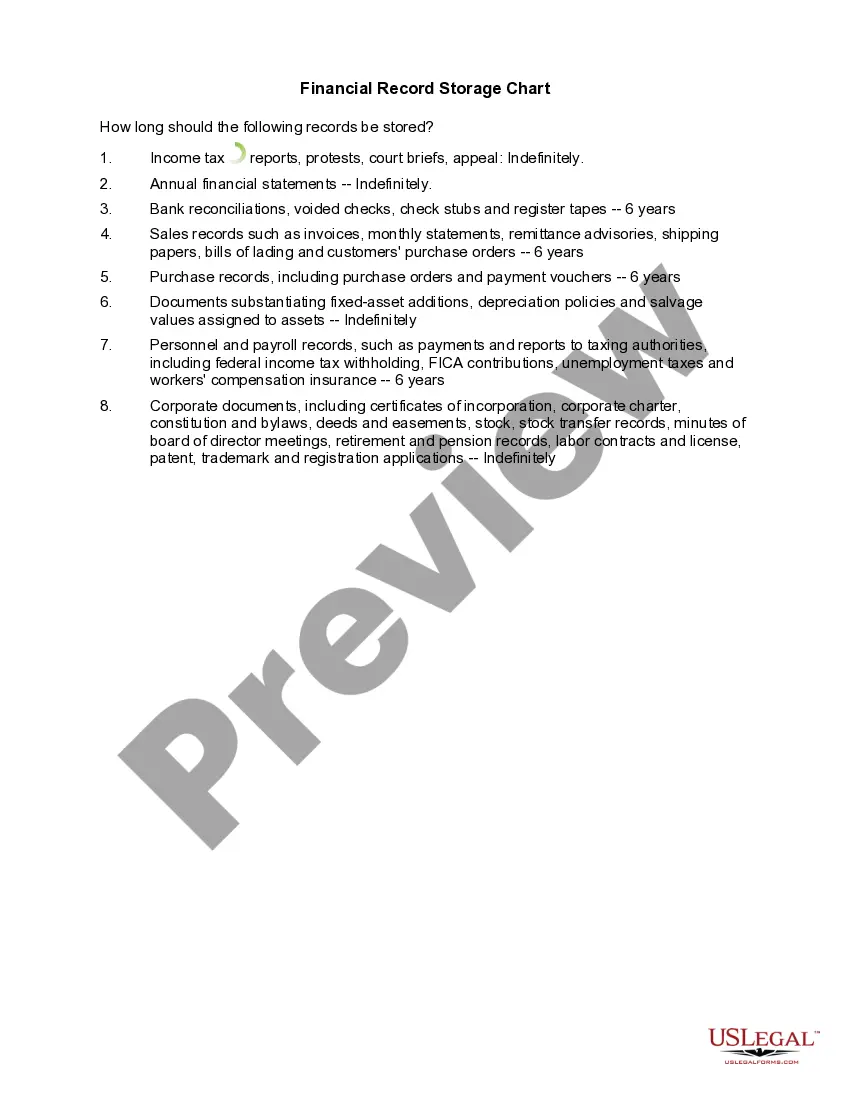
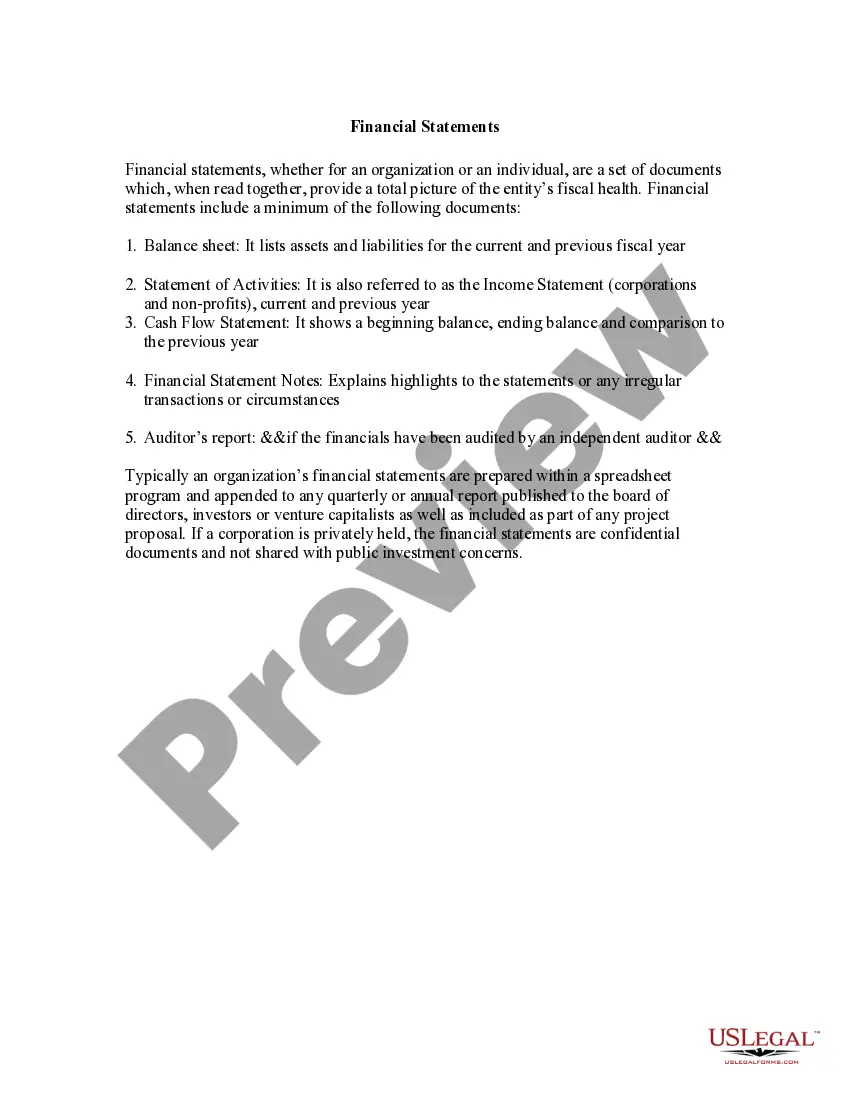
Michigan Financial Record Storage Chart
Description
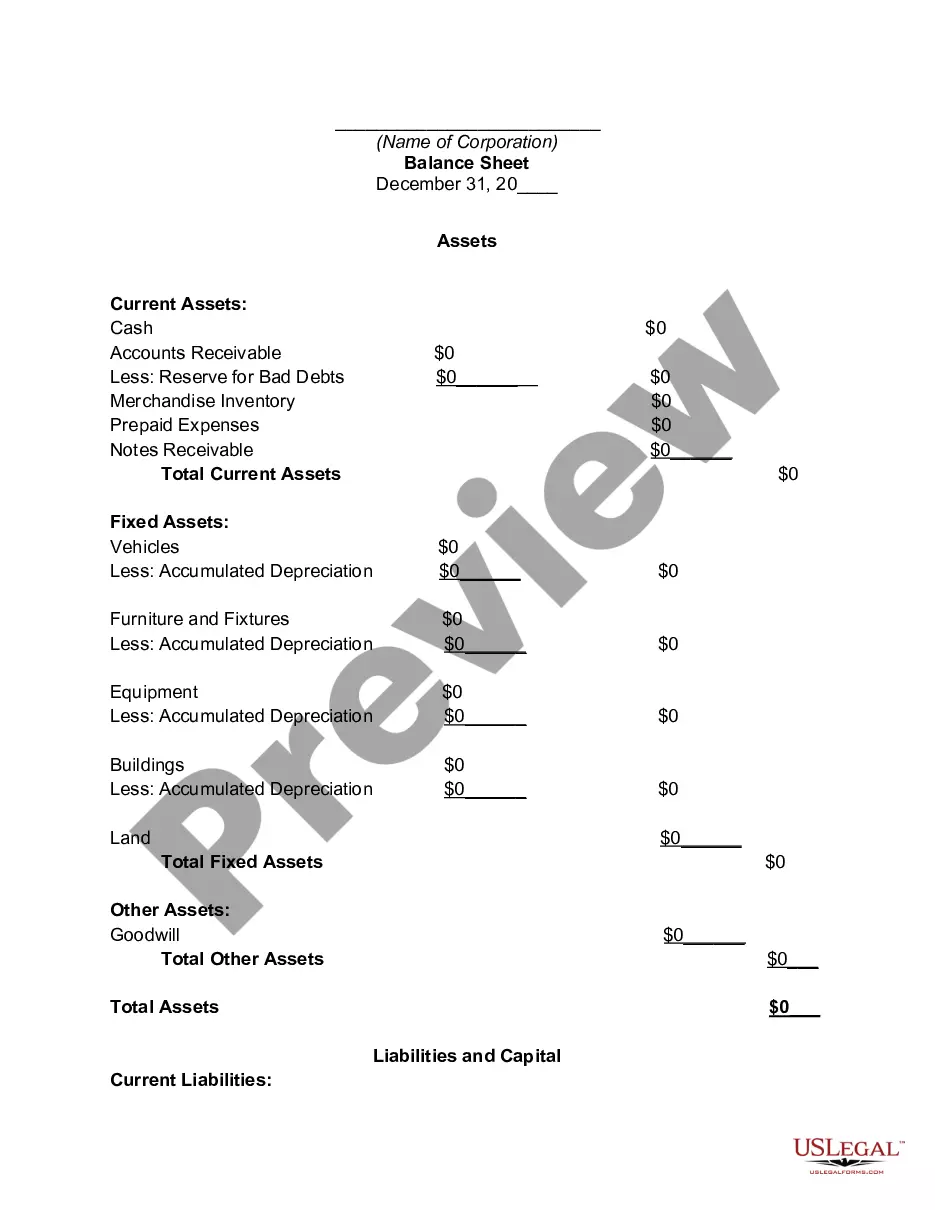
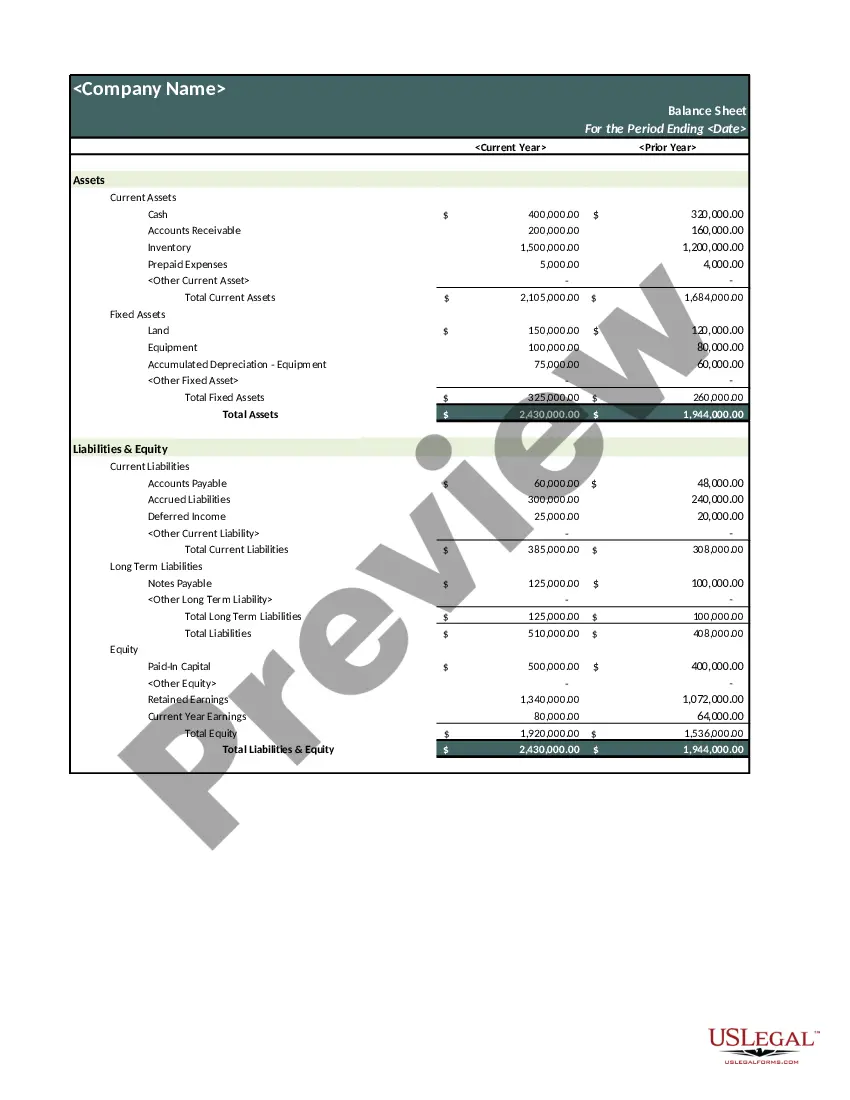
Get your form ready online
Our built-in tools help you complete, sign, share, and store your documents in one place.
Make edits, fill in missing information, and update formatting in US Legal Forms—just like you would in MS Word.
Download a copy, print it, send it by email, or mail it via USPS—whatever works best for your next step.
Sign and collect signatures with our SignNow integration. Send to multiple recipients, set reminders, and more. Go Premium to unlock E-Sign.
If this form requires notarization, complete it online through a secure video call—no need to meet a notary in person or wait for an appointment.
We protect your documents and personal data by following strict security and privacy standards.

Make edits, fill in missing information, and update formatting in US Legal Forms—just like you would in MS Word.

Download a copy, print it, send it by email, or mail it via USPS—whatever works best for your next step.

Sign and collect signatures with our SignNow integration. Send to multiple recipients, set reminders, and more. Go Premium to unlock E-Sign.

If this form requires notarization, complete it online through a secure video call—no need to meet a notary in person or wait for an appointment.

We protect your documents and personal data by following strict security and privacy standards.
Looking for another form?




How to fill out Financial Record Storage Chart?
Finding the suitable legal document template can be challenging.
Of course, there are numerous templates available online, but how can you locate the legal document you require.
Make use of the US Legal Forms website. This service offers thousands of templates, including the Michigan Financial Record Storage Chart, which can be utilized for both business and personal purposes.
You can preview the form and review its details to confirm it is suitable for you. If the form does not suit your needs, use the Search field to find the right form. Once you are confident the form is appropriate, click on the Purchase now option to obtain the form. Select the pricing plan you want and enter the required information. Create your account and complete the payment through your PayPal account or credit card. Choose the file format and download the legal document template to your device. Complete, edit, print, and sign the downloaded Michigan Financial Record Storage Chart. US Legal Forms is the largest collection of legal forms where you can access various document templates. Use this service to acquire professionally crafted documents that meet state requirements.
- All forms are verified by professionals and comply with federal and state regulations.
- If you are already registered, Log In to your account and click on the Download option to obtain the Michigan Financial Record Storage Chart.
- Use your account to search through the legal documents you have previously acquired.
- Visit the My documents tab in your account to download another copy of the document you need.
- If you are a new user of US Legal Forms, here are some simple steps to follow.
- First, ensure you have selected the correct form for your city/region.
Form popularity
FAQ
The minimum retention period typically ranges from three to seven years, depending on the type of record. For example, financial and medical records are usually retained for seven years, while some HR records may only need to be kept for three years. To ensure you are compliant and organized, consult the Michigan Financial Record Storage Chart for precise guidelines on various record types.
Yes, it is often essential to keep certain records for up to seven years, especially financial and medical documents. This timeframe supports legal compliance and prepares you for audits or inquiries. By referring to the Michigan Financial Record Storage Chart, you can identify which specific records need this extended retention, helping you maintain compliance effectively.
Records that should be kept for seven years include tax returns, financial statements, and medical records, among others. This retention period ensures compliance with regulations and aids in any potential legal issues. Keeping these records organized can be simplified with the help of the Michigan Financial Record Storage Chart, which outlines required retention periods across different categories.
The minimum retention period for records often varies depending on the type of record. Generally, many financial and medical records should be kept for a minimum of seven years. This duration aligns with common requirements used in auditing and legal contexts. The Michigan Financial Record Storage Chart is an excellent resource to clarify specific minimum retention periods for various records.
Employee records in Michigan should be maintained for at least three years after the employee's departure. This includes records related to hiring, wages, and training. Retaining these records helps organizations ensure compliance with employment laws and provides necessary documentation for any disputes or inquiries. Refer to the Michigan Financial Record Storage Chart for more detailed retention requirements.
Organizations in Michigan should retain financial records for at least seven years. This timeframe supports compliance with tax regulations and helps in the event of an audit. Financial records often encompass various types of documents, including tax returns, invoices, and receipts. The Michigan Financial Record Storage Chart provides clear guidance on retention periods tailored to specific record categories.
In Michigan, medical records must generally be kept for a minimum of seven years from the date of the last treatment. This duration allows healthcare providers to comply with state regulations and support patient care. For minors, records are often retained until the child turns 18, plus an additional seven years. Check the Michigan Financial Record Storage Chart for more details on specific record types.
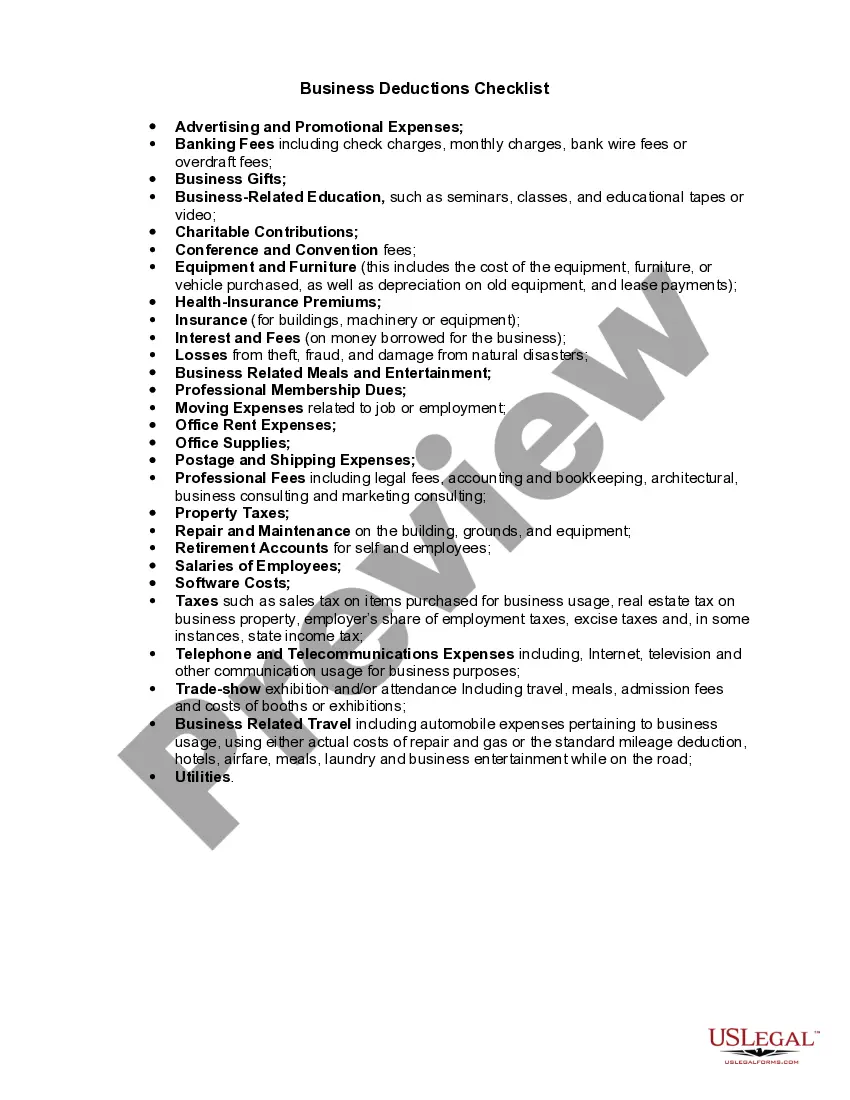
It is the duty of business owners and their financial teams to maintain accurate financial records. This responsibility encompasses not only day-to-day transactions but also long-term records for audits and compliance. Utilizing tools like the Michigan Financial Record Storage Chart can simplify this process, providing essential guidelines and support to keep your records in order.
A business's financial records are generally maintained by its accounting department or a designated financial professional. Their duties include recording transactions, preparing reports, and ensuring compliance with laws. Leveraging the Michigan Financial Record Storage Chart can help outline best practices for these record-keeping tasks and highlight useful resources like uslegalforms for further assistance.
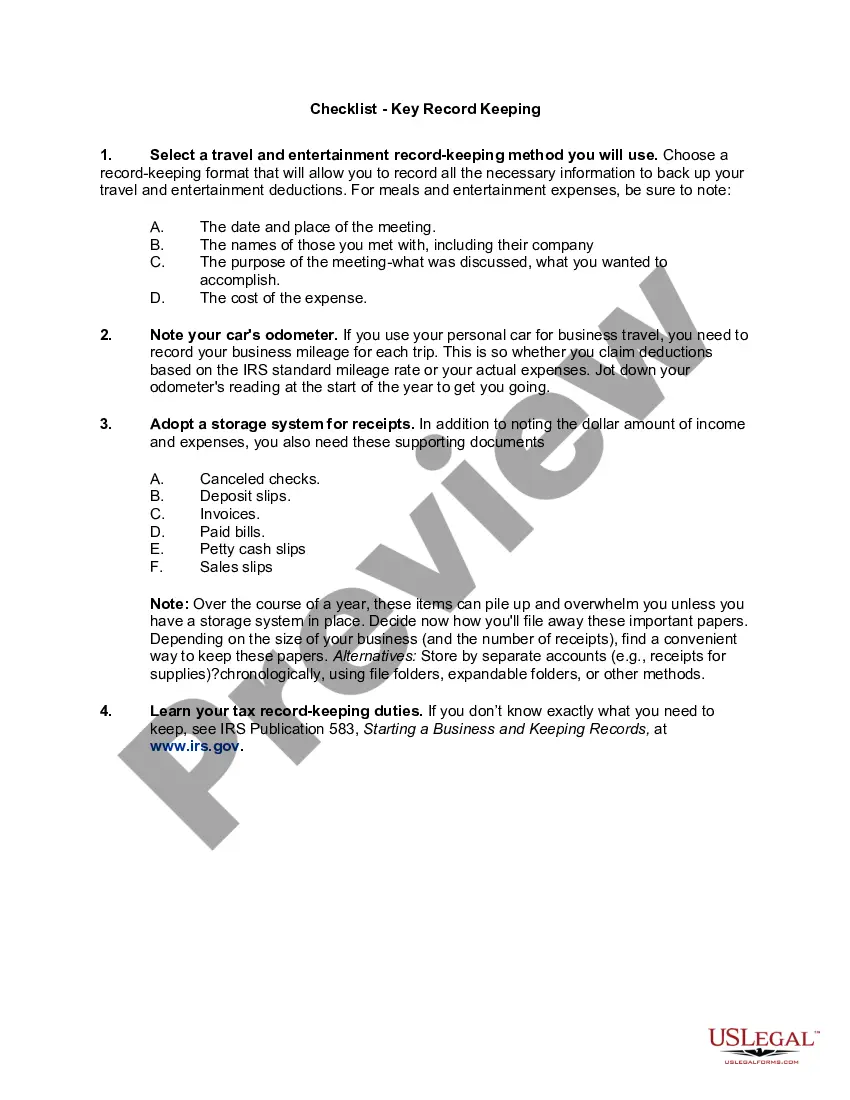
The responsibility for financial record keeping typically falls on the business owner or designated financial officers. They ensure that all financial activities are accurately documented and compliant with state regulations. You can refer to the Michigan Financial Record Storage Chart for practical advice on efficient record-keeping practices and tools available through platforms like uslegalforms.