Michigan HVAC Subcontractor Agreement
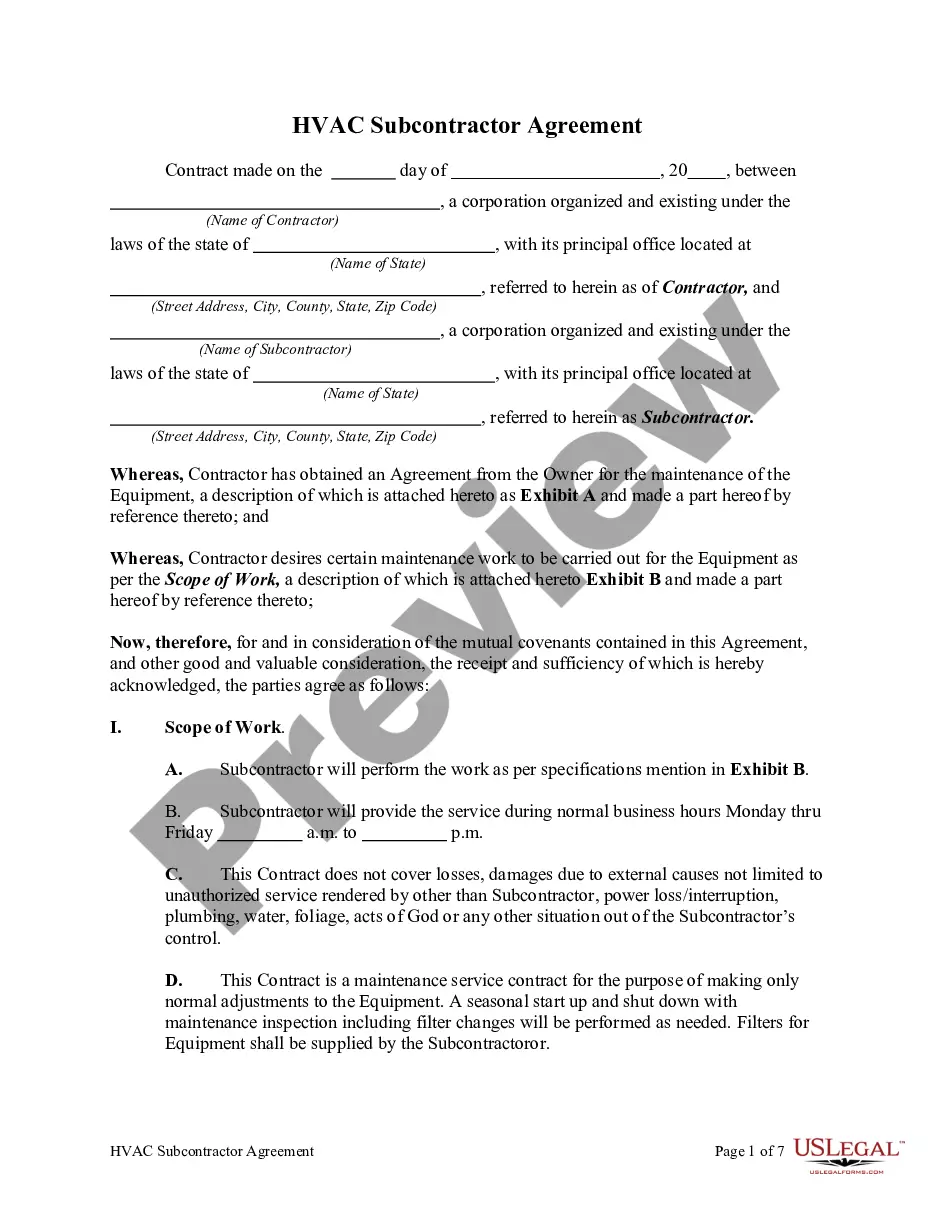
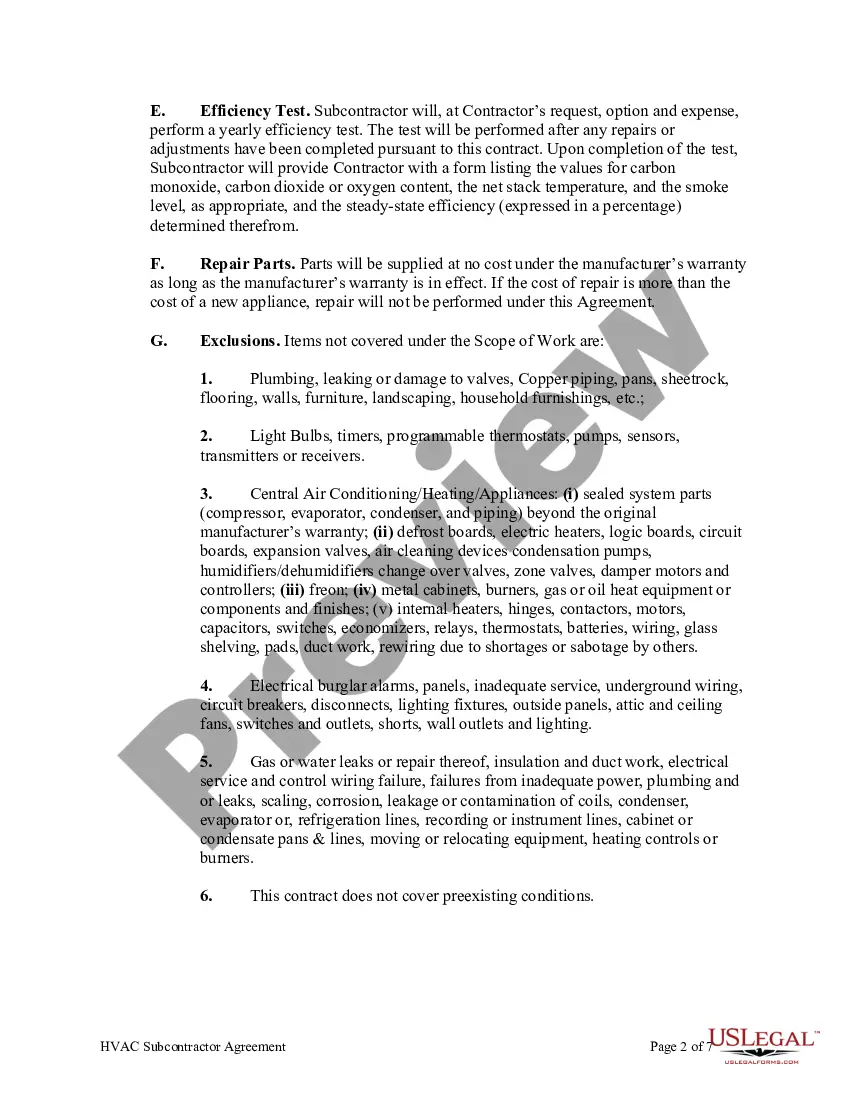
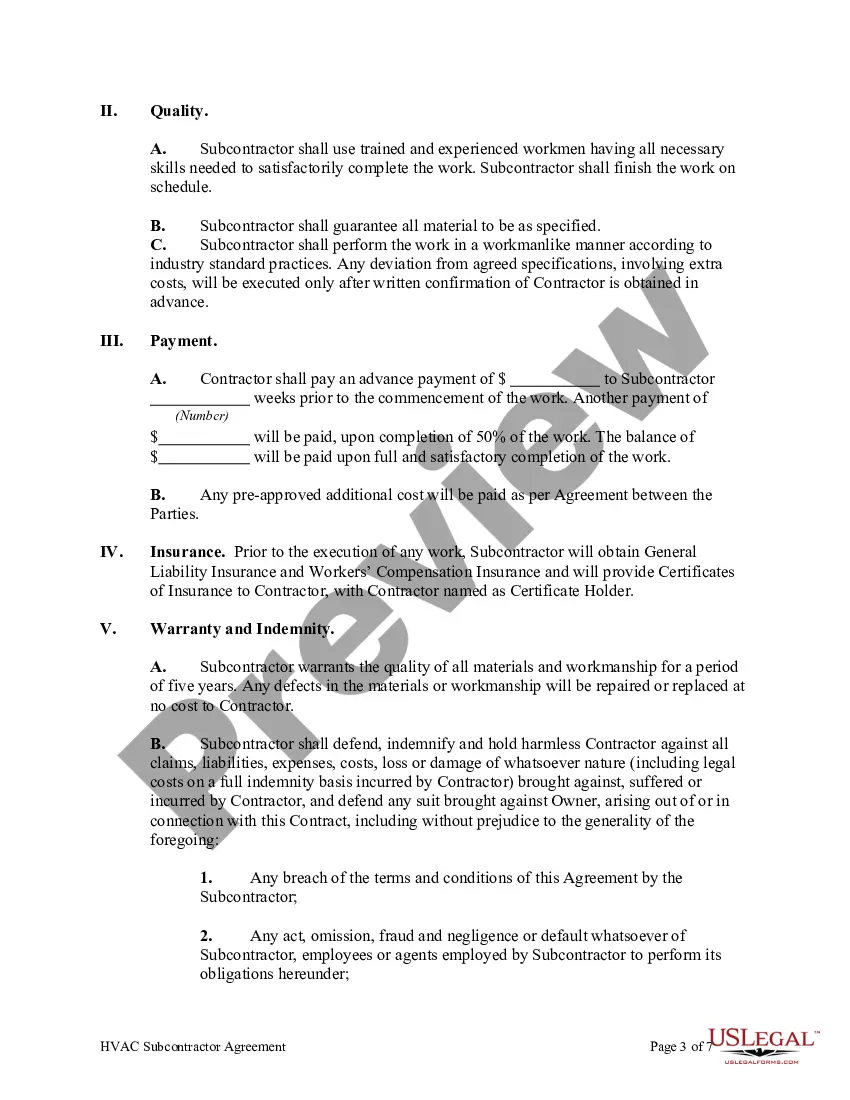
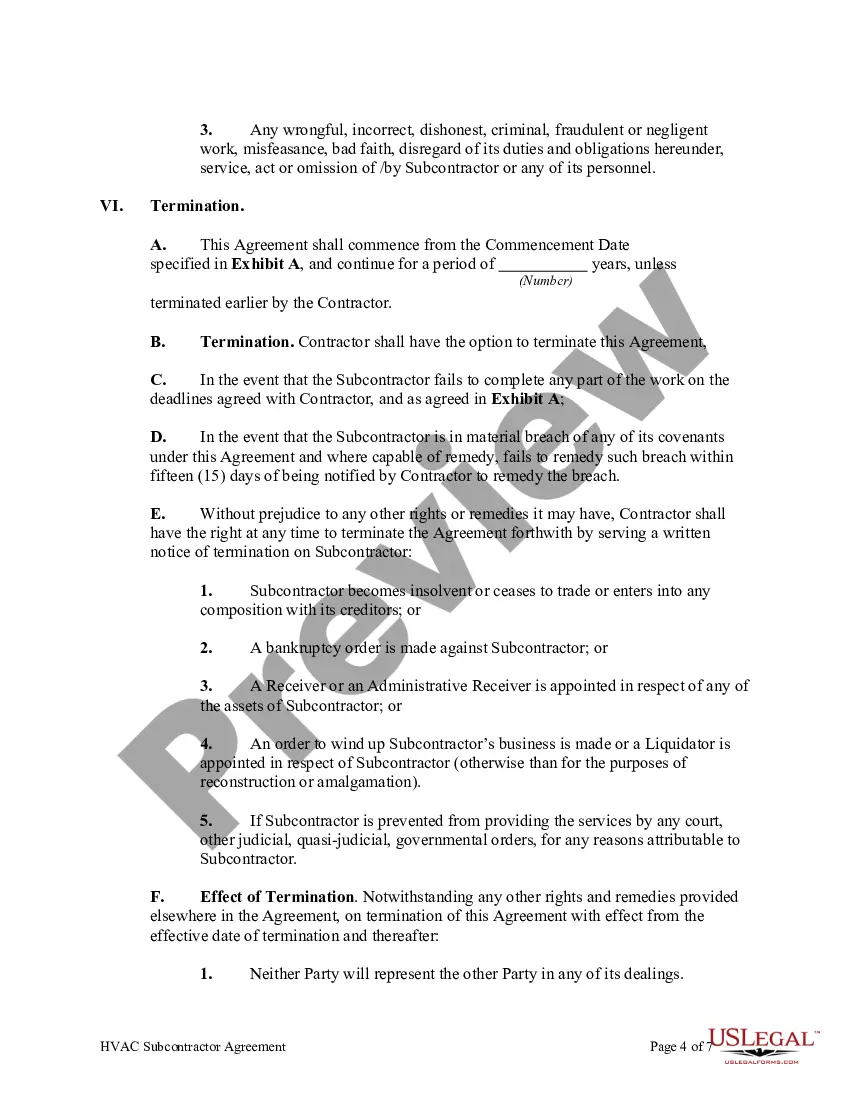
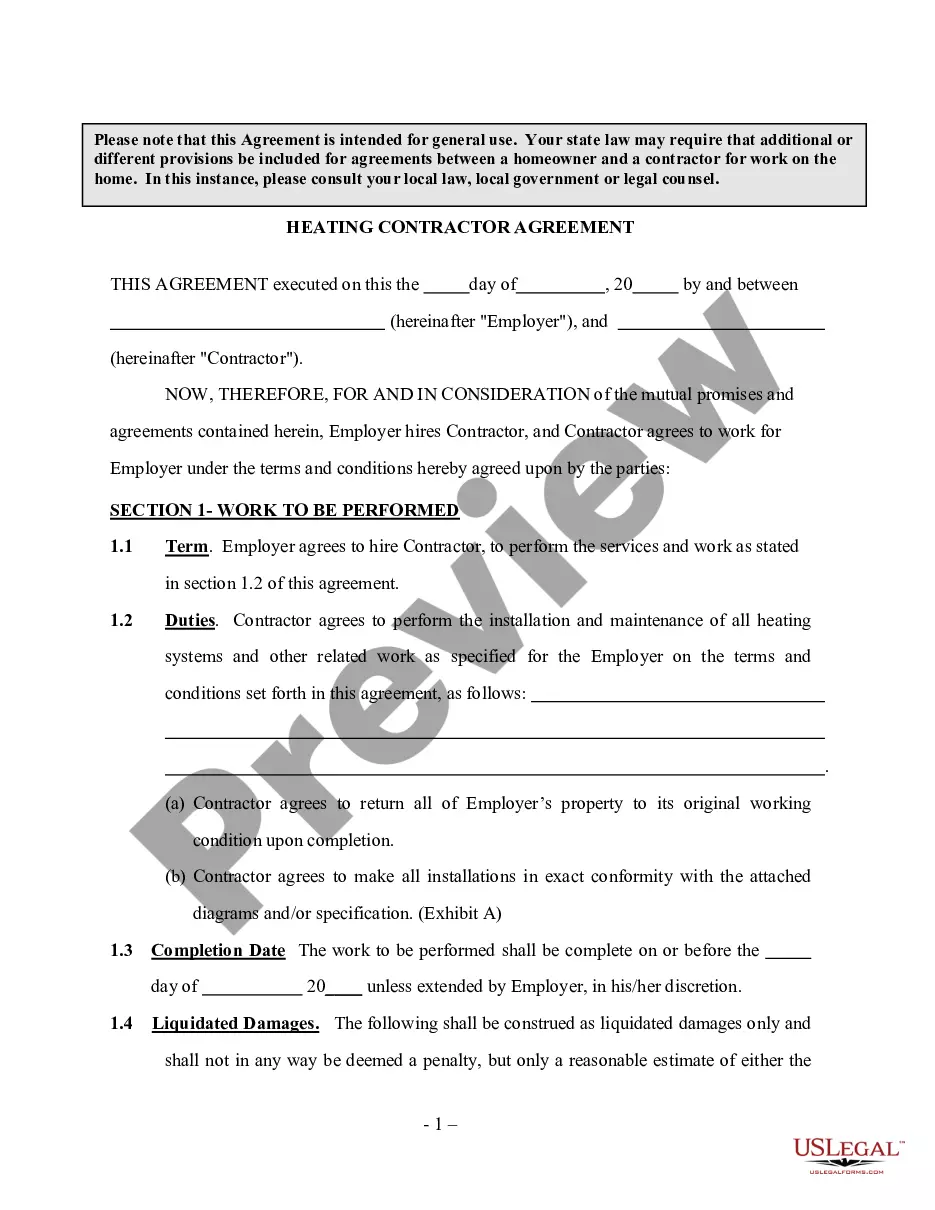
Description

Get your form ready online
Our built-in tools help you complete, sign, share, and store your documents in one place.
Make edits, fill in missing information, and update formatting in US Legal Forms—just like you would in MS Word.
Download a copy, print it, send it by email, or mail it via USPS—whatever works best for your next step.
Sign and collect signatures with our SignNow integration. Send to multiple recipients, set reminders, and more. Go Premium to unlock E-Sign.
If this form requires notarization, complete it online through a secure video call—no need to meet a notary in person or wait for an appointment.
We protect your documents and personal data by following strict security and privacy standards.

Make edits, fill in missing information, and update formatting in US Legal Forms—just like you would in MS Word.

Download a copy, print it, send it by email, or mail it via USPS—whatever works best for your next step.

Sign and collect signatures with our SignNow integration. Send to multiple recipients, set reminders, and more. Go Premium to unlock E-Sign.

If this form requires notarization, complete it online through a secure video call—no need to meet a notary in person or wait for an appointment.

We protect your documents and personal data by following strict security and privacy standards.
Looking for another form?



How to fill out HVAC Subcontractor Agreement?
It is feasible to spend hours online trying to locate the approved document template that satisfies the state and federal requirements you need.
US Legal Forms provides thousands of legal forms that are validated by experts.
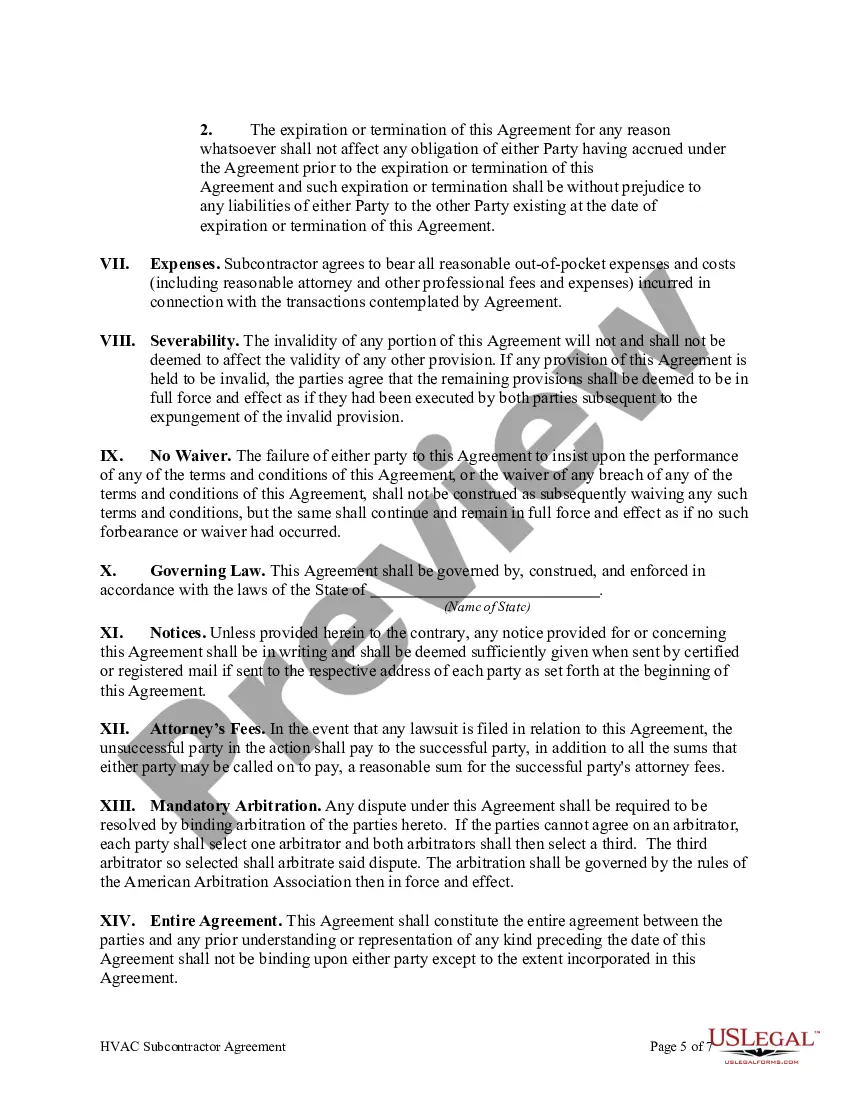
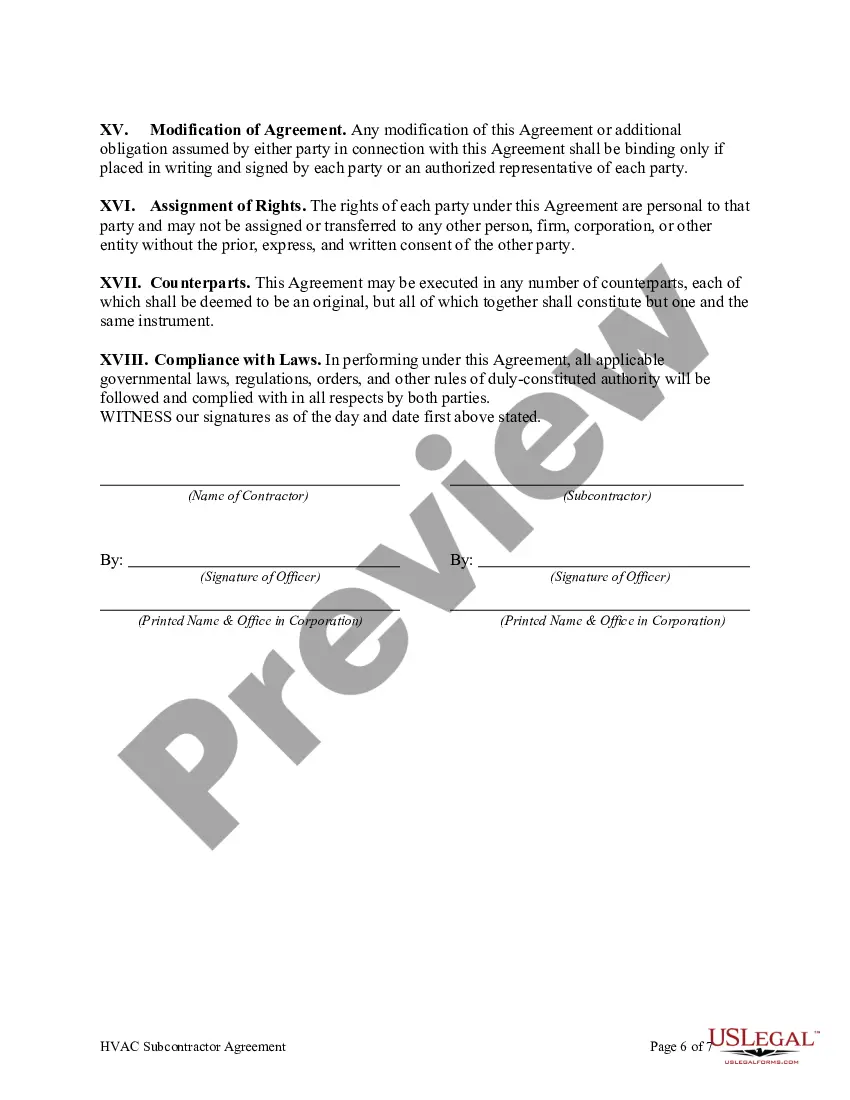
It is easy to obtain or print the Michigan HVAC Subcontractor Agreement from the service.
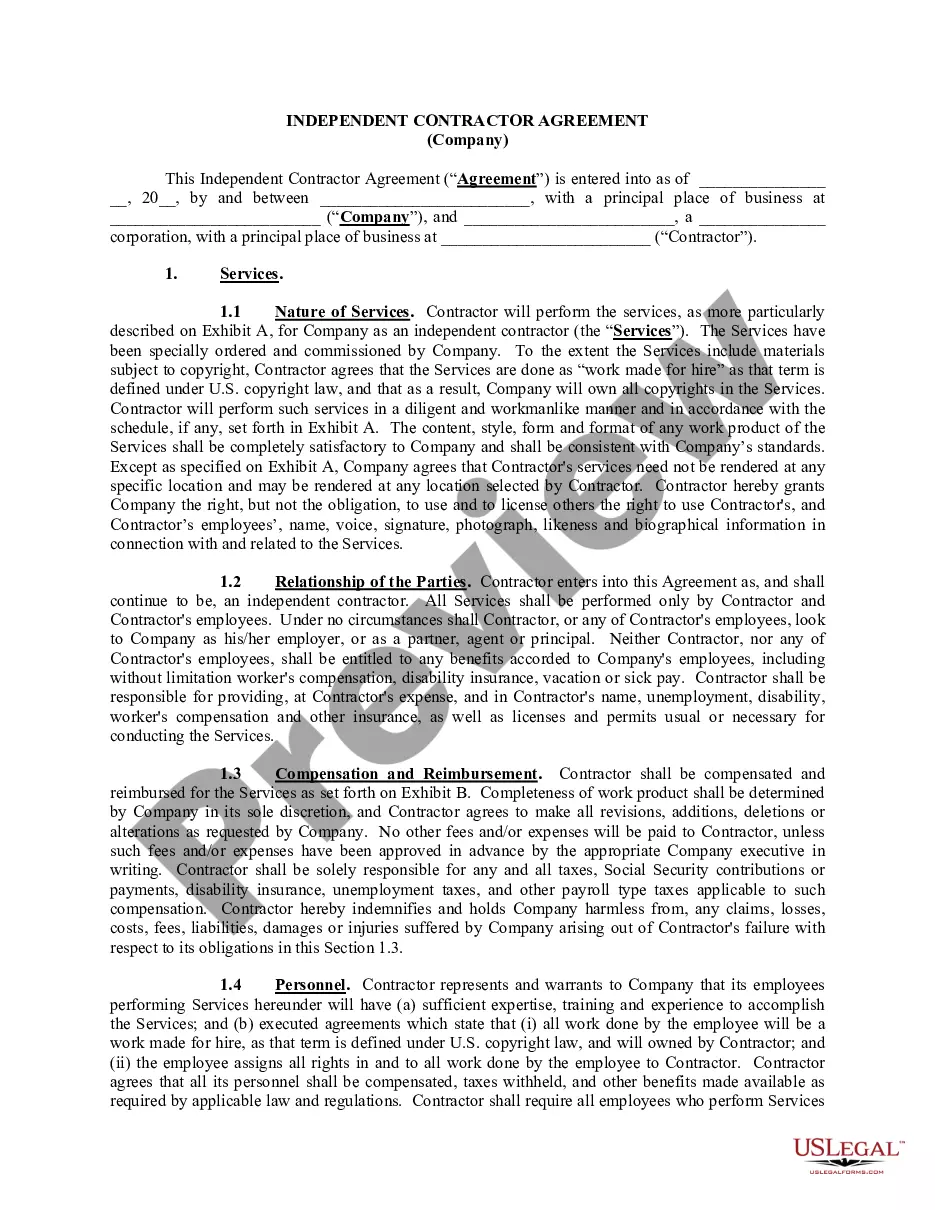
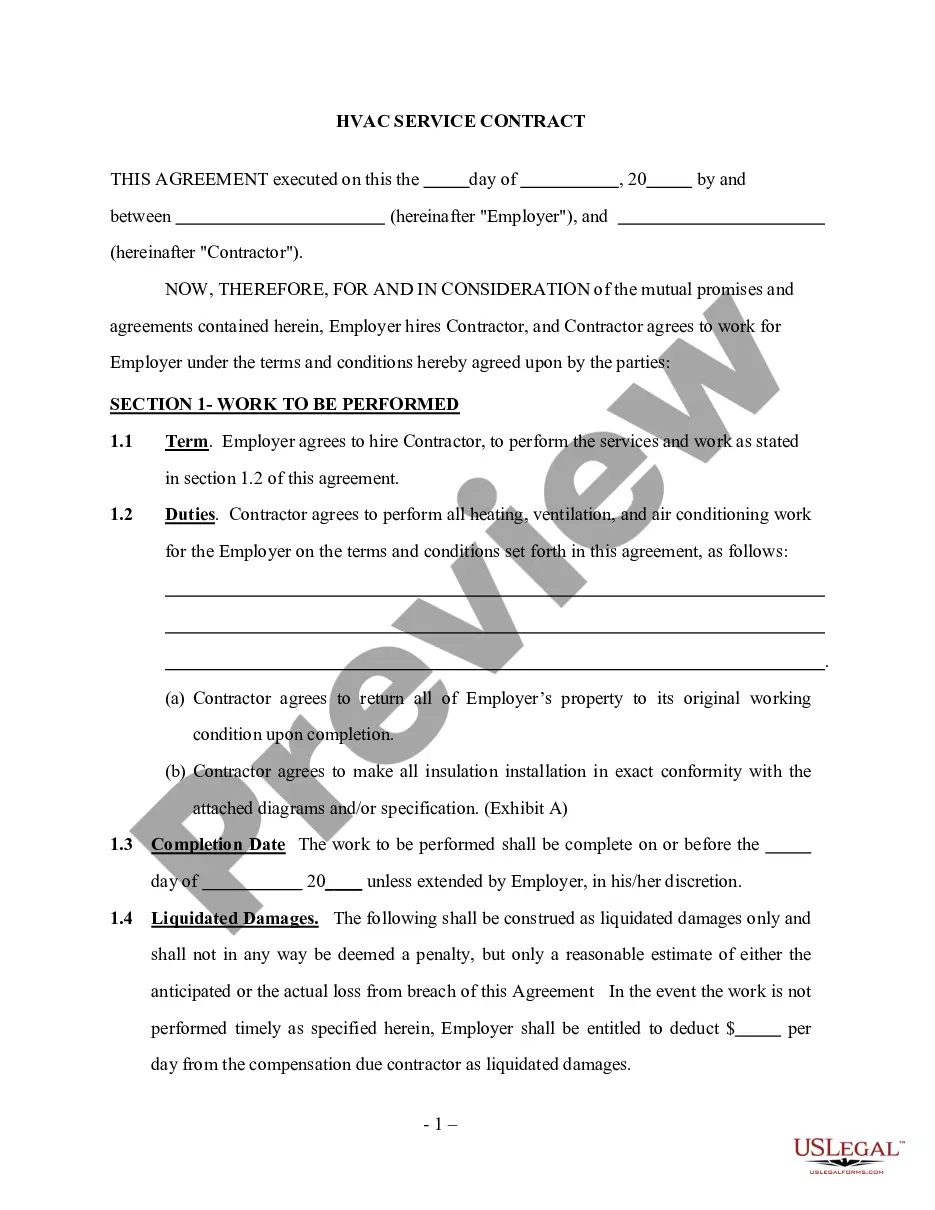
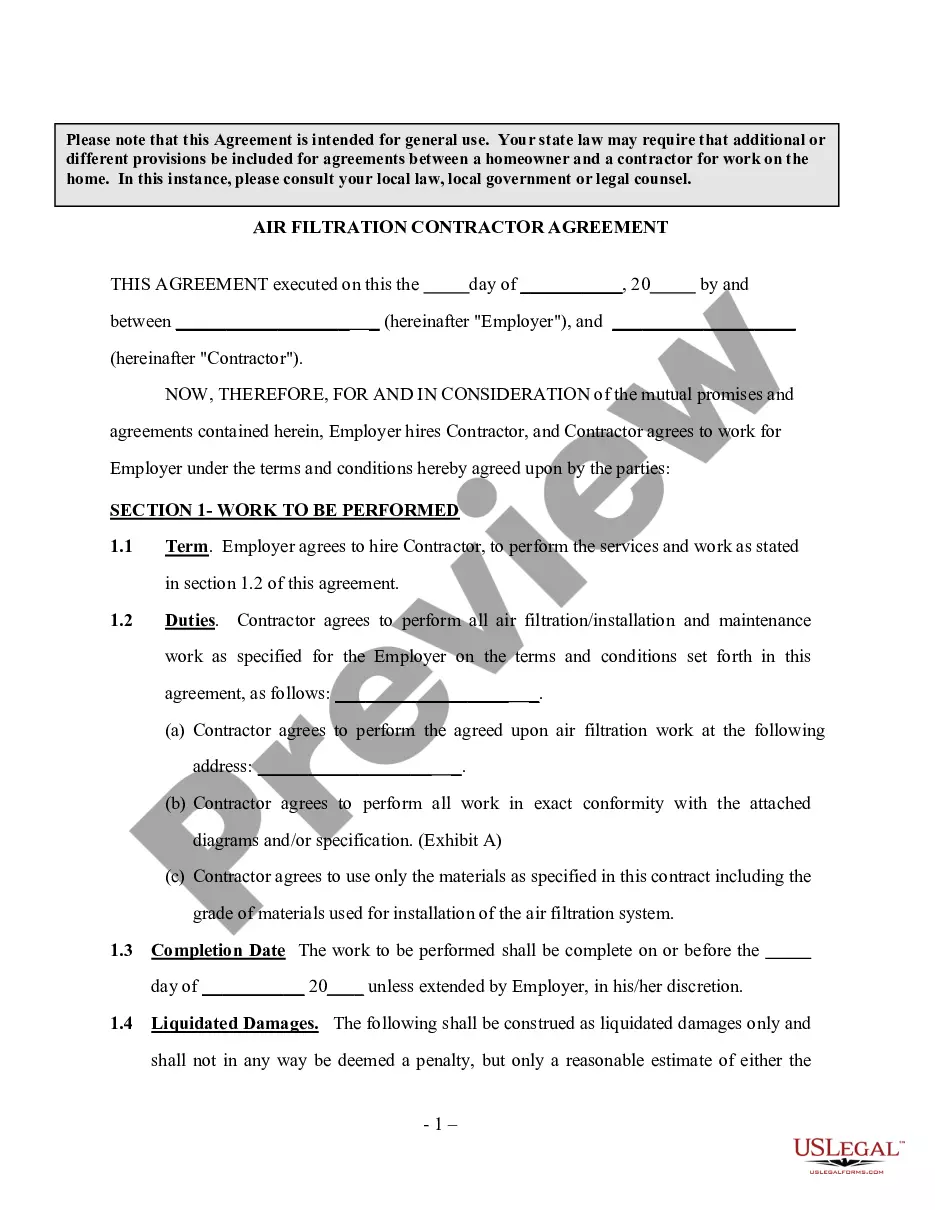
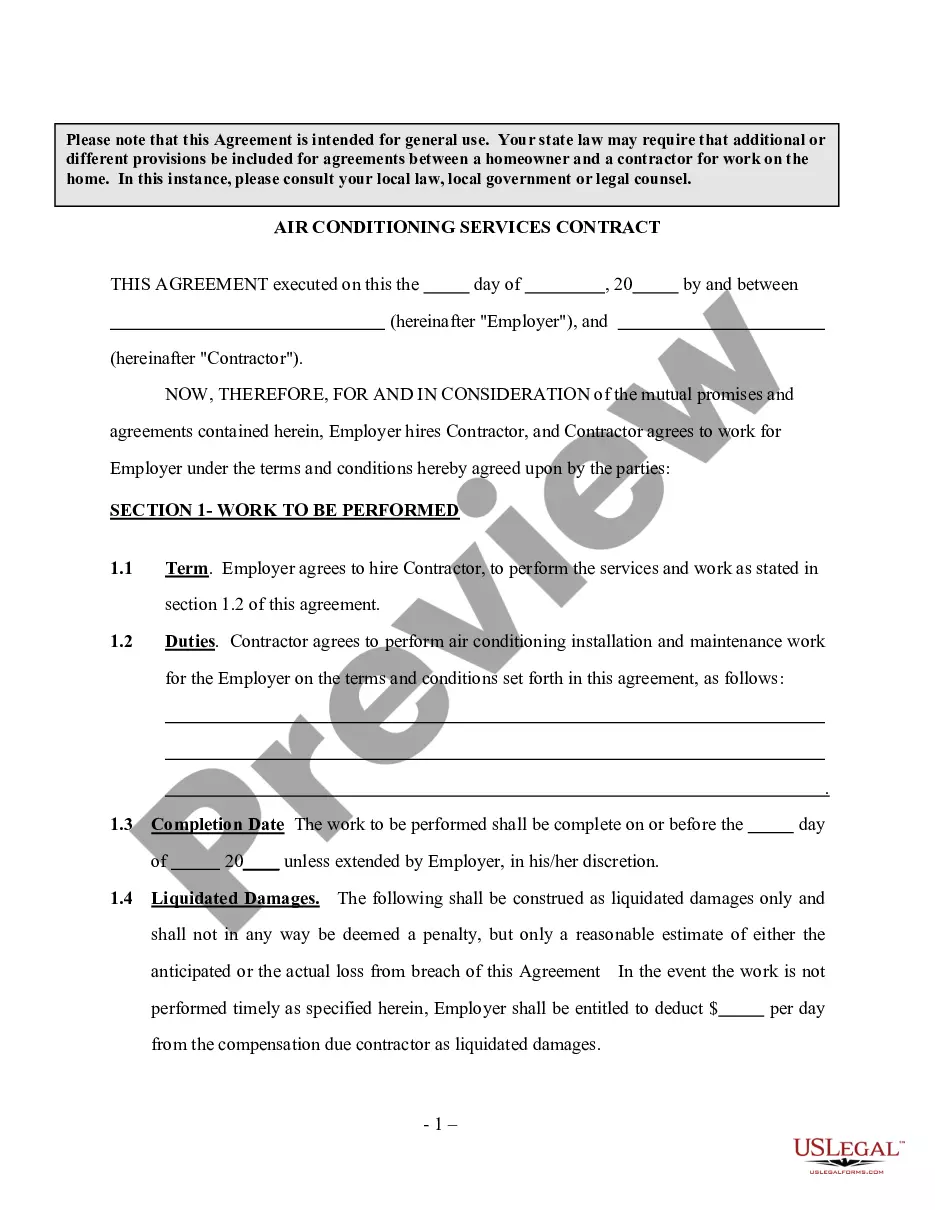
Browse the form description to make sure you have chosen the right format. If available, use the Preview button to view the document template simultaneously.
- If you already have a US Legal Forms account, you can Log In and click on the Obtain button.
- Then, you can fill out, modify, print, or sign the Michigan HVAC Subcontractor Agreement.
- Every legal document template you receive is yours permanently.
- To retrieve another copy of the purchased form, go to the My documents section and click on the respective button.
- If you are using the US Legal Forms website for the first time, follow the simple instructions below.
- First, ensure you have selected the correct document template for the state/city of your choice.
Form popularity
FAQ
When determining how much a contractor should make off a subcontractor, consider industry standards and your specific project requirements. Typically, contractors earn a percentage of the subcontractor’s fees, often ranging from 10% to 30%. It's essential to discuss and agree on these terms upfront, ensuring clarity in the Michigan HVAC Subcontractor Agreement to maintain a positive working relationship.
Filling out a Michigan HVAC Subcontractor Agreement involves several key steps. First, clearly identify the parties involved, including the contractor and subcontractor. Next, outline the scope of work, payment terms, and deadlines. Additionally, ensure you include any relevant clauses, such as confidentiality and termination terms, to protect both parties.
To obtain a subcontract for your project, start by identifying your main contractor. You can then discuss specific terms and conditions that suit both parties. It's essential to draft a Michigan HVAC Subcontractor Agreement that outlines the scope of work, payment terms, and timelines. Using platforms like US Legal Forms can simplify this process, as they provide customizable templates to create a solid contract that meets legal standards.
HVAC subcontractors in Michigan typically earn a competitive wage, which can vary based on factors such as experience, location, and job complexity. On average, earnings can range from $50,000 to $80,000 annually. Creating a transparent Michigan HVAC Subcontractor Agreement can help define compensation structures and expectations, leading to better financial outcomes for both parties.
In Michigan, whether a subcontractor needs a license depends on the type of work they will perform. HVAC subcontractors must typically hold a valid license to operate legally. It is crucial to verify the licensing requirements specific to the tasks outlined in your Michigan HVAC Subcontractor Agreement to avoid any legal issues.
The three main types of subcontractors include general subcontractors, specialty subcontractors, and trade subcontractors. General subcontractors manage large projects, while specialty subcontractors focus on specific tasks, such as electrical work or plumbing. Trade subcontractors perform skilled labor in particular trades, including HVAC. Recognizing these distinctions can help you choose the right subcontractor for your Michigan HVAC projects.
Creating a Michigan HVAC Subcontractor Agreement involves several key steps. First, outline the project details, including start and completion dates, payment schedules, and specific tasks for the subcontractor. You can use template services, like USLegalForms, to help simplify this process and ensure you comply with local laws. Tailoring the agreement to your unique situation will enhance its effectiveness.
While it is not legally required to have a subcontractor agreement in Michigan, it is highly advisable. A Michigan HVAC Subcontractor Agreement protects both the contractor and subcontractor by outlining expectations and responsibilities. This document can prevent misunderstandings and disputes down the road, making it an essential tool for successful project management.
To write a Michigan HVAC Subcontractor Agreement, start with a clear title and date. Include the names and addresses of all parties involved and define the scope of work to be completed. It is also important to specify payment terms, timelines, and responsibilities to ensure clarity on both sides. Always consider consulting a legal professional to tailor the agreement to your specific needs.
Filling out a Michigan HVAC Subcontractor Agreement involves detailing the scope of work, payment terms, and project timelines. Start by clearly identifying the parties involved and the specific tasks required. It's also beneficial to consult legal resources, such as US Legal Forms, to ensure that your agreement meets all legal requirements and protects your interests.