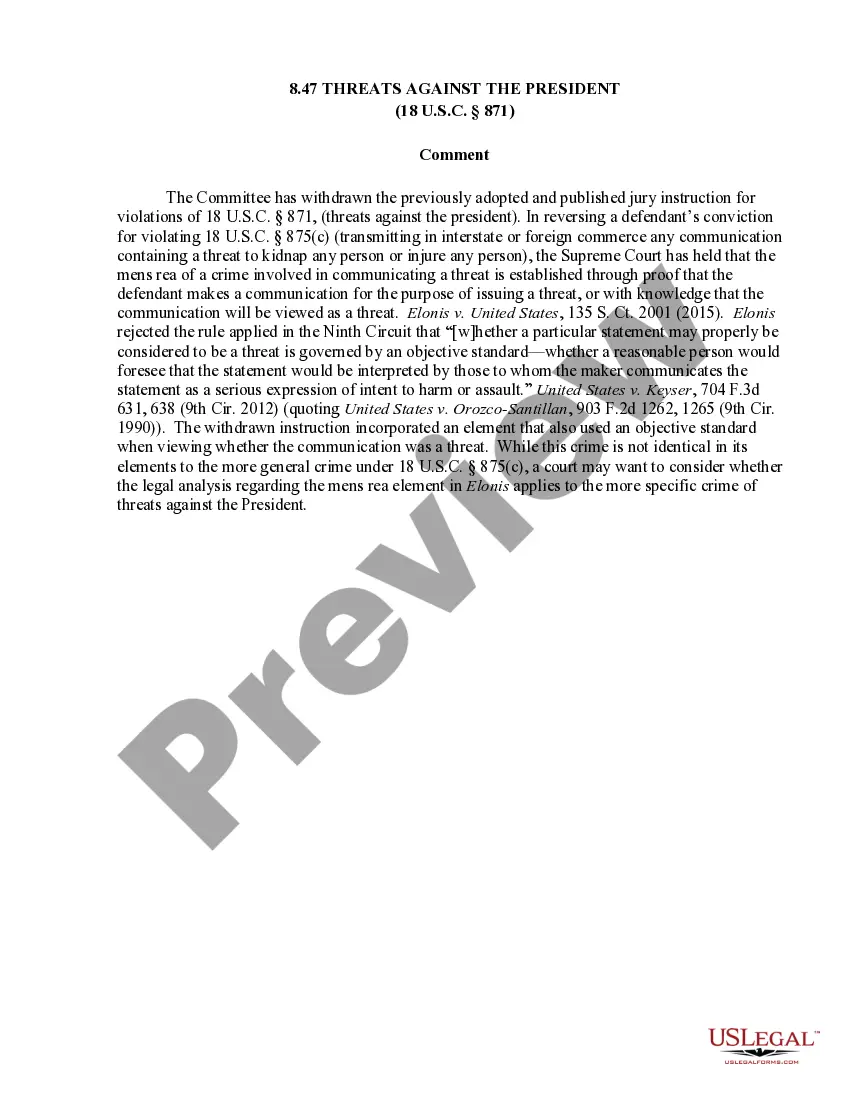
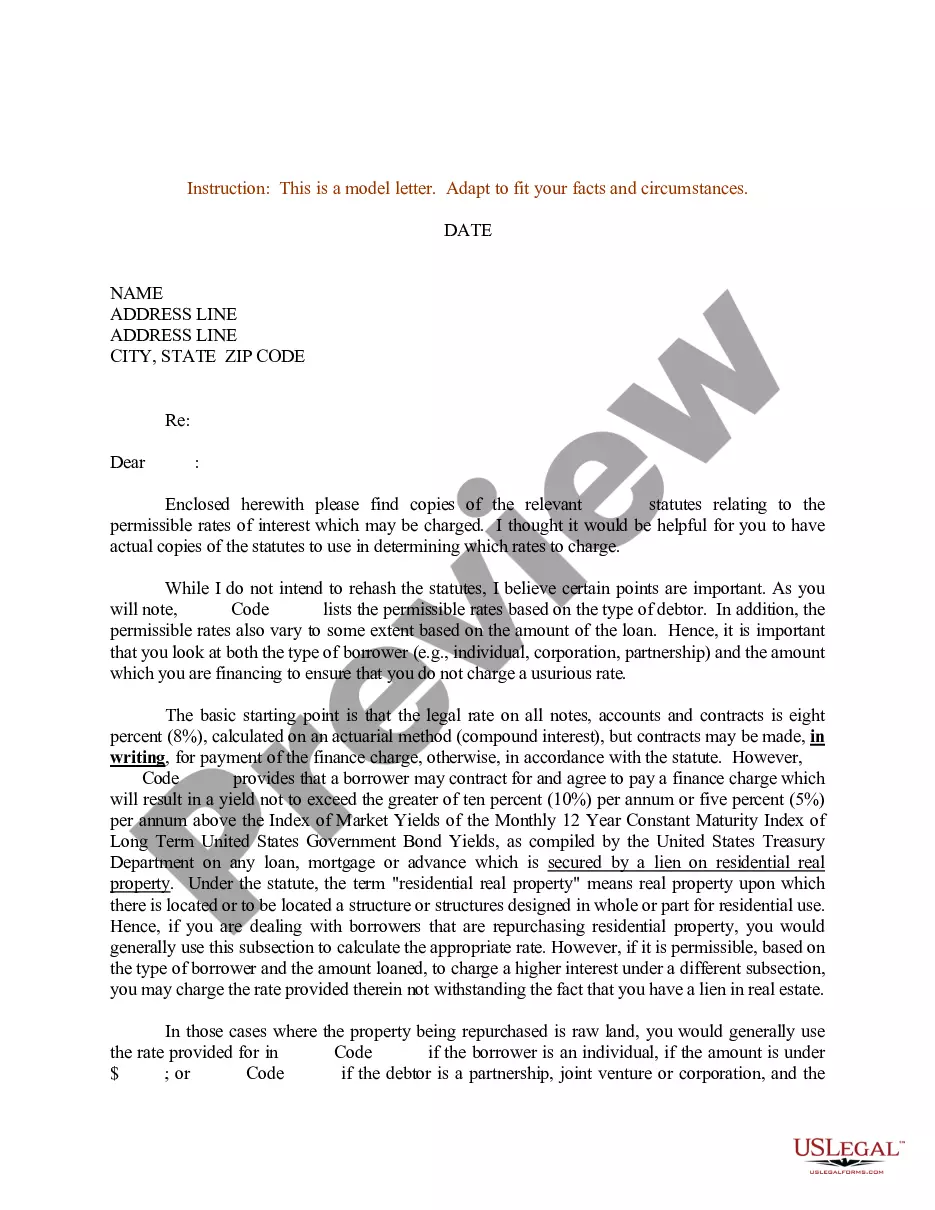
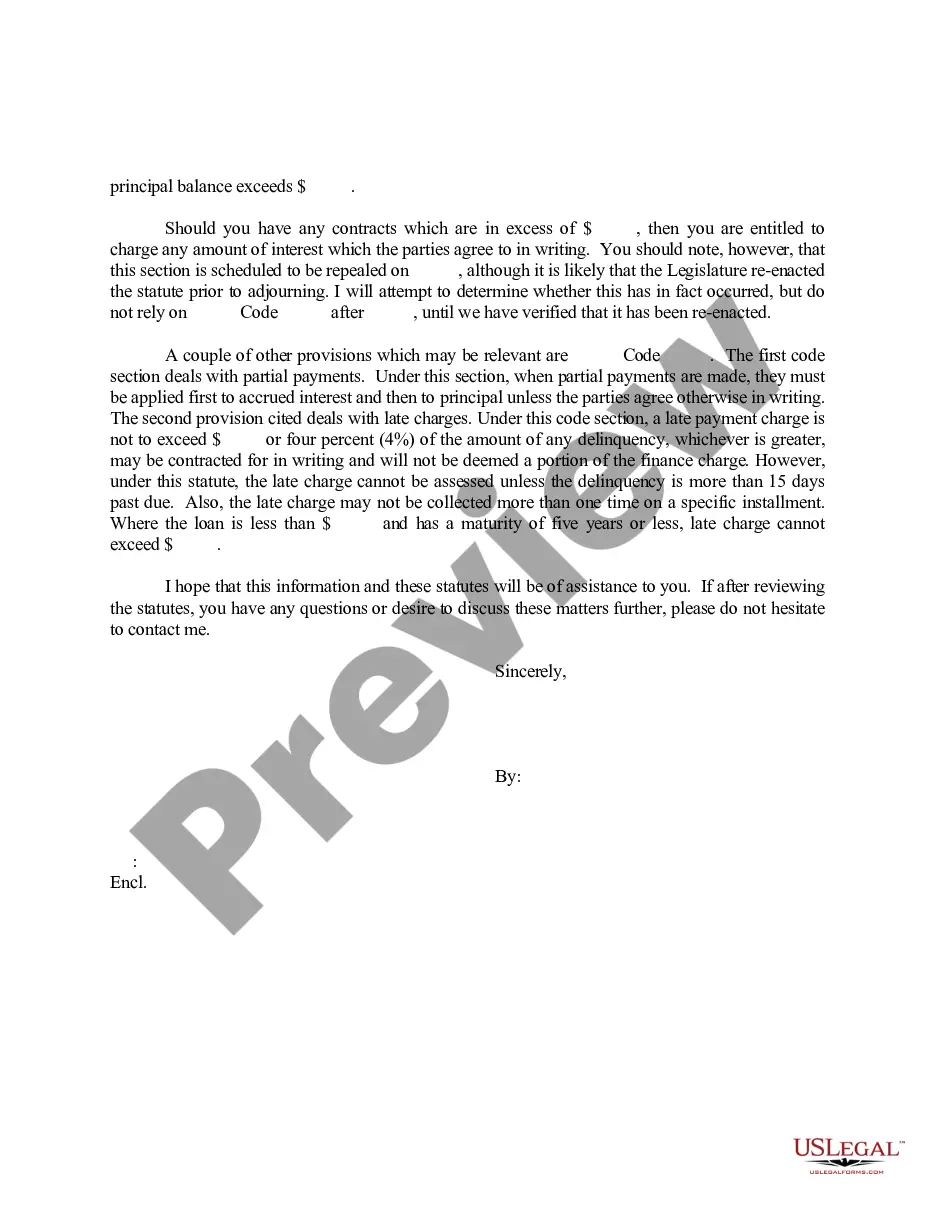
Michigan Sample Letter Stating Interest Statutes
Description

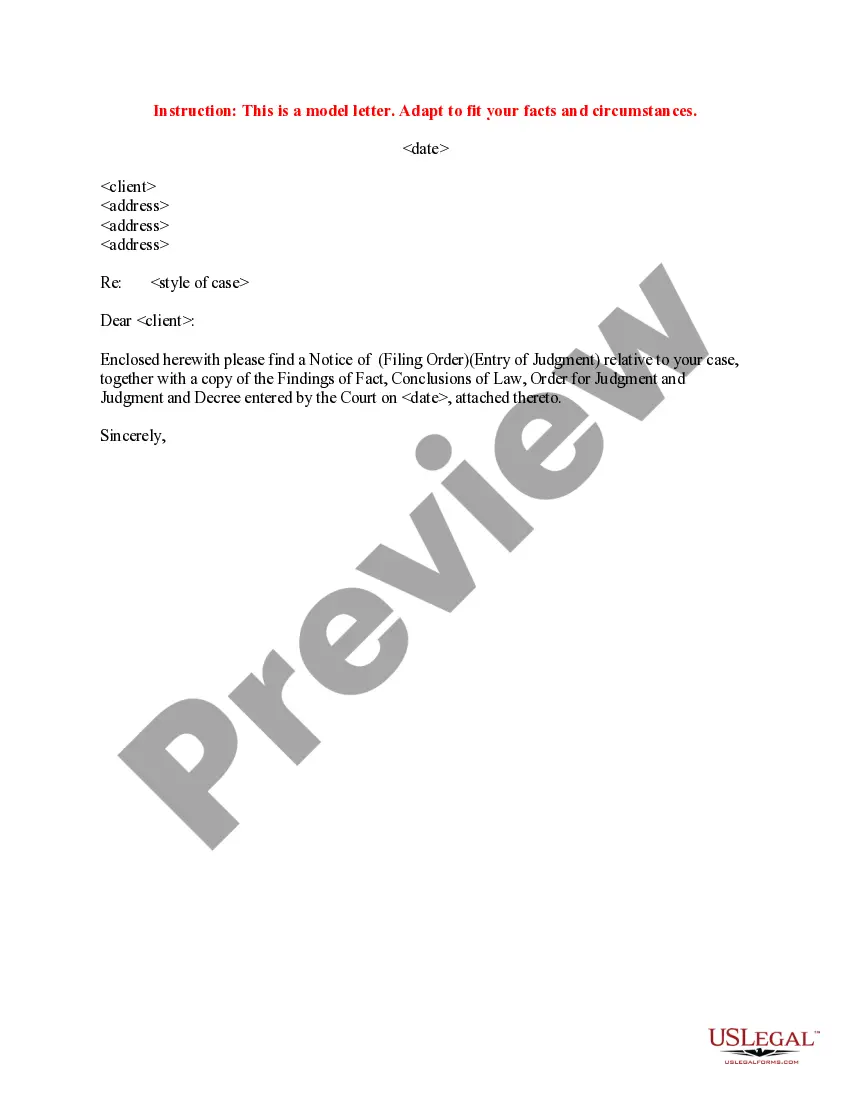
Get your form ready online
Our built-in tools help you complete, sign, share, and store your documents in one place.
Make edits, fill in missing information, and update formatting in US Legal Forms—just like you would in MS Word.
Download a copy, print it, send it by email, or mail it via USPS—whatever works best for your next step.
Sign and collect signatures with our SignNow integration. Send to multiple recipients, set reminders, and more. Go Premium to unlock E-Sign.
If this form requires notarization, complete it online through a secure video call—no need to meet a notary in person or wait for an appointment.
We protect your documents and personal data by following strict security and privacy standards.

Make edits, fill in missing information, and update formatting in US Legal Forms—just like you would in MS Word.

Download a copy, print it, send it by email, or mail it via USPS—whatever works best for your next step.

Sign and collect signatures with our SignNow integration. Send to multiple recipients, set reminders, and more. Go Premium to unlock E-Sign.

If this form requires notarization, complete it online through a secure video call—no need to meet a notary in person or wait for an appointment.

We protect your documents and personal data by following strict security and privacy standards.
Looking for another form?
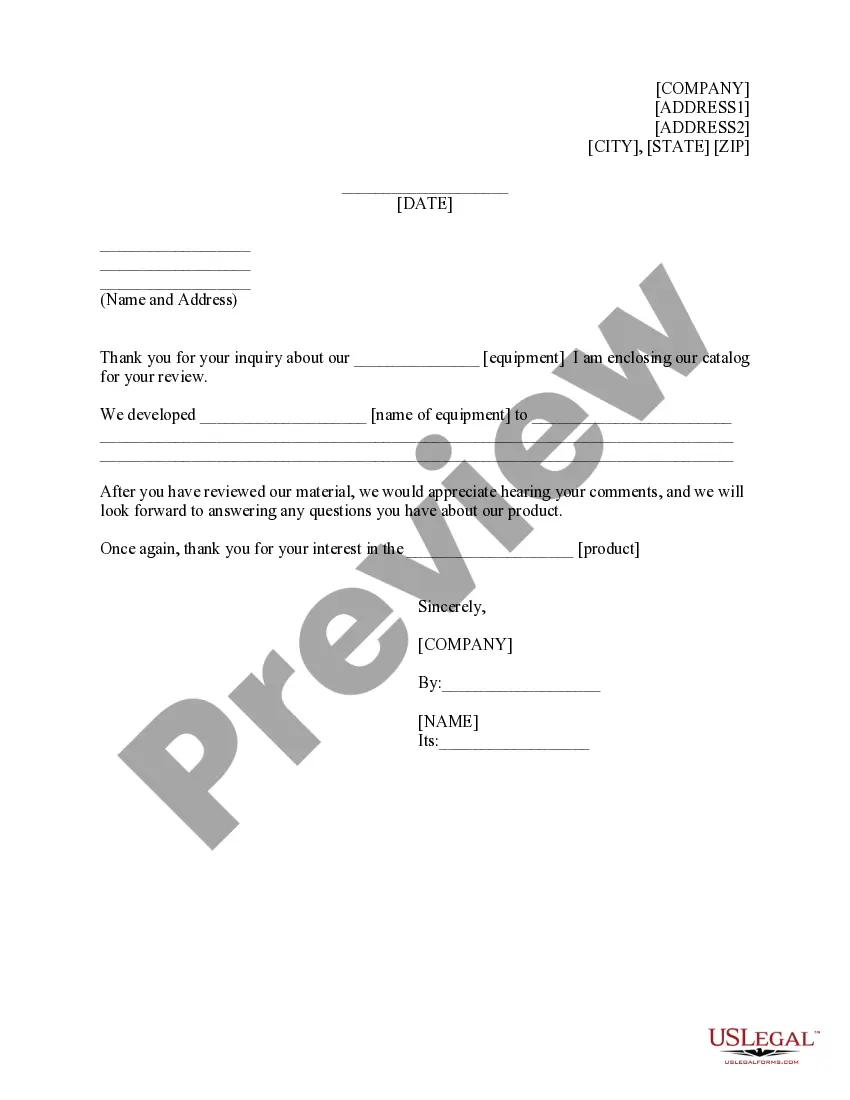






How to fill out Sample Letter Stating Interest Statutes?
US Legal Forms - one of the largest repositories of legal documents in the United States - provides a vast selection of legal document templates that you can download or print. While navigating the website, you can find thousands of forms for business and personal use, organized by categories, states, or keywords. You can locate the most recent versions of forms such as the Michigan Sample Letter Stating Interest Statutes in moments.
If you possess a monthly subscription, Log In and download the Michigan Sample Letter Stating Interest Statutes from the US Legal Forms database. The Download button will appear on each form you view. You can access all previously saved forms from the My documents section of your account.
To utilize US Legal Forms for the first time, here are straightforward guidelines to get started: Ensure you have selected the correct form for your area/county. Click the Preview button to examine the form's content. Review the form description to ensure you have chosen the right form. If the form does not meet your needs, use the Search field at the top of the screen to find one that does. Once you are satisfied with the form, confirm your selection by clicking the Get now button. Then, select the pricing plan that suits you and provide your credentials to register for an account. Process the transaction. Use your credit card or PayPal account to complete the transaction. Choose the format and download the form to your device. Make modifications. Fill out, edit, print, and sign the saved Michigan Sample Letter Stating Interest Statutes. Each template you add to your account does not expire and belongs to you indefinitely. Therefore, if you wish to download or print another copy, simply visit the My documents section and click on the form you need. Access the Michigan Sample Letter Stating Interest Statutes with US Legal Forms, the most extensive collection of legal document templates. Utilize thousands of professional and state-specific templates that fulfill your business or personal requirements and specifications.
- US Legal Forms.
- largest repositories.
- legal documents.
- vast selection.
- business and personal use.
- correct form.
Form popularity
FAQ
Parties realize that letters of intent are not binding. ingly, include language in your letter of intent that affirms it is not binding and that negotiations may be terminated at any time by either party in their sole discretion.
No, a Will does not have to be notarized in order for it to be legally valid in Michigan. However, it is an optional action step that you can take if you wish for your Will to be self-proving. To do so, you and your witnesses must go to a notary public.
In order to get a Letter of Authority, you must open a Probate Estate and petition the Probate Court to become the Estate's Personal Representative. Once the court appoints you as the Personal Representative, you will be issued your Letter of Authority.
We will send a letter/notice if: You have an unpaid balance. You are due a larger or smaller refund. We have a question about your tax return. We need to verify your identity.
A letter of intent is generally an agreement to agree. It outlines the terms between parties who have not formalized an agreement into a contract. Letters of intent are generally not binding and enforceable. Such letters indicate an intention to do something at a later date.
Letters of intent are not legally binding, and don't extend full legal protection to contractual parties. However, if not stated clearly, they can become legally binding, might not always be desirable?especially if the agreement is still pending approval by both parties.
Letter of Intent in Michigan In Michigan, the parties to an LOI can be contractually obligated to complete the transaction contemplated by the prospective deal, even if they never intended the LOI to constitute the complete agreement.
Yes, it is possible to break a letter of intent. Violating an agreement could result in civil or criminal charges depending on the wording and nature of the letter itself. If one party does not adhere to the letter's conditions, the other can sue for breach of contract.