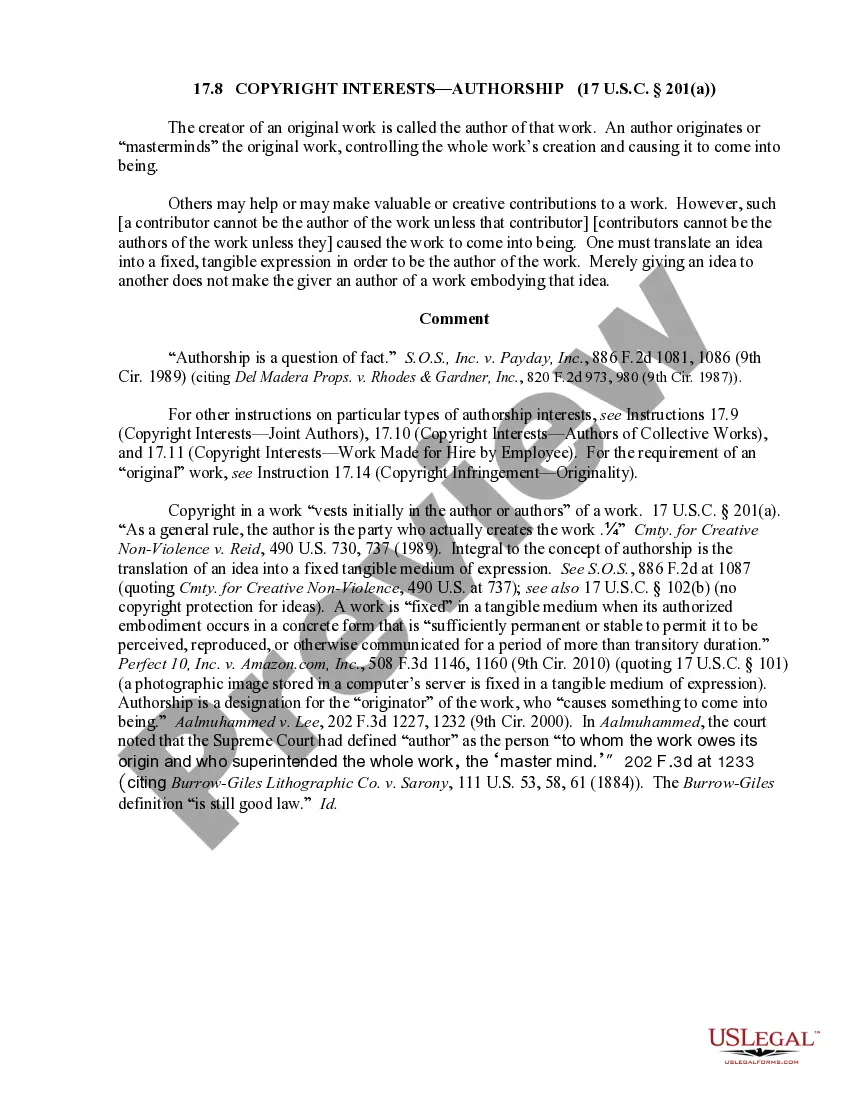
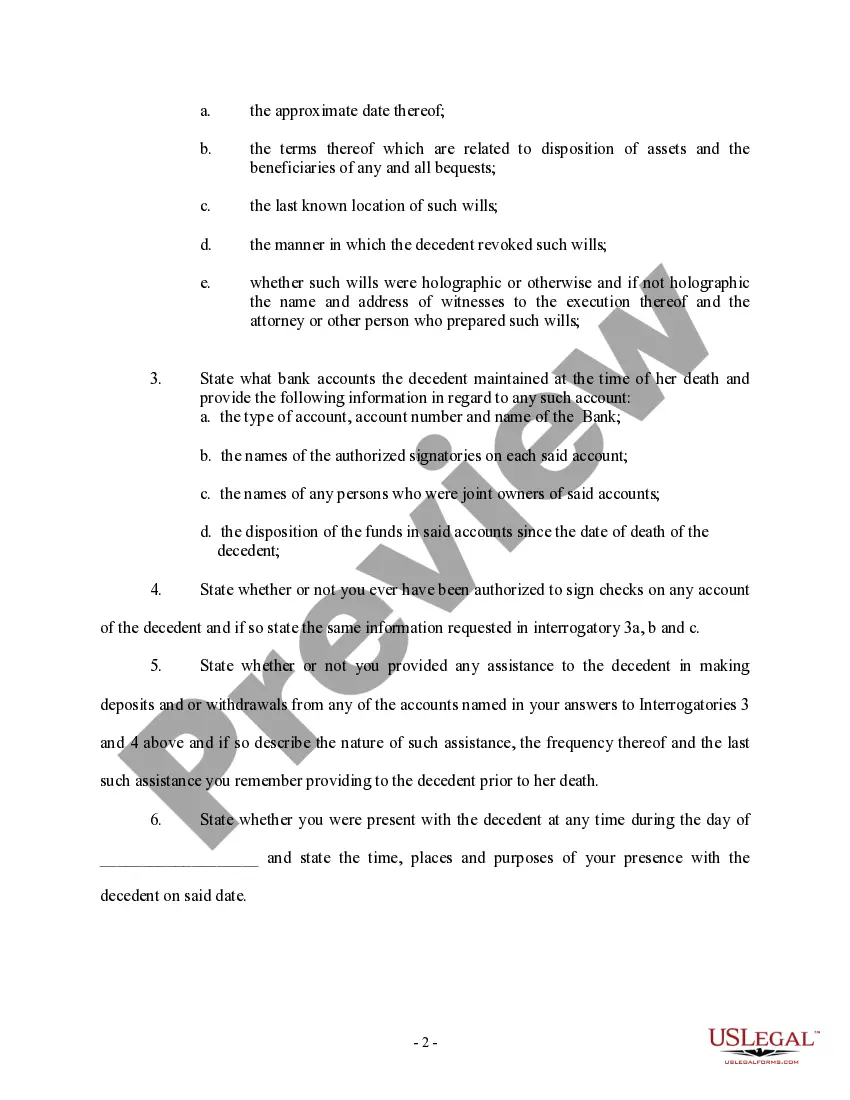
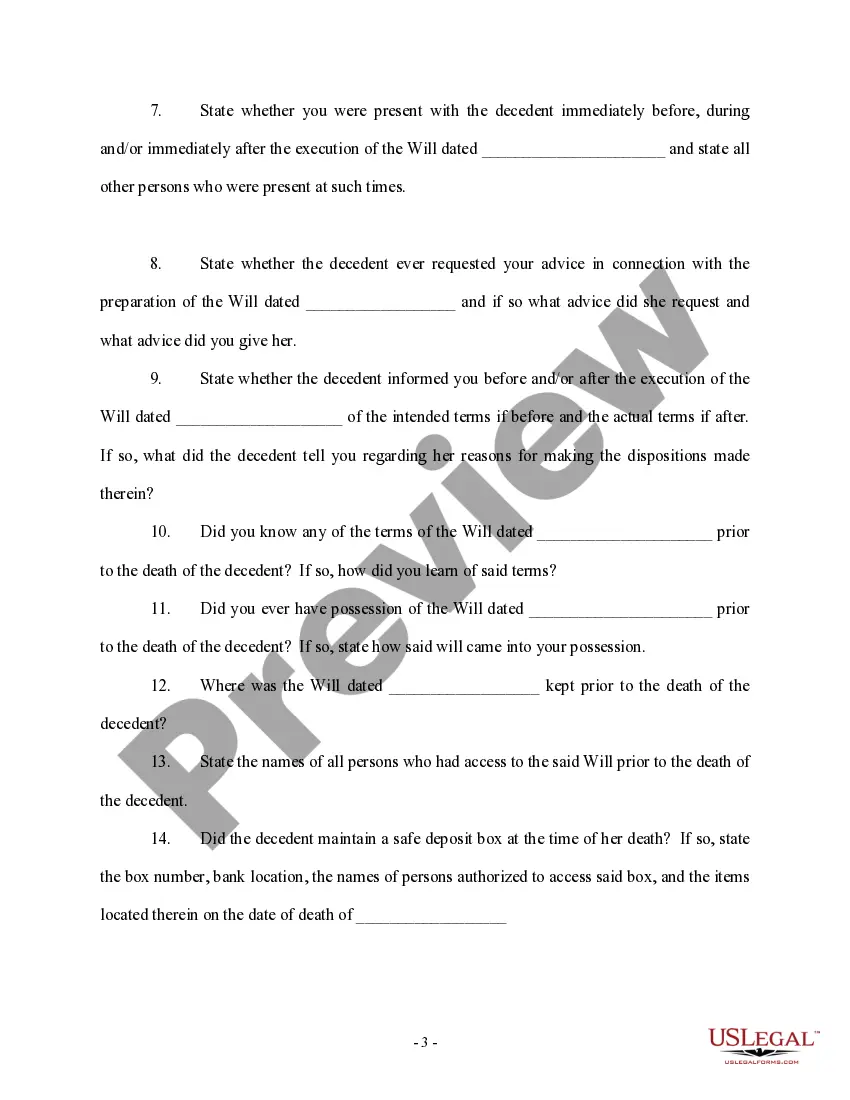
Michigan Interrogatories
Description
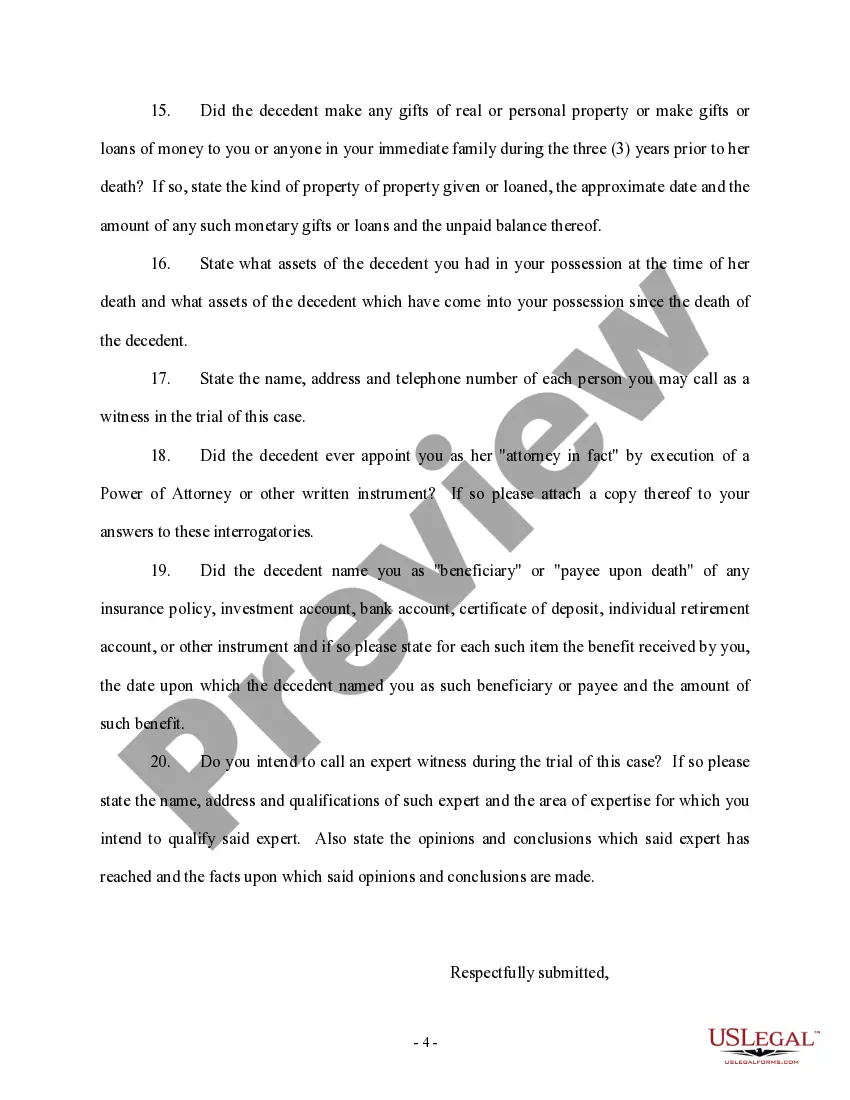
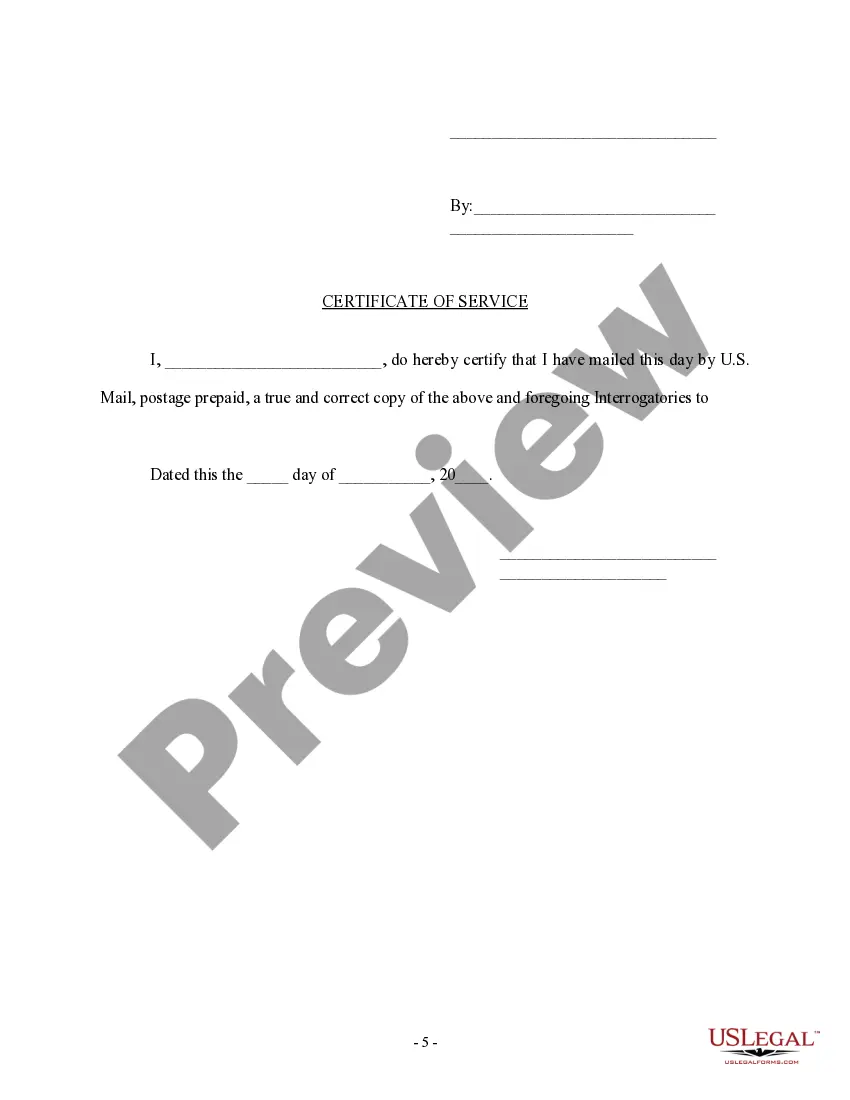
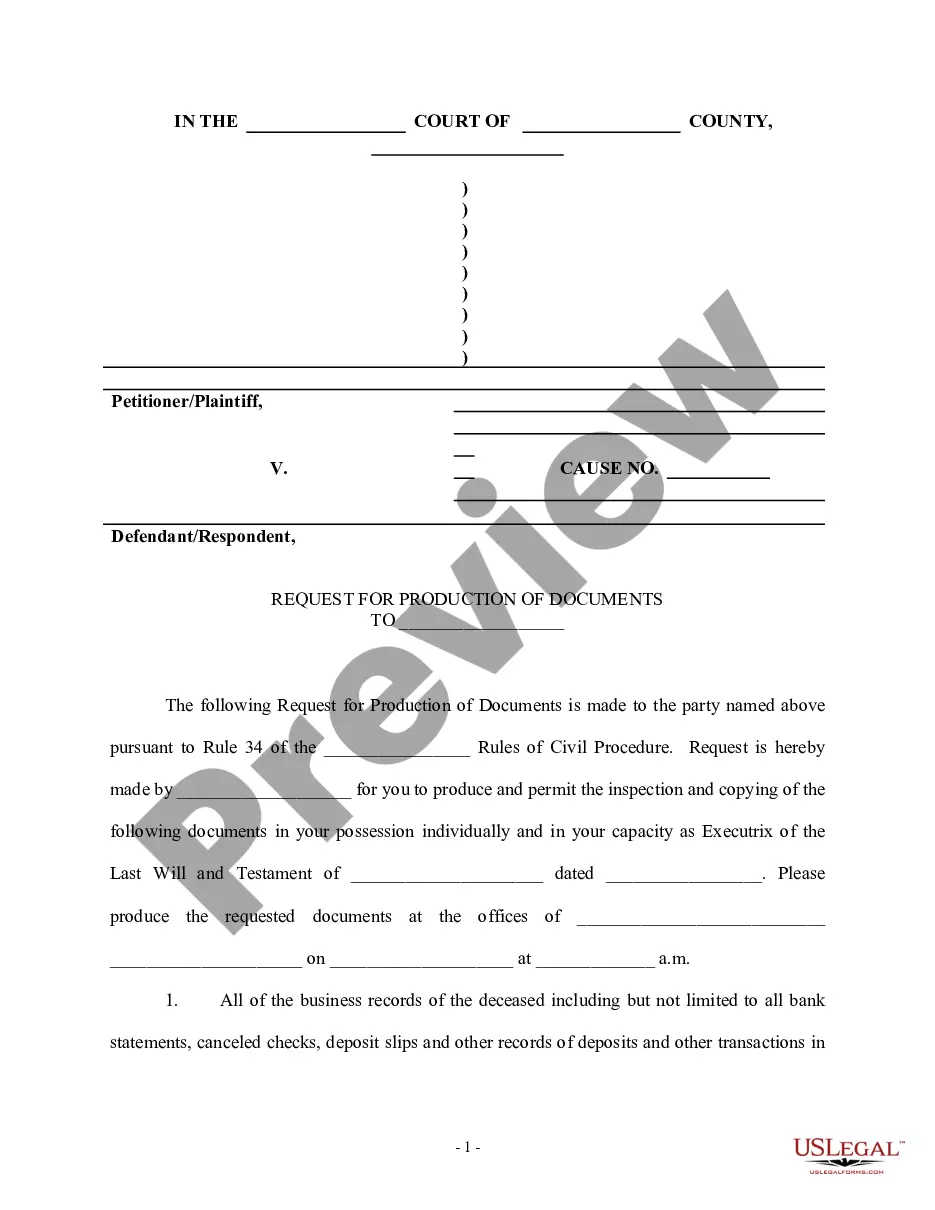
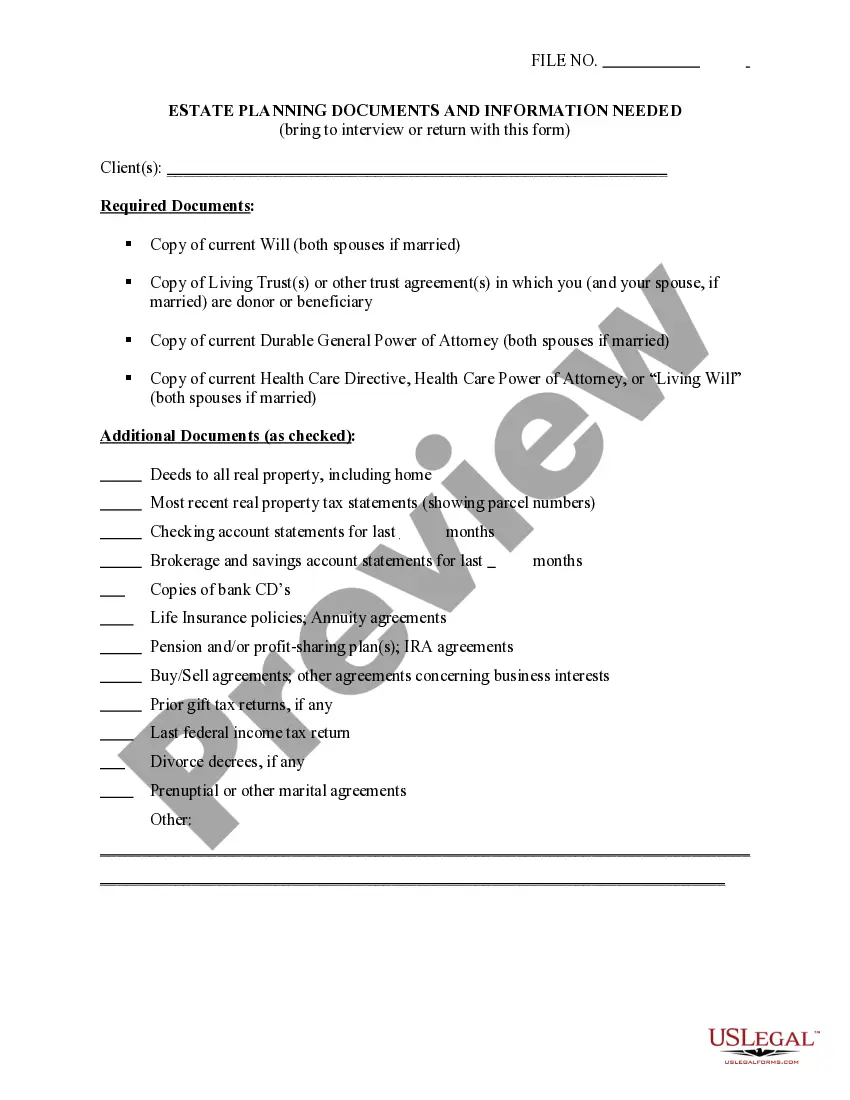
Get your form ready online
Our built-in tools help you complete, sign, share, and store your documents in one place.
Make edits, fill in missing information, and update formatting in US Legal Forms—just like you would in MS Word.
Download a copy, print it, send it by email, or mail it via USPS—whatever works best for your next step.
Sign and collect signatures with our SignNow integration. Send to multiple recipients, set reminders, and more. Go Premium to unlock E-Sign.
If this form requires notarization, complete it online through a secure video call—no need to meet a notary in person or wait for an appointment.
We protect your documents and personal data by following strict security and privacy standards.

Make edits, fill in missing information, and update formatting in US Legal Forms—just like you would in MS Word.

Download a copy, print it, send it by email, or mail it via USPS—whatever works best for your next step.

Sign and collect signatures with our SignNow integration. Send to multiple recipients, set reminders, and more. Go Premium to unlock E-Sign.

If this form requires notarization, complete it online through a secure video call—no need to meet a notary in person or wait for an appointment.

We protect your documents and personal data by following strict security and privacy standards.
Looking for another form?


How to fill out Interrogatories?
US Legal Forms - one of the largest collections of legal documents in the United States - provides a broad array of legal document templates that you can obtain or create.
Utilizing the website, you will access thousands of forms for business and personal purposes, organized by categories, states, or keywords. You can find the latest versions of documents such as the Michigan Interrogatories in moments.
If you already possess an account, Log In and retrieve Michigan Interrogatories from the US Legal Forms library. The Download button will be visible on every form you view. You can access all previously downloaded documents in the My documents section of your account.
Access the Michigan Interrogatories with US Legal Forms, the most extensive collection of legal document templates.
Utilize thousands of professional and state-specific templates that fulfill your business or personal requirements and specifications.
- Ensure you have selected the correct form for your city/county.
- Click the Review button to examine the form's content.
- Check the form summary to make sure you have selected the appropriate document.
- If the form does not suit your needs, use the Search box at the top of the screen to find one that does.
- Once you are satisfied with the form, confirm your choice by clicking the Get now button.
- Then, choose your preferred payment plan and provide your details to register for an account.
- Process the transaction.
- Use your credit card or PayPal account to complete the transaction.
- Select the format and download the document to your device.
- Make edits.
- Fill out, modify, print, and sign the downloaded Michigan Interrogatories.
- Every template you add to your account has no expiration date and is yours permanently.
- So, if you wish to obtain or create another copy, simply visit the My documents section and click on the form you need.
Form popularity
FAQ
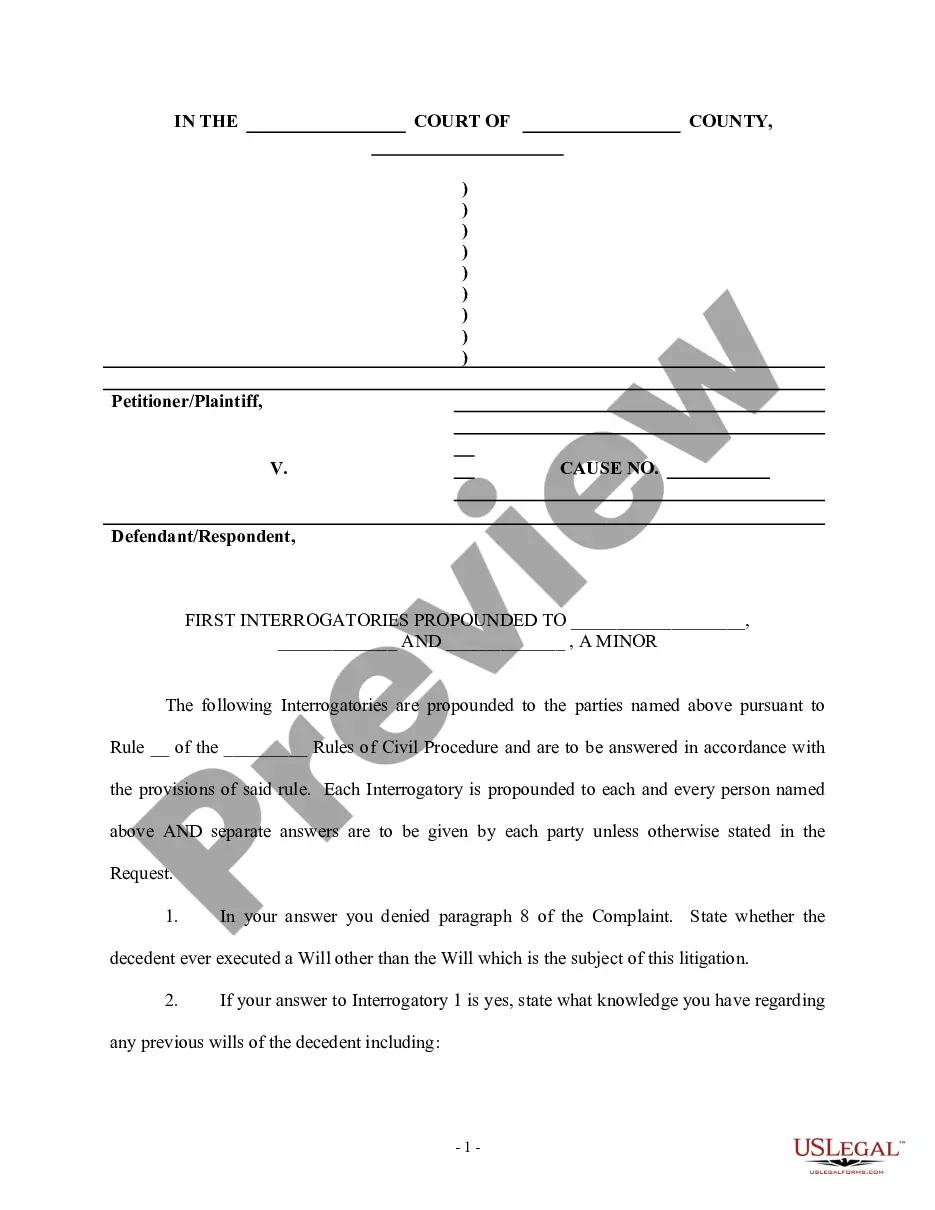
Since the questions are written, the witness may have more time to think and craft answers, rather than providing more candid answers during discovery. There is also no chance for back and forth questioning in an interrogatory, unless a subsequent deposition is scheduled.
Interrogatories are often preferable to depositions for identi- fying such things as witnesses, documents, the dates and sub- stance of transactions and conversations,3 since a deponent may easily forget or overlook relevant information when an- swering such questions.
How to Write Draft Interrogatories Brainstorm questions to ask the non-party related to the issues in the case. Identify relevant documents, witnesses, or other evidence that will be needed to answer the interrogatories. Draft the interrogatories in written form. Ensure the interrogatories are clear, concise and specific.
Answer only the question that is asked, and avoid the temptation to over-explain your answer. If the question contains several parts, you may break your answer into parts as well. It is also possible that you might object to the question.
You can use interrogatories to find out facts about a case but they cannot be used for questions that draw a legal conclusion.
What types of questions can I ask in interrogatories? Questions about the other party's position or arguments in the case. Questions about the facts of the case. Questions about the other party's knowledge or understanding of relevant events or circumstances. Questions about the other party's witnesses or experts.