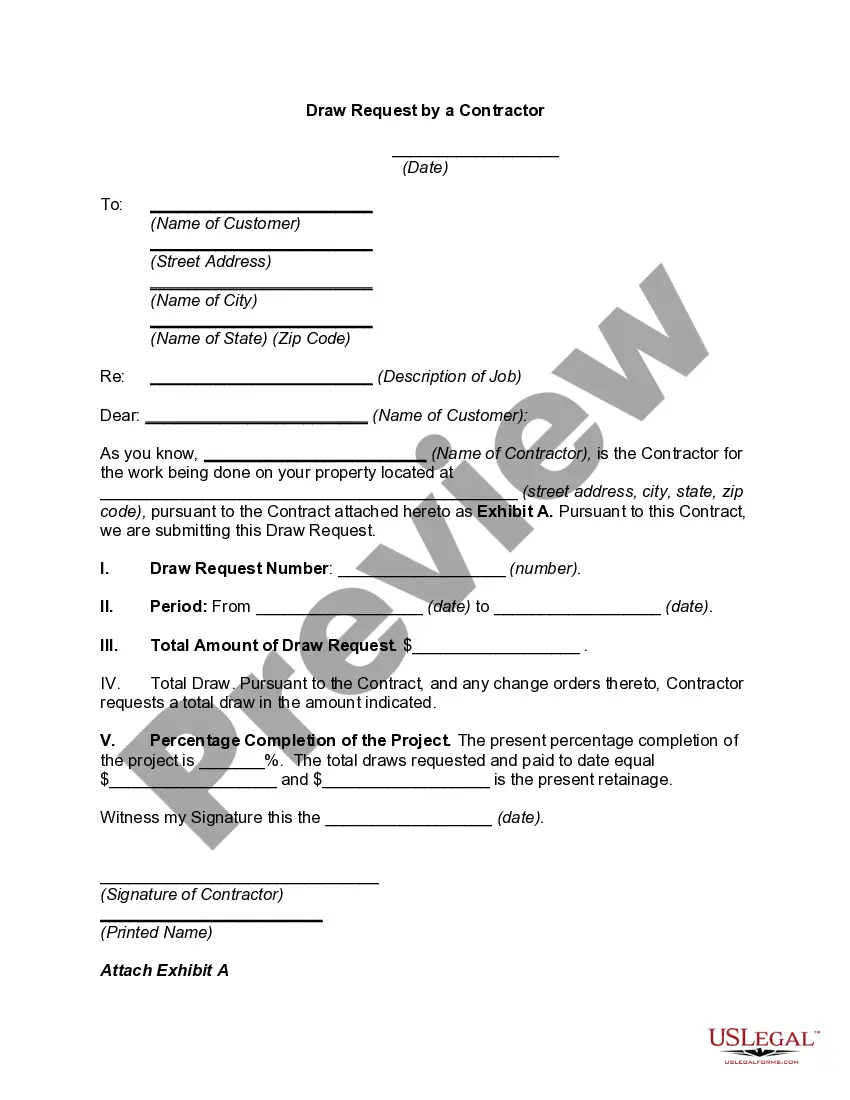
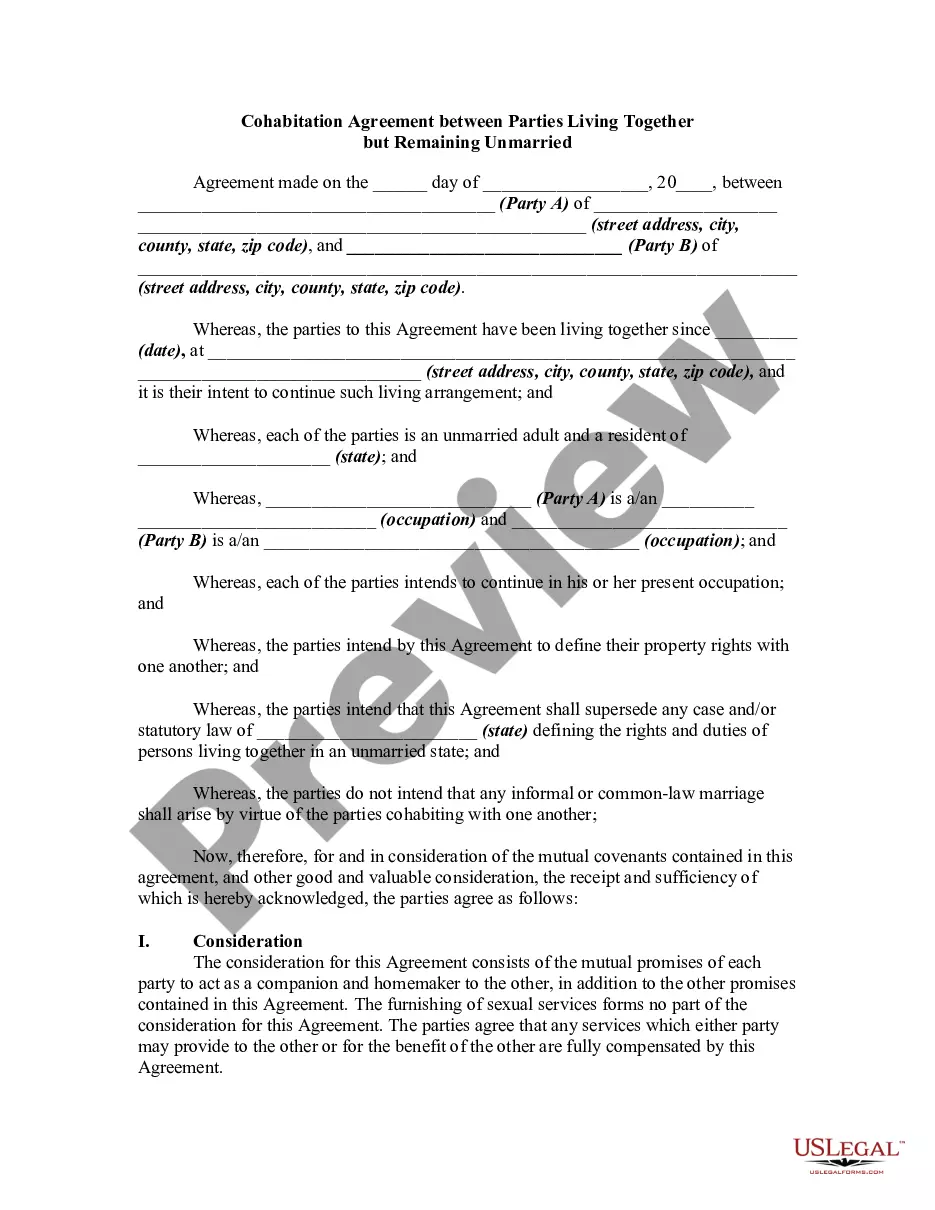
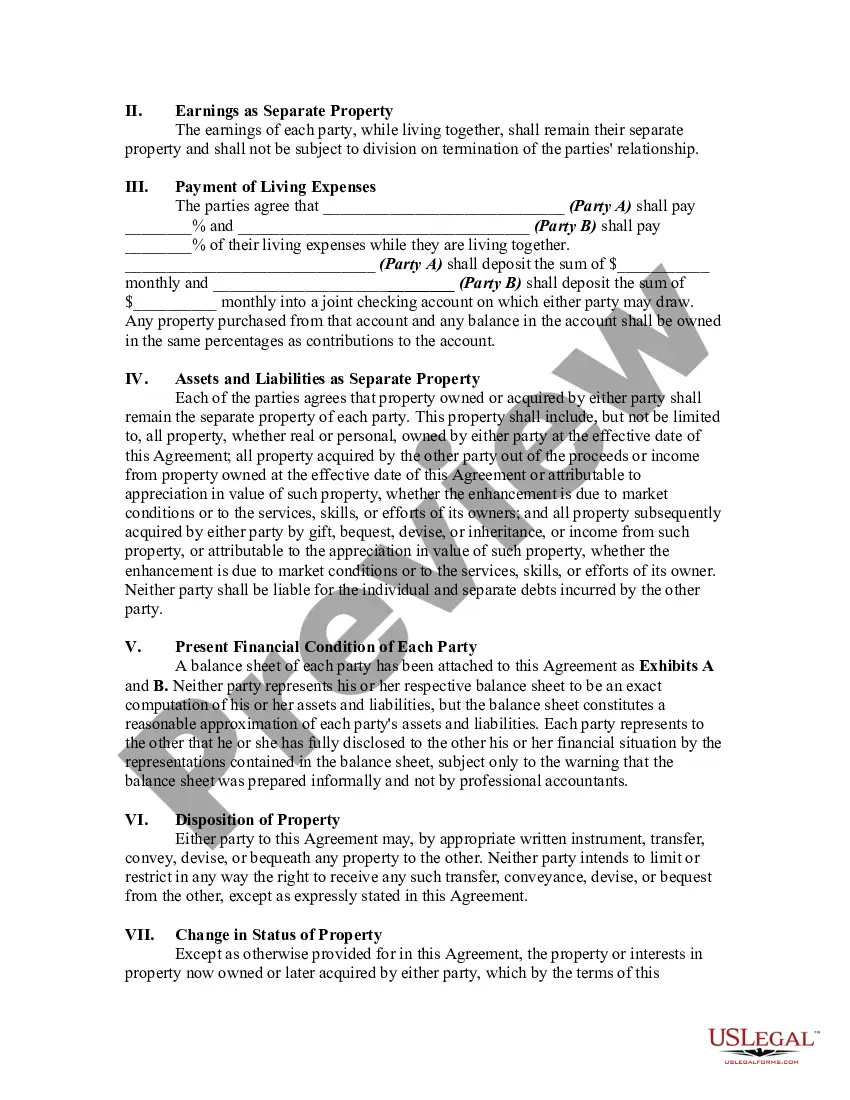
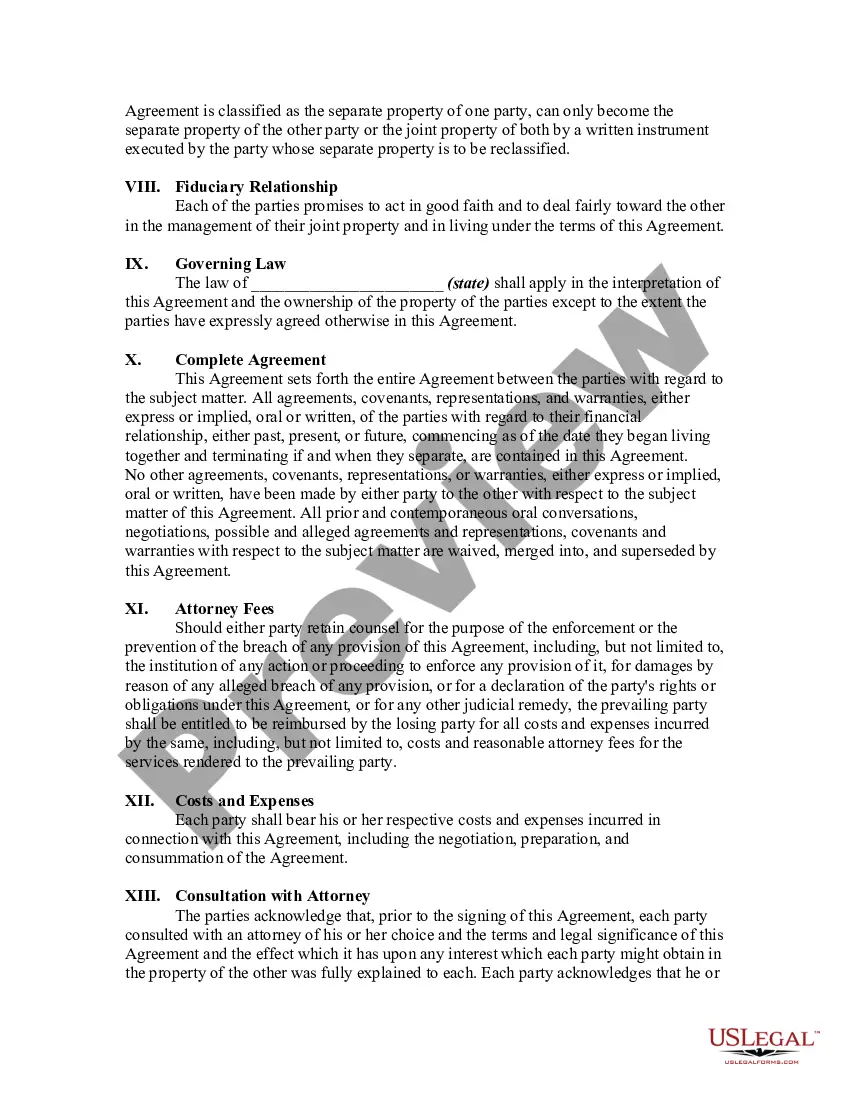
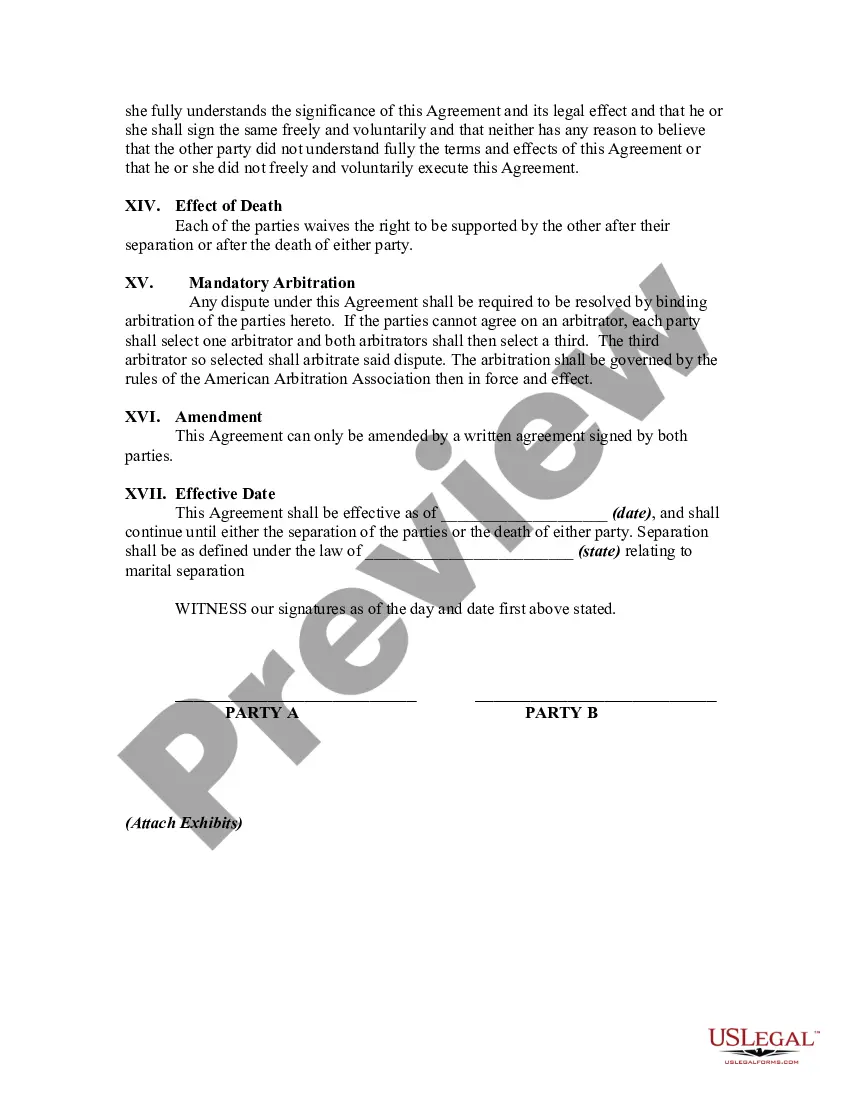
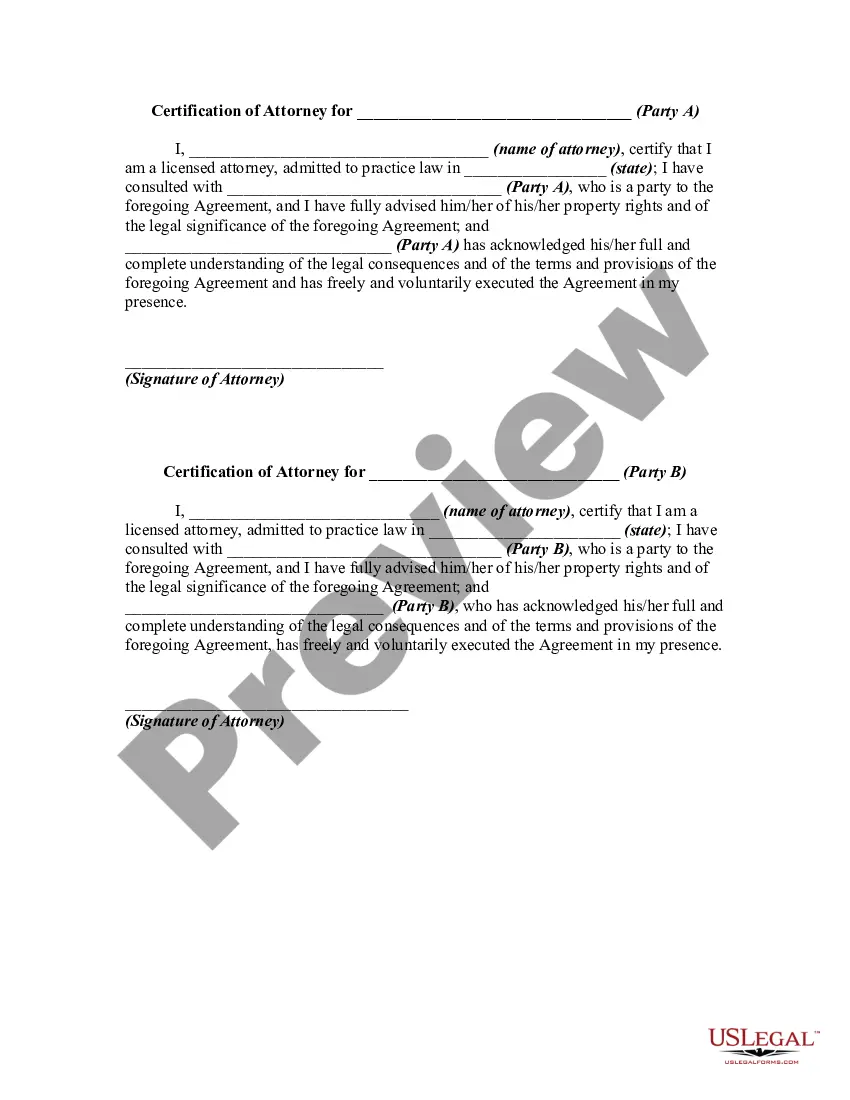
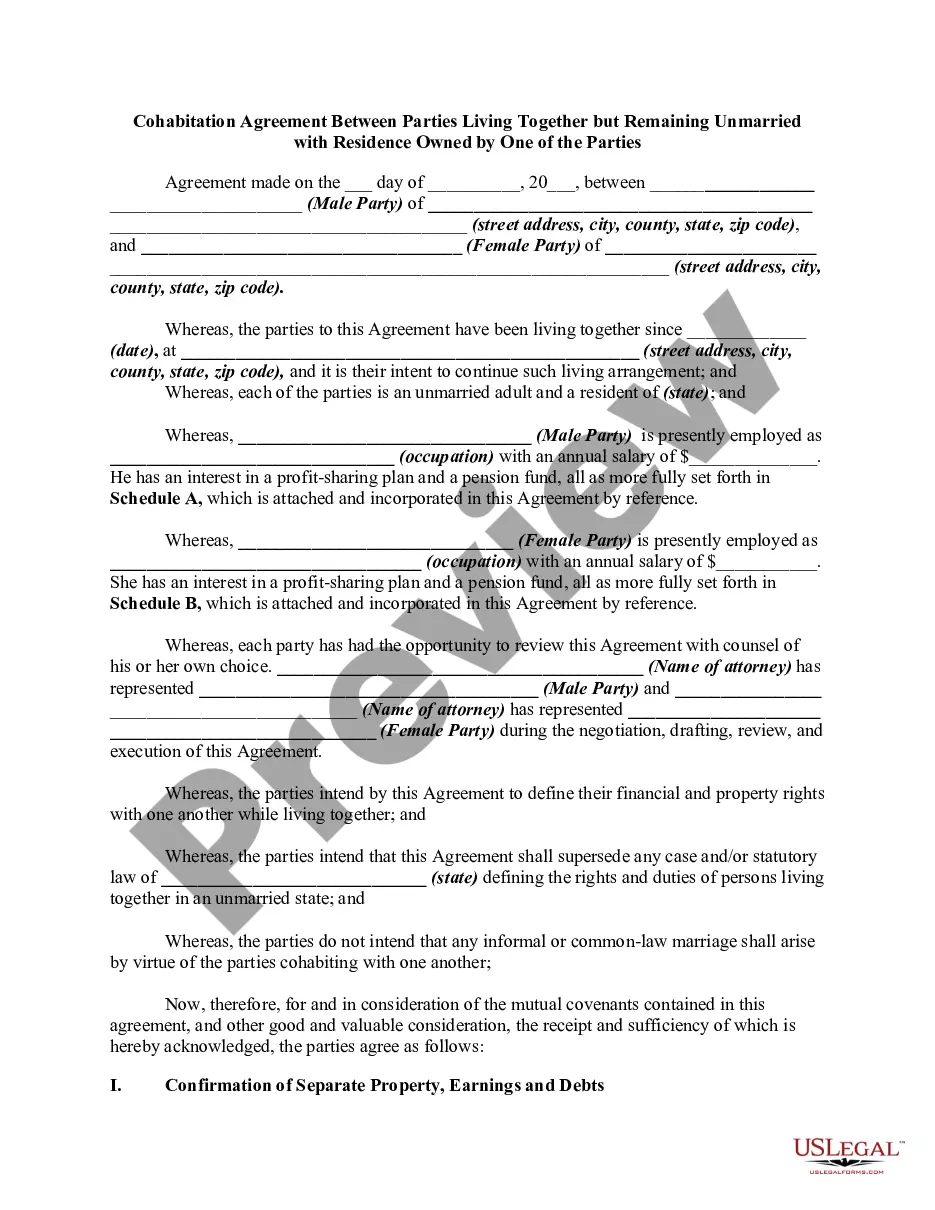
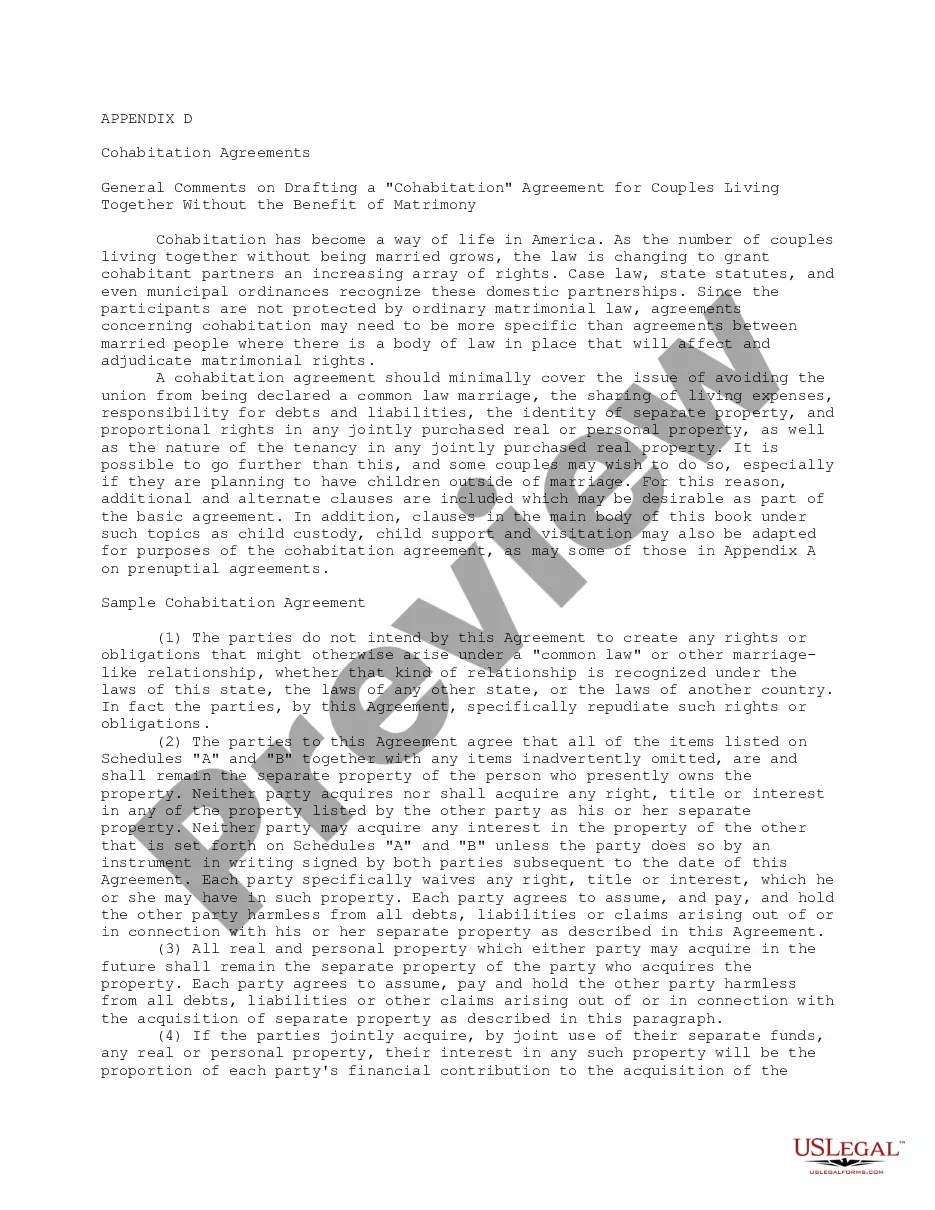
This form is a generic example of a cohabitation agreement between two unmarried adults living together who desire to remain unmarried at this time.
Michigan Cohabitation Agreement Between Parties Living Together but Remaining Unmarried
140 downloads
Description
Free preview
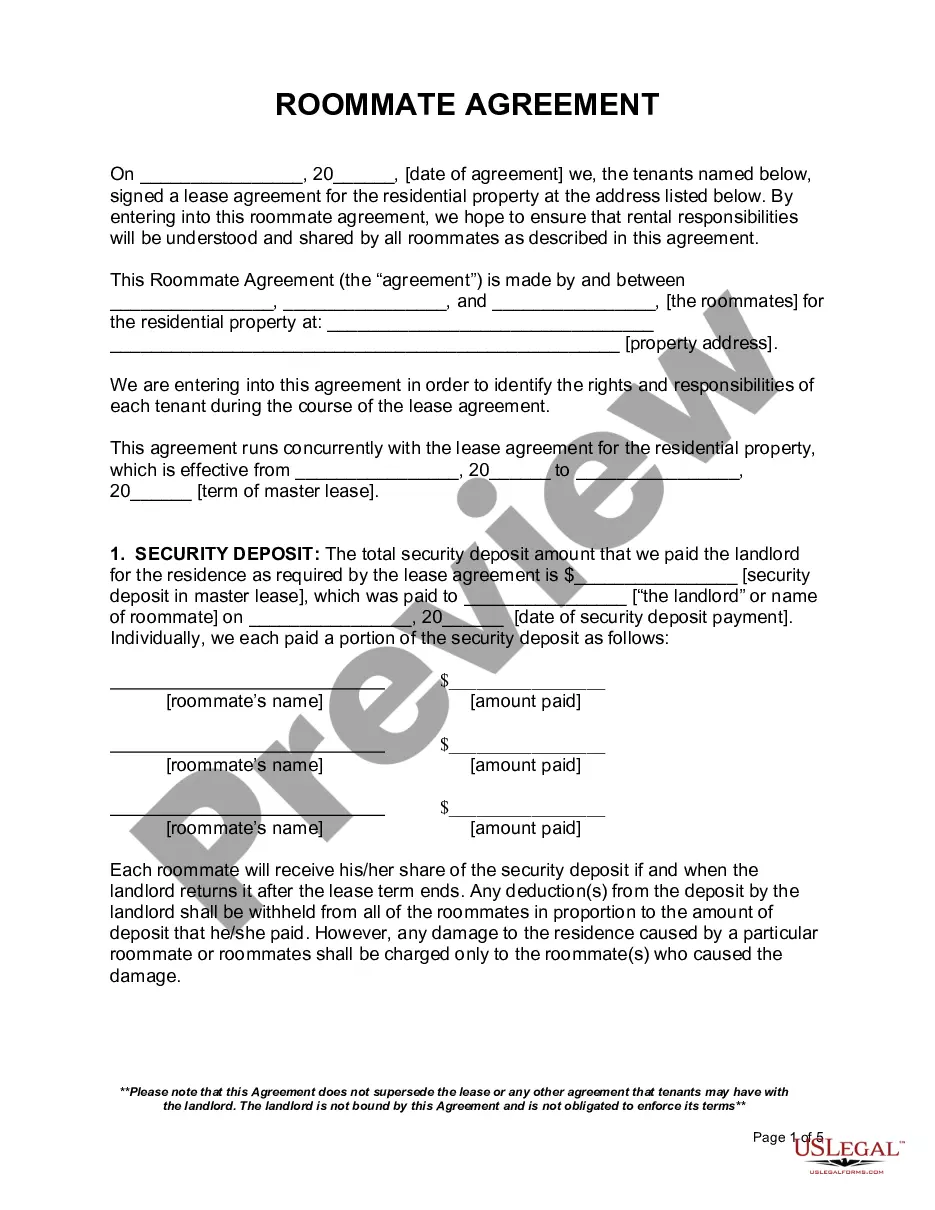
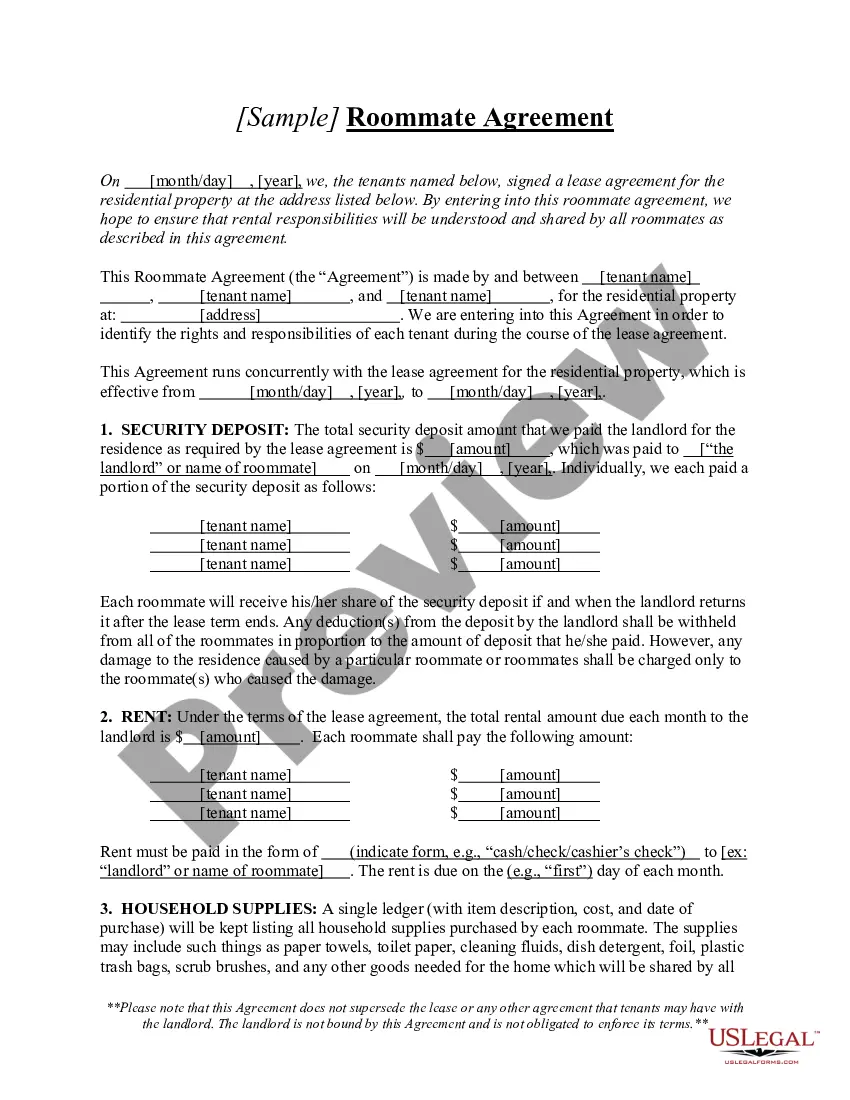
Get your form ready online
Our built-in tools help you complete, sign, share, and store your documents in one place.
Built-in online Word editor
Make edits, fill in missing information, and update formatting in US Legal Forms—just like you would in MS Word.
Export easily
Download a copy, print it, send it by email, or mail it via USPS—whatever works best for your next step.
E-sign your document
Sign and collect signatures with our SignNow integration. Send to multiple recipients, set reminders, and more. Go Premium to unlock E-Sign.
Notarize online 24/7
If this form requires notarization, complete it online through a secure video call—no need to meet a notary in person or wait for an appointment.
Store your document securely
We protect your documents and personal data by following strict security and privacy standards.

Make edits, fill in missing information, and update formatting in US Legal Forms—just like you would in MS Word.

Download a copy, print it, send it by email, or mail it via USPS—whatever works best for your next step.

Sign and collect signatures with our SignNow integration. Send to multiple recipients, set reminders, and more. Go Premium to unlock E-Sign.

If this form requires notarization, complete it online through a secure video call—no need to meet a notary in person or wait for an appointment.

We protect your documents and personal data by following strict security and privacy standards.
Looking for another form?
How to fill out Cohabitation Agreement Between Parties Living Together But Remaining Unmarried?
Selecting the ideal official document template can be challenging. Clearly, there is an abundance of templates accessible online, but how can you locate the official form you need? Utilize the US Legal Forms website. This service offers a vast array of templates, such as the Michigan Cohabitation Agreement Between Parties Living Together but Staying Unmarried, suitable for both business and personal needs. All forms are reviewed by experts and meet state and federal standards.
If you are already registered, Log In to your account and click the Acquire button to obtain the Michigan Cohabitation Agreement Between Parties Living Together but Remaining Unmarried. Use your account to browse the official forms you have previously obtained. Navigate to the My documents section of your account and retrieve another copy of the document you need.
If you are a new user of US Legal Forms, here are simple instructions to follow: First, ensure you have selected the correct form for your state/region. You can preview the form using the Review option and read the form summary to confirm this is truly the right choice for you. In case the form does not fulfill your requirements, use the Search field to locate the appropriate form.
US Legal Forms is the largest collection of official forms where you can find a variety of document templates. Utilize the service to acquire professionally crafted documents that comply with state regulations.
- Once you are convinced that the form is suitable, click the Buy now button to obtain the form.
- Choose the pricing plan you prefer and fill in the necessary information.
- Create your account and pay for the order using your PayPal account or credit card.
- Select the document format and download the official document template to your device.
- Complete, edit, and print, then sign the obtained Michigan Cohabitation Agreement Between Parties Living Together but Remaining Unmarried.
Form popularity
FAQ
When unmarried couples split in Michigan, the property owned jointly may not have clear legal guidelines for division. The outcome depends on how the property was acquired and whether there are any agreements in place. A Michigan Cohabitation Agreement Between Parties Living Together but Remaining Unmarried can be beneficial in addressing property rights and division before disputes arise, making the separation process smoother.
No, it is not illegal for an unmarried couple to cohabit in Michigan. The state does not impose laws against living together as an unmarried couple. However, for those who want to outline their rights and responsibilities, a Michigan Cohabitation Agreement Between Parties Living Together but Remaining Unmarried is advisable, as it provides clarity and legal protection.
No, it is not illegal to live with your girlfriend in Michigan. Unmarried couples can live together without facing legal penalties. If you are living together, drafting a Michigan Cohabitation Agreement Between Parties Living Together but Remaining Unmarried can help protect both parties' interests and clarify expectations in your relationship.
In Michigan, there is no specific duration required to be considered common law married. However, common law marriage is not recognized in Michigan. Instead, if you seek legal recognition of your relationship, consider creating a Michigan Cohabitation Agreement Between Parties Living Together but Remaining Unmarried. This agreement can help clarify the rights and responsibilities that arise from your cohabitation.
Living together without being married is not illegal in the state of Michigan. Unmarried couples have the same freedom to establish their living arrangements as married couples. However, legal documents, such as a Michigan Cohabitation Agreement Between Parties Living Together but Remaining Unmarried, can offer important protections and clarify expectations for both individuals in the relationship.
Unmarried cohabitation is a living arrangement in which two people choose to live together in a committed relationship without being legally married. This setup allows couples to enjoy various aspects of partnership, including emotional support and shared financial responsibilities. A Michigan Cohabitation Agreement Between Parties Living Together but Remaining Unmarried can help safeguard both parties' rights and define their relationship boundaries.
The four types of cohabitation include casual cohabitation, where partners live together without significant commitments; premarital cohabitation, where couples plan to marry in the future; cohabitation after divorce, where individuals continue sharing living spaces post-marriage; and functional cohabitation, where partners maintain a committed, intertwined life without marriage. Each type has unique characteristics and potential benefits. A Michigan Cohabitation Agreement Between Parties Living Together but Remaining Unmarried can address the specifics of each arrangement.
When unmarried individuals live together, it is commonly referred to as cohabitation. Cohabitation signifies a shared lifestyle and partnership that mimics aspects of marriage without the formal legal ties. Many couples consider drafting a Michigan Cohabitation Agreement Between Parties Living Together but Remaining Unmarried to define their commitments and protect their interests.
Unmarried cohabiting refers to the practice of two people in a romantic relationship living together without the legal recognition of marriage. This arrangement allows couples to share daily life, responsibilities, and expenses while remaining single in the eyes of the law. A Michigan Cohabitation Agreement Between Parties Living Together but Remaining Unmarried provides clarity and protection for both partners in this situation.
Unmarried couples who live together are two individuals who share a residence and maintain a romantic relationship without being legally married. They may choose this living arrangement for various personal reasons, such as financial benefits, companionship, or personal preferences. Establishing a Michigan Cohabitation Agreement Between Parties Living Together but Remaining Unmarried can help outline the rights and responsibilities of both parties.