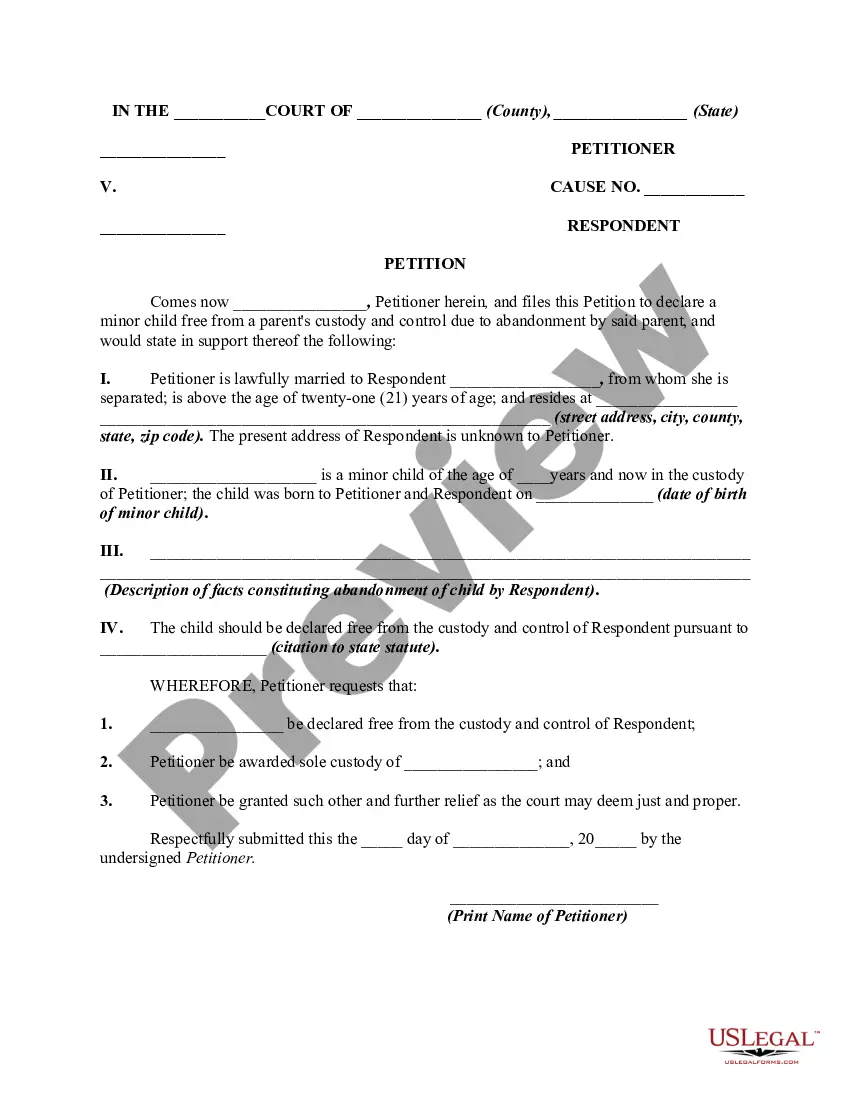
Michigan Petition to Declare Child Free from Parent's Custody and Control for Abandonment - Release of Parental Rights
Description
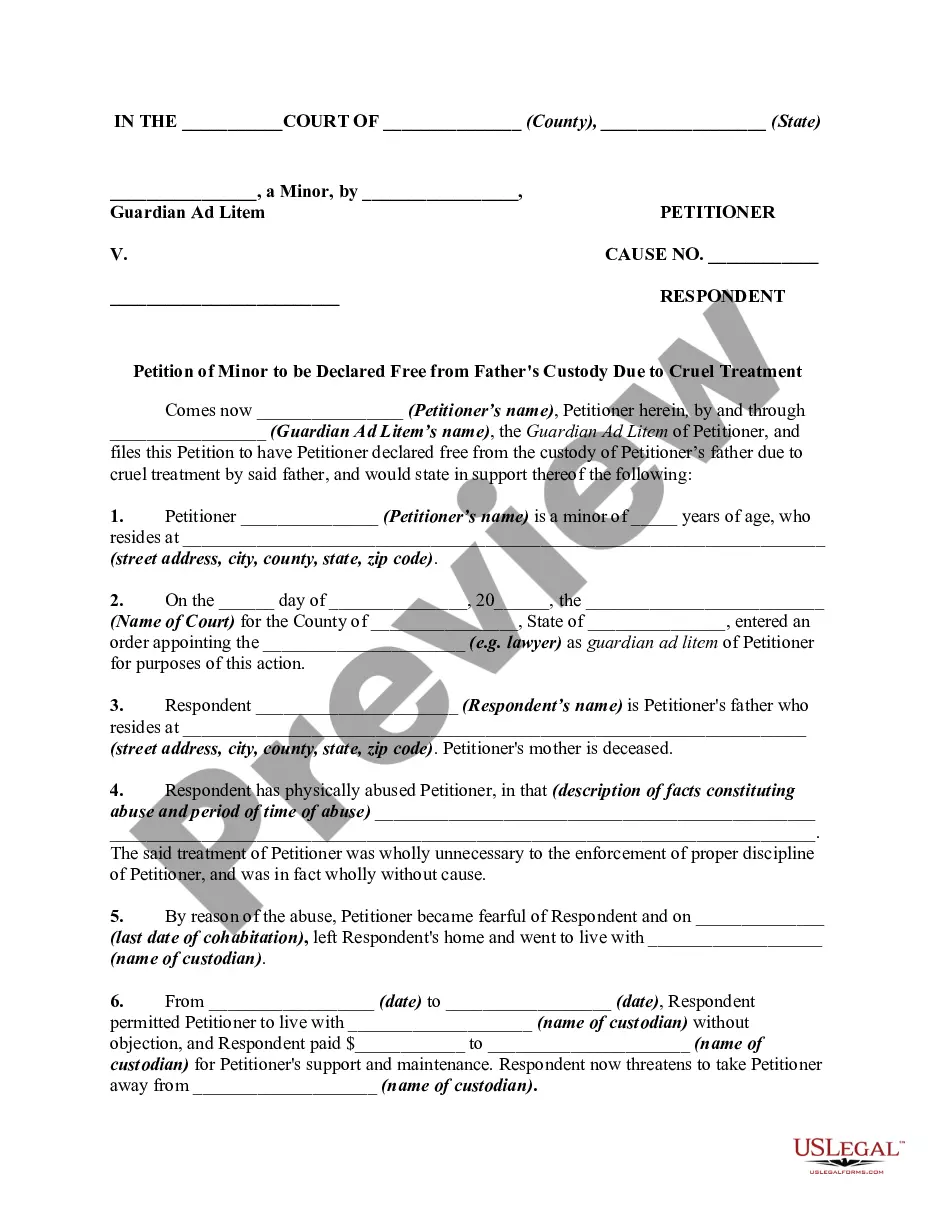
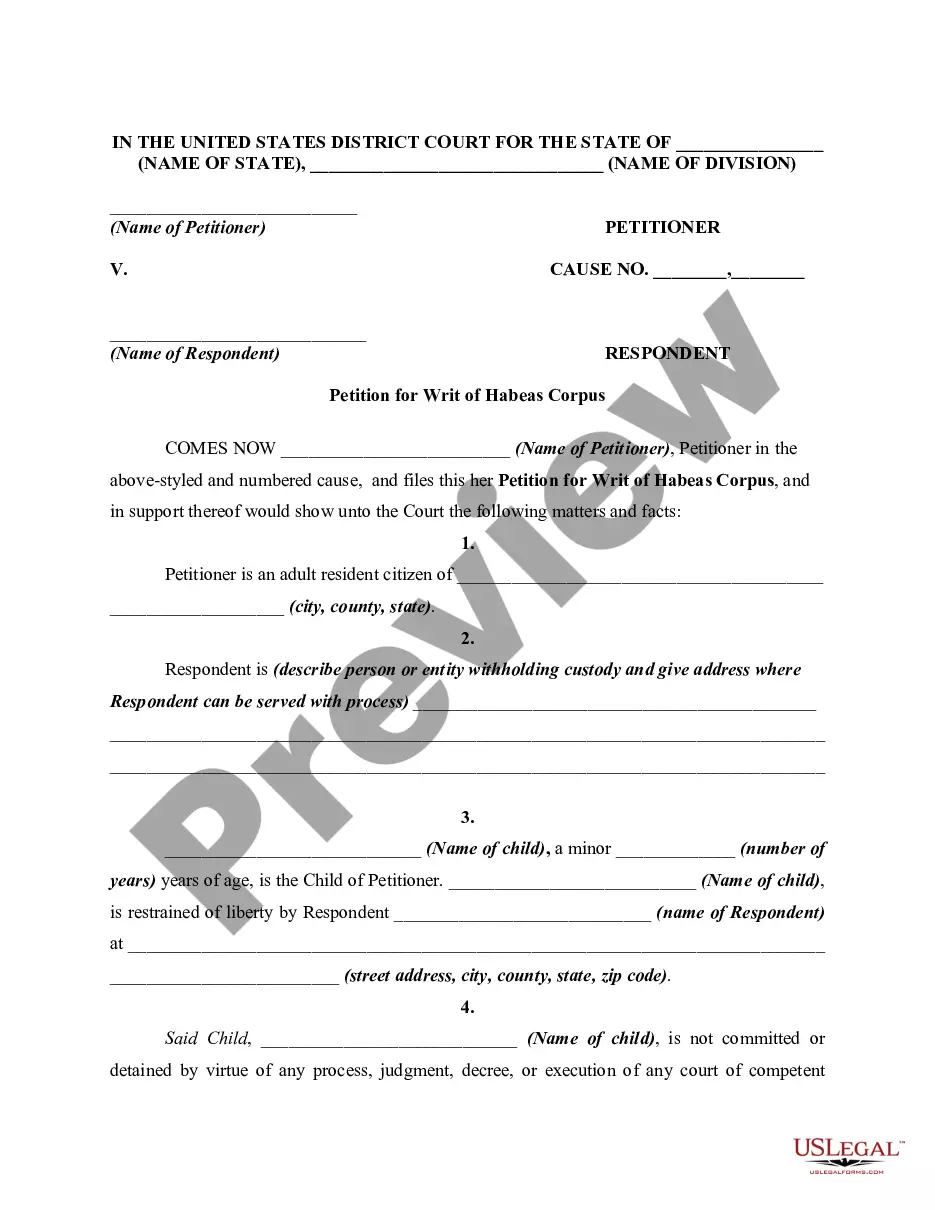
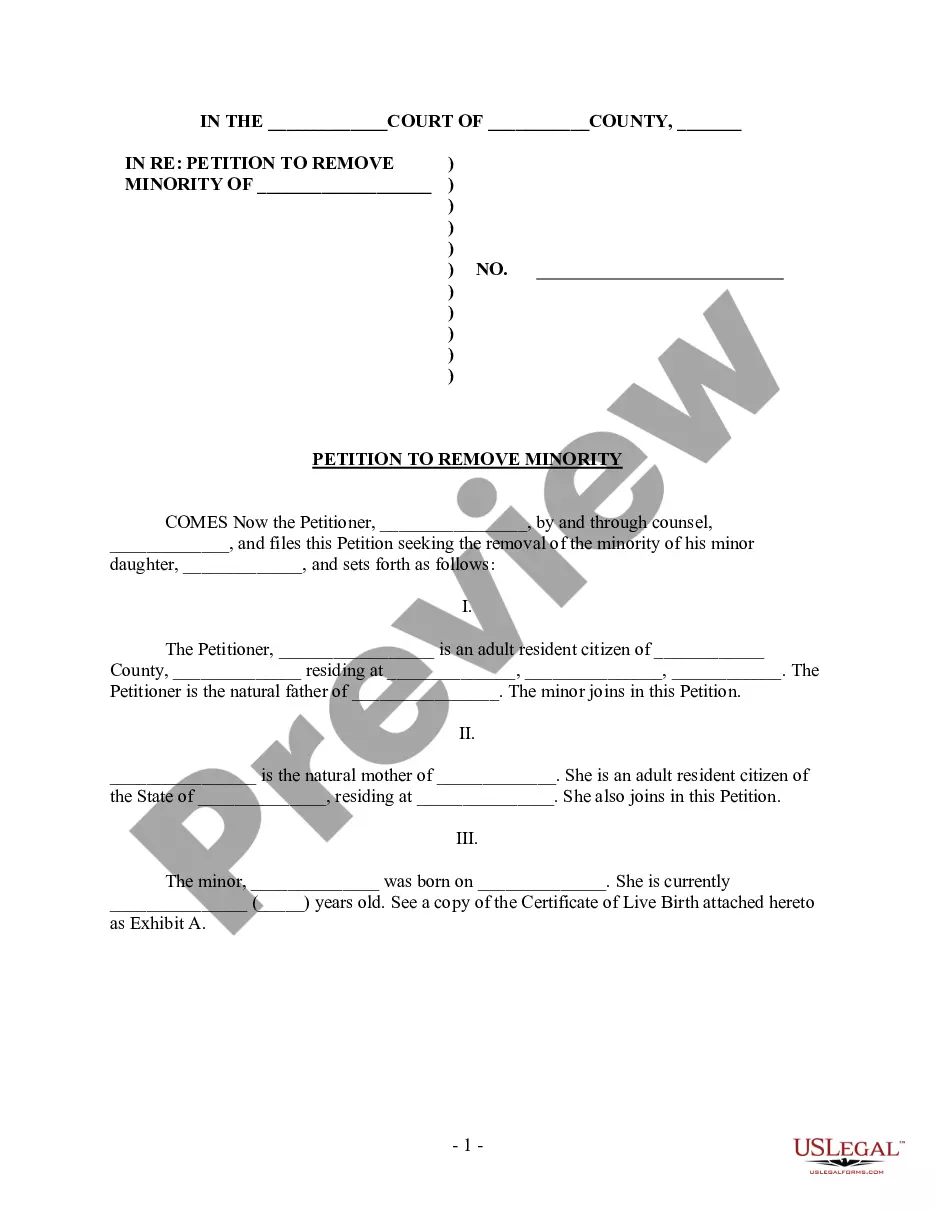
Get your form ready online
Our built-in tools help you complete, sign, share, and store your documents in one place.
Make edits, fill in missing information, and update formatting in US Legal Forms—just like you would in MS Word.
Download a copy, print it, send it by email, or mail it via USPS—whatever works best for your next step.
Sign and collect signatures with our SignNow integration. Send to multiple recipients, set reminders, and more. Go Premium to unlock E-Sign.
If this form requires notarization, complete it online through a secure video call—no need to meet a notary in person or wait for an appointment.
We protect your documents and personal data by following strict security and privacy standards.

Make edits, fill in missing information, and update formatting in US Legal Forms—just like you would in MS Word.

Download a copy, print it, send it by email, or mail it via USPS—whatever works best for your next step.

Sign and collect signatures with our SignNow integration. Send to multiple recipients, set reminders, and more. Go Premium to unlock E-Sign.

If this form requires notarization, complete it online through a secure video call—no need to meet a notary in person or wait for an appointment.

We protect your documents and personal data by following strict security and privacy standards.
Looking for another form?
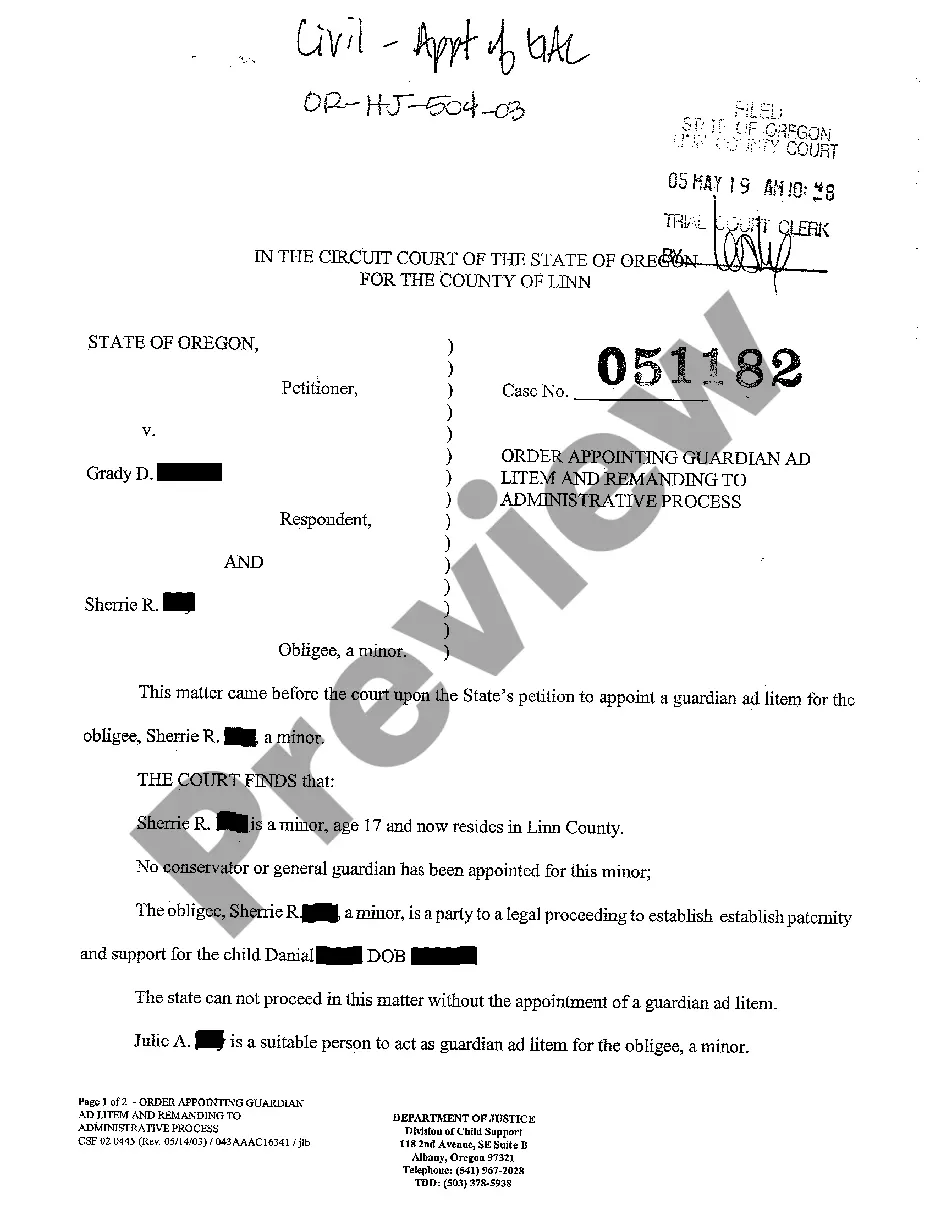
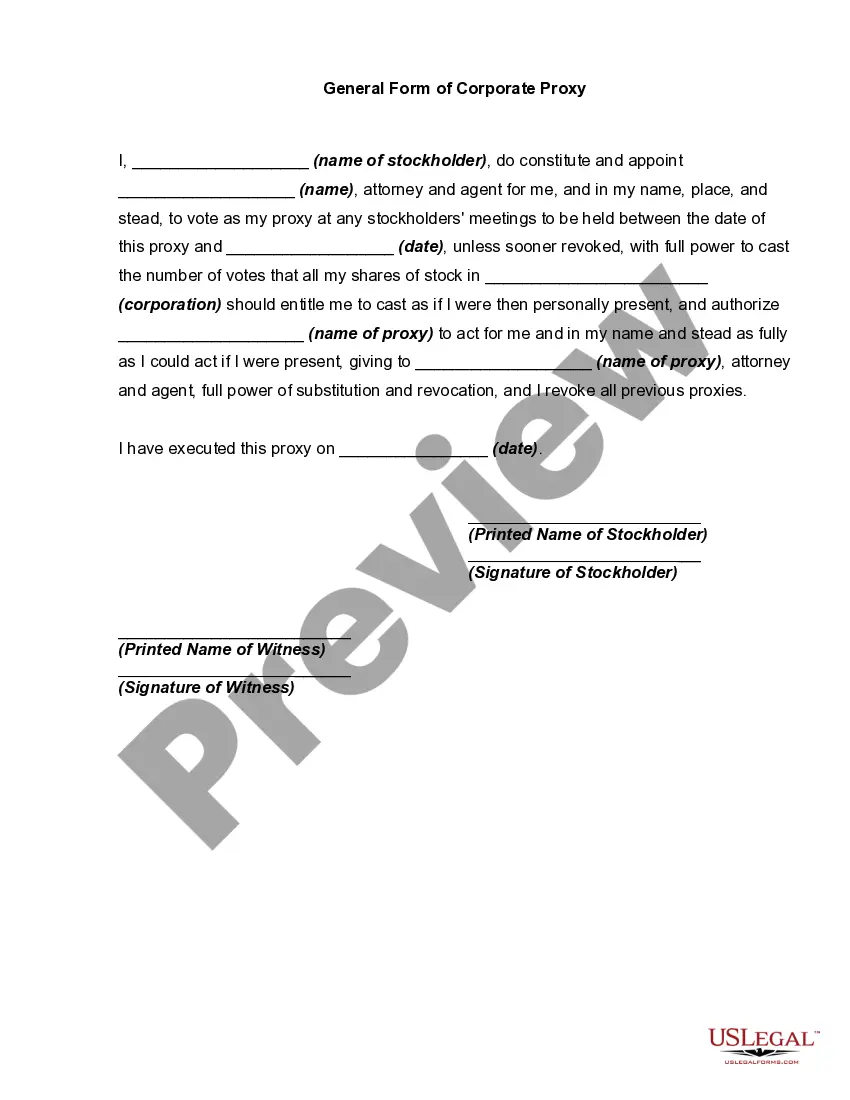
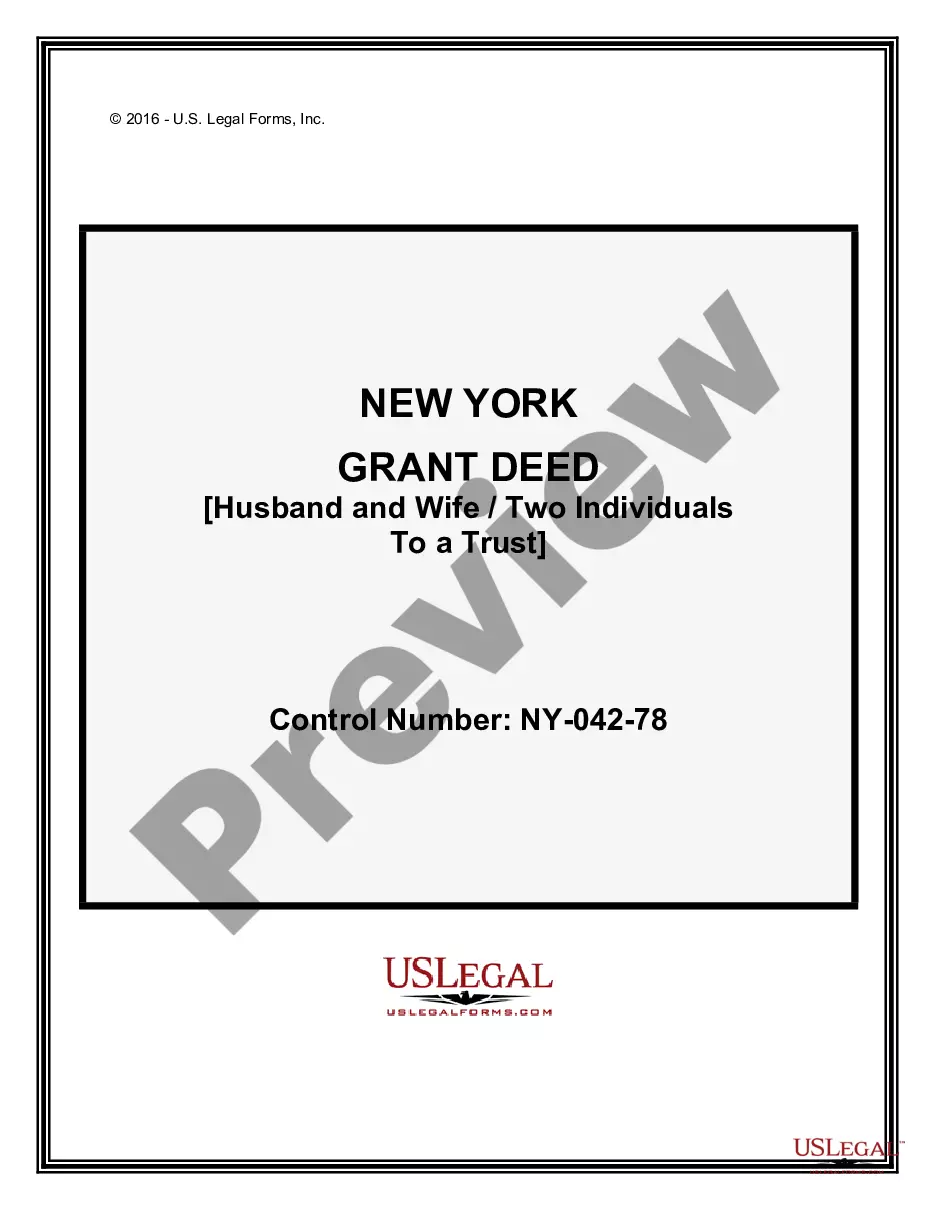
How to fill out Petition To Declare Child Free From Parent's Custody And Control For Abandonment - Release Of Parental Rights?
Are you currently in a situation where you require documents for both business or personal purposes every time.
There are numerous legal document templates available online, but finding ones you can trust is challenging.
US Legal Forms provides thousands of template options, such as the Michigan Petition to Declare Child Free from Parent's Custody and Control for Abandonment - Release of Parental Rights, which are designed to meet federal and state requirements.
Once you find the correct form, click on Acquire now.
Select the pricing plan you want, fill in the required information to create your account, and pay for your order using your PayPal, Visa, or Mastercard. Choose a convenient file format and download your version. You can find all the document templates you have purchased in the My documents section. You can acquire another version of the Michigan Petition to Declare Child Free from Parent's Custody and Control for Abandonment - Release of Parental Rights anytime if needed. Just click on the necessary form to download or print the document template. Utilize US Legal Forms, the most extensive collection of legal forms, to save time and avoid mistakes. The service offers professionally crafted legal document templates that you can use for various purposes. Create an account on US Legal Forms and start making your life a bit easier.
- If you are already familiar with the US Legal Forms site and have an account, simply Log In.
- After that, you can download the Michigan Petition to Declare Child Free from Parent's Custody and Control for Abandonment - Release of Parental Rights template.
- If you do not have an account and wish to start using US Legal Forms, follow these steps.
- Locate the form you need and ensure it is for the correct city/region.
- Utilize the Preview button to review the form.
- Read the description to ensure that you have selected the correct form.
- If the form isn't what you seek, use the Lookup field to find the form that fits your needs and requirements.
Form popularity
FAQ
When Can a Child Refuse Visitation in Michigan? Until children turn 18 or become legally emancipated, they don't have the right to refuse visitation that's required under a court's custody order.
Child Determine the child's schooling, religion, and parenting practices. Voluntary Termination Either parent (including a putative father) may voluntarily terminate his or her parental rights.
Parenting time and court-ordered visitation is a grave legal issue in Michigan. This legislation legally forbids the custodial parent from denying their ex-spouse access to their children without a strict and valid reason.
Criminal Child Abandonment in Michigan Child abandonment is charged by a prosecutor in a local circuit court. Under MCL 750.135, abandonment of a child is a felony and can result in a penalty of up to 10 years in prison.
To terminate a parent's rights, the Circuit Court must receive a petition requesting termination from the agency, the child, the child's legal guardian, the foster parent, the state children's ombudsman, or the prosecutor.
Voluntary termination of parental rights can get very challenging because judges can be reluctant to terminate. Someone must usually be waiting and willing to adopt the relevant child. If the custodial parent is not in favor of termination, it is highly unlikely that the voluntary termination will be granted.
Reinstatement - Parenting time may be reinstated if minor child is of age to inform the court they want parenting time.
(a) The child has been deserted under either of the following circumstances: (i) The child's parent is unidentifiable, has deserted the child for 28 or more days, and has not sought custody of the child during that period.