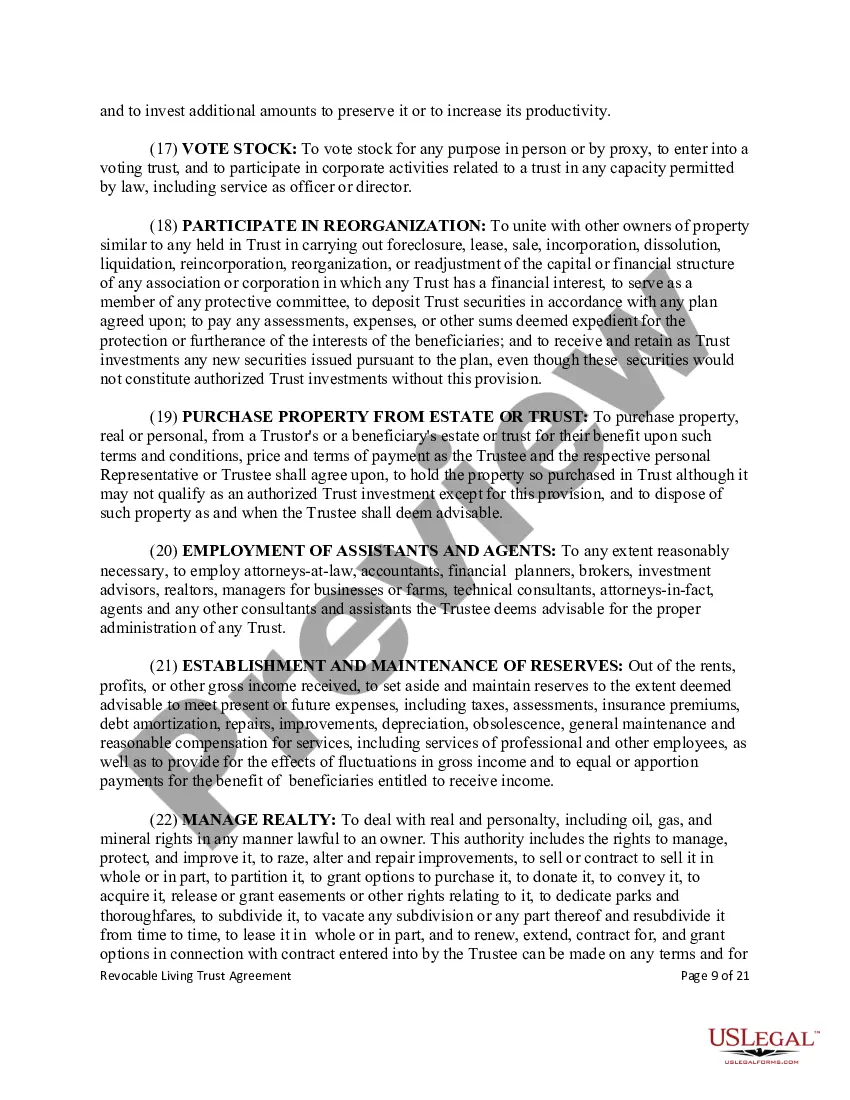
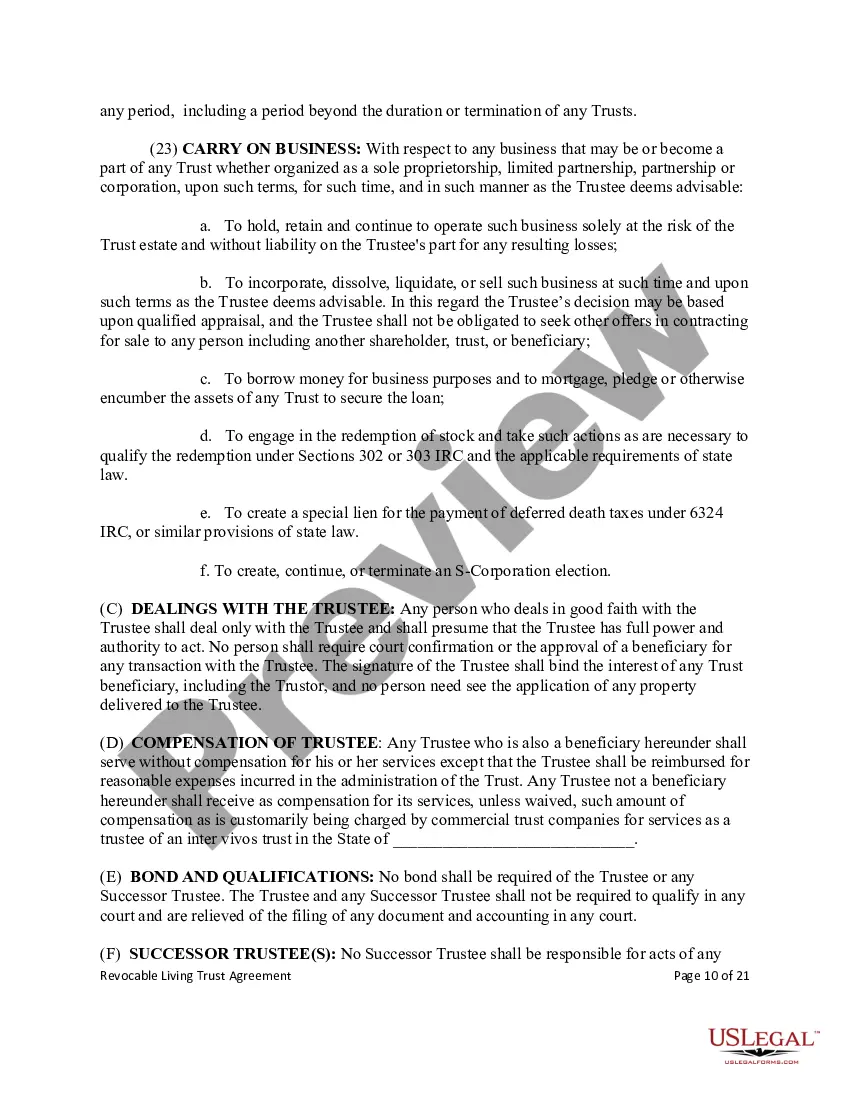
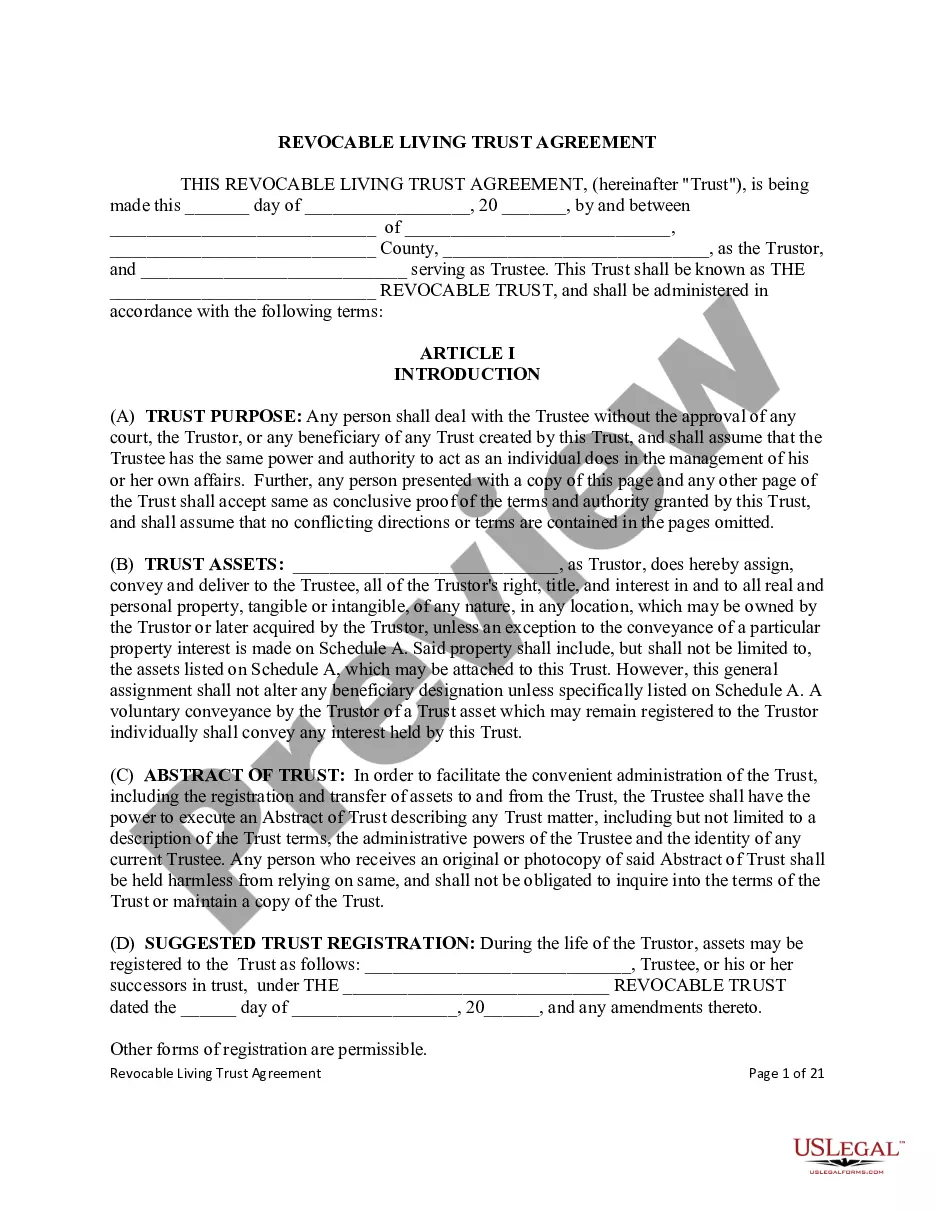
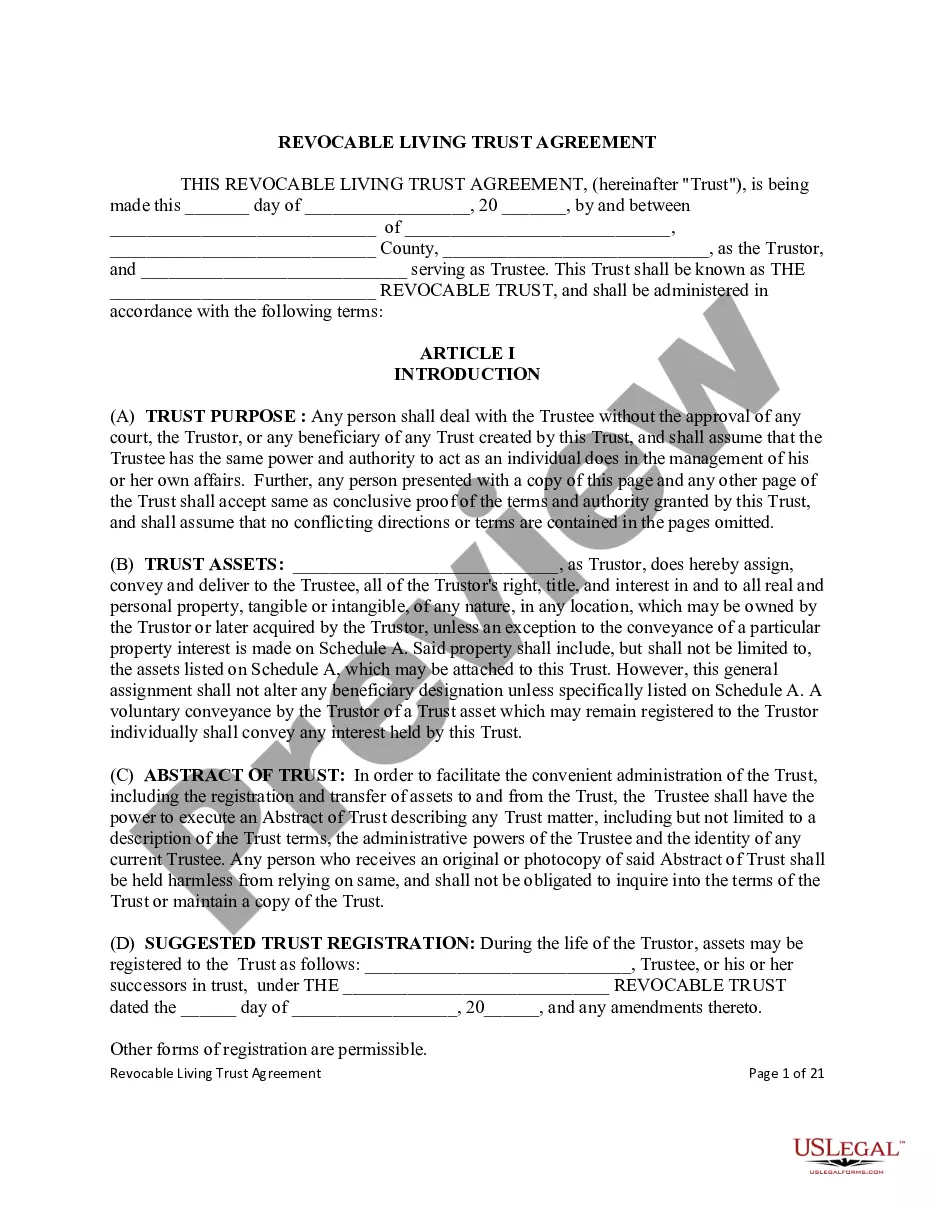
Michigan Revocable Living Trust for House
Description
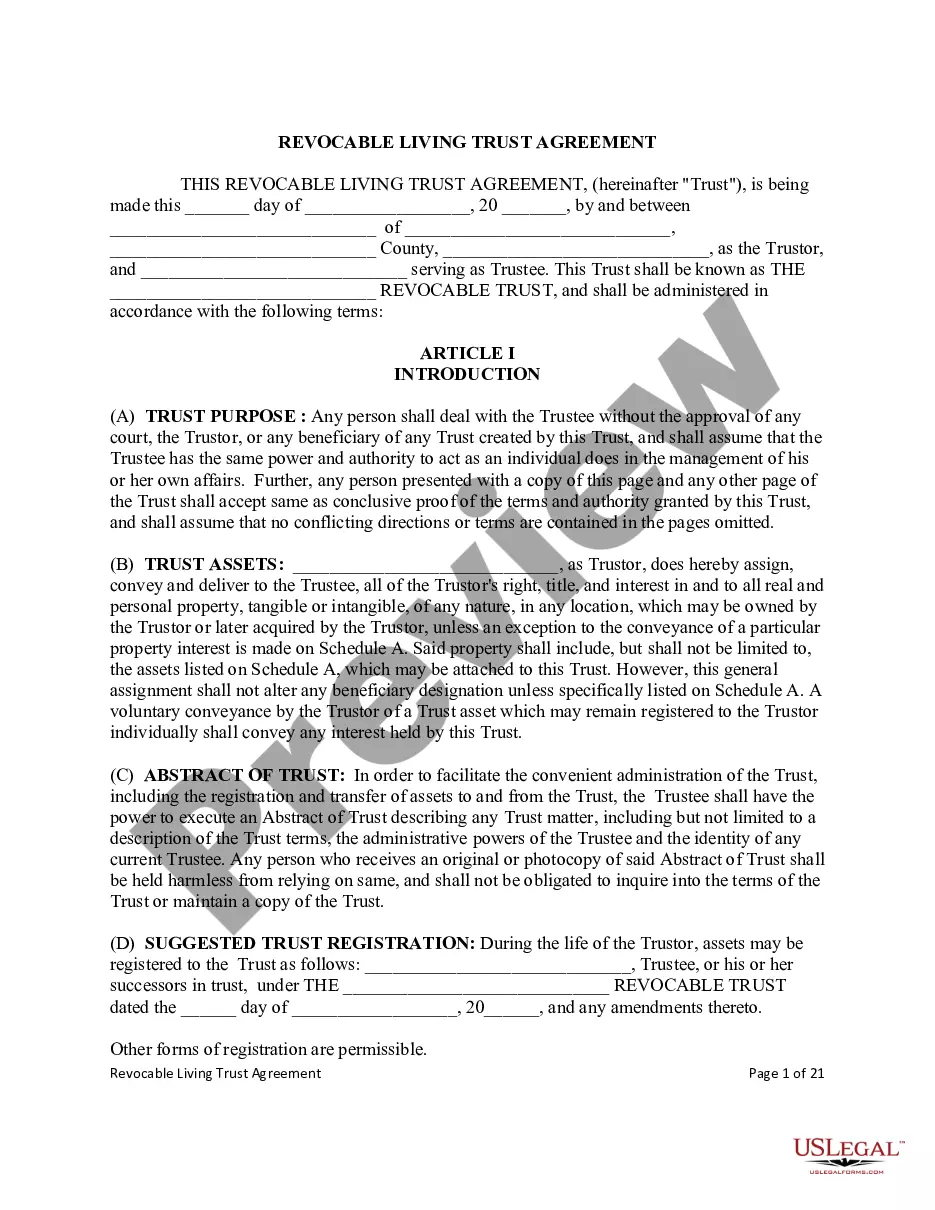
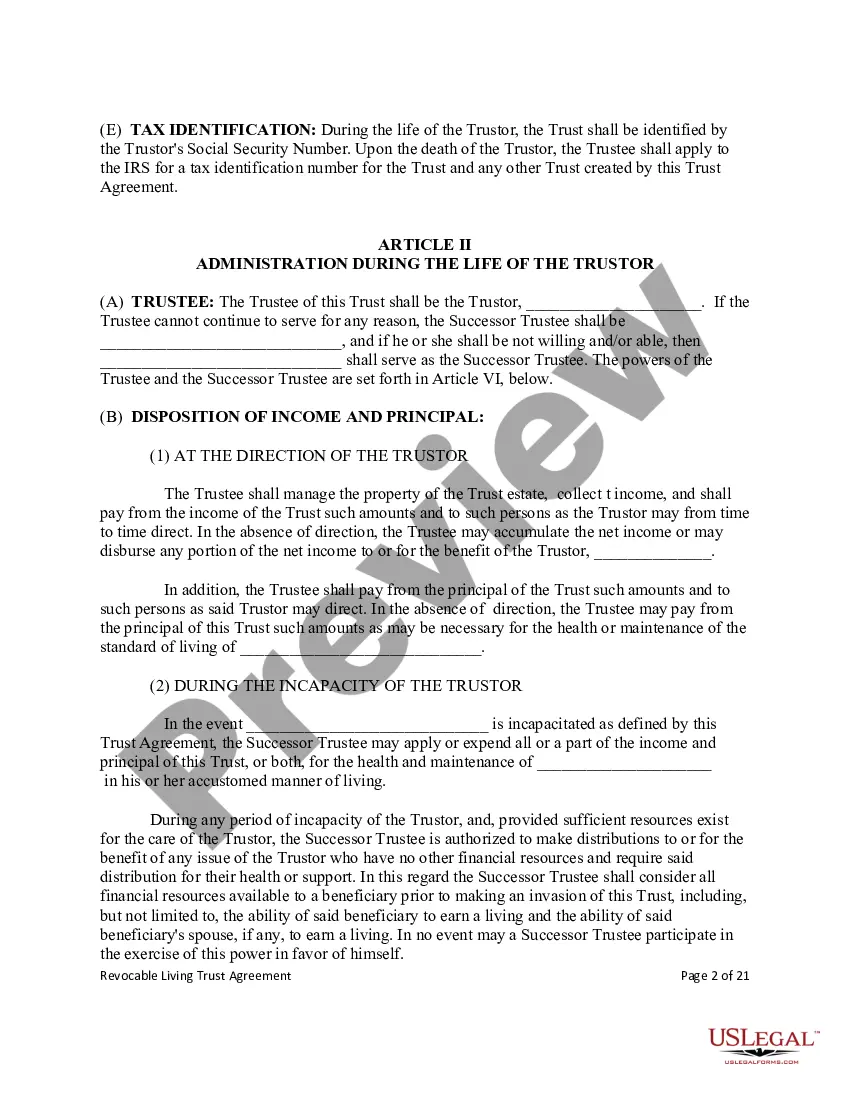
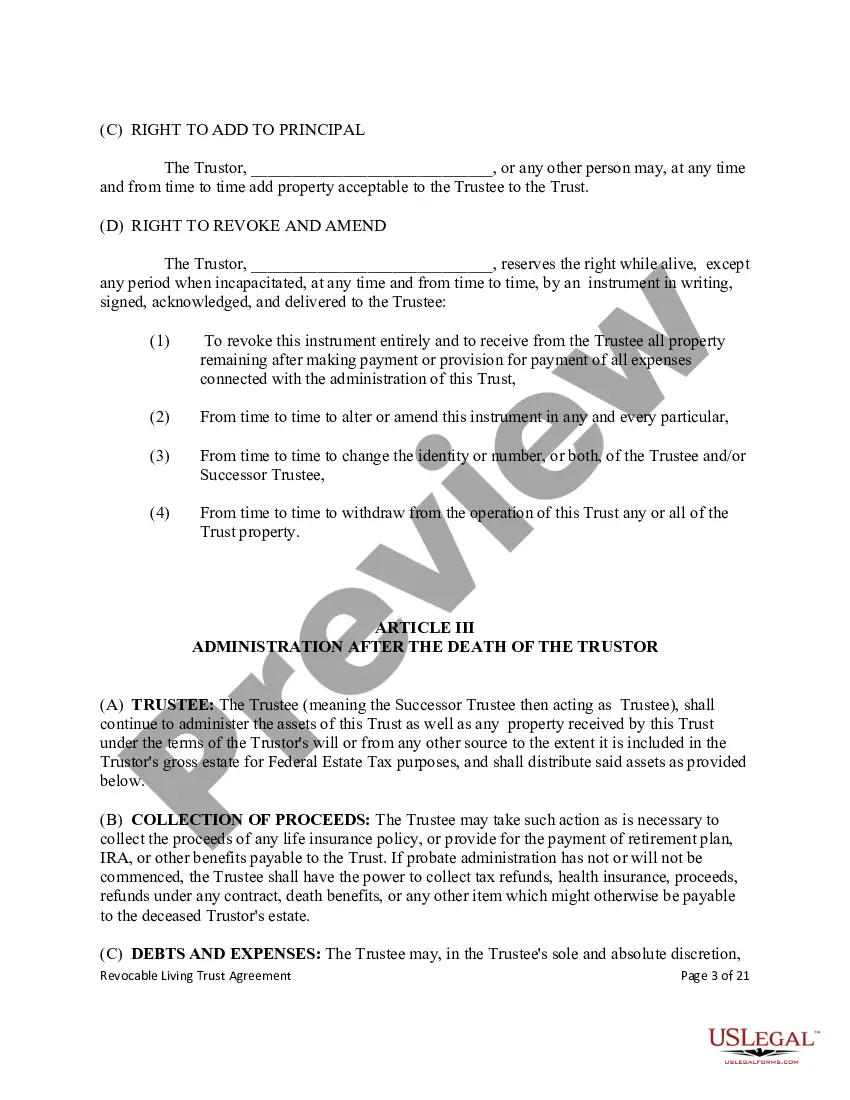
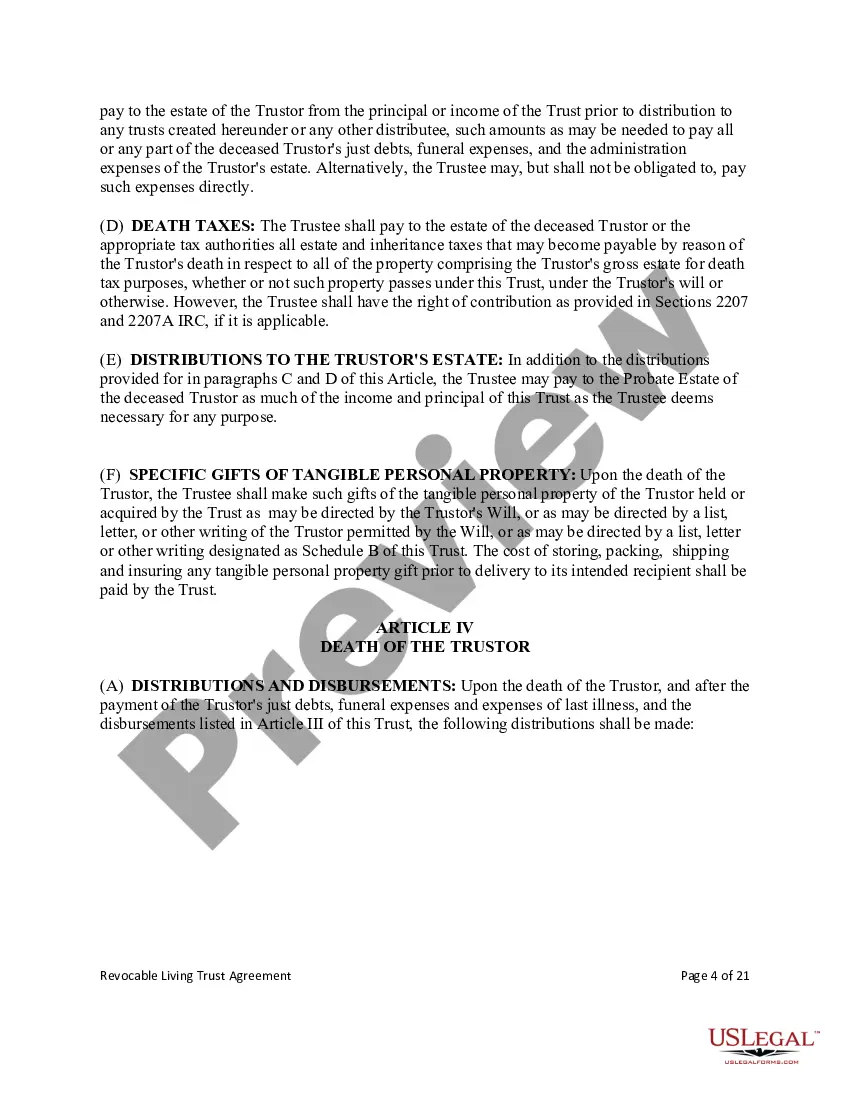
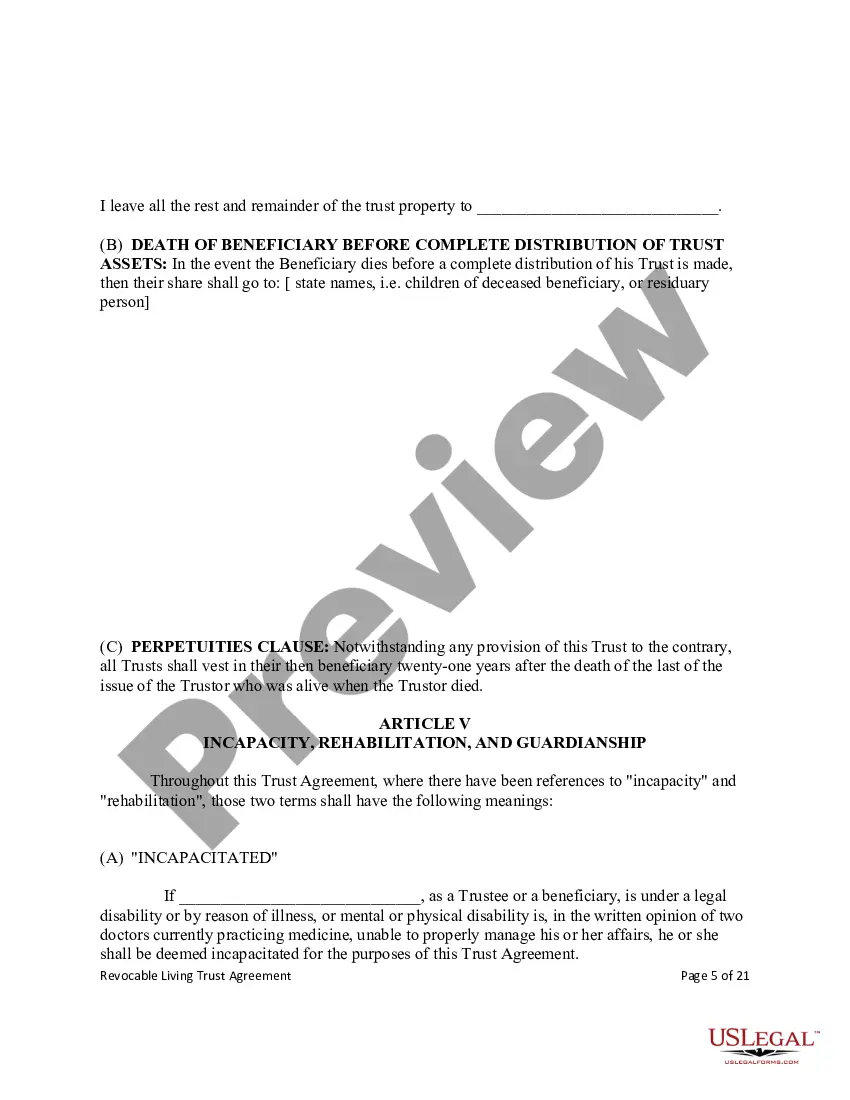
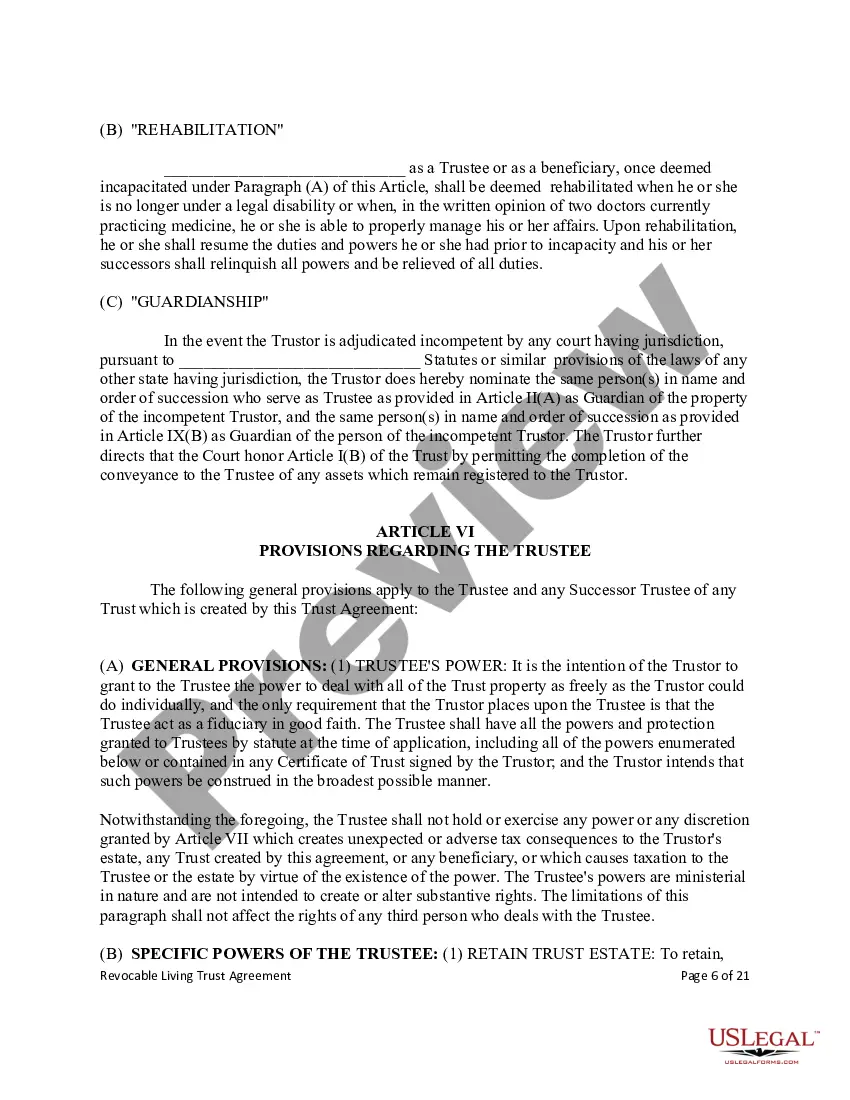
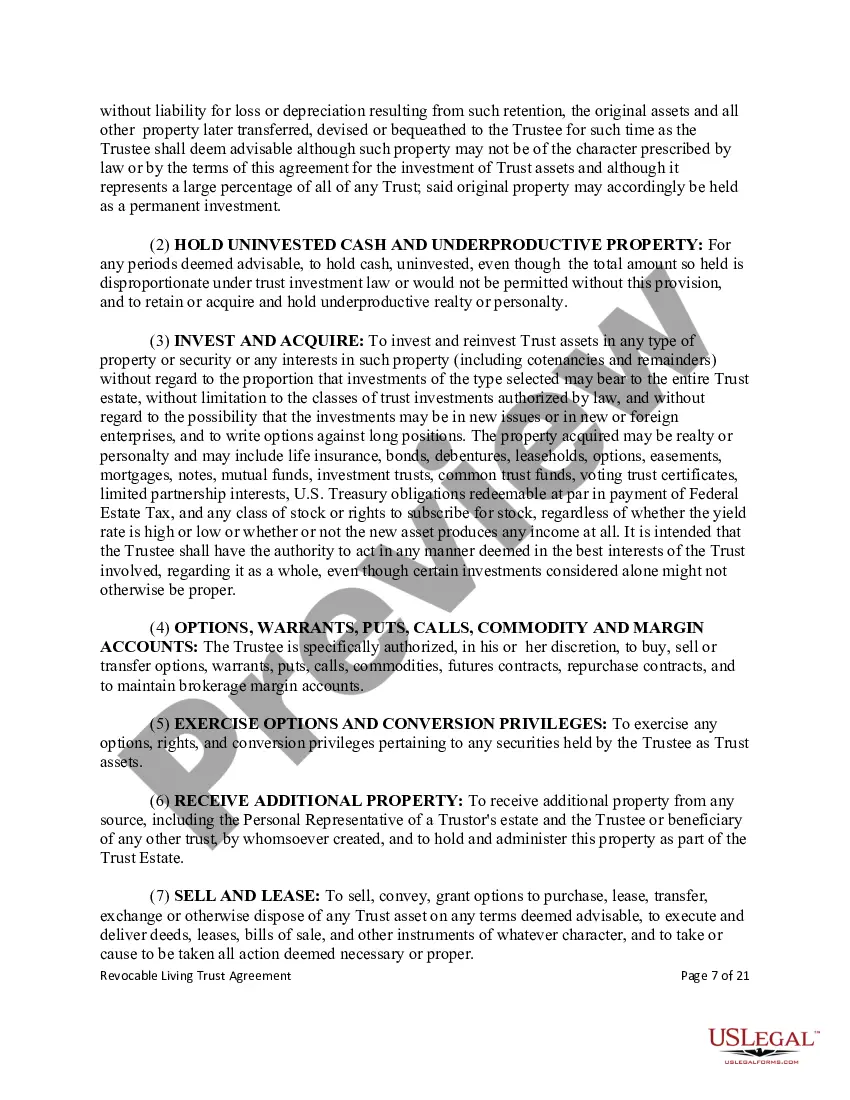
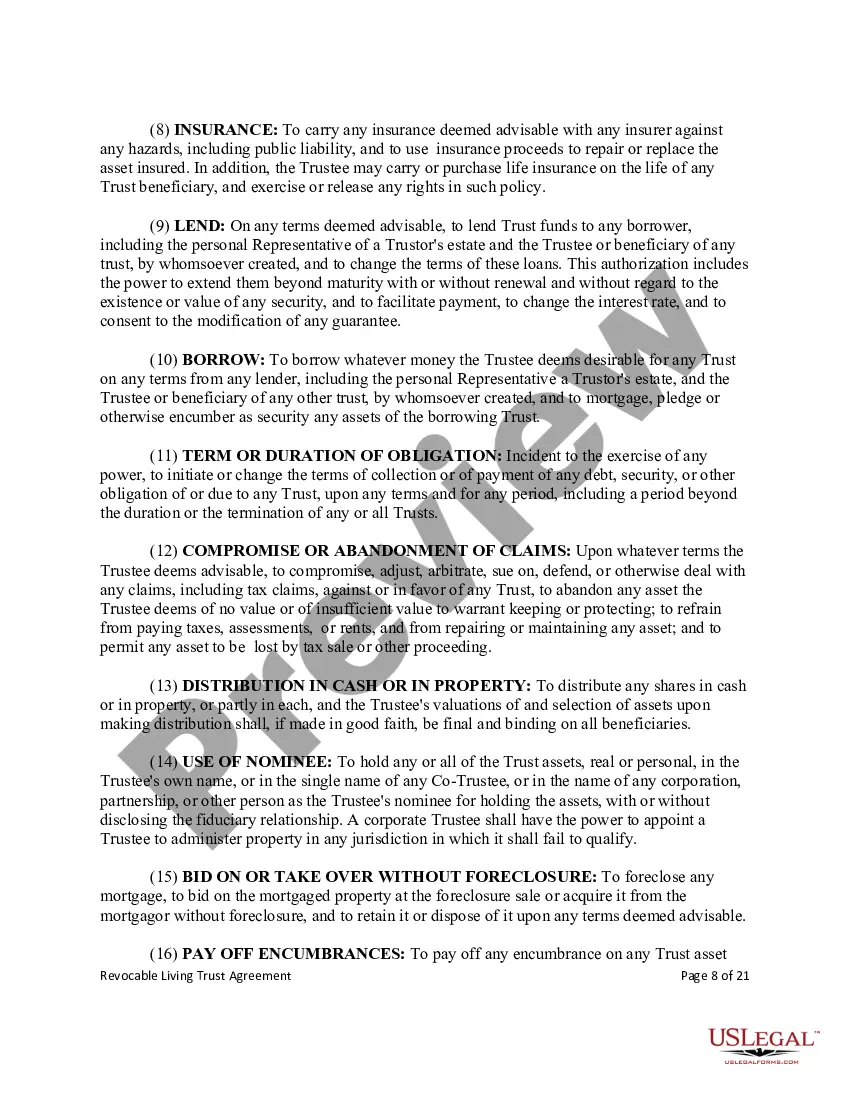

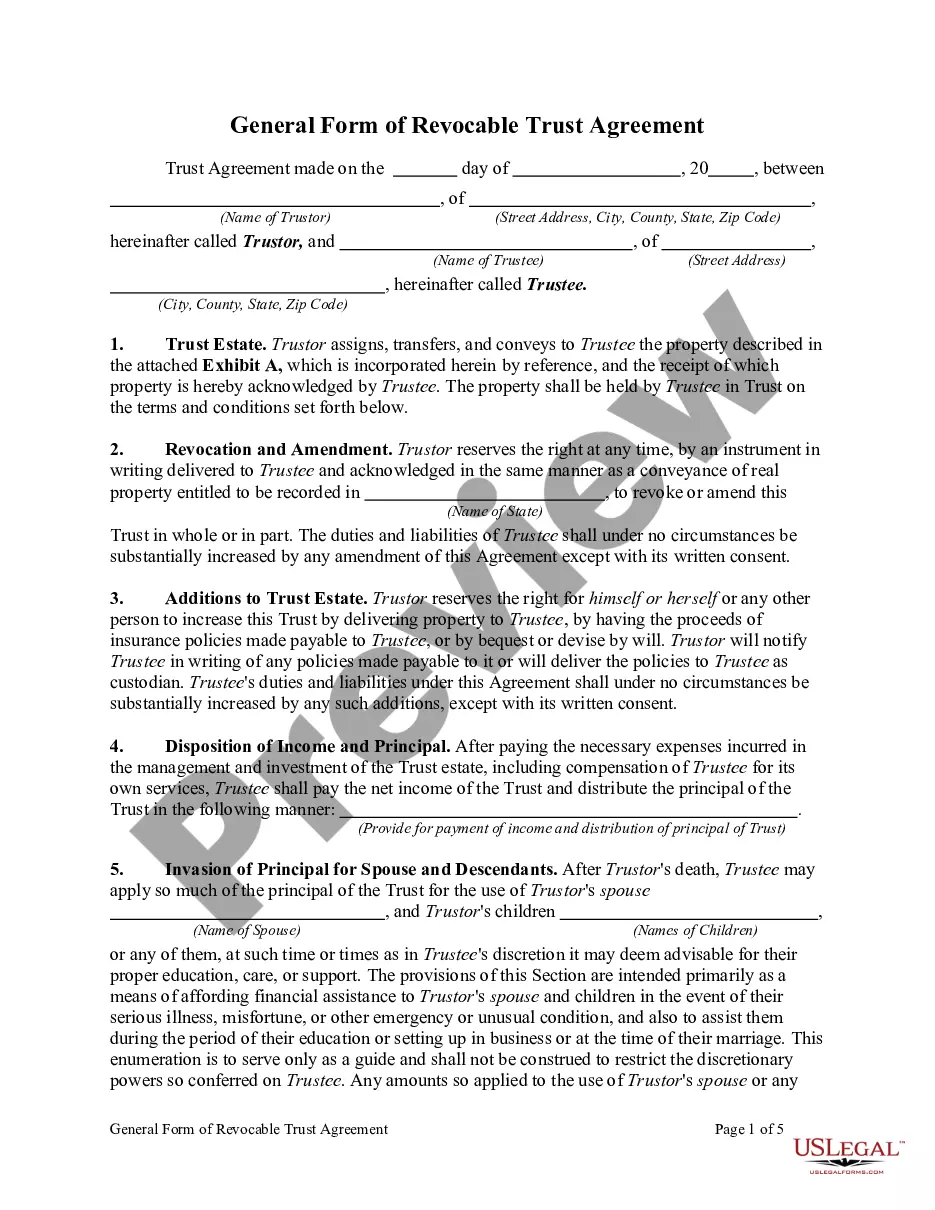
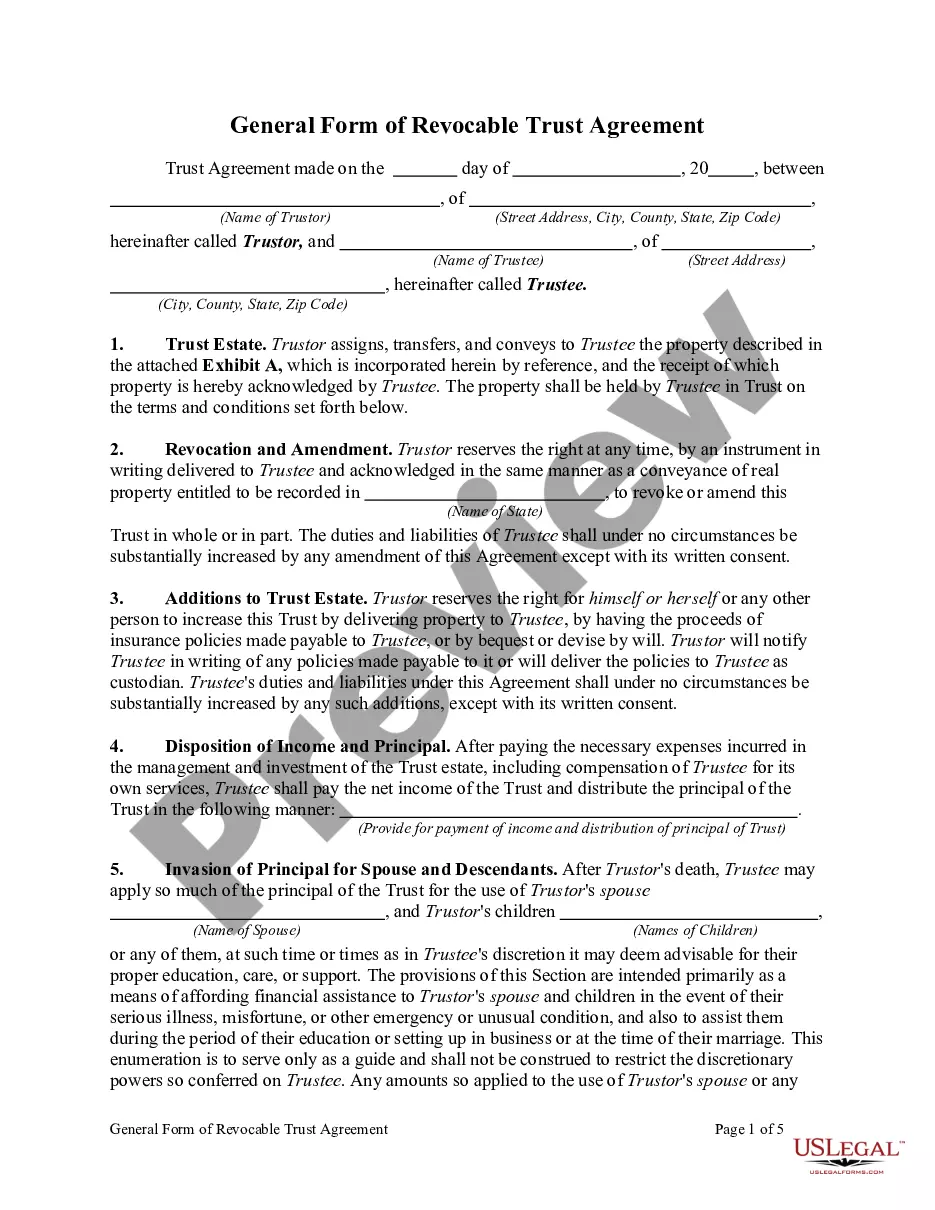
Get your form ready online
Our built-in tools help you complete, sign, share, and store your documents in one place.
Make edits, fill in missing information, and update formatting in US Legal Forms—just like you would in MS Word.
Download a copy, print it, send it by email, or mail it via USPS—whatever works best for your next step.
Sign and collect signatures with our SignNow integration. Send to multiple recipients, set reminders, and more. Go Premium to unlock E-Sign.
If this form requires notarization, complete it online through a secure video call—no need to meet a notary in person or wait for an appointment.
We protect your documents and personal data by following strict security and privacy standards.

Make edits, fill in missing information, and update formatting in US Legal Forms—just like you would in MS Word.

Download a copy, print it, send it by email, or mail it via USPS—whatever works best for your next step.

Sign and collect signatures with our SignNow integration. Send to multiple recipients, set reminders, and more. Go Premium to unlock E-Sign.

If this form requires notarization, complete it online through a secure video call—no need to meet a notary in person or wait for an appointment.

We protect your documents and personal data by following strict security and privacy standards.
Looking for another form?


How to fill out Revocable Living Trust For House?
US Legal Forms - one of the largest collections of legal documents in the United States - provides a diverse selection of legal templates that you can download or print.
By using the website, you can access thousands of forms for business and personal purposes, organized by categories, states, or keywords. You can locate the latest editions of documents like the Michigan Revocable Living Trust for Home in just a few moments.
If you are already registered, Log In and retrieve the Michigan Revocable Living Trust for Home from your US Legal Forms library. The Download button will be available on each form you view. You can access all previously obtained forms from the My documents section of your account.
Process the payment. Use your credit card or PayPal account to complete the transaction.
Select the format and download the document to your device. Make edits. Fill in, modify, print, and sign the obtained Michigan Revocable Living Trust for Home. Every template added to your account has no expiration date and is yours permanently. Therefore, if you need to download or print another version, just go to the My documents section and click on the form you require. Access the Michigan Revocable Living Trust for Home with US Legal Forms, the largest collection of legal document templates. Utilize thousands of professional and state-specific templates that cater to your business or personal needs.
- Make sure you have selected the correct form for your area/region.
- Click on the Review button to view the form's content.
- Examine the form details to verify you have chosen the right document.
- If the form does not meet your requirements, utilize the Search field at the top of the page to find one that does.
- Once satisfied with the form, confirm your selection by clicking the Get now button.
- Choose your preferred pricing plan and enter your information to register for an account.
Form popularity
FAQ
In Michigan, a living trust does not need to be recorded. However, creating a Michigan Revocable Living Trust for House allows you to maintain privacy regarding your assets. A trust operates outside of probate, which means your property does not go through the public record process when you pass away. Therefore, while recording is not necessary, properly funding your living trust with your house is crucial for ensuring your wishes are followed.
Putting your house in a Michigan Revocable Living Trust for House offers numerous advantages. This arrangement can help you avoid probate, making it easier and faster for your heirs to inherit your property. Additionally, a revocable trust allows you to maintain control over your assets during your lifetime. You can easily modify or revoke the trust as your circumstances change, ensuring it remains aligned with your wishes.
To put your house in a Michigan Revocable Living Trust for House, you must first create the trust document. Once established, you need to transfer your property's title to the trust. This process often involves completing a property deed and may require the assistance of a legal professional. Using platforms like uslegalforms can streamline this process and provide you with necessary documents.
A Michigan Revocable Living Trust for House is often considered the best option for homeowners. This type of trust allows for flexibility and can be changed at any time while you are alive. It also helps your loved ones avoid the lengthy and costly probate process after your passing. By using uslegalforms, you can easily create a trust that suits your specific needs.
Yes, you can put a house with a mortgage in a Michigan Revocable Living Trust for House. However, it is important to inform your mortgage lender about the trust. Keep in mind that while the trust can hold the house, you remain responsible for the mortgage payments. This setup can help avoid probate and simplify the transfer of assets.
Filling out a revocable living trust involves providing specific details about your assets and beneficiaries. Start by including your full name and the name of the trust you are establishing, such as a Michigan Revocable Living Trust for House. Next, list the assets you intend to include, and designate how they should be distributed upon your passing. Using a reliable platform like uslegalforms can simplify the process with easy-to-follow templates and guidance.
Yes, a nursing home can potentially claim a house held in a Michigan Revocable Living Trust for House if you require long-term care and are not eligible for Medicaid benefits. Since the assets in the trust are still considered part of your estate, they could be used to cover care costs. However, proper planning can help protect your home from being accessed by nursing home expenses.
The primary difference between a revocable trust and an irrevocable trust lies in control and flexibility. With a Michigan Revocable Living Trust for House, you retain control over the assets and can make changes or revoke the trust any time. Conversely, an irrevocable trust permanently transfers assets, removing them from your control and potentially providing tax benefits and asset protection.
To put your house in a trust in Michigan, you need to create a Michigan Revocable Living Trust for House. First, draft the trust document, outlining how the property will be managed. Then, execute a new deed transferring the property from your name into the trust's name. Finally, file the deed with your county's register of deeds to officially complete the process.
While a Michigan Revocable Living Trust for House offers many benefits, there are some disadvantages to consider. For example, a revocable trust does not protect your assets from creditors, and you might incur some upfront costs for setting it up. Additionally, it requires active management, as you will need to transfer assets into the trust properly. Understanding these factors helps you make informed decisions about your estate planning.