Michigan Limited Power of Attorney
What this document covers
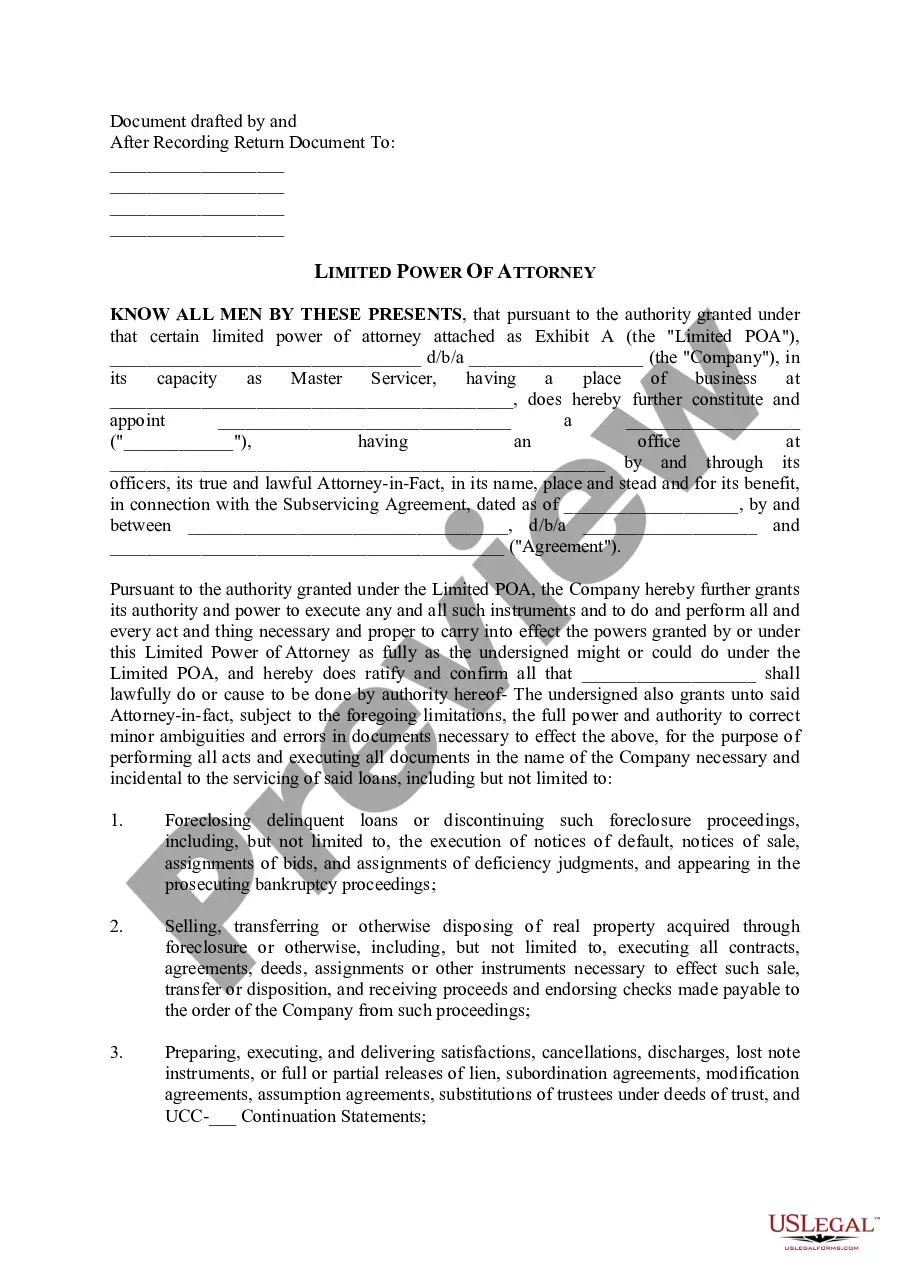
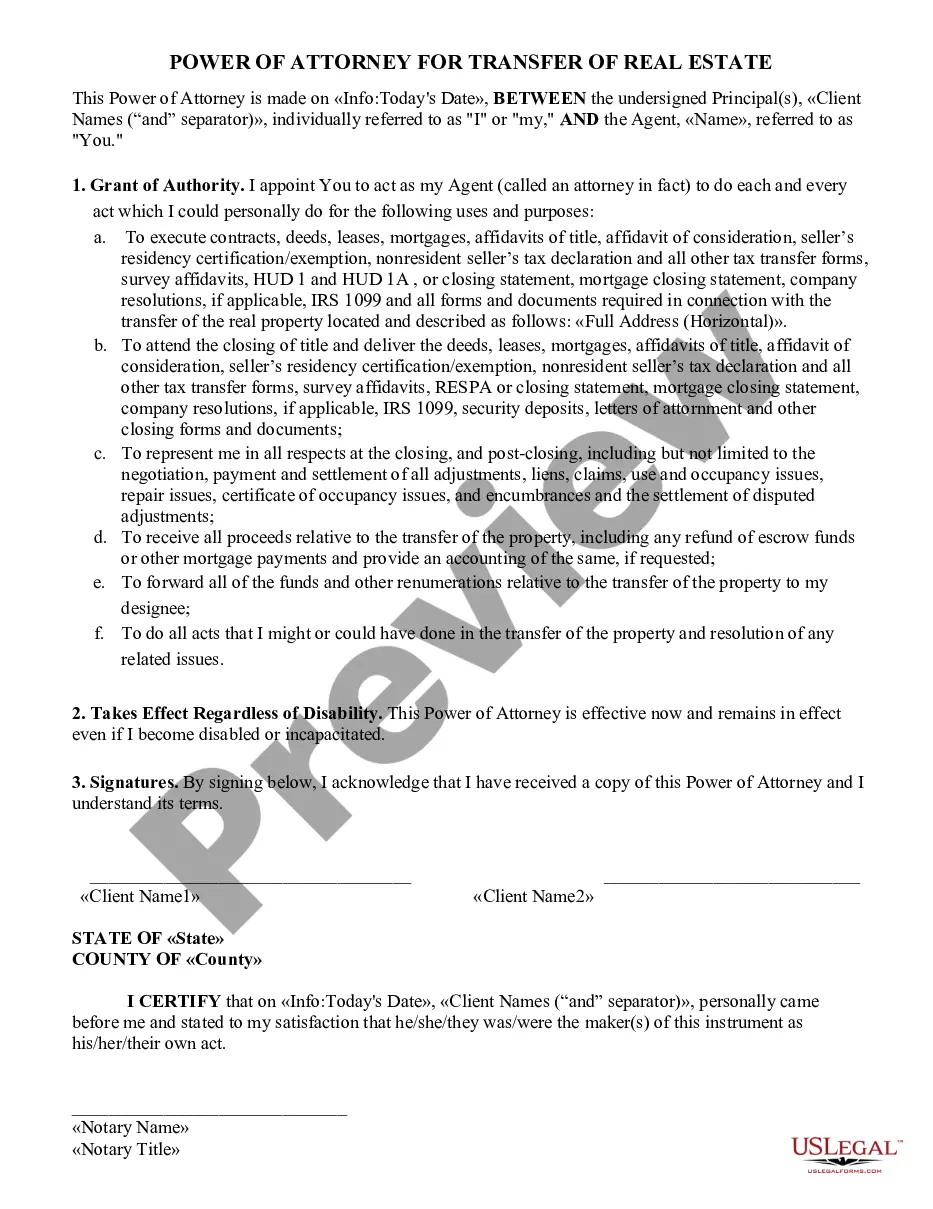
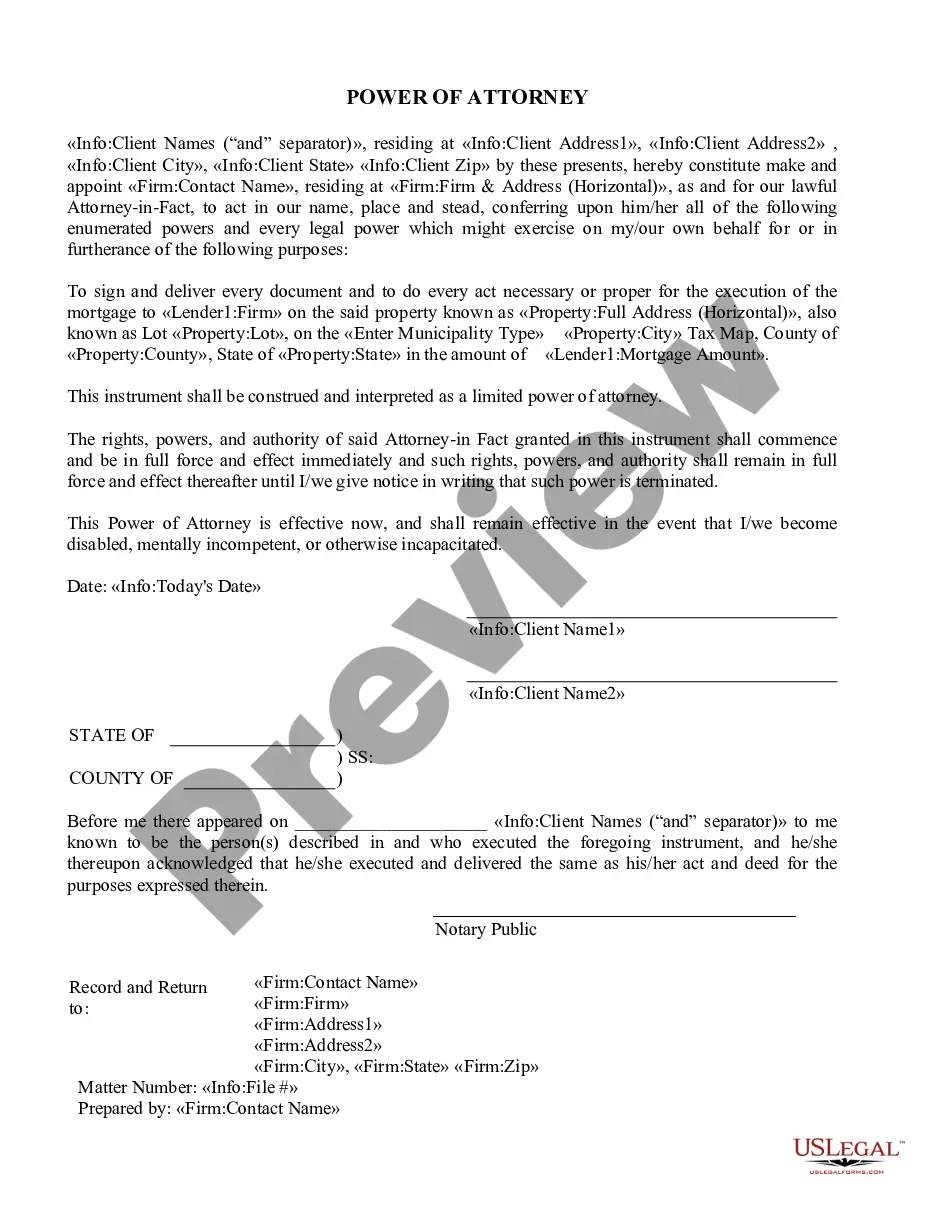
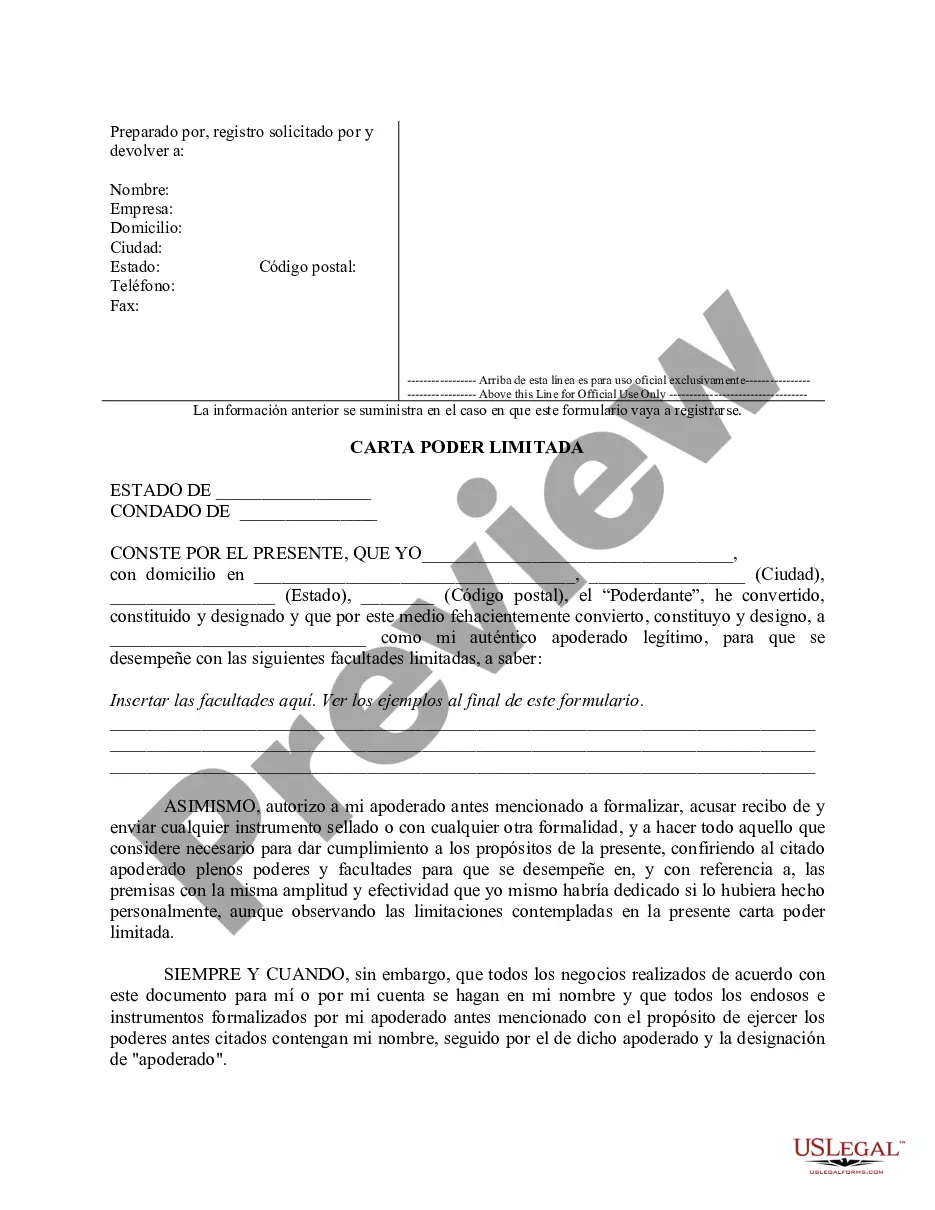
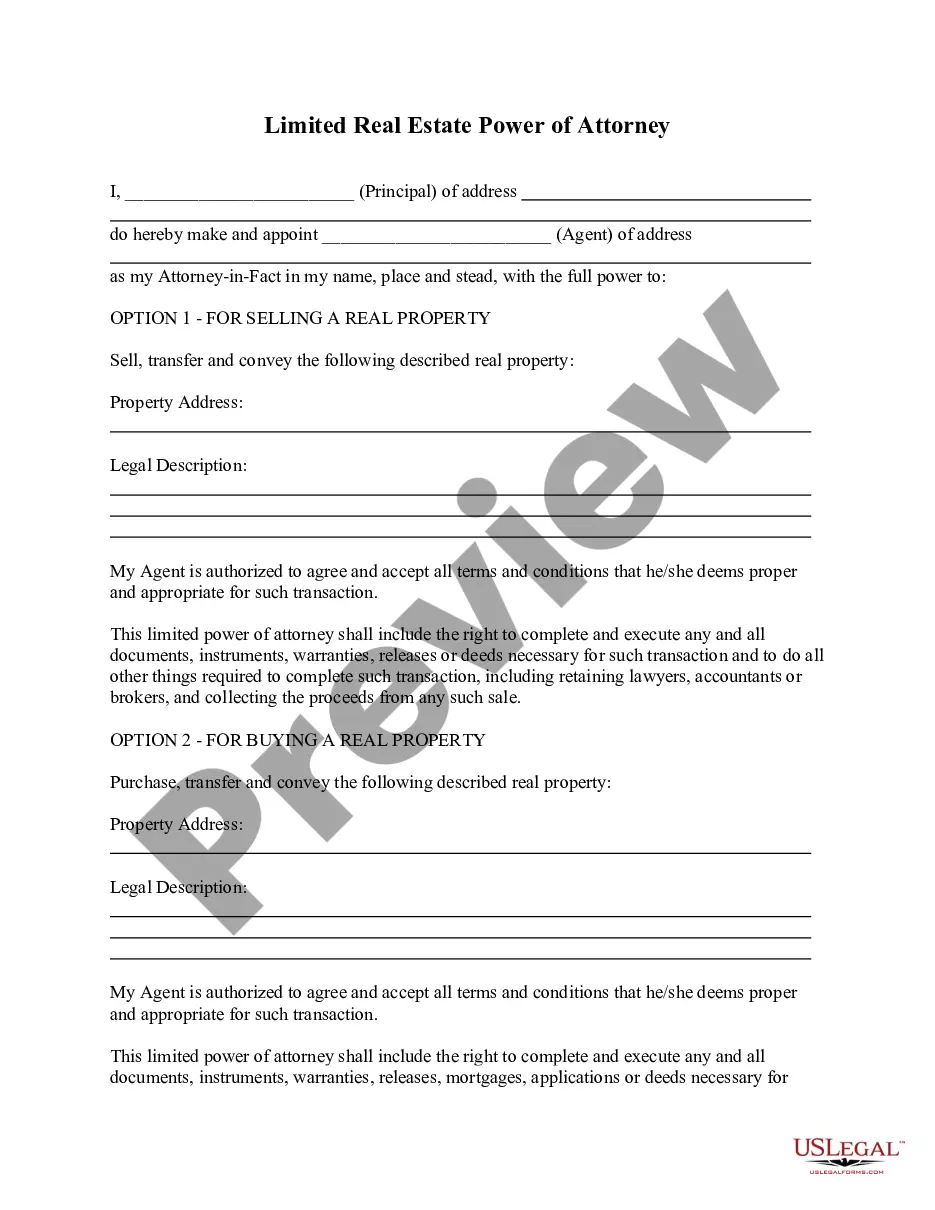
A Limited Power of Attorney (POA) allows you to designate someone else to handle specific legal, financial, or medical matters on your behalf. Unlike a general power of attorney, this form restricts the authority granted to certain actions as defined within the document, making it suitable for limited tasks, like managing investments or handling real estate transactions. It remains effective even if you become incapacitated, ensuring that your chosen representative can act for you as needed.
What’s included in this form
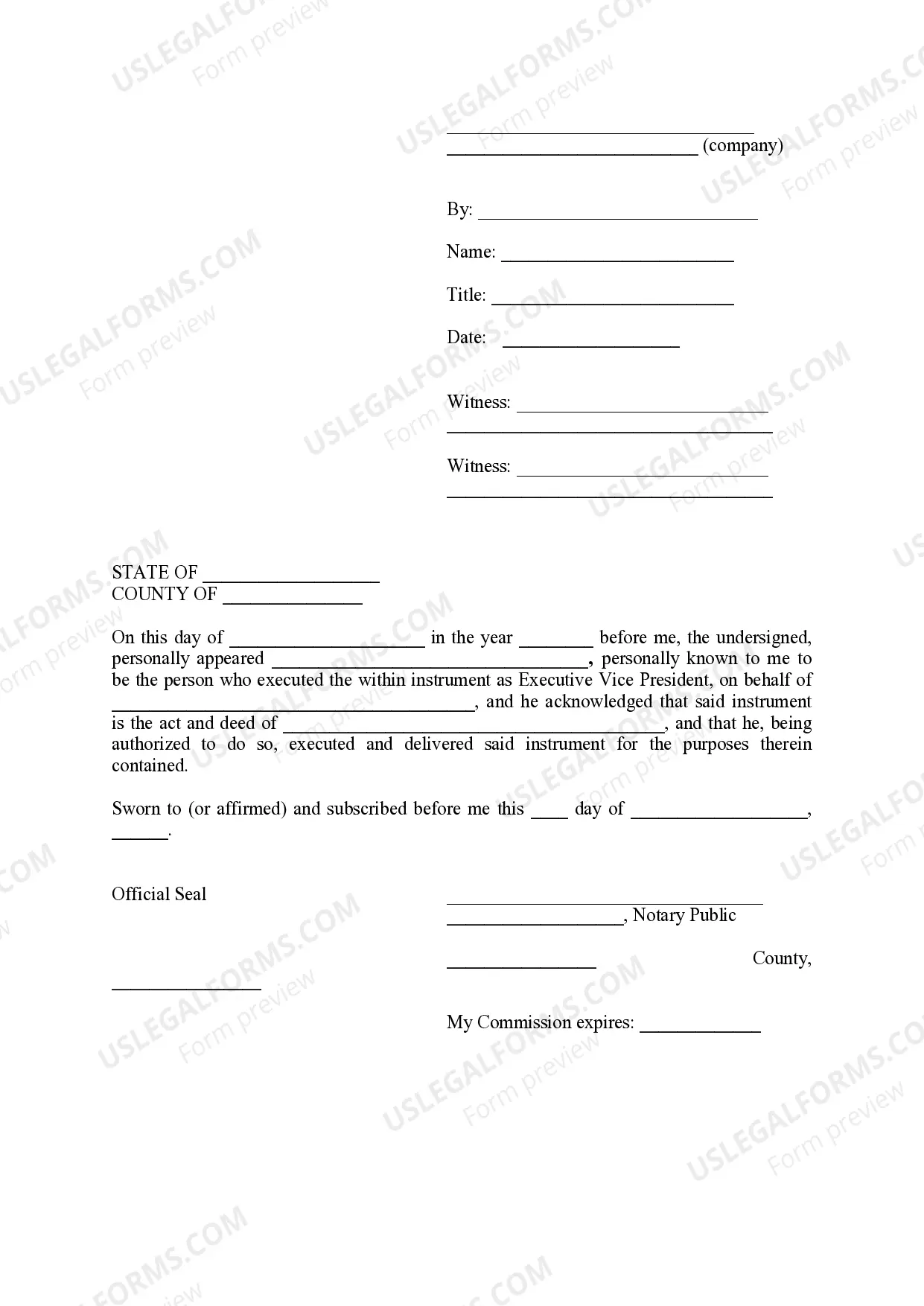
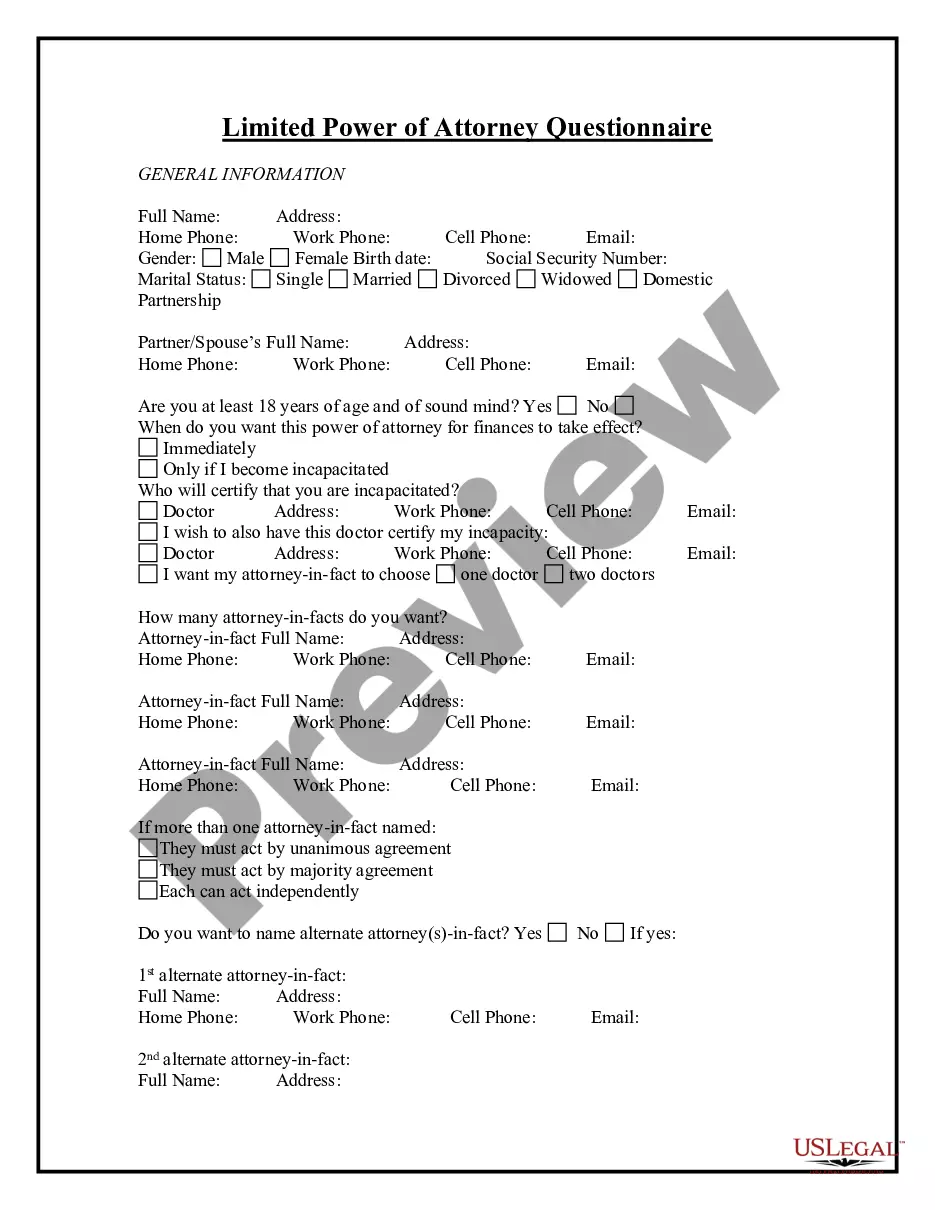
- Identifying the parties: Names and addresses of the principal and attorney-in-fact.
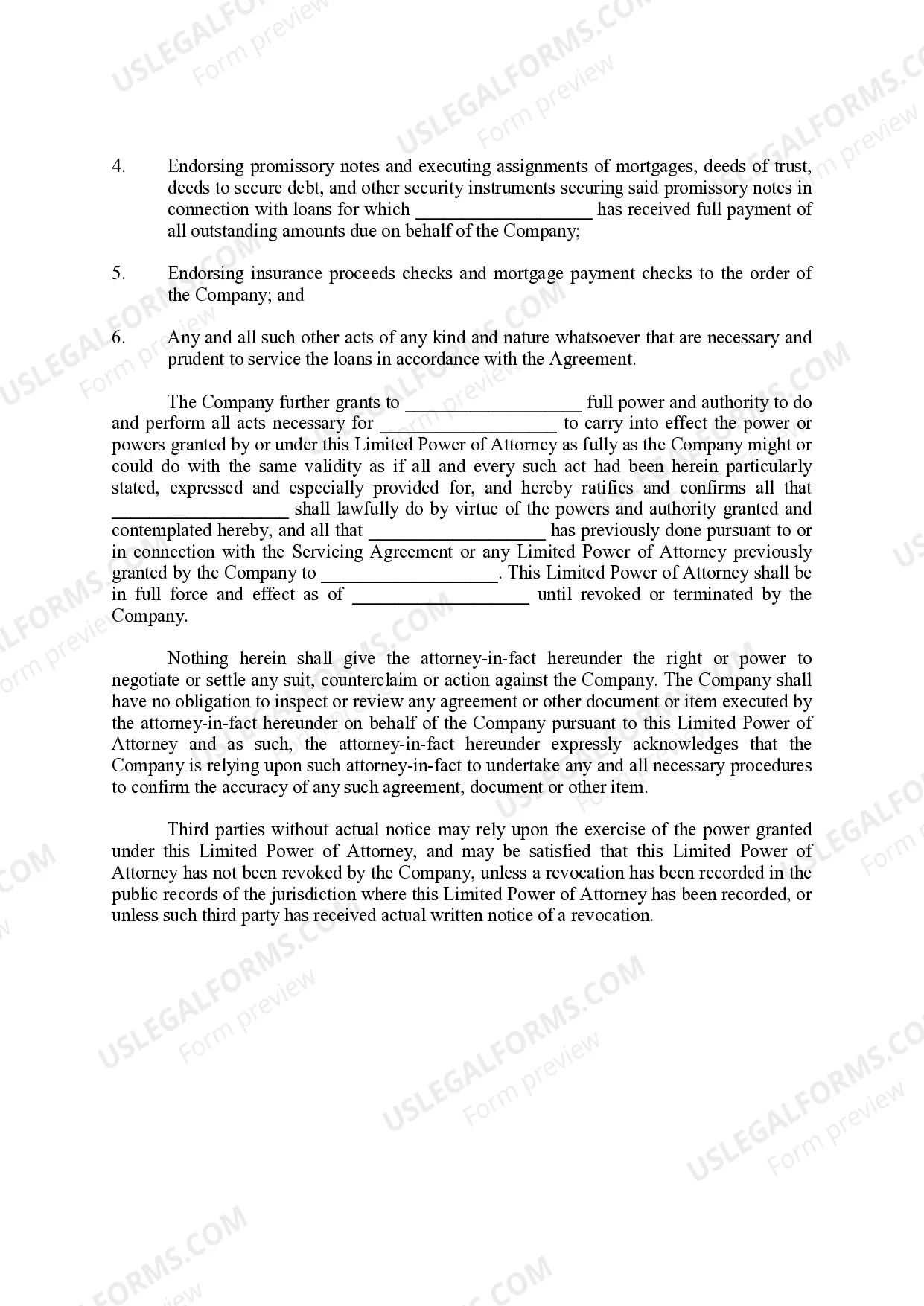
- Scope of authority: Specifies the limited powers granted to the attorney-in-fact.
- Effective date: States when the authority begins and under what conditions it remains valid.
- Signatures: Requires the signature of the principal, witnesses, and a notary if applicable.
- Revocation clause: Describes how the power can be revoked or terminated.
When to use this form
This Limited Power of Attorney is ideal for scenarios where you need someone to manage specific tasks on your behalf. Examples include situations like managing investment portfolios, overseeing financial transactions during your absence, handling real estate sales or purchases, or addressing particular legal matters that require your signature. It is beneficial when you are unable to manage these tasks directly but want to ensure they are handled appropriately and in your best interest.
Who should use this form
- Individuals needing assistance with specific legal or financial matters.
- People who want to ensure that a trusted person can manage their affairs temporarily or in anticipation of incapacity.
- Business owners delegating particular responsibilities to an agent for limited situations.
- Anyone looking to create a formal agreement that grants power while protecting personal interests.
Steps to complete this form
- Identify the parties: Fill in the names and addresses of both the principal and the attorney-in-fact.
- Define the scope of authority: Clearly outline the specific actions the attorney-in-fact is authorized to perform.
- Set the effective date: Indicate when the Limited Power of Attorney will take effect and any conditions for its validity.
- Collect signatures: Ensure that all required signatures from the principal, witnesses, and notary are acquired.
- File the document: If necessary, record the Limited Power of Attorney in public records as required by state law.
Notarization requirements for this form
Yes, this form must be notarized to be legally valid. US Legal Forms provides integrated online notarization services, allowing you to complete this process via a secure video call at your convenience, 24/7, without the need to travel.
Get your form ready online
Our built-in tools help you complete, sign, share, and store your documents in one place.
Make edits, fill in missing information, and update formatting in US Legal Forms—just like you would in MS Word.
Download a copy, print it, send it by email, or mail it via USPS—whatever works best for your next step.
Sign and collect signatures with our SignNow integration. Send to multiple recipients, set reminders, and more. Go Premium to unlock E-Sign.
If this form requires notarization, complete it online through a secure video call—no need to meet a notary in person or wait for an appointment.
We protect your documents and personal data by following strict security and privacy standards.

Make edits, fill in missing information, and update formatting in US Legal Forms—just like you would in MS Word.

Download a copy, print it, send it by email, or mail it via USPS—whatever works best for your next step.

Sign and collect signatures with our SignNow integration. Send to multiple recipients, set reminders, and more. Go Premium to unlock E-Sign.

If this form requires notarization, complete it online through a secure video call—no need to meet a notary in person or wait for an appointment.

We protect your documents and personal data by following strict security and privacy standards.
Mistakes to watch out for
- Not specifying the exact powers granted, leading to potential misunderstandings.
- Failing to sign the document in the presence of witnesses or a notary when required.
- Leaving out crucial details like the effective date or conditions of authority.
- Not properly revoking a previous Limited Power of Attorney when creating a new one.
Benefits of using this form online
- Convenience: Access and complete your document from anywhere at any time.
- Editability: Easily adjust the form to fit your specific circumstances and needs.
- Reliability: Forms are drafted by licensed attorneys to ensure legal accuracy and compliance.
Legal use & context
- Legal enforceability may vary by state; it's crucial to follow local regulations.
- This Limited Power of Attorney grants specific powers and does not allow for general authority not laid out in the document.
- Revocation procedures must be followed as per the terms outlined in the document or required by law.
Quick recap
- The Limited Power of Attorney is crucial for managing specific matters on your behalf.
- Clarity in the scope of authority helps prevent disputes and misunderstandings.
- Formal execution, including notarization, ensures validity and protects your interests.
Looking for another form?
Form popularity
FAQ
To ensure a Power of Attorney (POA) is valid in Michigan, it must be in writing and signed by the principal. The principal must be at least 18 years old and mentally competent when signing. Additionally, the document should specify the powers granted to the agent, and it is advisable to have the document notarized for added assurance. By following these guidelines, you can confidently create a Michigan Limited Power of Attorney that serves your needs.
To obtain a durable Power of Attorney in Michigan, you need to draft the document clearly outlining the powers you wish to grant. You may choose to use online platforms like US Legal Forms, which provide templates to simplify the process. Once you complete the form, ensure you sign it in front of a notary public. This ensures the document is legally binding and effective in managing your affairs when necessary.
In Michigan, a Power of Attorney (POA) allows a designated person to make financial or legal decisions on your behalf. A Limited Power of Attorney, on the other hand, restricts this authority to specified tasks or for a certain duration. Essentially, a Limited POA is a more focused tool, providing you with control over specific aspects of your affairs. For those looking to establish a Limited Power of Attorney in Michigan, understanding this distinction can help you tailor the document to fit your needs.
Yes, a bank can refuse a limited power of attorney if it doesn't meet their internal requirements or policies. It's essential for the Michigan Limited Power of Attorney to be well-prepared and, ideally, in a format recognized by your bank. Always ensure that the document is properly executed and detailed. If you encounter issues, the services provided by US Legal Forms can help you create compliant documents and navigate the banking requirements.
To fill out a limited power of attorney form in Michigan, first, identify yourself and the agent’s details. Clearly state the powers you wish to grant in straightforward language. Next, review your document to ensure clarity and completeness, and sign it in the presence of a notary, if required. The US Legal Forms platform offers user-friendly templates to help you through each step of this process.
Filling out a limited power of attorney in Michigan involves understanding what authority you want to grant. Start with a clear description of your agent’s powers; this could be related to financial matters, property management, or healthcare decisions. It's crucial to be specific to avoid confusion. The US Legal Forms platform provides templates that can simplify this process greatly.
In Michigan, a power of attorney does not need to be recorded to be valid. However, if you plan to use the Michigan Limited Power of Attorney for real estate transactions, recording is advisable. Doing so ensures that third parties, such as banks or real estate agents, recognize the authority granted to your agent. Always consult with a legal professional for specific advice regarding your situation.
Limited power of attorney and special power of attorney are often indistinguishable, as both grant control over specific tasks or responsibilities. In a Michigan Limited Power of Attorney, you define the scope of authority given to your agent, ensuring they can only act on your behalf within those limitations. Both terms describe a degree of specificity which protects your interests while allowing for flexibility in who can assist you with particular matters. Using resources like USLegalForms can help you create the right document to fit your unique situation.
The key difference between a limited power of attorney and a durable power of attorney lies in the duration of authority. A limited power of attorney ceases upon your incapacitation, while a durable power of attorney remains effective even if you can no longer make decisions. If you seek to maintain control over your affairs, consider using a Michigan Limited Power of Attorney tailored for specific needs. Platforms like USLegalForms provide the tools to establish this type of authority clearly and securely.
A limited power of attorney grants authority for a particular action or set of actions, whereas a specific power of attorney focuses on a singular, defined task. In a Michigan Limited Power of Attorney, you can specify what decisions your agent can make on your behalf. This ensures that your agent acts only within the boundaries you set, providing more security and clarity.