Michigan Warranty Deed
What this document covers
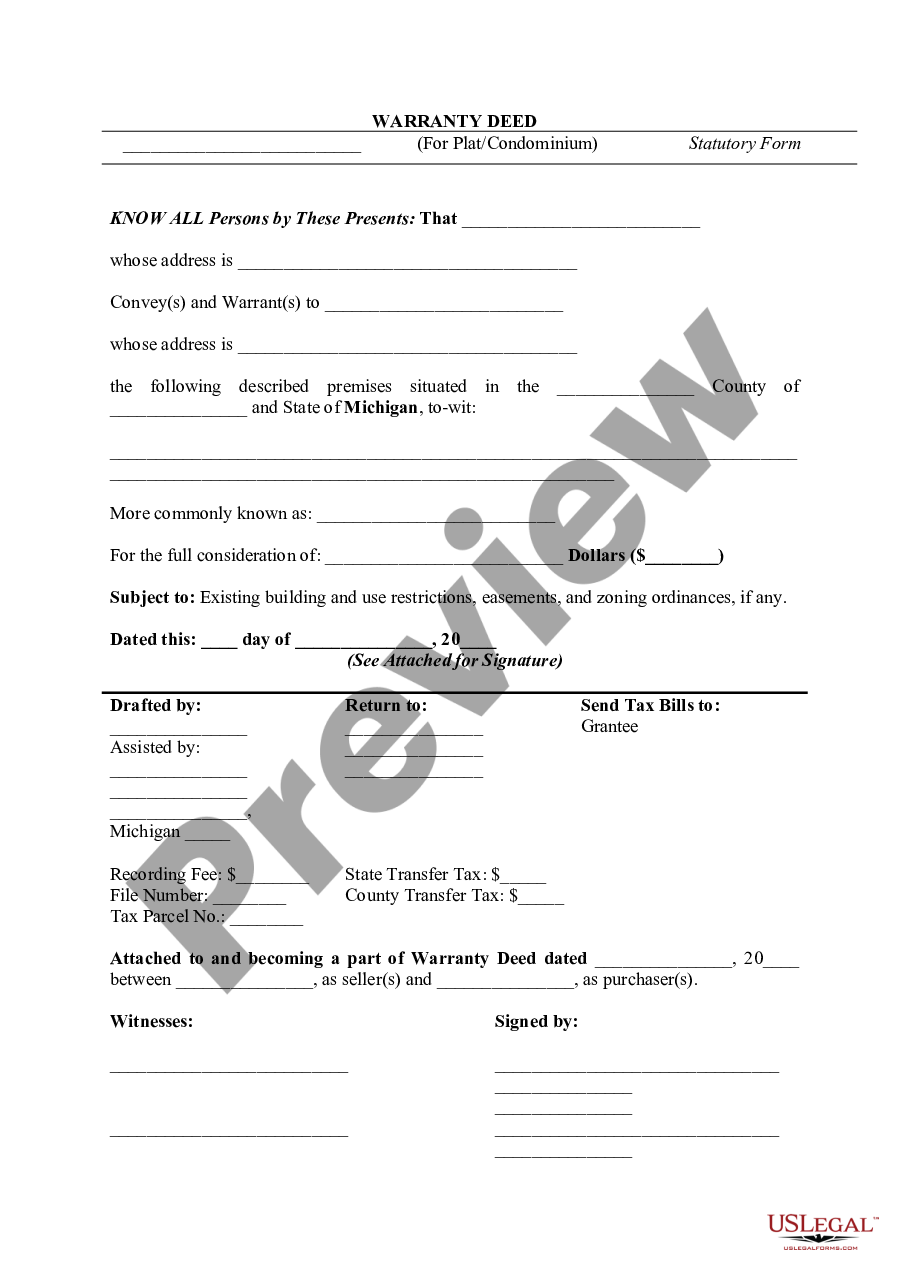
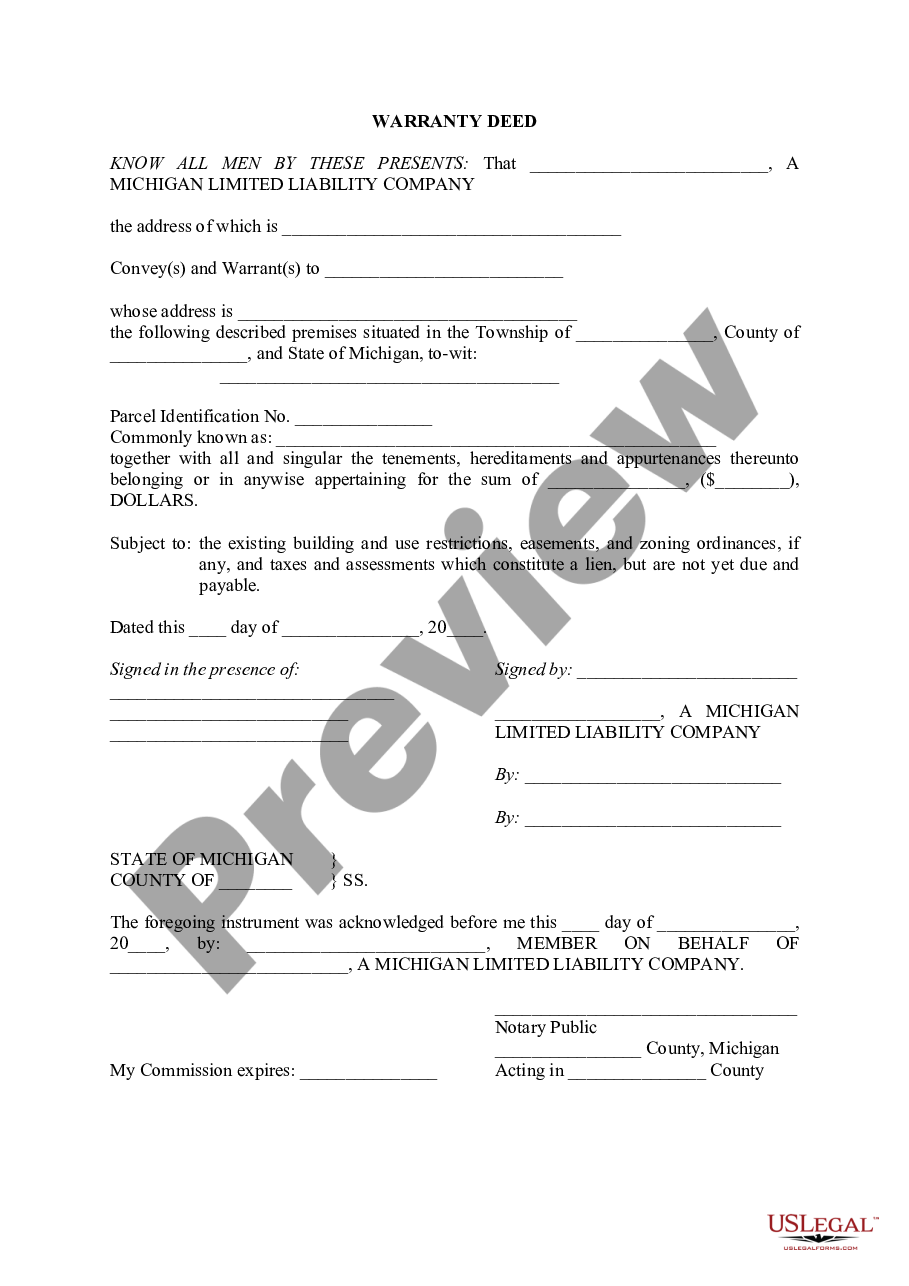
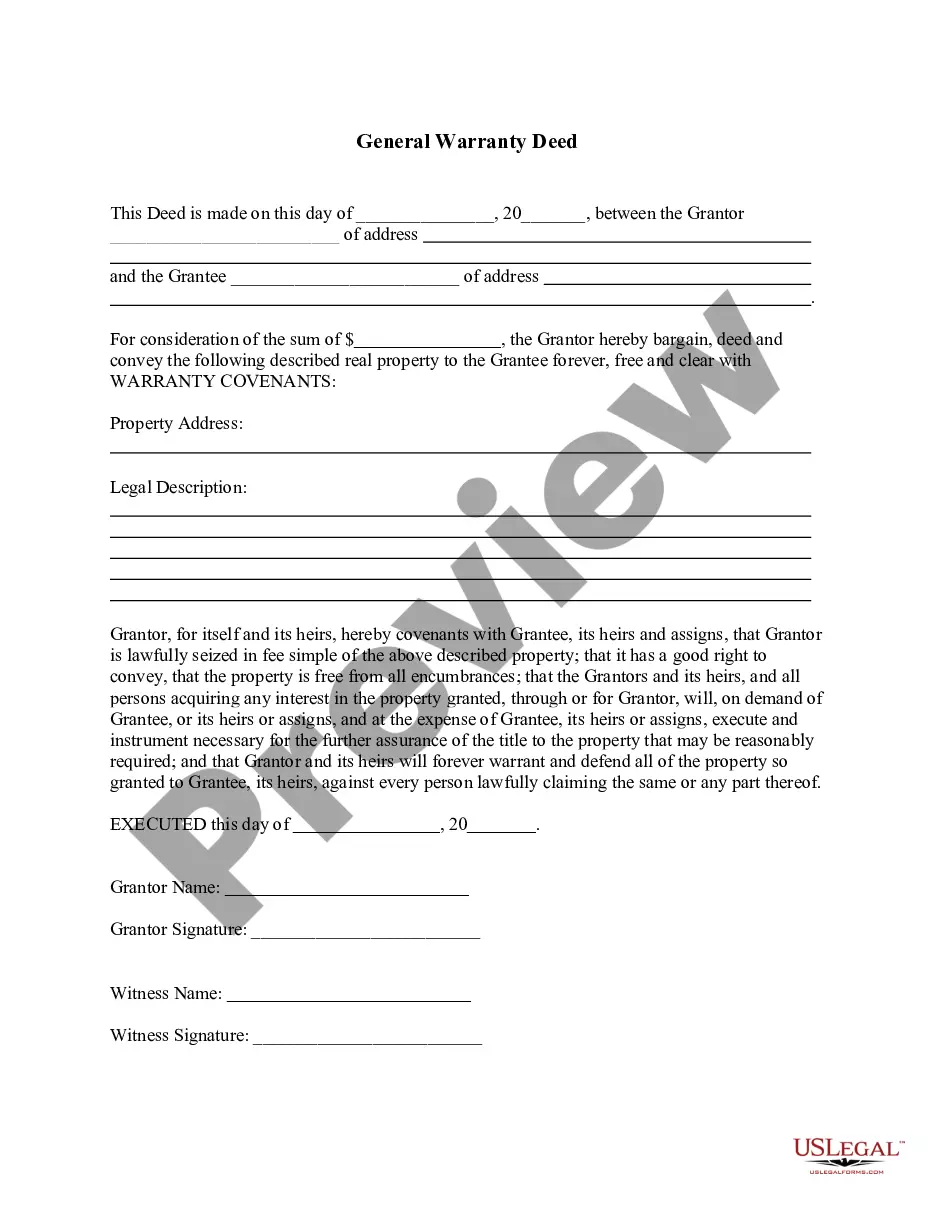
A warranty deed is a legal document that guarantees a property's title is clear of any liens or encumbrances at the time of transfer. This Warranty Deed from Individual to Individual specifically serves the purpose of transferring real estate ownership between two individuals. Unlike other types of deeds, a warranty deed provides a comprehensive assurance that the grantor has the legal right to transfer the property and that the title is free from disputes. This form is essential for anyone looking to formalize a property transfer between individuals.
What’s included in this form
- Grantor's information: Name and address of the person transferring the property.
- Grantee's information: Name and address of the person receiving the property.
- Property description: Detailed identification of the property being transferred.
- Consideration amount: Total value of the property in dollars.
- Signatures: Requires the signatures of the parties involved and witnesses.
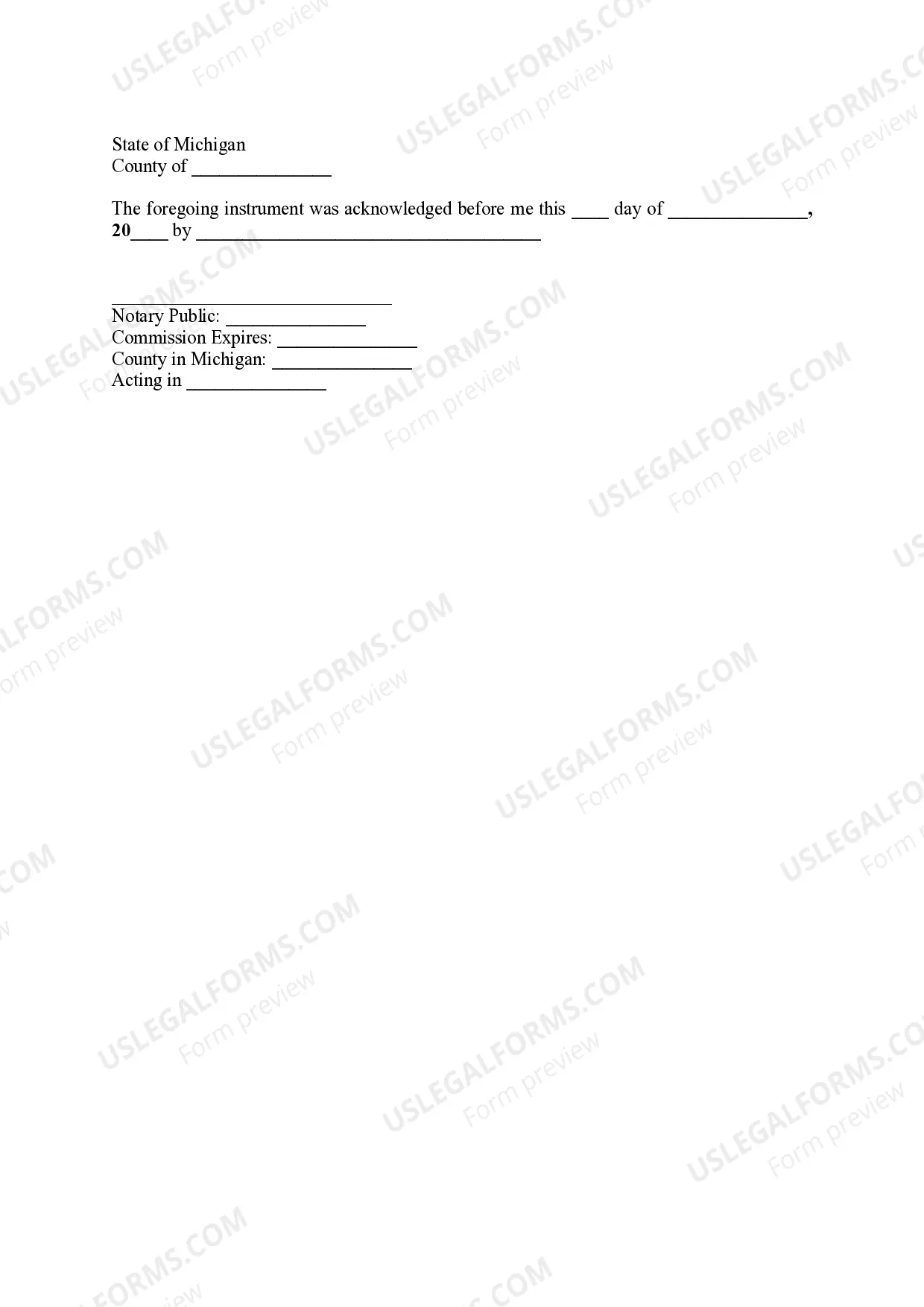
- Notarization: A space for a notary public to verify the identities of the signers.


When this form is needed
This warranty deed is typically used when an individual wishes to transfer ownership of real estate to another individual. Common scenarios may include property inheritance, sales transactions, or gift transfers between family members or friends. It is important to ensure the transfer is documented properly to protect the interests of both parties involved.
Who needs this form
- Individuals transferring property to another individual.
- Heirs looking to transfer inherited property to another party.
- Friends or family members engaging in property transfers as gifts or sales.
- Real estate professionals assisting clients in private property transactions.
Completing this form step by step
- Identify the parties: Fill in the names and addresses of both the grantor and grantee.
- Specify the property: Provide a detailed legal description of the property being transferred.
- Enter the consideration: State the agreed amount for the property in dollars.
- Gather signatures: Ensure both parties and any required witnesses sign the document.
- Obtain notarization: Have the document notarized to authenticate the signatures.
- File with the local government: Submit the executed warranty deed to the appropriate county office for recording.
Does this form need to be notarized?
Yes, this form must be notarized to be legally valid. Notarization helps confirm the identities of the signers and provides an additional layer of authenticity to the document. US Legal Forms offers integrated online notarization, allowing you to have your document notarized securely via video call at your convenience, without the need for travel.
Get your form ready online
Our built-in tools help you complete, sign, share, and store your documents in one place.
Make edits, fill in missing information, and update formatting in US Legal Forms—just like you would in MS Word.
Download a copy, print it, send it by email, or mail it via USPS—whatever works best for your next step.
Sign and collect signatures with our SignNow integration. Send to multiple recipients, set reminders, and more. Go Premium to unlock E-Sign.
If this form requires notarization, complete it online through a secure video call—no need to meet a notary in person or wait for an appointment.
We protect your documents and personal data by following strict security and privacy standards.

Make edits, fill in missing information, and update formatting in US Legal Forms—just like you would in MS Word.

Download a copy, print it, send it by email, or mail it via USPS—whatever works best for your next step.

Sign and collect signatures with our SignNow integration. Send to multiple recipients, set reminders, and more. Go Premium to unlock E-Sign.

If this form requires notarization, complete it online through a secure video call—no need to meet a notary in person or wait for an appointment.

We protect your documents and personal data by following strict security and privacy standards.
Typical mistakes to avoid
- Failing to provide a complete property description, which may lead to title issues.
- Not having the document notarized, which is often required for legal validity.
- Leaving out witness signatures, if applicable in your state.
- Incorrectly stating the consideration amount or leaving it blank.
Why use this form online
- Immediate access: Download the form instantly without waiting for postal delivery.
- Editability: Tailor the form to your specific transaction requirements easily.
- Reliable templates: Use forms drafted by licensed attorneys, ensuring they are up-to-date and relevant.
- Convenience: Complete the form at your own pace, from anywhere with internet access.
Looking for another form?

Form popularity
FAQ
Yes, you can prepare your own Michigan Warranty Deed if you have a clear understanding of the necessary components. It is essential to ensure that all explanations and clauses are correctly stated. If you prefer some guidance or ready-made templates, US Legal Forms offers user-friendly resources to assist you in preparing your deed efficiently. This way, you can confidently complete the process on your own.
You do not necessarily need an attorney to file a Michigan Warranty Deed; many individuals handle the process themselves. However, consulting a lawyer can provide you with peace of mind and confirm that all legal requirements are met. Using platforms like US Legal Forms can streamline the process, giving you templates and guidance if you decide not to hire an attorney.
Typically, a Michigan Warranty Deed can be prepared by a lawyer or a qualified individual familiar with real estate transactions. Some people choose to draft the document themselves using resources or templates, such as those offered by US Legal Forms. It is important to include all necessary details to ensure the deed's validity. You want to protect your interests, so consider your options carefully.
You should file your Michigan Warranty Deed with the county clerk's office in the county where the property is located. This official office maintains property records and ensures all legal documents are properly filed. Always check the county's specific filing requirements to make the process as smooth as possible. US Legal Forms can assist you in accessing the necessary forms and instructions.
Yes, you can file a Michigan Warranty Deed yourself if you understand the requirements and process. However, it is crucial to ensure that all information is accurate and complete. Doing so can help you avoid potential legal issues in the future. If you're unsure, consider using a platform like US Legal Forms for guidance.
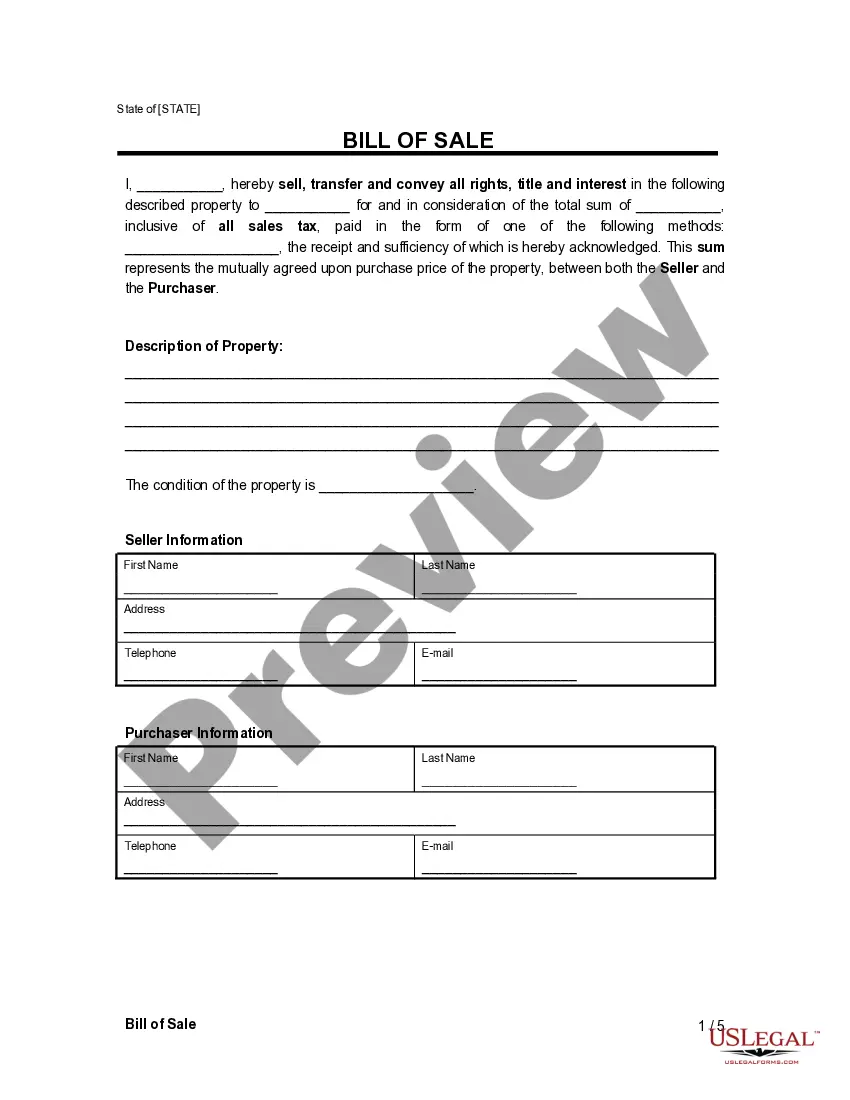
Yes, Michigan does recognize warranty deeds as a valid method for transferring property ownership. A Michigan Warranty Deed provides a guarantee that the grantor holds clear title to the property and can convey it without any encumbrances. This form of deed offers great protection for the buyer, ensuring they will not face any future claims against the property. Understanding how to effectively use a warranty deed can protect your investment and simplify real estate transactions.
When utilizing a Michigan Warranty Deed, consider the deed's guarantees regarding the title and any potential encumbrances. It's also important to review the property history to identify previous claims or liens. Additionally, using a professional service like uslegalforms can simplify the process, ensuring that the deed is filled out correctly and complies with Michigan regulations. This reduces risks associated with property ownership.
No, a covenant deed is not the same as a warranty deed. A covenant deed merely transfers ownership rights that the seller possesses, without providing any guarantee about the title's quality. In contrast, a Michigan Warranty Deed provides assurances about the condition of the title, protecting the buyer against future claims. This difference can significantly impact a transaction, making it vital to choose the right type of deed.
To obtain a Michigan Warranty Deed for your property, you need to prepare the deed document that includes the names of the grantor and grantee, as well as a legal description of the property. You can create this document using online resources or legal form providers, like US Legal Forms, which offers templates specific to Michigan. Once completed, you must sign the deed in front of a notary public and file it with the county register of deeds for it to be valid. This process officially transfers ownership and ensures that your property records are updated.
A covenant is not the same as a warranty. In legal terms, a warranty refers to a guarantee regarding property ownership, such as that found in a Michigan Warranty Deed. Conversely, a covenant typically suggests an agreement or promise between parties, which does not inherently involve the same level of title protection. Understanding these distinctions is crucial for navigating real estate transactions.