Michigan Notice of Breach of Written Lease for Violating Specific Provisions of Lease with No Right to Cure for Nonresidential Property from Landlord to Tenant
Description
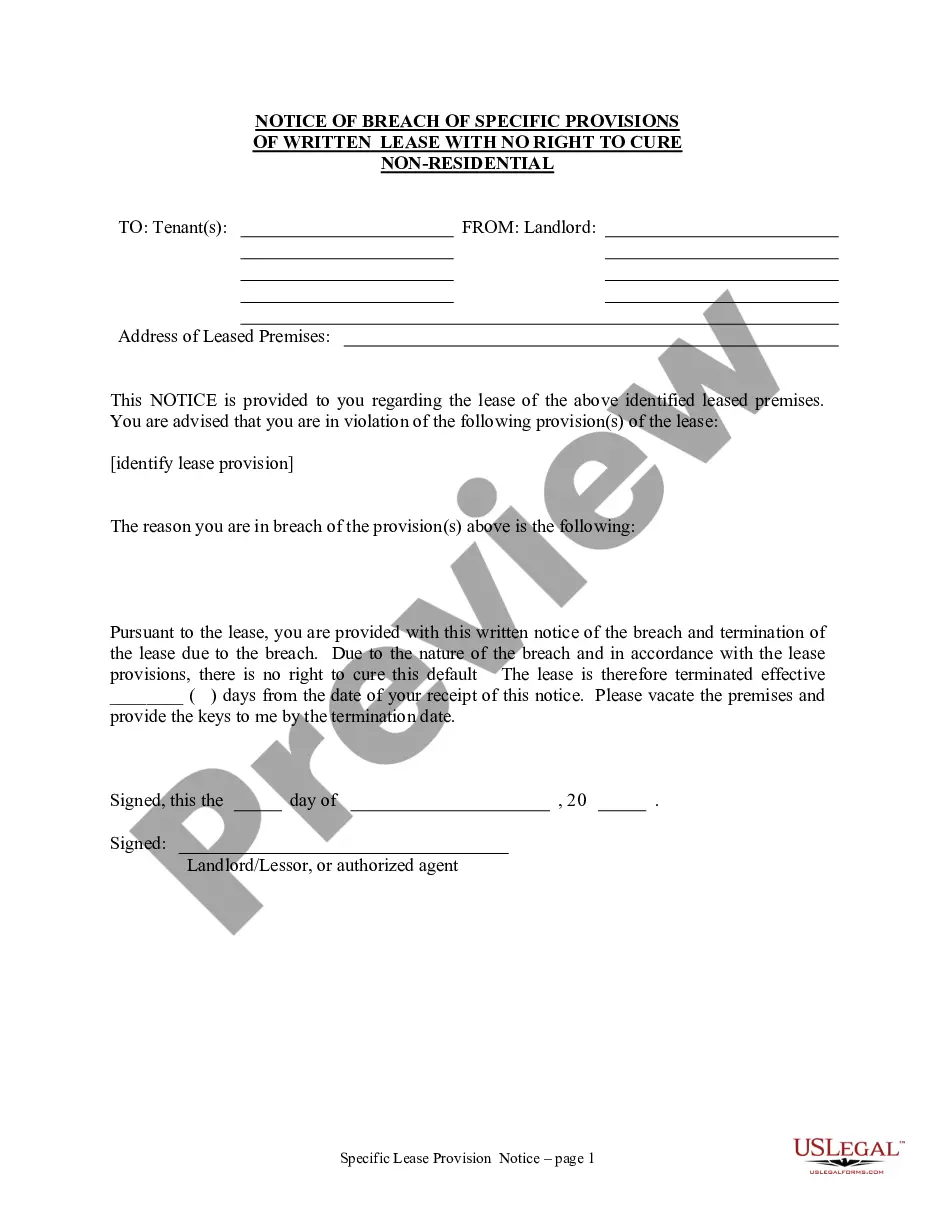
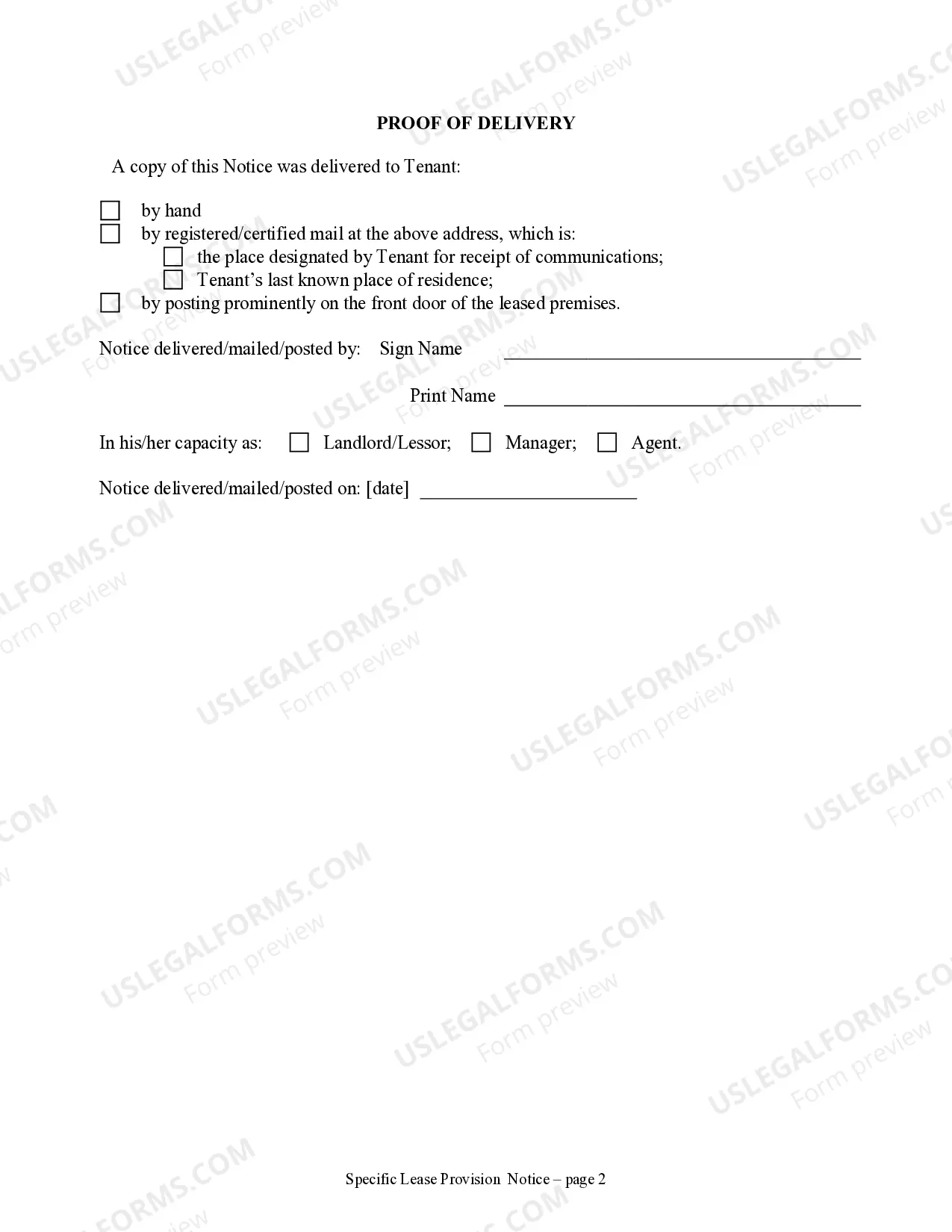


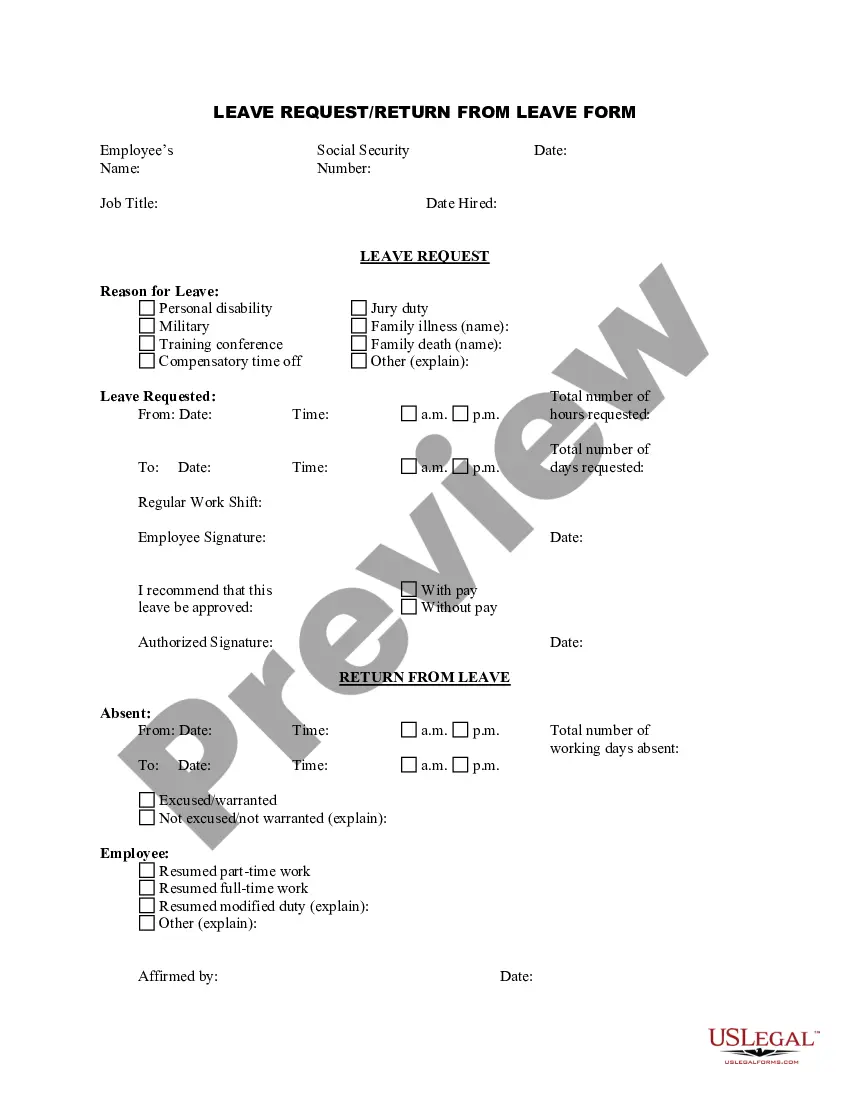
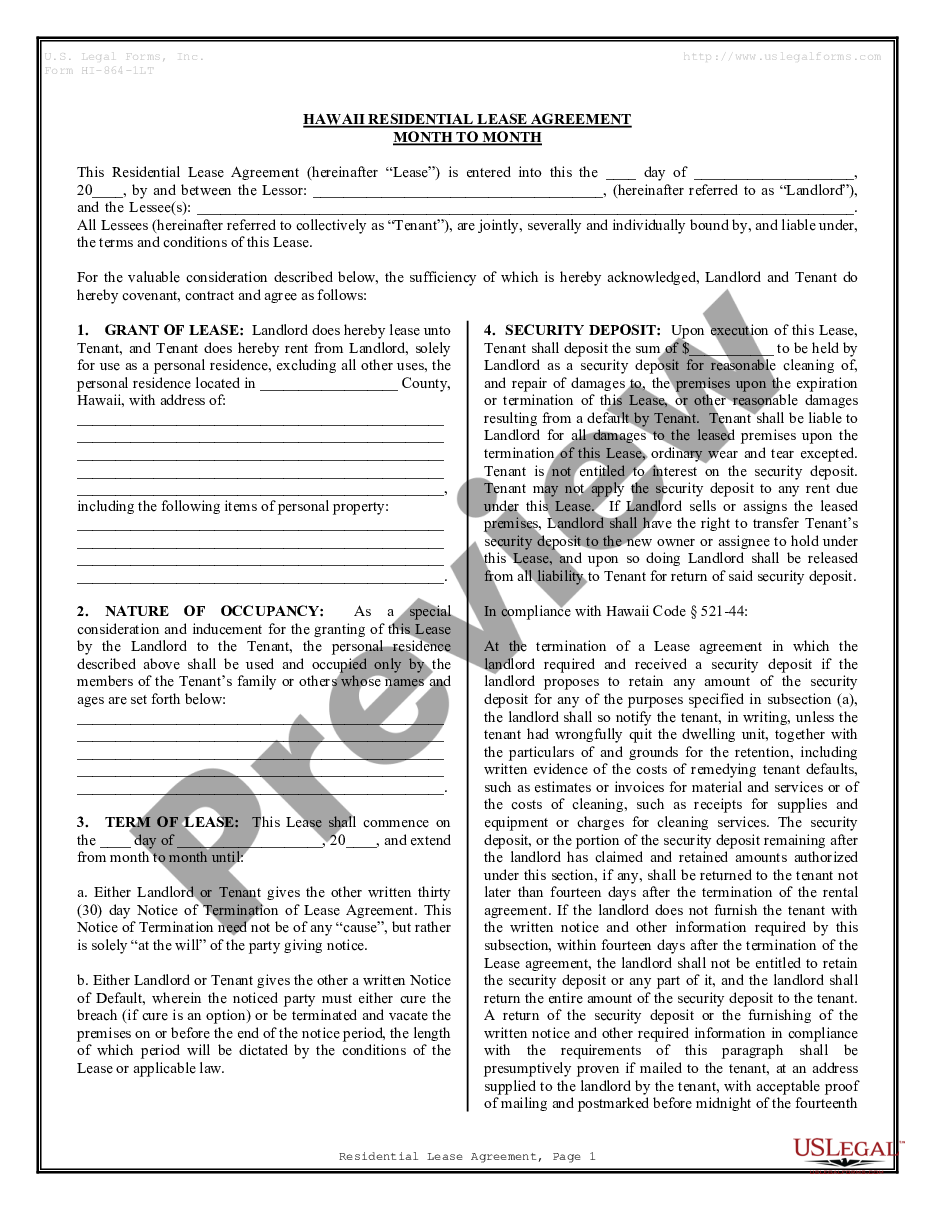
How to fill out Michigan Notice Of Breach Of Written Lease For Violating Specific Provisions Of Lease With No Right To Cure For Nonresidential Property From Landlord To Tenant?
Get any form from 85,000 legal documents including Michigan Notice of Breach of Written Lease for Violating Specific Provisions of Lease with No Right to Cure for Nonresidential Property from Landlord to Tenant on-line with US Legal Forms. Every template is prepared and updated by state-certified attorneys.
If you already have a subscription, log in. Once you are on the form’s page, click the Download button and go to My Forms to access it.
If you haven’t subscribed yet, follow the tips below:
- Check the state-specific requirements for the Michigan Notice of Breach of Written Lease for Violating Specific Provisions of Lease with No Right to Cure for Nonresidential Property from Landlord to Tenant you need to use.
- Read description and preview the template.
- As soon as you’re confident the template is what you need, click on Buy Now.
- Select a subscription plan that works for your budget.
- Create a personal account.
- Pay in a single of two appropriate ways: by bank card or via PayPal.
- Select a format to download the document in; two options are available (PDF or Word).
- Download the file to the My Forms tab.
- Once your reusable form is ready, print it out or save it to your gadget.
With US Legal Forms, you will always have immediate access to the appropriate downloadable sample. The service will give you access to documents and divides them into categories to streamline your search. Use US Legal Forms to get your Michigan Notice of Breach of Written Lease for Violating Specific Provisions of Lease with No Right to Cure for Nonresidential Property from Landlord to Tenant easy and fast.
Form popularity
FAQ
In many cases, the lease may give the tenant the option to pay an early termination fee. If this is the case, tenants can expect to pay one to two months' rent in order to exit the lease agreement.
If a resident fails to abide by the agreed-upon terms, legal action can be taken. If an eviction is the end-result of this action, it will stay listed on the resident's record for up to seven years. The most common reason evictions are requested involves failure to pay rent.
In some circumstances, a tenant can break a fixed-term agreement early without penalty. A tenant can give 14 days' written notice to end an agreement early without penalty if: they have accepted an offer of social housing (e.g. from DCJ Housing)
If you break a lease without legal grounds to do so, you may: Be required to pay the rent for the remaining months on your lease. Be subject to legal action from your landlord, and/or. Receive a negative mark on your credit report.
Under California law, a lease does have to be in writing to be enforceable, but only when the lease is for a period of more than a year.
A tenant must pay the rent up to and including the day their termination notice period ends and they vacate the property. If a tenant does not owe the landlord money at the end of their tenancy and there is no damage to the property, the bond paid at the beginning of the tenancy should be refunded in full.
If you pay all outstanding charges before moving, including any back rent and fees, breaking a lease won't hurt your credit score. However, breaking a lease can damage your credit if it results in unpaid debt.Landlords generally don't report unpaid rent to credit bureaus.
A lease is automatically void when it is against the law, such as a lease for an illegal purpose. In other circumstances, like fraud or duress, a lease can be declared void at the request of one party but not the other.
If a tenant fails to pay rent, breaks a rule, or significantly damages the property, then it is considered breach of contract and you have grounds for eviction. If there are people living in the unit that are not on the lease, then that is also breach of contract and you have grounds to evict them.