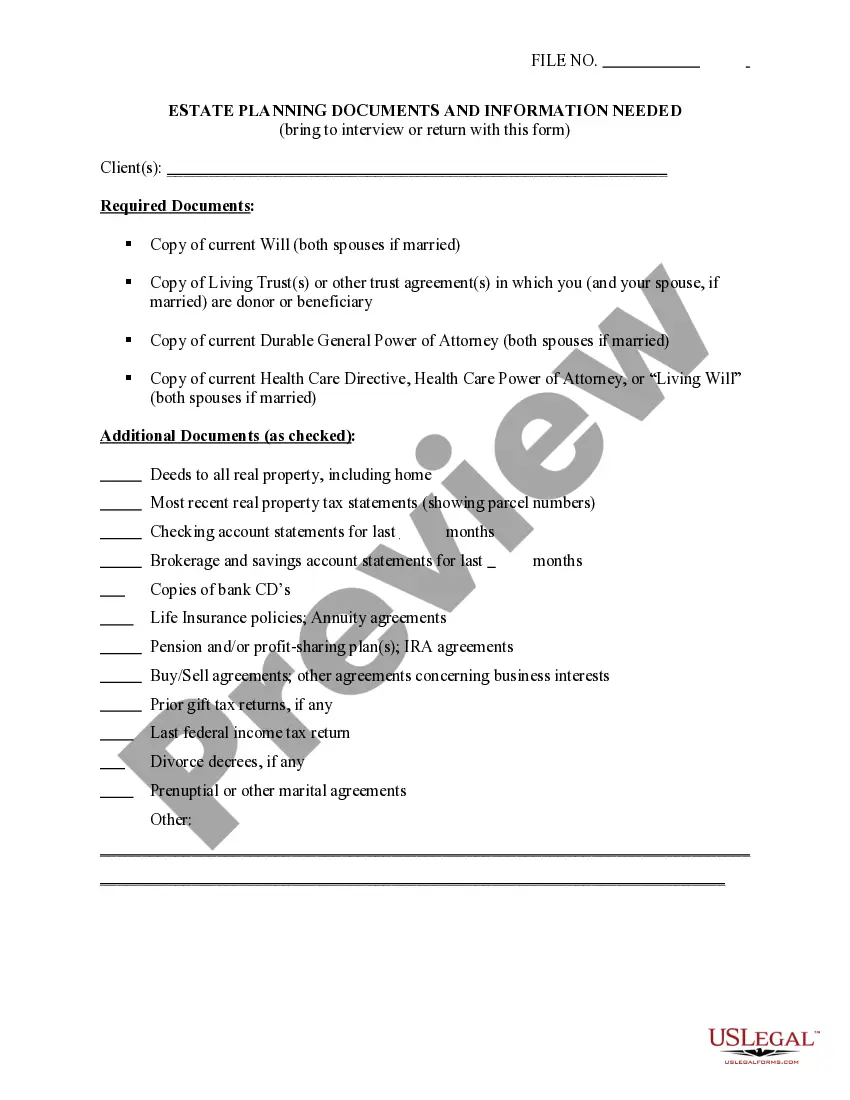
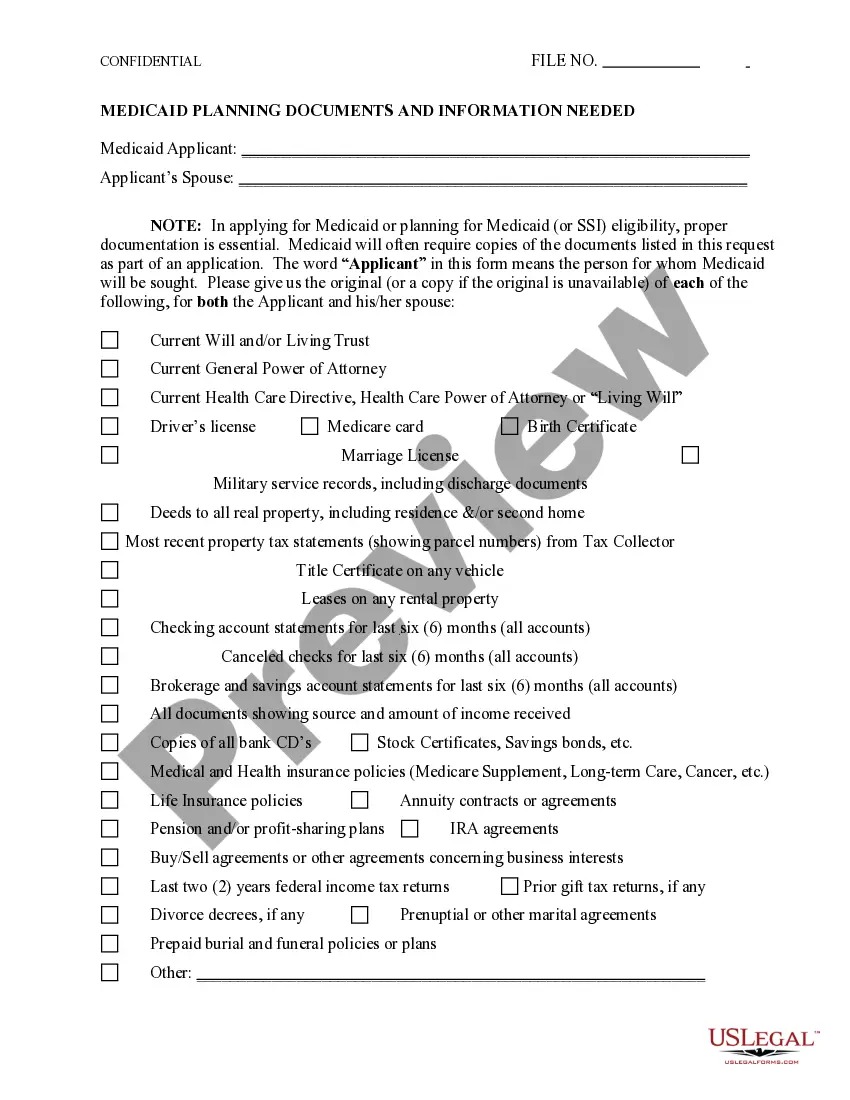
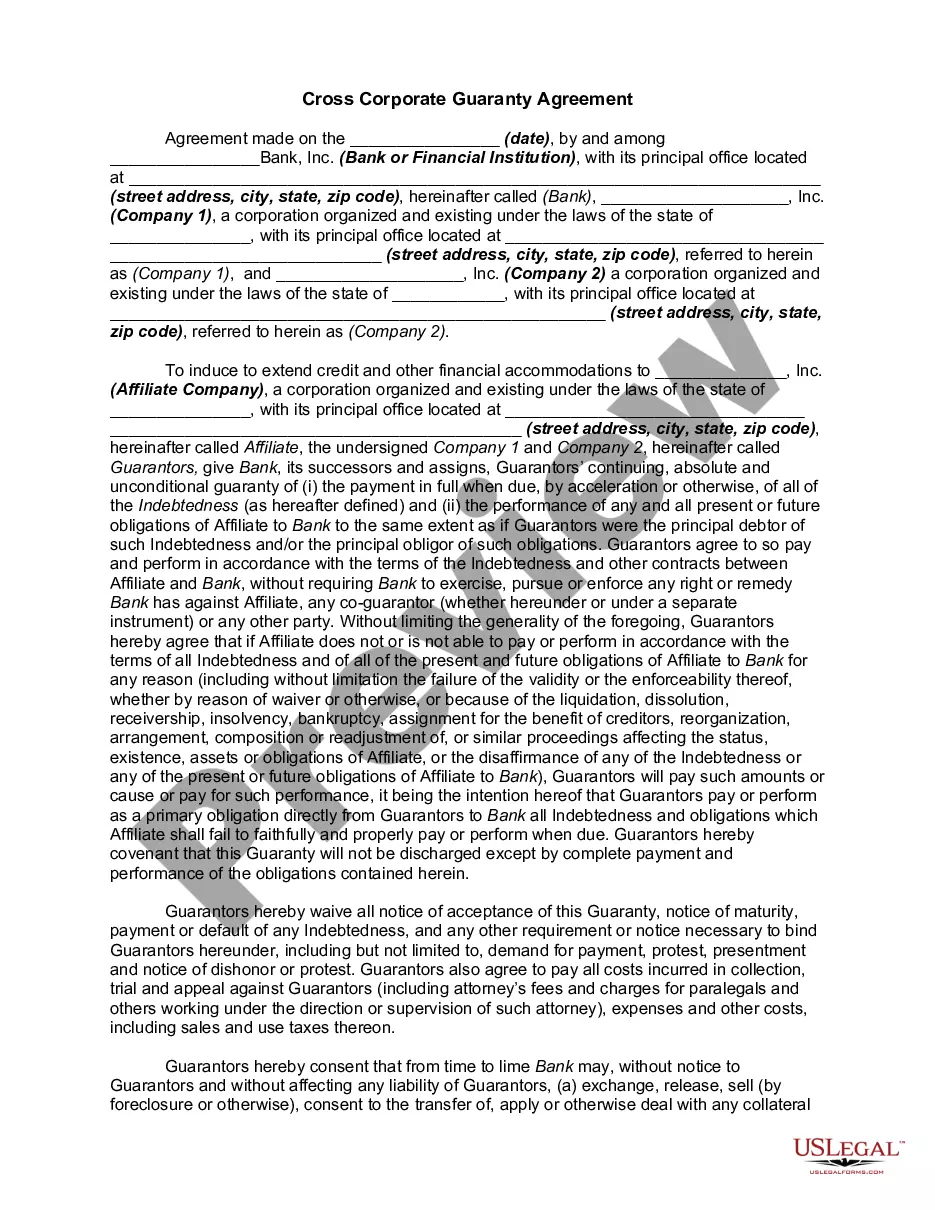
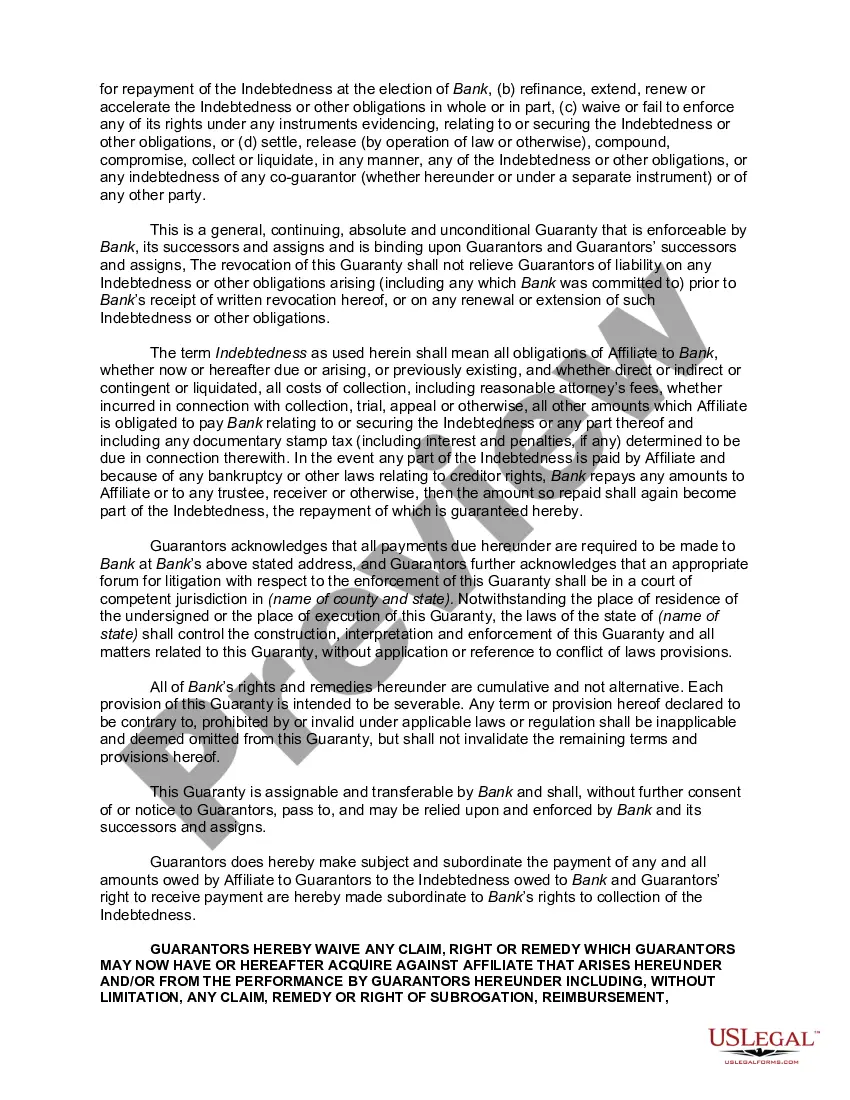
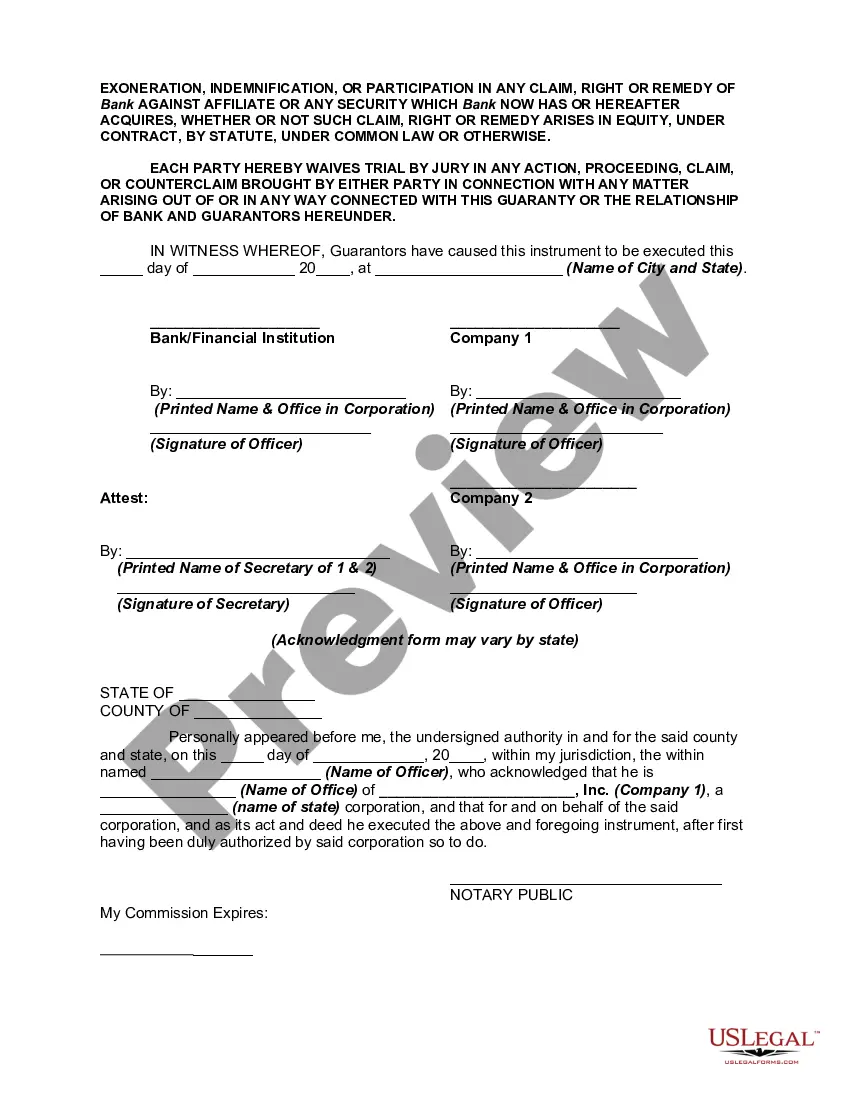
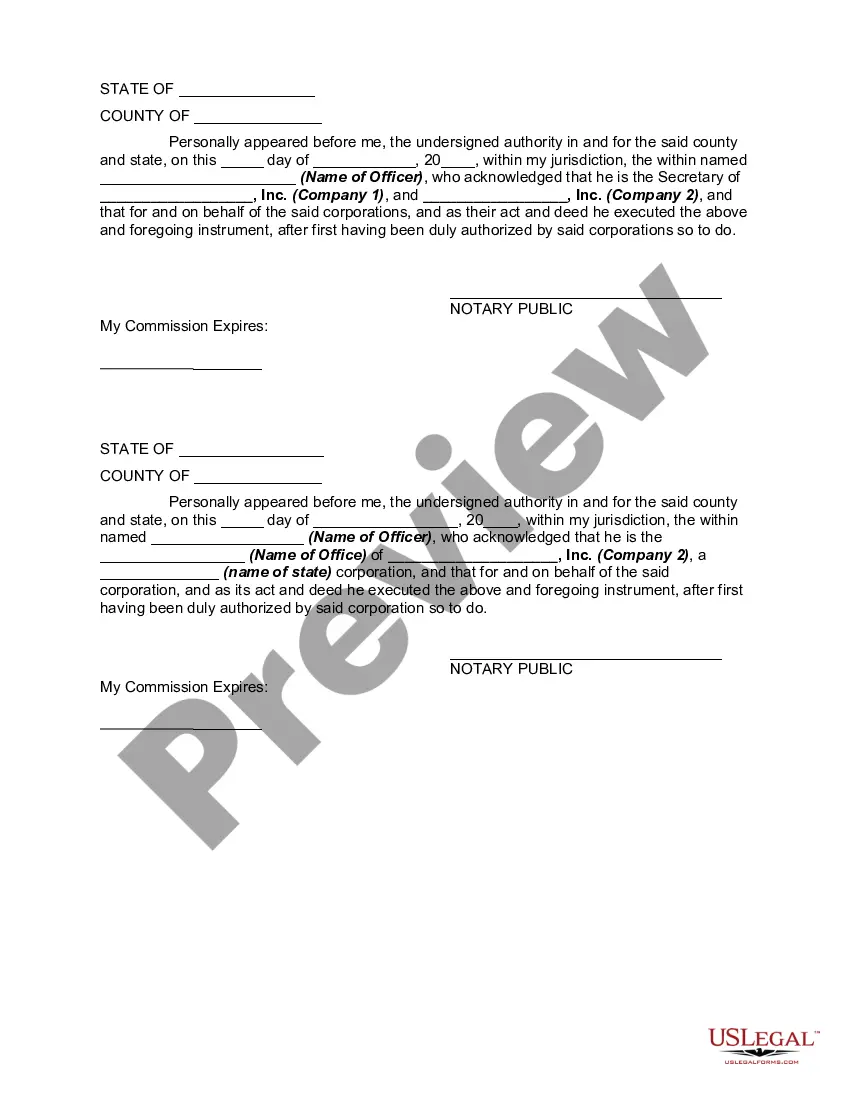
In this guaranty, two corporations guarantee the debt of an affiliate corporation.
Maine Cross Corporate Guaranty Agreement
Instant download
Description
Free preview
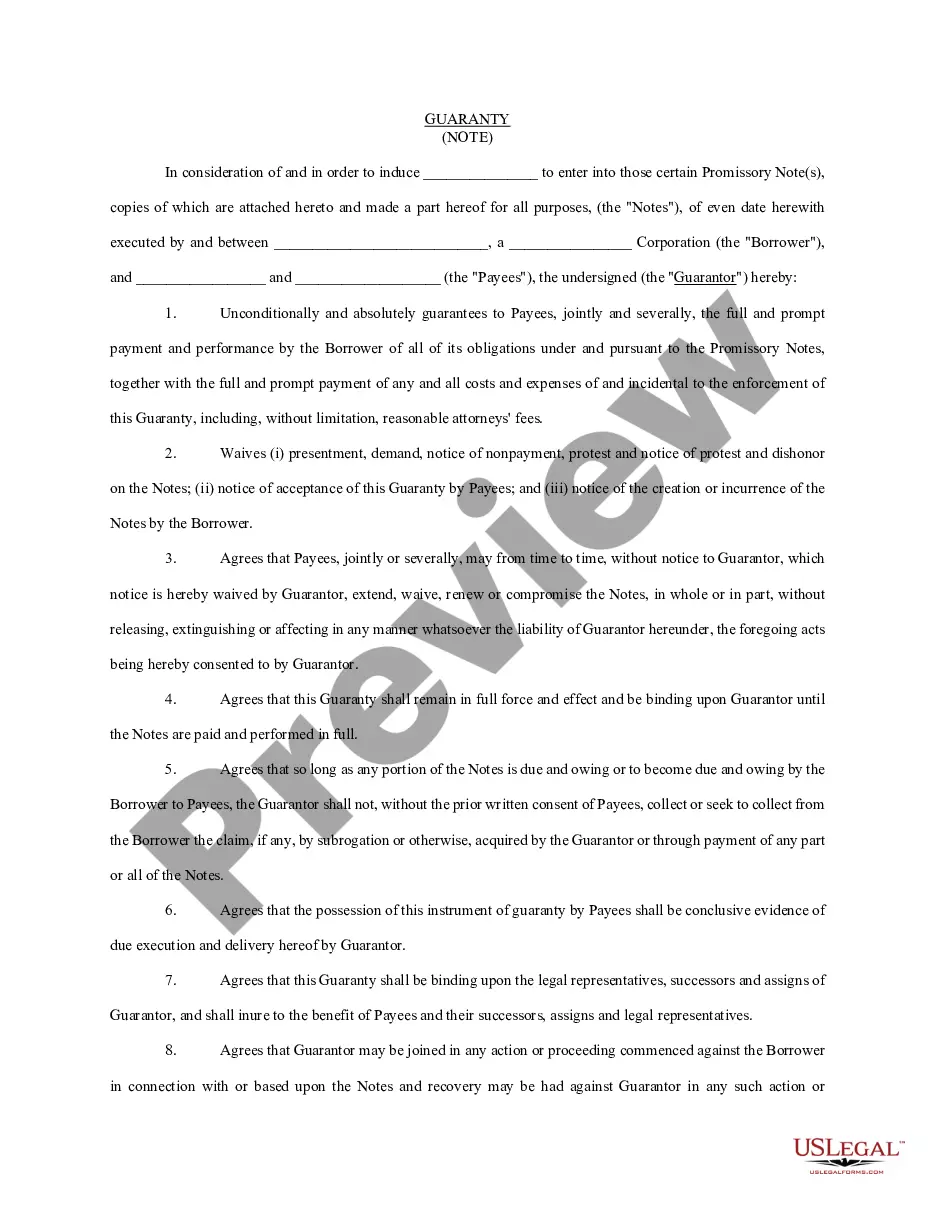
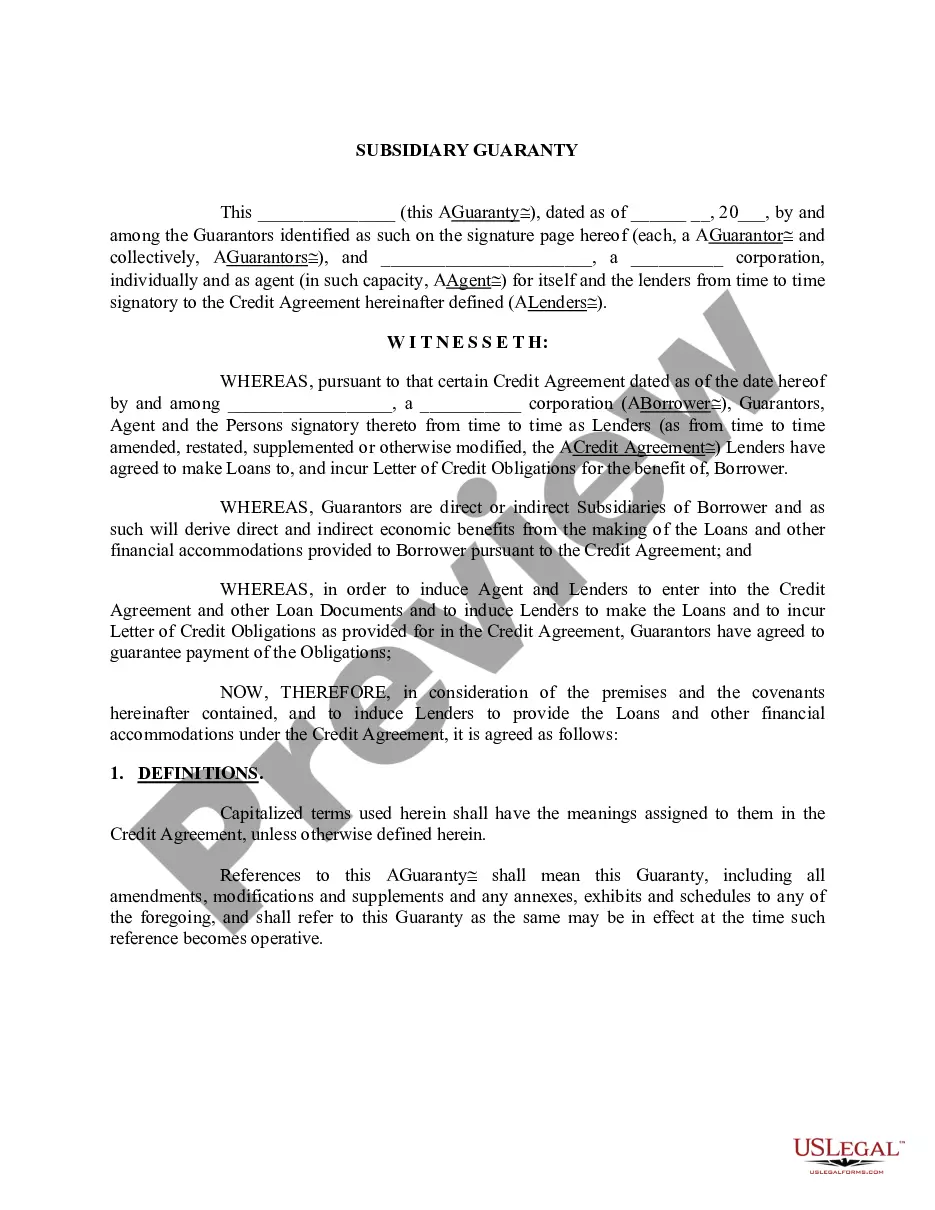
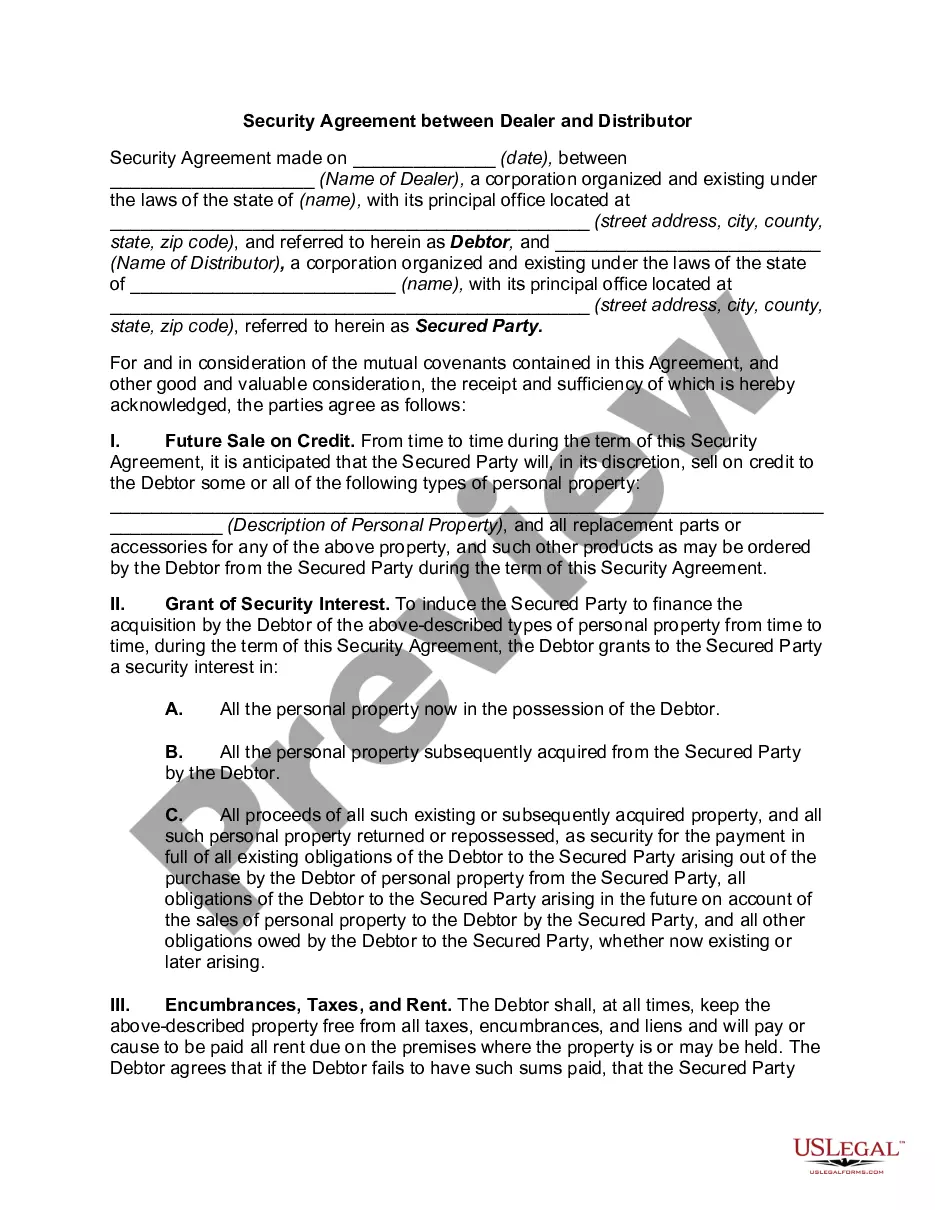




How to fill out Cross Corporate Guaranty Agreement?
If you desire to fulfill, acquire, or print legal document templates, utilize US Legal Forms, the foremost collection of legal forms available online.
Employ the site’s user-friendly and convenient search to locate the documents you need.
Various templates for business and personal needs are categorized by types and titles, or keywords.
Every legal document template you purchase is yours indefinitely. You will have access to every form you downloaded within your account.
Browse the My documents section and select a form to print or download again. Fill out and acquire, and print the Maine Cross Corporate Guaranty Agreement with US Legal Forms. There are millions of professional and state-specific forms you can utilize for your business or personal needs.
- Utilize US Legal Forms to obtain the Maine Cross Corporate Guaranty Agreement in just a few clicks.
- If you are already a US Legal Forms user, sign in to your account and then click the Acquire button to obtain the Maine Cross Corporate Guaranty Agreement.
- You can also access forms you previously downloaded from the My documents section of your account.
- If you are using US Legal Forms for the first time, follow the steps below.
- Step 1. Ensure you have selected the form for your specific city/state.
- Step 2. Use the Review option to examine the content of the form. Be sure to read the description.
- Step 3. If you are not satisfied with the form, use the Search area at the top of the screen to find other versions of the legal form template.
- Step 4. Once you have found the form you need, click the Purchase now button. Choose the payment plan you prefer and enter your details to register for an account.
- Step 5. Process the payment. You can use your credit card or PayPal account to complete the transaction.
- Step 6. Select the format of your legal form and download it to your device.
- Step 7. Complete, edit, and print or sign the Maine Cross Corporate Guaranty Agreement.
Form popularity
FAQ
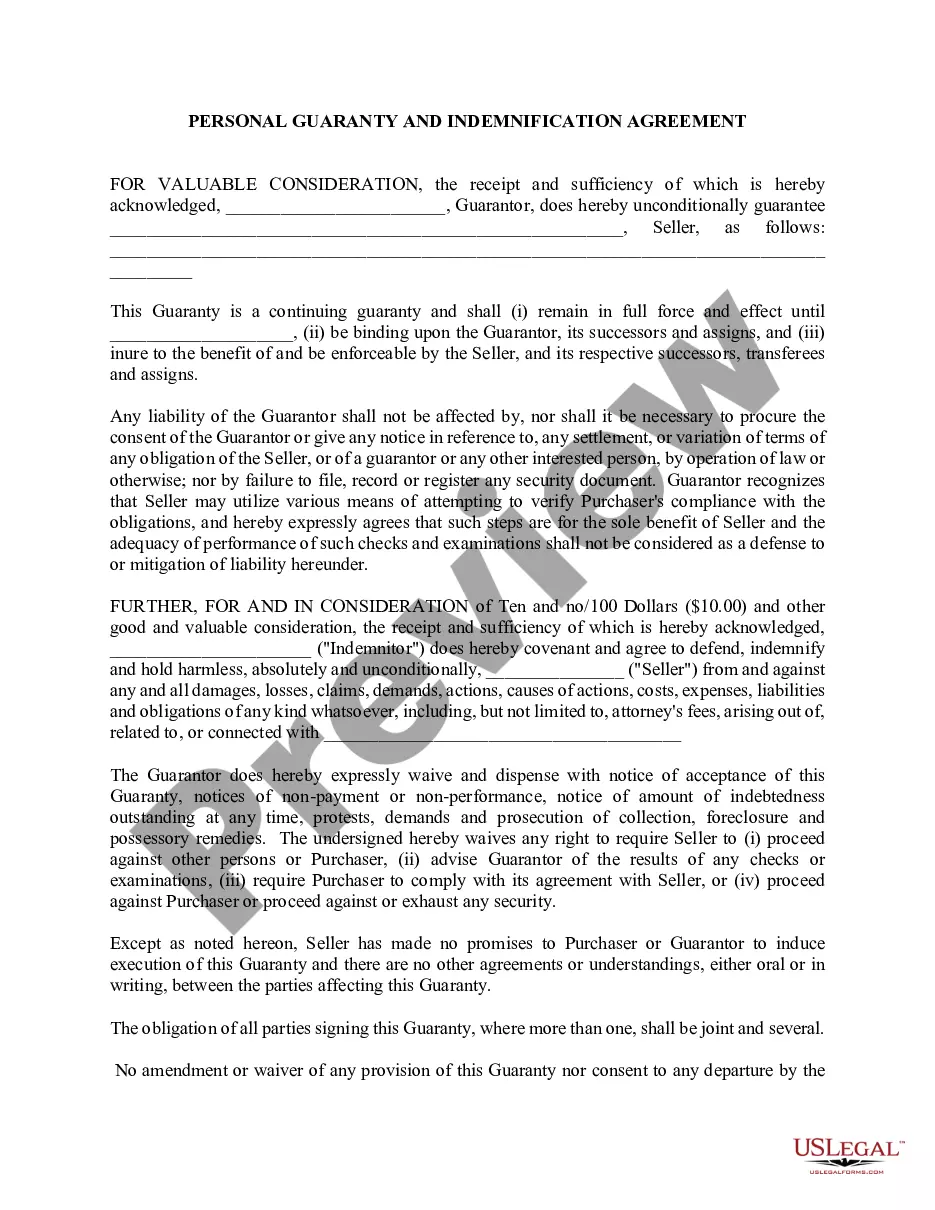
To fill out a personal guarantee, begin by providing your personal details, including name and address. Clearly outline the obligations or debts you are guaranteeing. Be sure to include the terms, such as the duration of the guarantee. Platforms like US Legal Forms can offer guidance and templates for creating a personal guarantee that's compliant, which can be especially useful for those examining a Maine Cross Corporate Guaranty Agreement.
A cross company guarantee functions by allowing multiple companies to mutually guarantee each other's obligations. This means one company's failure to meet its commitments can trigger guarantees from the other involved parties. It creates a network of support that can strengthen business ties. A Maine Cross Corporate Guaranty Agreement often incorporates these principles, helping businesses navigate liabilities effectively.
The main difference between a guarantee and a corporate guarantee lies in the issuer. A standard guarantee can come from an individual, while a corporate guarantee is specifically issued by a company. This distinction impacts the legal and financial liabilities involved. Knowing this difference is essential when considering a Maine Cross Corporate Guaranty Agreement for your business.
To write a guarantee agreement, start with a clear introduction identifying the parties involved. Include details about the obligations being guaranteed and the amount covered. It's important to outline the terms and conditions of the guarantee. For those exploring a Maine Cross Corporate Guaranty Agreement, using a platform like US Legal Forms can provide templates that simplify this process.
The three main types of guarantees are personal guarantees, corporate guarantees, and cross guarantees. A personal guarantee is provided by an individual, while a corporate guarantee is issued by a company to secure another entity's obligations. In a cross guarantee, multiple parties guarantee each other's obligations, which can be crucial in a Maine Cross Corporate Guaranty Agreement to enhance financial security.
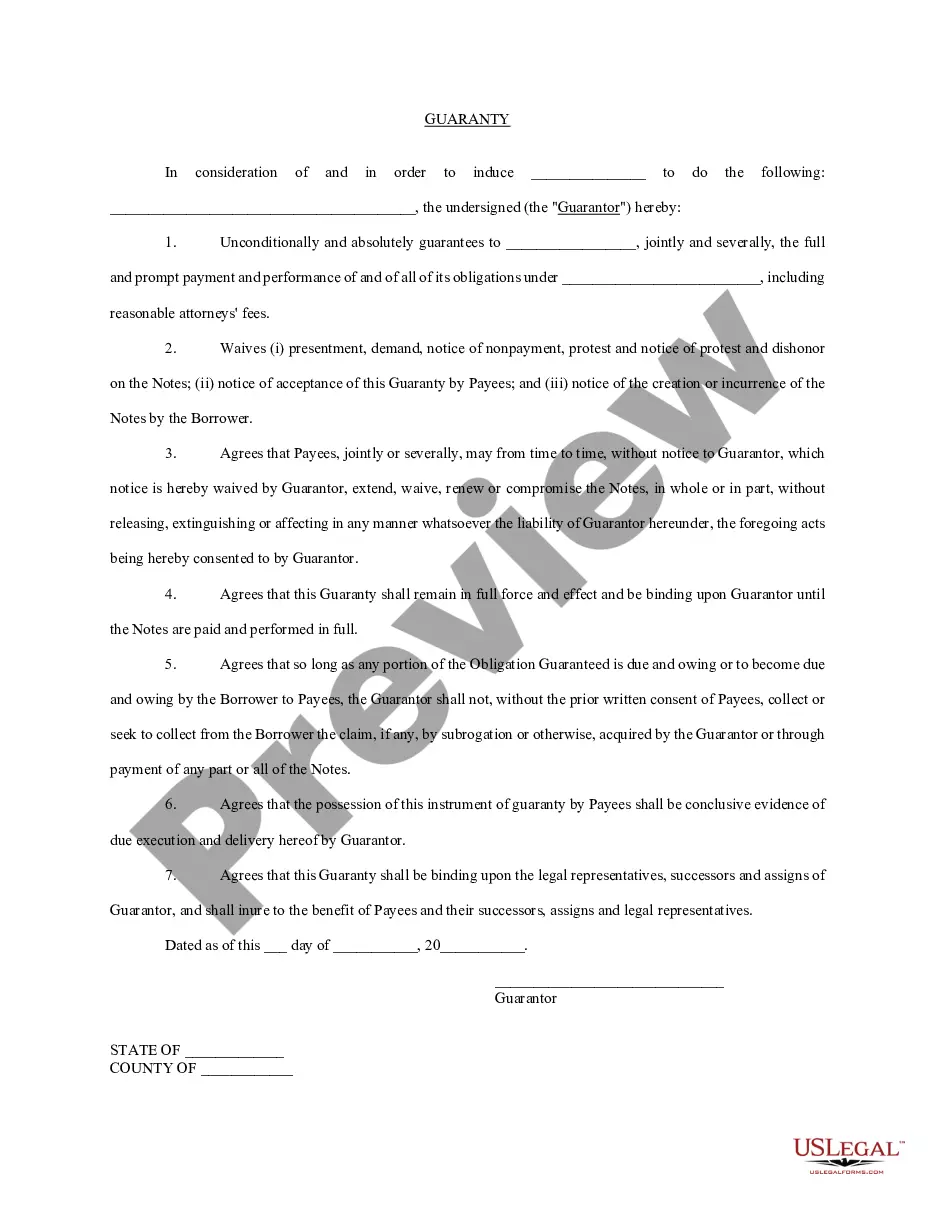
In simple terms, the guarantee clause in a Maine Cross Corporate Guaranty Agreement is a promise made by one party to cover another party's debt. It ensures that if the primary borrower cannot make payments, the guarantor steps in to fulfill that obligation. This clause helps protect lenders and gives them confidence in their investment.
A guarantee in which a corporation agrees to be held responsible for completing the duties and obligations of a Sponsor, in the event that the Sponsor fails to fulfill the terms of the contract.
A cross guarantee is an arrangement between two or more related firms to provide reciprocal guarantees for each other's liabilities, fulfillment of promises or obligations. This guarantee is agreed upon among related companies, such as groups of companies or a parent company and subsidiaries and affiliates.
When the repayment of debt of the principal debtor is guaranteed by more than one person they are called Co-sureties and they are liable to contribute as agreed towards the payment of guaranteed debt.
Guaranty Agreement a two-party contract in which the first party agrees to perform in the event that a second party fails to perform. Unlike a surety, a guarantor is only required to perform after the obligee has made every reasonable and legal effort to force the principal's performance.