Maryland Waiver and Release From Liability For Minor Child for Parasailing
Description
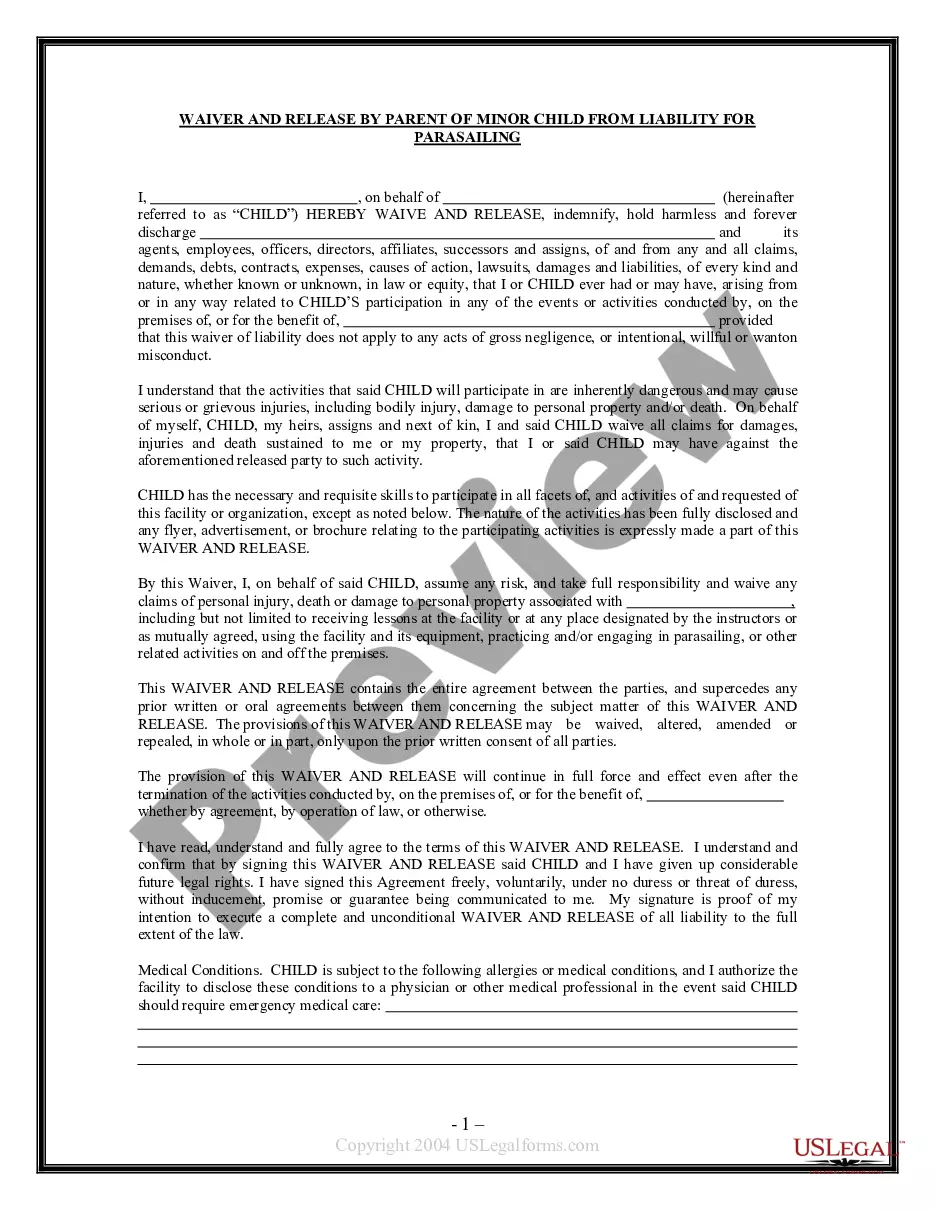
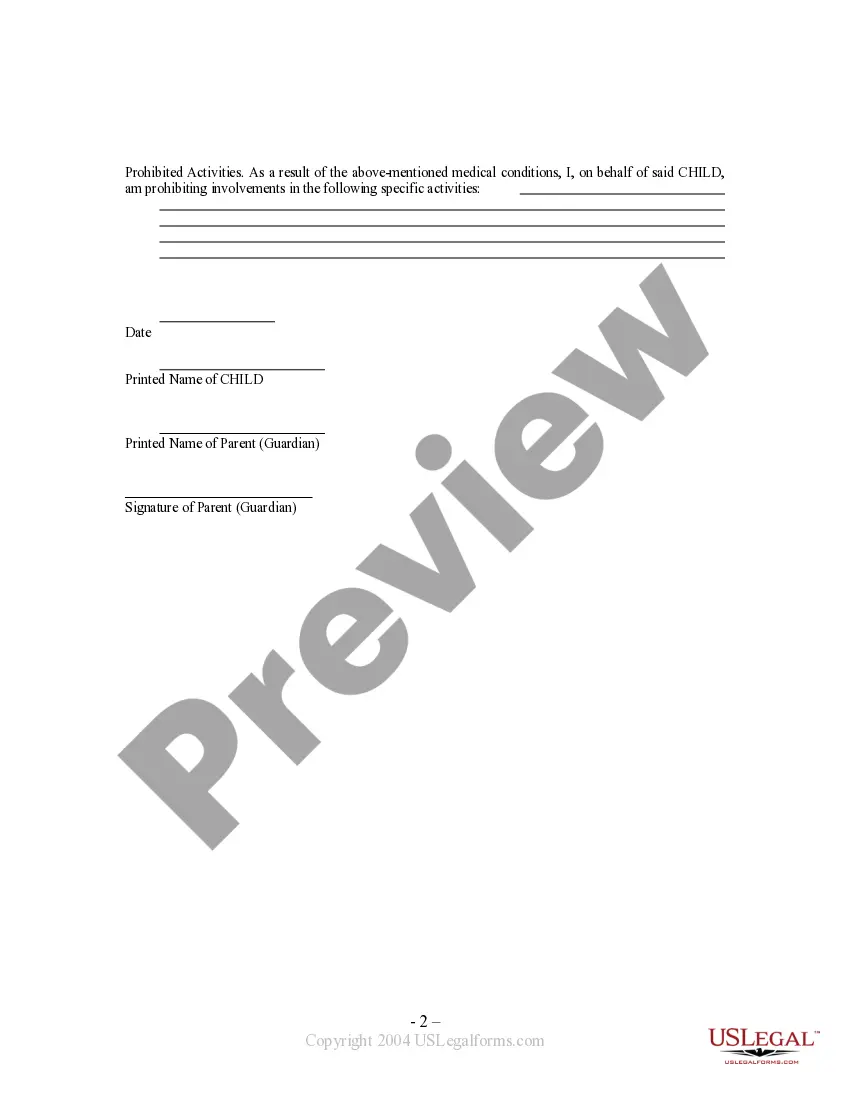
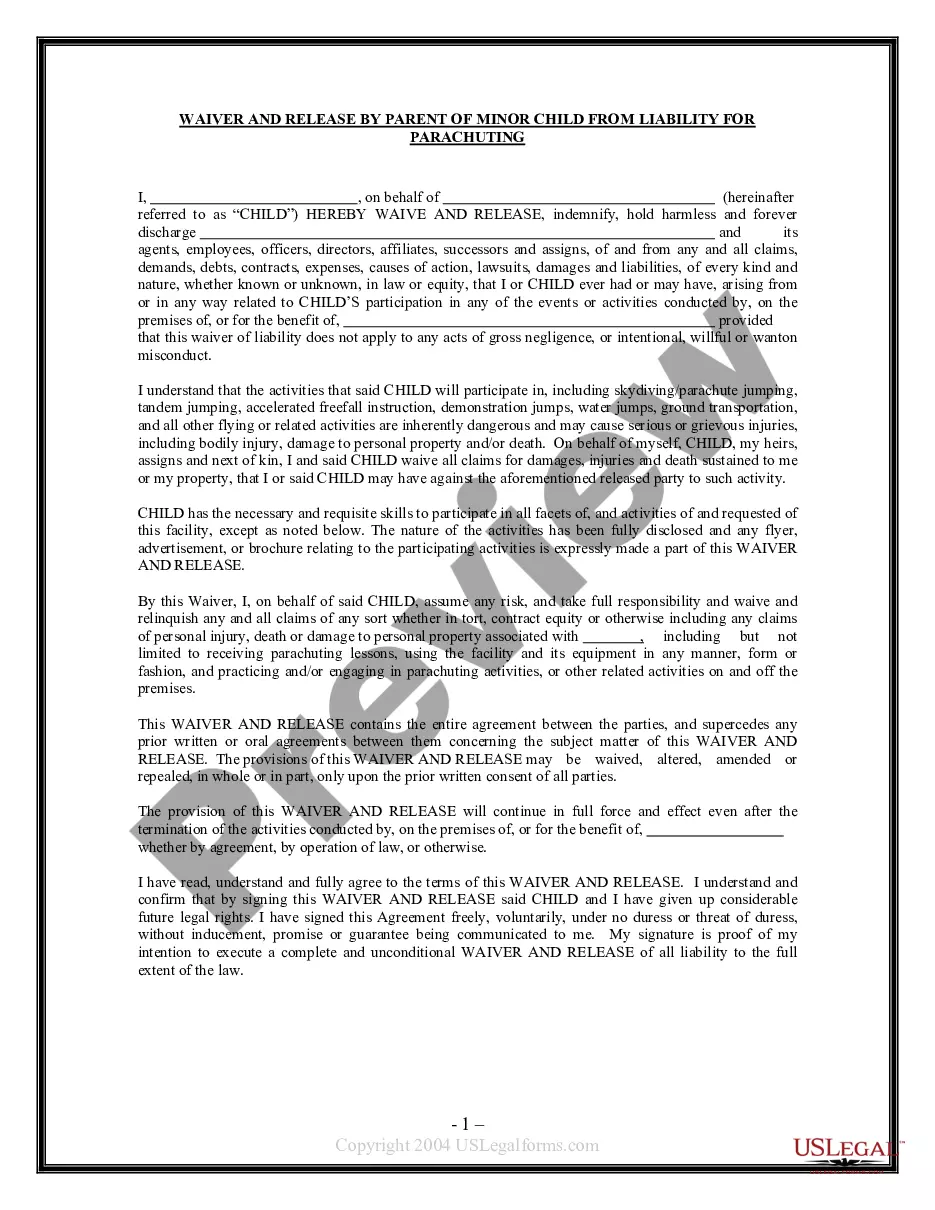
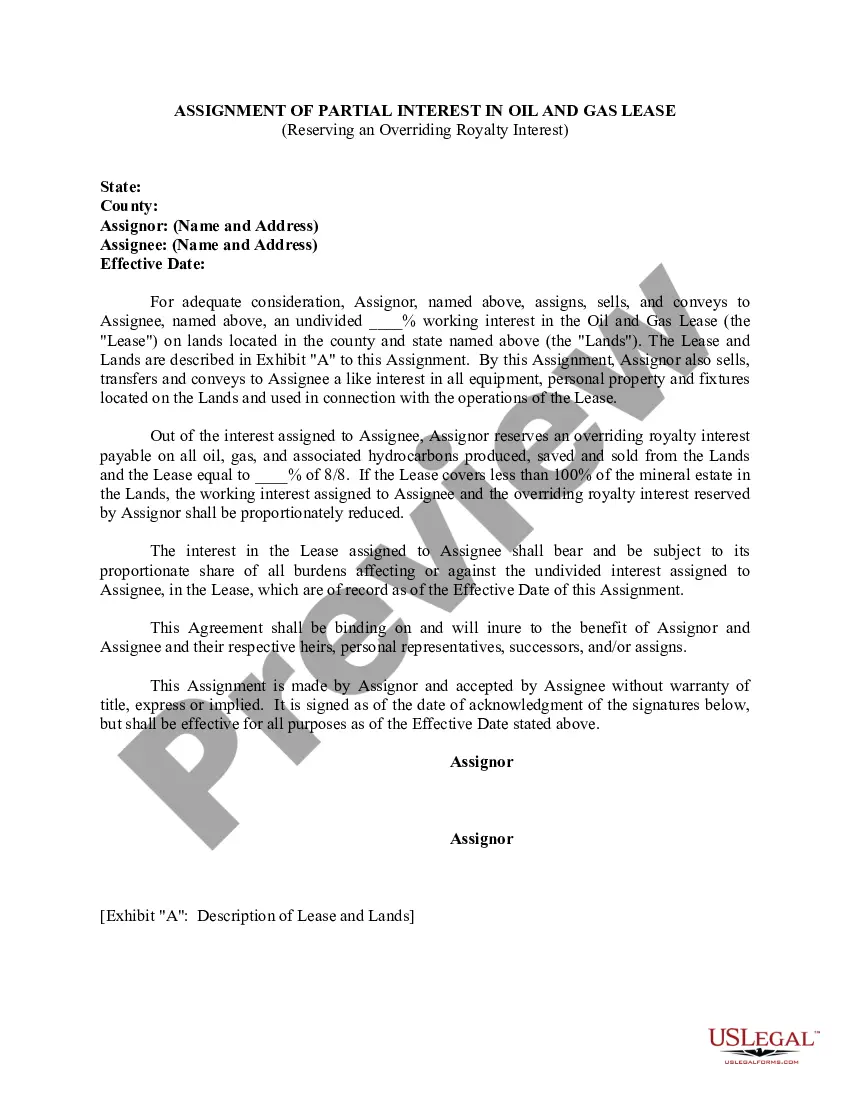
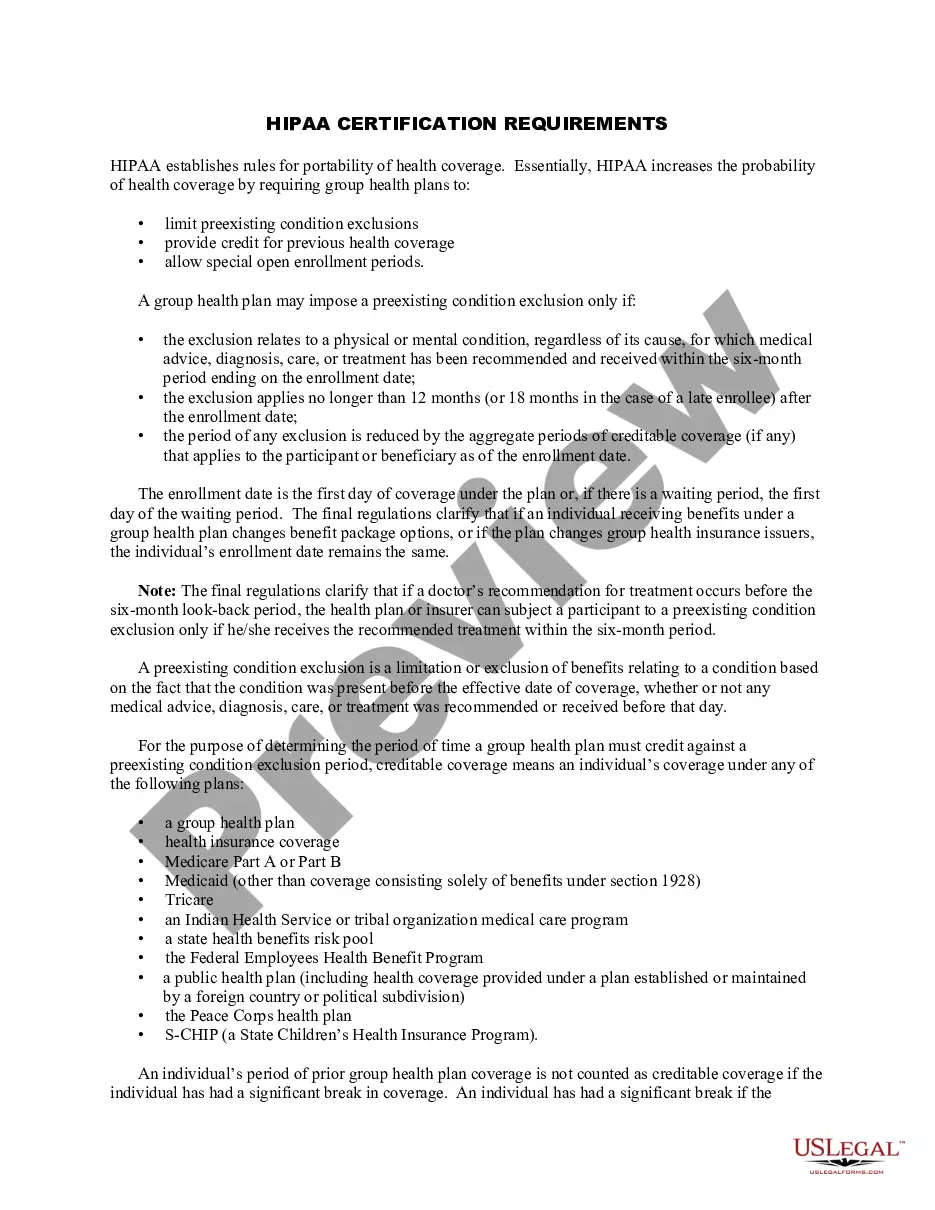
How to fill out Waiver And Release From Liability For Minor Child For Parasailing?
US Legal Forms - one of the largest collections of legal documents in the United States - provides a broad selection of legal document templates that you can download or print.
By using the website, you can access thousands of forms for business and personal purposes, organized by categories, titles, or keywords. You can find the latest versions of documents like the Maryland Waiver and Release From Liability For Minor Child for Parasailing within moments.
If you currently hold a monthly subscription, Log In and download the Maryland Waiver and Release From Liability For Minor Child for Parasailing from the US Legal Forms library. The Download button will appear on every document you view. You have access to all previously acquired documents in the My documents section of your account.
Complete the transaction. Use a credit card or PayPal account to finalize the transaction.
Choose the format and download the form to your device. Make edits. Fill in, modify, print, and sign the downloaded Maryland Waiver and Release From Liability For Minor Child for Parasailing. Each template you add to your account has no expiration date and is yours permanently. Therefore, if you wish to download or print another copy, just go to the My documents section and click on the form you need. Access the Maryland Waiver and Release From Liability For Minor Child for Parasailing with US Legal Forms, the most comprehensive collection of legal document templates. Utilize thousands of professional and state-specific templates that cater to your business or personal requirements.
- Make sure you have chosen the appropriate form for your city/state.
- Click the Review button to examine the form’s content.
- Read the form description to ensure you have selected the right form.
- If the form does not meet your needs, use the Search box at the top of the screen to find one that does.
- Once you are satisfied with the form, confirm your choice by clicking the Buy now button.
- Then, select the pricing plan you prefer and provide your details to register for an account.
Form popularity
FAQ
A release of liability, also known as a liability waiver or a hold harmless agreement, is a contract in which one party agrees not to hold another party liable for damages or injury. These contracts are common in fields that involve some risk to property, finances, or health.
The Maryland Court of Appeals recently clarified the state of the law in this area. An exculpatory clause (sometimes referred to as a waiver or release) is a provision in a contract that relieves a party from liability resulting from that party's negligent act.
These liability waivers are known as exculpatory clauses or pre-injury releases. Unless the Maryland legislature enacts a law which prohibits them (none on the books at this point in time), at least for now, such clauses are valid and enforceable under state law so long as the company issuing the waiver is a
Under California law, waivers of liability may not prevent people from suing for injuries resulting from gross negligence, recklessness, intentional torts or illegal acts.
Liability waivers are enforceable in California solely to the extent they shift to the customer the risk of ordinary negligence. Under California law, a liability waiver cannot excuse an injury caused by a defendant's gross negligence, recklessness or intentionally wrongful act.
A waiver is an exculpatory contract. That means it's used to excuse a party from responsibility when the other contracted party is injured by either known or unknown risks in a particular activity. This includes inherent risks and ordinary negligence.
You might think that since you signed a waiver acknowledging the risks of the activity, you have no legal leg to stand on to file a personal injury lawsuit. Waivers can make personal injury lawsuits more complex, but you can still seek damages for injuries that could have and should have been prevented.
In California, waivers of liability are generally enforceable so long as they have been drafted correctly, are explicit as to the scope of coverage, are legible and use high-visibility text, and do not illegally waive unknown or unrelated claims.
This may seem like a silly distinction to make, but lack of knowledge or willingness is actually one of the biggest reasons lawyers can completely toss out a waiver in a personal injury case.
Liability waivers are enforceable in California solely to the extent they shift to the customer the risk of ordinary negligence. Under California law, a liability waiver cannot excuse an injury caused by a defendant's gross negligence, recklessness or intentionally wrongful act.