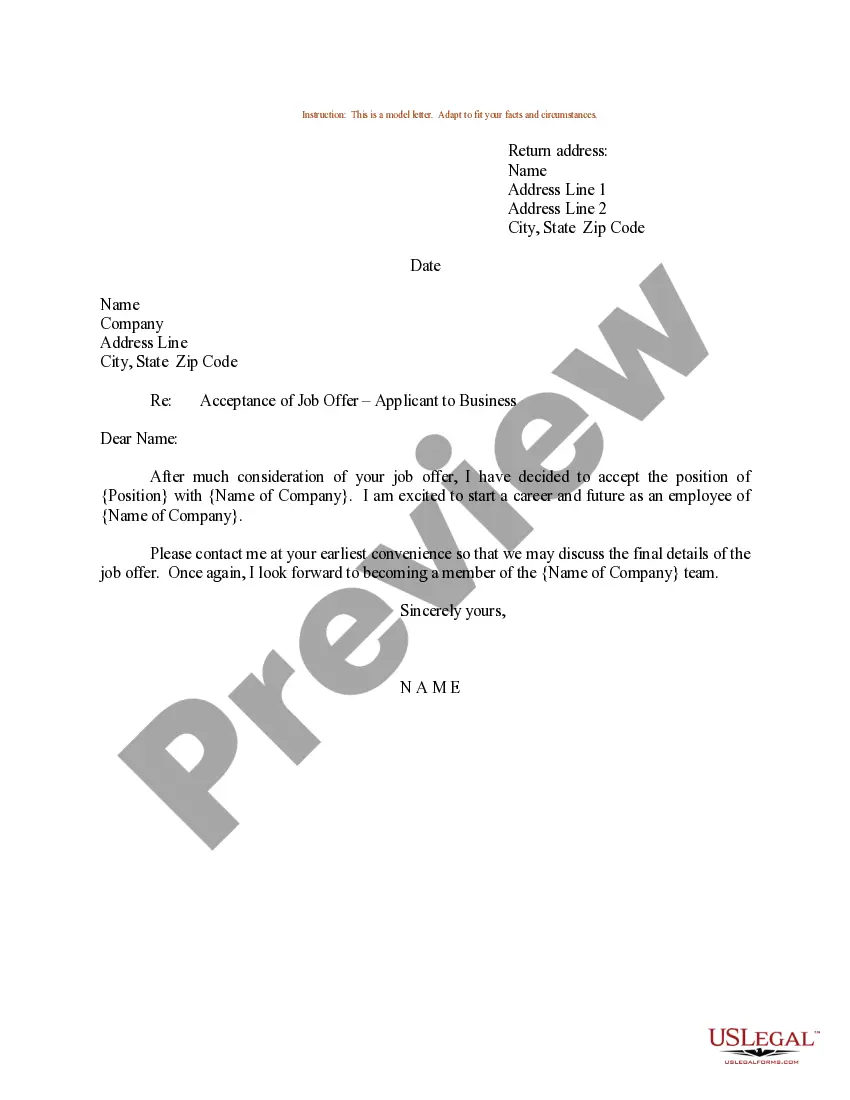
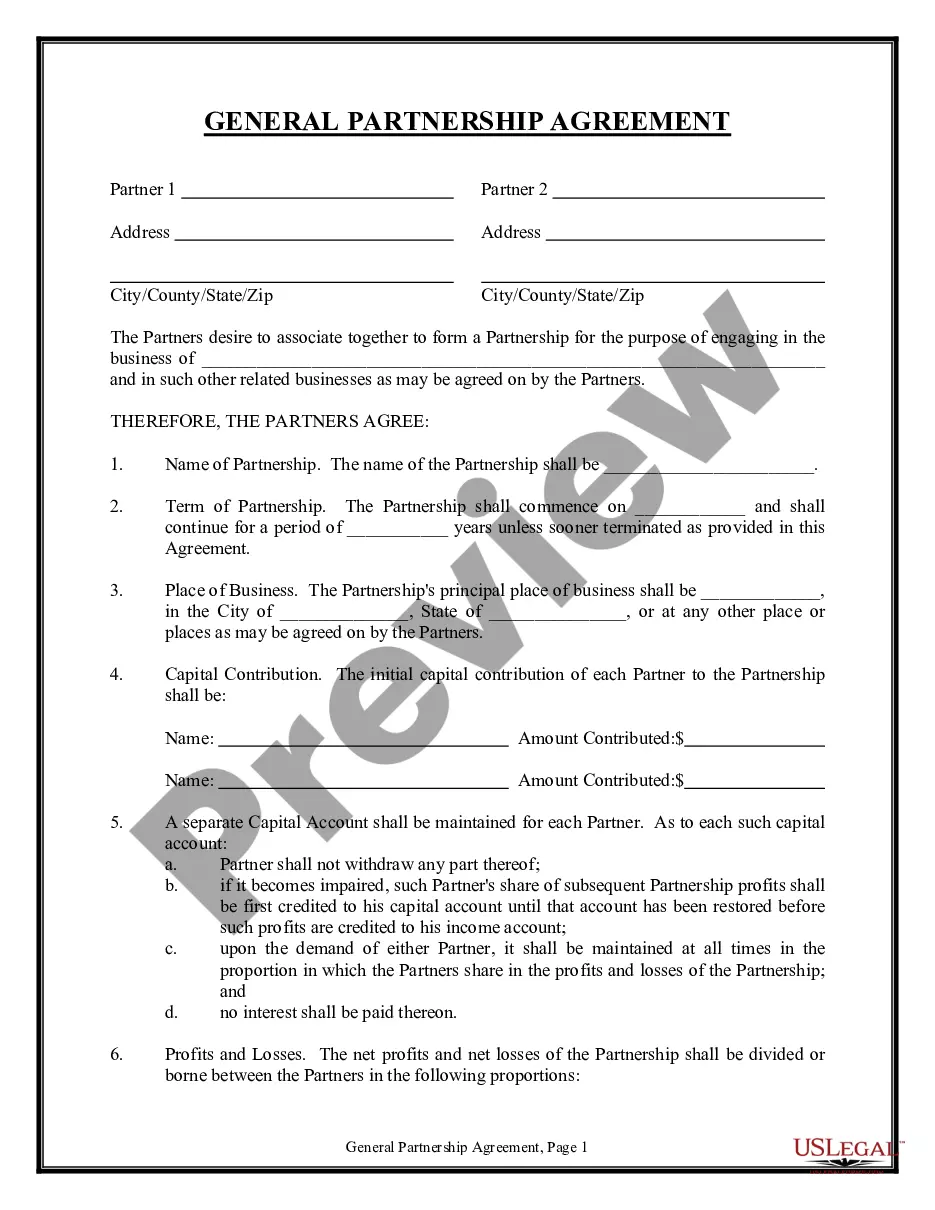
Maryland Partnership Agreement with Covenant not to Compete
Description
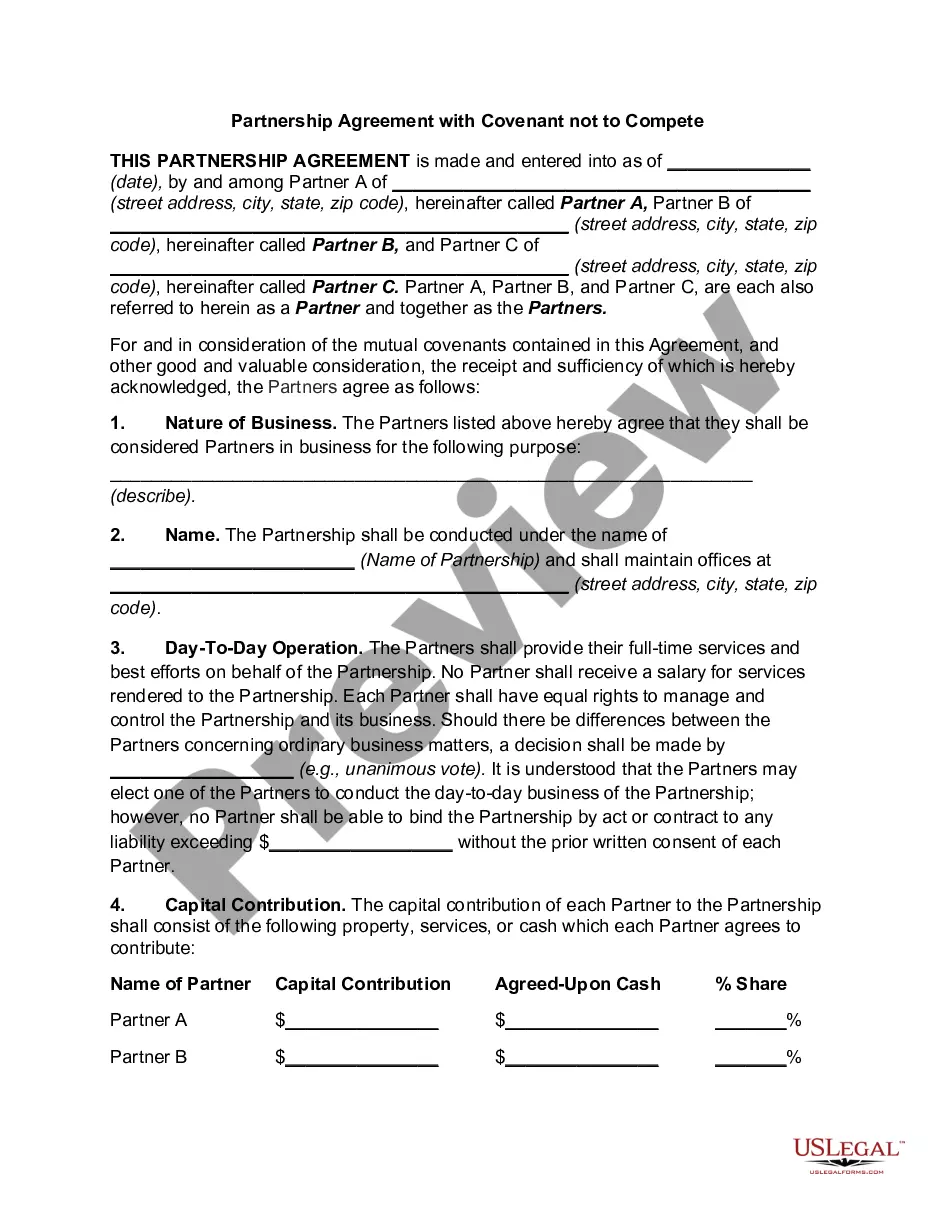
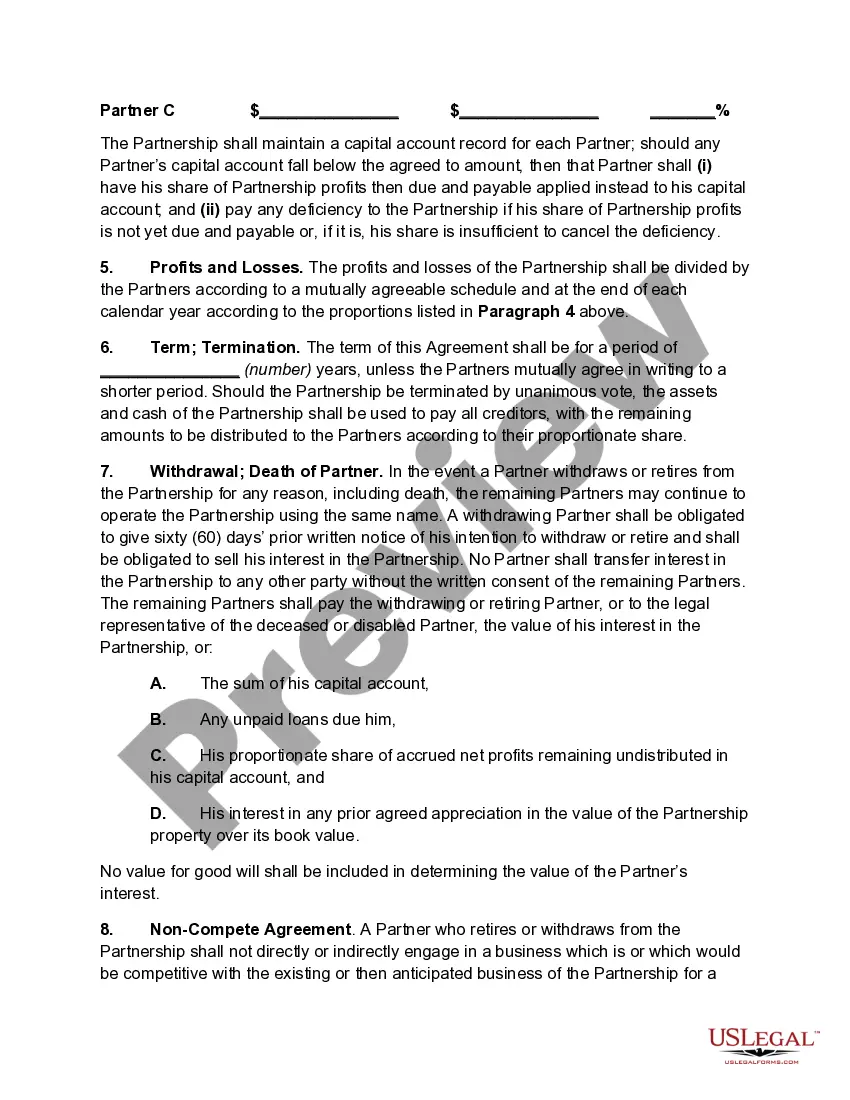
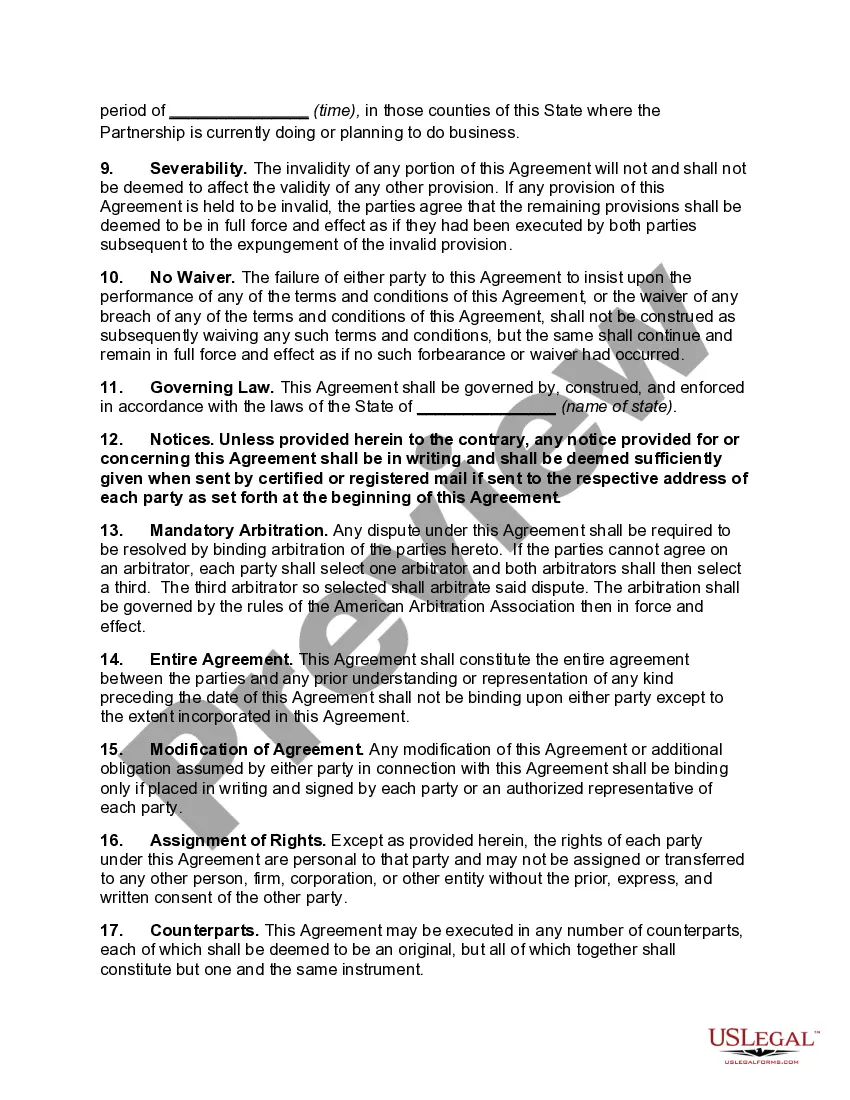
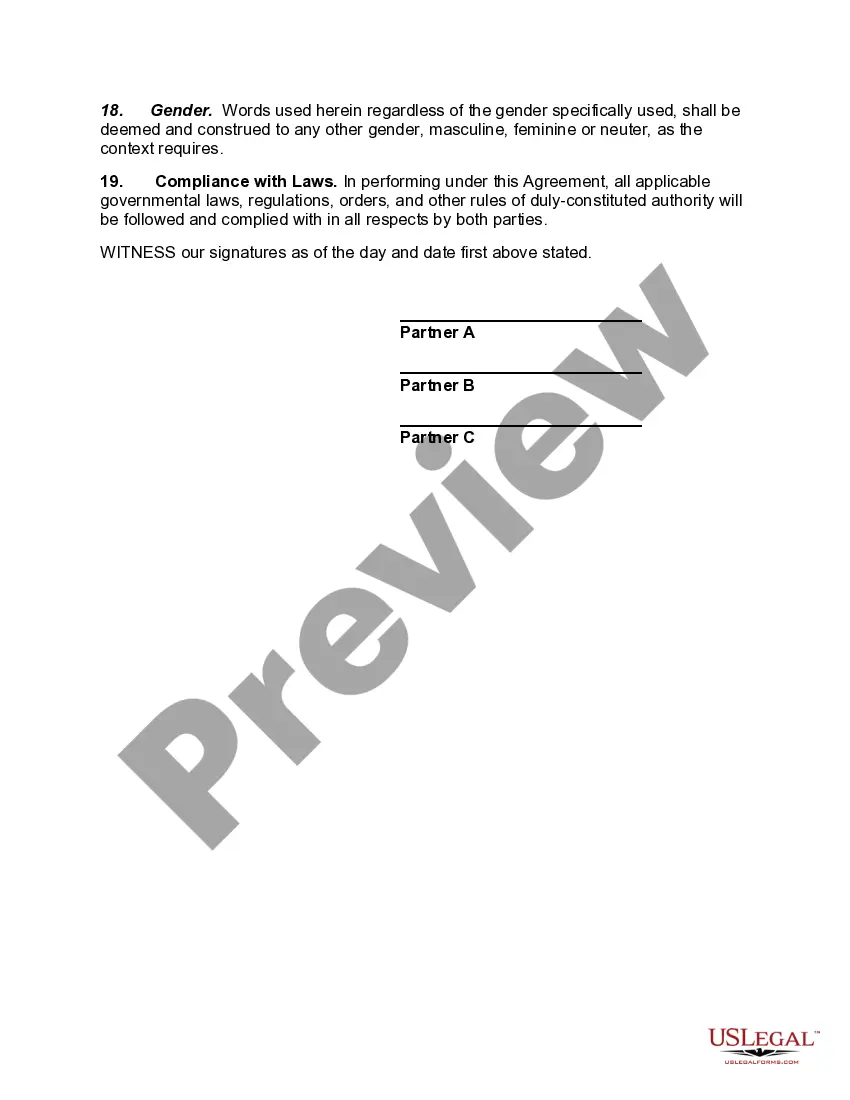
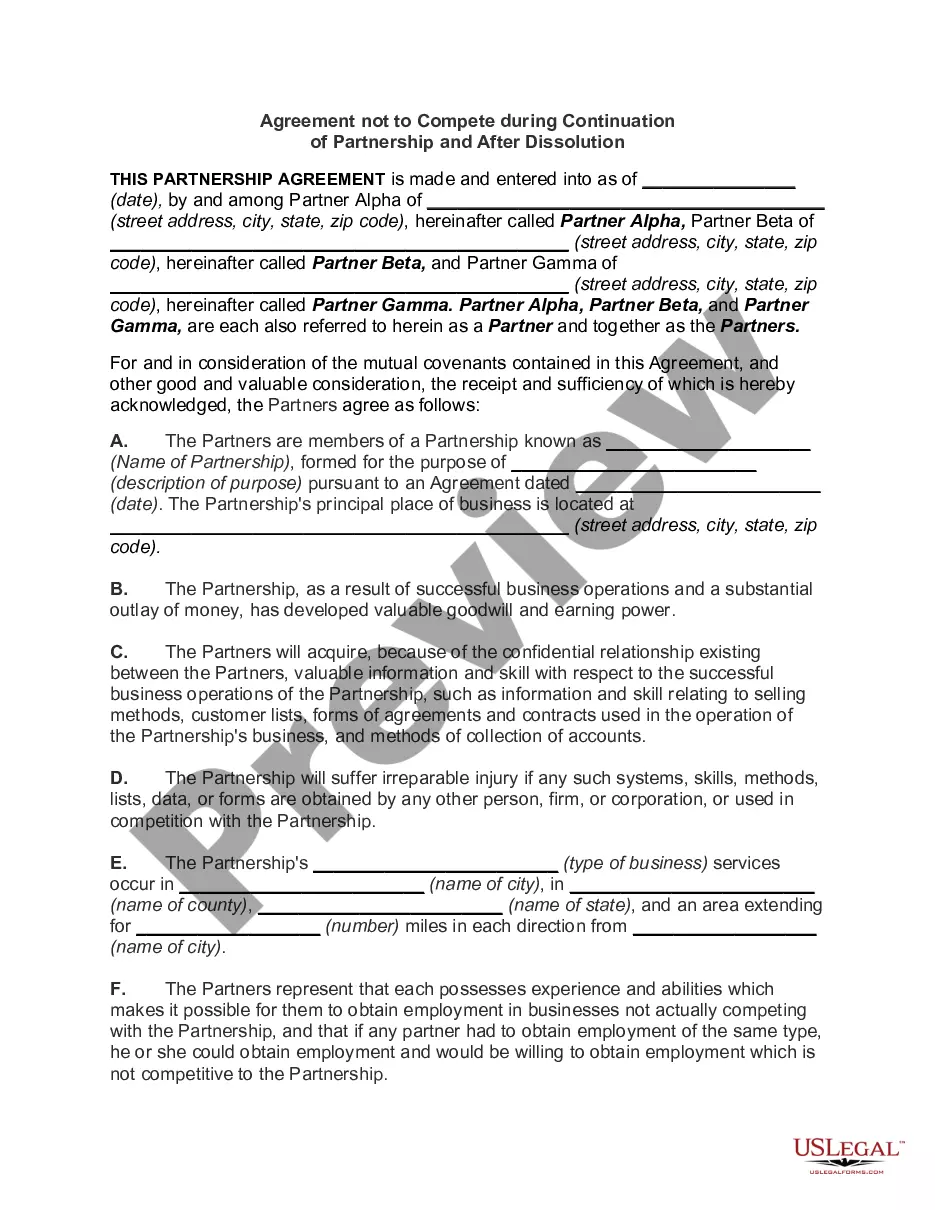
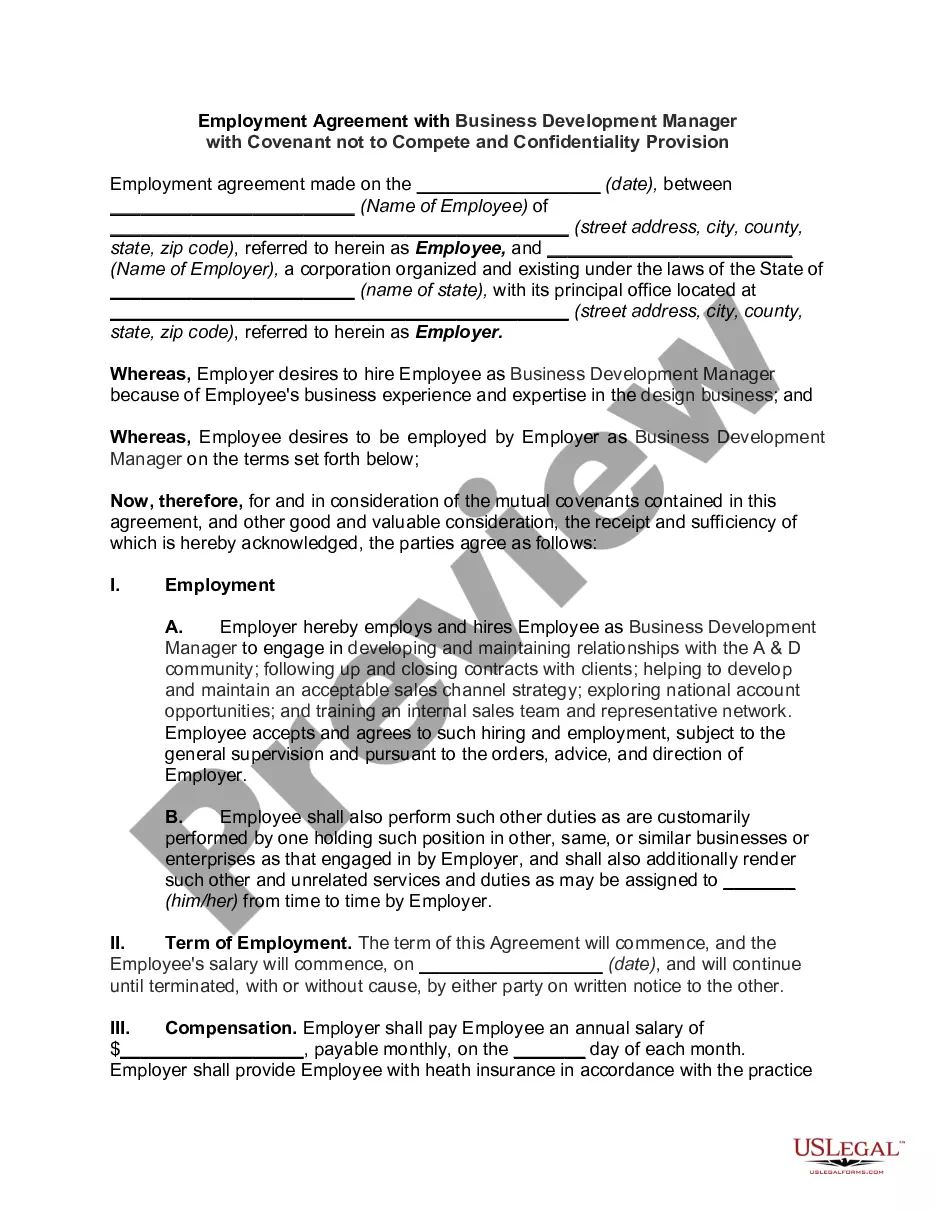
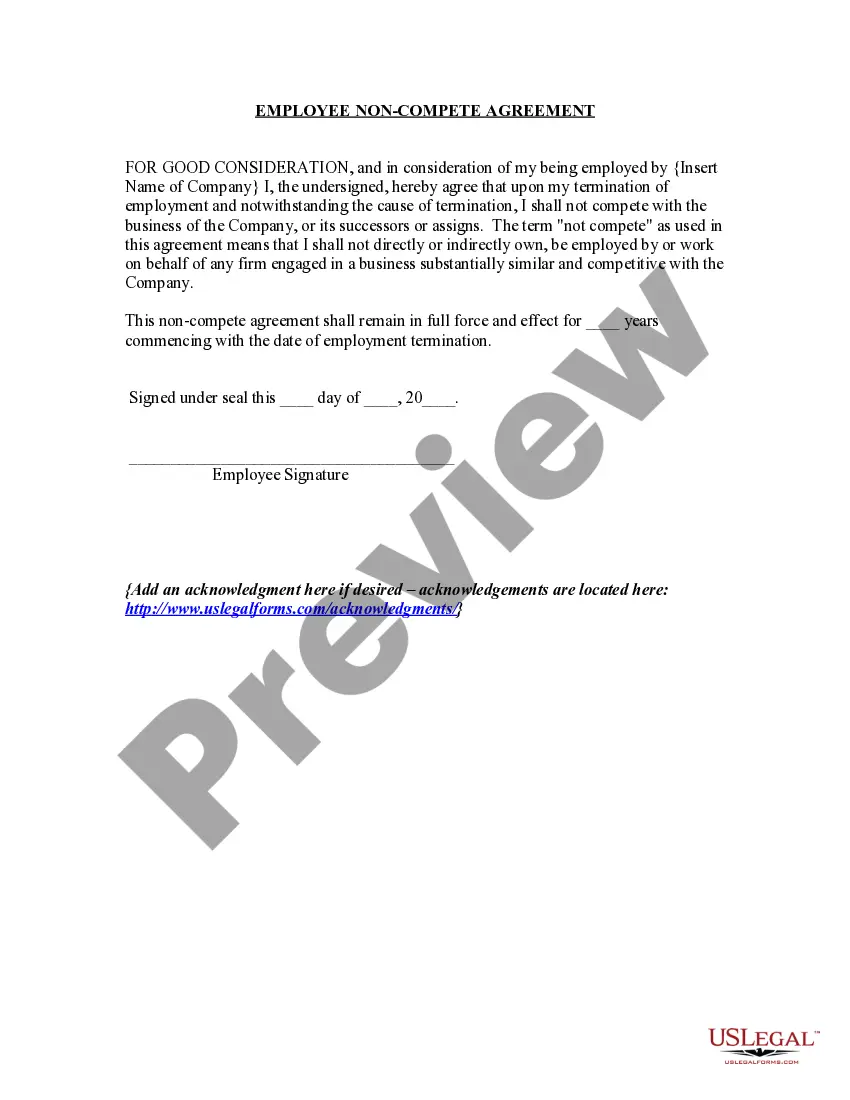
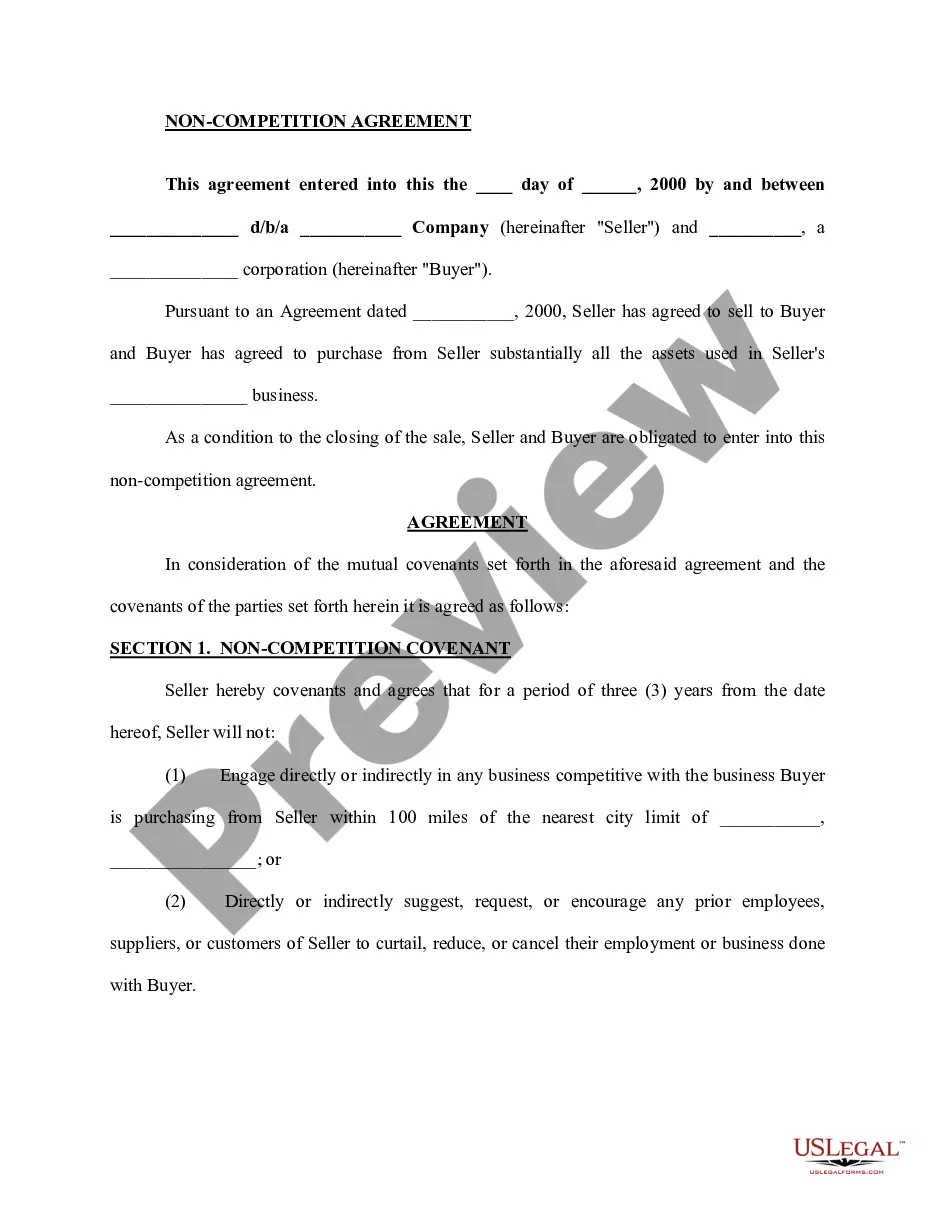
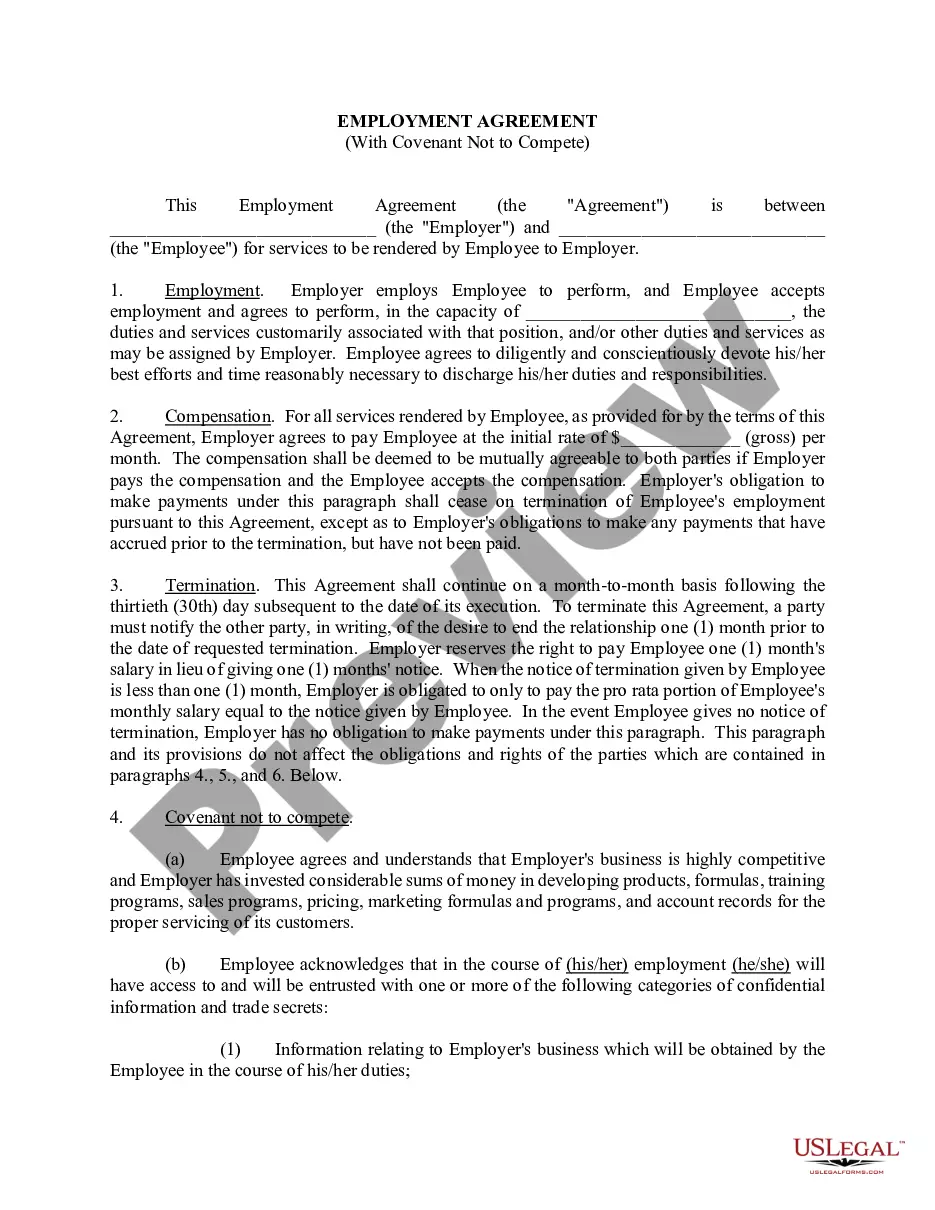
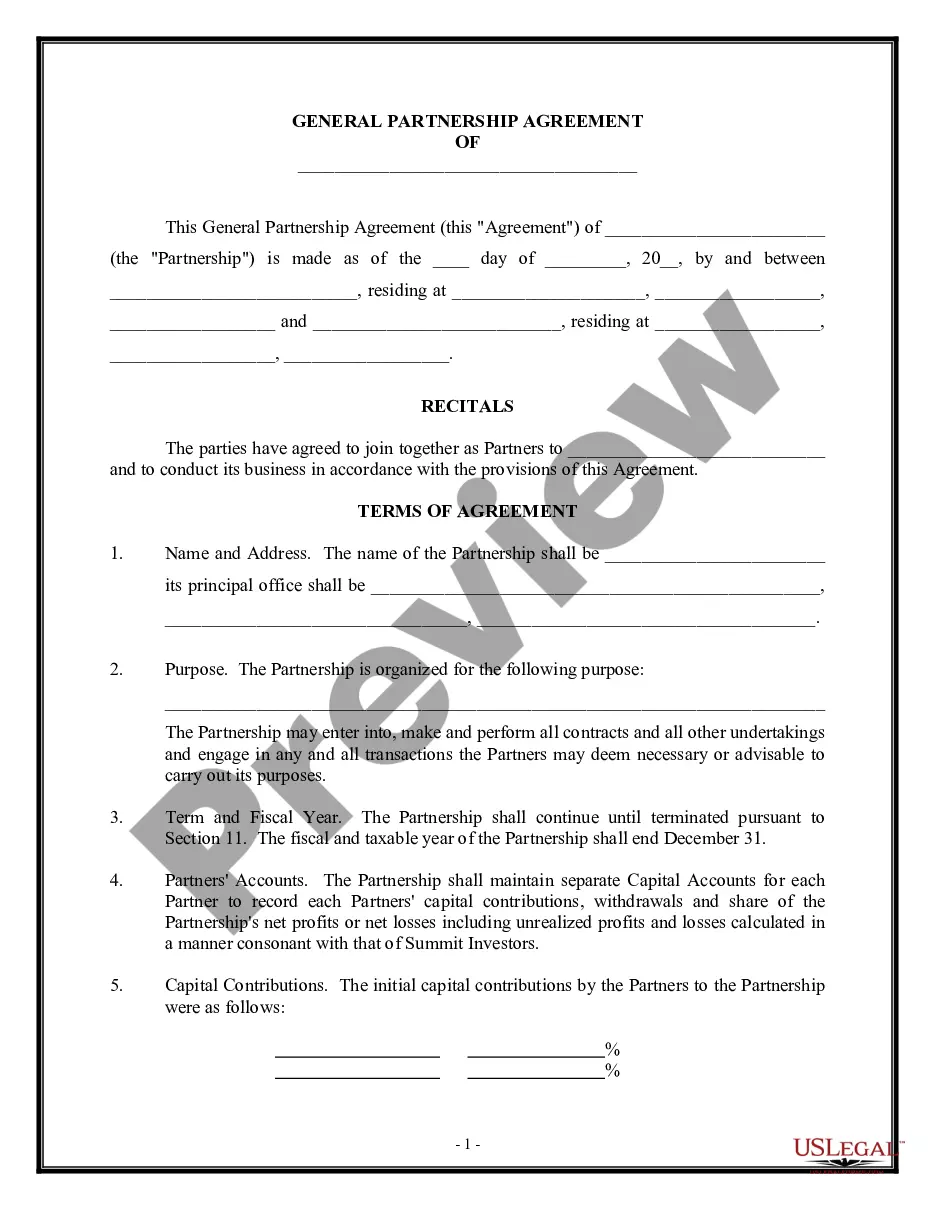
How to fill out Partnership Agreement With Covenant Not To Compete?
It is feasible to spend time online trying to discover the legal document template that meets the state and federal requirements you will need.
US Legal Forms provides thousands of legal templates that have been reviewed by experts.
You can easily download or print the Maryland Partnership Agreement with Covenant not to Compete from the service.
If available, use the Preview button to preview the document template as well.
- If you already possess a US Legal Forms account, you can sign in and then click the Download button.
- After that, you can complete, modify, print, or sign the Maryland Partnership Agreement with Covenant not to Compete.
- Every legal document template you obtain is yours to keep permanently.
- To acquire another copy of any obtained form, visit the My documents section and click the corresponding button.
- If you are using the US Legal Forms website for the first time, follow the simple instructions below.
- First, ensure you have selected the correct document template for your region/city of choice.
- Review the form description to ensure you have selected the correct template.
Form popularity
FAQ
The well-known general rule is that a covenant not to compete is only enforceable if its terms are reasonable and necessary to protect the legitimate business interests of the employer.
A covenant not to compete will be deemed valid if it only restricts the employee's opportunity to compete while they remain employed with the employer requiring the covenant, but imposes no restrictions on the employee once they separate from the employment.
Texas courts have recognized three main categories of acceptable consideration: (1) tying the non-compete to a confidentiality agreement; (2) an employer's agreement to provide specialized training; and (3) an award of stock options. Stock Option Award.
A covenant not to compete has three elements: (1) a limitation on the work that may be pursued by the employee, (2) a definite time, and (3) a definite geographical area. The time and geographical restrictions are usually straightforward; the limitation on work is a little more complex.
Here are five ways to beat a non-compete agreement.Prove your employer is in breach of contract.Prove there is no legitimate interest to enforce the non-compete agreement.Prove the agreement is not for a reasonable amount of time.Prove that the confidential information you had access to isn't special.More items...
The employer has no legitimate interest to enforce the agreement. The employer is overreaching legitimate business interests. The agreement restricts competition for an unreasonable amount of time. Alleged confidential information has been disclosed to the public or is readily available to them.
Courts consider several elements when determining the reasonableness of a covenant not to compete, including (1) the time and territory encompassed by the covenant, (2) the territory in which the employee worked, (3) the area in which the employer operated, (4) the nature of the business and (5) the nature of the
According this article, a minority of states, including California, Oregon, and Colorado, void almost all noncompete clauses. California law bars covenants not to compete in most situations: Except as provided in this chapter, every contract by which anyone is restrained from engaging in a lawful profession, trade, or
The well-known general rule is that a covenant not to compete is only enforceable if its terms are reasonable and necessary to protect the legitimate business interests of the employer.
Traditionally, covenants not to compete were designed to prevent unfair competition and were confined to corporate executives, persons with knowledge of trade secrets, sales persons and client-based professionals (e.g., physicians and accountants).