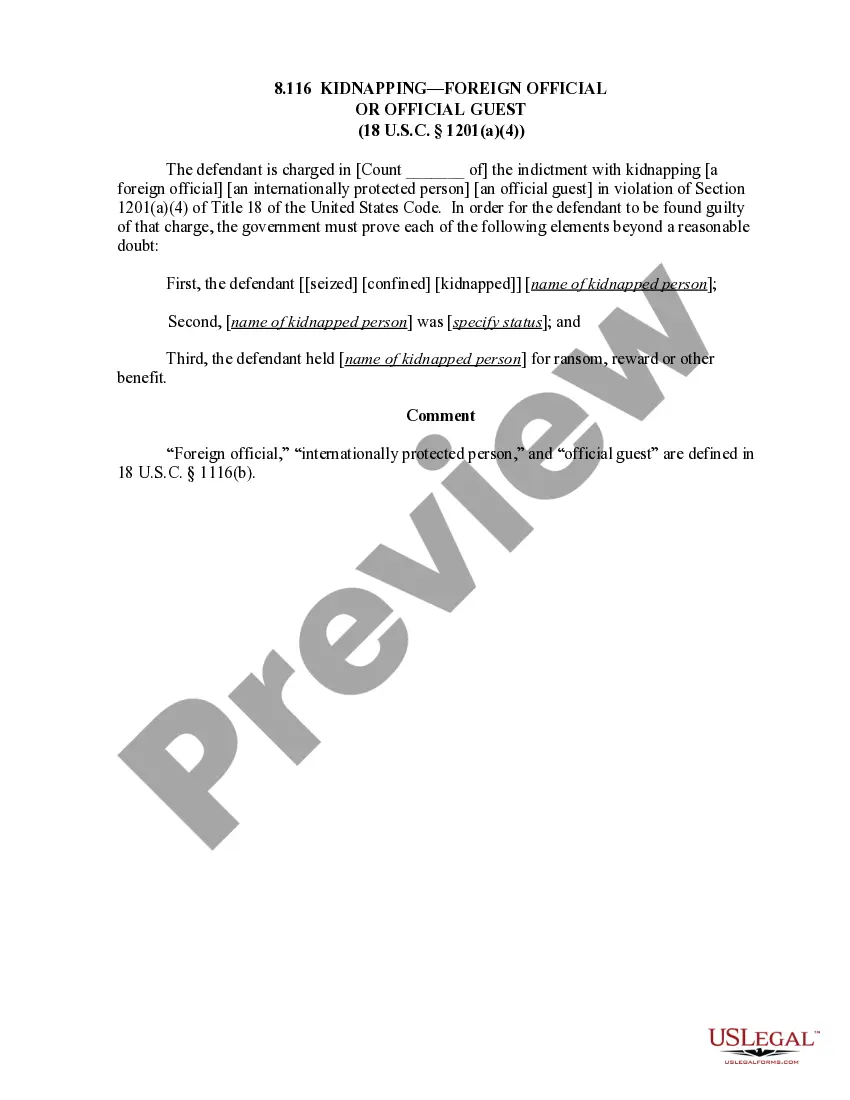
Maryland Exclusive License Agreement for Patent with Schedule of Royalties
Description
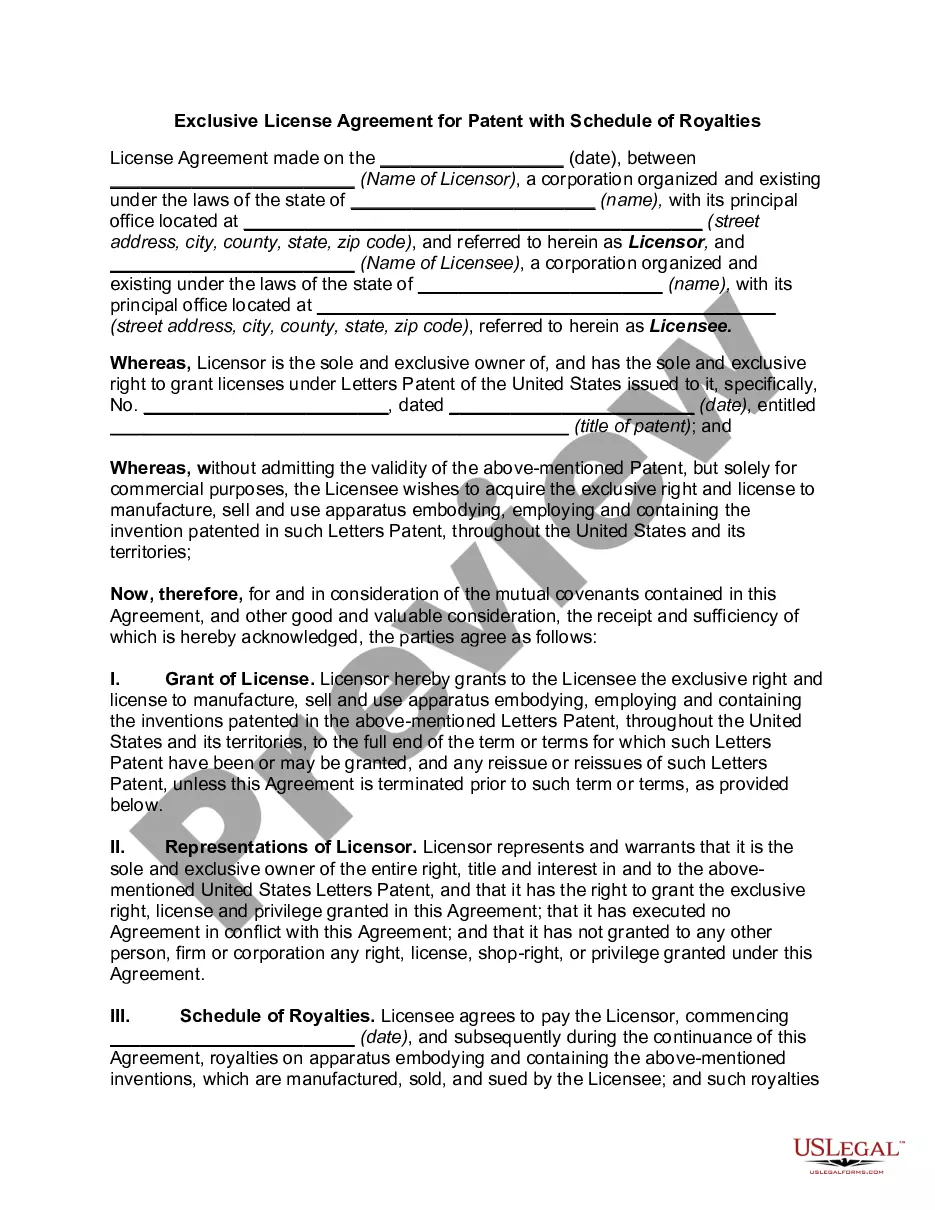
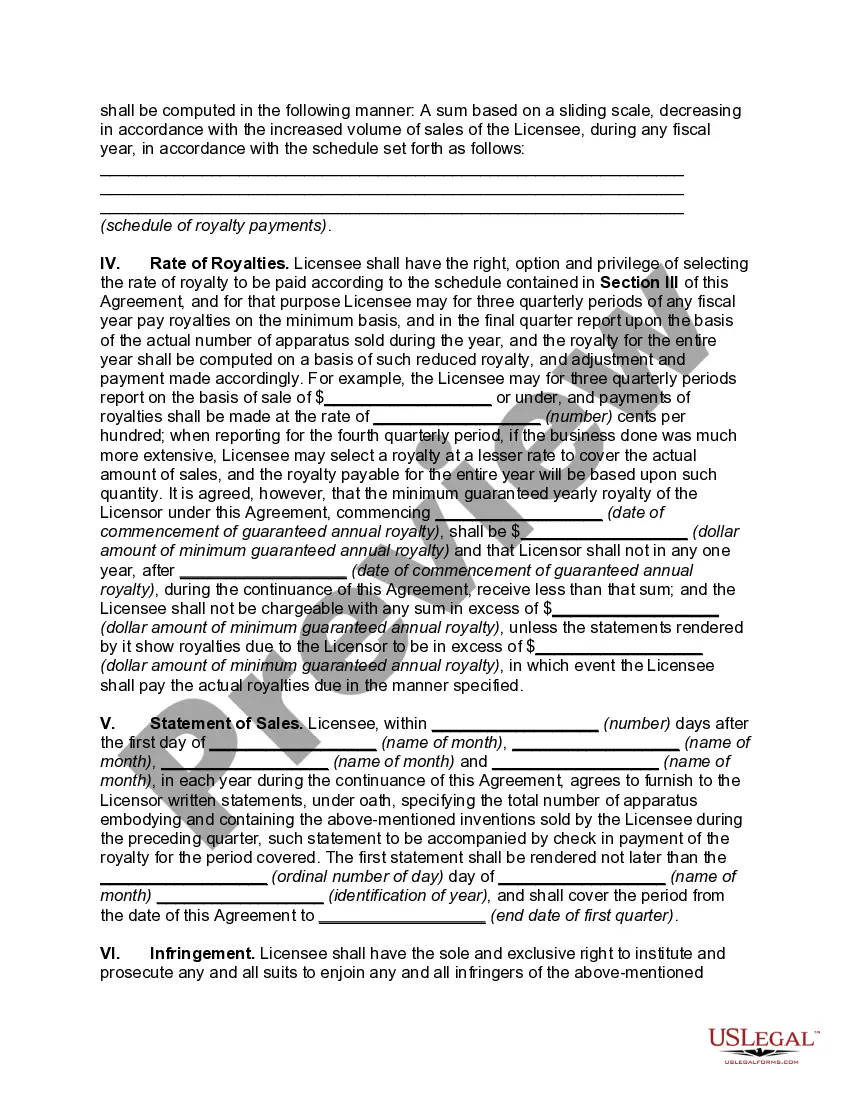
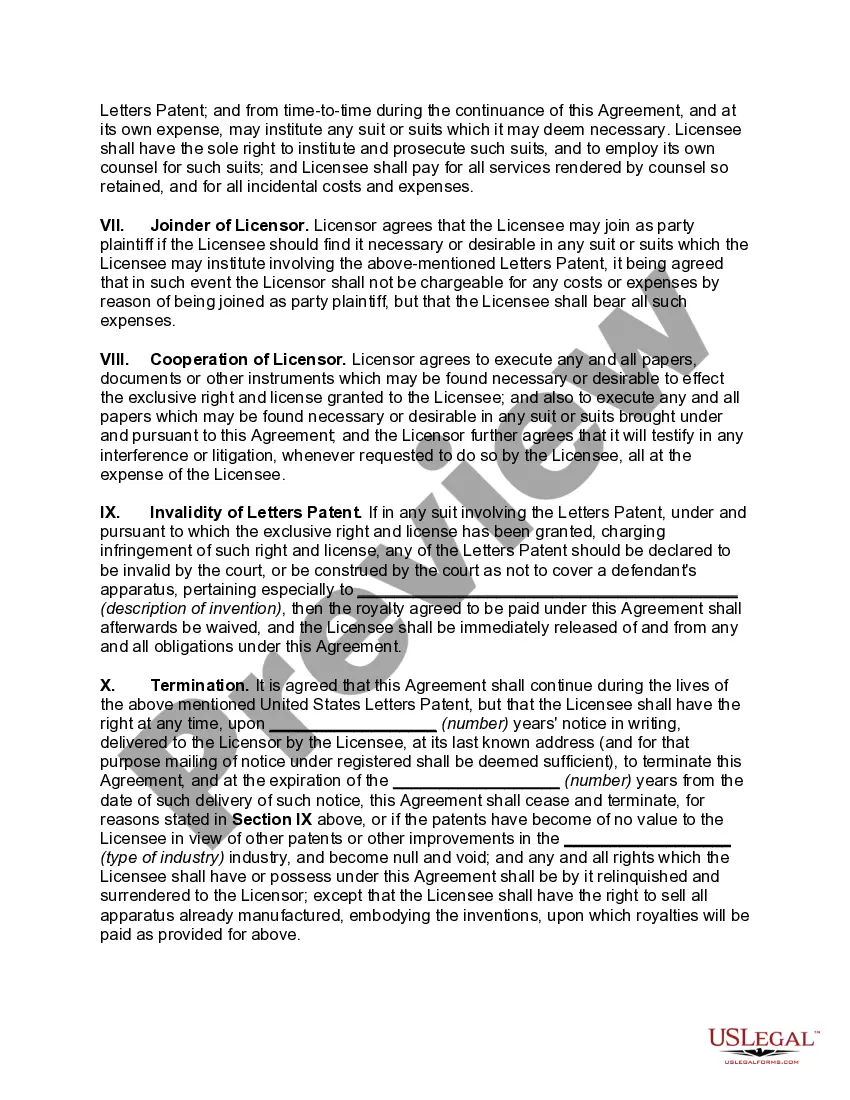
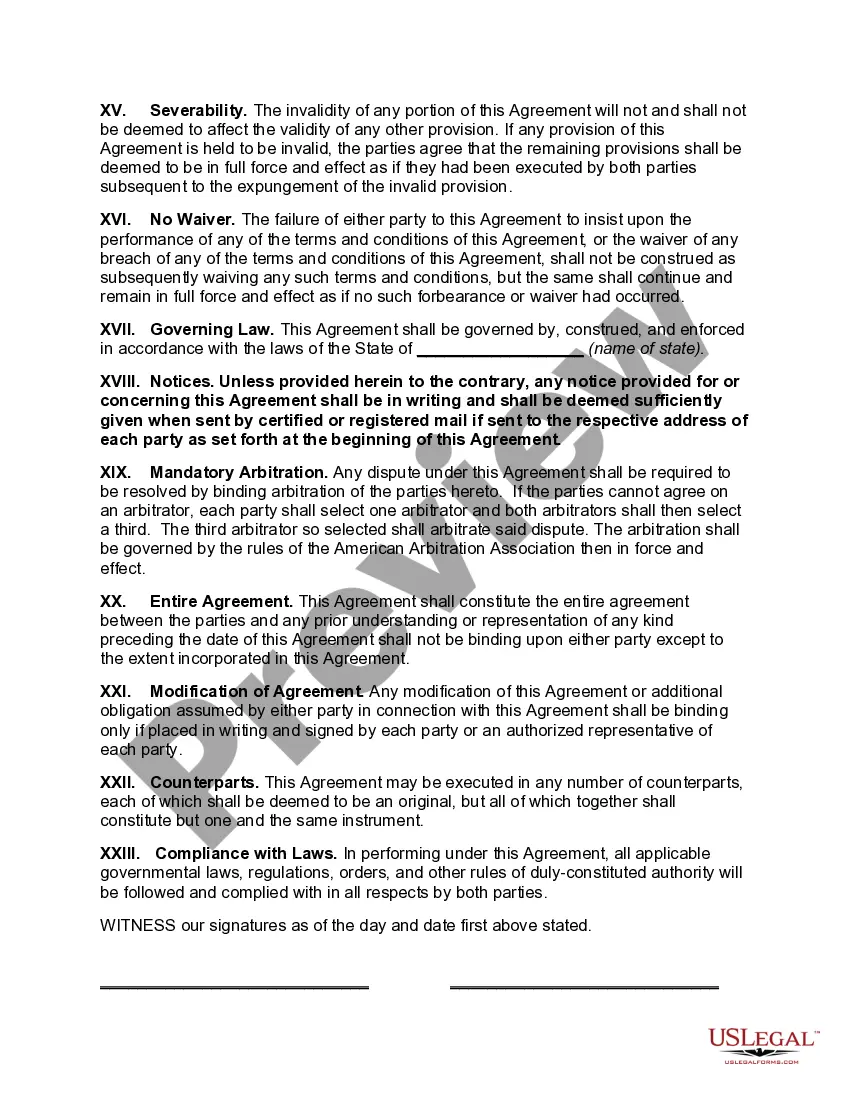
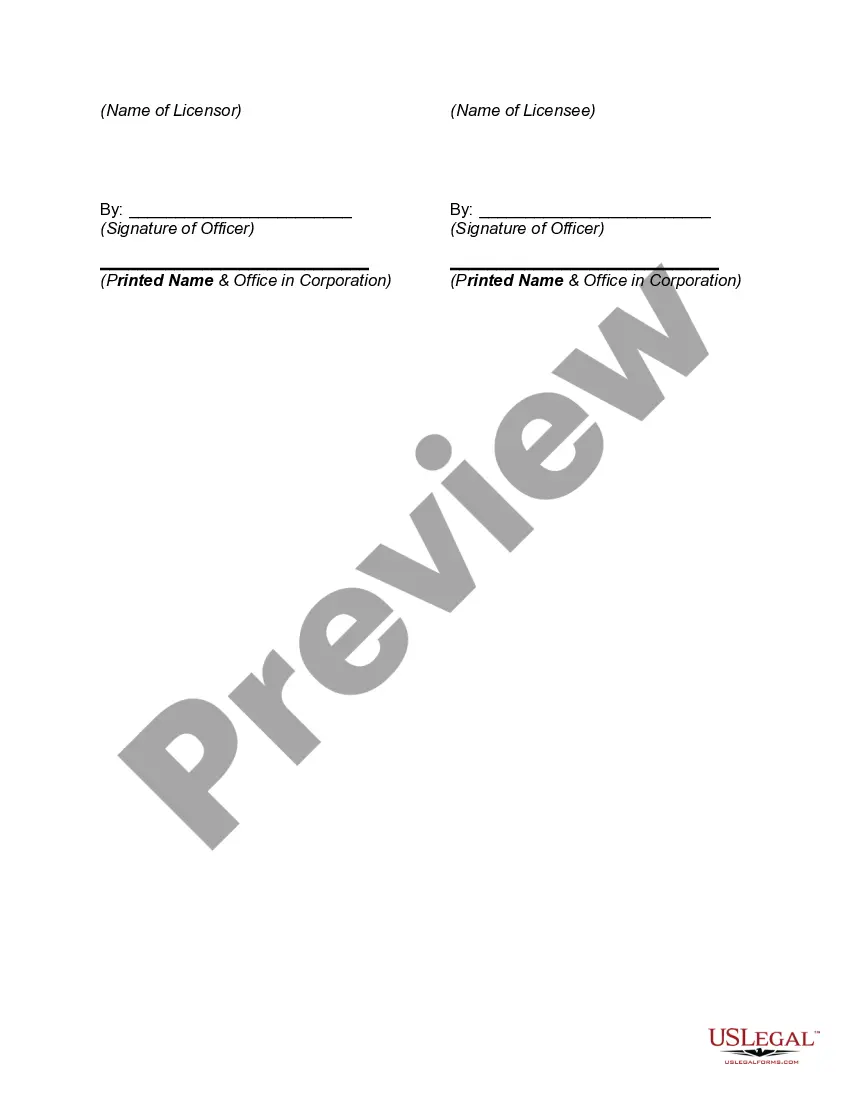
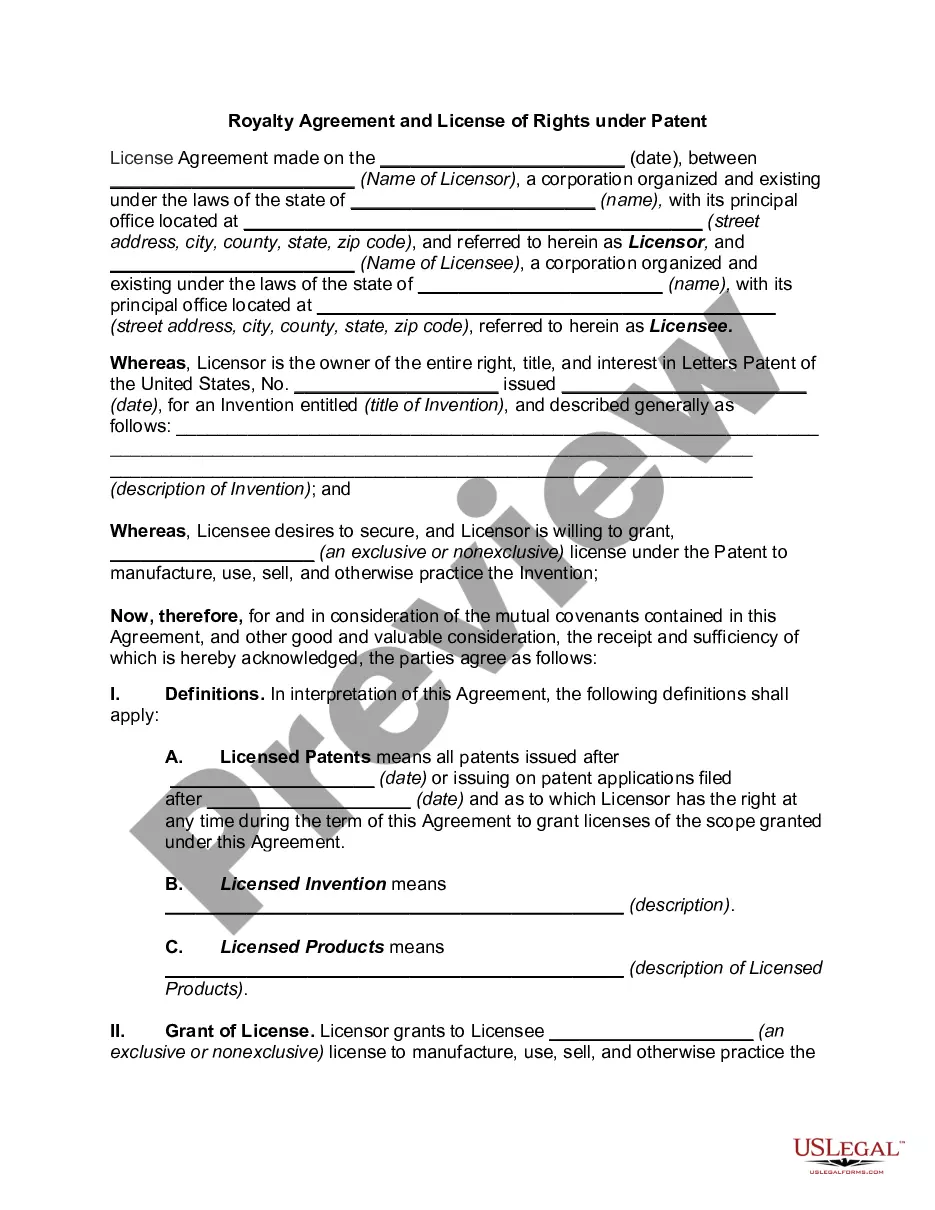
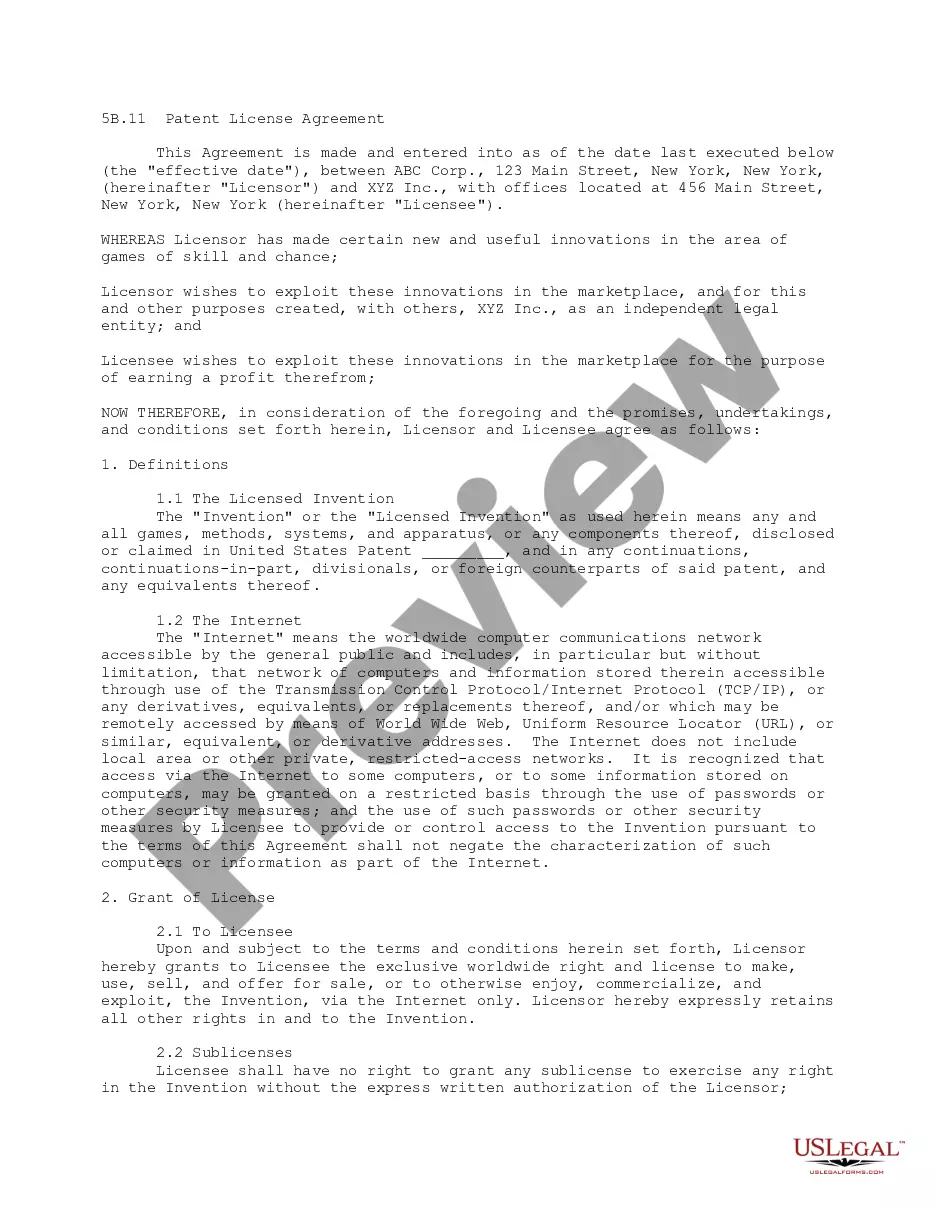
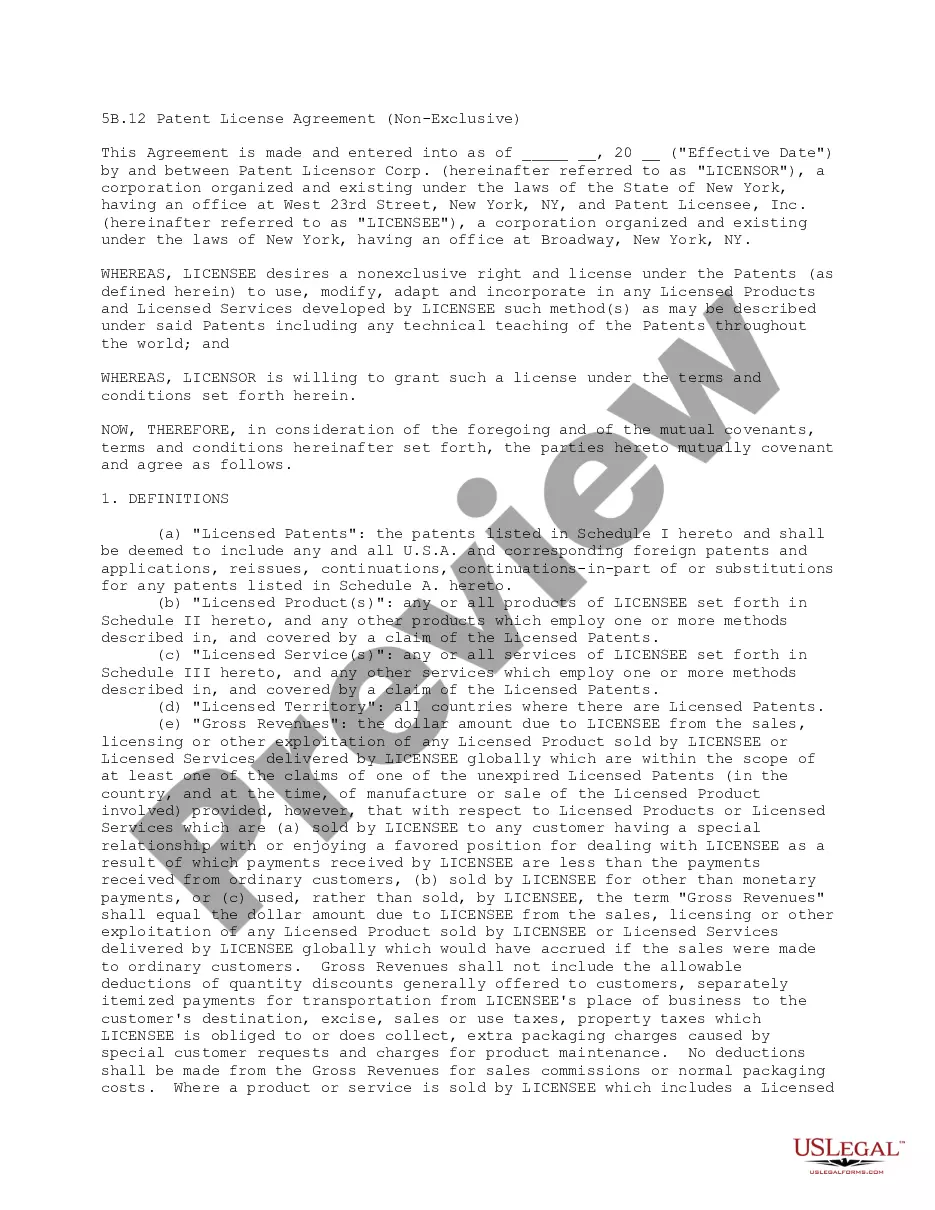
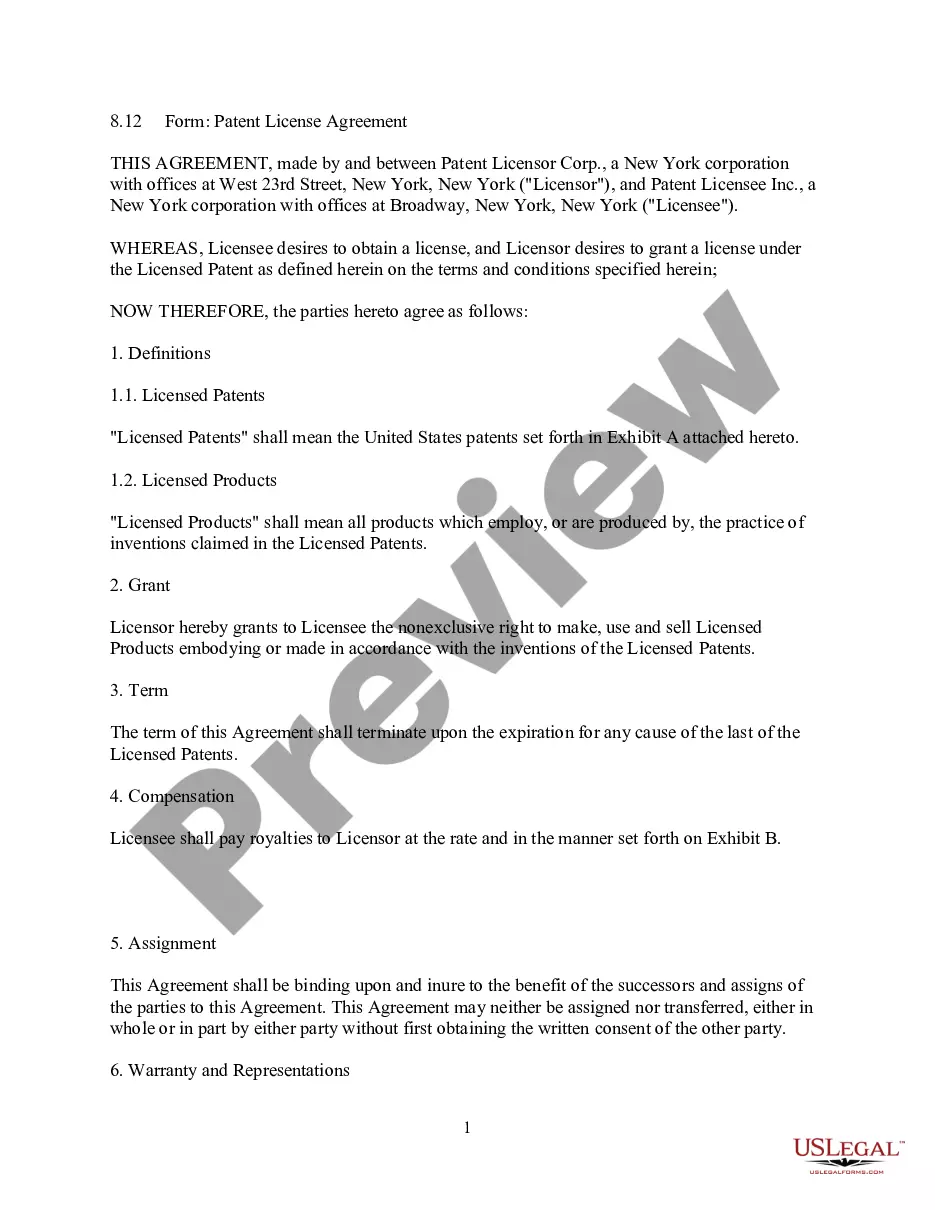

How to fill out Exclusive License Agreement For Patent With Schedule Of Royalties?
It is feasible to spend hours online searching for the appropriate legal document that meets the state and national requirements you require.
US Legal Forms offers thousands of legal templates that can be reviewed by professionals.
You can easily download or print the Maryland Exclusive License Agreement for Patent along with the Schedule of Royalties from this service.
If available, use the Review button to look through the template as well.
- If you already possess a US Legal Forms account, you can sign in and click the Download button.
- Next, you can fill out, modify, print, or sign the Maryland Exclusive License Agreement for Patent with Schedule of Royalties.
- Every legal document you obtain is yours indefinitely.
- To access another copy of a purchased form, visit the My documents tab and click the corresponding button.
- If you're using the US Legal Forms website for the first time, follow the simple instructions below.
- First, ensure that you have selected the correct template for the region/city that you choose.
- Review the form description to verify that you have chosen the right template.
Form popularity
FAQ
To receive these payments, an inventor can enter into a licensing agreement with a company. With a licensing agreement in place, the company has the right to sell the patented invention, and the inventor will receive a percentage of the sale of each product.
Yes, a patent can help you to sell your product at a higher price. However, it does not guarantee to do so. Patents themselves don't make you any money.
Though the 25% Rule, which presumes that 25 percent of the operating profit from the sale of an infringing good is a reasonable royalty rate, has been frequently relied upon as a starting point in calculating patent infringement damages for more than 40 years, the Federal Circuit recently held that this rule of thumb
It's generally a percentage of gross revenue or net profit. Meanwhile, a licensing fee is money paid by someone using someone's property, but this fee is generally a fixed amount. Royalties can be collected for things that are also licensed, such as patents.
Patents usually expire 20 years after the date they were filed.
Typically, royalties are paid as a percentage of the product's gross sales. The typical percentage for royalty payments will be 3-5%.
Under federal patent law, you have the exclusive right to make, use or sell your patented invention throughout the United States and its territories. You also have the right to receive royalties from patent licensing agreements that give others permission to make, use or sell your invention.
Patent royalties: Innovators or creators patent their products. Then, if a third party wants to use that same product of patent, they must enter into a licensing agreement that will require them to pay royalties to the patent owner. This way, the inventor is compensated for their intellectual property.
A royalty agreement is a legal contract between a licensor and a licensee. The agreement grants the licensee the right to use the licensor's intellectual property in exchange for royalty payments.
A licensing agreement allows one party (the licensee) to use and/or earn revenue from the property of the owner (the licensor). Licensing agreements generate revenues, called royalties, earned by a company for allowing its copyrighted or patented material to be used by another company.