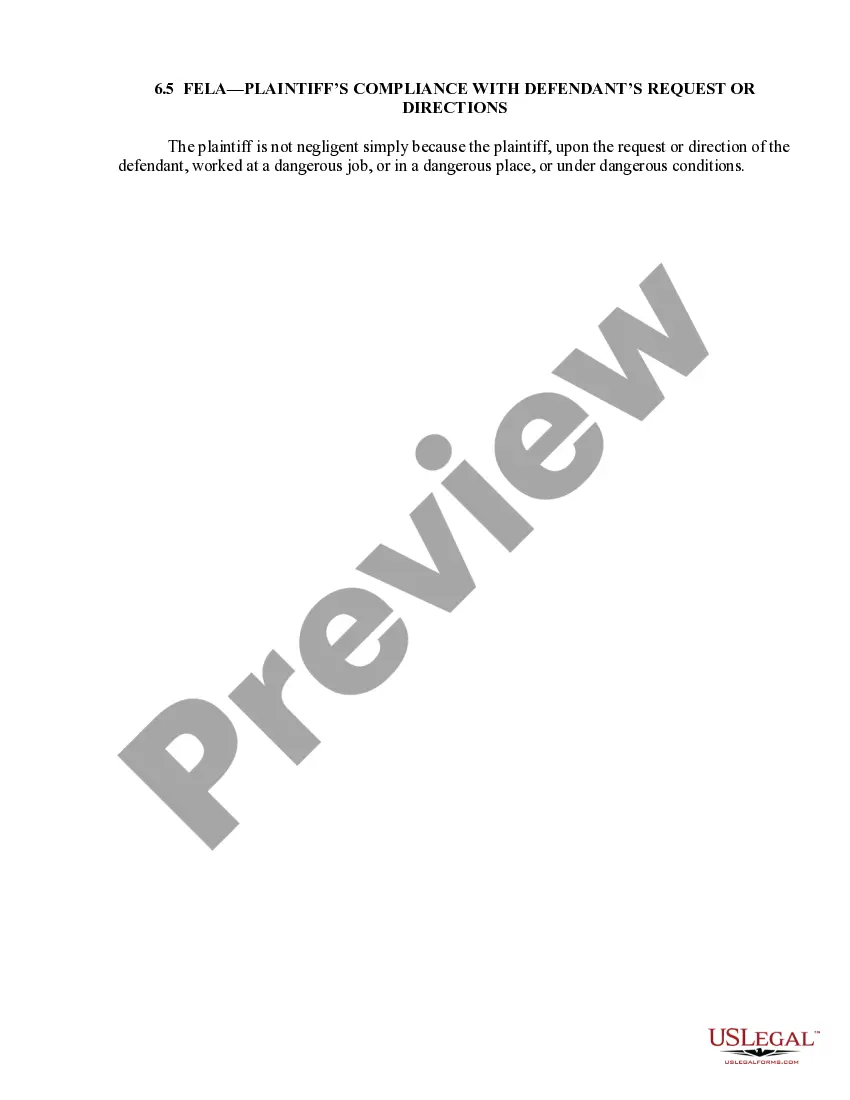
Maryland Invention Nonexclusive License Agreement
Description
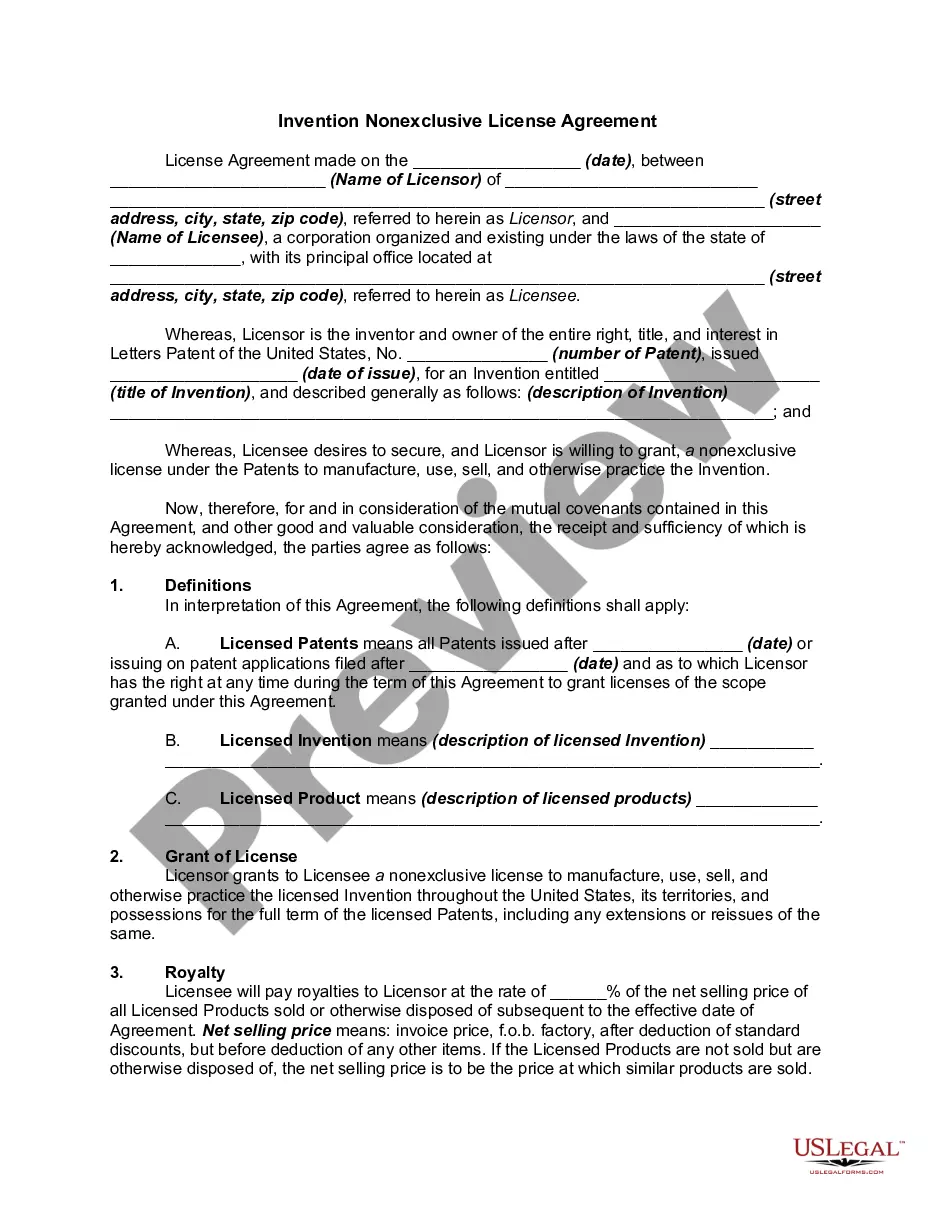
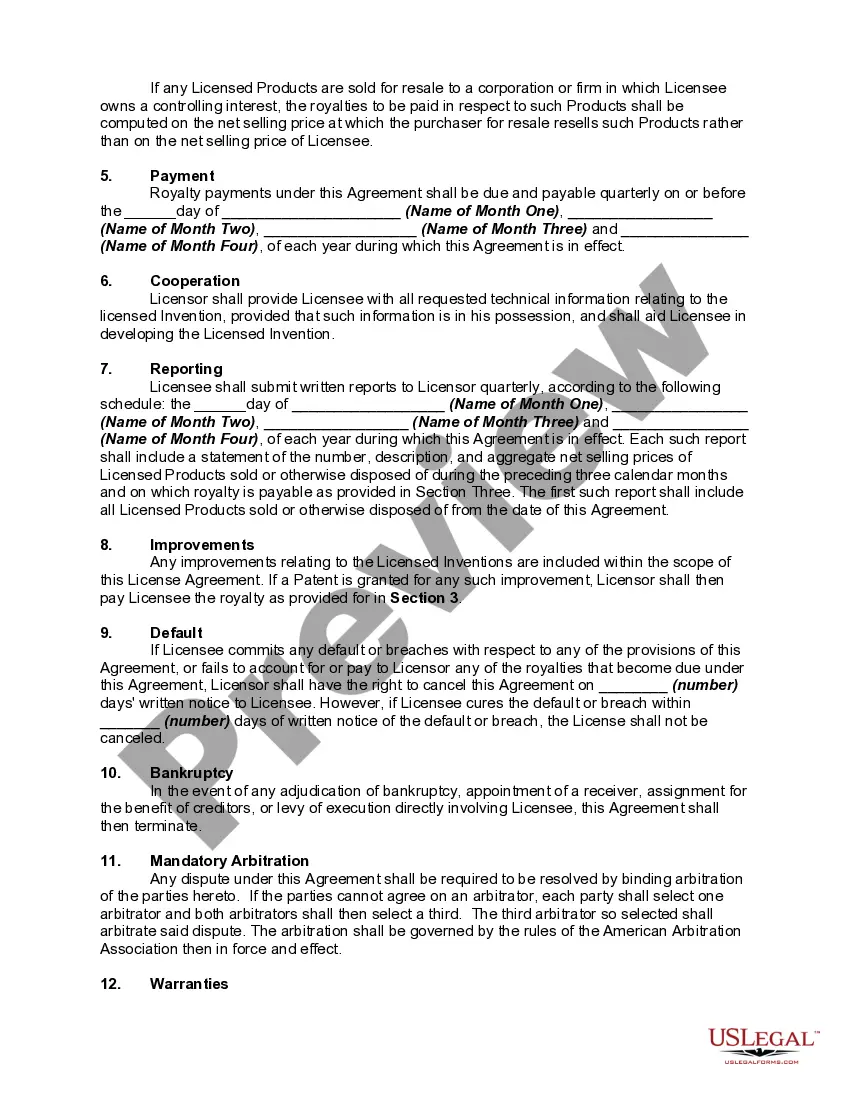
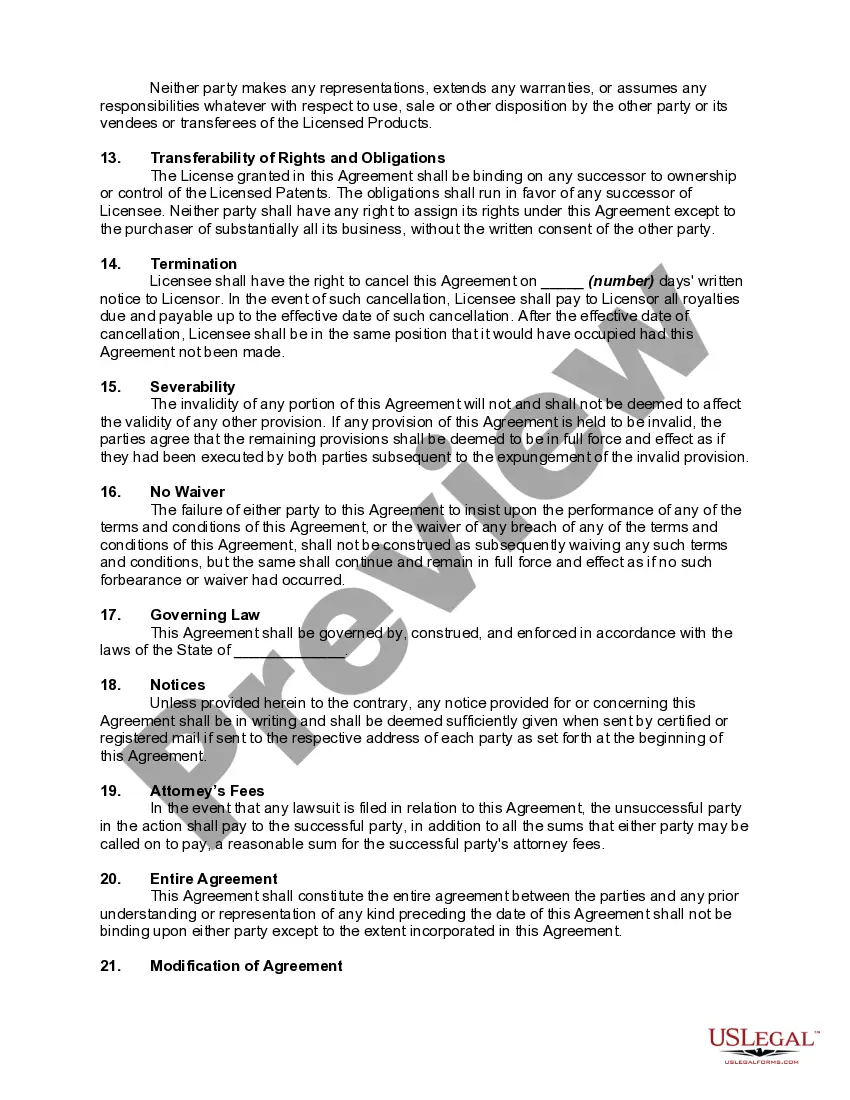
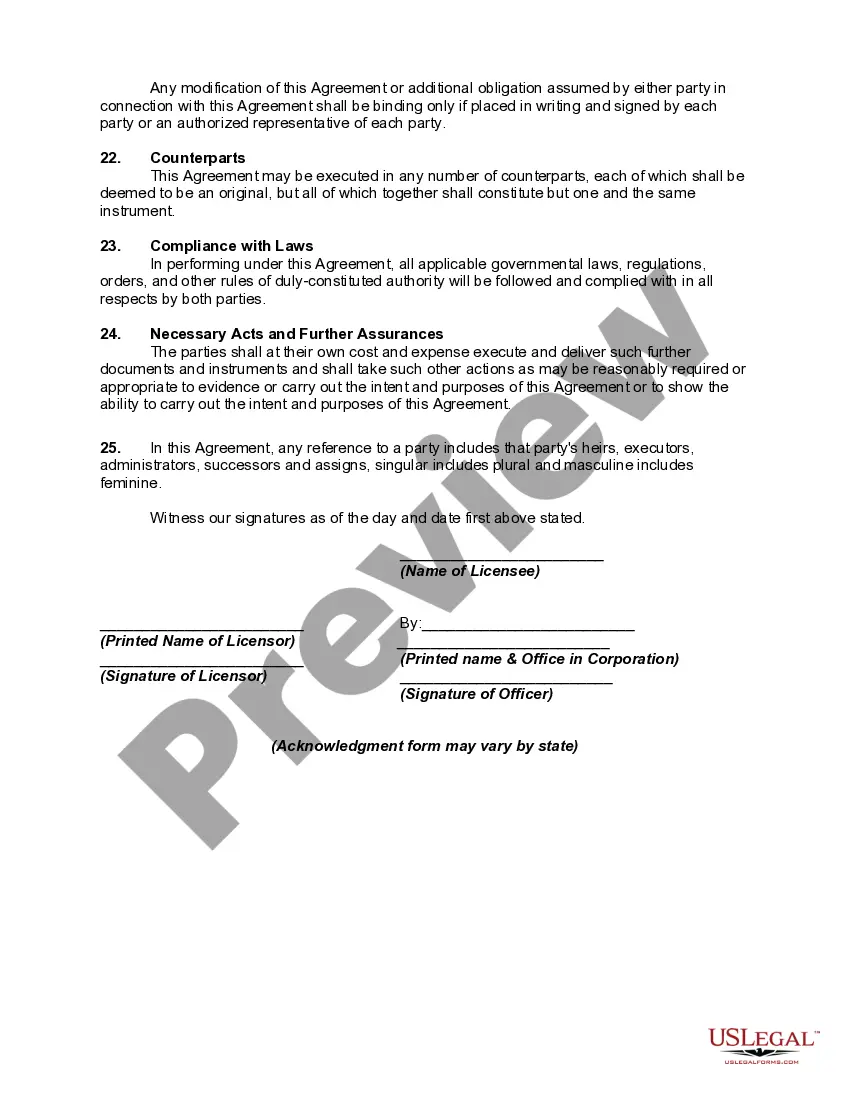
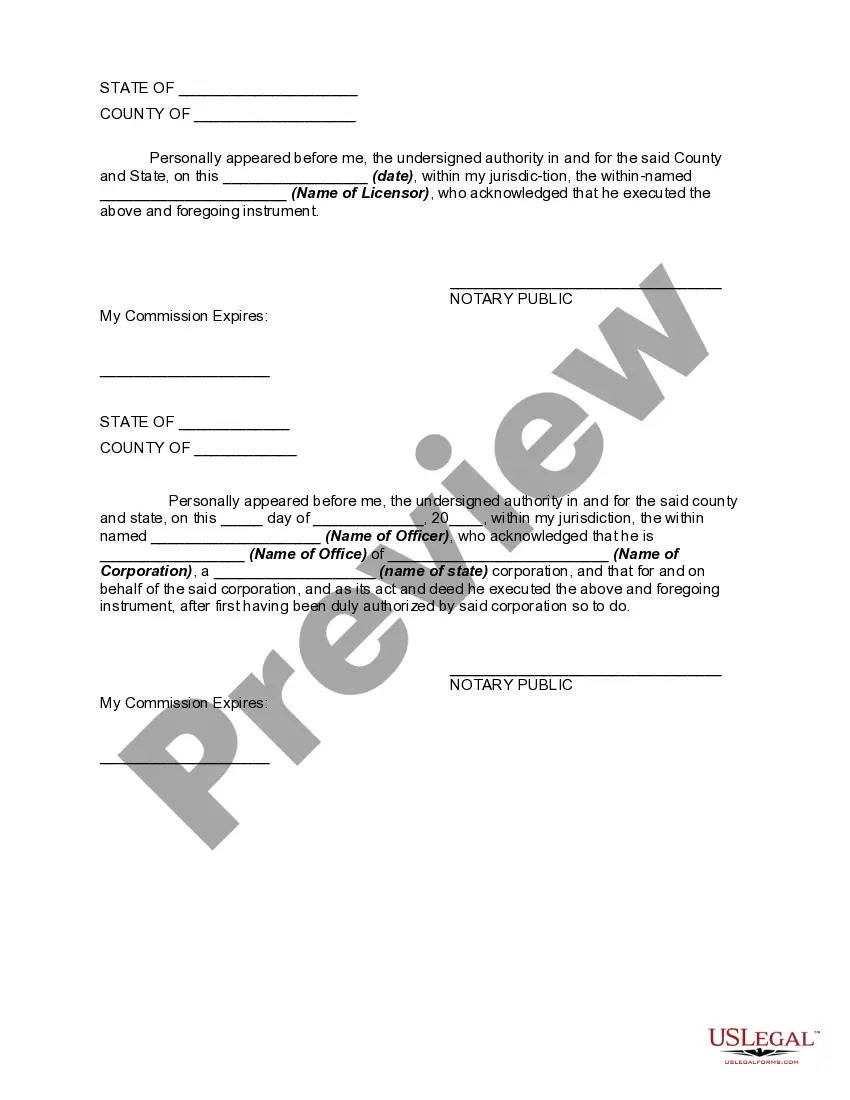
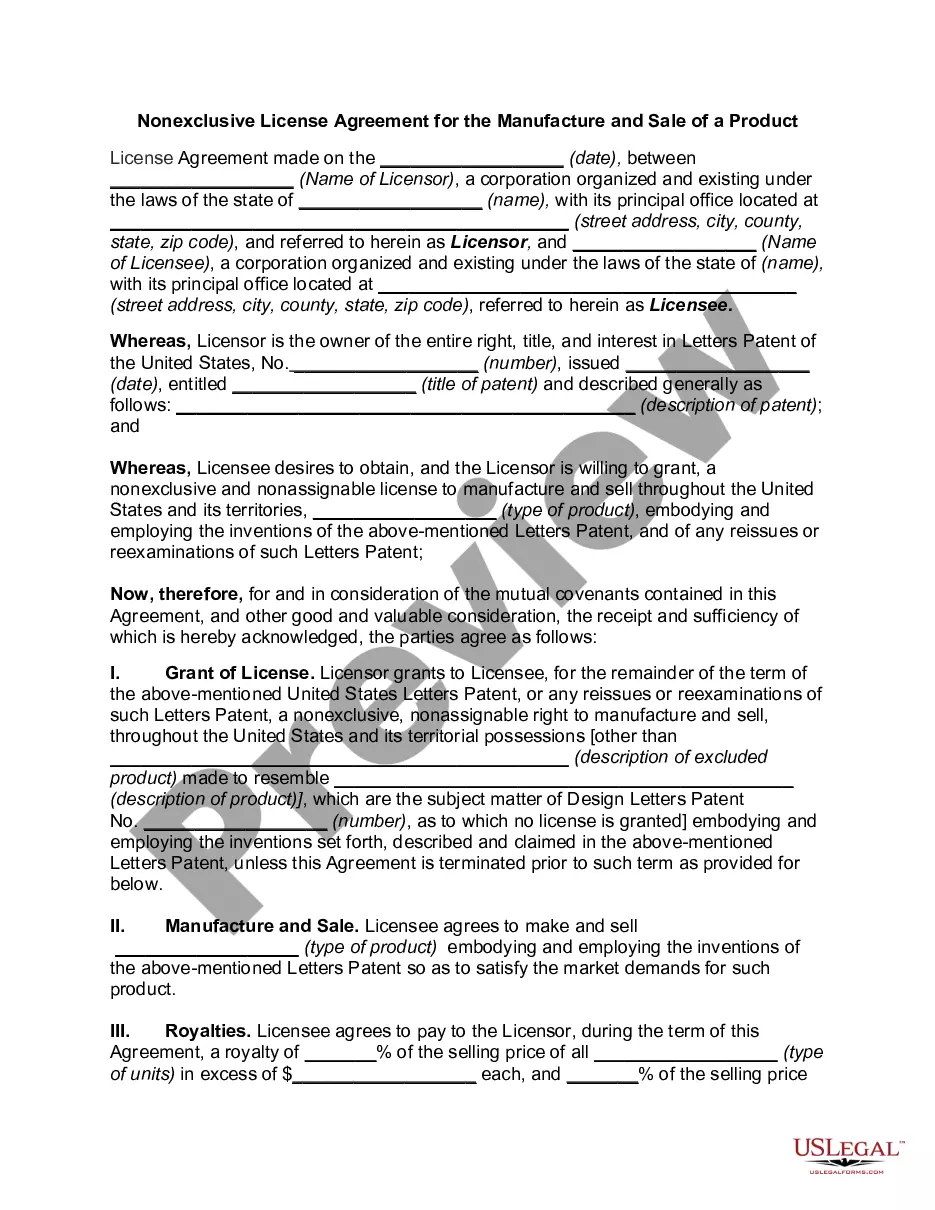
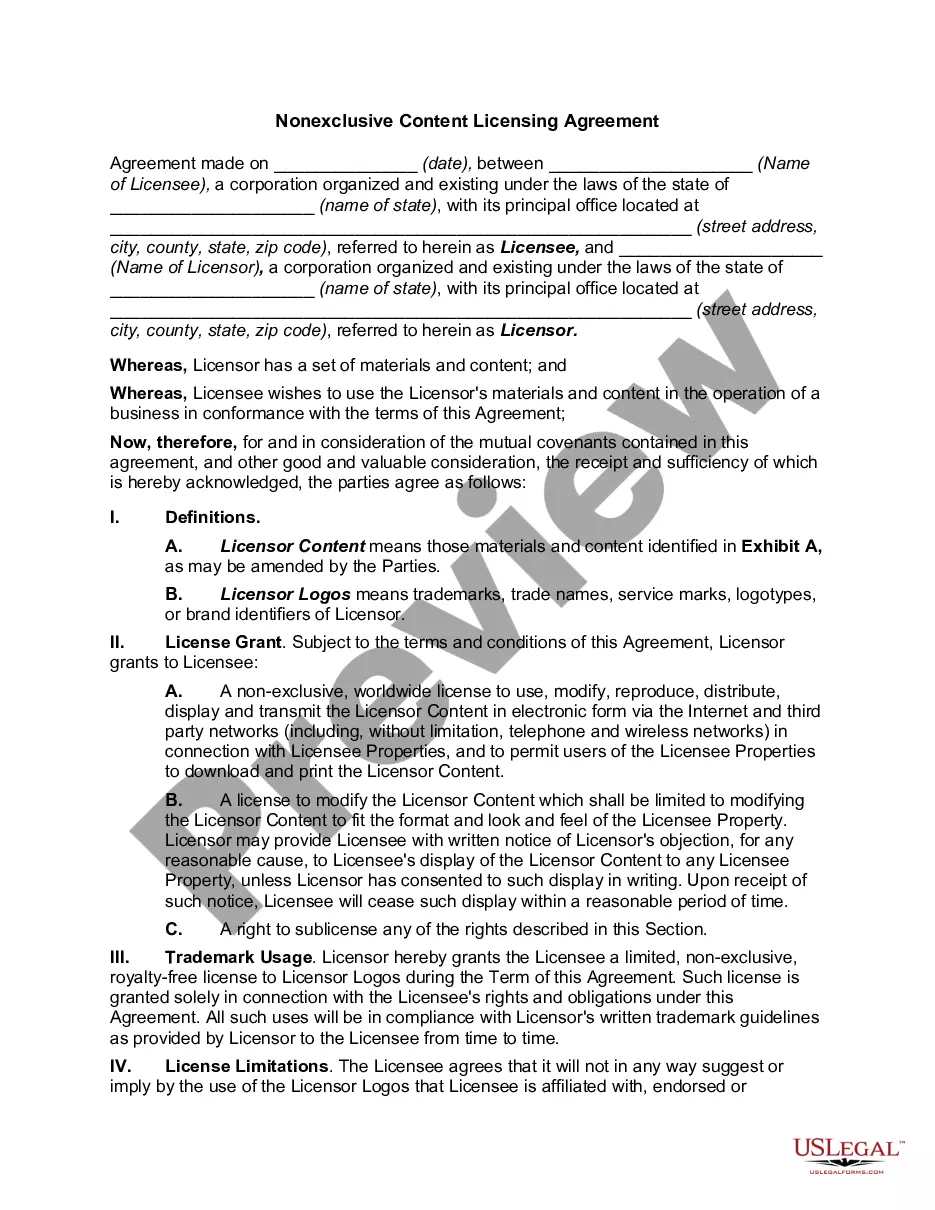
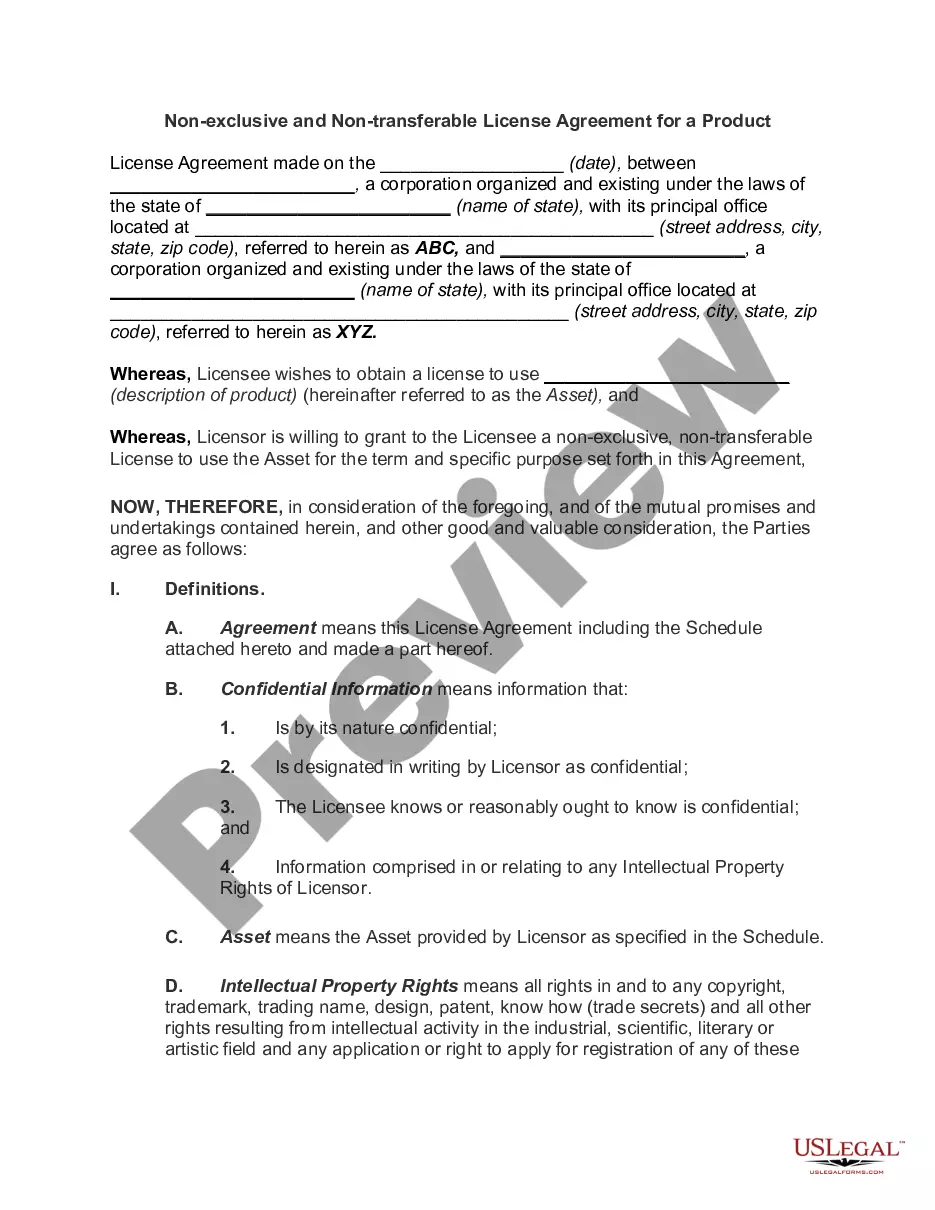
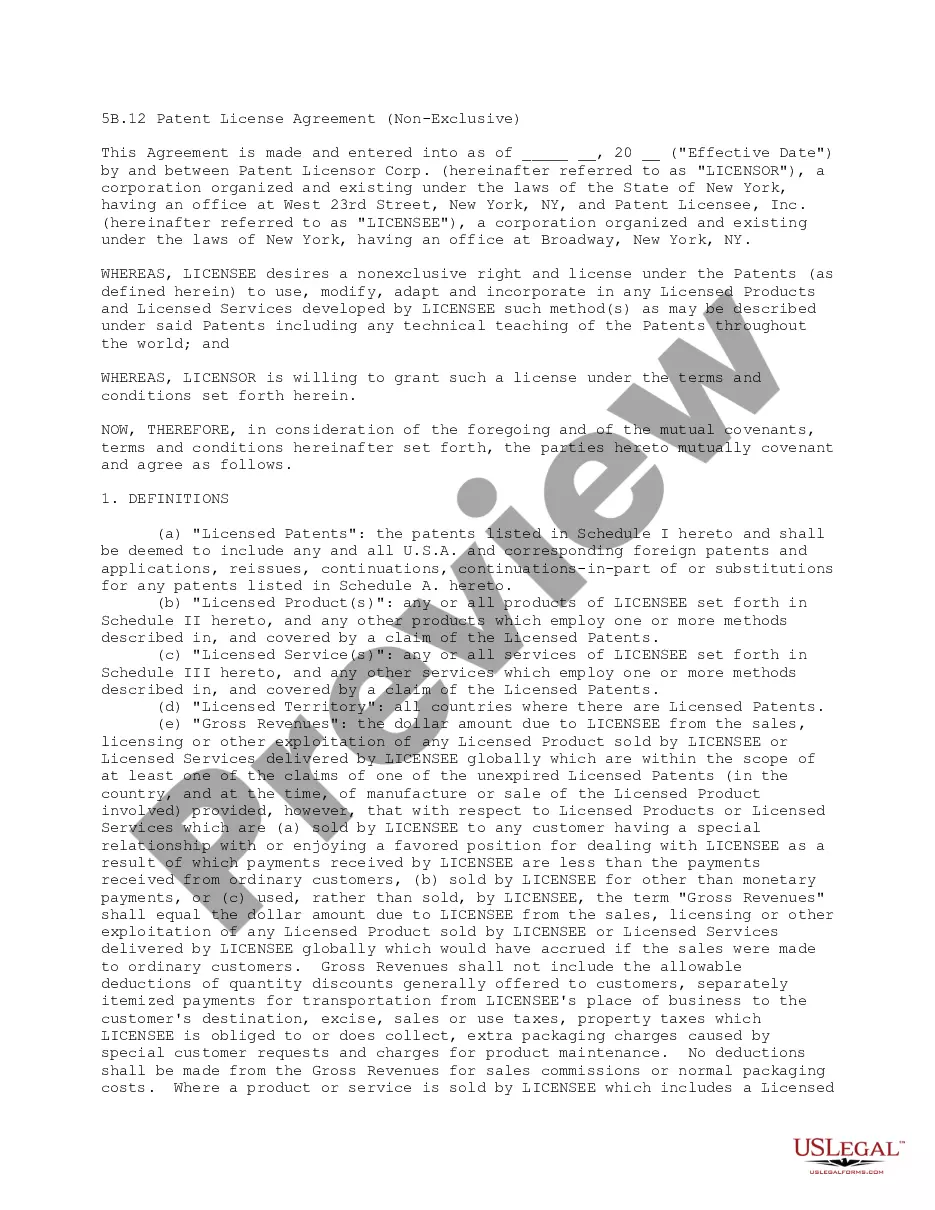
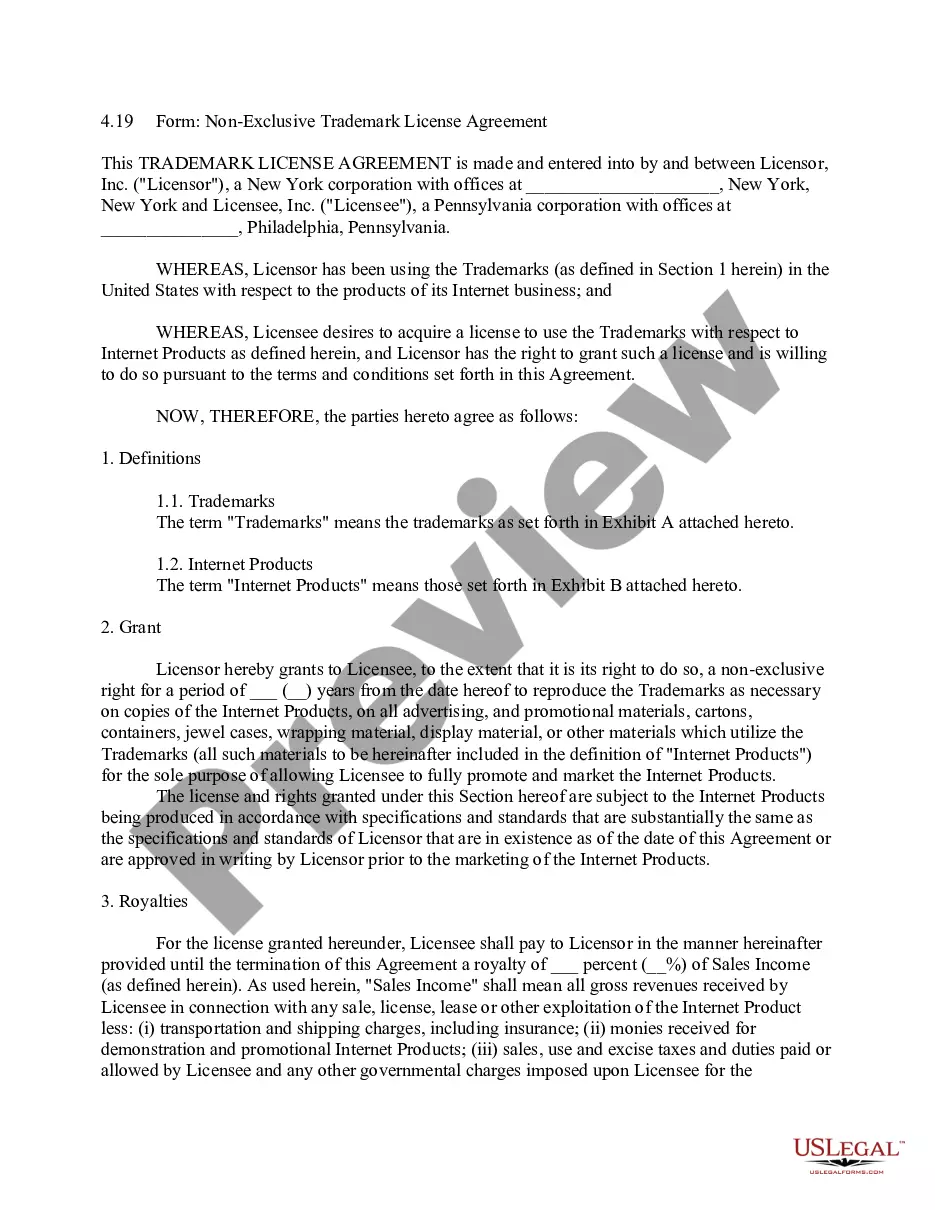
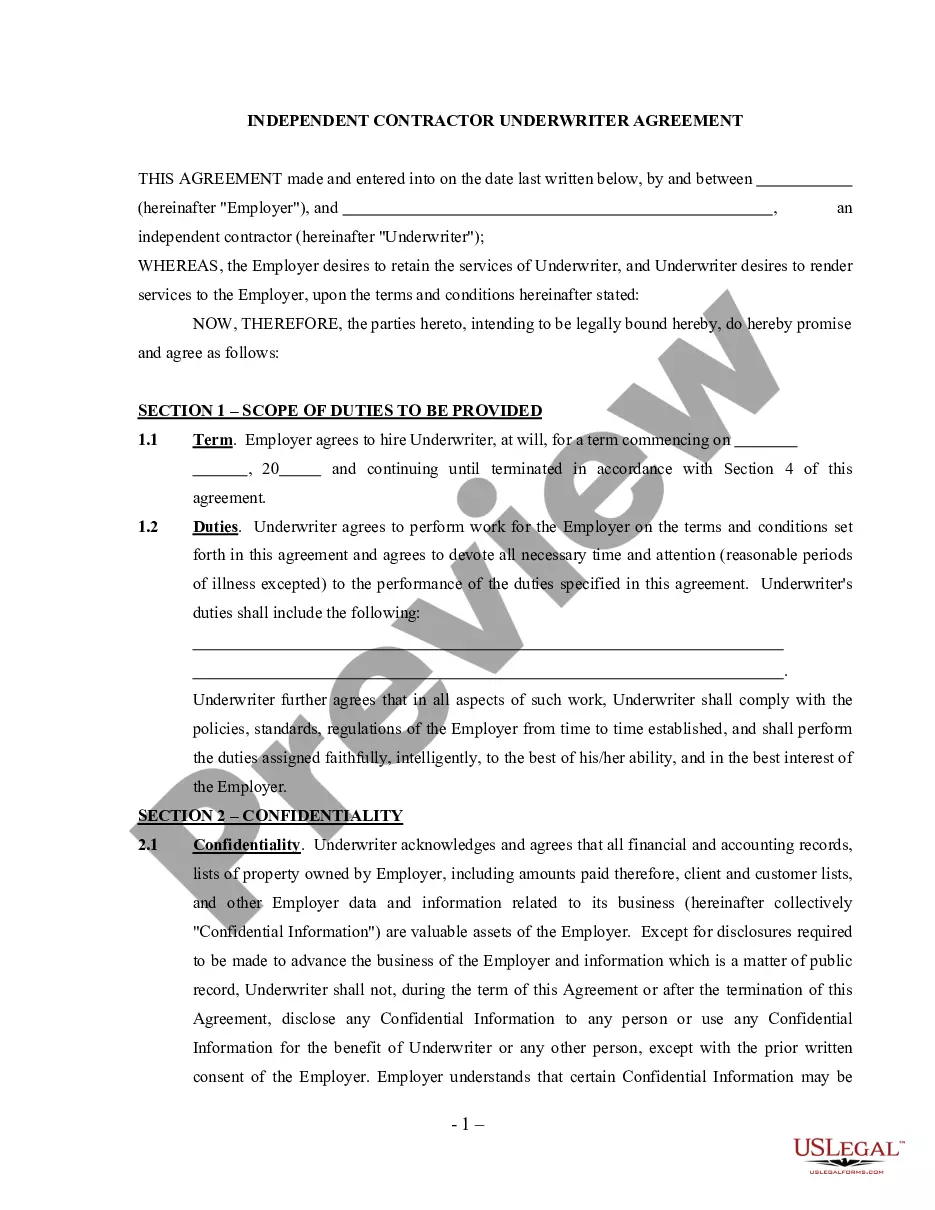
How to fill out Invention Nonexclusive License Agreement?
In case you need to download, save, or print legitimate document templates, utilize US Legal Forms, the largest assortment of legal forms available online.
Make the most of the site's straightforward and user-friendly search feature to locate the documents you require.
Various templates for commercial and personal use are organized by category and topics, or keywords.
Step 4. When you have found the form you need, click the Get now button. Select the pricing plan you prefer and enter your details to create an account.
Step 5. Complete the payment process. You can use your credit card or PayPal account to finalize the transaction.
- Utilize US Legal Forms to locate the Maryland Invention Nonexclusive License Agreement with just a few clicks.
- If you are already a US Legal Forms member, Log In to your account and click on the Download button to access the Maryland Invention Nonexclusive License Agreement.
- You can also view forms you previously downloaded in the My documents section of your account.
- If it's your first time using US Legal Forms, follow these instructions.
- Step 1. Confirm that you have selected the form for the correct region/state.
- Step 2. Use the Review option to examine the form’s content. Don’t forget to check the summary.
- Step 3. If you are not satisfied with the form, use the Search box at the top of the screen to find alternative versions of the legal document template.
Form popularity
FAQ
A copyright exclusive license is one in which ownership in one or more rights is transferred by the copyright owner. A copyright nonexclusive license occurs when the owner retains ownership of the copyright and/or may license the same right to others.
In short, a patent license agreement is a legal contract created to define the terms under which a licensee may create, sell, and use a patented invention from a licensor (or patent owner). This agreement also spells out how royalties will be paid to the licensor/patent owner.
Exclusive license allows a licensor to share intellectual property with a licensee for a specific period of time that usually binds the licensor to not share the property with anyone else.
What type of activities does a license agreement restrict? You do not have the right to copy, loan, borrow, rent, or in any way distribute programs or apps. Doing so, is a violation of copyright law; it is also a federal crime.
A licensing agreement is a contract between two parties (the licensor and licensee) in which the licensor grants the licensee the right to use the brand name, trademark, patented technology, or ability to produce and sell goods owned by the licensor.
By nature, exclusive licenses grant more rights than non-exclusive licenses and usually address a number of contractual obligations regarding the IP, including registration/prosecution, defense, and enforcement of the intellectual property rights.
A licensing agreement allows one party (the licensee) to use and/or earn revenue from the property of the owner (the licensor). Licensing agreements generate revenues, called royalties, earned by a company for allowing its copyrighted or patented material to be used by another company.
Exclusive license allows a licensor to share intellectual property with a licensee for a specific period of time that usually binds the licensor to not share the property with anyone else.
RISKS TO LICENSINGThe firm may lose control over the manufacture and marketing of its goods in other countries. As a mode of international market entry, licensing also may be less profitable than other choices because returns must be shared between two parties.
This will include things like how much the licensor gets paid for every item sold (or some other type of financial compensation arrangement), whether there is any payment for the right to use the product itself, and much more....Scope of the AgreementExclusivity.Territory Rights.Guarantees of Sales.