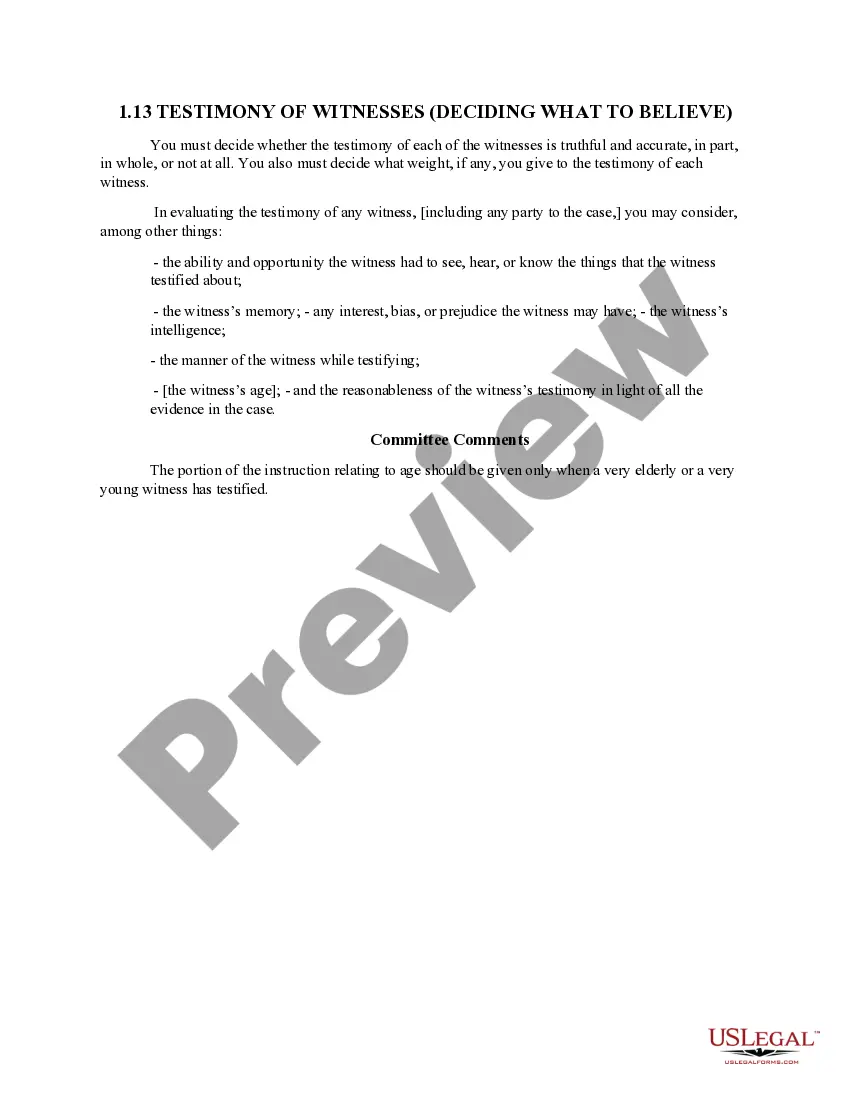
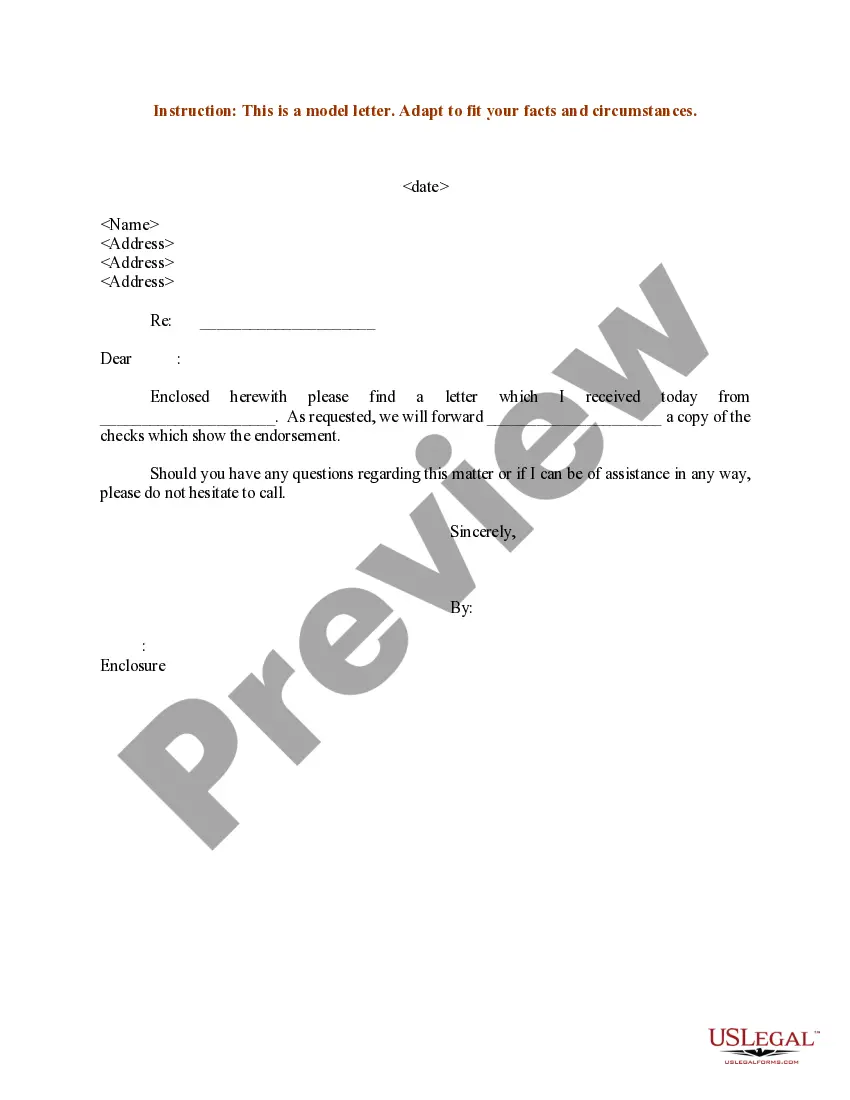
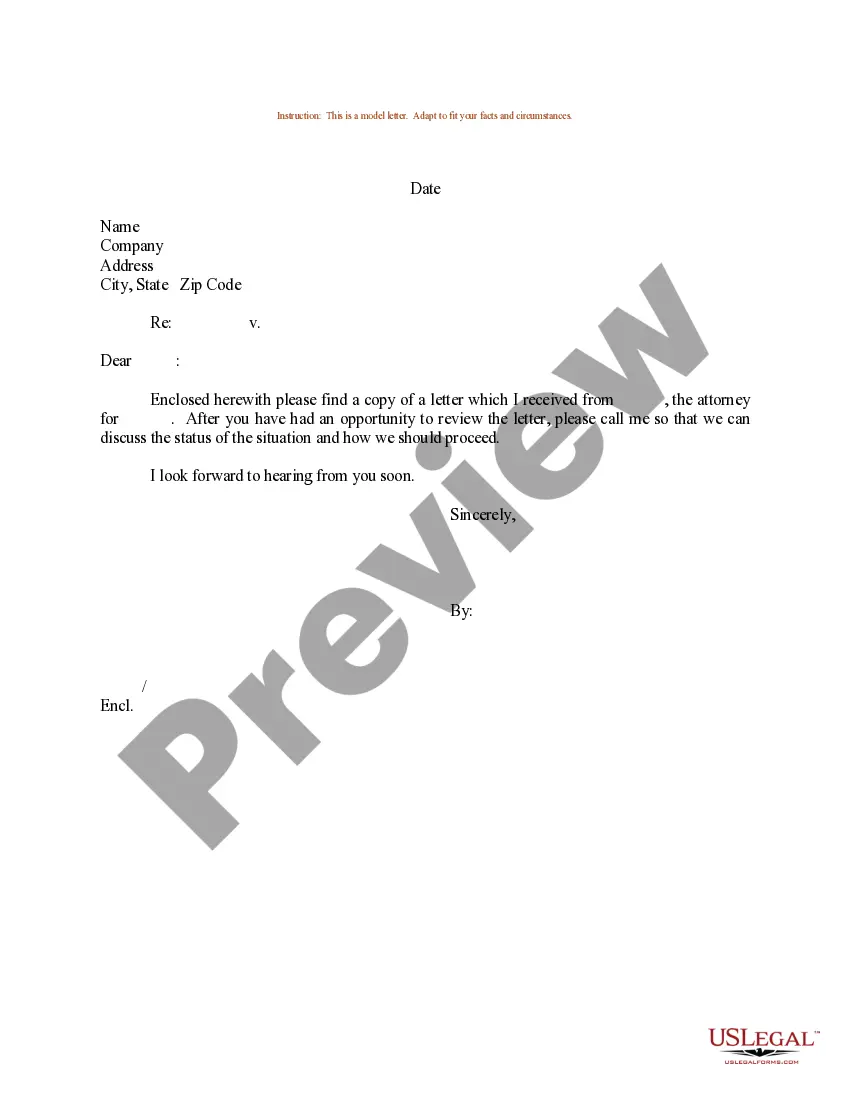
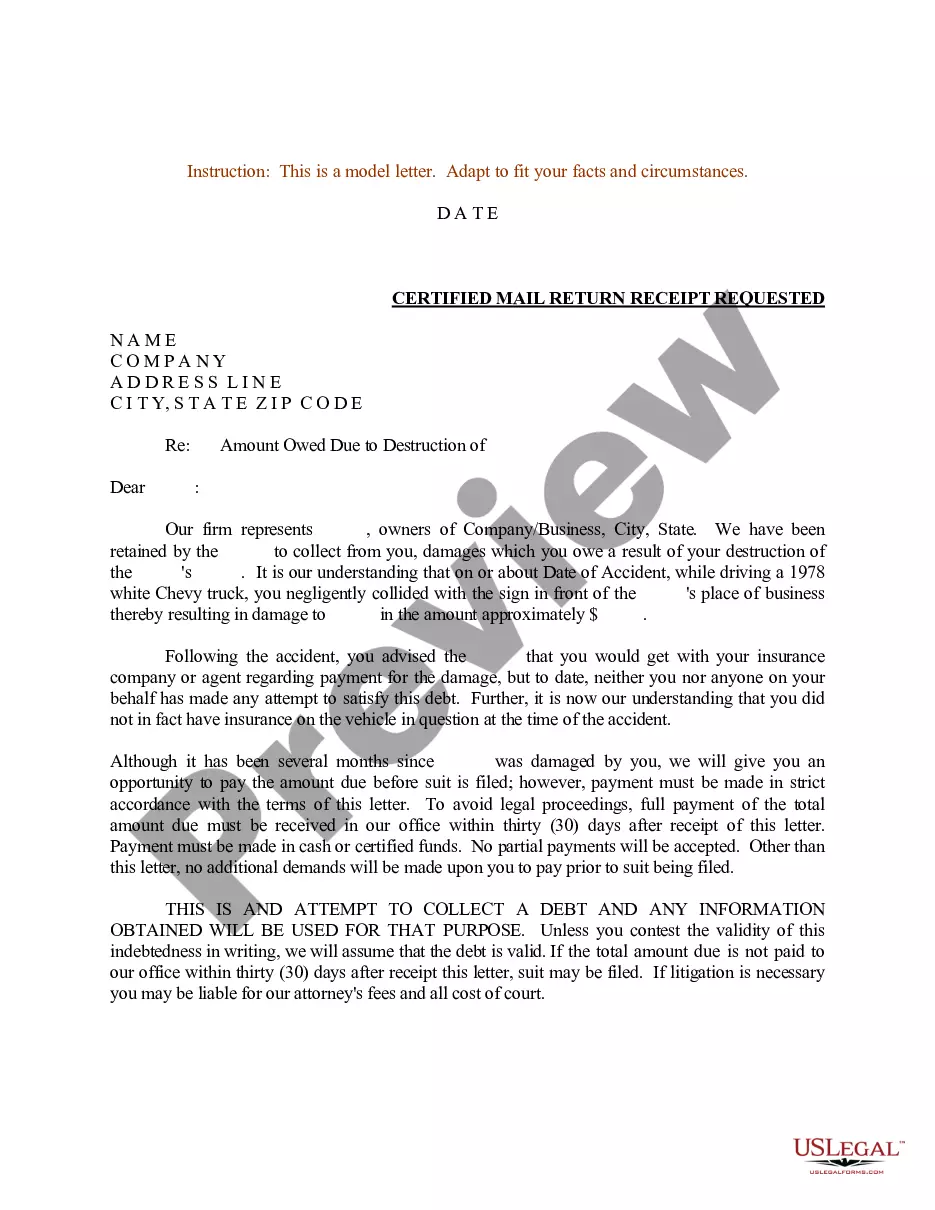
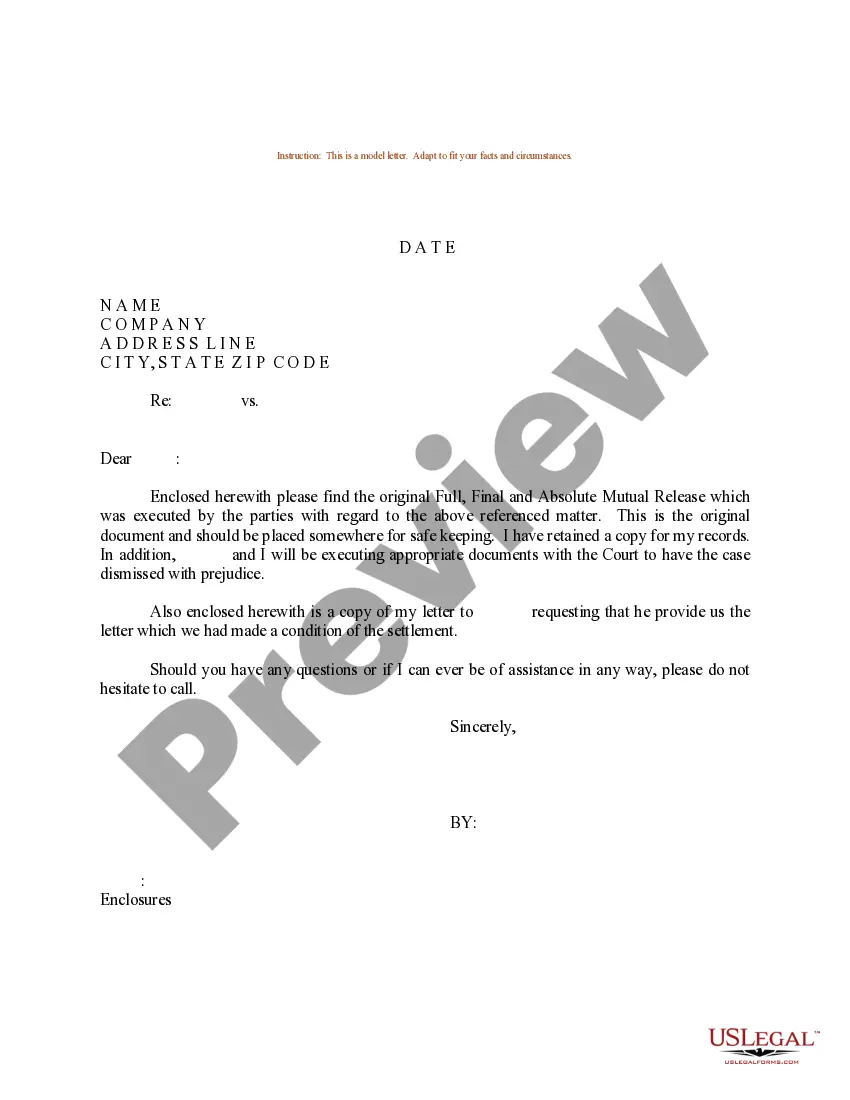
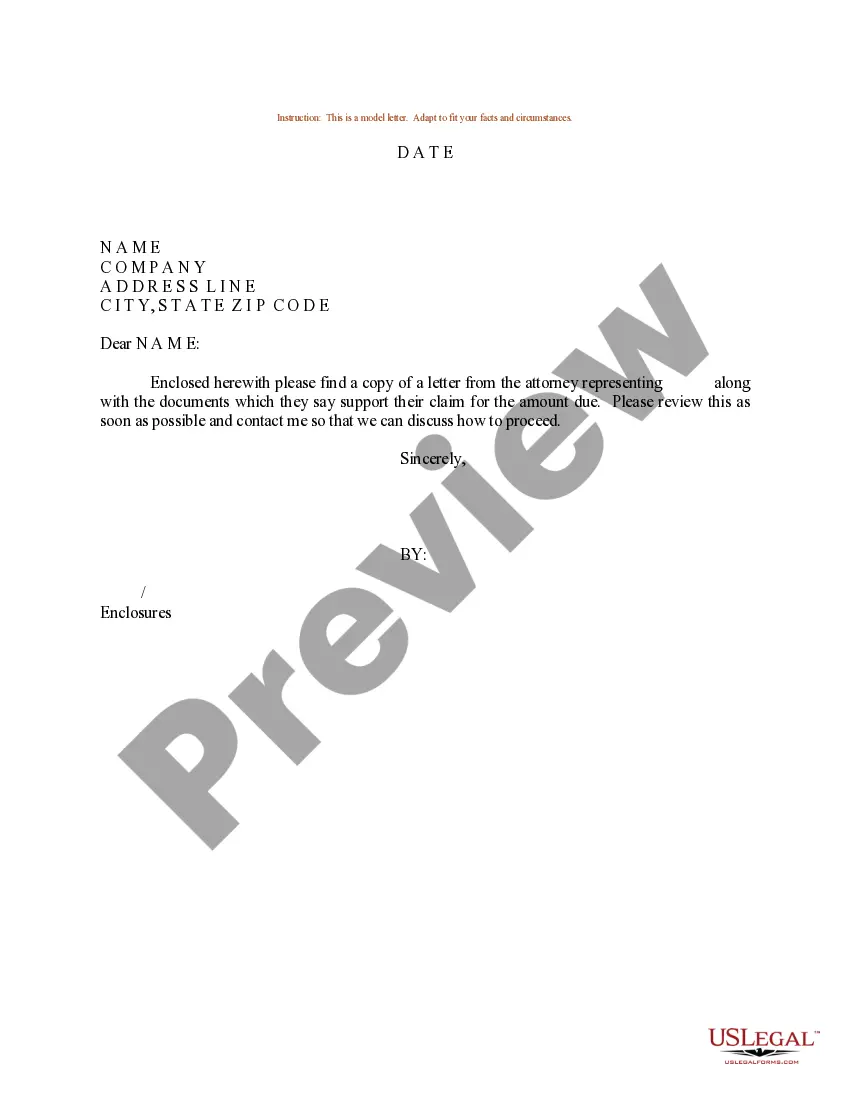
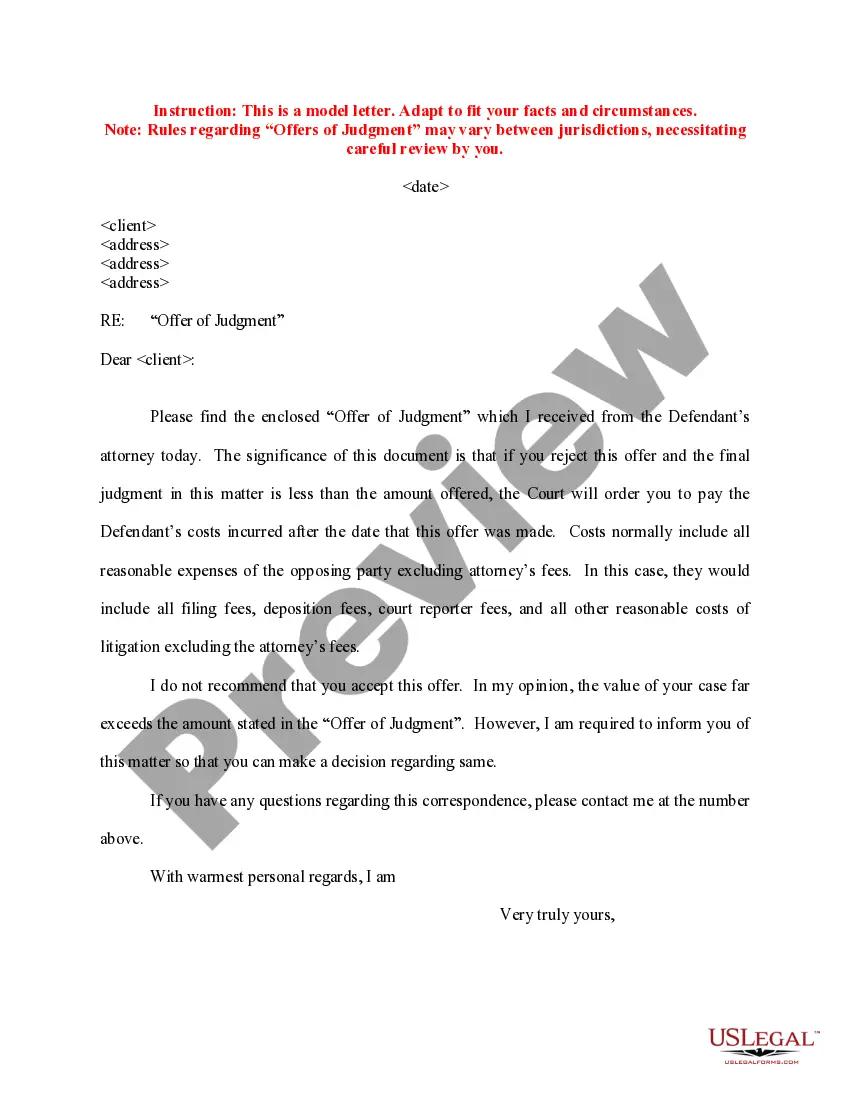
Maryland Sample Letter for Correspondence received from Defendant
Description
Get your form ready online
Our built-in tools help you complete, sign, share, and store your documents in one place.
Make edits, fill in missing information, and update formatting in US Legal Forms—just like you would in MS Word.
Download a copy, print it, send it by email, or mail it via USPS—whatever works best for your next step.
Sign and collect signatures with our SignNow integration. Send to multiple recipients, set reminders, and more. Go Premium to unlock E-Sign.
If this form requires notarization, complete it online through a secure video call—no need to meet a notary in person or wait for an appointment.
We protect your documents and personal data by following strict security and privacy standards.

Make edits, fill in missing information, and update formatting in US Legal Forms—just like you would in MS Word.

Download a copy, print it, send it by email, or mail it via USPS—whatever works best for your next step.

Sign and collect signatures with our SignNow integration. Send to multiple recipients, set reminders, and more. Go Premium to unlock E-Sign.

If this form requires notarization, complete it online through a secure video call—no need to meet a notary in person or wait for an appointment.

We protect your documents and personal data by following strict security and privacy standards.
Looking for another form?
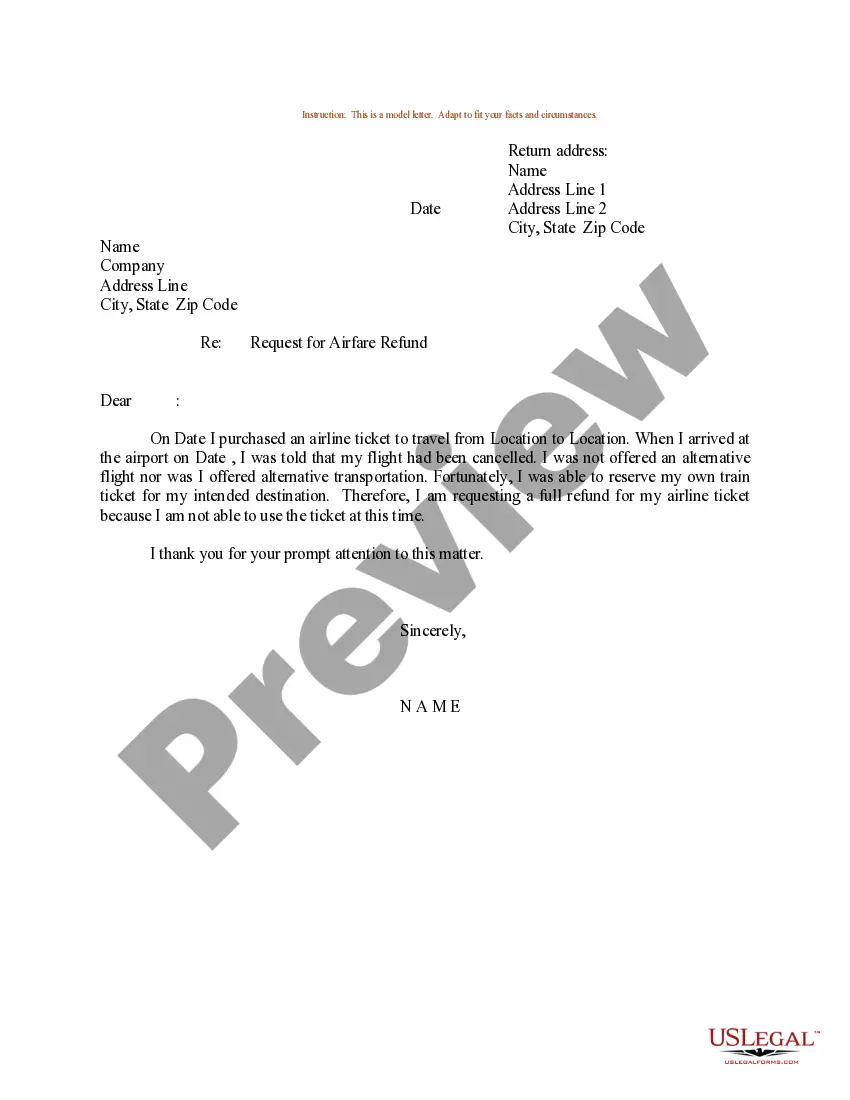




How to fill out Sample Letter For Correspondence Received From Defendant?
Are you presently in a situation where you require documents for potential business or personal purposes nearly all the time.
There are numerous legal document templates accessible online, but finding ones you can rely on isn’t simple.
US Legal Forms offers thousands of form templates, including the Maryland Sample Letter for Correspondence received from Defendant, which can be drafted to comply with federal and state requirements.
Once you find the appropriate form, click on Get now.
Choose the pricing plan you need, complete the required information to create your account, and purchase your order using your PayPal or credit card.
- If you are already familiar with the US Legal Forms website and have an account, simply Log In.
- Next, you can download the Maryland Sample Letter for Correspondence received from Defendant template.
- If you do not have an account and wish to start using US Legal Forms, follow these steps.
- Find the form you need and ensure it is for the correct city/state.
- Use the Preview button to review the form.
- Read the description to confirm that you have selected the correct form.
- If the form isn’t what you’re looking for, use the Lookup field to find the form that suits your needs.
Form popularity
FAQ
A character letter is a letter written by friends, relatives, coworkers, and others who know the defendant in a criminal case. They are presented to the judge during the sentencing phase, along with the testimony of any live witnesses.
An attorney letter of representation is correspondence, usually a letter, sent by the victim's attorney to the defendant or an insurance company advising that an attorney represents the victim. The purpose of a representation letter is to make the opposing party aware that counsel represents your client.
Your meet and confer letter should look something like this: Dear Counsel; I am in receipt of your client's objections to our Request for Production of Documents, set #1 in the above entitled case. Below are a more detailed description of our problems with your responses.
Include an introduction that outlines the purpose of the representation letter and how it will be used. Identify the parties involved in the agreement. Provide a full description of the agreement, including any conditions or restrictions. Identify any potential risks or liabilities associated with the agreement.
I am writing in support of [applicant's name]'s candidacy for [opportunity]. I believe this [individual or organization] is an exceptional candidate for this opportunity because [list of primary reasons]. First, [candidate] demonstrates the quality of [characteristic] by [example or anecdote of this quality in action.]
Guidelines for Letters of Support The letter should be addressed to the Judge, but mailed to the defendant's attorney. ... Who are you? ... Make it personal when describing the defendant's characteristics. ... Only talk about what you know. ... Be truthful. ... Never attack the victims or law enforcement.
Letters of support should explain, using examples, how the defendant has a good character. Just saying that the defendant is a good person, without specifics, is not very persuasive. It is always a good idea to let the judge know about things the defendant has done to help others and the community.
When writing, avoid simply describing the defendant in terms like ?he is loyal.? Instead, tell a story about his loyalty, or how he has been an upstanding member of the community. A story will stand out in the judge's mind more than adjectives will, making your letter more effective.