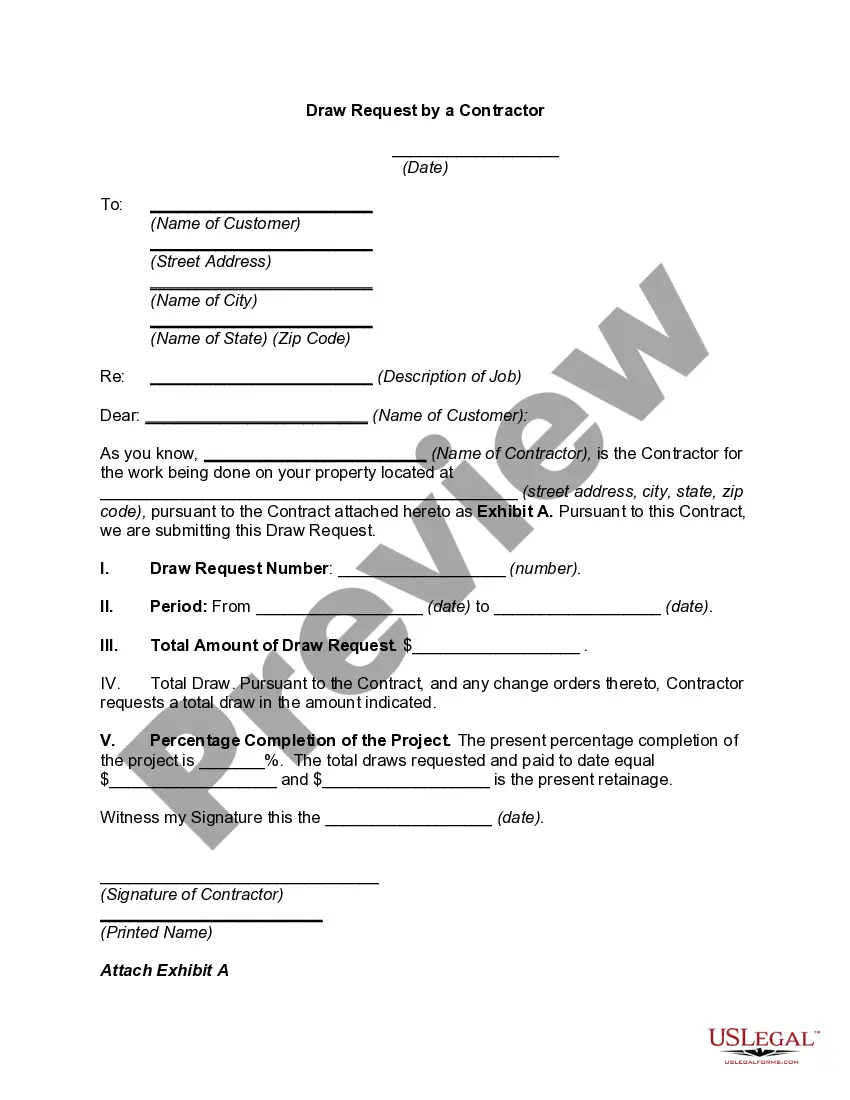
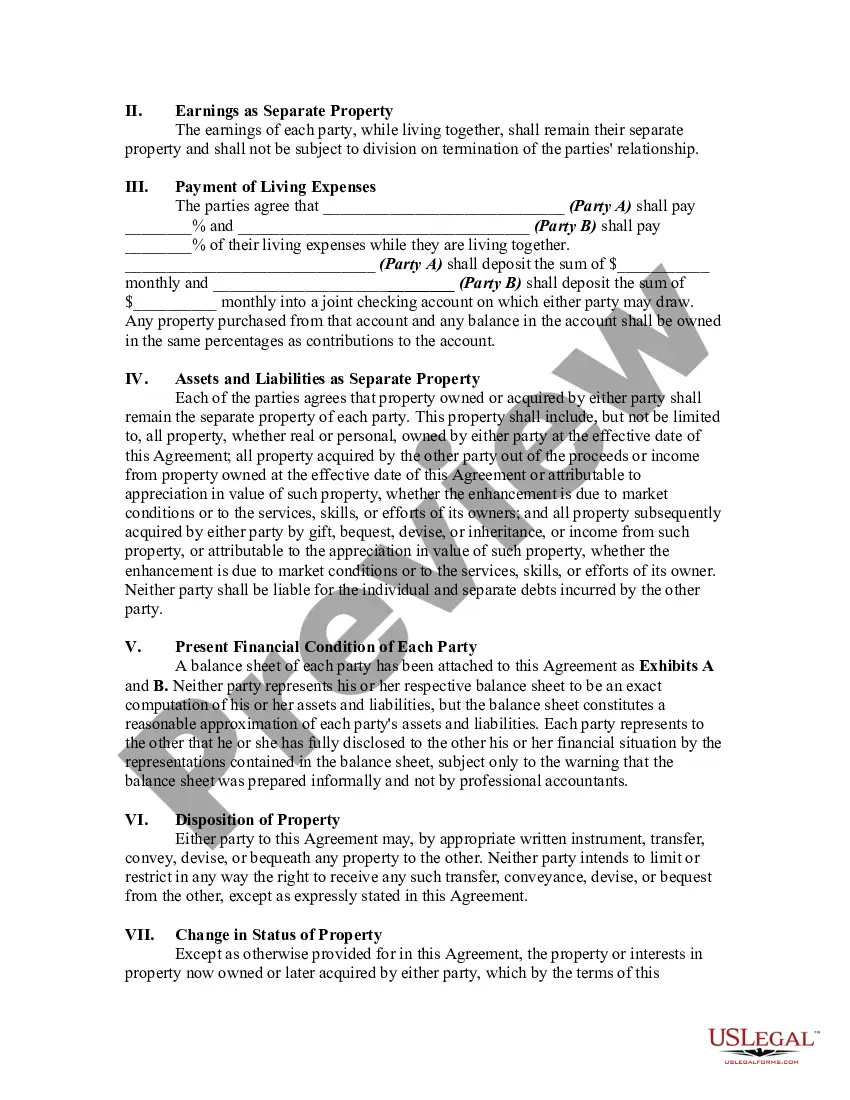
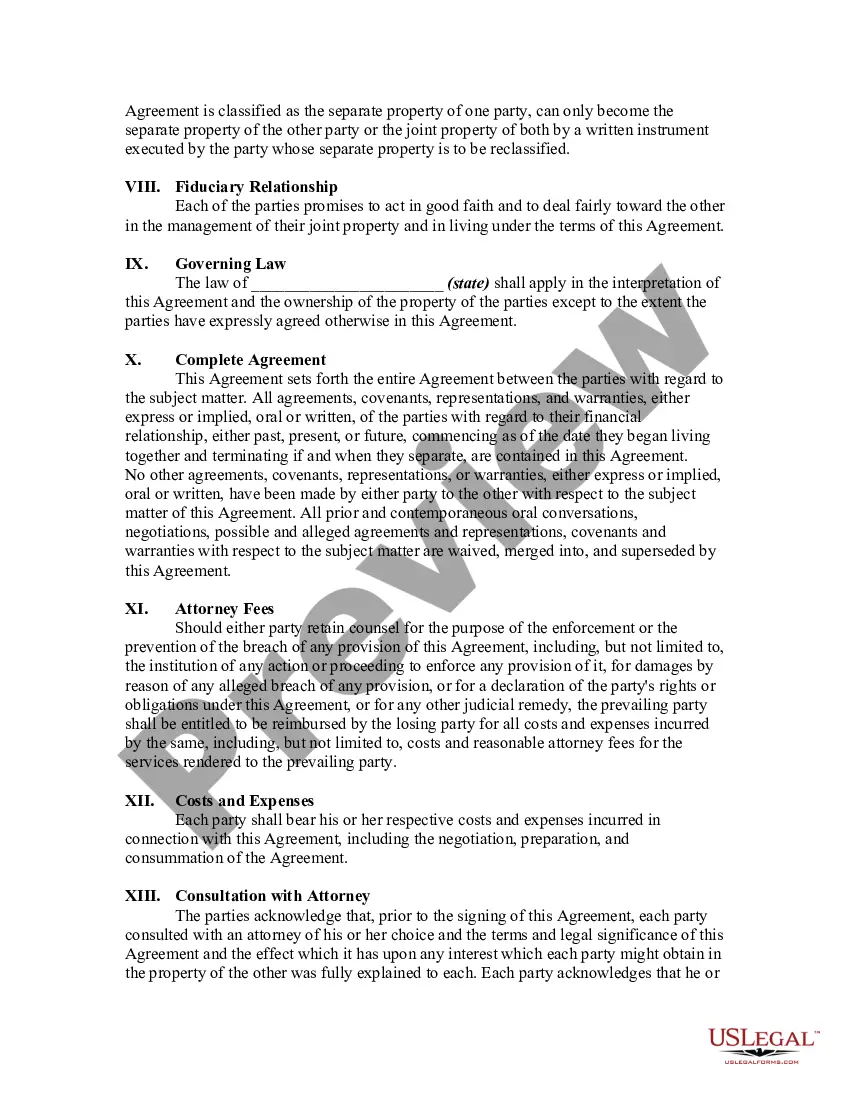
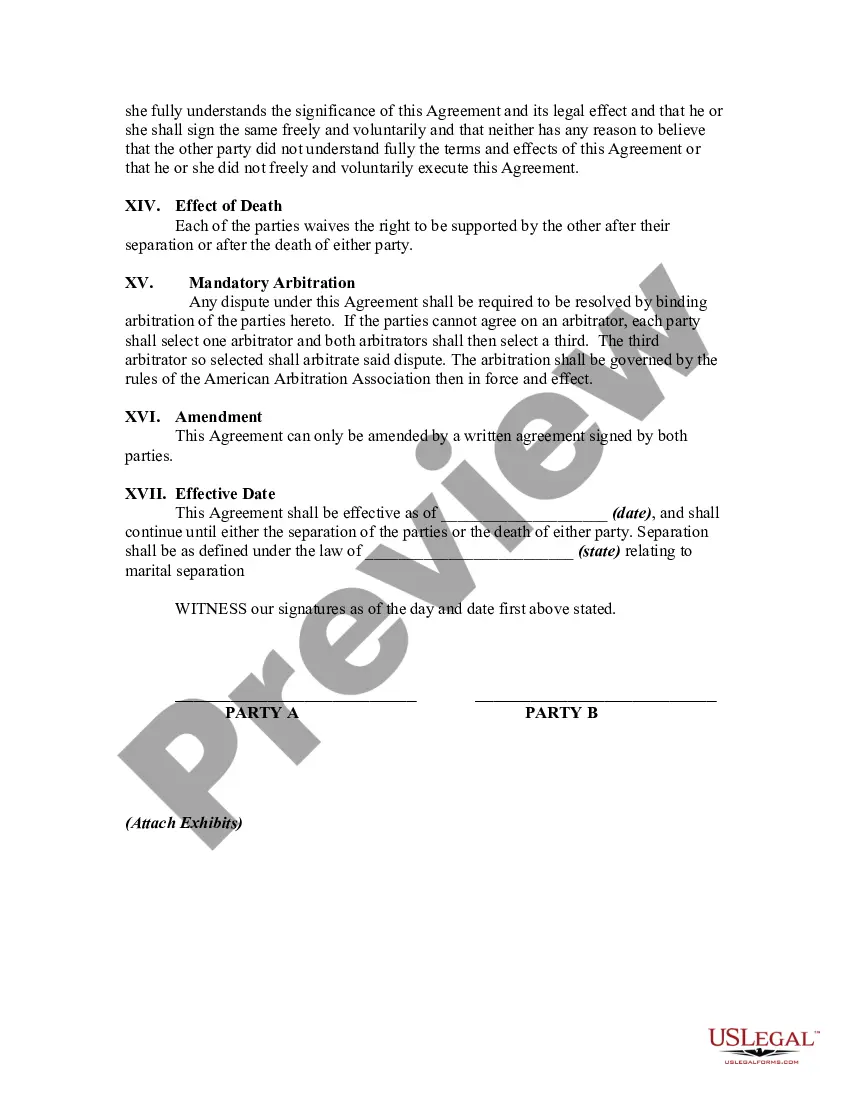
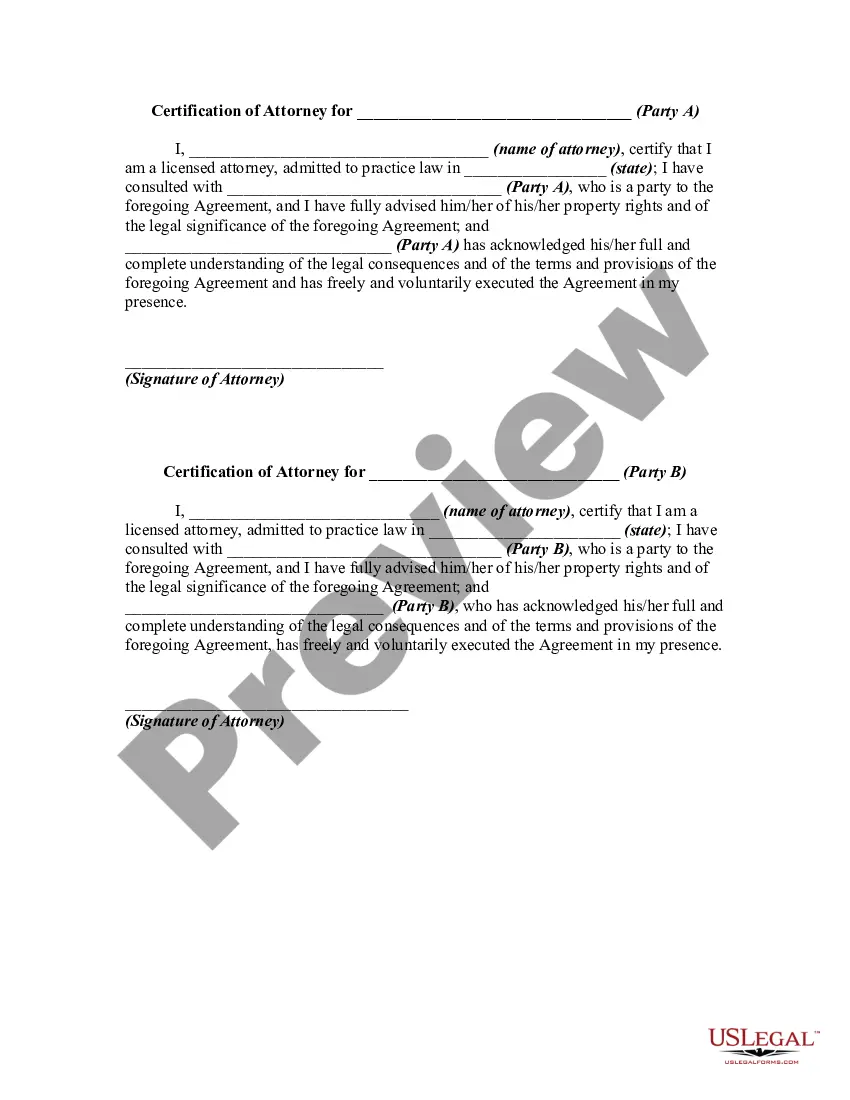
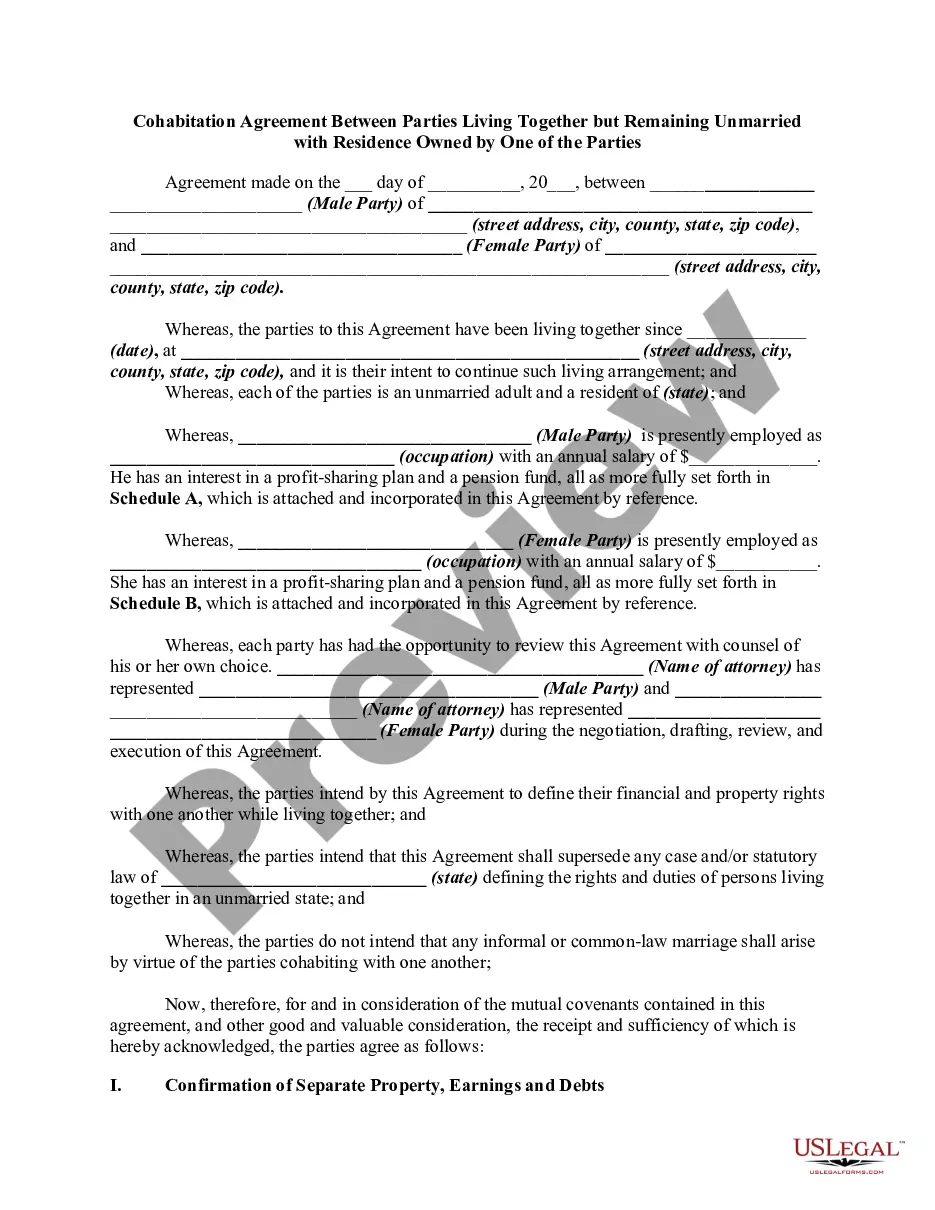
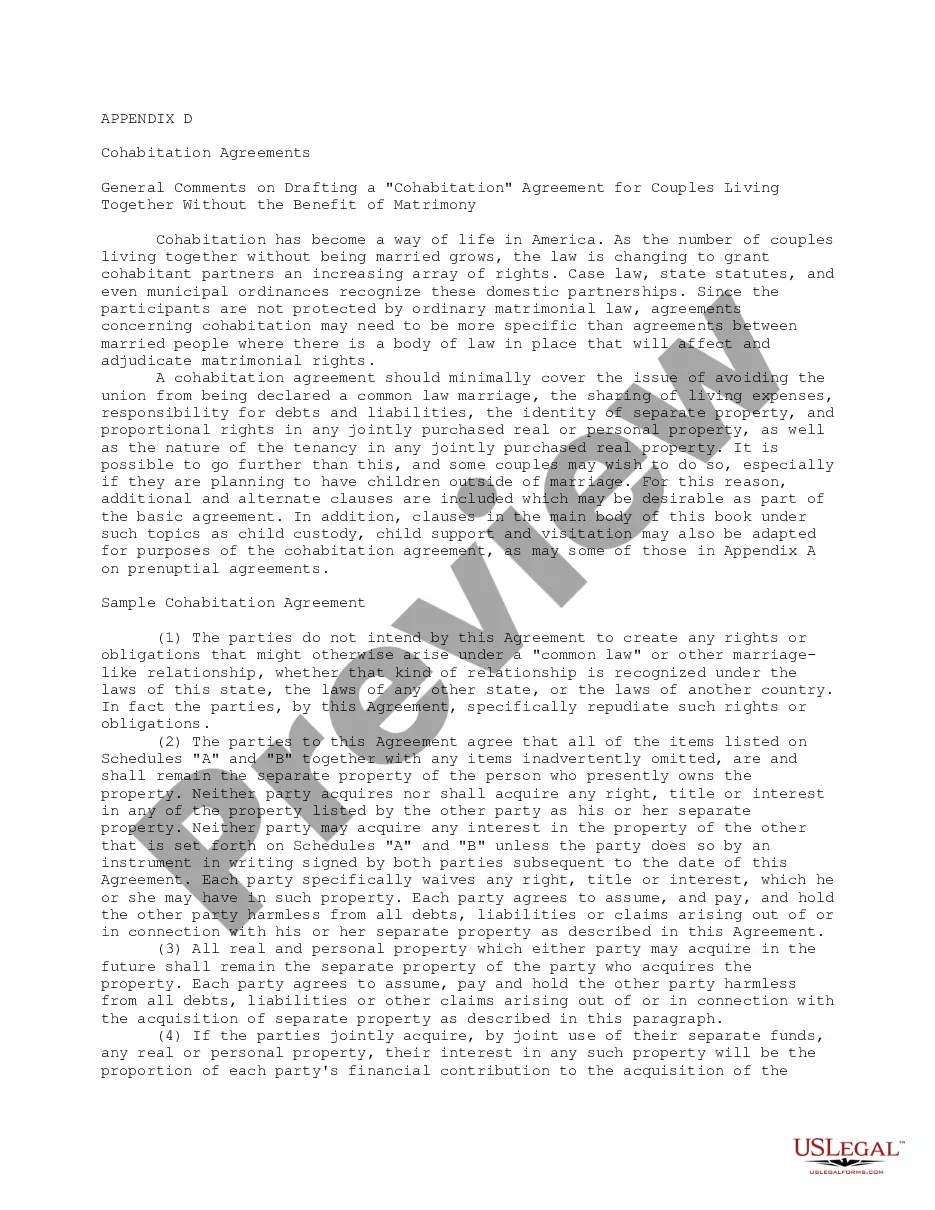
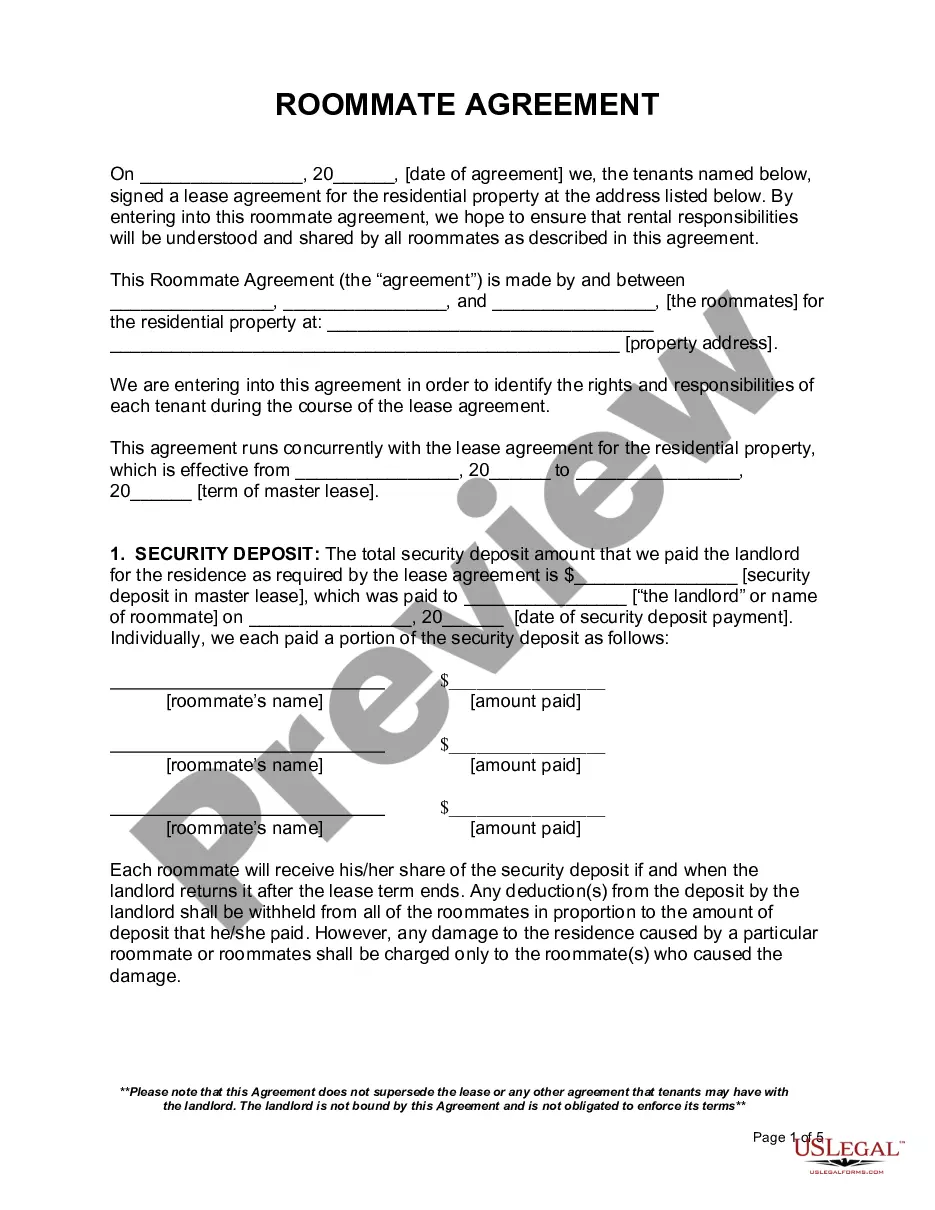
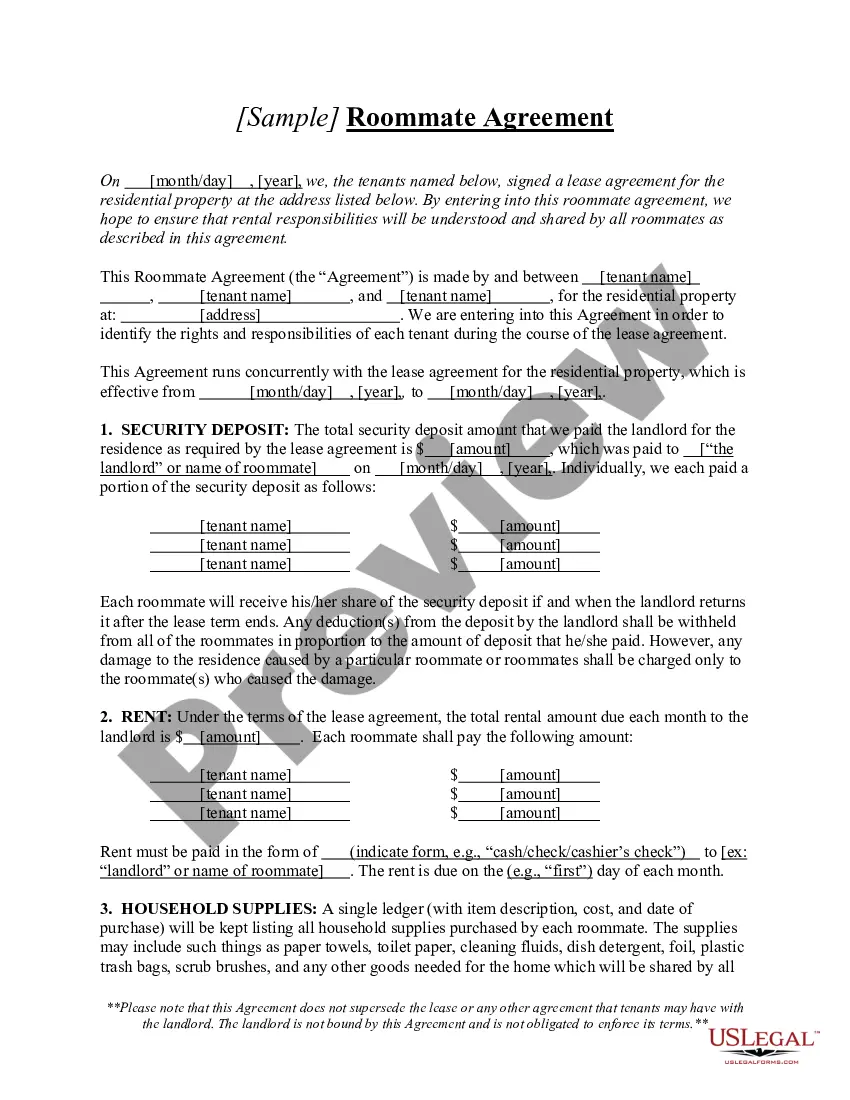
This form is a generic example of a cohabitation agreement between two unmarried adults living together who desire to remain unmarried at this time.
Maryland Cohabitation Agreement Between Parties Living Together but Remaining Unmarried
140 downloads
Description
Free preview
Get your form ready online
Our built-in tools help you complete, sign, share, and store your documents in one place.
Built-in online Word editor
Make edits, fill in missing information, and update formatting in US Legal Forms—just like you would in MS Word.
Export easily
Download a copy, print it, send it by email, or mail it via USPS—whatever works best for your next step.
E-sign your document
Sign and collect signatures with our SignNow integration. Send to multiple recipients, set reminders, and more. Go Premium to unlock E-Sign.
Notarize online 24/7
If this form requires notarization, complete it online through a secure video call—no need to meet a notary in person or wait for an appointment.
Store your document securely
We protect your documents and personal data by following strict security and privacy standards.

Make edits, fill in missing information, and update formatting in US Legal Forms—just like you would in MS Word.

Download a copy, print it, send it by email, or mail it via USPS—whatever works best for your next step.

Sign and collect signatures with our SignNow integration. Send to multiple recipients, set reminders, and more. Go Premium to unlock E-Sign.

If this form requires notarization, complete it online through a secure video call—no need to meet a notary in person or wait for an appointment.

We protect your documents and personal data by following strict security and privacy standards.
Looking for another form?
How to fill out Cohabitation Agreement Between Parties Living Together But Remaining Unmarried?
Selecting the finest valid document format may present a challenge.
Clearly, there are numerous templates available online, but how do you find the valid form you need.
Utilize the US Legal Forms website.
If you are a new user of US Legal Forms, here are simple instructions for you to follow.
- The service offers a vast array of templates, including the Maryland Cohabitation Agreement Between Parties Living Together but Not Married, which can be used for both business and personal requirements.
- All documents are reviewed by experts and comply with federal and state regulations.
- If you are already registered, Log In to your account and click the Obtain button to access the Maryland Cohabitation Agreement Between Parties Living Together but Not Married.
- Use your account to browse the legal forms you have previously acquired.
- Go to the My documents tab in your account to retrieve another copy of the document you need.
Form popularity
FAQ
Yes, Maryland does recognize tenancy by the entirety, but this legal arrangement is limited to married couples. Tenancy by the entirety allows spouses to hold property together with certain protections against creditors. If you are in a cohabitation scenario and concerned about property rights, consider drafting a Maryland Cohabitation Agreement Between Parties Living Together but Remaining Unmarried to specify ownership and rights.
Maryland does not have a state-level law recognizing domestic partnerships, but certain local jurisdictions may offer similar protections. However, living together without marriage does not yield the same legal rights as those granted to married couples. For individuals in a domestic partnership situation, a Maryland Cohabitation Agreement Between Parties Living Together but Remaining Unmarried can provide crucial legal protections.
Unmarried cohabitation refers to couples living together without formal marriage. This arrangement is common and can come with various legal challenges, particularly regarding property and financial responsibilities. Establishing a Maryland Cohabitation Agreement Between Parties Living Together but Remaining Unmarried can help clarify these responsibilities and protect both parties' interests.
Yes, Maryland recognizes foreign marriages as long as they are valid in the country where they occurred. This means that individuals who have married abroad can have their marriages acknowledged in the state. However, if you are considering a Maryland Cohabitation Agreement Between Parties Living Together but Remaining Unmarried, ensure that it reflects your unique circumstances and is tailored to your needs.
Yes, cohabitation is legal in Maryland. Many couples choose to cohabitate without legal marriage, and the law does not impose restrictions on such living arrangements. However, establishing a Maryland Cohabitation Agreement Between Parties Living Together but Remaining Unmarried can provide important legal clarity and security.
If you split up and are not married, the division of property and assets may not be straightforward. Without a Maryland Cohabitation Agreement Between Parties Living Together but Remaining Unmarried, you could face challenges in claiming any property or finances. Crafting a cohabitation agreement can help detail how to handle such situations if they arise.
Maryland does not recognize common law marriage, regardless of how long a couple cohabitates. Couples may think that living together for a certain number of years creates legal marriage rights, but this is not the case in Maryland. Instead, it is advisable to create a Maryland Cohabitation Agreement Between Parties Living Together but Remaining Unmarried to ensure all parties have clear legal protections.
Yes, Maryland recognizes cohabitation agreements as valid legal documents. These agreements outline the rights and responsibilities of parties living together but remaining unmarried. By having a Maryland Cohabitation Agreement Between Parties Living Together but Remaining Unmarried, you clarify finances, property ownership, and other important matters, which can help avoid disputes later.
An unmarried couple living together is often referred to as cohabiting partners. In the context of a Maryland Cohabitation Agreement Between Parties Living Together but Remaining Unmarried, these partners share a domestic life without formal marriage. This arrangement provides specific legal considerations and benefits for both parties, clarifying rights and responsibilities. By establishing a cohabitation agreement, couples can protect their interests and outline their expectations, ensuring a smoother cohabiting experience.
In Maryland, a legal marriage requires a valid marriage license obtained from a local circuit court, and both partners must be present to apply. There are no residency requirements, but the marriage should be officiated by an authorized person. Understanding your rights and obligations through a Maryland Cohabitation Agreement Between Parties Living Together but Remaining Unmarried can offer clarity, especially for unmarried couples.