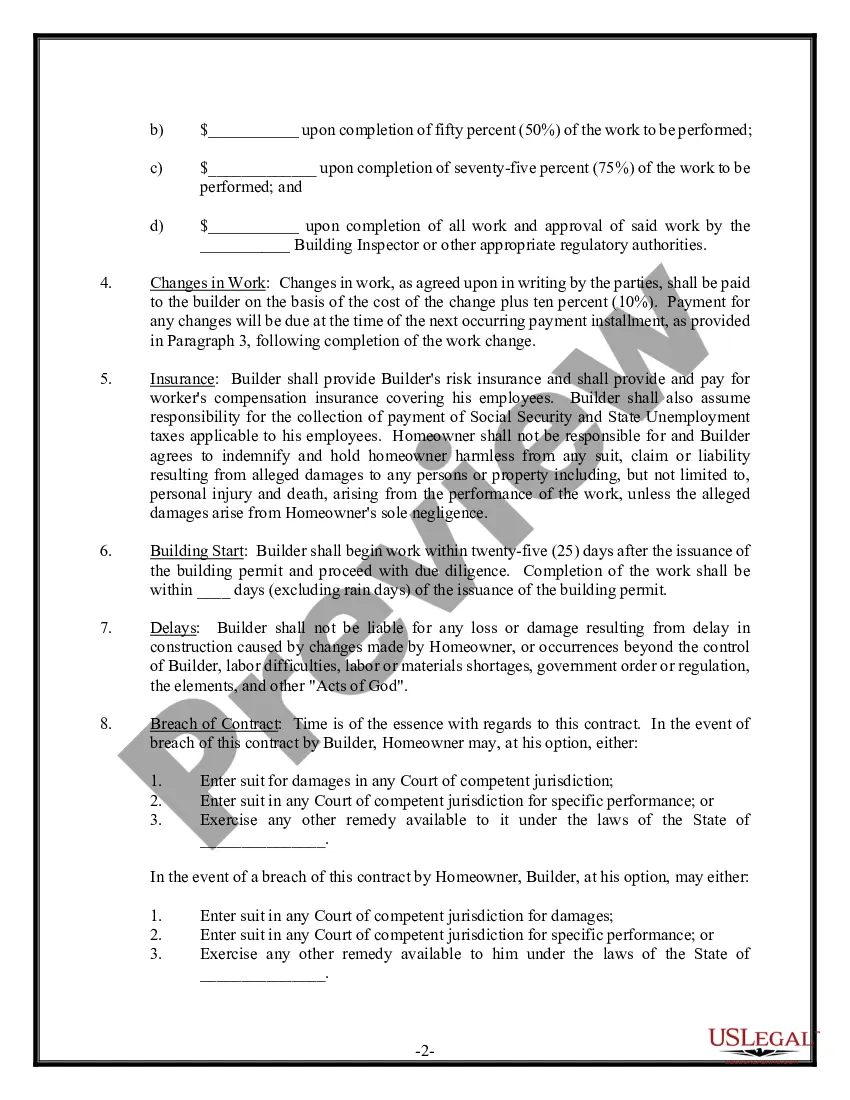
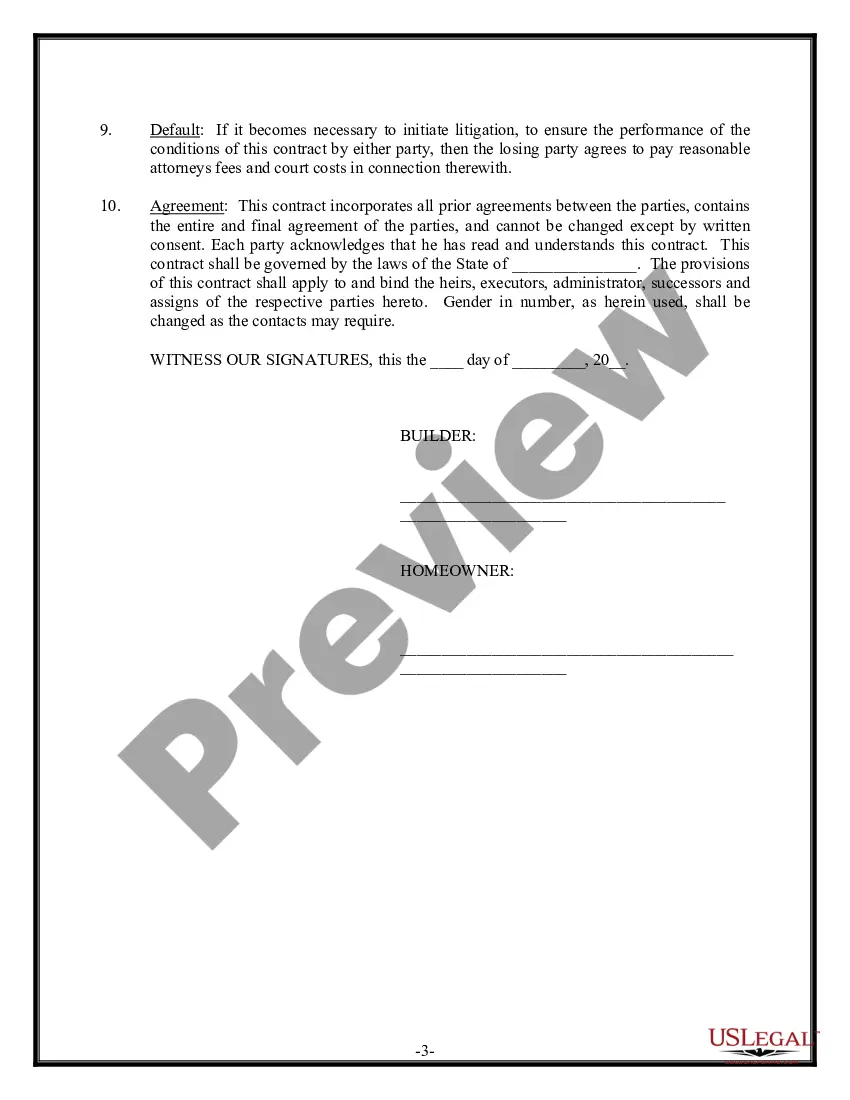
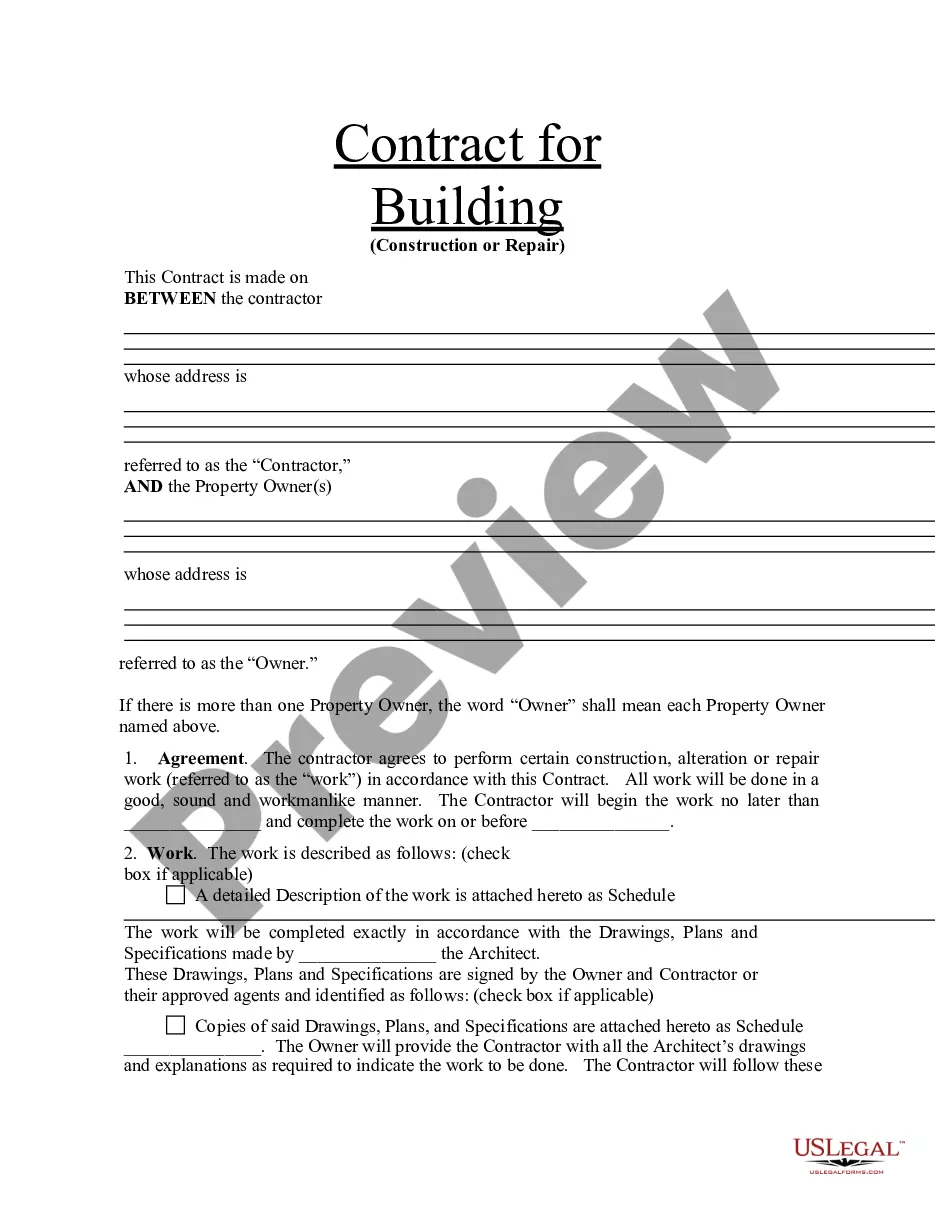
Maryland Construction Contract for Repairs
Description
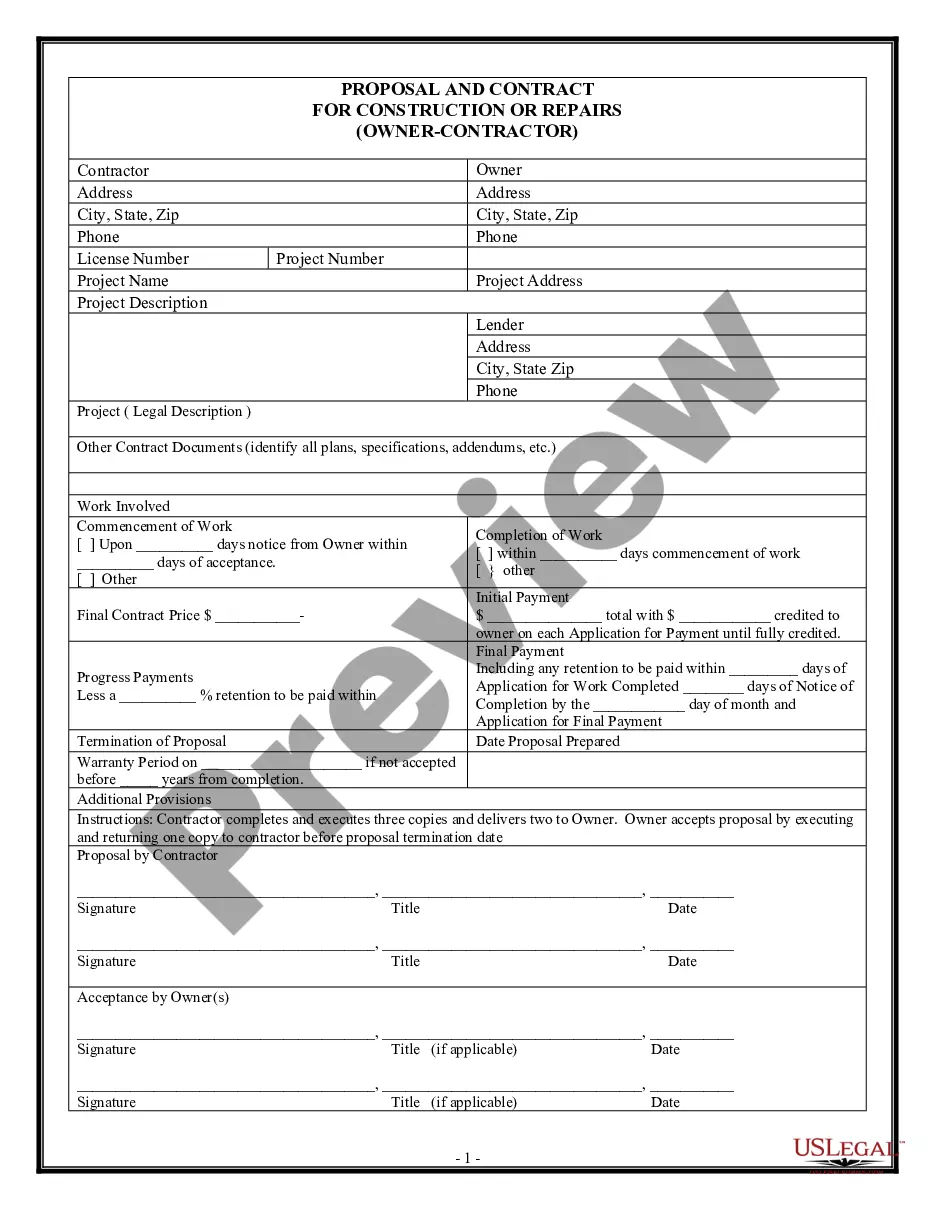
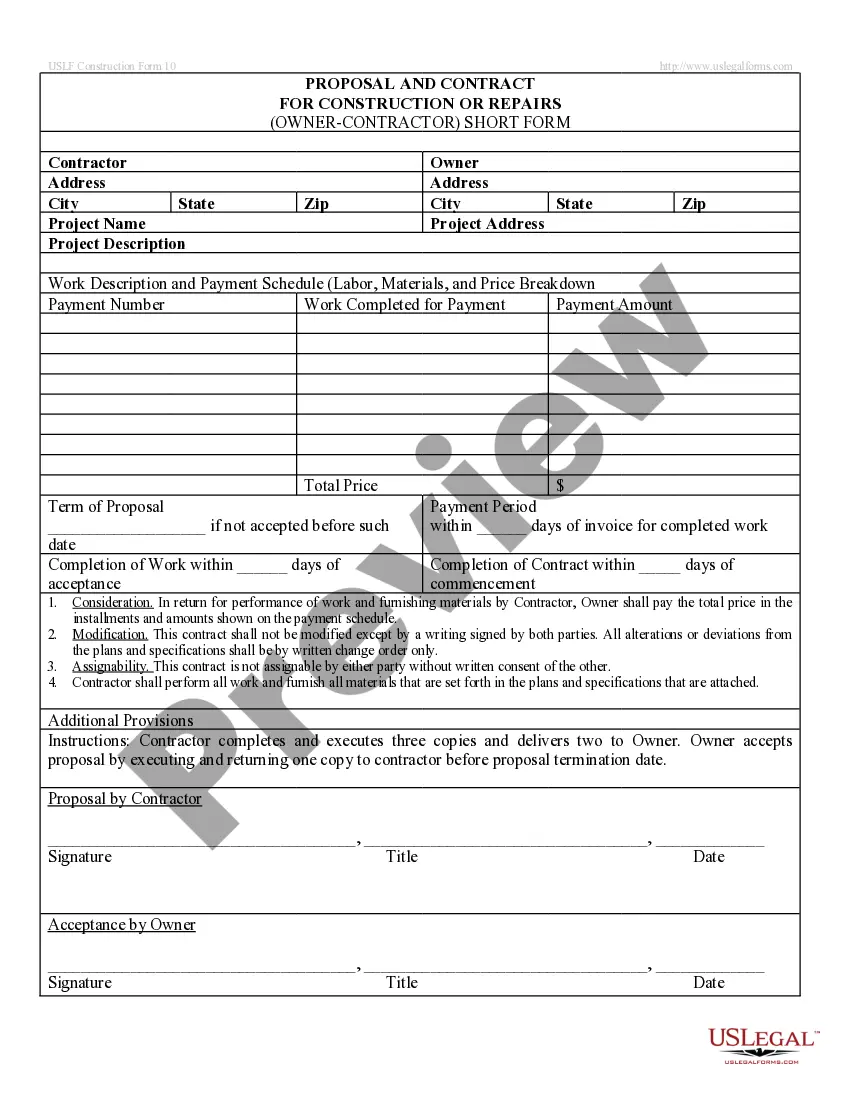
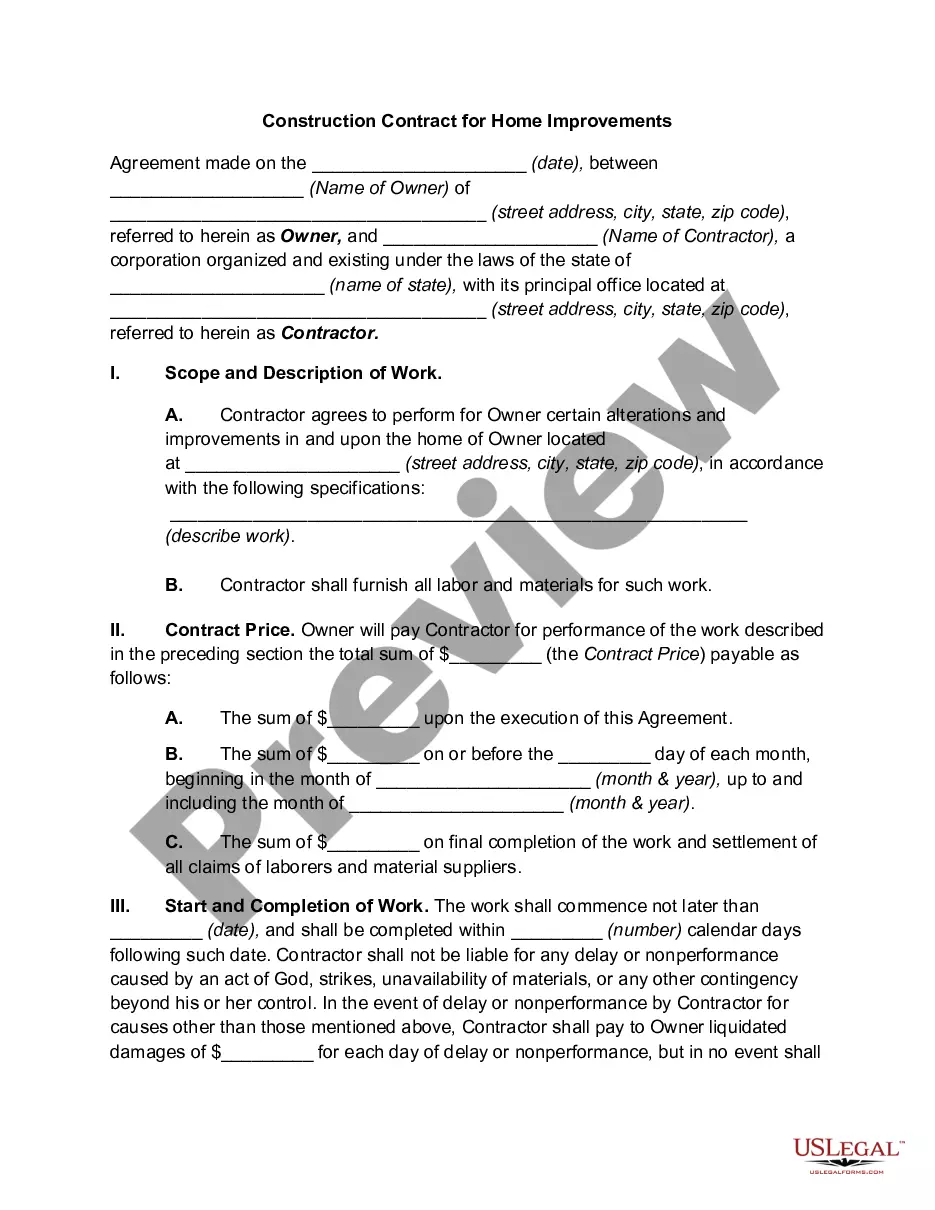
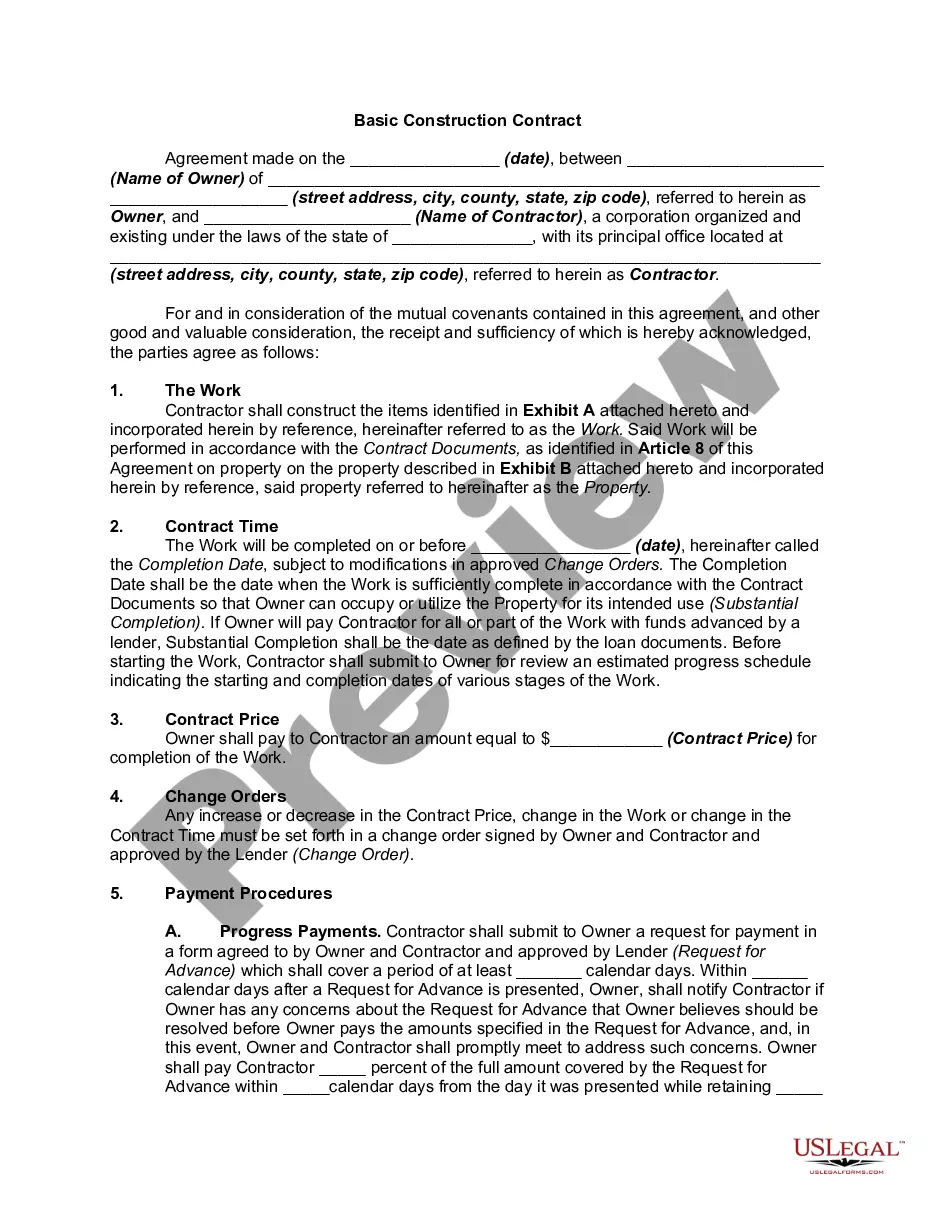
Get your form ready online
Our built-in tools help you complete, sign, share, and store your documents in one place.
Make edits, fill in missing information, and update formatting in US Legal Forms—just like you would in MS Word.
Download a copy, print it, send it by email, or mail it via USPS—whatever works best for your next step.
Sign and collect signatures with our SignNow integration. Send to multiple recipients, set reminders, and more. Go Premium to unlock E-Sign.
If this form requires notarization, complete it online through a secure video call—no need to meet a notary in person or wait for an appointment.
We protect your documents and personal data by following strict security and privacy standards.

Make edits, fill in missing information, and update formatting in US Legal Forms—just like you would in MS Word.

Download a copy, print it, send it by email, or mail it via USPS—whatever works best for your next step.

Sign and collect signatures with our SignNow integration. Send to multiple recipients, set reminders, and more. Go Premium to unlock E-Sign.

If this form requires notarization, complete it online through a secure video call—no need to meet a notary in person or wait for an appointment.

We protect your documents and personal data by following strict security and privacy standards.
Looking for another form?


How to fill out Construction Contract For Repairs?
US Legal Forms - one of the largest collections of legal templates in the United States - provides a variety of legal document samples that you can download or print. By using the website, you can find thousands of templates for business and personal purposes, organized by categories, states, or keywords.
You can obtain the latest versions of documents such as the Maryland Construction Agreement for Repairs within moments.
If you already have a monthly membership, Log In and download the Maryland Construction Agreement for Repairs from the US Legal Forms library. The Download button will appear on each template you view. You can access all previously downloaded documents within the My documents section of your profile.
Complete the transaction. Use your credit card or PayPal account to finalize the purchase.
Choose the format and download the document onto your device. Make edits. Fill out, modify, print, and sign the downloaded Maryland Construction Agreement for Repairs. Each template you purchased does not expire and is yours to keep indefinitely. Therefore, if you wish to download or print another copy, simply navigate to the My documents section and click on the template you need. Access the Maryland Construction Agreement for Repairs with US Legal Forms, the most extensive collection of legal document samples. Utilize thousands of professional and state-specific templates that fulfill your business or personal needs and requirements.
- Make sure you have selected the correct template for your city/state.
- Click on the Review button to check the content of the form.
- Review the template details to ensure you've chosen the right one.
- If the form does not meet your requirements, utilize the Search area at the top of the screen to find one that does.
- If you are satisfied with the form, confirm your selection by clicking the Buy now button.
- Next, choose your payment plan and provide your information to register for the account.
Form popularity
FAQ
Terms may be agreed orally, and not committed to writing but, they will still be legally binding on the parties. If you've never been given a written copy of your contract of employment, don't worry you will still have a contract, but its terms will be implied and/or agreed orally.
For most types of projects you hire an independent contractor (IC) to do, the law does not require you to put anything in writing. You can meet with the IC, agree on the terms of your arrangement, and have an oral contract or agreement that is legally binding. Just because you can doesn't mean you should, however.
5 Key Elements Every Construction Contract Should Contain1) The project's scope.2) The cost and payment terms.3) The project's time frame.4) Protection against lien law.5) Dispute resolution clauses.
Legal issues happen when you have a breach of contract with the potential for litigation or legal accountability. Legal risks include compliance, dispute, and regulatory issues. Your legal risk could result from missing contract obligations, and compliance requirements such as OSHA, HIPAA, and HITECH.
A contractor cannot accept more than 1/3 of the contract price as a deposit and may not accept any payment until the contract is signed. Also be careful about paying for more work than the work that has actually been completed. Small contractors may ask for an "advance" in order to purchase materials.
Reg. Code § 8-101. A person may not act or offer to act as a contractor in Maryland for home improvement work unless the person has a home improvement license, and may not sell, or offer to sell a home improvement unless the person has a home improvement license or salesperson license.
The contract should describe, in detail, the products to be used and how the work will be performed, i.e., size, color, who will be doing what work, amounts of materials provided, manufacturer model number, etc. There must be a detailed, written payment schedule in the contract.
The contract should describe, in detail, the products to be used and how the work will be performed, i.e., size, color, who will be doing what work, amounts of materials provided, manufacturer model number, etc. There must be a detailed, written payment schedule in the contract.
Yes, absolutely. Starting work without a signed contract means that your position isn't clear, or even worse it's weak. It provides a solid and concise foundation that will help you navigate the law and make sure that you are on the right side of it.
What Your Remodeling Contract Should SayCheck Contract Basics. The basic job of a contractor agreement is to spell out the scope of the project's work.Set a Payment Schedule.Schedule Start and End Dates.Specify Change Orders.Research Your Arbitration Options.Turn Down the Contractor's Warranty.