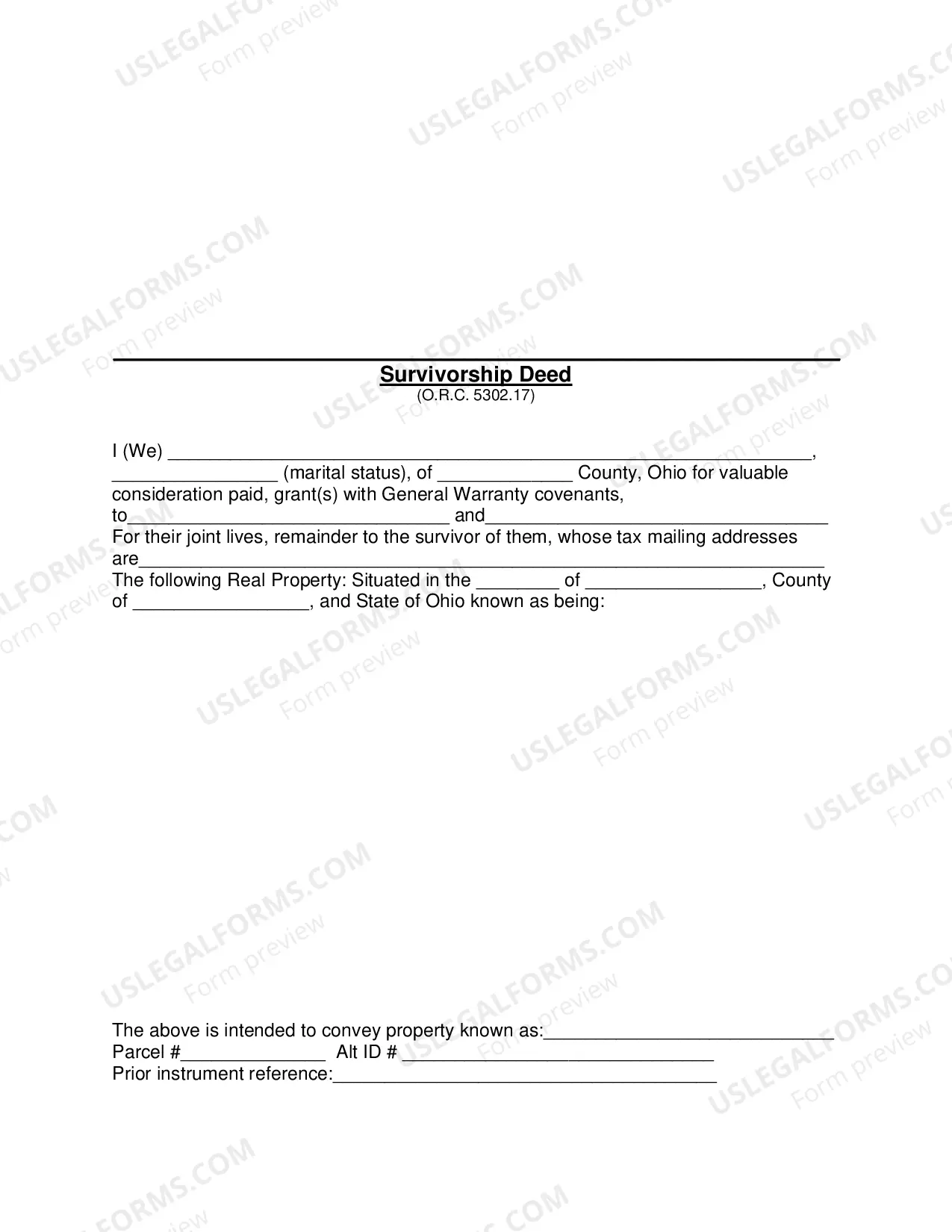
Maryland Quitclaim Deed for Three Individuals to Three Individuals as Joint Tenants
About this form
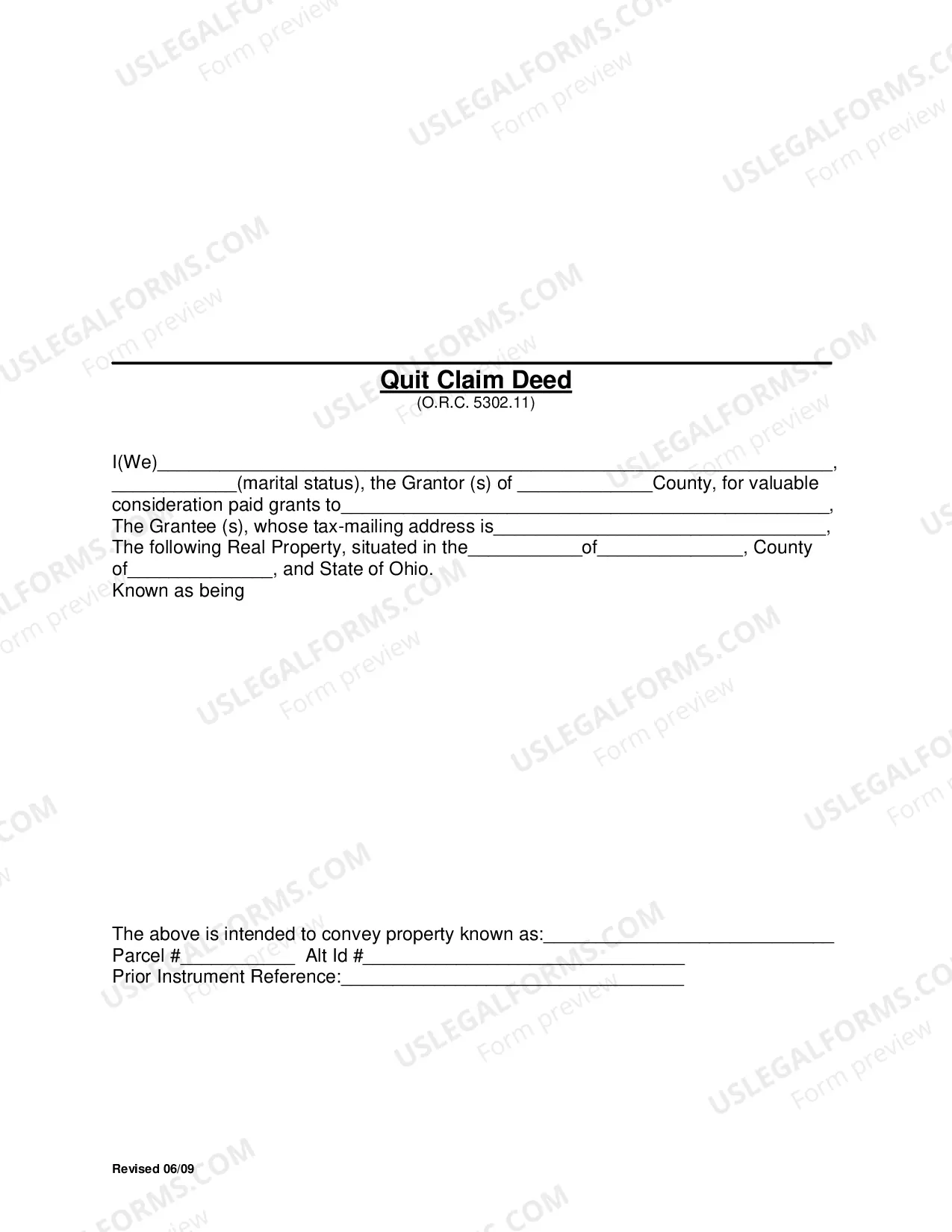
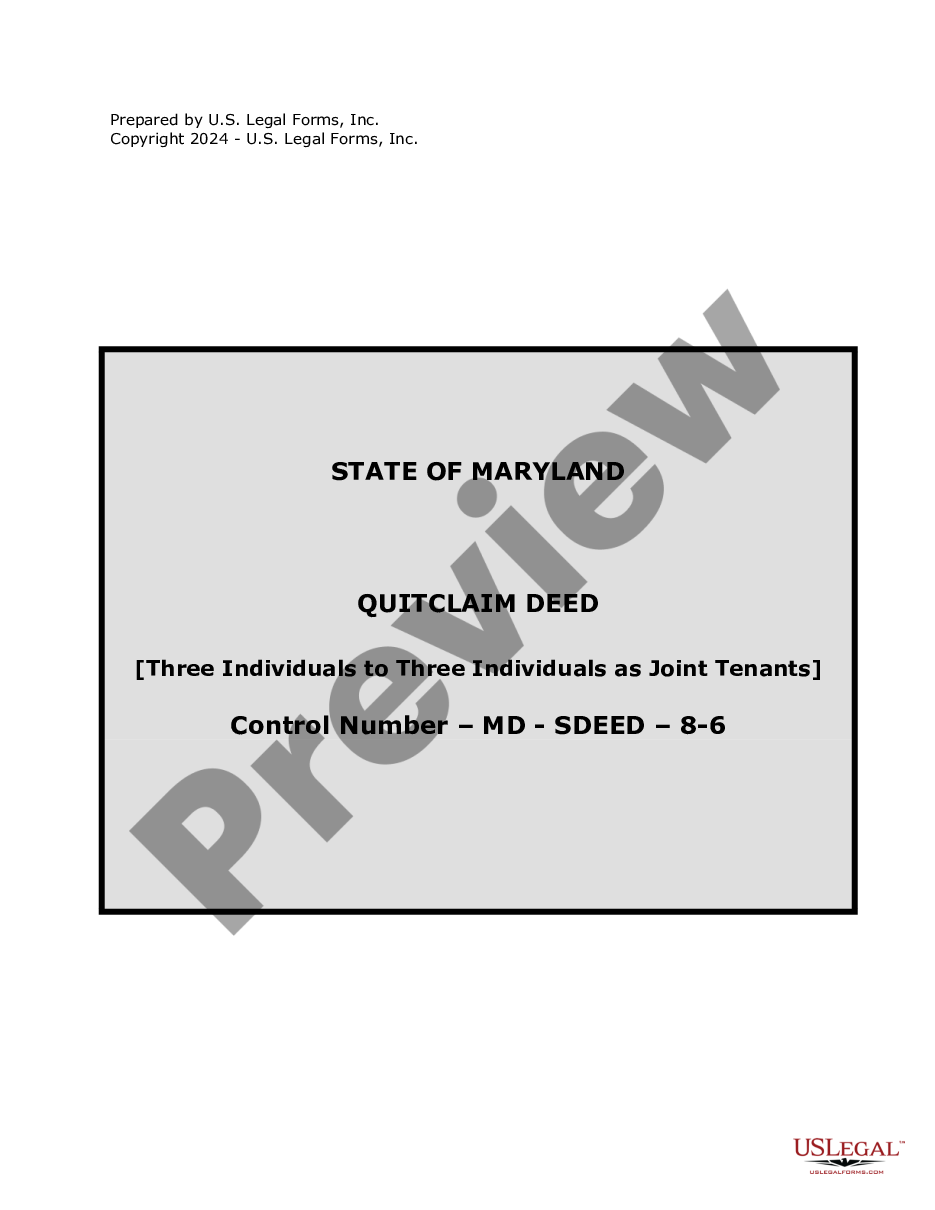
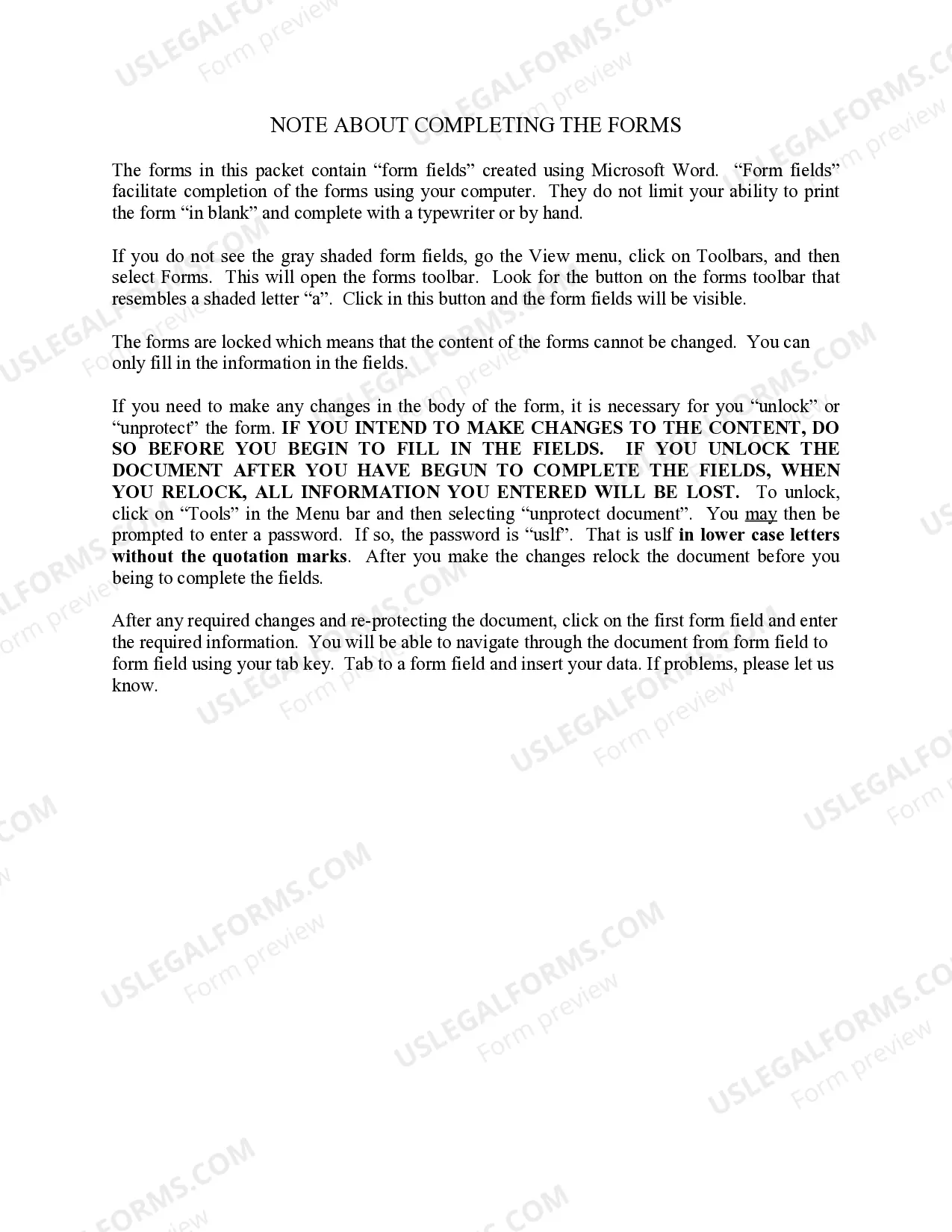
This Quitclaim Deed form is a legal document used to transfer property ownership from three individuals (grantors) to another set of three individuals (grantees) as joint tenants. Unlike a warranty deed, a quitclaim deed does not guarantee that the grantors hold clear title to the property; instead, it simply relieves the grantor of any future claims to the property. This form is particularly useful in situations such as family transfers or when transferring property with little to no financial consideration.
What’s included in this form
- Grantors: Names of the three individuals transferring the property.
- Grantees: Names of the three individuals receiving the property as joint tenants.
- Property description: Specific details about the property being transferred.
- Consideration: Statement of the value exchanged for the property, usually nominal.
- Witnesses: Signatures of witnesses to validate the deed.
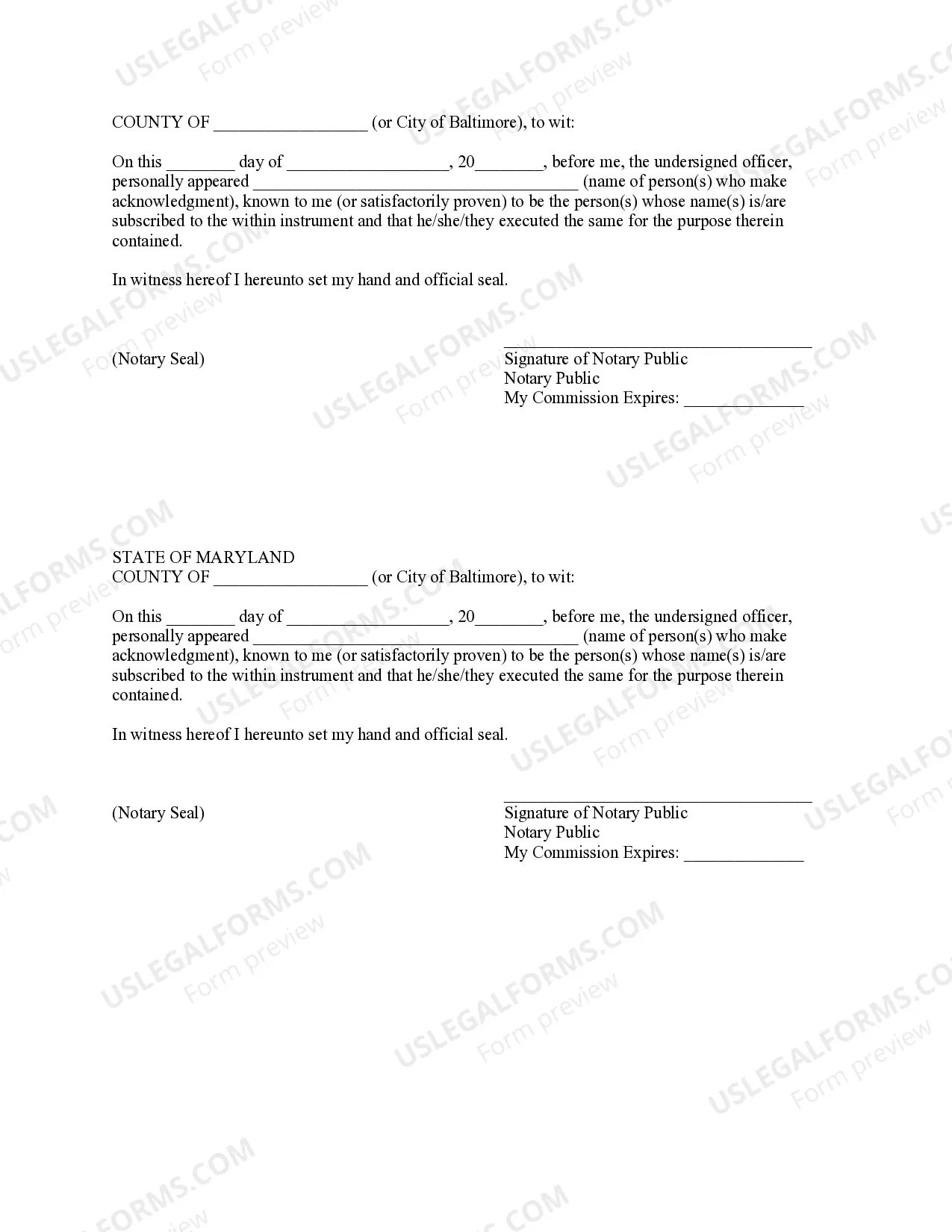
- Notarization section: Space for notarization to confirm legitimacy.






When to use this document
This form is commonly used when multiple individuals wish to jointly own a piece of property, such as in family situations, updates to property ownership, or when simplifying estate planning. It is particularly relevant when there is no financial exchange beyond the nominal consideration, such as in cases of gifts or inheritance.
Who needs this form
- Three individuals looking to transfer property ownership to three other individuals.
- Family members involved in restructuring property ownership.
- Individuals engaged in estate planning or settling an estate.
How to complete this form
- Identify the grantors and enter their names in the designated fields.
- List the names of the grantees who will receive the property.
- Provide a complete description of the property being transferred.
- Enter the date of the transaction and the nominal consideration amount.
- Have witnesses sign the document as required.
- Ensure that the deed is notarized to confirm the identities of the signers.
Is notarization required?
This form needs to be notarized to ensure legal validity. US Legal Forms provides secure online notarization powered by Notarize, allowing you to complete the process through a verified video call, available anytime.
Get your form ready online
Our built-in tools help you complete, sign, share, and store your documents in one place.
Make edits, fill in missing information, and update formatting in US Legal Forms—just like you would in MS Word.
Download a copy, print it, send it by email, or mail it via USPS—whatever works best for your next step.
Sign and collect signatures with our SignNow integration. Send to multiple recipients, set reminders, and more. Go Premium to unlock E-Sign.
If this form requires notarization, complete it online through a secure video call—no need to meet a notary in person or wait for an appointment.
We protect your documents and personal data by following strict security and privacy standards.

Make edits, fill in missing information, and update formatting in US Legal Forms—just like you would in MS Word.

Download a copy, print it, send it by email, or mail it via USPS—whatever works best for your next step.

Sign and collect signatures with our SignNow integration. Send to multiple recipients, set reminders, and more. Go Premium to unlock E-Sign.

If this form requires notarization, complete it online through a secure video call—no need to meet a notary in person or wait for an appointment.

We protect your documents and personal data by following strict security and privacy standards.
Typical mistakes to avoid
- Failing to accurately describe the property being transferred.
- Omitting witness signatures or not having the document notarized.
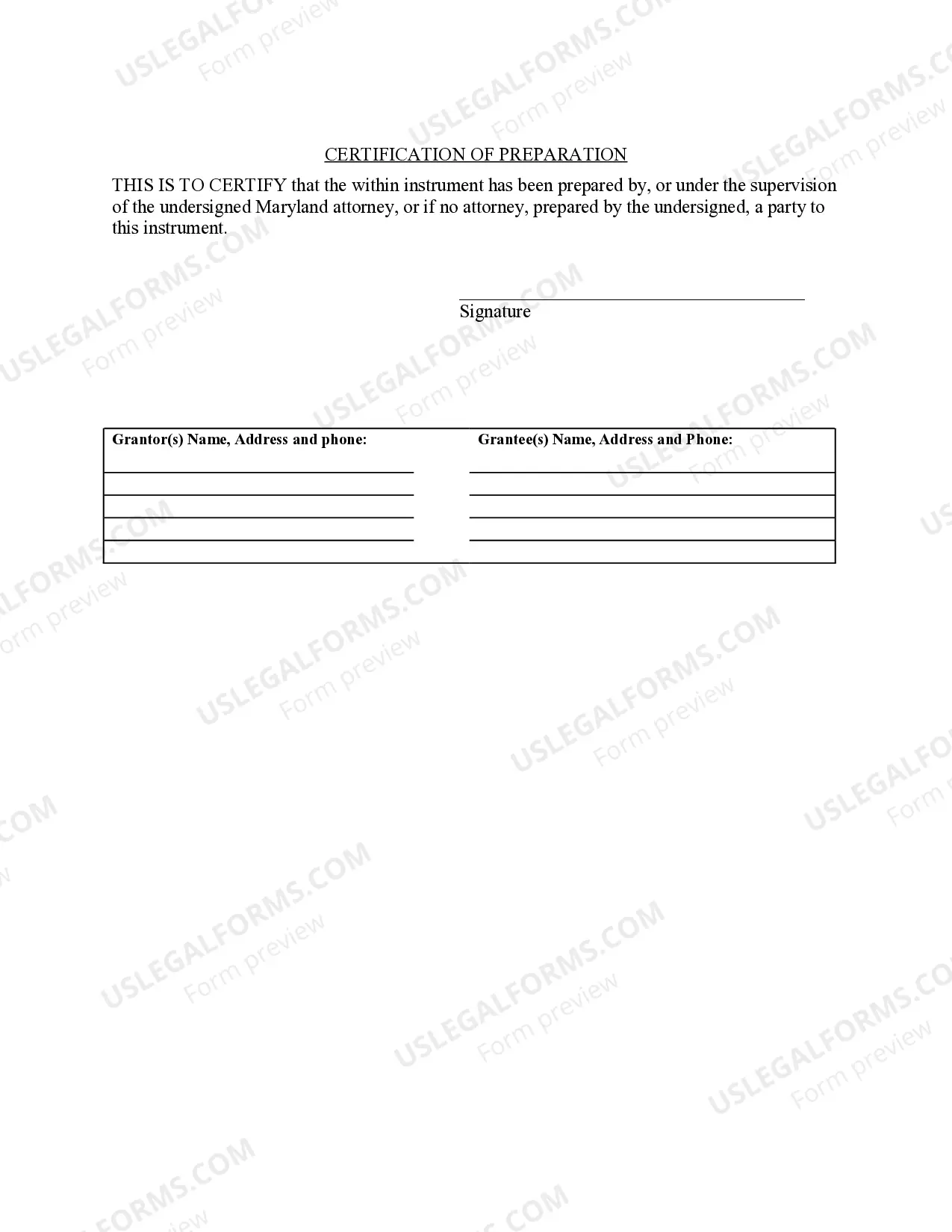
- Forgetting to provide the Land Instrument Intake Sheet when filing.
Benefits of completing this form online
- Convenient access to the form at any time for easy completion.
- Editable fields allow for clear and error-free information entry.
- Reliable source of attorney-drafted forms ensures legal compliance.
Looking for another form?
Form popularity
FAQ
The most common use of a quitclaim deed is to transfer property ownership between individuals, often within families, or to remove a name from the title. It provides an easy way to settle ownership disputes, especially for inherited properties. In a Maryland Quitclaim Deed for Three Individuals to Three Individuals as Joint Tenants, it streamlines the transfer process between co-owners. This can help maintain clear ownership records.
You can assign your tenancy to your husband, wife or civil partner if they live with you. If you don't live with a married or civil partner, you can assign to any of the following family members, but only if the person has lived with you for at least 1 year: an unmarried partner. an adult child or grandchild.
For a flat fee of $240 - $250 in most cases (plus governmental recording fees) the firm can in most circumstances have an attorney prepared deed ready for signature in 2-4 business days. In most cases a true " Quit Claim Deed" is rarely the best choice.
Fill out the quit claim deed form, which can be obtained online, or write your own using the form as a guide. The person giving up the interest in the property is the grantor, and the person receiving the interest is the grantee.
The legal name of a joint tenancy is "joint tenancy with right of survivorship," or JTWROS. Unfortunately, your ownership share in a joint tenancy property can't be willed to your heirs. However, if you own property in a joint tenancy, you and the other owners can receive any deceased owners' shares upon their deaths.
A consenting individual may be removed from a deed by filing a quitclaim deed. Under Maryland law each county has a separate procedure and requirements for filing a quitclaim deed.
Here are some of the options: Joint Ownership. If mom, daughter, and (perhaps) son-in-law own the house as joint tenants with right of survivorship, when mom passes away the house will go to the other owners without going through probate.
' Spouses typically acquire title as tenants by the entireties, which only applies to spouses. Sometimes you will see a couple who acquired the property before marriage. In some states, a premarital joint tenancy automatically becomes tenants by the entireties upon marriage.
In Maryland, each owner, called a joint tenant, must own an equal share. Tenancy by the entirety. This form of joint ownership is like joint tenancy, but it is allowed only for married couples in Maryland.
But you might be wondering if an owner can transfer a deed to another person without a real estate lawyer. The answer is yes. Parties to a transaction are always free to prepare their own deeds.A quitclaim deed, for example, is far simpler than a warranty deed.