Maryland Information Report
Description
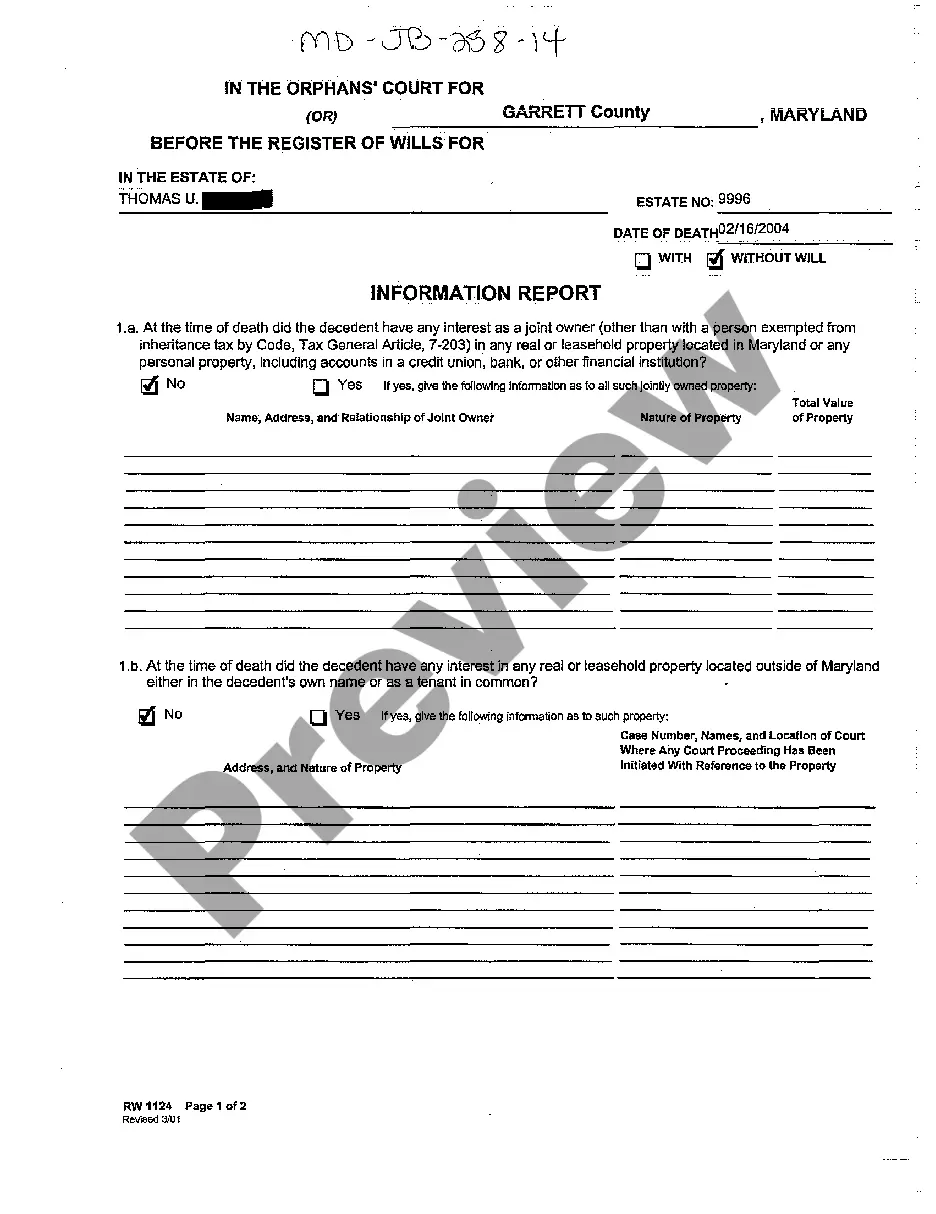
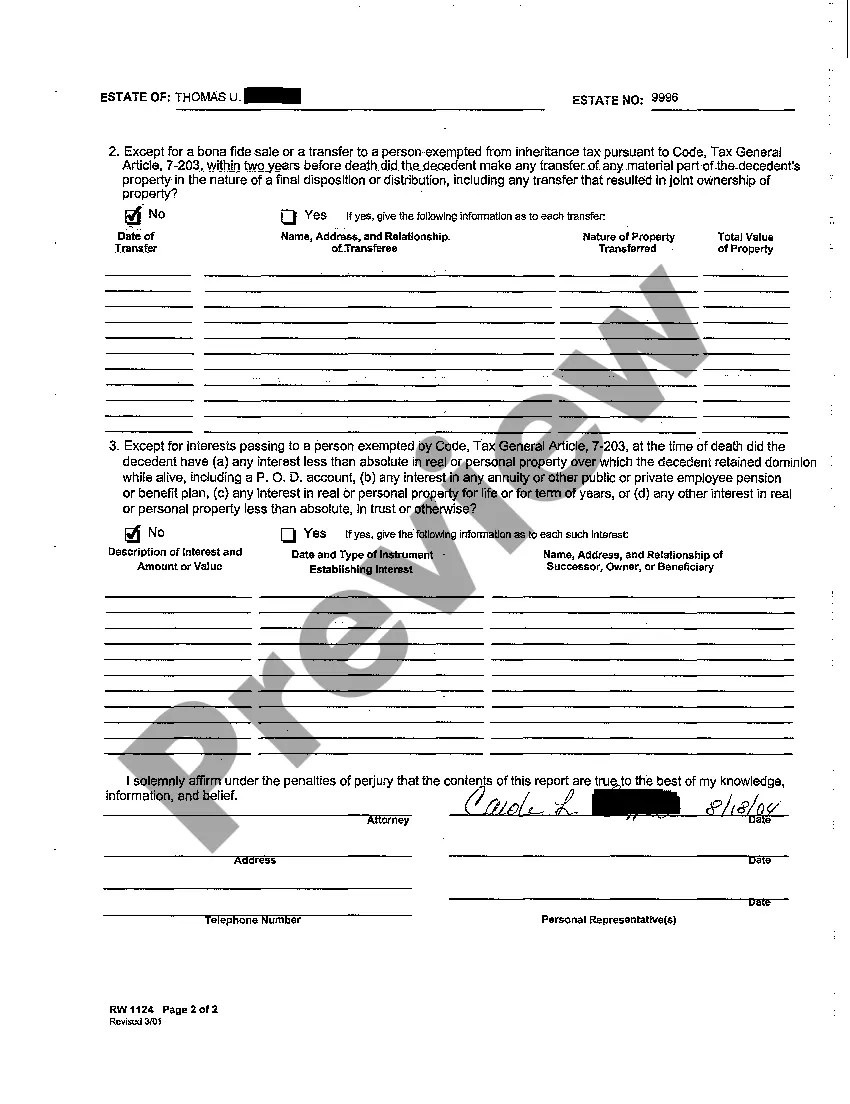


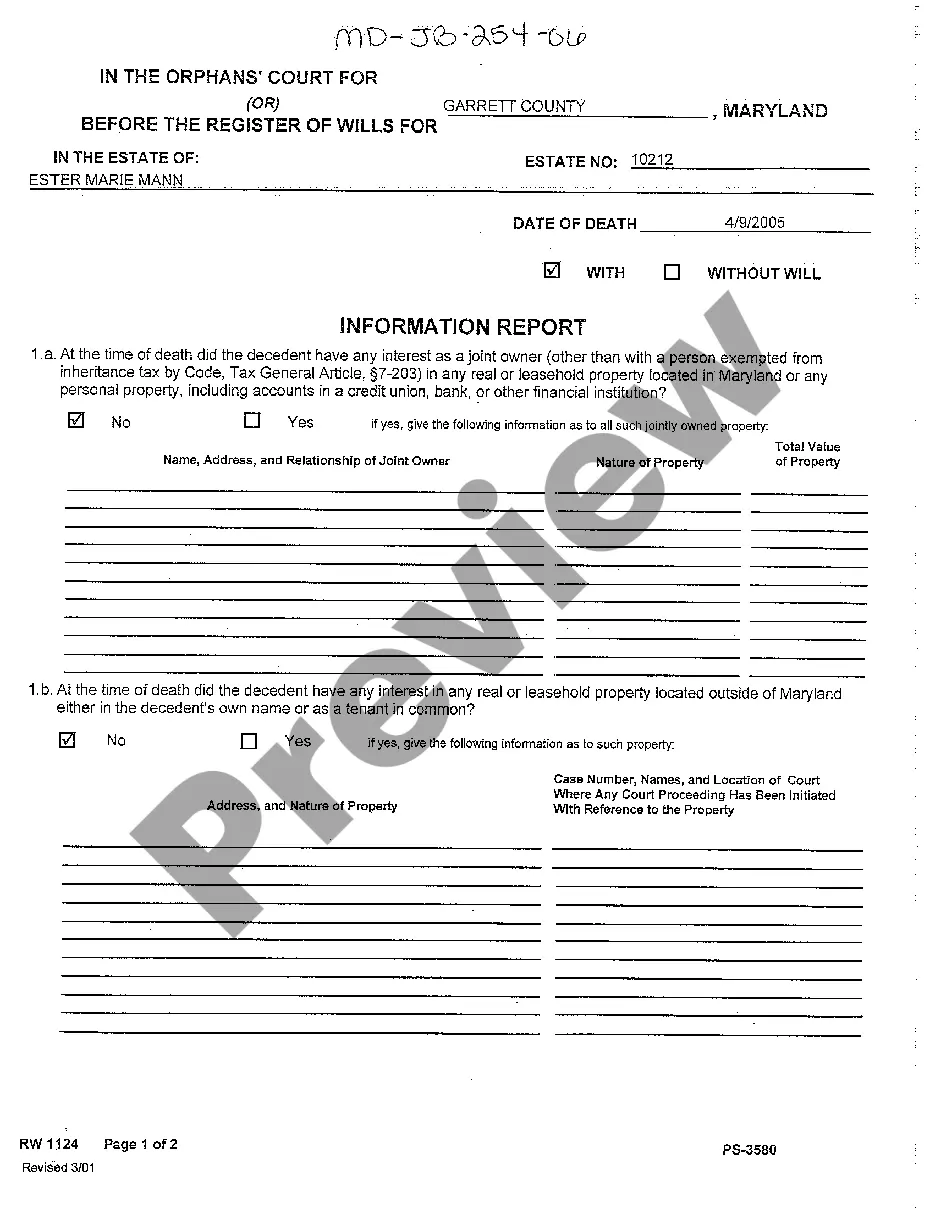
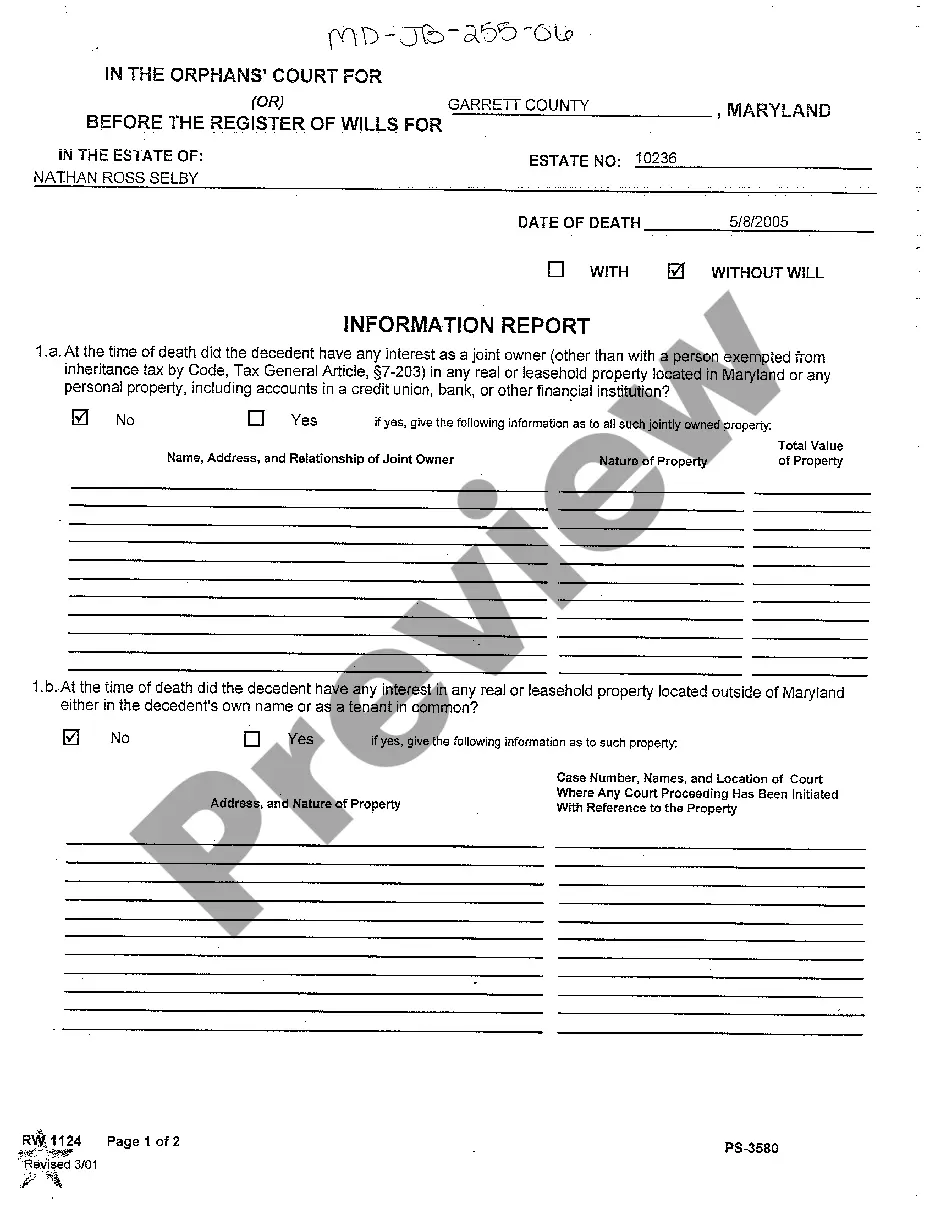
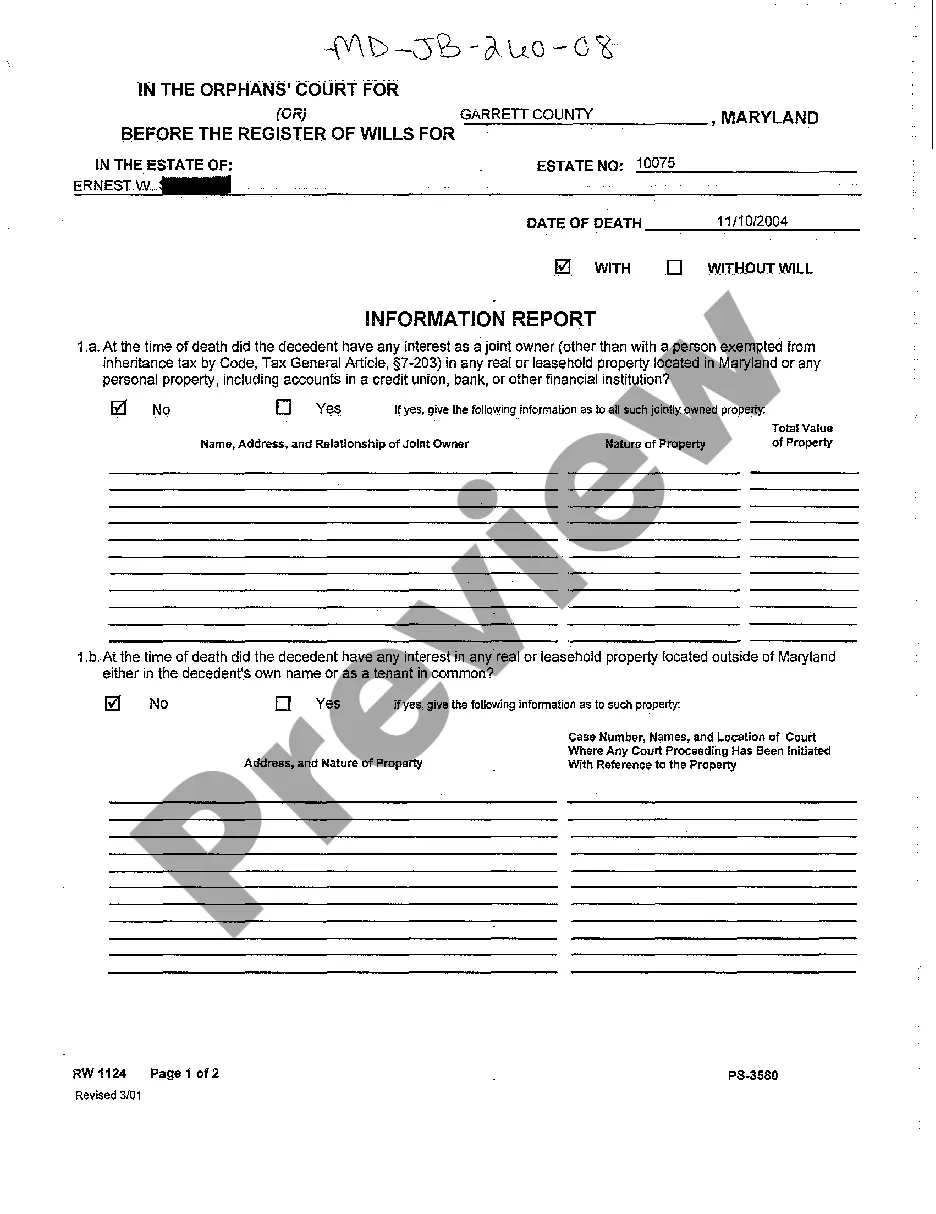
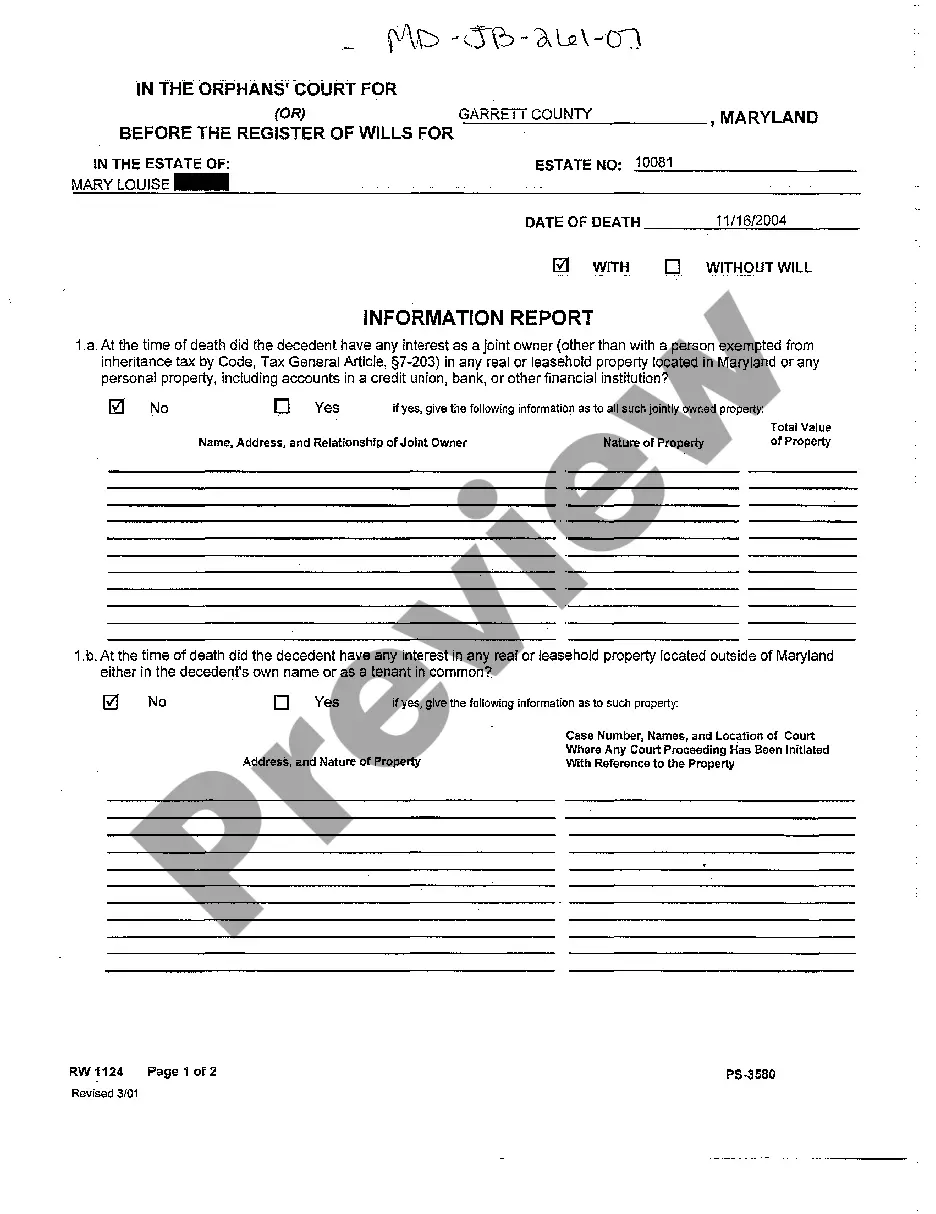

How to fill out Maryland Information Report?
Greetings to the most extensive legal documentation repository, US Legal Forms.
Here you can discover any template such as Maryland Information Report forms and save them (as many as you desire/require).
Generate official documents in a few hours, rather than days or even weeks, without having to expend a fortune on an attorney.
- Obtain the state-specific template with just a few clicks and be confident knowing that it was prepared by our licensed lawyers.
- If you’re already a registered user, simply Log In to your account and click Download next to the Maryland Information Report you wish to obtain.
- Since US Legal Forms is an online service, you will always have access to your stored forms, regardless of the device you are using.
- Find them within the My documents section.
- If you haven't created an account yet, what are you waiting for.
- Follow our guidelines below to begin.
- If this is a state-specific document, verify its relevance in your state.
- Review the details (if available) to ascertain if it’s the correct template.
- Examine additional content using the Preview option.
- If the template fulfills all your requirements, click Buy Now.
- To establish your account, select a subscription plan.
- Utilize a credit card or PayPal account to register.
- Download the template in the format you need (Word or PDF).
- Print the document and complete it with your/your business’s information.
- Once you’ve finished the Maryland Information Report, forward it to your attorney for approval.
- It’s an extra step but a vital one to ensure you’re completely protected.
- Join US Legal Forms today and gain access to thousands of reusable templates.
Form popularity
FAQ
Length of Probate Process in Maryland The administration of an estate often takes approximately one year. This includes marshaling all of the assets, valuing the assets as of the date of death and then making the distribution.
Maryland is a reasonable compensation state for executor fees. Maryland executor compensation has a restriction, though. Maryland executor fees, by law, should not exceed certain amounts. Reasonable compensation is not to exceed 9% if less than $20,000; and $1,800 plus 3.6% of the excess over $20,000.
Create an inventory of the deceased person's property and determine the estate size according to Maryland Law. Petition the Maryland Register of Wills to begin the probate process. Prove the will in court. Pay the deceased person's debts and expenses.
If a person owns assets in his or her individual name and dies without a Will, assets remaining after payment of administration expenses, debts and taxes (if any) are distributed to the person's heirs as provided under Maryland Intestacy Laws (the person is said to have died intestate).