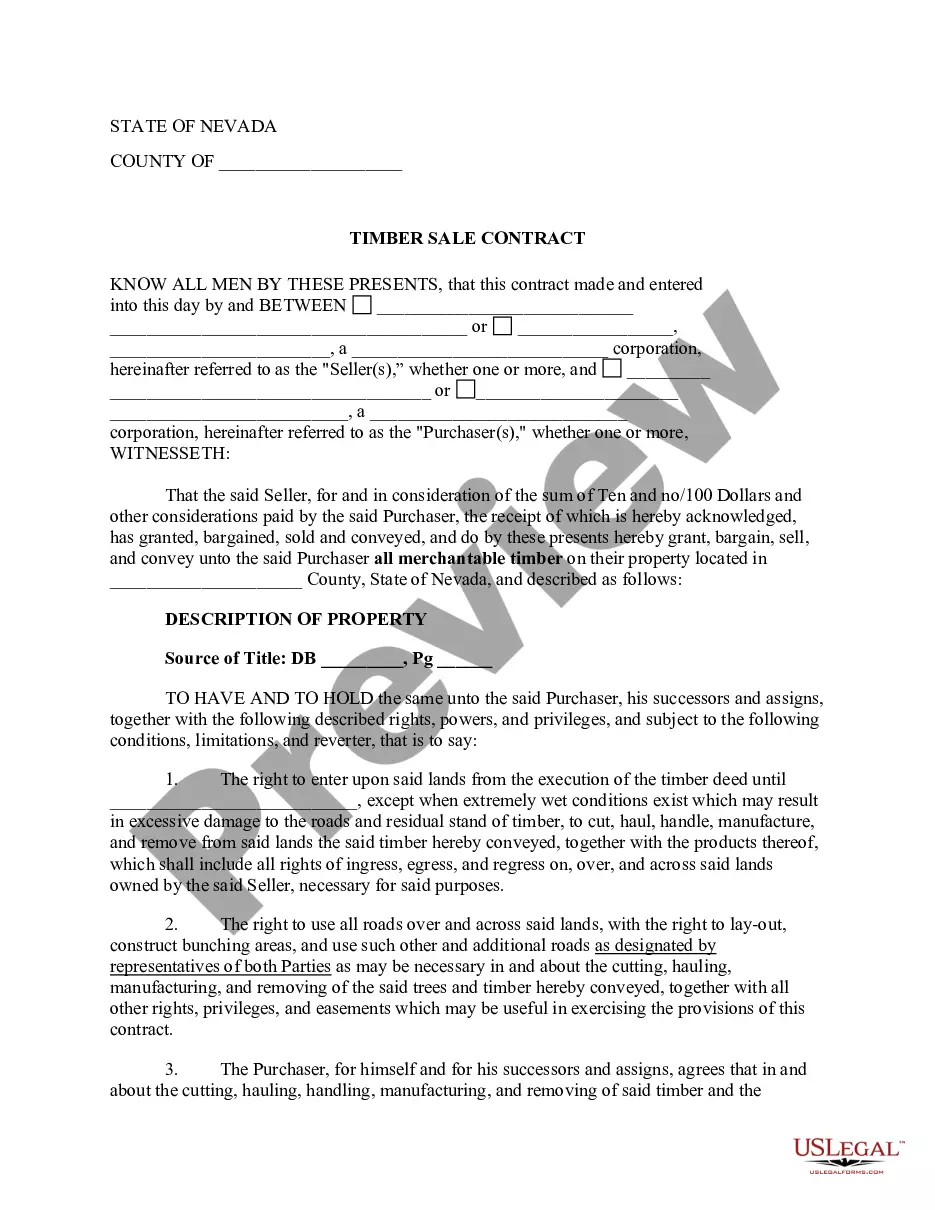
Maryland Minutes for Organizational Meeting
Understanding this form
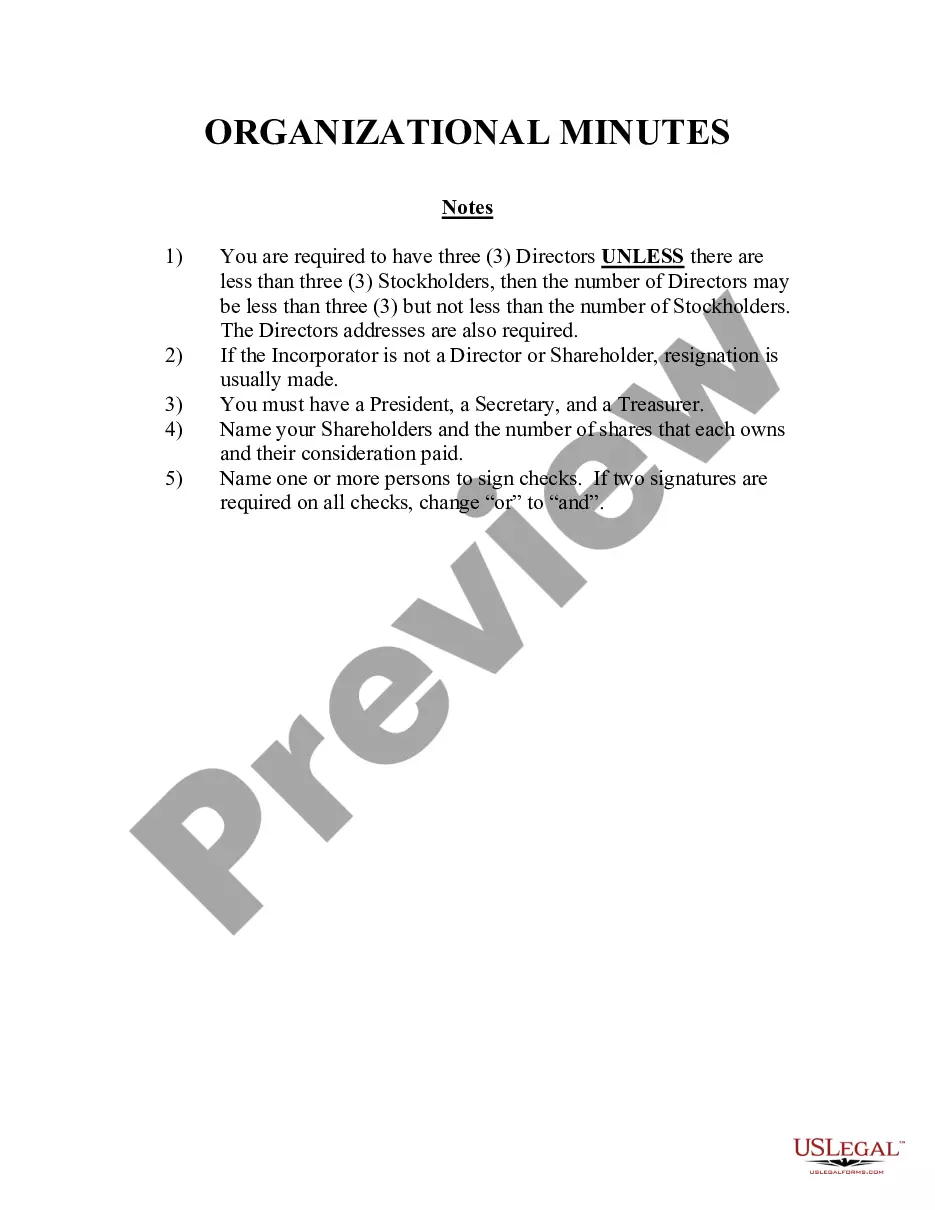
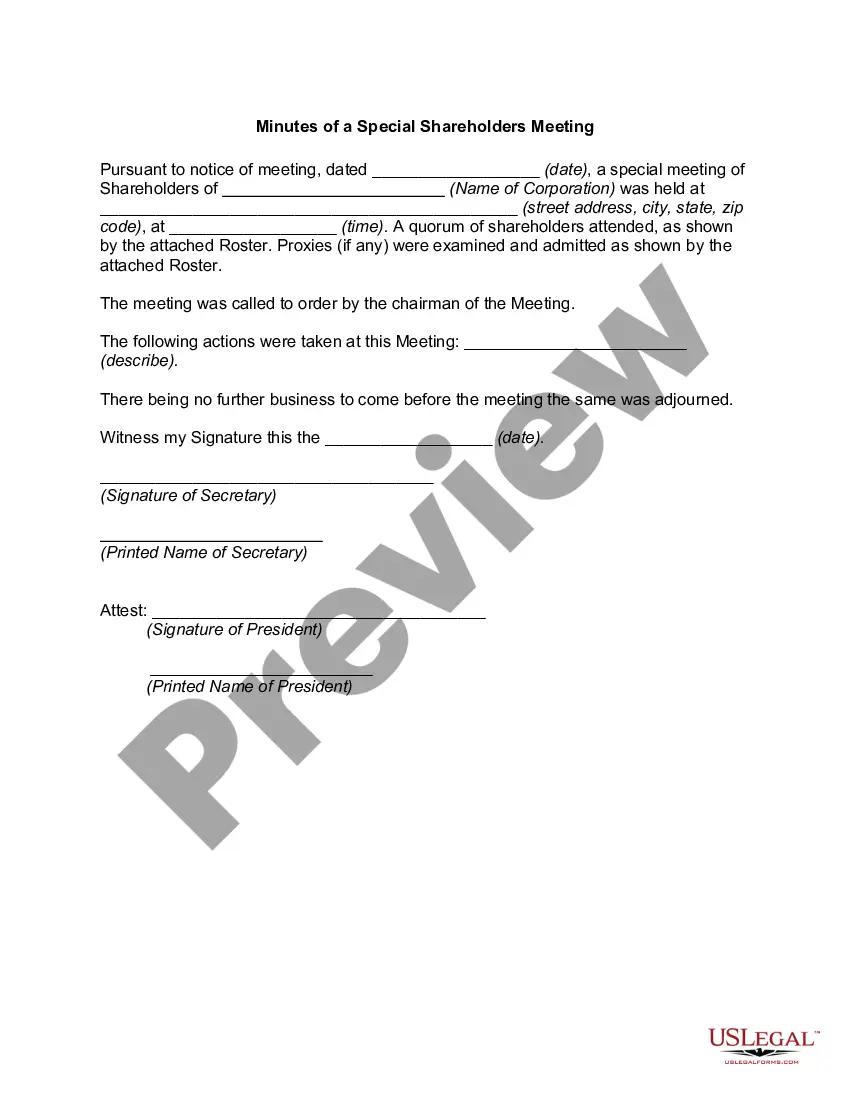
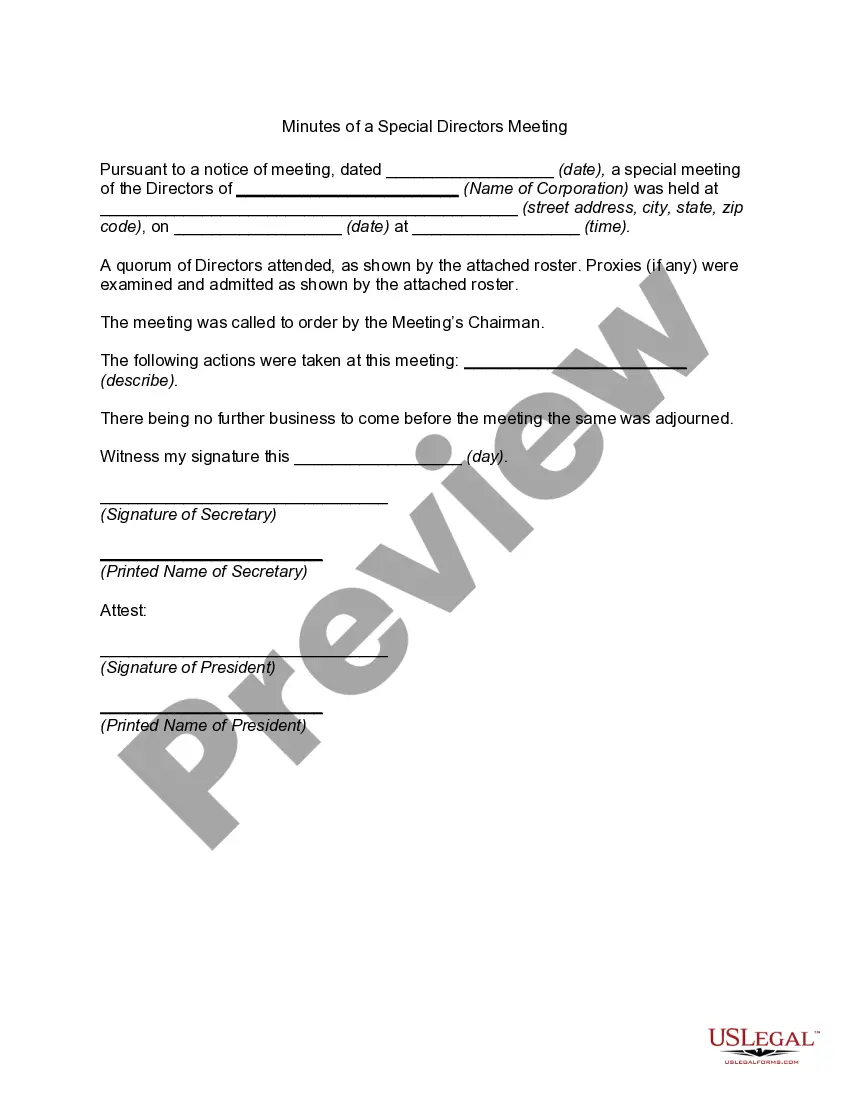
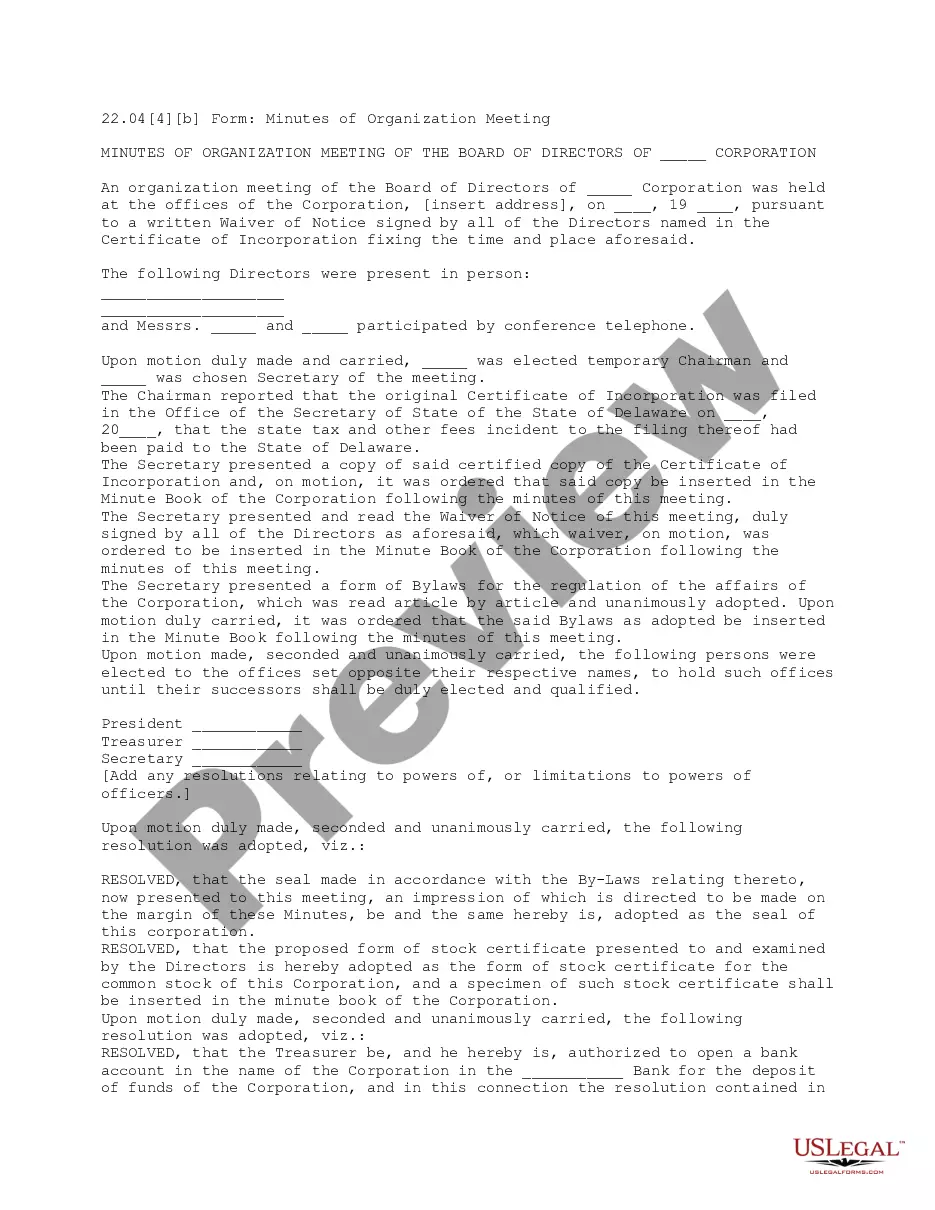
The Minutes for Organizational Meeting form is used to record the actions and decisions taken by the incorporators, shareholders, and board of directors of a Maryland corporation when they choose to act without an official meeting. This document serves as a legally binding record of the organization's initial resolutions, providing a clear framework for corporate governance.
Main sections of this form
- Names and addresses of directors and shareholders.
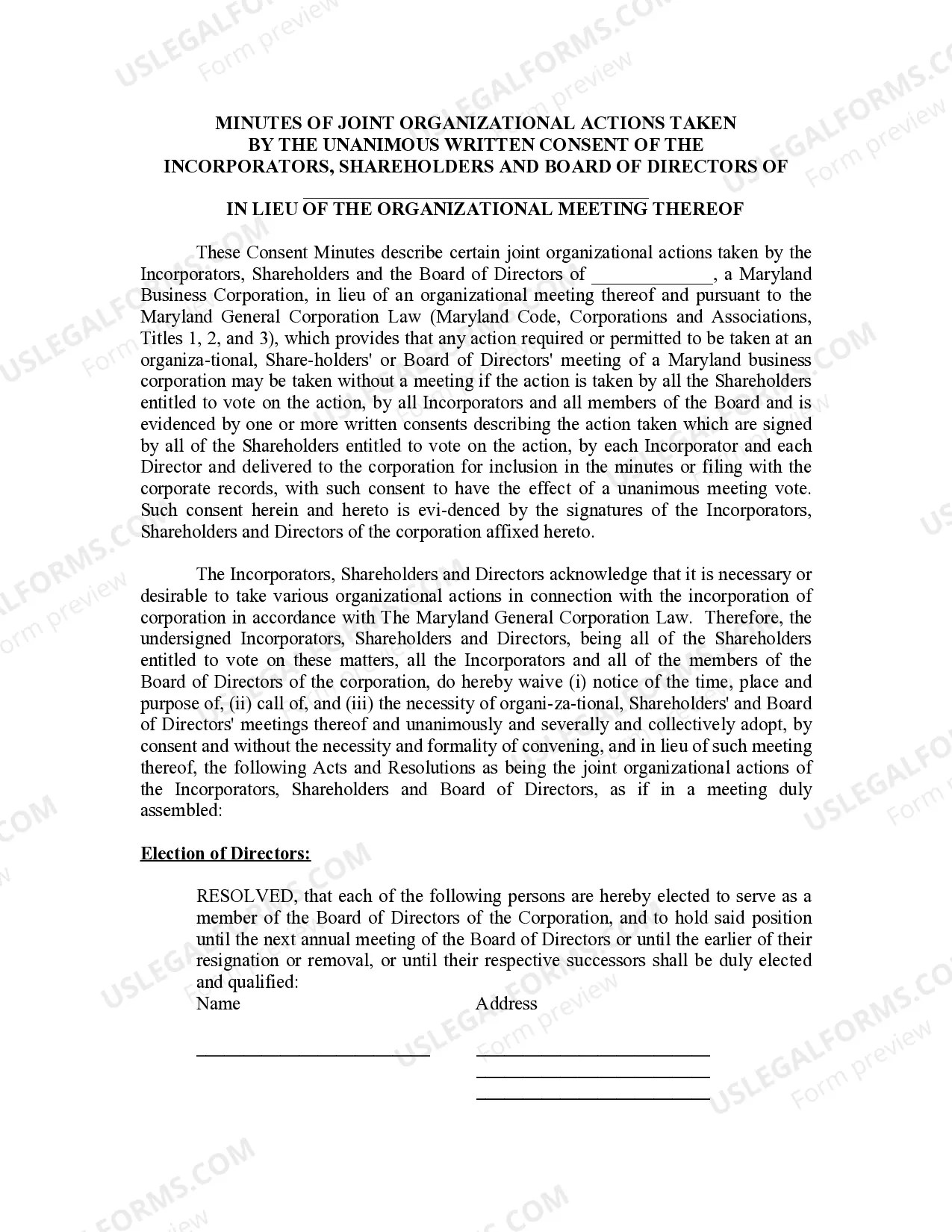
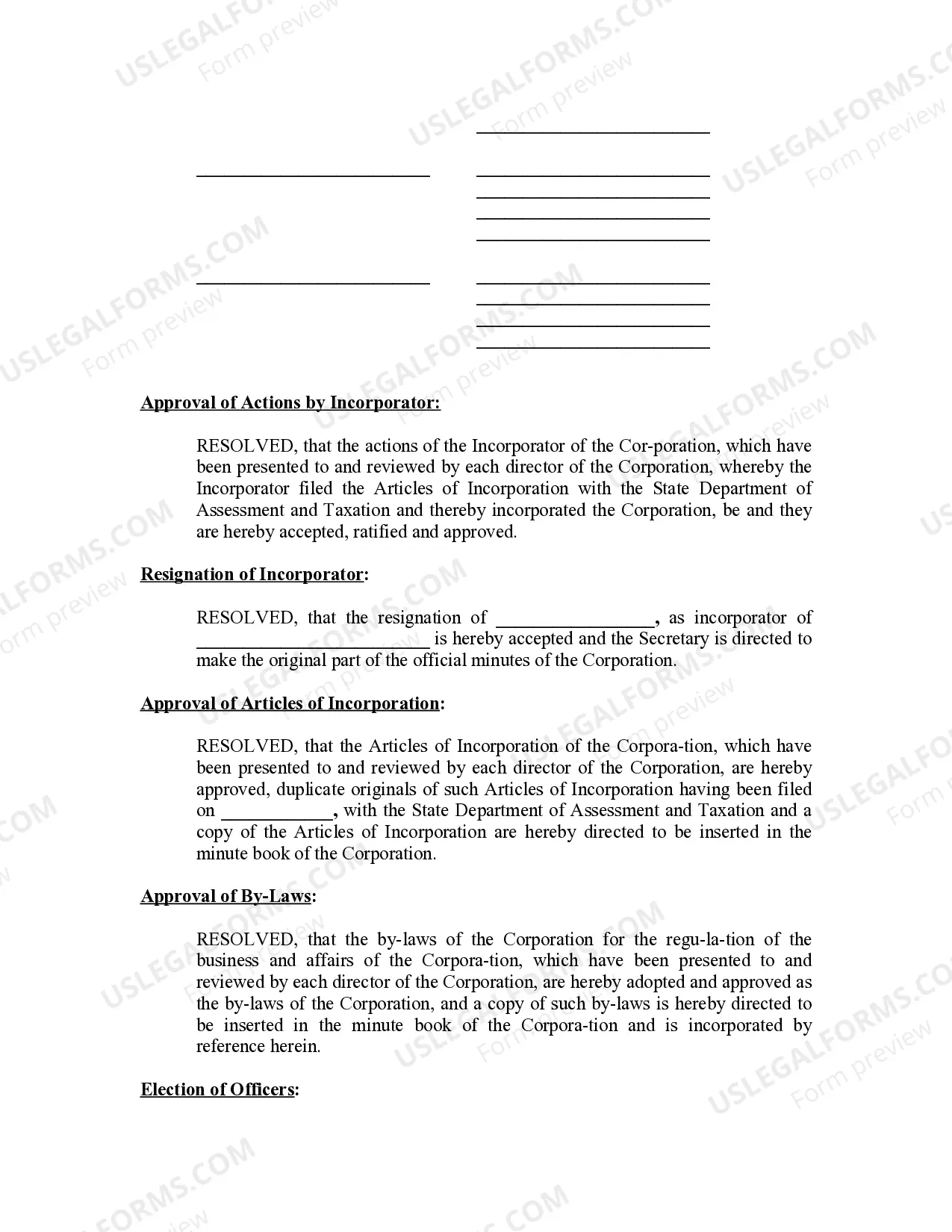
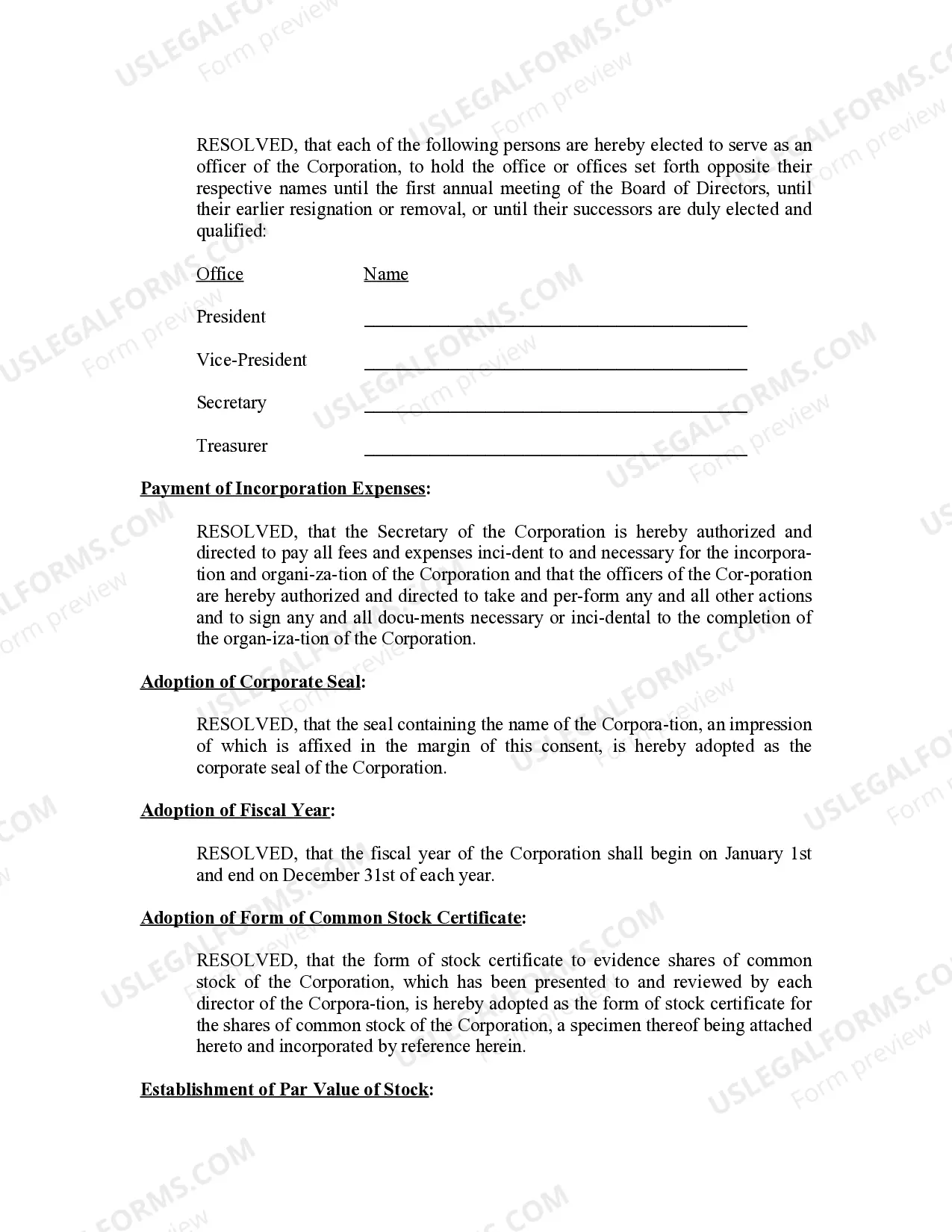
- Election of directors and officers (President, Secretary, Treasurer).
- Approval of Articles of Incorporation and by-laws.
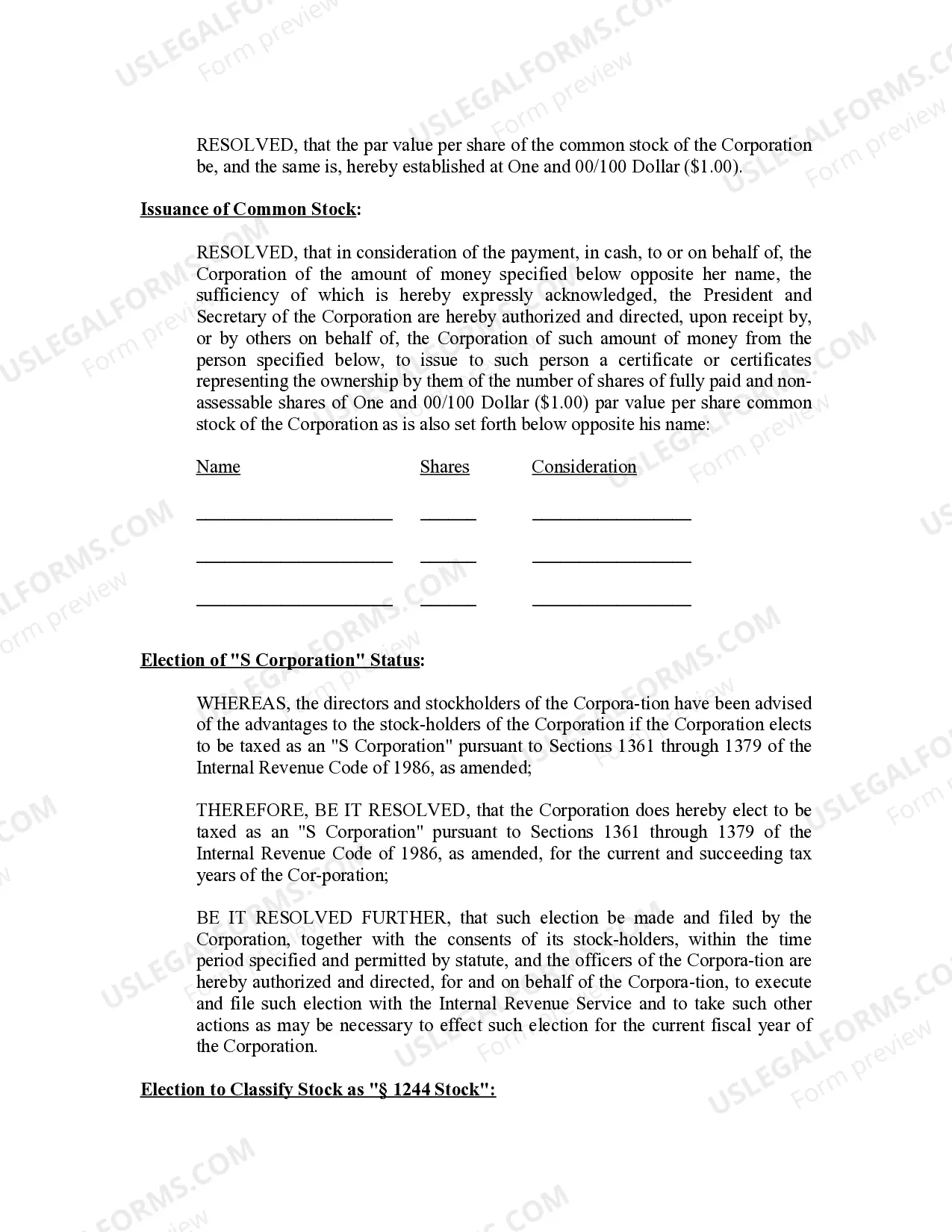
- Details regarding the issuance of stock and par value.
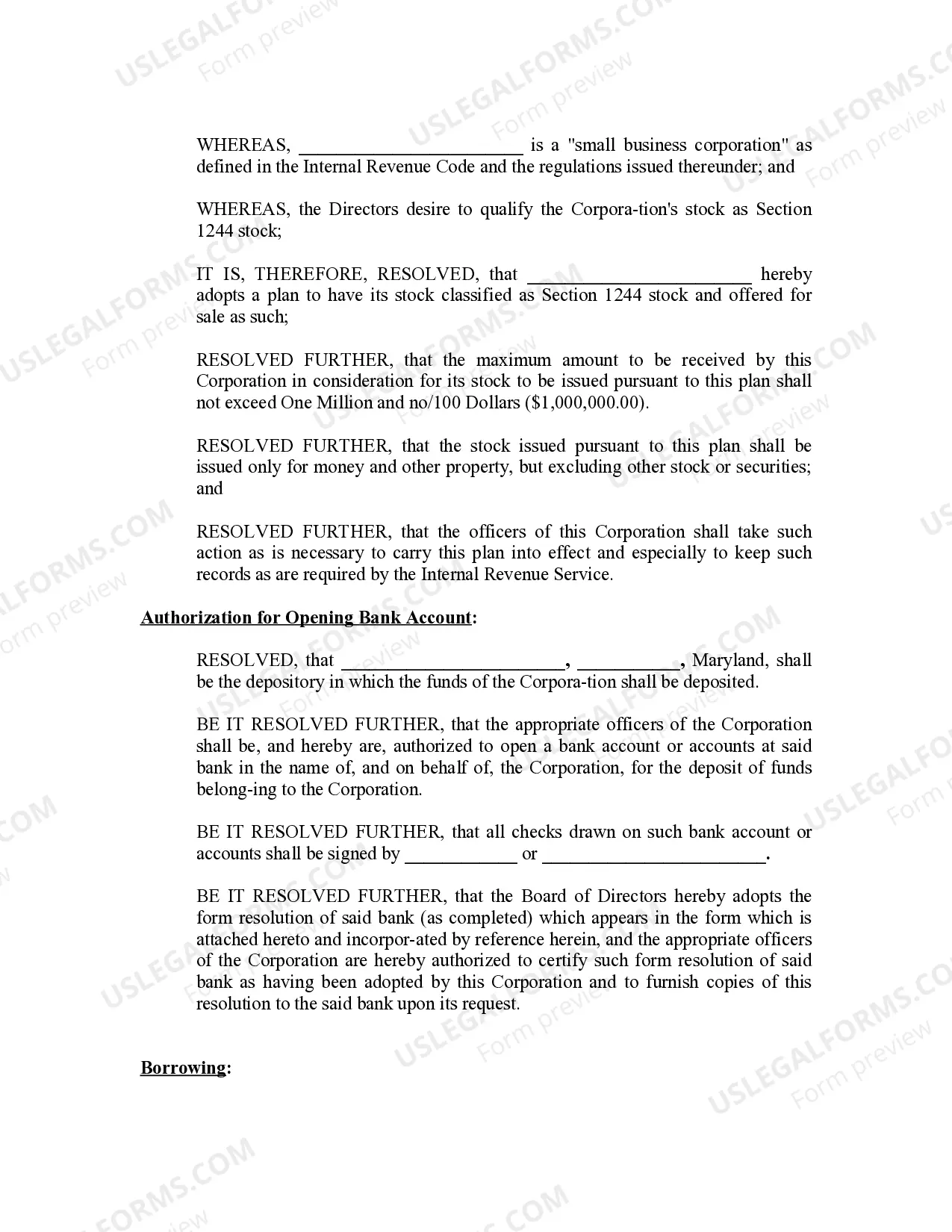
- Authorization for opening a corporate bank account.
- Resolutions to manage corporate operations and finances.
When to use this document
This form should be used when establishing a new Maryland corporation and you wish to document the decisions made by the incorporators and directors in a streamlined manner. Situations may include initial elections of corporate officers, accepting the Articles of Incorporation, adopting by-laws, and more. If your business is organized as a corporation and you plan to skip the formal organizational meeting, this form is essential.
Who this form is for
- Incorporators of a new Maryland corporation.
- Shareholders looking to document decisions made during initial setup.
- Members of the board of directors needing to formalize consent for actions taken.
- Entrepreneurs and business owners establishing a corporate structure.
Completing this form step by step
- Identify and list all incorporators, shareholders, and directors with their addresses.
- Document the election of directors and assign officer roles such as President, Secretary, and Treasurer.
- Approve and sign the Articles of Incorporation and by-laws included with the form.
- Specify the number of shares issued and their corresponding consideration paid by shareholders.
- Designate individuals authorized to sign checks and establish banking arrangements for the corporation.
Does this form need to be notarized?
This form does not typically require notarization unless specified by local law. However, having it notarized may enhance its legal enforceability in some instances. Always consider consulting a legal professional to confirm your specific situation.
Get your form ready online
Our built-in tools help you complete, sign, share, and store your documents in one place.
Make edits, fill in missing information, and update formatting in US Legal Forms—just like you would in MS Word.
Download a copy, print it, send it by email, or mail it via USPS—whatever works best for your next step.
Sign and collect signatures with our SignNow integration. Send to multiple recipients, set reminders, and more. Go Premium to unlock E-Sign.
If this form requires notarization, complete it online through a secure video call—no need to meet a notary in person or wait for an appointment.
We protect your documents and personal data by following strict security and privacy standards.

Make edits, fill in missing information, and update formatting in US Legal Forms—just like you would in MS Word.

Download a copy, print it, send it by email, or mail it via USPS—whatever works best for your next step.

Sign and collect signatures with our SignNow integration. Send to multiple recipients, set reminders, and more. Go Premium to unlock E-Sign.

If this form requires notarization, complete it online through a secure video call—no need to meet a notary in person or wait for an appointment.

We protect your documents and personal data by following strict security and privacy standards.
Common mistakes
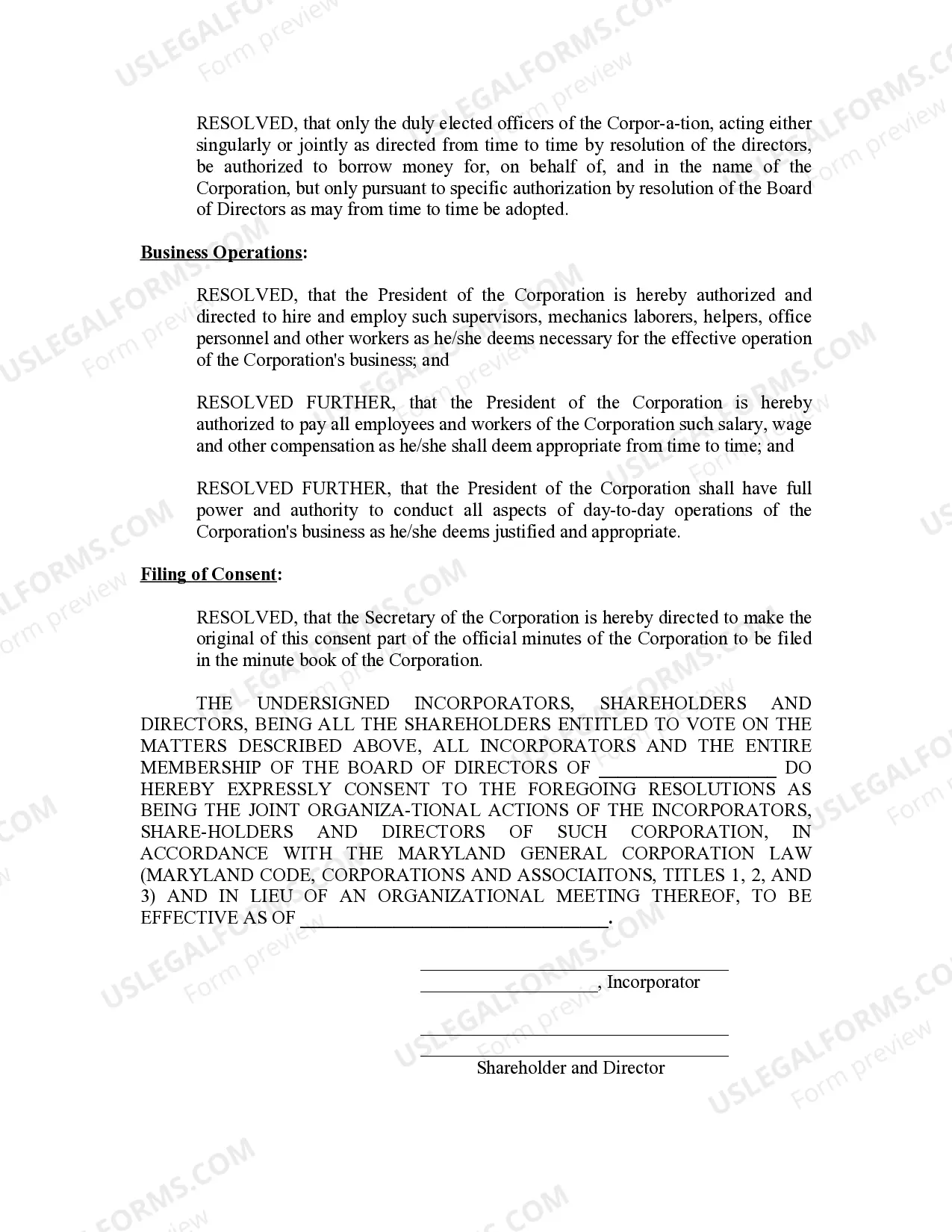
- Failing to list all required signatures from incorporators, shareholders, and directors.
- Not including the addresses of all individuals involved.
- Neglecting to specify the exact number of shares and amounts paid by shareholders.
- Omitting critical resolutions that affect the corporation's governance.
Benefits of completing this form online
- Convenient access to legal forms anytime, from anywhere.
- Editable fields to customize your form according to your corporation's unique needs.
- Reliable templates created by licensed attorneys to ensure compliance with Maryland law.
- Simplified process with step-by-step guidance for easy completion.
Main things to remember
- The Minutes for Organizational Meeting is essential for Maryland corporations to document initial corporate actions.
- Proper completion includes identifying all key players and recording critical decisions made during the formation of the corporation.
- Use this form to streamline the organizational process and maintain clear records.
Looking for another form?
Form popularity
FAQ
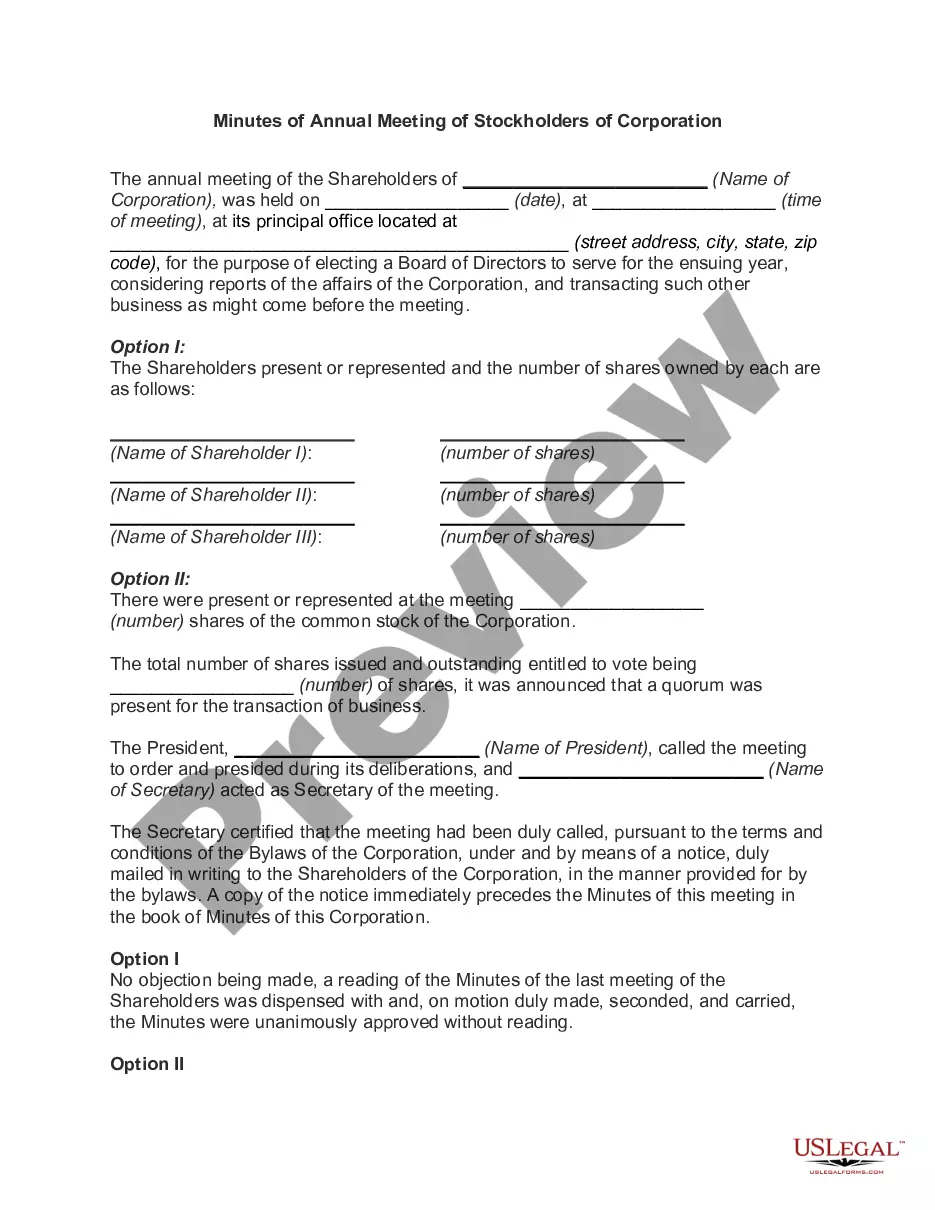
Meeting name and place. Date and time of the meeting. List of meeting participants. Purpose of the meeting. For each agenda items: decisions, action items, and next steps. Next meeting date and place. Documents to be included in the meeting report.
Name of the organization. date and time of meeting. board members in attendance, excused, and absent. existence of a quorum. motions made and by whom. brief account of any debate. voting results. names of abstainers and dissenters.
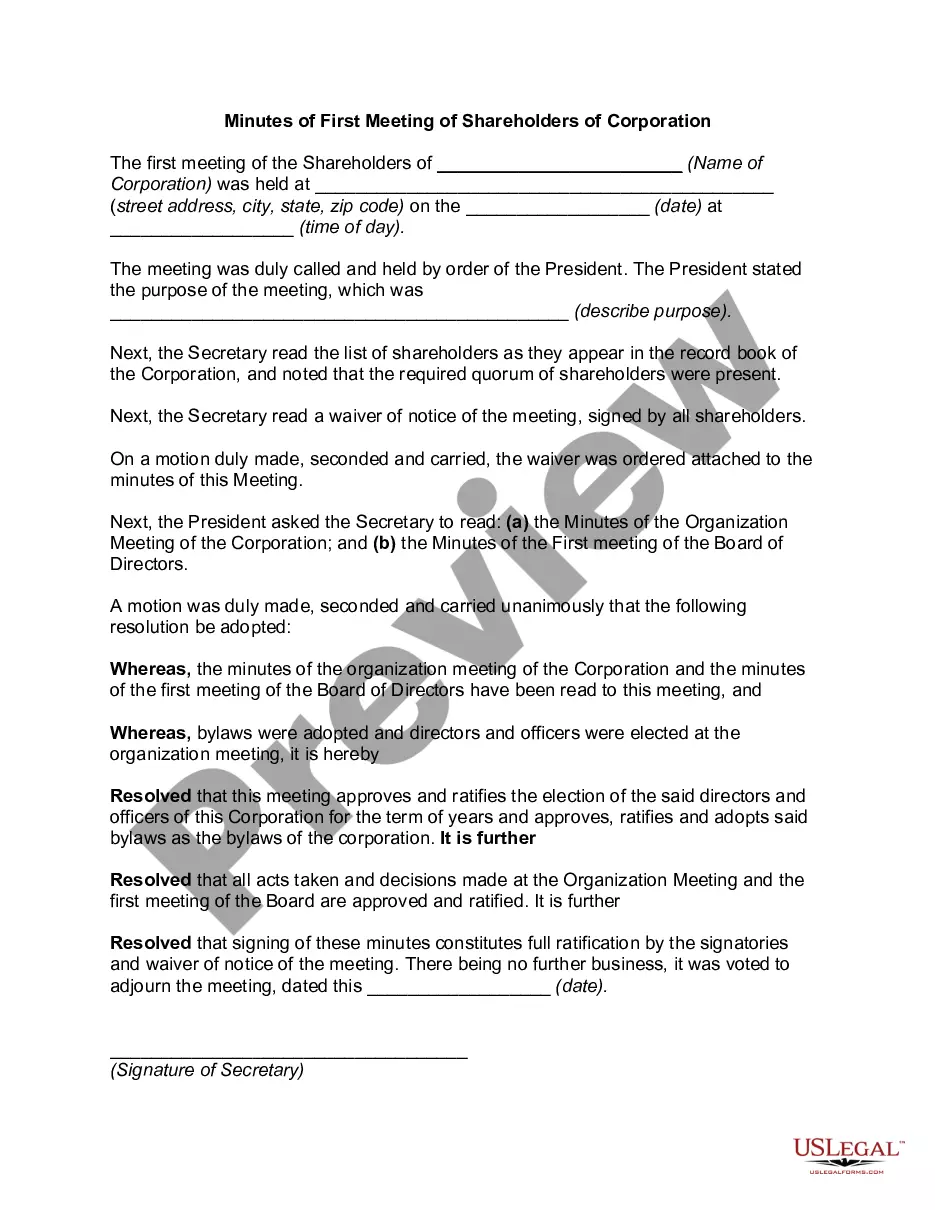
Organizational meetings are held to appoint officers, elect or appoint directors, issue shares in the corporation, approve bylaws, setup minute books, appoint or waive the appointment of auditors, set up bank accounts, etc.
Organization name. Date of meeting. Time the meeting was called to order. Board members present. Name of the presiding officer. Absent board members. Note whether the session meets quorum. Guests and organizational staff present.
A corporation's organizational meeting is meant to be the initial meeting of the owners of the corporation and management. Typically, the items on the meeting agenda include: The appointment of corporate officers. The acquisition of a minute book to record meeting minutes and actions. The approval of Corporate Bylaws.
Date, time, and location. Minutes should include this basic information about when and where the meeting was held and how long it lasted. Creator. List of persons present. Topics list. Voting record. Review and approval.
What's In. The minutes should include the title of the group that is meeting; the date, time, and venue; the names of those in attendance (including staff) and the person recording the minutes; and the agenda.
Nonprofit boards don't have to share their meeting minutes, policies or audit results with the public. They don't have to share the contact information for board directors either.
Use a template. Check off attendees as they arrive. Do introductions or circulate an attendance list. Record motions, actions, and decisions as they occur. Ask for clarification as necessary. Write clear, brief notes-not full sentences or verbatim wording.