Maryland Grant Deed from an individual Grantor to two individual Grantees
What this document covers
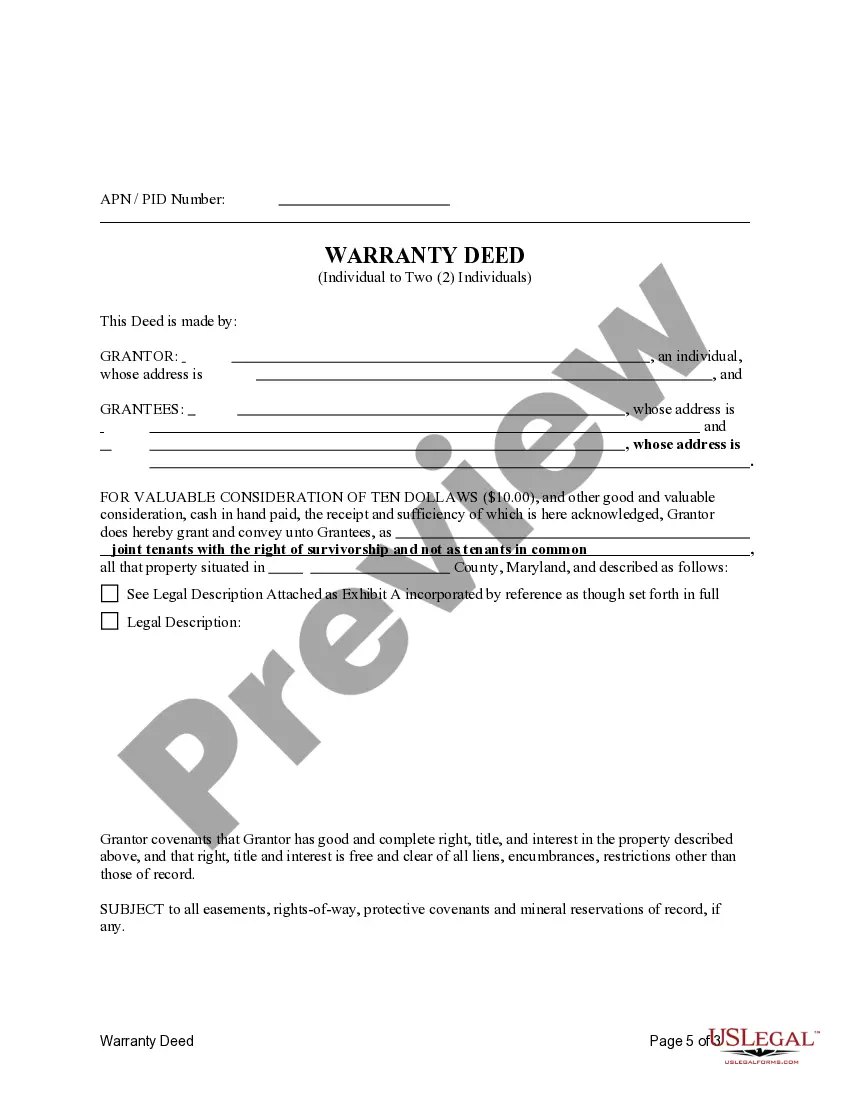
This form is a Grant Deed where an individual Grantor transfers property ownership to two individual Grantees. It is designed to comply with state statutory laws and ensures clear ownership transfer, differentiating itself from other forms such as quitclaim deeds or warranty deeds, which have different implications for liability and guarantee of ownership.
What’s included in this form
- Identification of the Grantor and Grantees with full names.
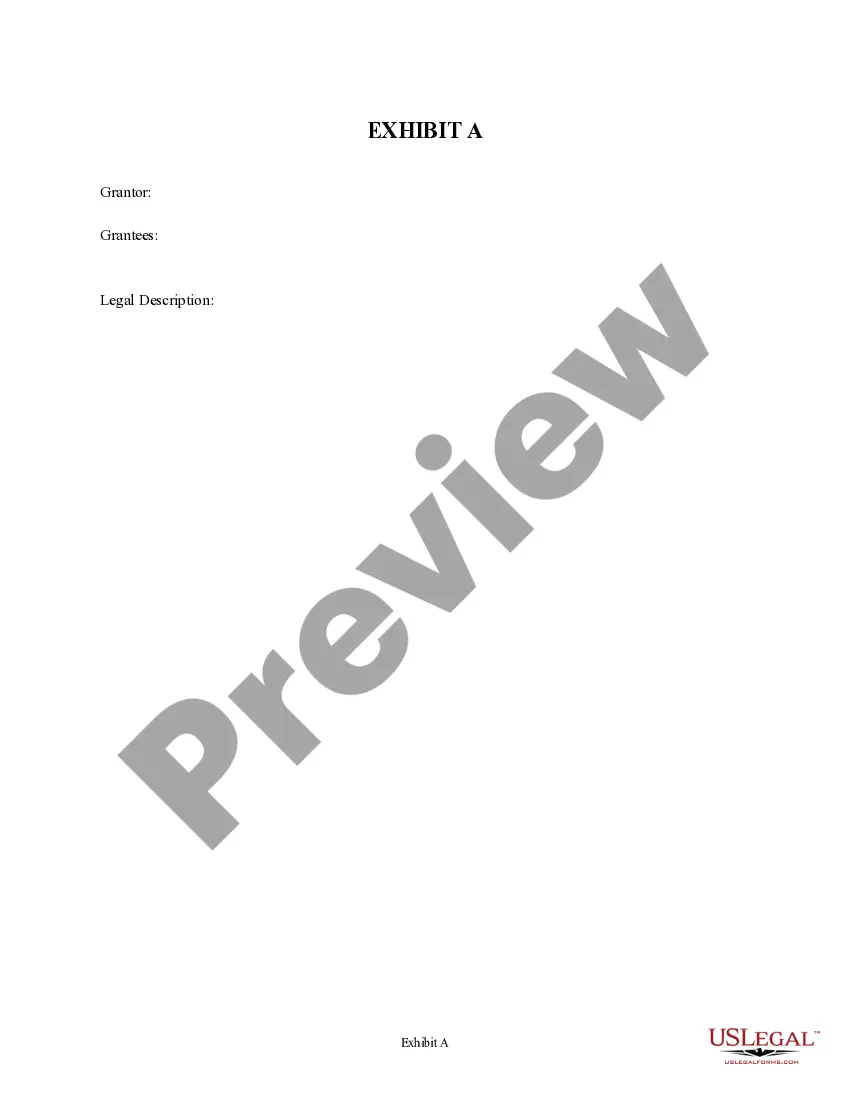
- Description of the property being transferred, including location and boundaries.
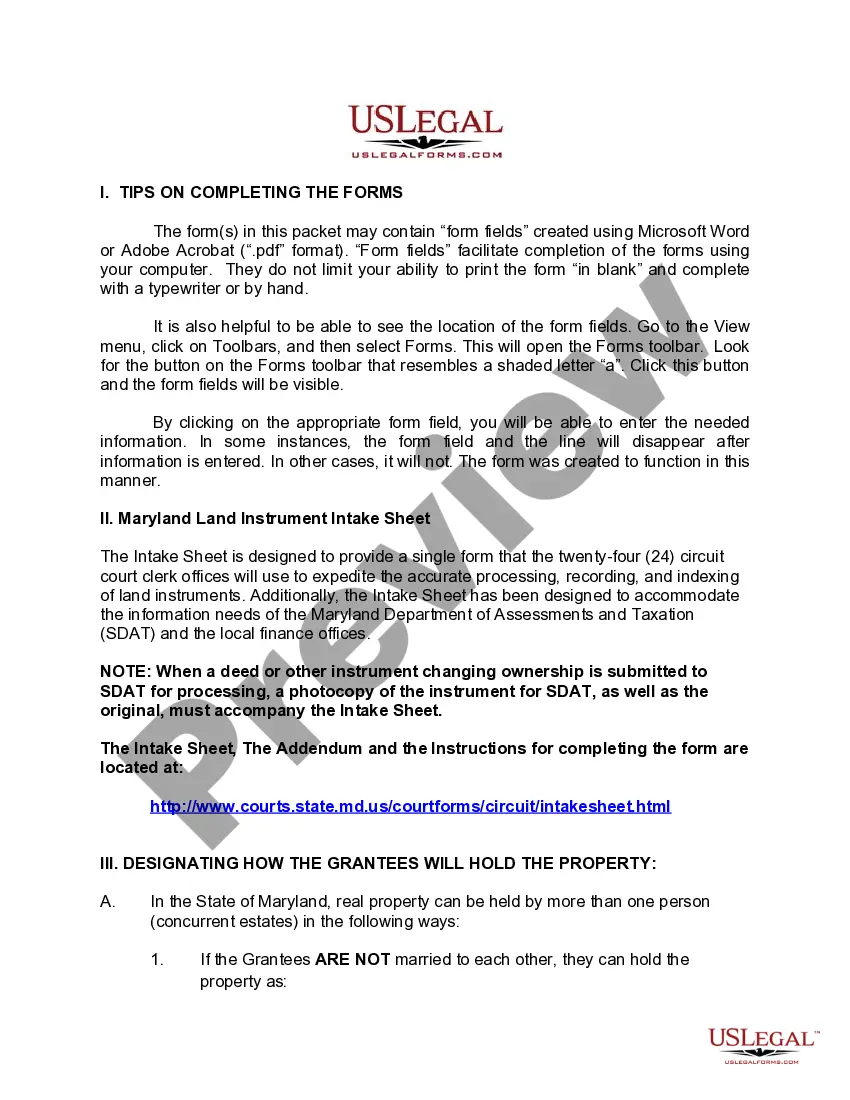
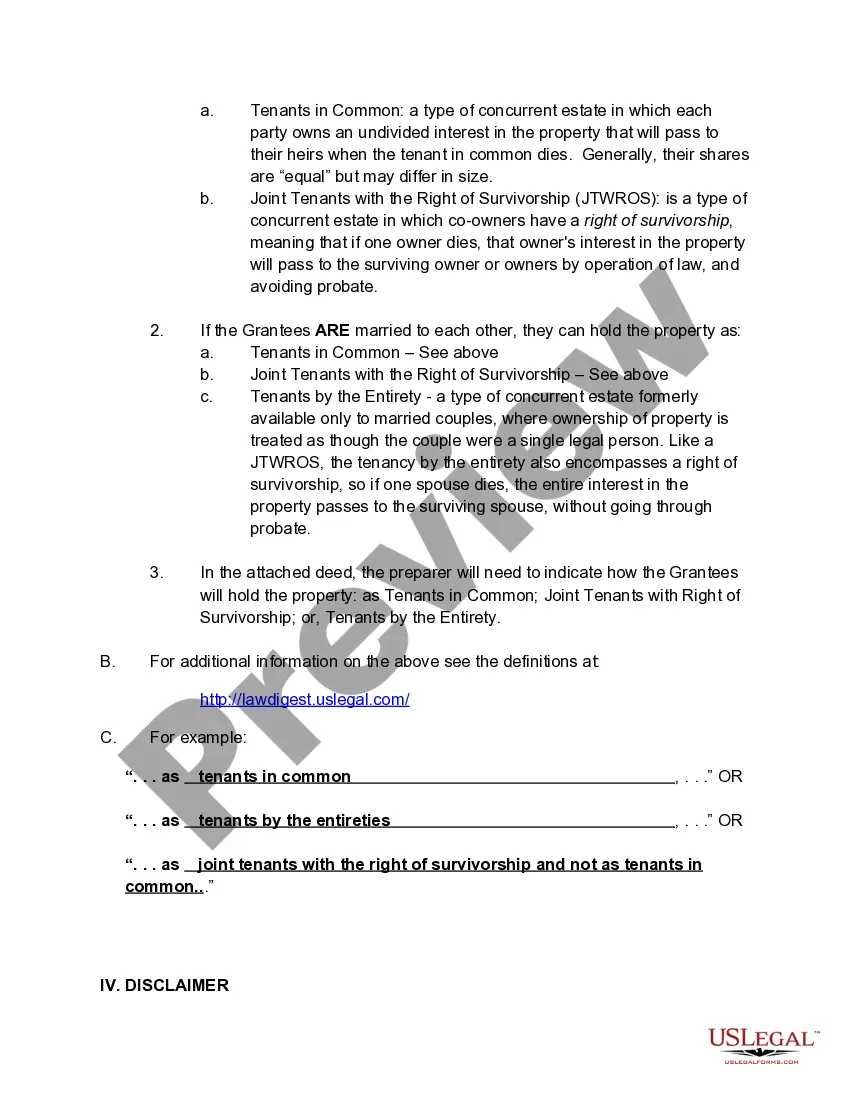
- Specification of how the Grantees will hold the property (e.g., tenants in common or joint tenants with the right of survivorship).
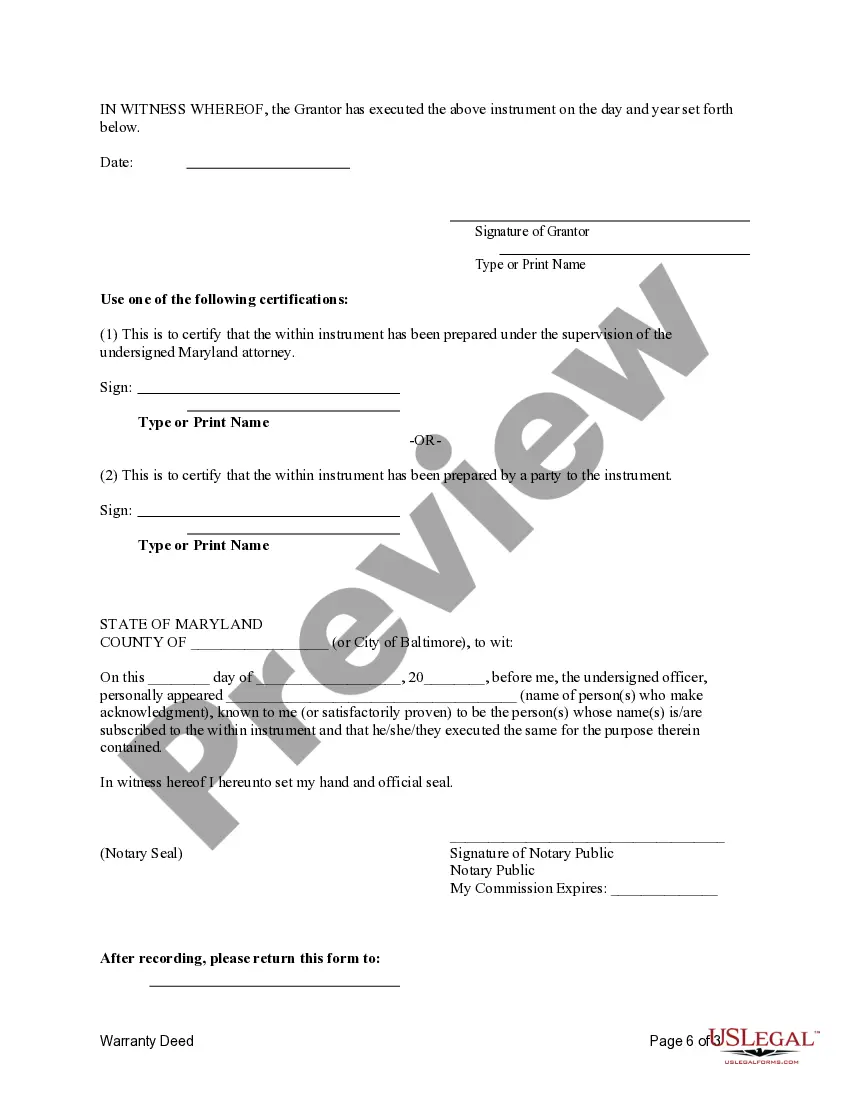
- Signature and date fields for the Grantor, confirming the transfer of ownership.
- Compliance with local state requirements, such as additional forms and submissions.





Situations where this form applies
This form is necessary when an individual wants to transfer real property to two people, typically during situations such as buying or gifting a home, updating ownership after a marriage, or settling an estate. It is also used when the parties wish to clarify how they will hold the property together, which can impact inheritance and asset management.
Who can use this document
- Individuals looking to transfer property ownership to two people.
- Married couples wanting to jointly own property with clear legal documentation.
- Heirs or beneficiaries managing estate property and needing to clarify ownership amongst multiple parties.
How to prepare this document
- Identify the parties involved: list the Grantor's name and the two Grantees' names.
- Describe the property being transferred, including its address and legal description.
- Select how the Grantees intend to hold the propertyâeither as tenants in common, joint tenants with the right of survivorship, or tenants by the entirety if applicable.
- Have the Grantor sign and date the form where indicated to finalize the transfer.
- Review any additional state-required documents that may need to be included with the deed.
Is notarization required?
This form does not typically require notarization unless specified by local law. However, having the Grantor's signature notarized may add an extra layer of legality and helps ensure the authenticity of the document.
Get your form ready online
Our built-in tools help you complete, sign, share, and store your documents in one place.
Make edits, fill in missing information, and update formatting in US Legal Forms—just like you would in MS Word.
Download a copy, print it, send it by email, or mail it via USPS—whatever works best for your next step.
Sign and collect signatures with our SignNow integration. Send to multiple recipients, set reminders, and more. Go Premium to unlock E-Sign.
If this form requires notarization, complete it online through a secure video call—no need to meet a notary in person or wait for an appointment.
We protect your documents and personal data by following strict security and privacy standards.

Make edits, fill in missing information, and update formatting in US Legal Forms—just like you would in MS Word.

Download a copy, print it, send it by email, or mail it via USPS—whatever works best for your next step.

Sign and collect signatures with our SignNow integration. Send to multiple recipients, set reminders, and more. Go Premium to unlock E-Sign.

If this form requires notarization, complete it online through a secure video call—no need to meet a notary in person or wait for an appointment.

We protect your documents and personal data by following strict security and privacy standards.
Common mistakes to avoid
- Failing to accurately describe the property, leading to potential disputes.
- Not specifying how the Grantees will hold the property, which could affect inheritance.
- Leaving out the Grantor's signature or date, rendering the deed invalid.
- Neglecting to include required additional documentation for your state.
Benefits of completing this form online
- Convenience of completing the form from anywhere, at any time.
- Editability allows you to make changes easily before finalizing.
- Reliable format ensures compliance with state laws and reduces the risk of errors.
Looking for another form?

Form popularity
FAQ
Resolving Small Ambiguities: The Scrivener Affidavit. Sometimes an omission attracts attention just after recording. The Correction Deed: Stronger Than a Scrivener's Affidavit. Obtain your correction deed form. Execute the correction deed. Record the correction deed.
The seller or the seller's broker will hire an attorney to prepare the real estate deed to ensure that all of the requirements in the creation of a valid deed are met before the seller conveys title to the property. All real estate deeds must be in writing.
A grant deed is the instrument used to transfer title to an interest in real property from one owner to someone else.A deed of trust is the security instrument given to a lender to secure a loan or other obligation. Bare naked title is deeded to the trustee, who holds the power of sale or the power to re-convey.
Contrary to normal expectations, the Deed DOES NOT have to be recorded to be effective or to show delivery, and because of that, the Deed DOES NOT have to be signed in front of a Notary Public. However, if you plan to record it, then it does have to be notarized as that is a County Recorder requirement.
Yes you can. This is called a transfer of equity but you will need the permission of your lender. If you are not married or in a civil partnership you may wish to consider creating a deed of trust and a living together agreement which we can explain to you.
Print a grant deed from an online source. Sign the document in the presence of a notary public. Take the deed to the recorder's office in the county where the property is located.
To change the names on a real estate deed, you will need to file a new deed with the Division of Land Records in the Circuit Court for the county where the property is located. The clerk will record the new deed.
A grant deed ensures that the grantor has a legal interest in the property. A quitclaim deed merely releases any potential interest the signatory may have in a property with no warranties.
Grantor's name. Grantee's name and address. Description of grantee (ex: unmarried man, husband and wife, joint tenants) Person who requested grant deed. Address of real estate that is being transferred. Legal description of property (lot number) Original title order number for property.