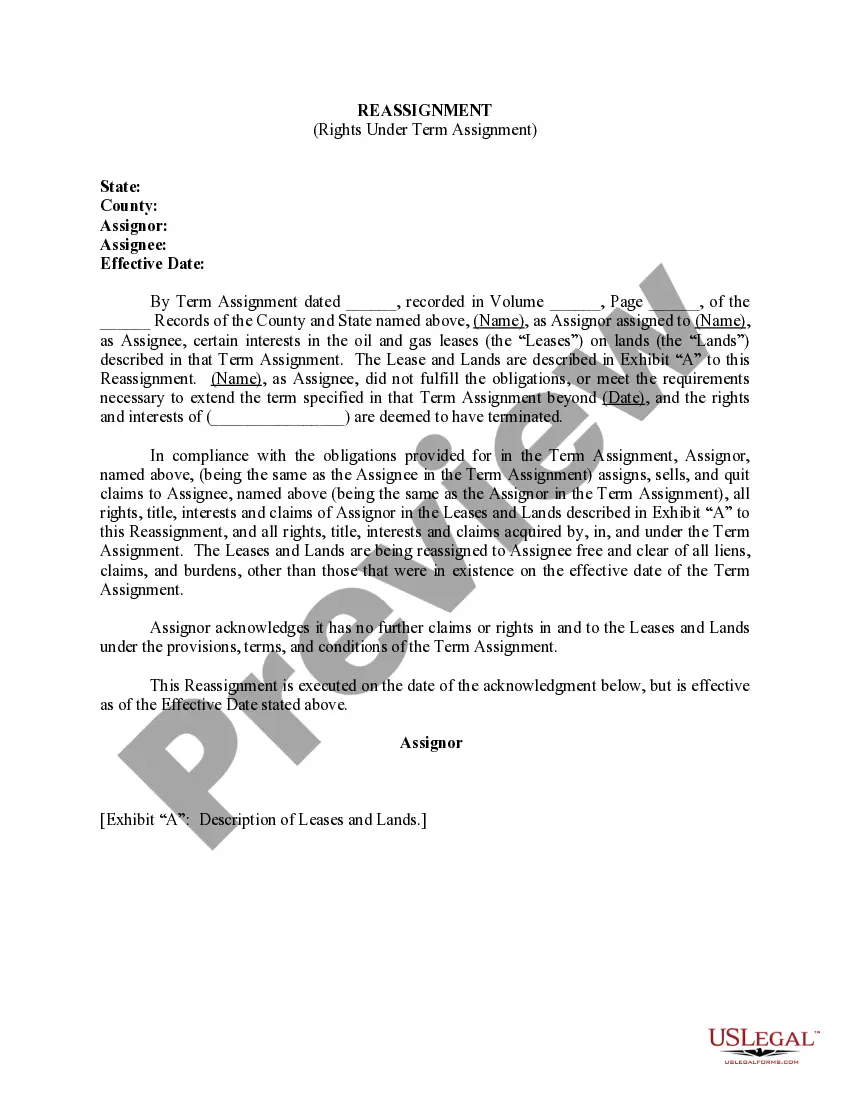
Massachusetts Right of Way Agreement
Description
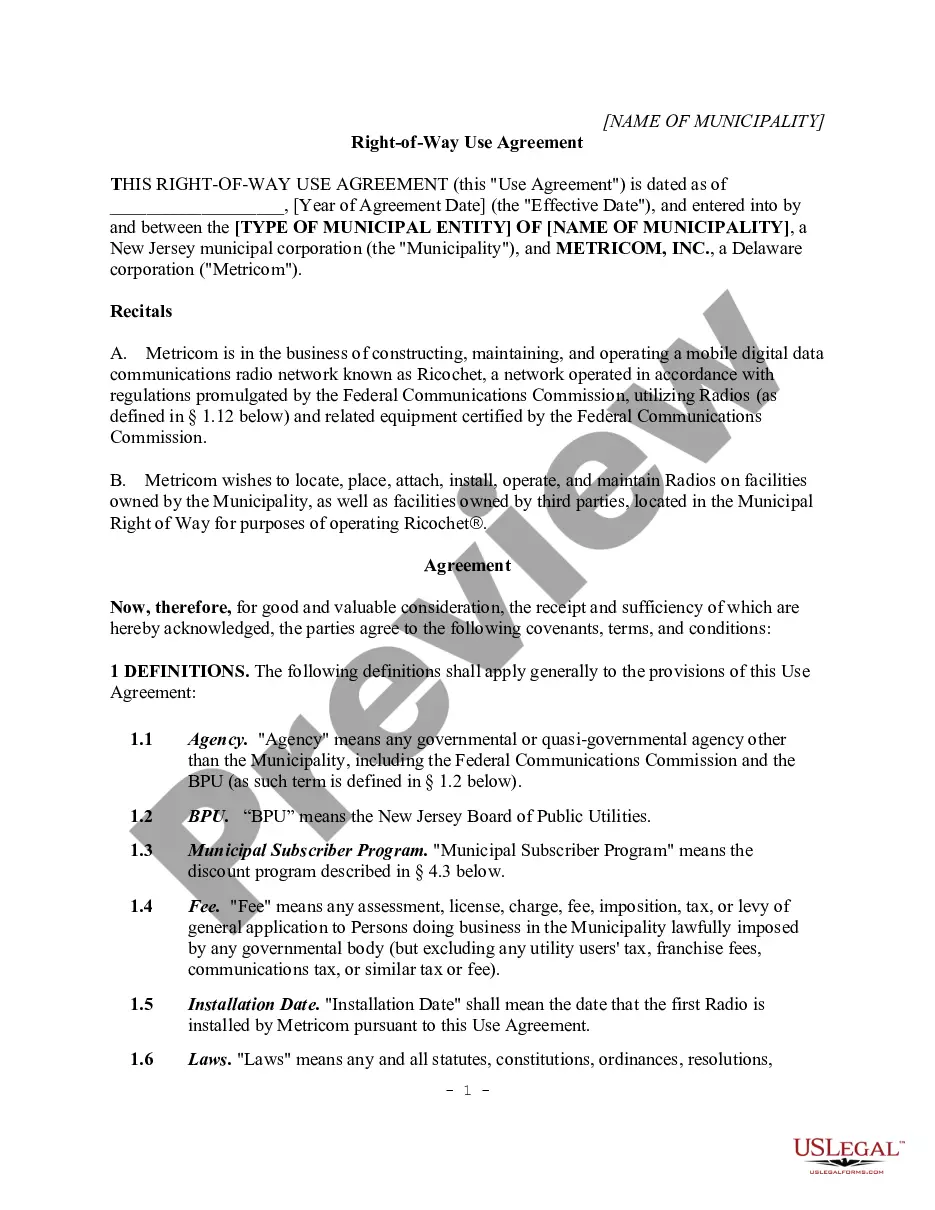
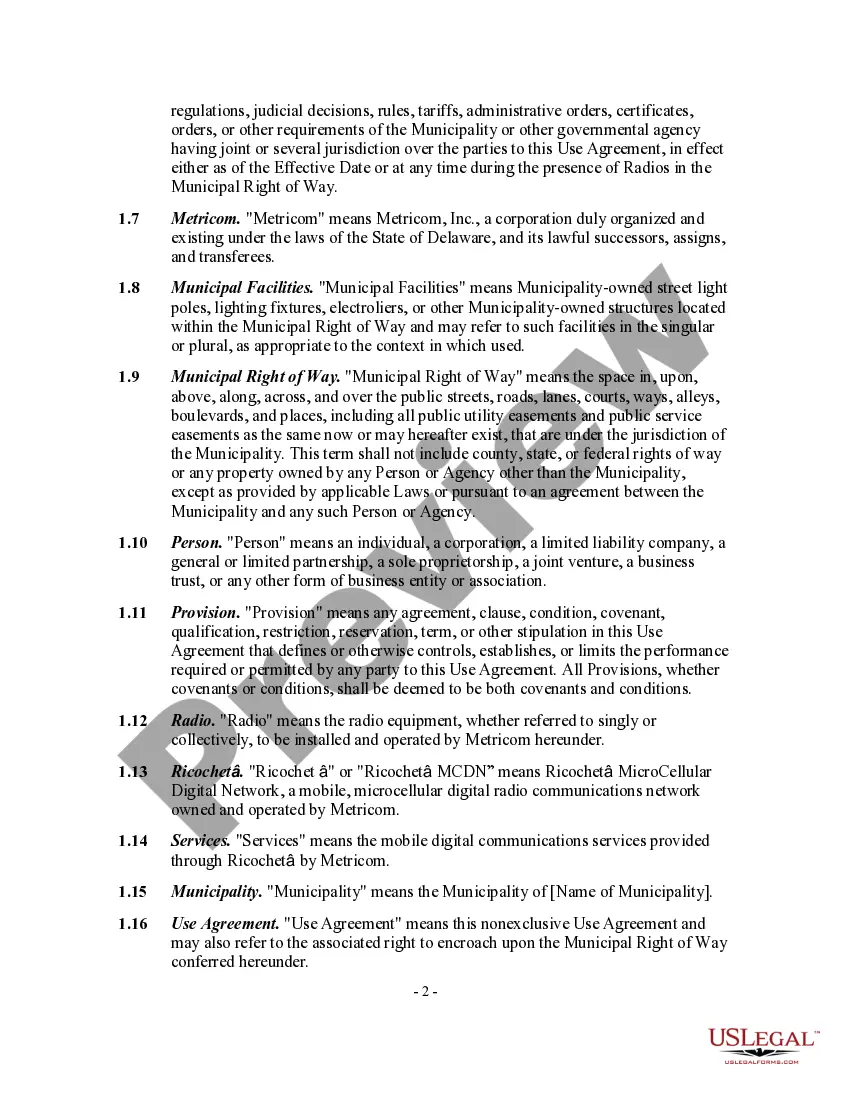
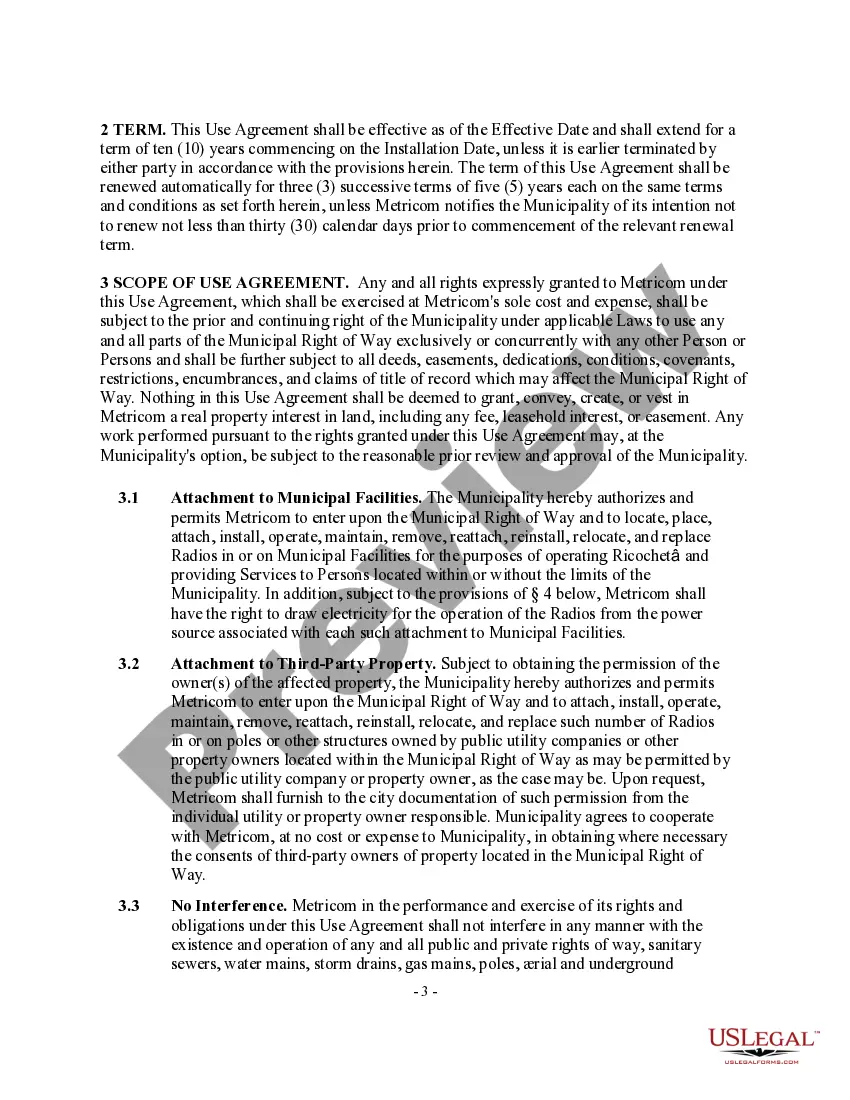
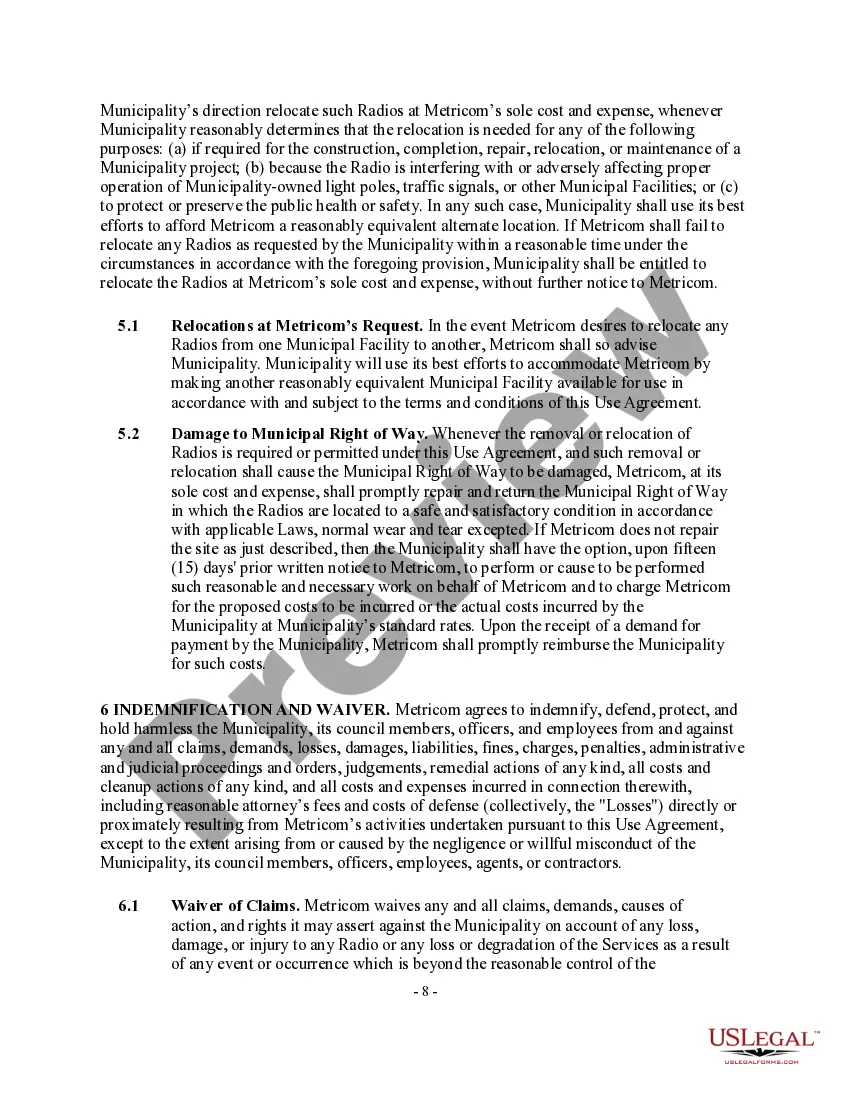
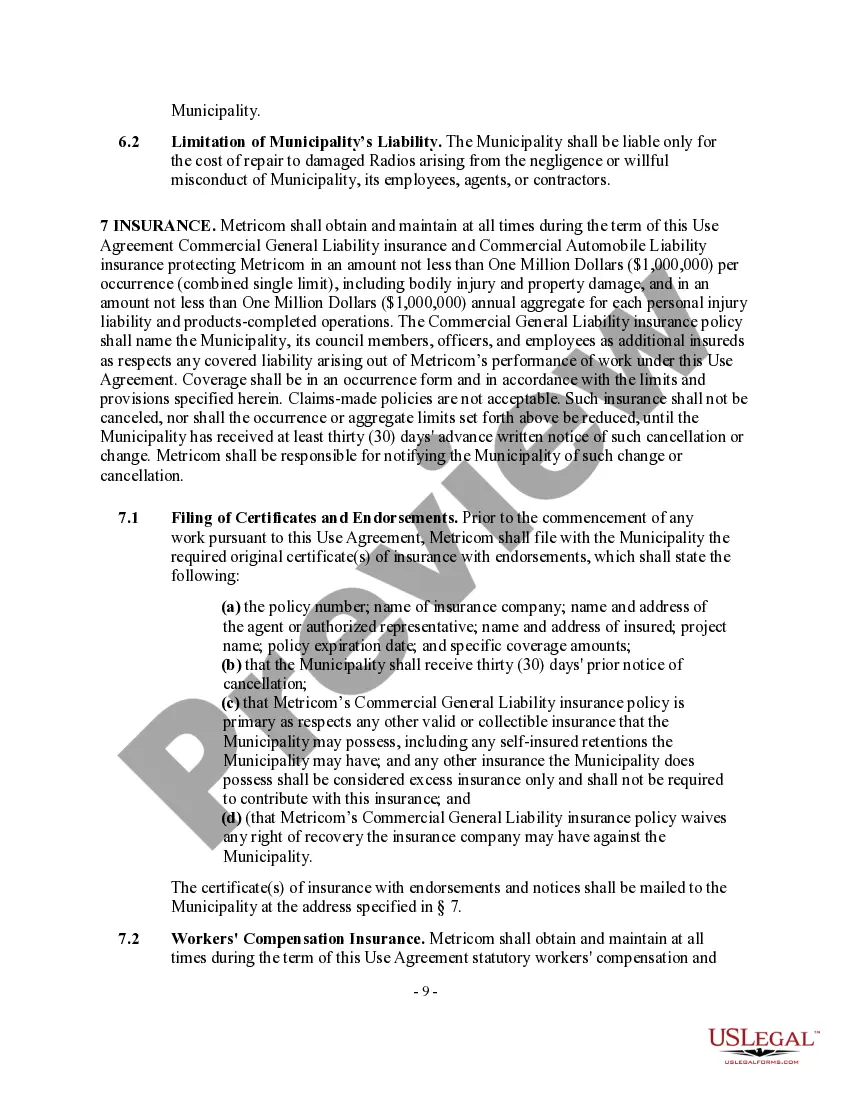
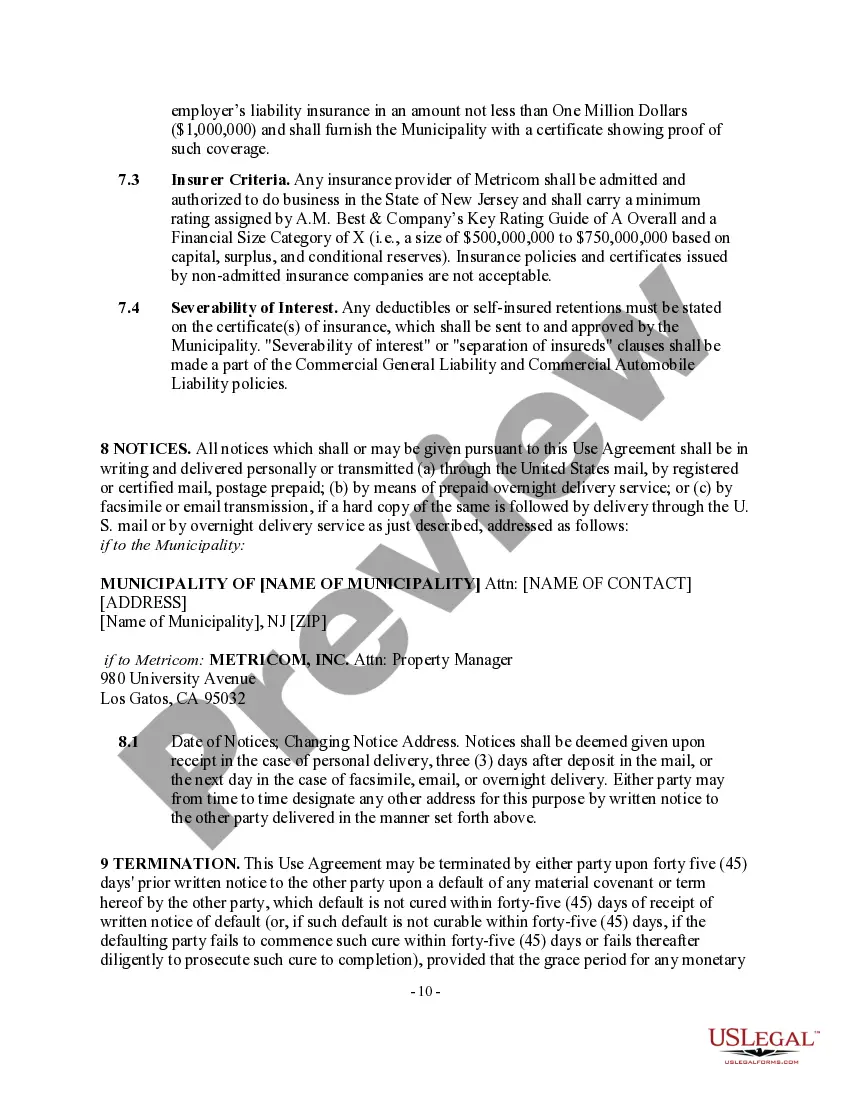

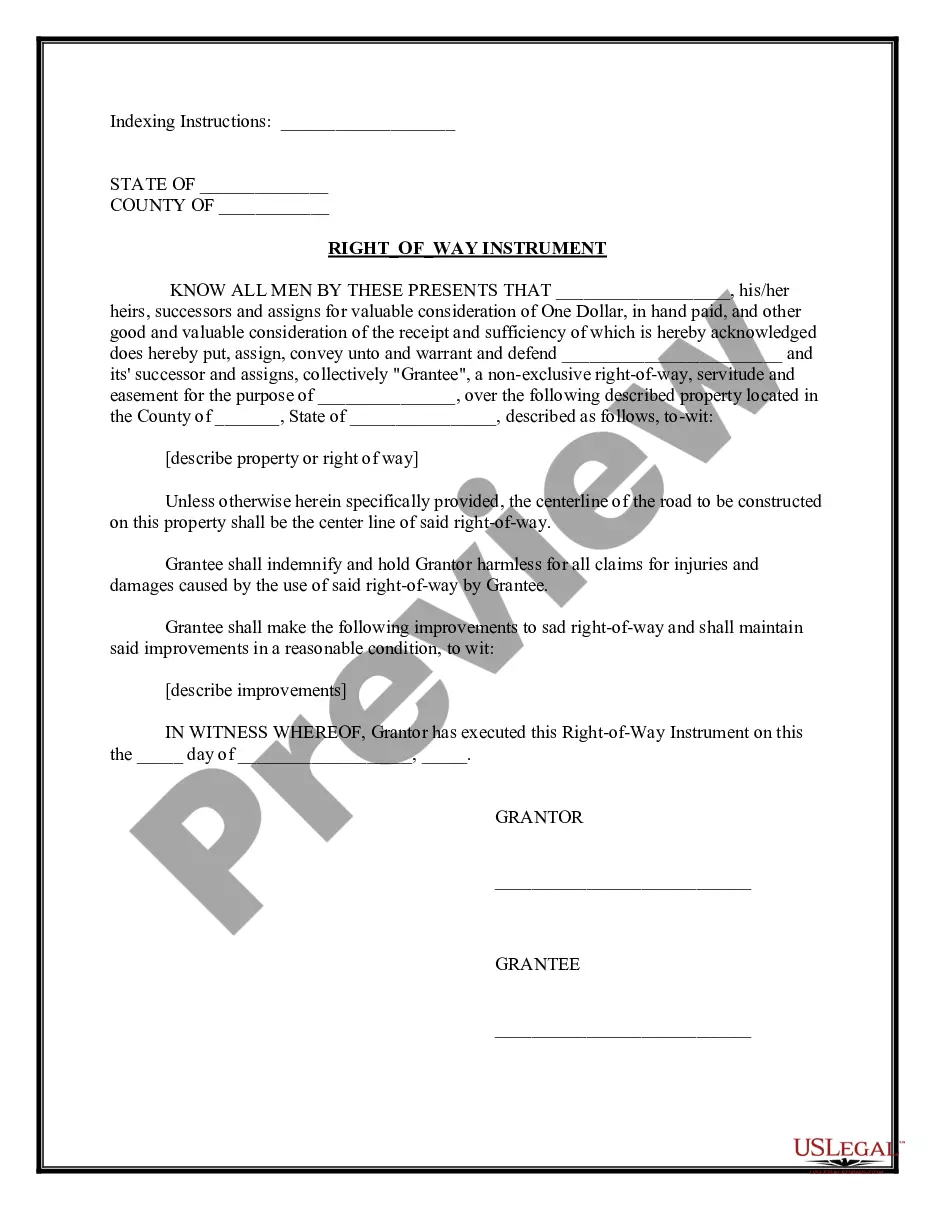
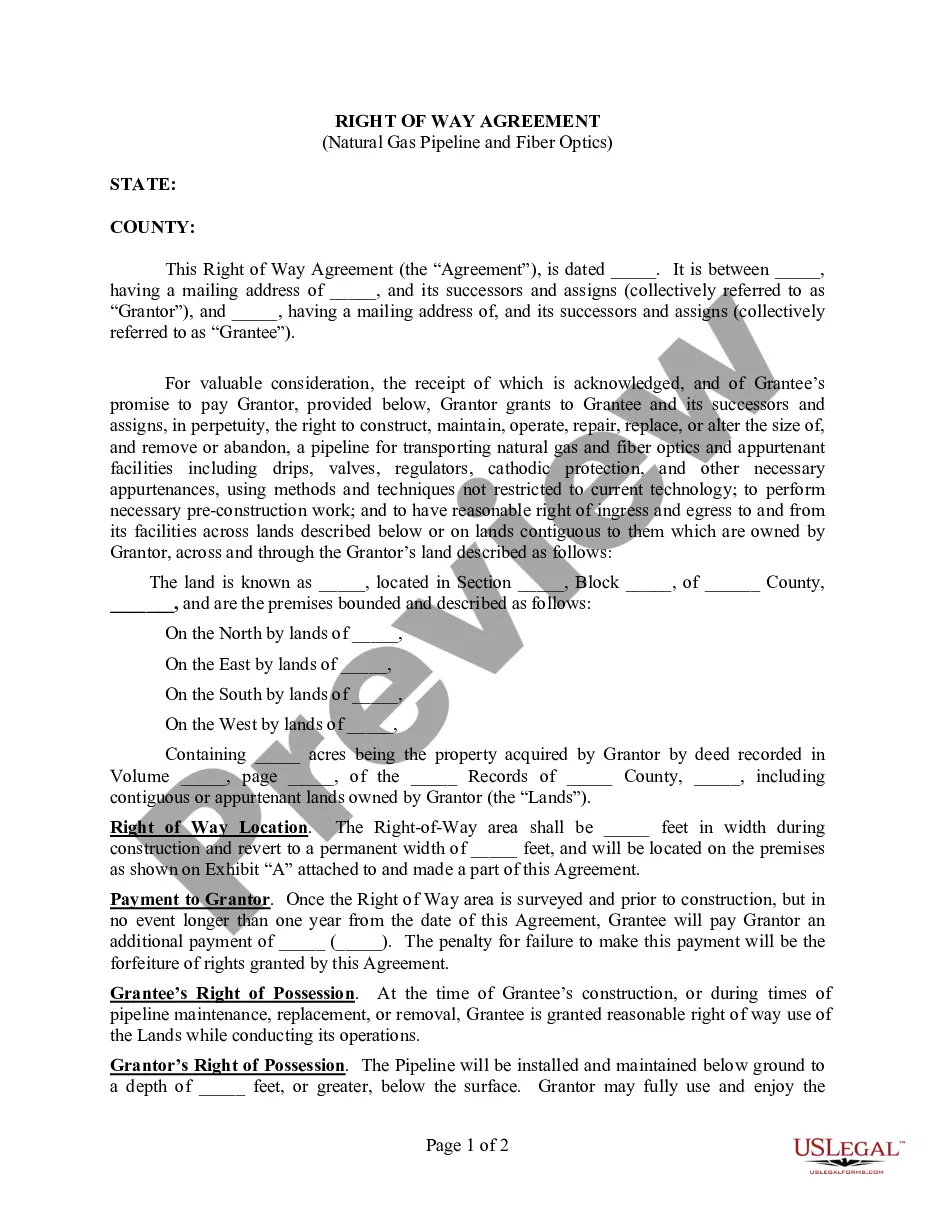
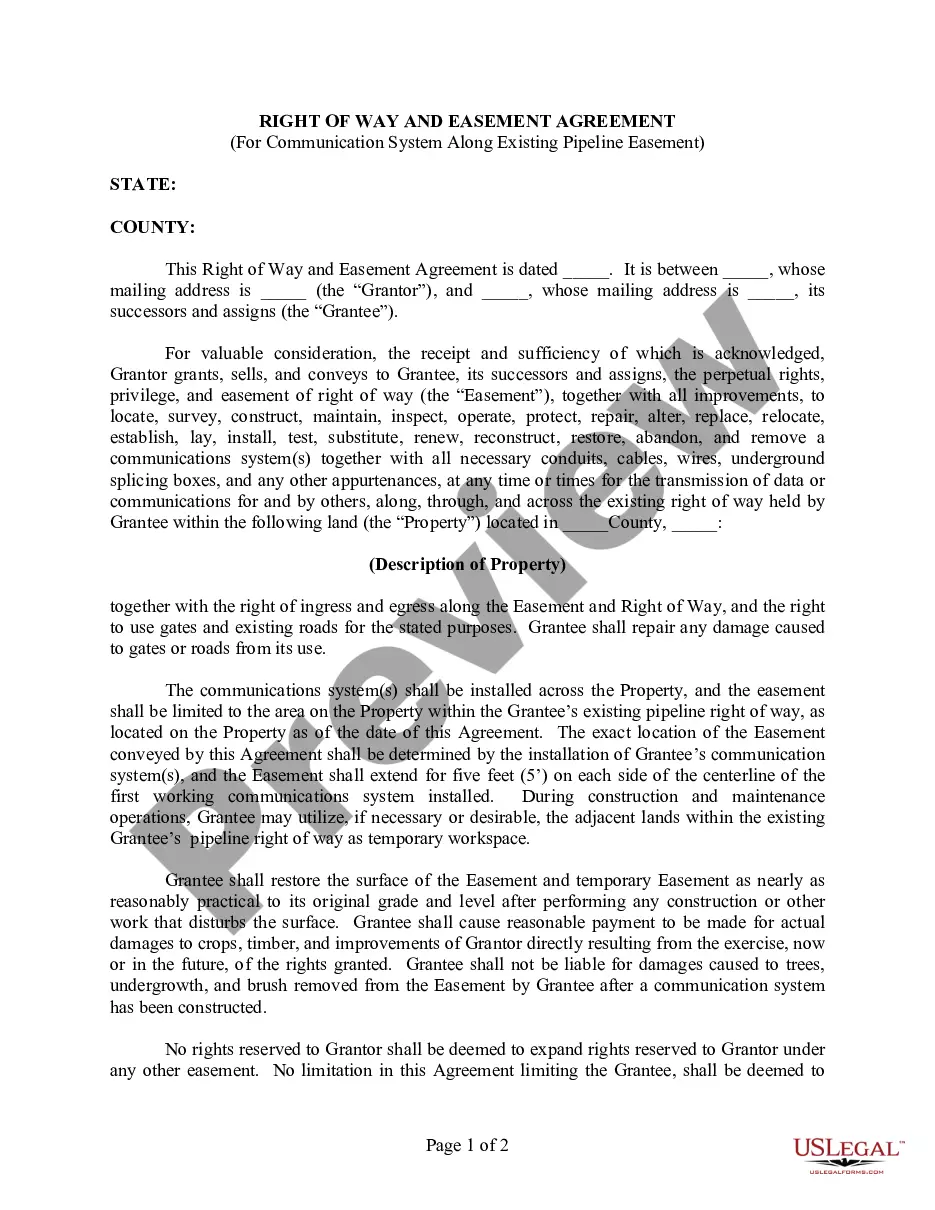
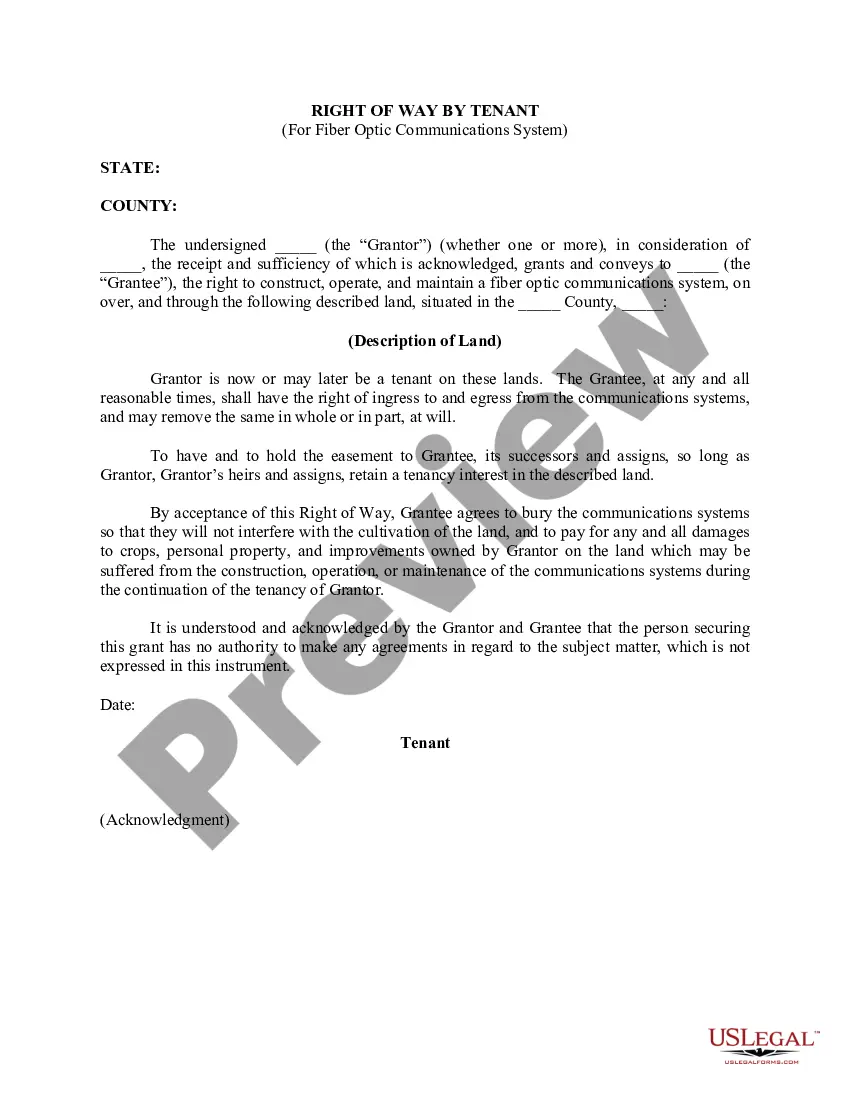
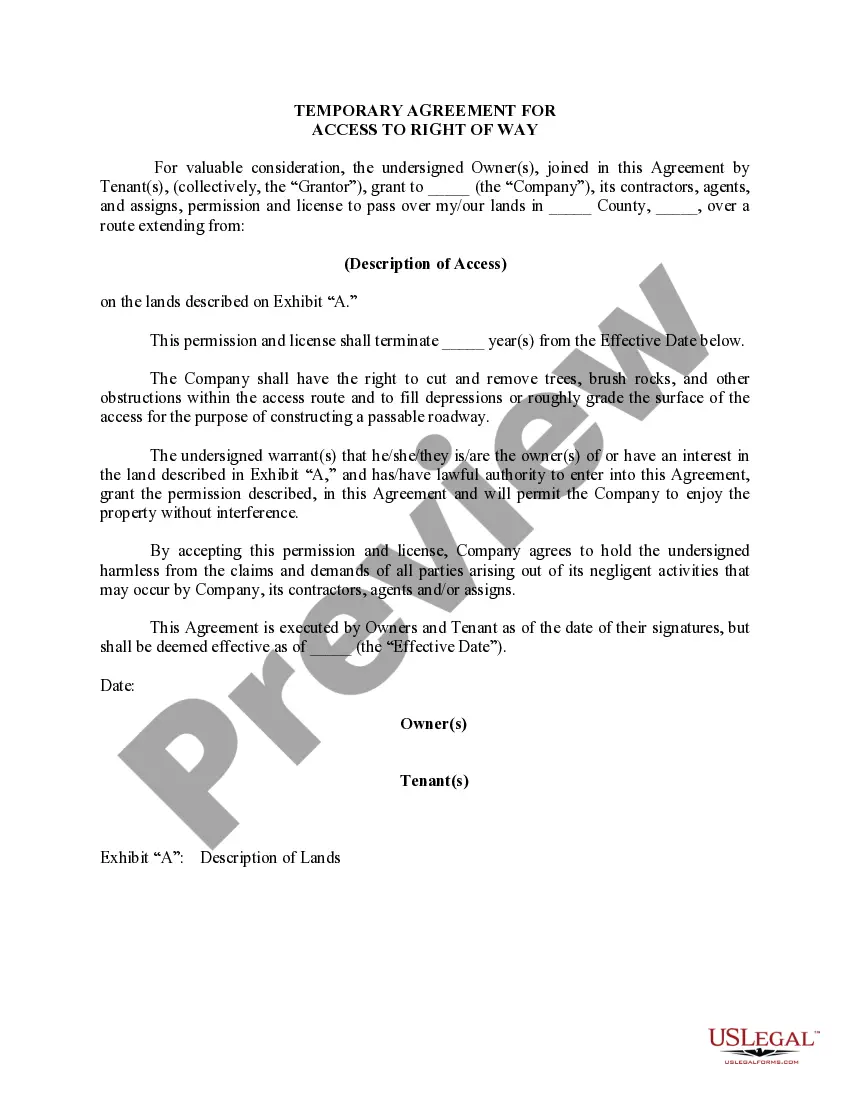

How to fill out Right Of Way Agreement?
If you wish to acquire, procure, or generate legal document templates, utilize US Legal Forms, the largest selection of legal forms available online.
Make use of the site’s straightforward and user-friendly search to find the documents you need. Numerous templates for business and personal purposes are organized by categories and states, or keywords.
Use US Legal Forms to locate the Massachusetts Right of Way Agreement in just a few clicks.
Every legal document template you purchase belongs to you permanently. You will have access to every form you downloaded in your account. Click on the My documents section and select a form to print or download again.
Be proactive and download, print the Massachusetts Right of Way Agreement with US Legal Forms. There are thousands of professional and state-specific forms you can utilize for your business or personal needs.
- If you are already a US Legal Forms member, sign in to your account and click on the Download button to obtain the Massachusetts Right of Way Agreement.
- You can also access forms you previously downloaded in the My documents section of your account.
- If you are using US Legal Forms for the first time, follow the instructions below.
- Step 1. Ensure you have chosen the form for the correct city/state.
- Step 2. Use the Preview option to review the form’s content. Be sure to read the description.
- Step 3. If you are not satisfied with the form, utilize the Search field at the top of the screen to find other forms of the legal format.
- Step 4. Once you have found the form you need, click the Get now button. Select the payment plan you prefer and enter your details to register for an account.
- Step 5. Complete the transaction. You can use your Visa or MasterCard or PayPal account to finalize the transaction.
- Step 6. Choose the format of the legal form and download it to your device.
- Step 7. Complete, edit, and print or sign the Massachusetts Right of Way Agreement.
Form popularity
FAQ
A right of way is a specific type of easement that grants someone the right to pass through another person's property. While both terms involve access rights, easements can also include other rights, such as utility access. Understanding this distinction is crucial when drafting or signing a Massachusetts Right of Way Agreement, as it sets the scope of rights involved. US Legal Forms can help you navigate these terms and ensure your agreement meets legal standards.
Yes, a right of way should ideally be registered to ensure it is legally recognized and enforceable. Registration helps protect the interests of all parties involved, making it easier to resolve disputes. In Massachusetts, registering your right of way agreement can provide clarity and security, which is beneficial for property owners. Using resources from US Legal Forms can simplify the registration process for your Massachusetts Right of Way Agreement.
Typically, the responsibility for maintaining a right of way falls on the party that holds the right of way agreement. In many cases, this is the property owner who benefits from access. However, the terms of the Massachusetts Right of Way Agreement can specify different maintenance responsibilities, so it's essential to review the agreement carefully. If you need assistance, platforms like US Legal Forms provide templates and guidance to help clarify these roles.
The 20 year rule refers to a legal principle in Massachusetts that allows a right of way to be established through continuous use for at least 20 years. This means that if someone has used a pathway for that duration, they may claim it as a right of way, even without a formal agreement. However, it's wise to formalize such rights through a Massachusetts Right of Way Agreement to avoid disputes and ensure clarity.
To obtain a right of way easement, start by identifying the property you wish to access and the owner of that property. You will need to negotiate terms and reach an agreement that outlines the specifics of use. Using a Massachusetts Right of Way Agreement can simplify this process, as it provides a structured format to document the agreement and protect both parties.
In Massachusetts, the law governing easements of right of way is primarily based on property law. These easements allow an individual or entity to use a portion of another person’s property for a specific purpose, such as access. Understanding these laws can be complex, but a Massachusetts Right of Way Agreement can help clarify rights and responsibilities, ensuring compliance with legal requirements.
To acquire an easement on a right of way in Massachusetts, you typically need to establish a clear purpose for the easement. This includes demonstrating that your use will not interfere with the rights of other property owners. Additionally, proper documentation, such as a Massachusetts Right of Way Agreement, is essential to formalize the easement and ensure it is legally recognized.
The three basic right of way rules include the understanding of priority, the need for proper signage, and the requirement for clear pathways. First, certain vehicles or pedestrians must yield to others depending on the situation, ensuring safe passage. Secondly, clear signage informs all parties of their rights and responsibilities. Finally, maintaining clear pathways is vital to prevent accidents and facilitate smooth traffic flow, all of which are detailed in the Massachusetts Right of Way Agreement. Utilizing platforms like uslegalforms can simplify the process of drafting and understanding these agreements.
The 3 hour rule in Massachusetts pertains to the time limit for certain legal actions related to right of way disputes. This rule states that if an individual or entity wishes to claim a right of way, they must do so within three hours of the event that triggers the claim. It is crucial to understand the implications of the Massachusetts Right of Way Agreement in this context, as timely actions can significantly affect the outcome of disputes. Always consult legal expertise to navigate these time-sensitive issues effectively.
The right of way law in Massachusetts governs the use of land for transportation and public access. It allows certain parties, such as utilities and government agencies, to access private property for necessary infrastructure. Understanding the Massachusetts Right of Way Agreement is essential for landowners and developers, as it outlines the terms under which land can be used. This agreement helps to balance the needs of the community with the rights of property owners.