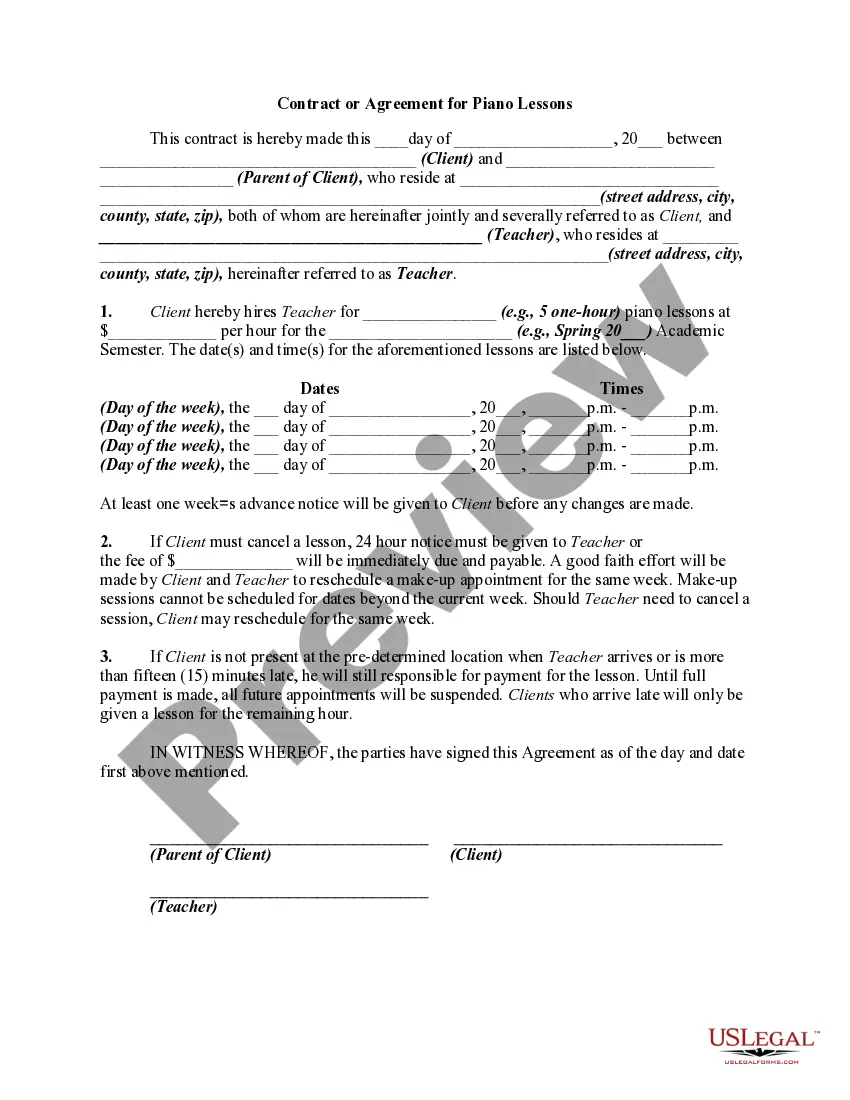
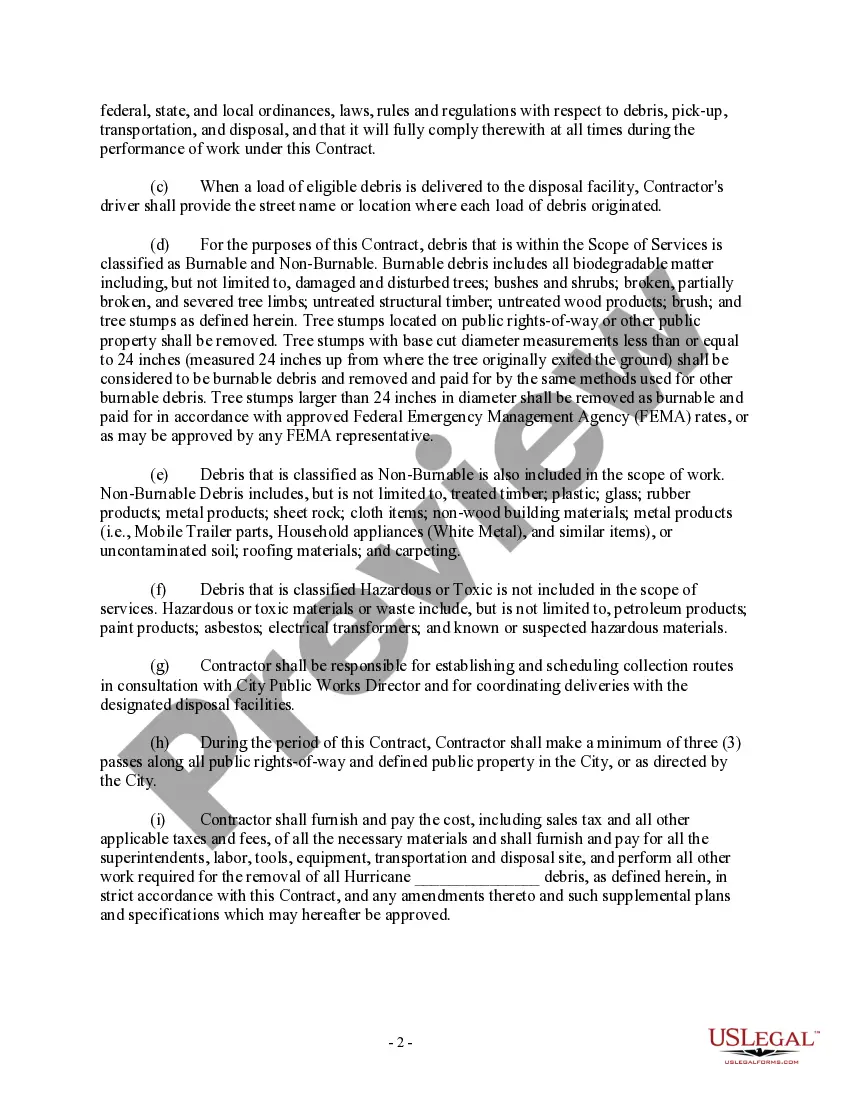
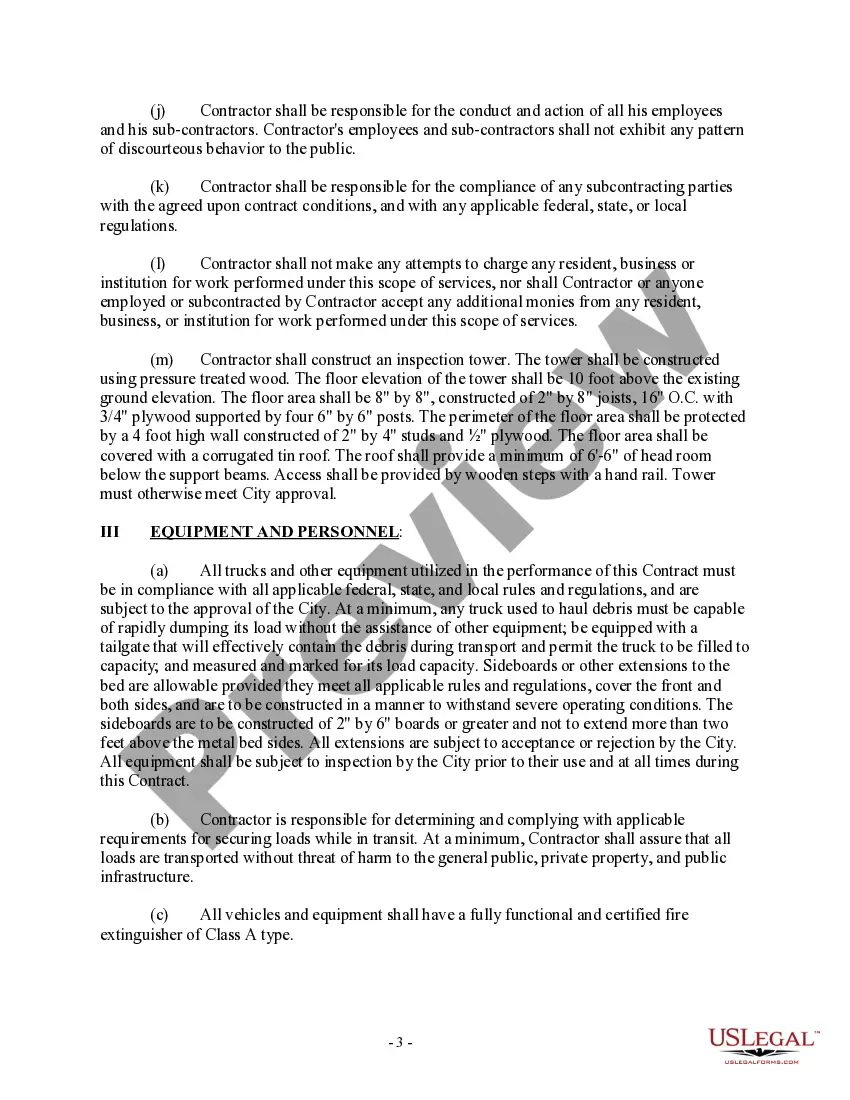
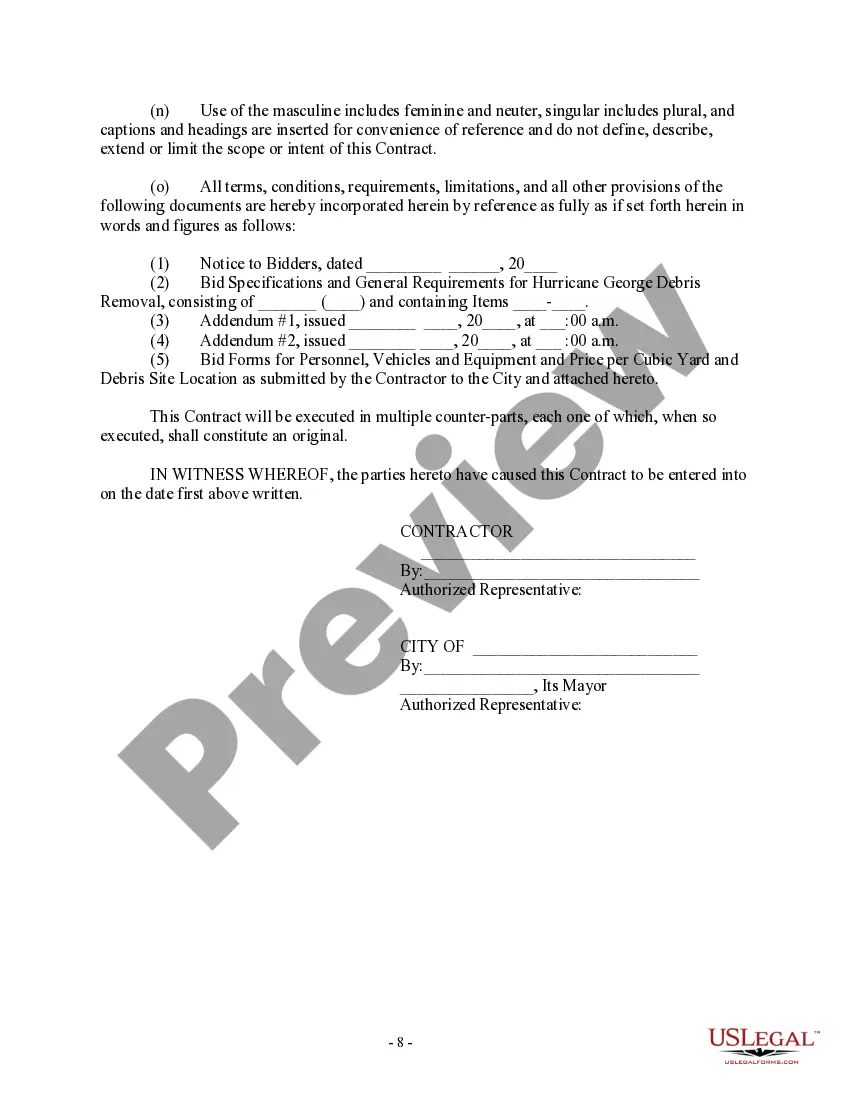
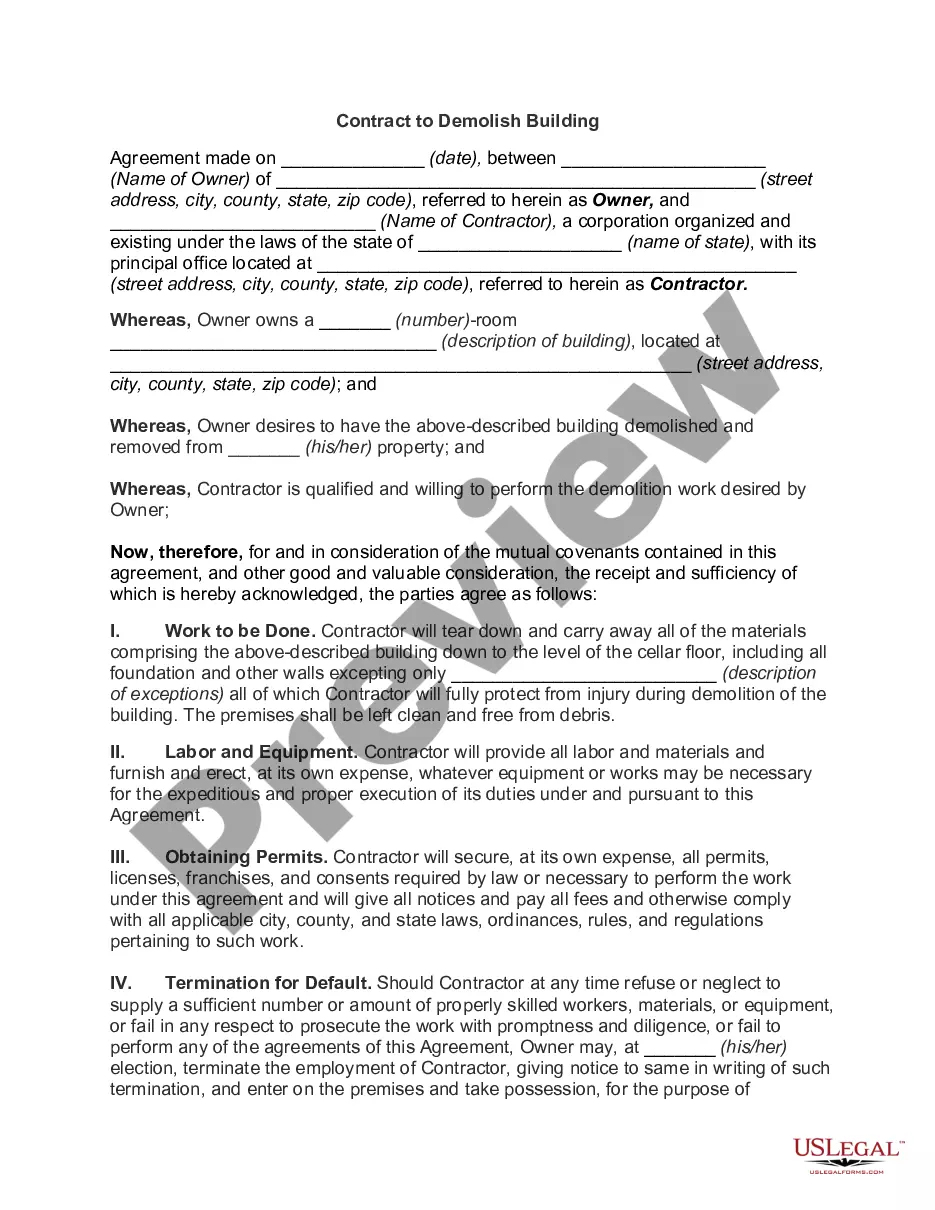
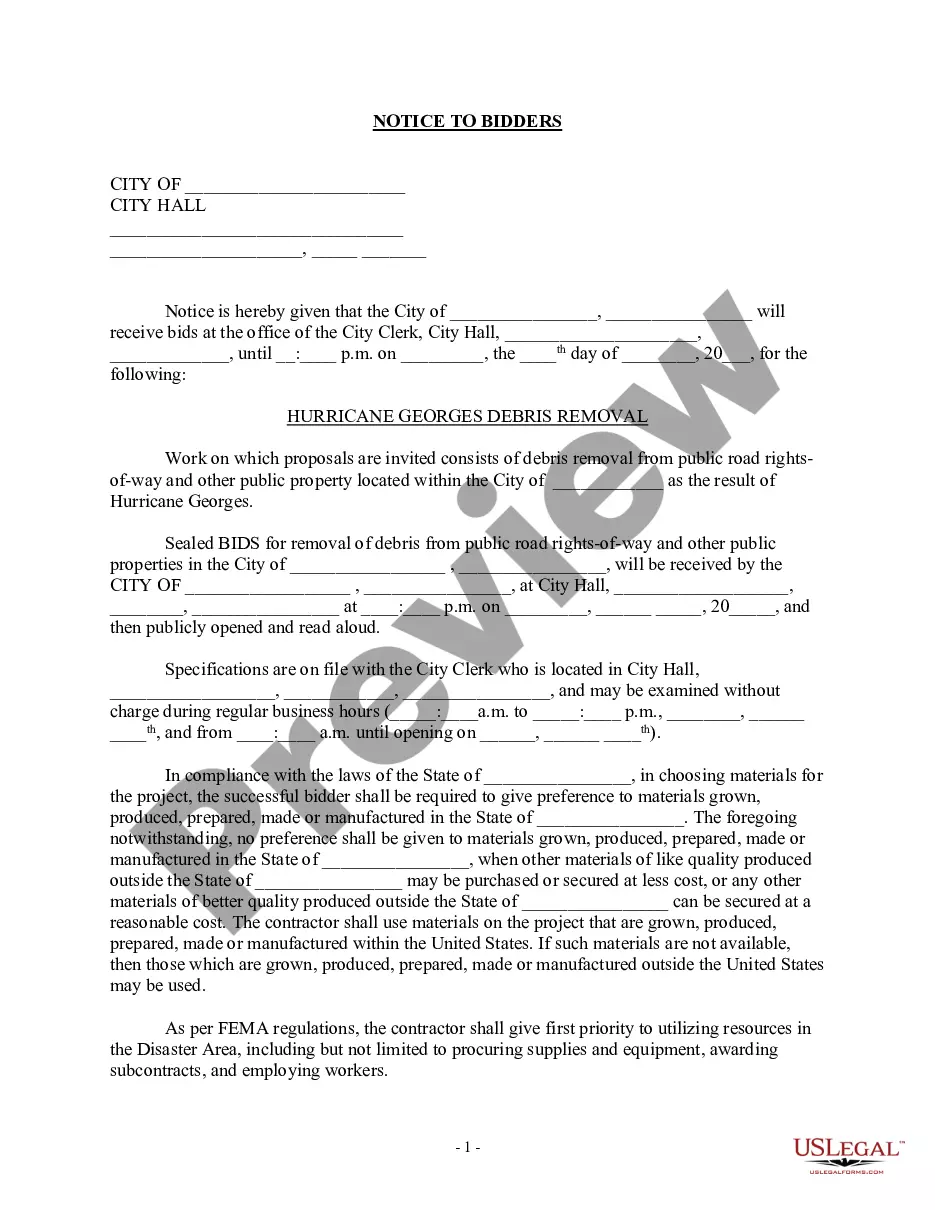
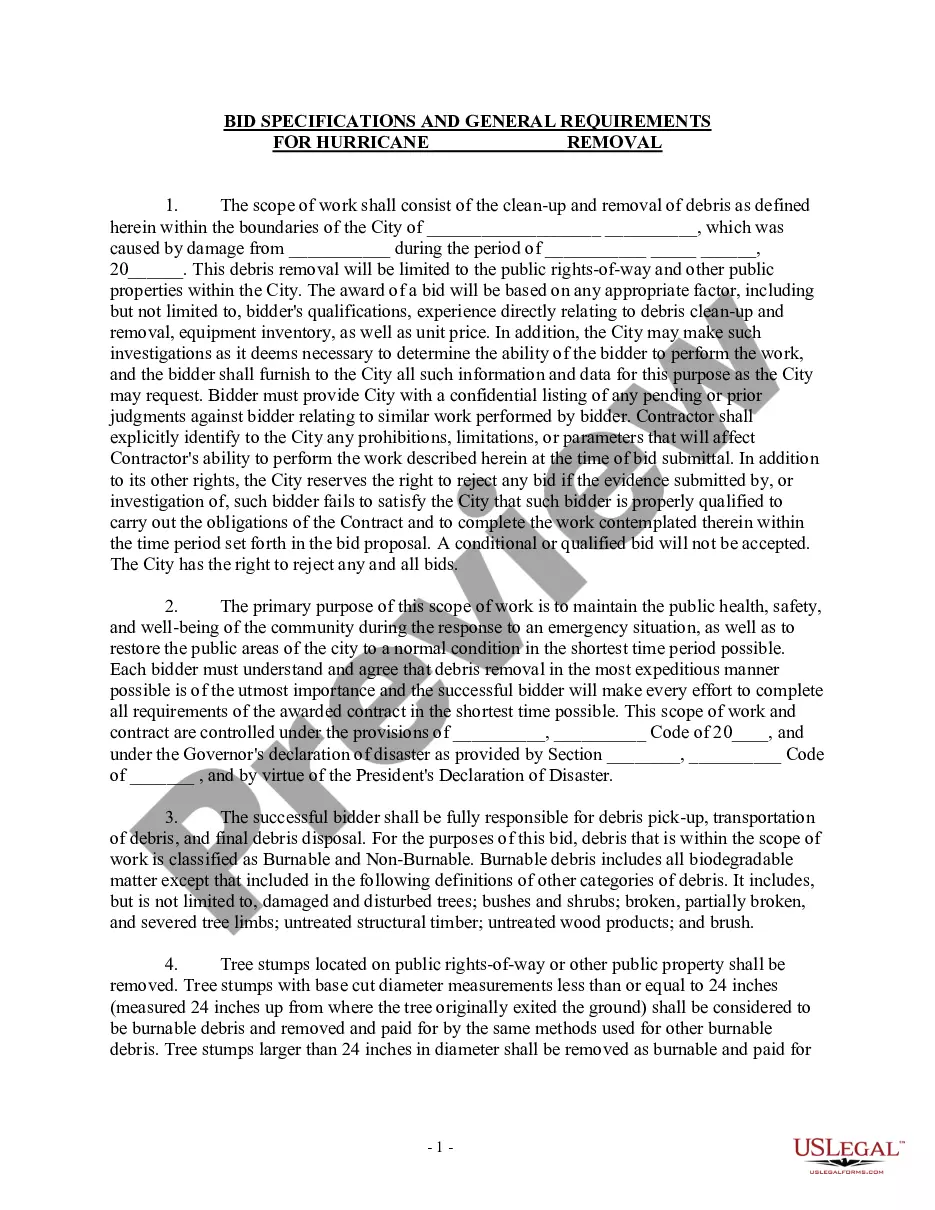
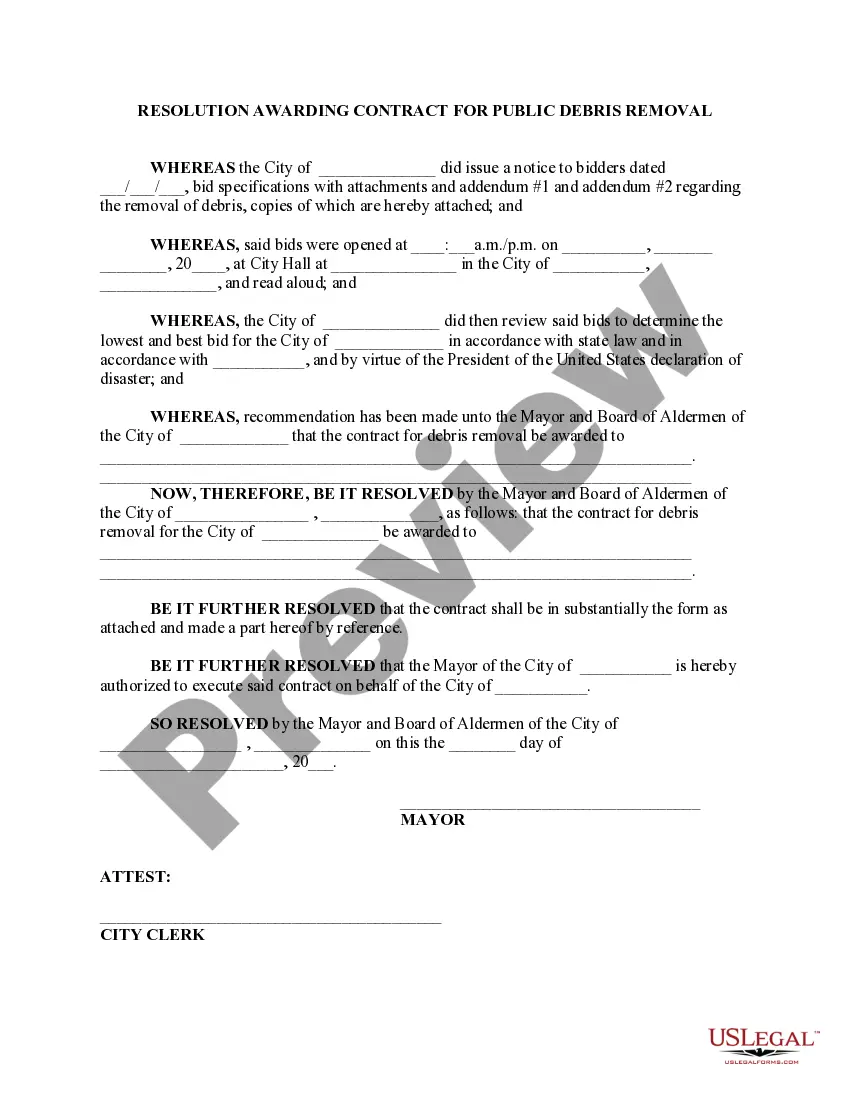
Massachusetts Contract for Hurricane Debris Removal
Description
Get your form ready online
Our built-in tools help you complete, sign, share, and store your documents in one place.
Make edits, fill in missing information, and update formatting in US Legal Forms—just like you would in MS Word.
Download a copy, print it, send it by email, or mail it via USPS—whatever works best for your next step.
Sign and collect signatures with our SignNow integration. Send to multiple recipients, set reminders, and more. Go Premium to unlock E-Sign.
If this form requires notarization, complete it online through a secure video call—no need to meet a notary in person or wait for an appointment.
We protect your documents and personal data by following strict security and privacy standards.

Make edits, fill in missing information, and update formatting in US Legal Forms—just like you would in MS Word.

Download a copy, print it, send it by email, or mail it via USPS—whatever works best for your next step.

Sign and collect signatures with our SignNow integration. Send to multiple recipients, set reminders, and more. Go Premium to unlock E-Sign.

If this form requires notarization, complete it online through a secure video call—no need to meet a notary in person or wait for an appointment.

We protect your documents and personal data by following strict security and privacy standards.
Looking for another form?



How to fill out Contract For Hurricane Debris Removal?
Selecting the appropriate valid document template can be quite a challenge.
Clearly, there are numerous templates available online, but how do you locate the correct version you need.
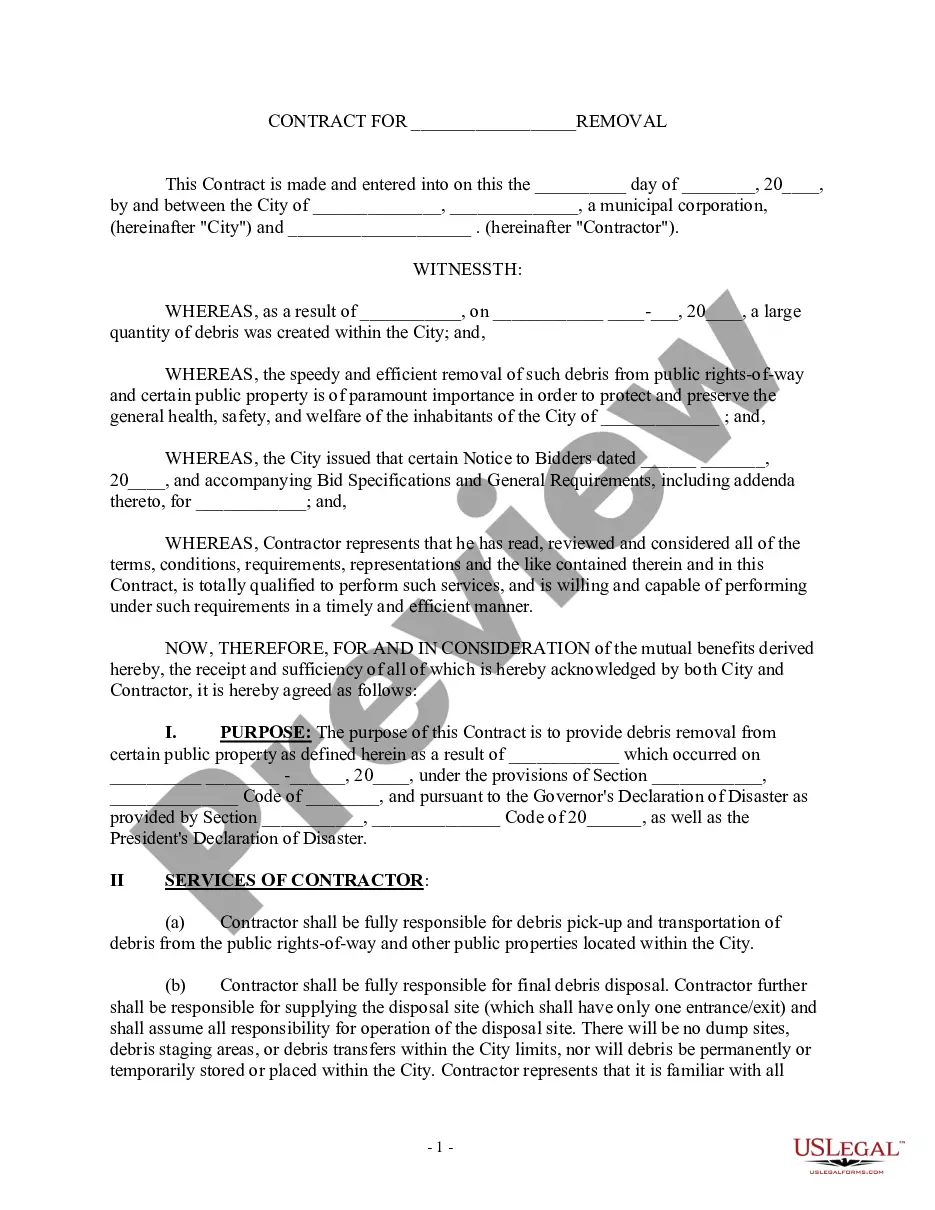
Utilize the US Legal Forms website. This service offers a vast array of templates, including the Massachusetts Contract for Hurricane Debris Removal, which you can use for both business and personal purposes.
You can review the document using the Review button and check the document outline to confirm it is the right one for you.
- All of the documents are reviewed by experts and satisfy federal and state regulations.
- If you are already registered, Log In to your account and click the Download button to obtain the Massachusetts Contract for Hurricane Debris Removal.
- Use your account to search through the legal documents you have previously ordered.
- Go to the My documents section of your account and retrieve another copy of the document you need.
- If you are a new user of US Legal Forms, here are simple instructions that you should follow.
- First, ensure that you have selected the correct document for your city/county.
Form popularity
FAQ
Debris monitors serve as the applicant's field representatives. They ensure that the terms and specific monitoring and documentation requirements of debris removal contracts are adhered to and met.
FEMA uses debris estimates obtained during Preliminary Damage Assessment (PDA) activities to provide part of the basis for its recommendation as to whether a disaster declaration should be approved.
Plan Publication and Maintenance Tasks associated with final publication of the plan include: Completing the appropriate procedure for formal adoption of the plan by the jurisdiction.
Disaster debris typically includes soils and sediments, vegetation (trees, limbs, shrubs), municipal solid waste (common household garbage, personal belongings), construction and demolition debris (in some instances, entire residential structures and all their contents), vehicles, food waste, white goods (
FEMA uses debris estimates obtained during Preliminary Damage Assessment (PDA) activities to provide part of the basis for its recommendation as to whether a disaster declaration should be approved.
The Basic Formula The formula multiplies the area's length in feet by its width in feet and its height in feet. This number is then multiplied by one-third and divided by 27 to convert the answer into cubic yards. To make it clearer, the equation is as follows: (Length (ft) x Width (ft) x Height (ft) x 1/3) / 27.
Debris Monitoring. When a disaster event occurs that produces large amounts of debris, effective coordination is required between the Public Assistance applicant, State, and FEMA to ensure that debris removal operations are efficient, effective, and eligible for FEMA Public Assistance grant funding.
A debris management plan is a written document that establishes procedures and guidelines for managing disaster debris in a coordinated, environmentally-responsible, and cost-effective manner.
How to Start a Waste Management Business: Step-By-Step GuideChoose a sector in the waste management industry.Monetary investment needed in the establishment of the business.Carry out market research.Create a business outline.Get the proper permits.Establish an online presence.Business cards.Stay flexible at all times.More items...