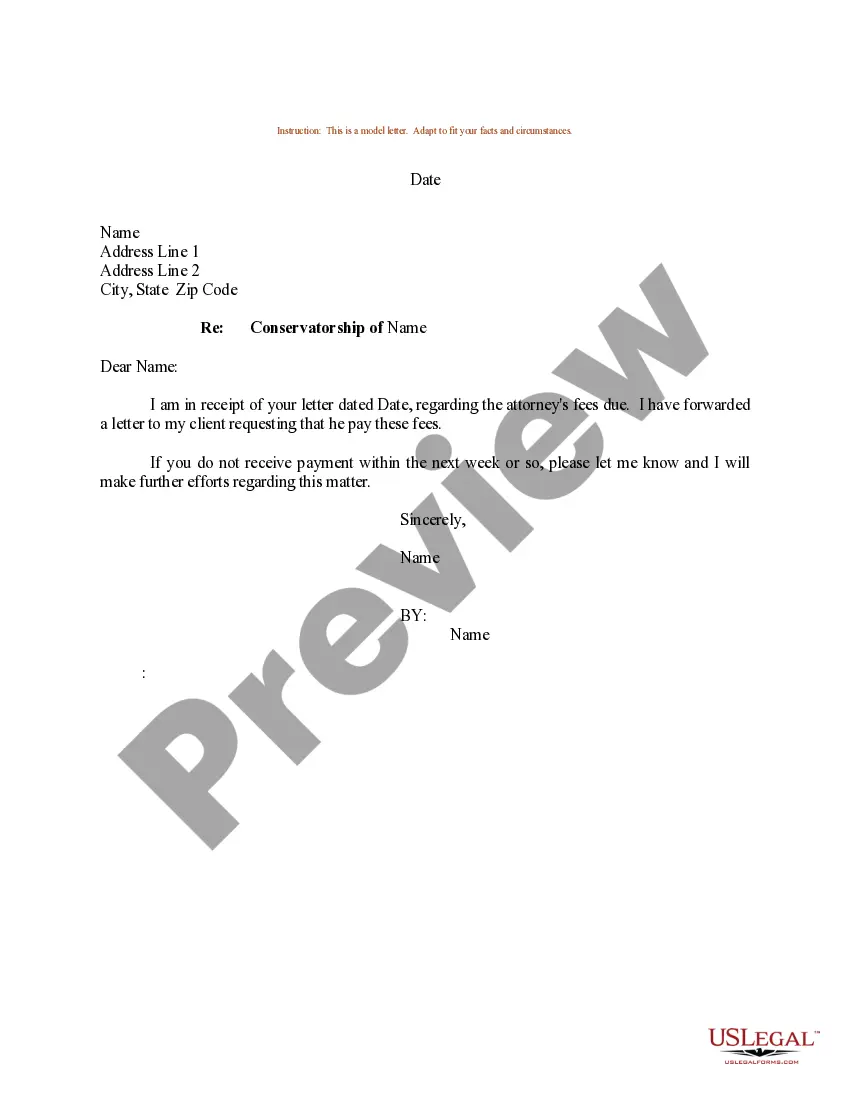
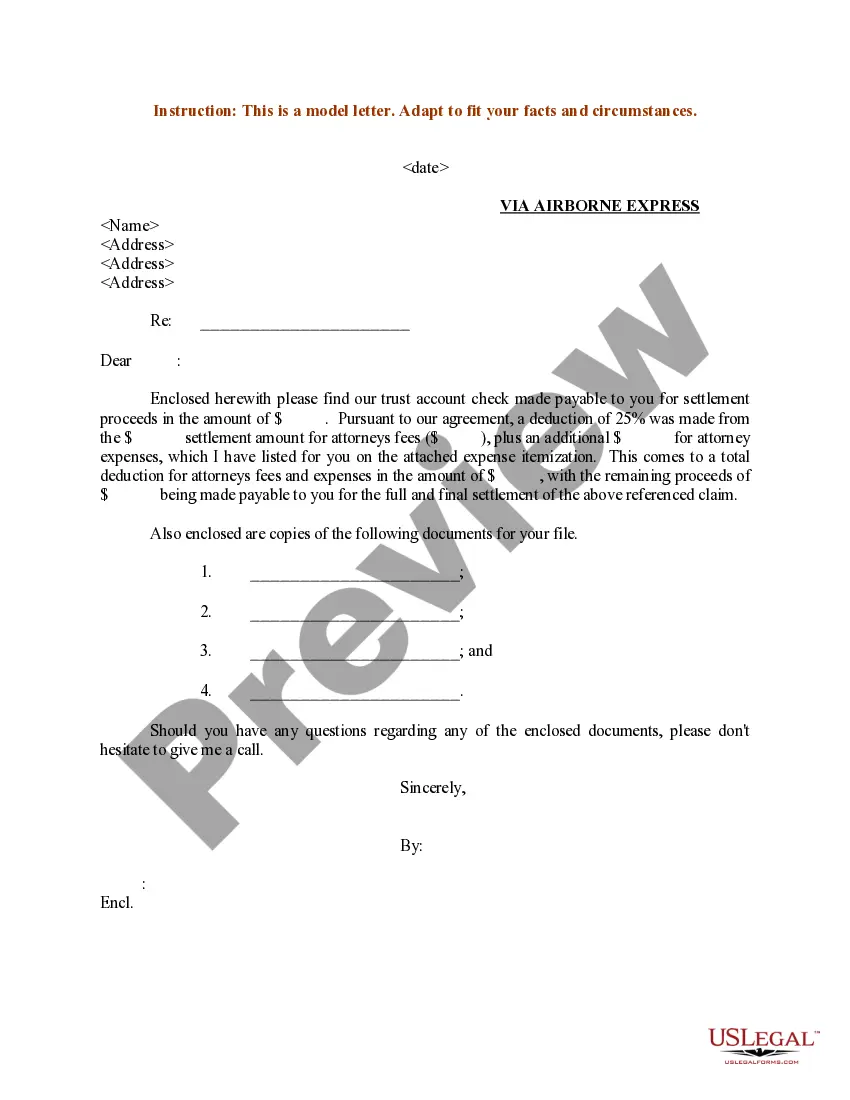
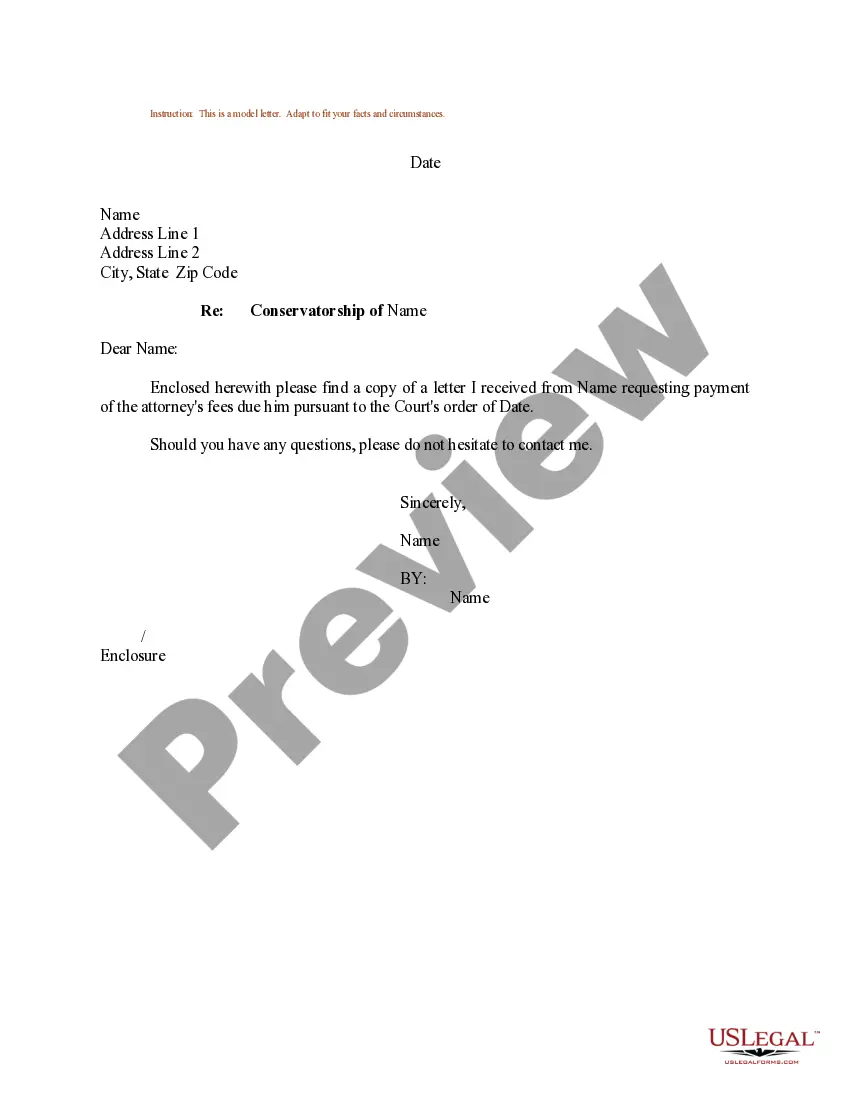
Massachusetts Sample Letter for Attorney's Fees
Description
Get your form ready online
Our built-in tools help you complete, sign, share, and store your documents in one place.
Make edits, fill in missing information, and update formatting in US Legal Forms—just like you would in MS Word.
Download a copy, print it, send it by email, or mail it via USPS—whatever works best for your next step.
Sign and collect signatures with our SignNow integration. Send to multiple recipients, set reminders, and more. Go Premium to unlock E-Sign.
If this form requires notarization, complete it online through a secure video call—no need to meet a notary in person or wait for an appointment.
We protect your documents and personal data by following strict security and privacy standards.

Make edits, fill in missing information, and update formatting in US Legal Forms—just like you would in MS Word.

Download a copy, print it, send it by email, or mail it via USPS—whatever works best for your next step.

Sign and collect signatures with our SignNow integration. Send to multiple recipients, set reminders, and more. Go Premium to unlock E-Sign.

If this form requires notarization, complete it online through a secure video call—no need to meet a notary in person or wait for an appointment.

We protect your documents and personal data by following strict security and privacy standards.
Looking for another form?

How to fill out Sample Letter For Attorney's Fees?
Discovering the right authorized file format could be a battle. Of course, there are a lot of templates available on the net, but how do you get the authorized develop you want? Utilize the US Legal Forms website. The services gives a large number of templates, for example the Massachusetts Sample Letter for Attorney's Fees, which can be used for company and personal needs. Each of the forms are checked out by pros and meet up with federal and state requirements.
If you are previously authorized, log in to your accounts and click the Download option to have the Massachusetts Sample Letter for Attorney's Fees. Make use of accounts to appear through the authorized forms you might have ordered previously. Go to the My Forms tab of your accounts and obtain yet another duplicate in the file you want.
If you are a whole new customer of US Legal Forms, here are straightforward guidelines that you can adhere to:
- Initially, ensure you have chosen the right develop to your area/region. It is possible to look through the shape using the Preview option and browse the shape outline to guarantee this is the best for you.
- In the event the develop will not meet up with your expectations, take advantage of the Seach field to find the correct develop.
- Once you are certain that the shape would work, click on the Acquire now option to have the develop.
- Choose the costs program you want and enter the required information and facts. Build your accounts and pay for your order using your PayPal accounts or bank card.
- Pick the data file formatting and down load the authorized file format to your system.
- Comprehensive, edit and produce and indication the obtained Massachusetts Sample Letter for Attorney's Fees.
US Legal Forms may be the greatest library of authorized forms where you will find numerous file templates. Utilize the service to down load appropriately-made files that adhere to condition requirements.
Form popularity
FAQ
Massachusetts General Laws Ch. 186, Section 14 is a good example of a fee-shifting statute. It provides for reasonable attorney's fees in certain landlord-tenant disputes where the landlord is in violation and subsequently loses the case.
The American Rule is a rule in the U.S. justice system that says two opposing sides in a legal matter must pay their own attorney fees, regardless of who wins the case. The rationale of the rule is that a plaintiff should not be deterred from bringing a case to court for fear of prohibitive costs.
Hourly rates in Massachusetts Lawyers in Massachusetts typically charge between $86 and $489 per hour, with the average being $285. For comparison, District of Columbia has the highest average hourly rate at $392 while West Virginia has the lowest average hourly rate at $162.
The tort of another doctrine is an exception to the ?American Rule? which allows for recovery of attorney's fees which are incurred as a result of another party's wrongful actions.
The General Rule in California: The Winner Does NOT Receive Attorney Fees and Costs: There is a common misconception that court decisions require the loser in a lawsuit to reimburse the winner for the fees and costs incurred during the lawsuit.
Lead with the main purpose of your letter and then explain the reasons for your question or request. Be specific when referencing relevant information including names, dates and places. The more information you include, the better your attorney will be able to assist you.
Massachusetts adheres to the ?American Rule? when it comes to litigants' attorney fees. This rule requires both parties in a lawsuit to pay their own legal costs, regardless of the trial's outcome. In other words, the winning party cannot recover his legal fees from the losing party.