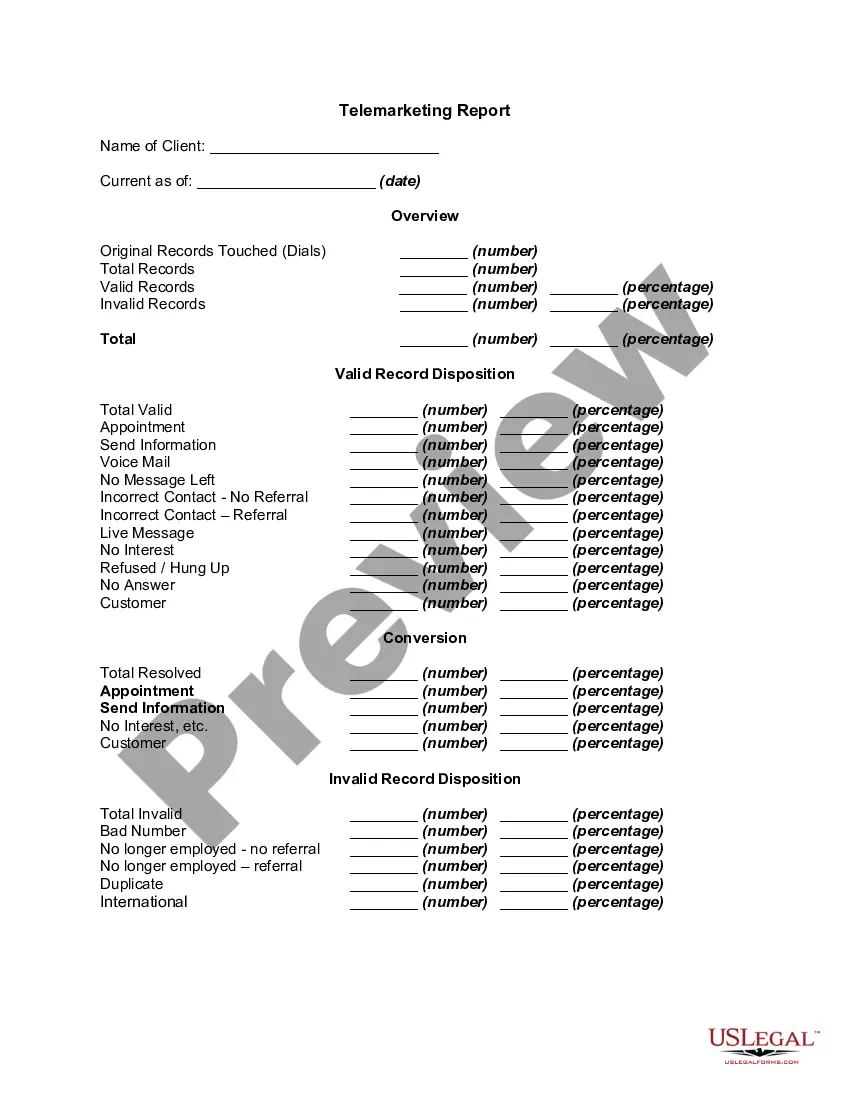
Massachusetts Telemarketing Report
Description
Get your form ready online
Our built-in tools help you complete, sign, share, and store your documents in one place.
Make edits, fill in missing information, and update formatting in US Legal Forms—just like you would in MS Word.
Download a copy, print it, send it by email, or mail it via USPS—whatever works best for your next step.
Sign and collect signatures with our SignNow integration. Send to multiple recipients, set reminders, and more. Go Premium to unlock E-Sign.
If this form requires notarization, complete it online through a secure video call—no need to meet a notary in person or wait for an appointment.
We protect your documents and personal data by following strict security and privacy standards.

Make edits, fill in missing information, and update formatting in US Legal Forms—just like you would in MS Word.

Download a copy, print it, send it by email, or mail it via USPS—whatever works best for your next step.

Sign and collect signatures with our SignNow integration. Send to multiple recipients, set reminders, and more. Go Premium to unlock E-Sign.

If this form requires notarization, complete it online through a secure video call—no need to meet a notary in person or wait for an appointment.

We protect your documents and personal data by following strict security and privacy standards.
Looking for another form?





How to fill out Telemarketing Report?
If you intend to finalize, obtain, or print legal document templates, utilize US Legal Forms, the largest collection of legal forms available online.
Employ the site's straightforward and user-friendly search feature to locate the documents you need.
A variety of templates for business and personal purposes are organized by categories and jurisdictions, or keywords.
Step 4. Once you have found the form you need, click on the Get now option. Select the pricing plan you prefer and provide your details to register for an account.
Step 5. Complete the purchase. You can use your credit card or PayPal account to finalize the transaction.
- Utilize US Legal Forms to access the Massachusetts Telemarketing Report with just a few clicks.
- If you are already a US Legal Forms user, sign in to your account and select the Download option to retrieve the Massachusetts Telemarketing Report.
- You can also view forms you have previously saved in the My documents tab of your account.
- If you're using US Legal Forms for the first time, follow the guidelines below.
- Step 1. Ensure you have selected the form for your appropriate city/state.
- Step 2. Use the Preview feature to review the form's content. Don't forget to check the summary.
- Step 3. If you are not satisfied with the form, use the Search field at the top of the screen to find different versions of the legal form template.
Form popularity
FAQ
To file a Massachusetts consumer complaint, you should visit the official website of the Massachusetts Office of Consumer Affairs and Business Regulation. Look for the section on consumer complaints and follow the provided instructions. It is important to include all relevant details about your issue, such as names, dates, and descriptions of events related to telemarketing. Additionally, consider referencing the Massachusetts Telemarketing Report for guidance on common issues and solutions in telemarketing practices.
The number of spam calls that could be considered harassment varies based on the context and the nature of the calls. If you begin to feel overwhelmed or pressured by repeated calls, especially after requesting no further contact, you may be experiencing harassment. Reference the Massachusetts Telemarketing Report for insights on determining and reporting harassment effectively.
Debt collectors are generally limited in how often they can contact you, typically no more than once per day. However, depending on your circumstances and state laws, the frequency may be subject to further restrictions. Familiarizing yourself with guidelines presented in the Massachusetts Telemarketing Report can assist you in understanding your rights against unwanted collector calls.
To report mass spam calls, you can file a complaint with the Federal Trade Commission (FTC) or your state’s attorney general. These organizations collect data on spam calls and can take action against violators. Additional resources, like the Massachusetts Telemarketing Report, outline the reporting process and help you understand how to safeguard against such calls.
Yes, you can pursue legal action against a telemarketer if their calls are excessive and infringe on your rights under the law. Documenting the number and timing of unwanted calls is crucial for any potential lawsuit. The Massachusetts Telemarketing Report offers guidance on how to effectively build your case and seek redress.
There is no specific number of calls that automatically labels telemarketing as harassment; it largely depends on the frequency and context of the calls. Legally, persistent calling after you have requested no further contact can result in harassment claims. Utilizing the Massachusetts Telemarketing Report can help you understand your rights in these situations.
Telemarketing becomes harassment when it violates set laws, such as calling you outside of allowed hours or using aggressive tactics. If a telemarketer continues to contact you after you have asked them to stop, it may also constitute harassment. For instances of harassment, the Massachusetts Telemarketing Report can provide valuable insights and necessary steps to take.
In Massachusetts, telemarketers are restricted to calling between 8 AM and 9 PM. This regulation aims to protect consumers from disruptive calls during late hours. To stay informed about these and other telemarketing practices, the Massachusetts Telemarketing Report is a valuable resource to help you understand your consumer rights.
The Telemarketing Solicitation Act in Massachusetts regulates how telemarketers operate, aiming to protect consumers from aggressive sales tactics. This law mandates that telemarketers register and comply with specific guidelines to do business in the state. To familiarize yourself with these regulations, consult the Massachusetts Telemarketing Report for detailed information.
Door-to-door soliciting is generally legal in Massachusetts, but there are rules surrounding it. Local ordinances may require solicitors to obtain permits or follow specific regulations. For clarity on how these laws apply, refer to the Massachusetts Telemarketing Report, which provides insights into both state and local rules.