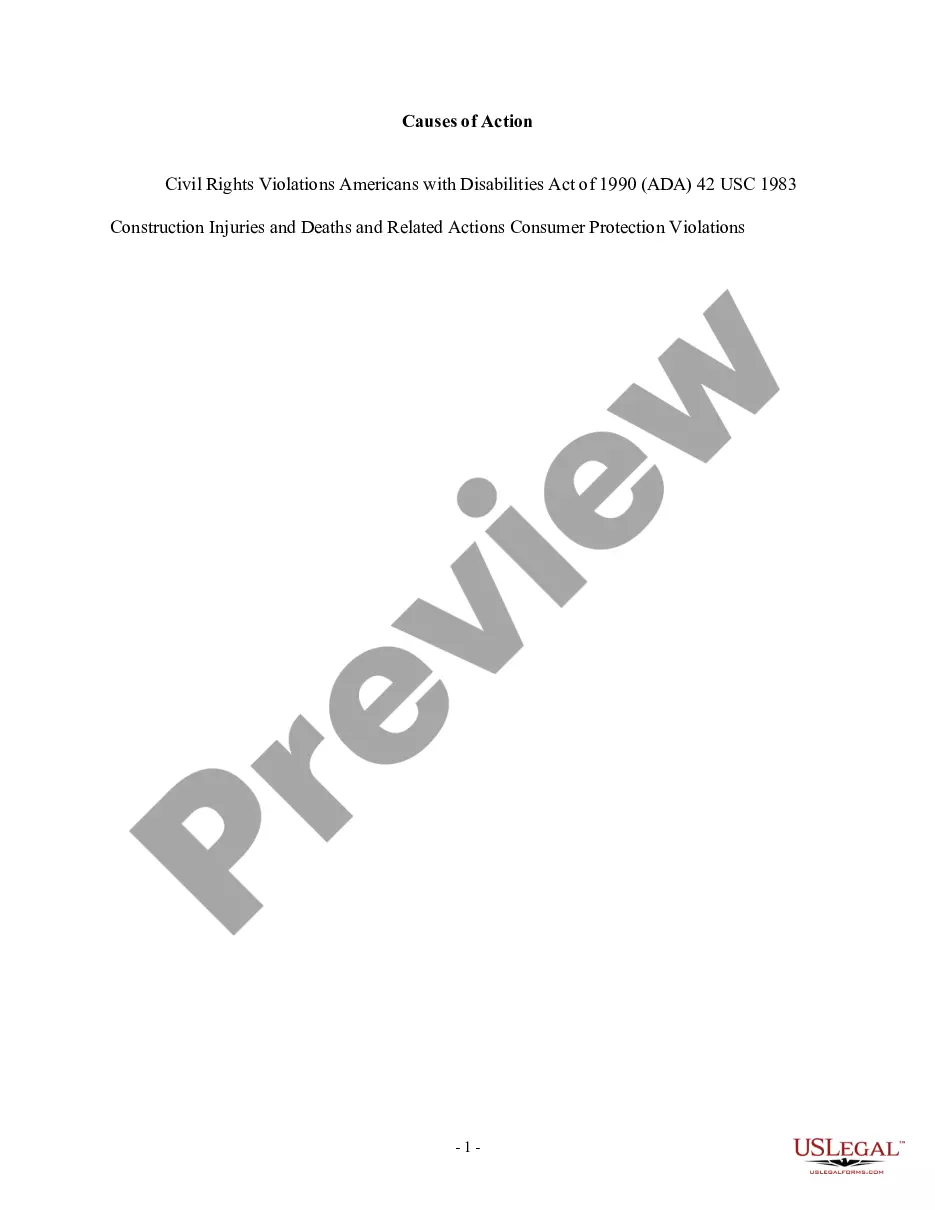
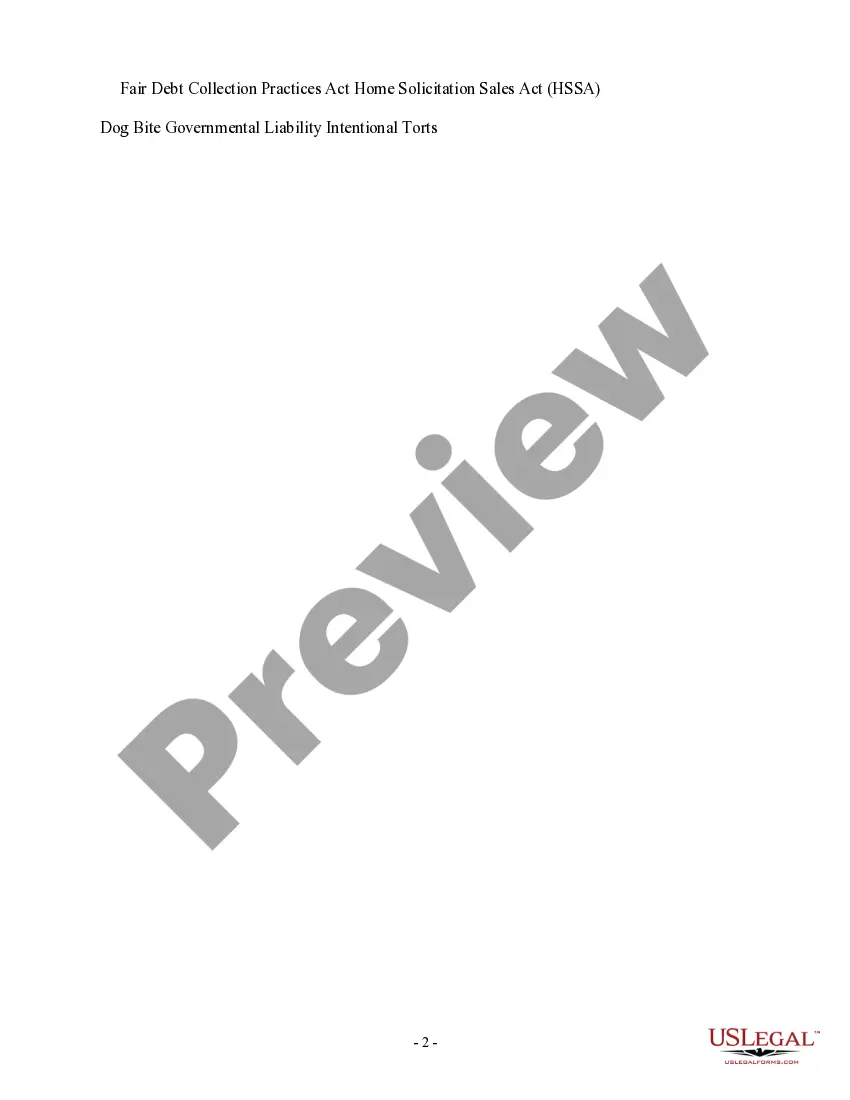
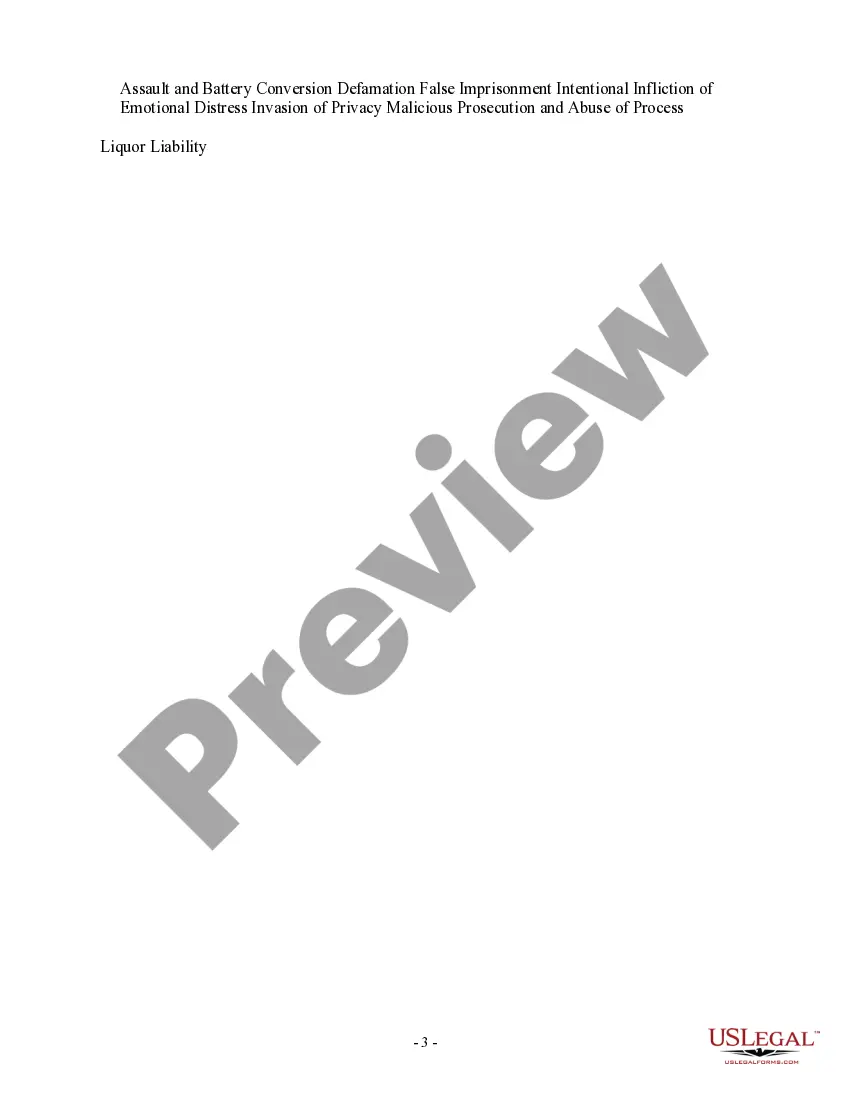
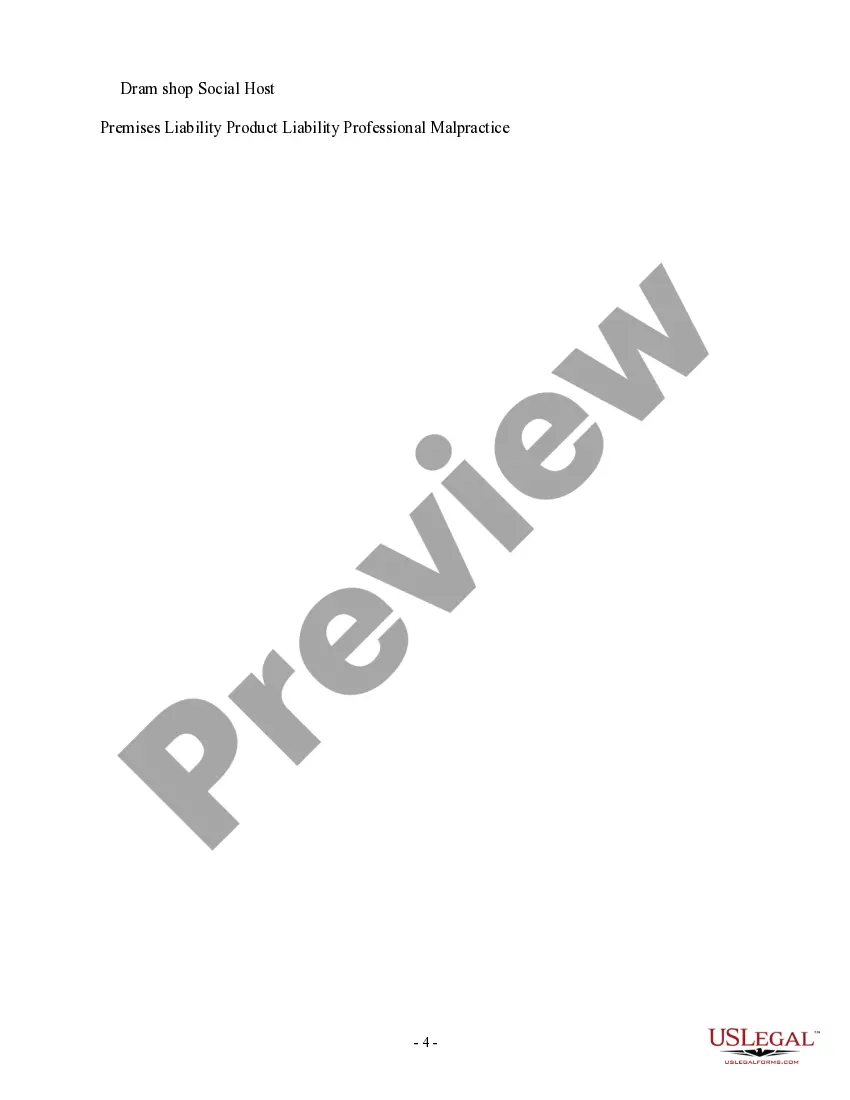
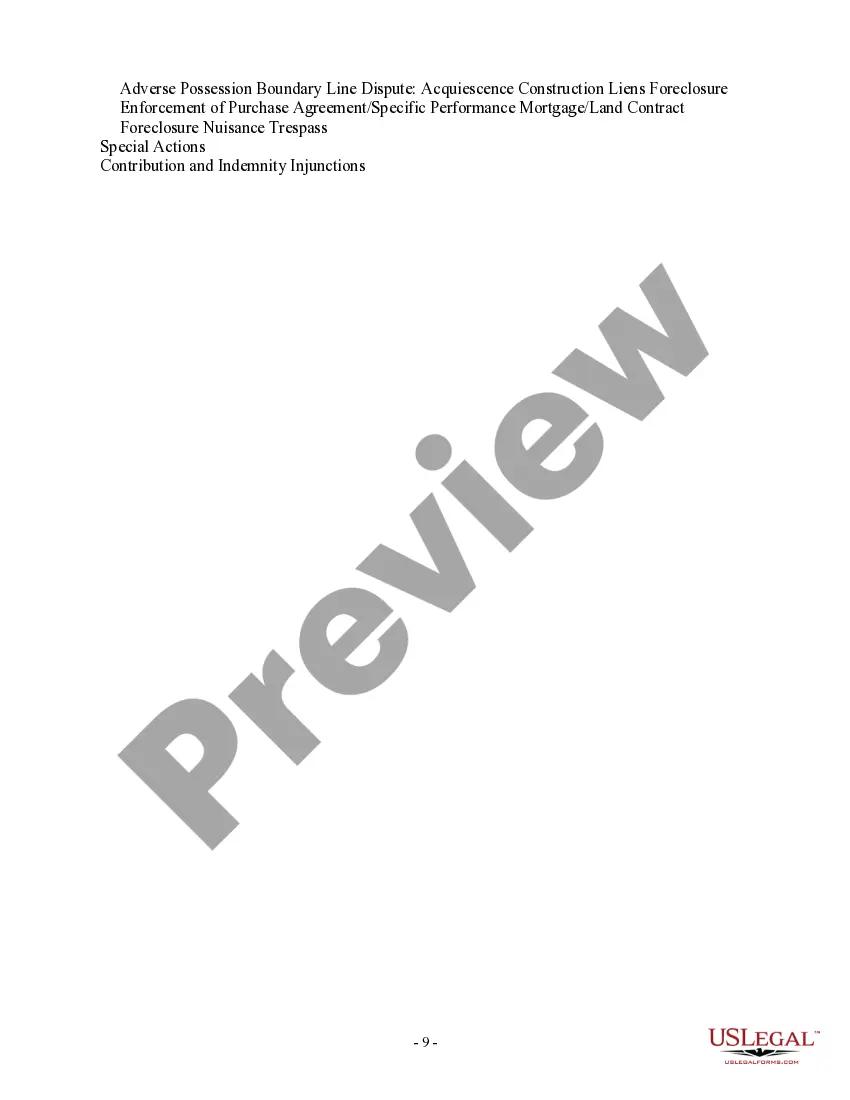
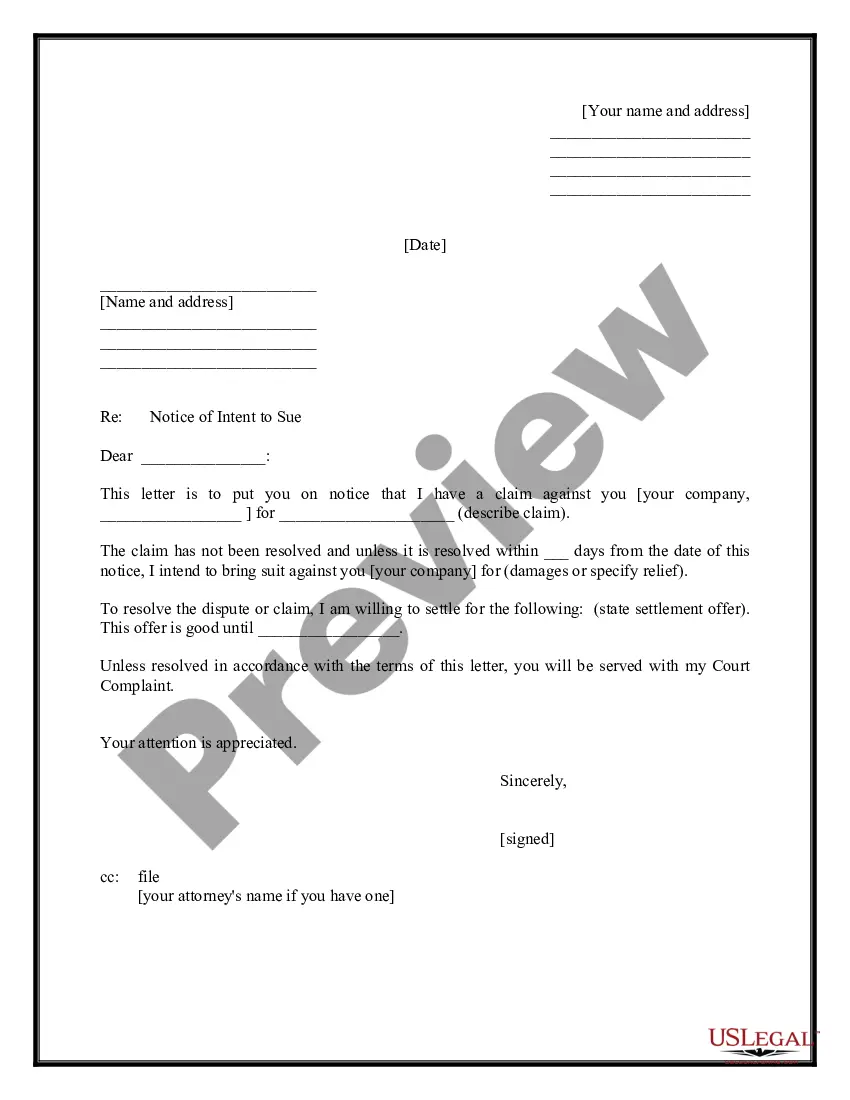
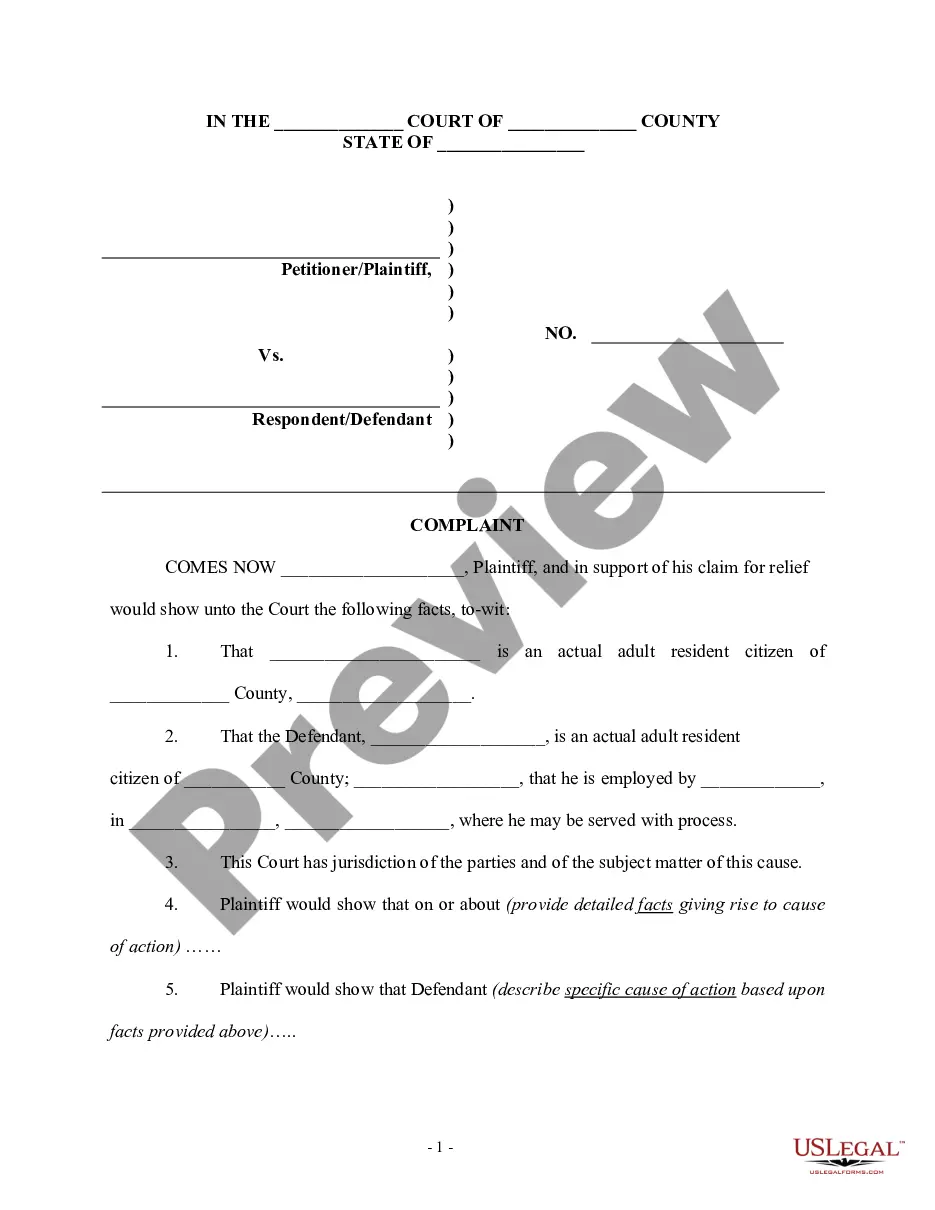
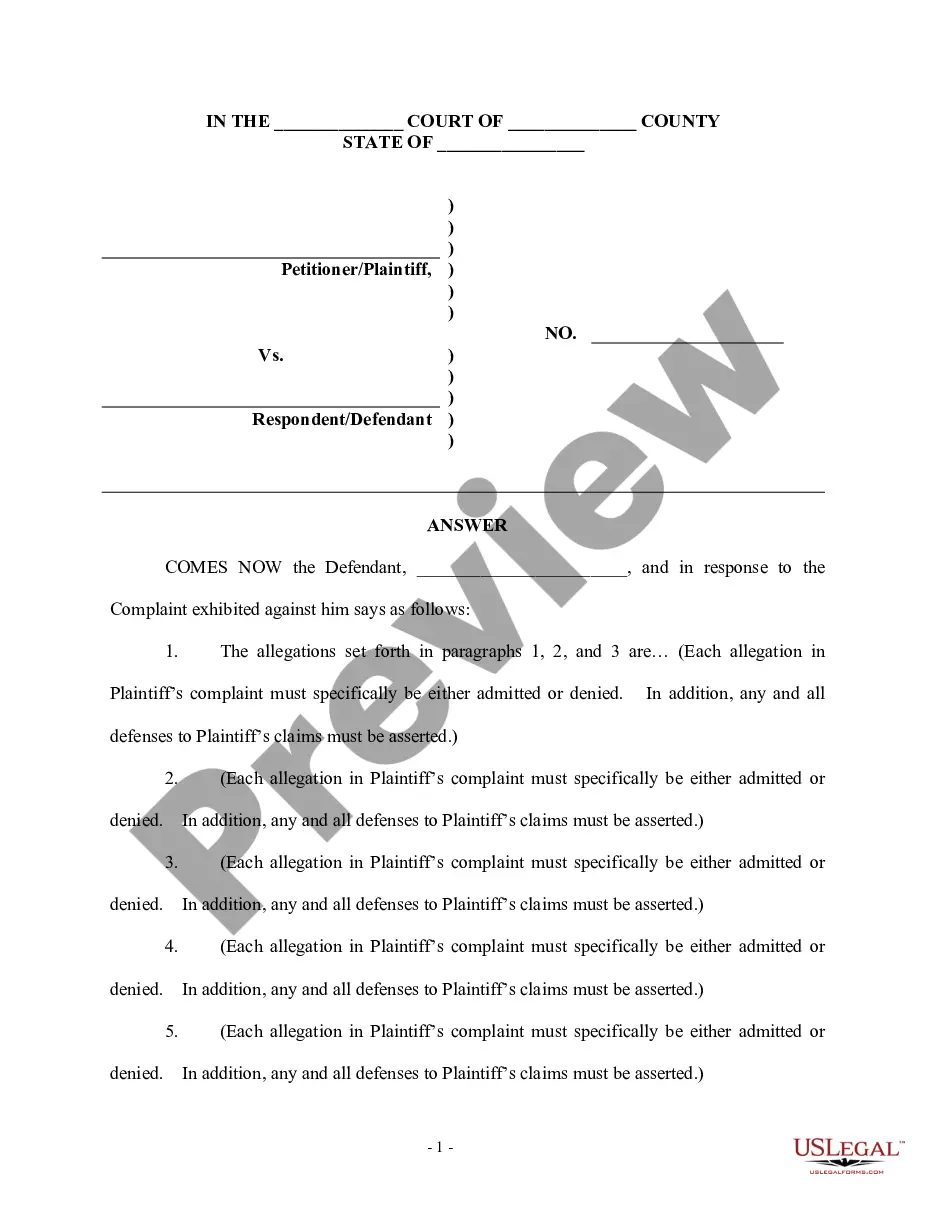
This form is a listing of various Causes of Action. This form lists a variety of lawsuits which may be filed against a tortfeasor.
Massachusetts List of Causes of Action
140 downloads
Description
Free preview
Get your form ready online
Our built-in tools help you complete, sign, share, and store your documents in one place.
Built-in online Word editor
Make edits, fill in missing information, and update formatting in US Legal Forms—just like you would in MS Word.
Export easily
Download a copy, print it, send it by email, or mail it via USPS—whatever works best for your next step.
E-sign your document
Sign and collect signatures with our SignNow integration. Send to multiple recipients, set reminders, and more. Go Premium to unlock E-Sign.
Notarize online 24/7
If this form requires notarization, complete it online through a secure video call—no need to meet a notary in person or wait for an appointment.
Store your document securely
We protect your documents and personal data by following strict security and privacy standards.

Make edits, fill in missing information, and update formatting in US Legal Forms—just like you would in MS Word.

Download a copy, print it, send it by email, or mail it via USPS—whatever works best for your next step.

Sign and collect signatures with our SignNow integration. Send to multiple recipients, set reminders, and more. Go Premium to unlock E-Sign.

If this form requires notarization, complete it online through a secure video call—no need to meet a notary in person or wait for an appointment.

We protect your documents and personal data by following strict security and privacy standards.
Looking for another form?
How to fill out List Of Causes Of Action?
US Legal Forms - one of the largest collections of legal documents in the United States - offers a range of legal document templates you can download or print. Through the website, you can find thousands of forms for business and personal purposes, organized by categories, states, or keywords. You can access the most recent forms like the Massachusetts List of Causes of Action in moments.
If you already have an account, Log In and download the Massachusetts List of Causes of Action from the US Legal Forms library. The Download button will appear on each form you view. You can find all previously downloaded forms in the My documents section of your profile.
If you are using US Legal Forms for the first time, here are simple instructions to get you started: Ensure you have selected the correct form for your city/region. Click on the Review button to examine the content of the form. Read the form description to make sure you have chosen the correct form. If the form does not meet your needs, utilize the Search box at the top of the screen to find one that does. If you are satisfied with the form, confirm your selection by clicking the Get now button. Then, choose the payment plan you prefer and provide your details to register for an account. Process the transaction. Use a credit card or PayPal account to complete the transaction. Select the format and download the form to your device. Make modifications. Fill out, edit, print, and sign the downloaded Massachusetts List of Causes of Action. Each template you added to your account has no expiration date and is yours indefinitely. Therefore, to download or print another copy, simply go to the My documents section and click on the form you need.
- Access the Massachusetts List of Causes of Action with US Legal Forms, the most extensive library of legal document templates.
- Utilize thousands of professional and state-specific templates that meet your business or personal needs and requirements.
Form popularity
FAQ
The plaintiff in a breach of contract case must prove that the defendant failed to perform in ance with the contract, and must do so with "substantial certainty" in identifying the term that was breached. The plaintiff must also prove that the breach created actionable damages.
Cause of action. (15c) A group of operative facts giving rise to one or more bases for suing; a factual situation that entitles one person to obtain a remedy in court from another person; claim [after the crash, Aronson had a cause of action].
The abuse of process doctrine provides courts with the authority to order that a proceeding be stayed on the basis that they are unfair or otherwise sufficiently undermine the integrity of the judicial system.
Abuse of process refers to the improper use of a civil or criminal legal procedure for an unintended, malicious, or perverse reason. It is the malicious and deliberate misuse of regularly issued civil or criminal court process that is not justified by the underlying legal action.
Examples of special (or economic) damages include: Medical bills and expenses. Lost wages and other missed income. Compensation for the loss of irreplaceable property.
The elements of a valid cause of action for abuse of process in most common law jurisdictions are as follows: (1) the existence of an ulterior purpose or motive underlying the use of process, and (2) some act in the use of the legal process not proper in the regular prosecution of the proceedings.
He observed that the elements of the tort of abuse of process have been described as: (i) a collateral and improper purpose; (ii) an overt act; and (iii) resulting loss.
The essential elements of the tort of abuse of process are that: "(1) `process' was used; (2) for an ulterior or illegitimate purpose; (3) resulting in damage." Jones v.