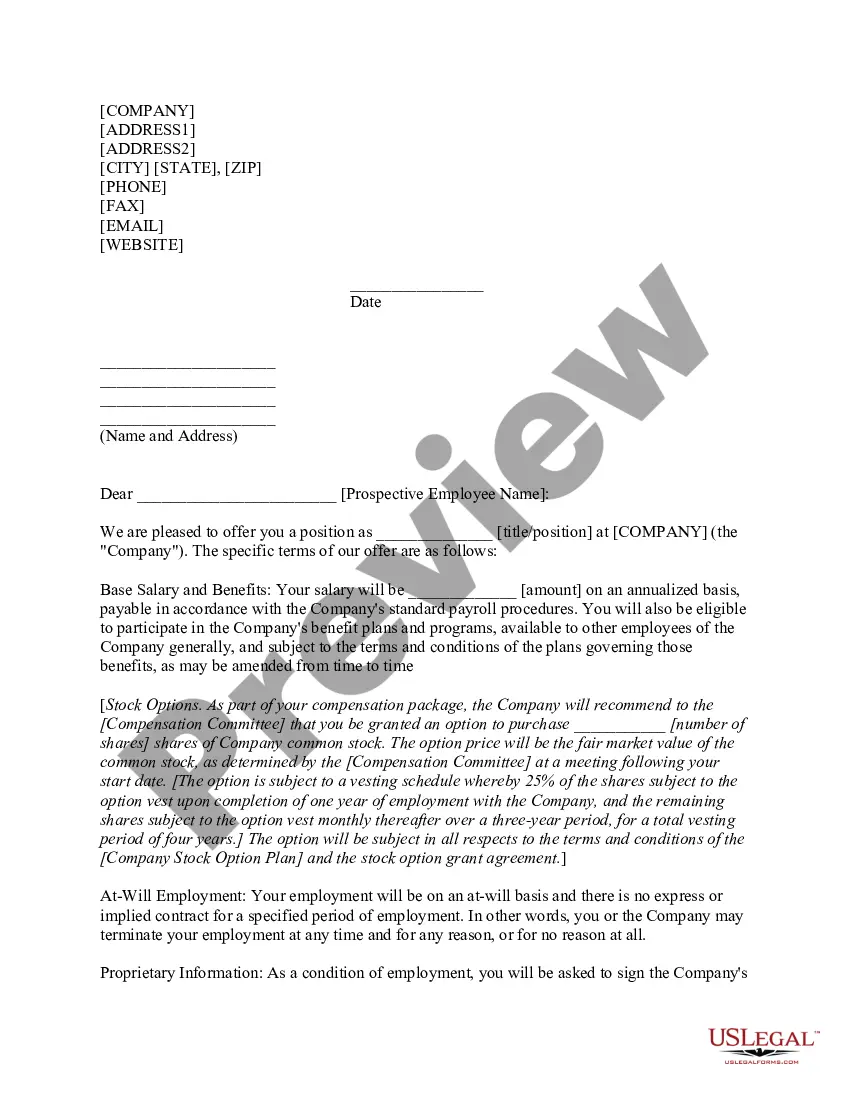
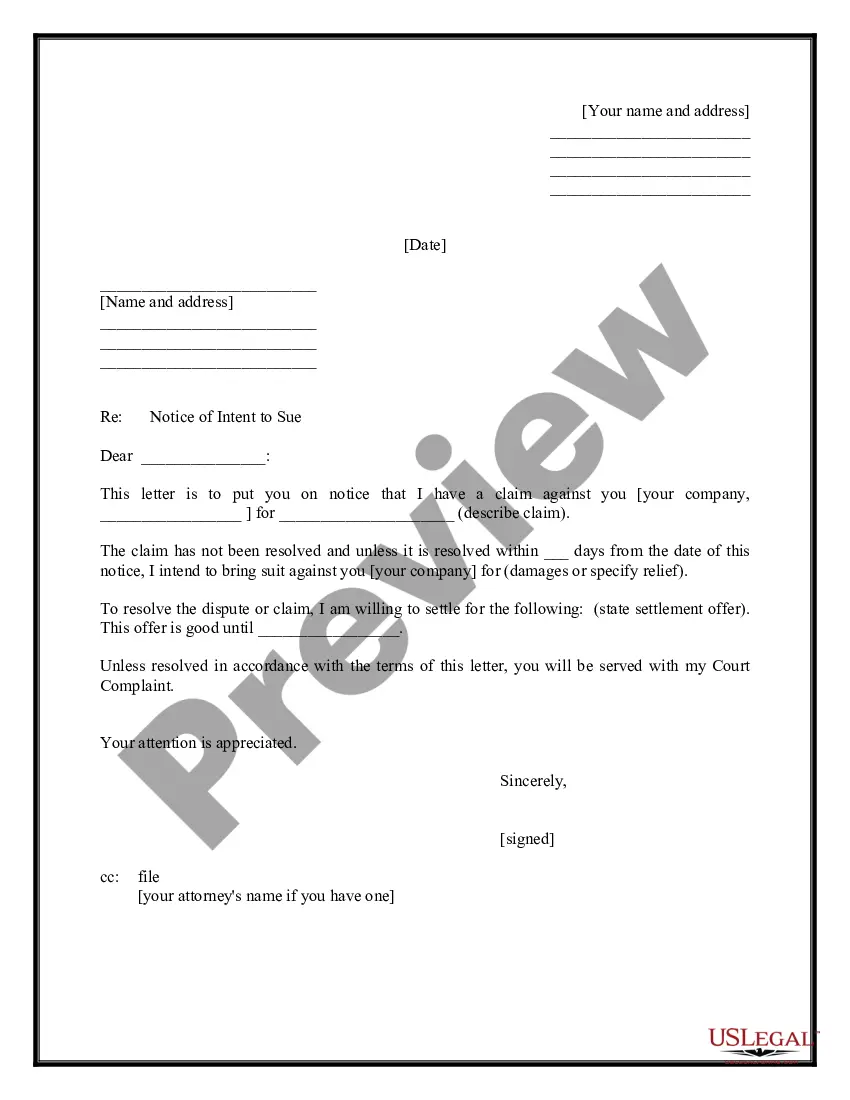
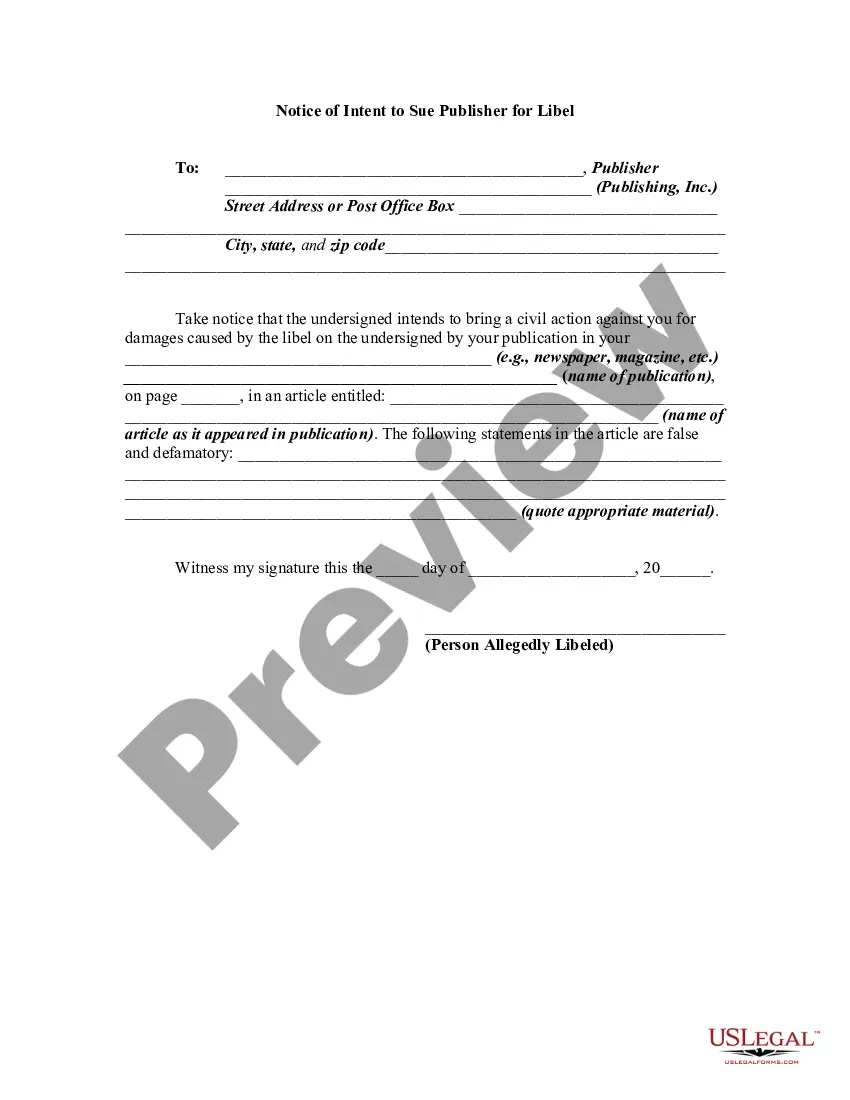
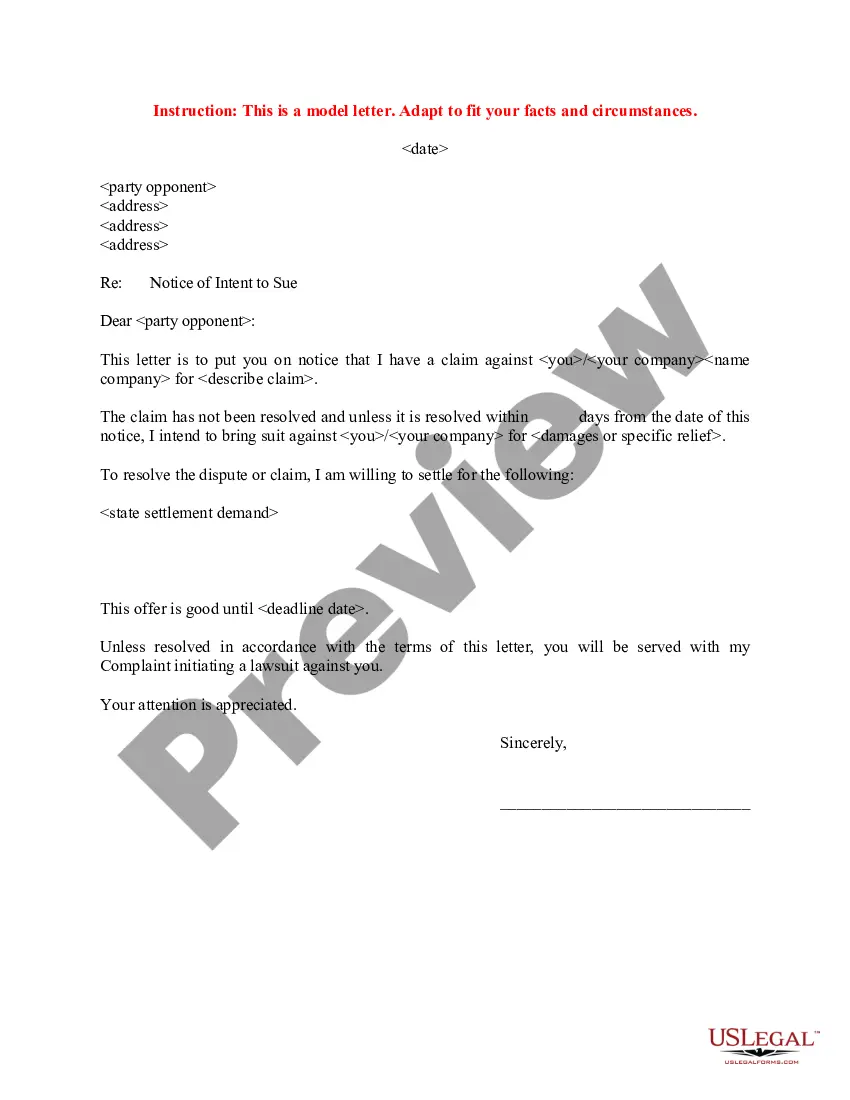
Massachusetts Letter of Intent to Sue
Description
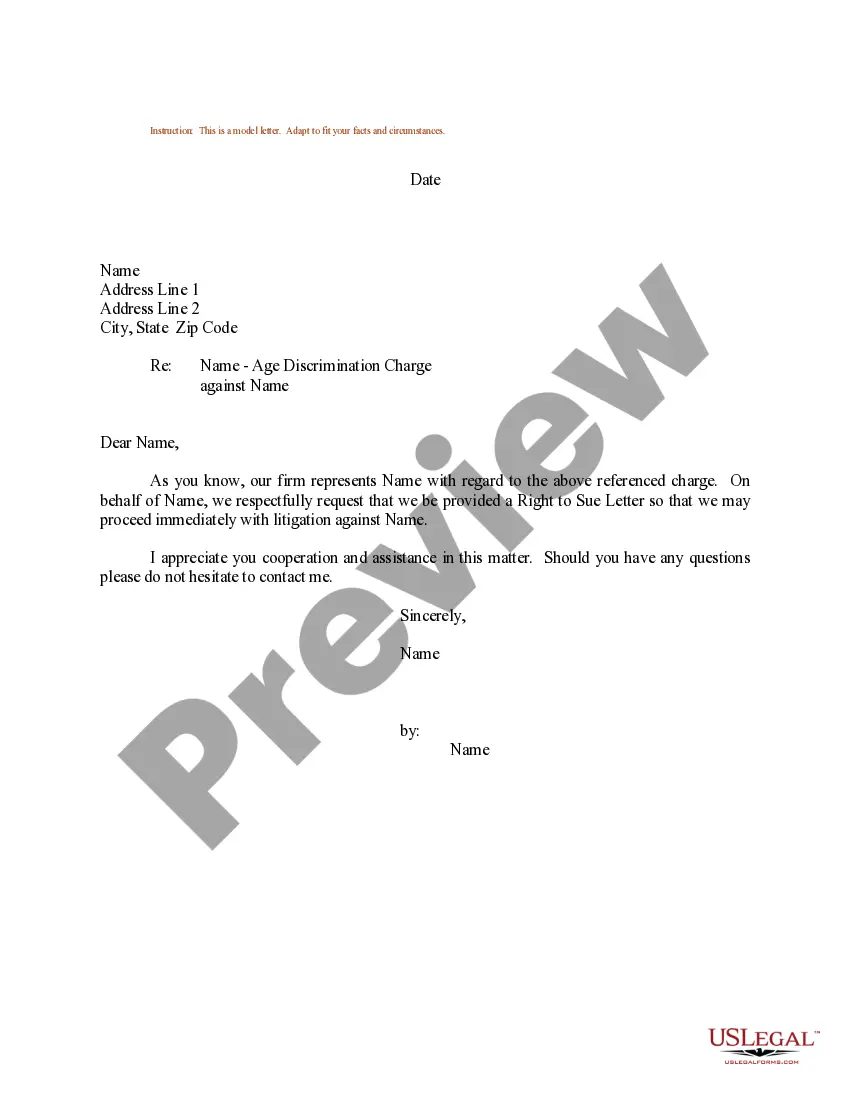
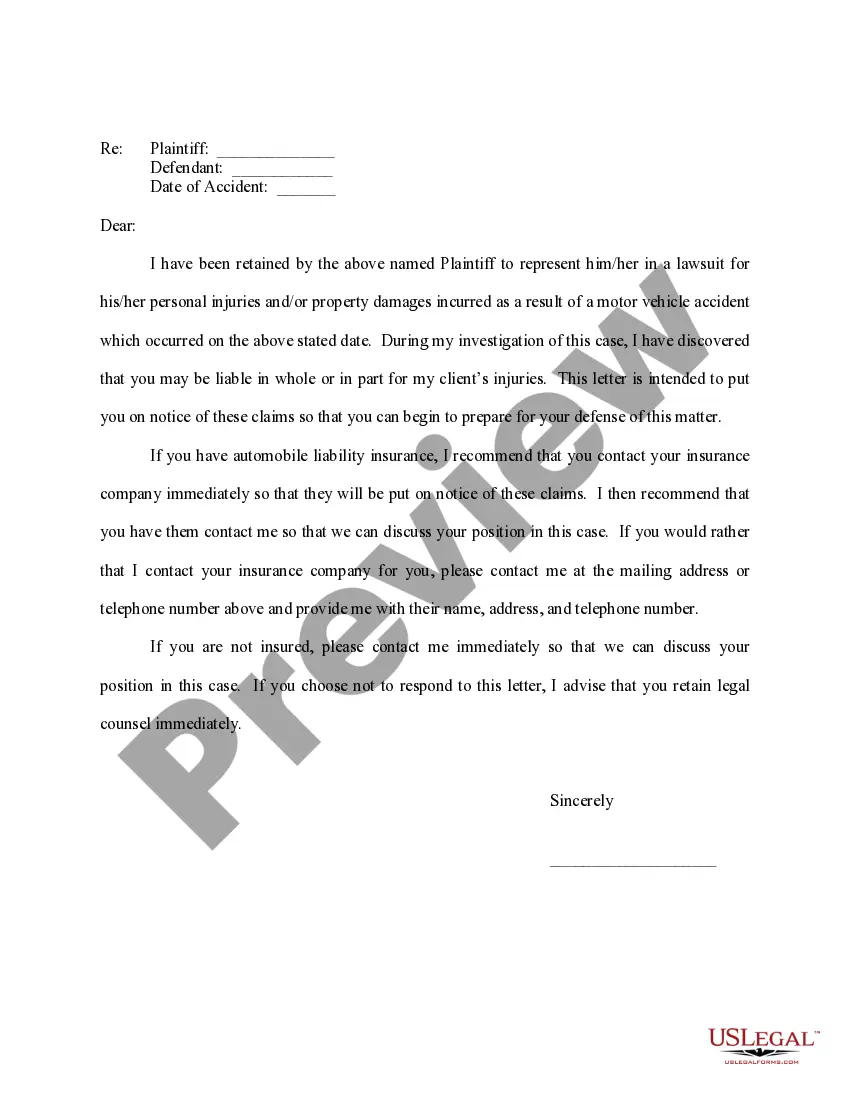
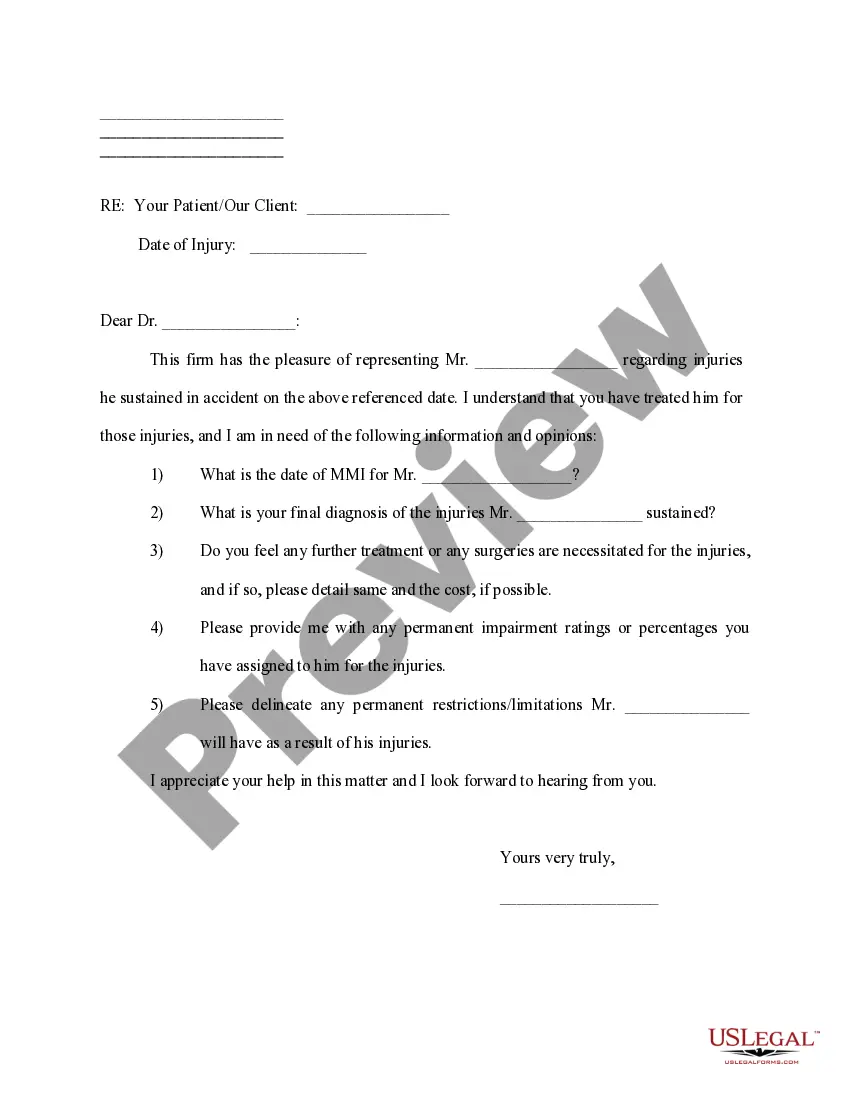
Get your form ready online
Our built-in tools help you complete, sign, share, and store your documents in one place.
Make edits, fill in missing information, and update formatting in US Legal Forms—just like you would in MS Word.
Download a copy, print it, send it by email, or mail it via USPS—whatever works best for your next step.
Sign and collect signatures with our SignNow integration. Send to multiple recipients, set reminders, and more. Go Premium to unlock E-Sign.
If this form requires notarization, complete it online through a secure video call—no need to meet a notary in person or wait for an appointment.
We protect your documents and personal data by following strict security and privacy standards.

Make edits, fill in missing information, and update formatting in US Legal Forms—just like you would in MS Word.

Download a copy, print it, send it by email, or mail it via USPS—whatever works best for your next step.

Sign and collect signatures with our SignNow integration. Send to multiple recipients, set reminders, and more. Go Premium to unlock E-Sign.

If this form requires notarization, complete it online through a secure video call—no need to meet a notary in person or wait for an appointment.

We protect your documents and personal data by following strict security and privacy standards.
Looking for another form?
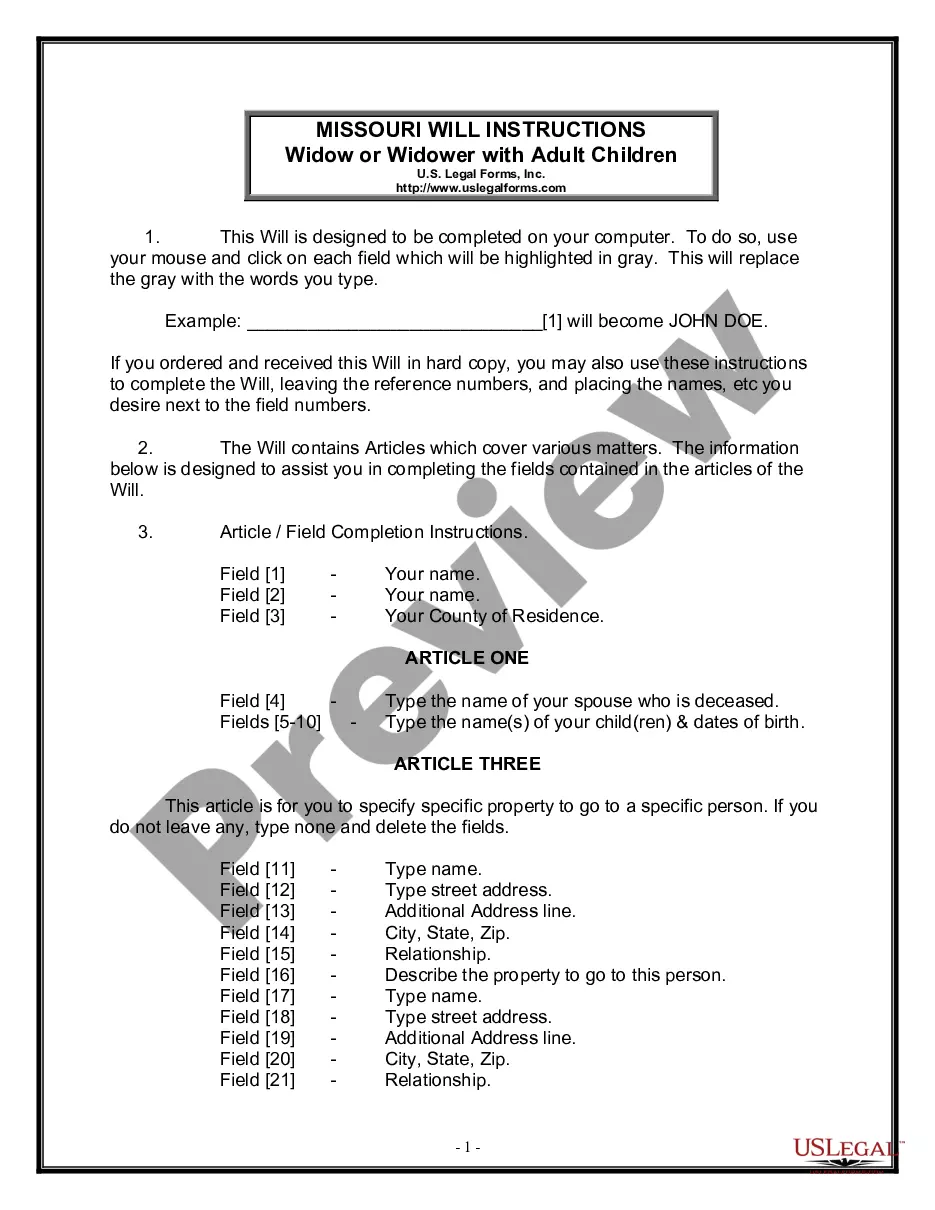
How to fill out Letter Of Intent To Sue?
Selecting the optimal sanctioned document template can be a challenge. Naturally, there are numerous designs accessible online, but how do you locate the sanctioned form that you require? Utilize the US Legal Forms website. The service provides a multitude of templates, including the Massachusetts Letter of Intent to Sue, that you can employ for both business and personal purposes. All of the forms are verified by professionals and comply with federal and state regulations.
If you are already registered, Log In to your account and click on the Download button to obtain the Massachusetts Letter of Intent to Sue. Use your account to search through the legal forms you have previously acquired. Navigate to the My documents section of your account and retrieve another copy of the document you need.
If you are a new user of US Legal Forms, here are simple steps that you can follow: First, ensure you have selected the correct form for your locality/region. You can browse the form using the View button and review the form details to confirm it is appropriate for you. If the form does not meet your requirements, use the Search field to find the correct form. Once you are confident the form is suitable, click the Buy now button to acquire the form. Choose the pricing plan you want and enter the necessary information. Create your account and place an order using your PayPal account or credit card. Select the document format and download the sanctioned document template to your device. Complete, edit, and print out and sign the received Massachusetts Letter of Intent to Sue.
Take advantage of the resources available at US Legal Forms to streamline your legal documentation process.
- US Legal Forms is the largest repository of legal forms where you can find a variety of document templates.
- Utilize the service to download professionally-crafted paperwork that adhere to state regulations.
- Selecting the right form is crucial for your needs.
- The platform offers a user-friendly interface for easy navigation.
- Expertly verified forms ensure compliance with legal standards.
- Convenient payment options enhance the purchasing experience.
Form popularity
FAQ
Where to file your lawsuit. Depending on the amount of money involved in your case (damages you seek or wages owed to you), you may file in Small Claims Court, District Court, or Superior Court. Small Claims Court: This is a simple, informal, and inexpensive option for resolving your case if you are owed $7,000 or less ...
An intent to sue letter should have the addresses of both parties, a detailed description of the dispute, the settlement demand (e.g., payment amount, cease and desist, repair damages, etc.), the sender's contact information, and the deadline for the proposed settlement.
To begin a lawsuit, the original copy of the complaint is filed in the clerk's office of the court where you can file your case. The clerk does not have to accept complaints that do not comply with court rules. You should keep at least three copies of your complaint.
A document or letter of legal sanctity prepared by a claimant or prospective plaintiff or an Advocate such on behalf to be addressed to the prospective defendant.
Small claims court allows you to sue a person, business, or government agency that you think owes you money. Generally, you can only sue for up to $10,000 in small claims court (or up to $5,000 if you're a business). You can ask a lawyer for advice before you go to court, but you can't have one with you in court.
However, our Consumer Hotline is staffed from a.m. to p.m., Monday through Friday, to answer your questions, provide information, and give you instructions on how to file a written complaint. You can reach us at (617) 727-8400. You can file a complaint at any time using our online form.