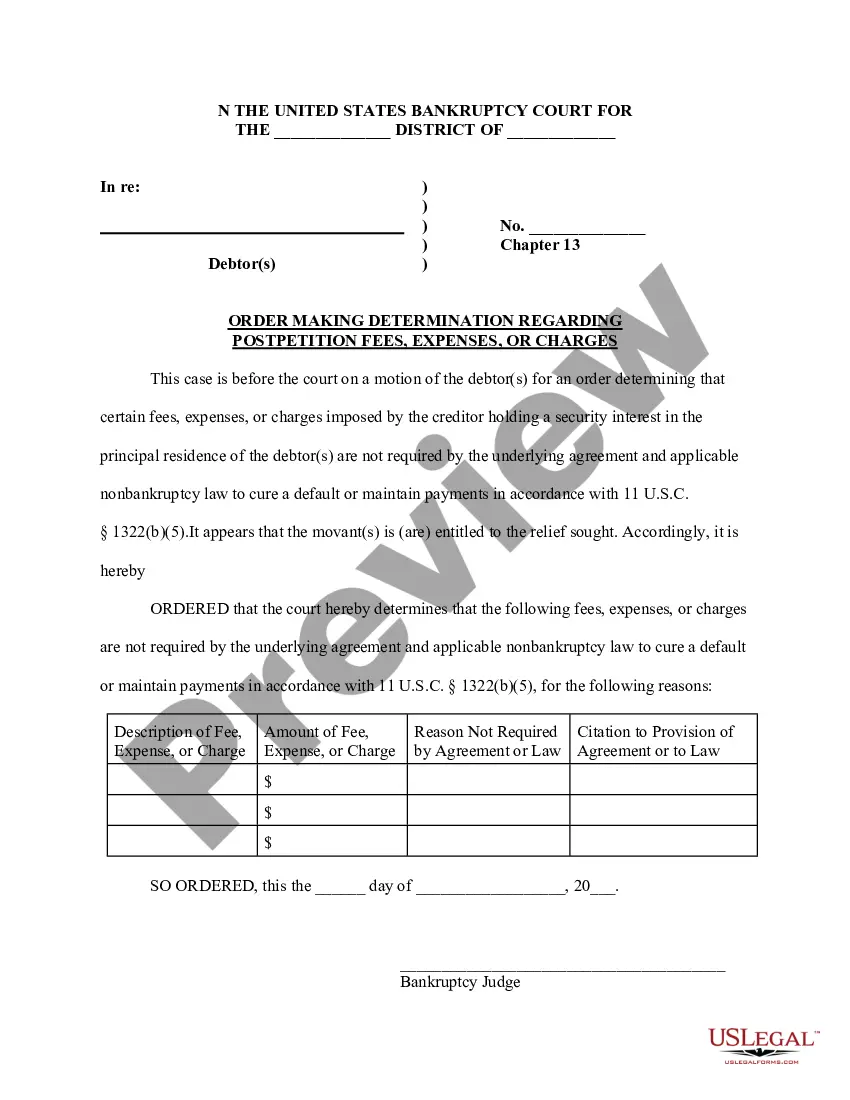
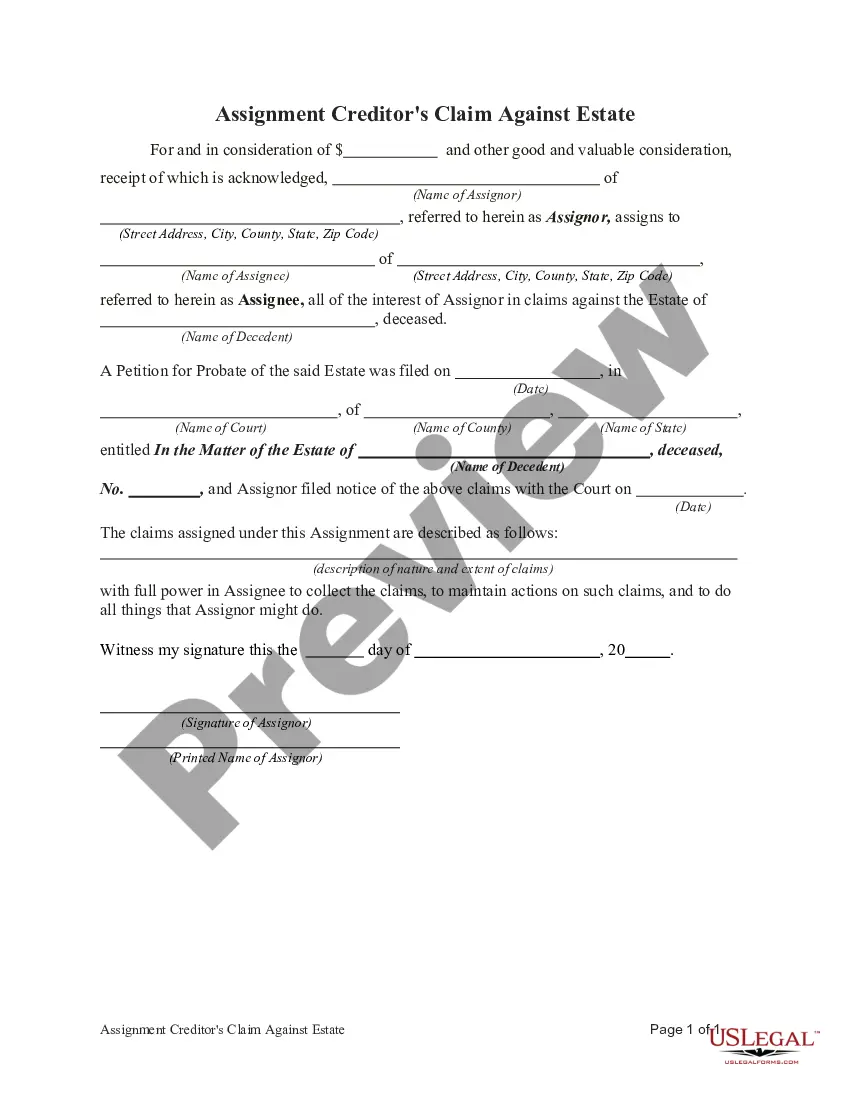
Louisiana Assignment Creditor's Claim Against Estate
Description
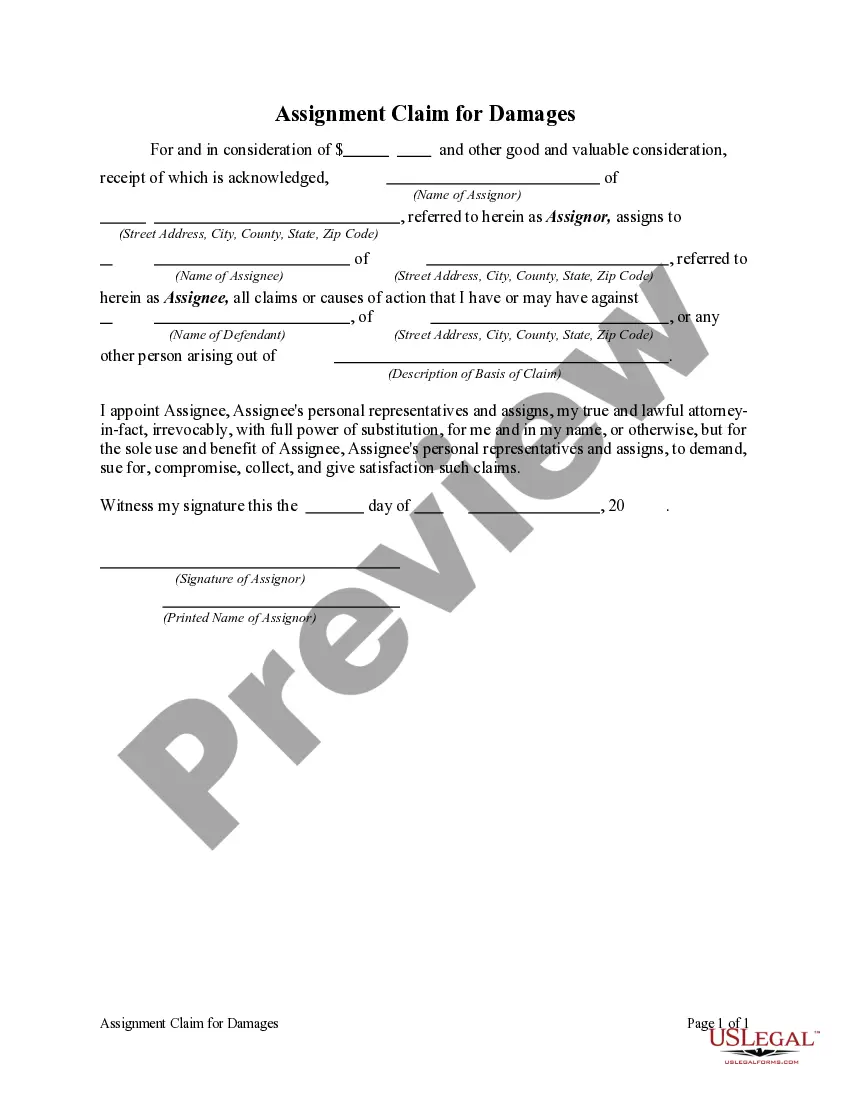
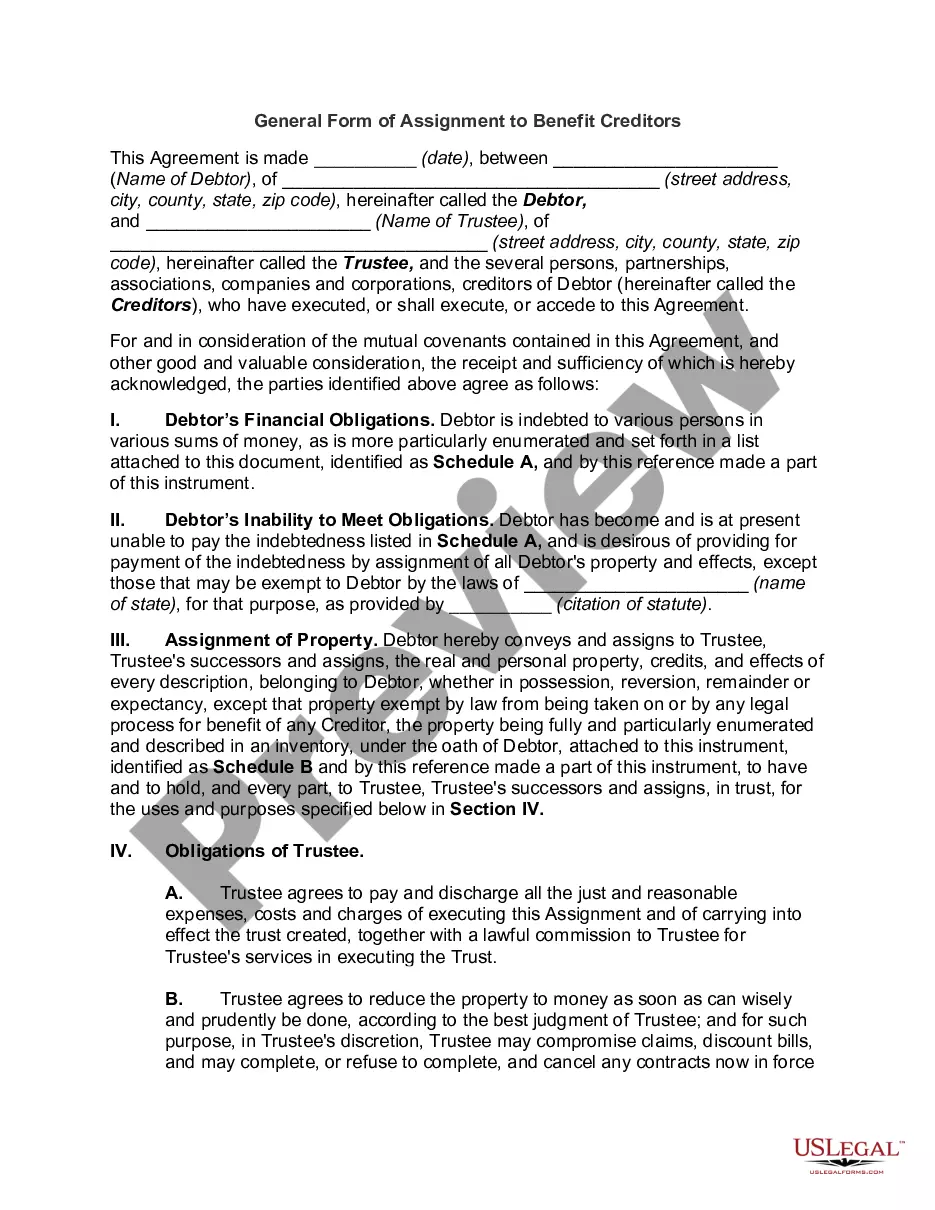
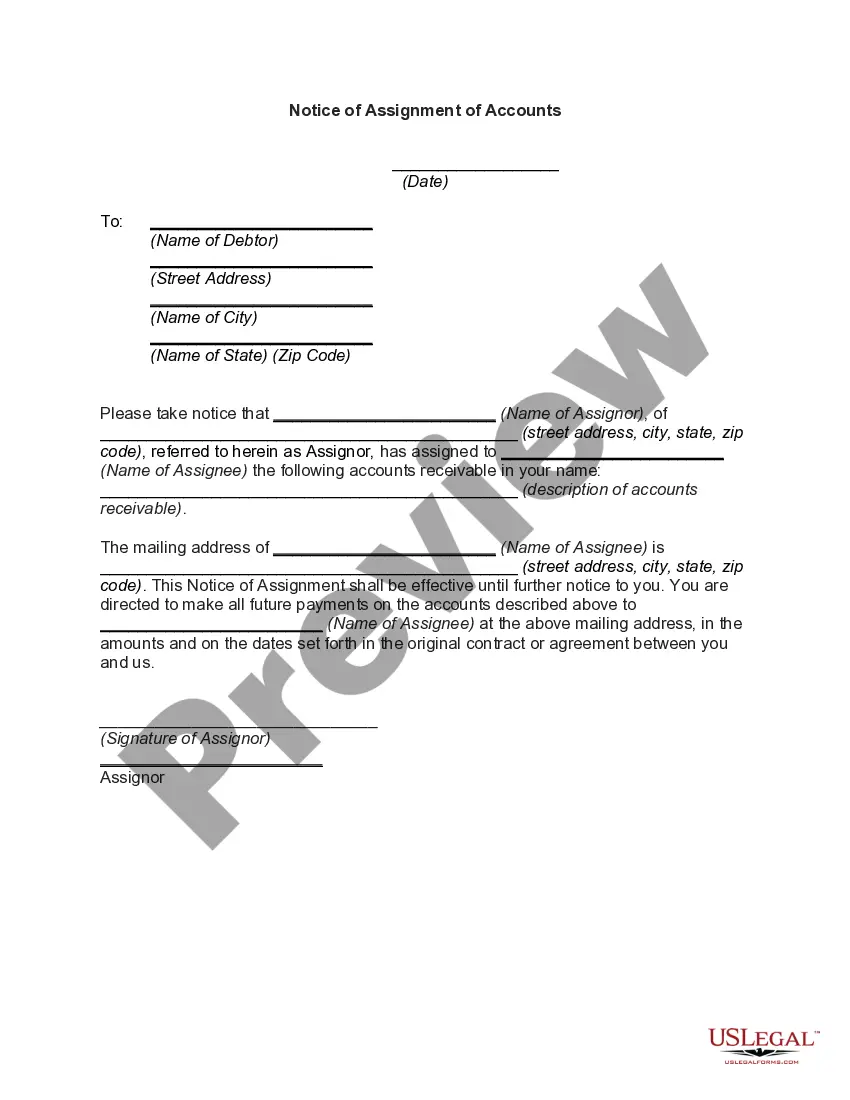
Get your form ready online
Our built-in tools help you complete, sign, share, and store your documents in one place.
Make edits, fill in missing information, and update formatting in US Legal Forms—just like you would in MS Word.
Download a copy, print it, send it by email, or mail it via USPS—whatever works best for your next step.
Sign and collect signatures with our SignNow integration. Send to multiple recipients, set reminders, and more. Go Premium to unlock E-Sign.
If this form requires notarization, complete it online through a secure video call—no need to meet a notary in person or wait for an appointment.
We protect your documents and personal data by following strict security and privacy standards.

Make edits, fill in missing information, and update formatting in US Legal Forms—just like you would in MS Word.

Download a copy, print it, send it by email, or mail it via USPS—whatever works best for your next step.

Sign and collect signatures with our SignNow integration. Send to multiple recipients, set reminders, and more. Go Premium to unlock E-Sign.

If this form requires notarization, complete it online through a secure video call—no need to meet a notary in person or wait for an appointment.

We protect your documents and personal data by following strict security and privacy standards.
Looking for another form?
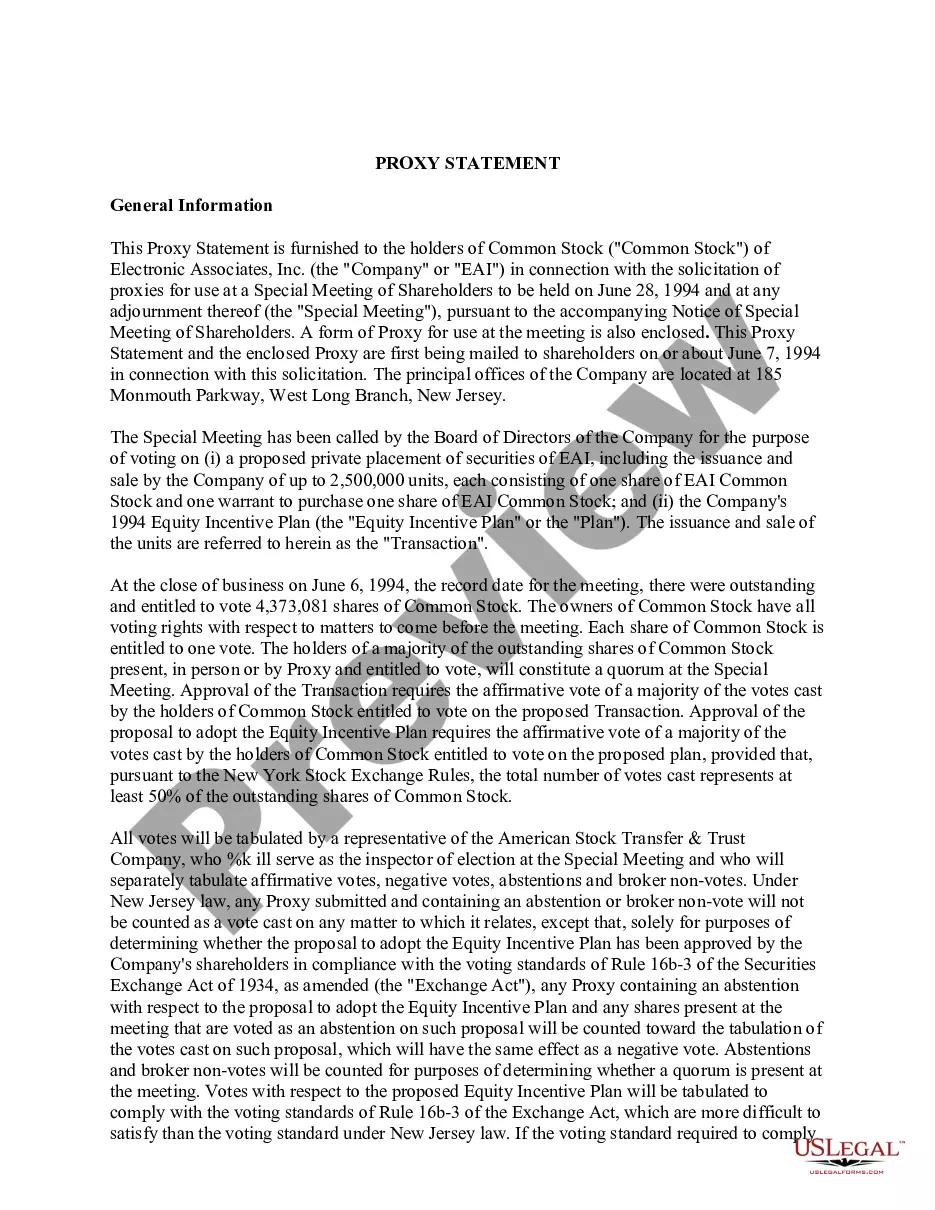

How to fill out Assignment Creditor's Claim Against Estate?
If you desire thorough, obtain, or generate legal document templates, utilize US Legal Forms, the largest assortment of legal documents, which are accessible online.
Take advantage of the website's simple and user-friendly search feature to locate the documents you need.
Numerous templates for business and personal applications are organized by categories and states, or keywords. Use US Legal Forms to acquire the Louisiana Assignment Creditor's Claim Against Estate in just a few clicks.
Each legal document format you purchase is yours permanently. You can access every document you acquired in your account. Click the My documents section and select a document to print or download again.
Compete and acquire, and print the Louisiana Assignment Creditor's Claim Against Estate with US Legal Forms. There are millions of professional and state-specific templates you can use for your business or personal needs.
- If you are currently a US Legal Forms user, Log In to your account and click on the Get option to obtain the Louisiana Assignment Creditor's Claim Against Estate.
- You can also access forms you previously obtained in the My documents section of your account.
- If you are using US Legal Forms for the first time, follow these instructions.
- Step 1. Ensure you have selected the form for your specific city/country.
- Step 2. Utilize the Review option to examine the form's content. Don't forget to read the description.
- Step 3. If you are dissatisfied with the form, use the Search box at the top of the screen to find other variants of the legal form format.
- Step 4. After finding the form you need, click the Get now button. Choose the pricing plan you prefer and enter your information to register for an account.
- Step 5. Process the payment. You can use your credit card or PayPal account to complete the purchase.
- Step 6. Select the format of the legal document and download it to your device.
- Step 7. Complete, modify, and print or sign the Louisiana Assignment Creditor's Claim Against Estate.
Form popularity
FAQ
While there is no time limit on opening a succession after a person's death, you will want to start the process as soon as possible.
By the time the executor takes inventory and creditors have an opportunity to submit claims, it will be at least six months. Expect succession to take from six months to a year before the final assets may be distributed to the heirs.
A creditor may file a claim within two years from the date of death of a decedent. After two years, all creditor claims are barred. 1 During such two year period, a personal representative may take action to shorten the time in which a creditor may file a claim against a decedent's estate.
In New York, creditors have a maximum of seven months to file claims against an estate.
If the executor disputes any claim against the estate he may, by notice in writing; Require the claimant to lodge, within a period specified in the notice, an affidavit in support of his or her claim, the affidavit to set forth such details of the claim as the executor may indicate in the notice; and.
Remember, credit does not die and continues after the death of the debtor, meaning that creditors have a right to claim from the deceased's estate. Remember, the executor is obliged to pay all the estate's debts before distributing anything to their heirs or legatees of the deceased.
Filing a claim against an estate is a fairly simple process: In the claim, you'll state under oath that the debt is owed and provide details on the amount of the debt and any payments the decedent made. If you have written documentation, you can attach it to your claim.
A claim for reasonable financial provision must be made within six months after probate or letters of administration have been issued, although the court can extend this period in certain circumstances (eg if the applicant has not made an earlier claim because of negotiations with the executors or administrators).
In Pennsylvania, there is a 4 to 6 year statute of limitations, meaning 3 years after the estate administration is done, a creditor could have a valid claim, but had you advertised, the creditor could have known beforehand.