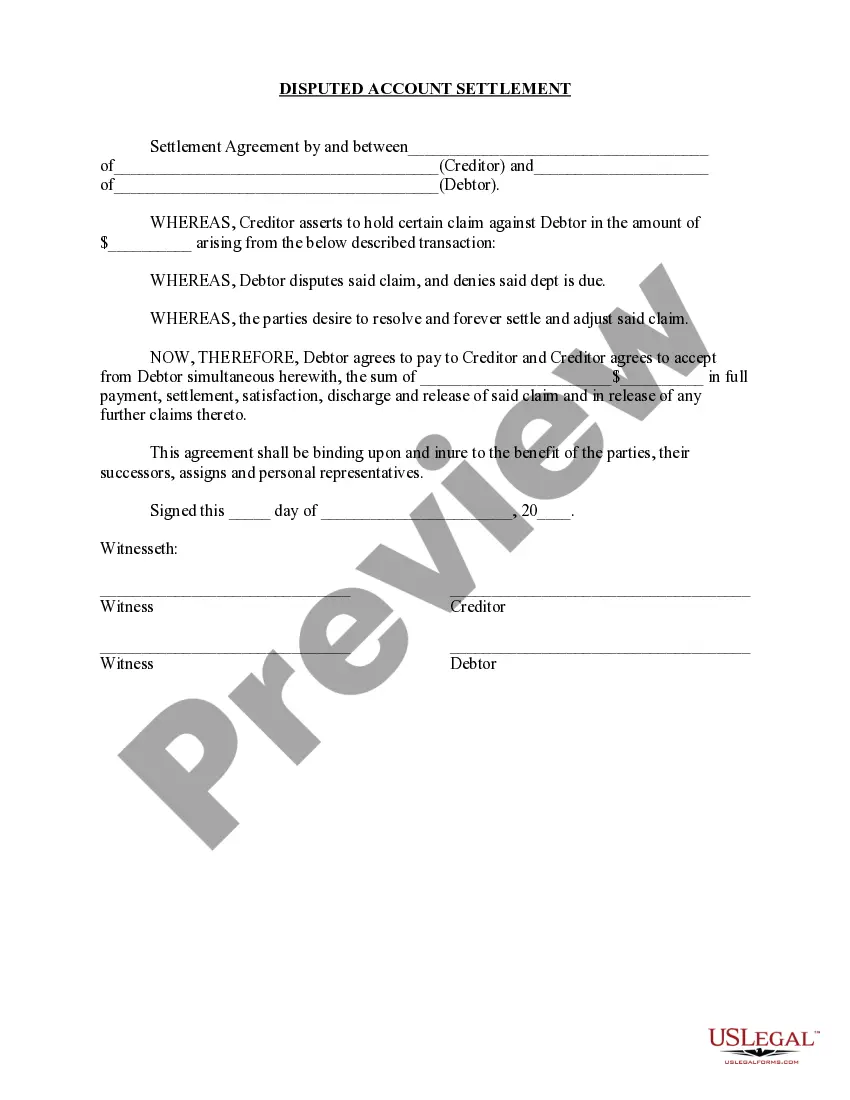
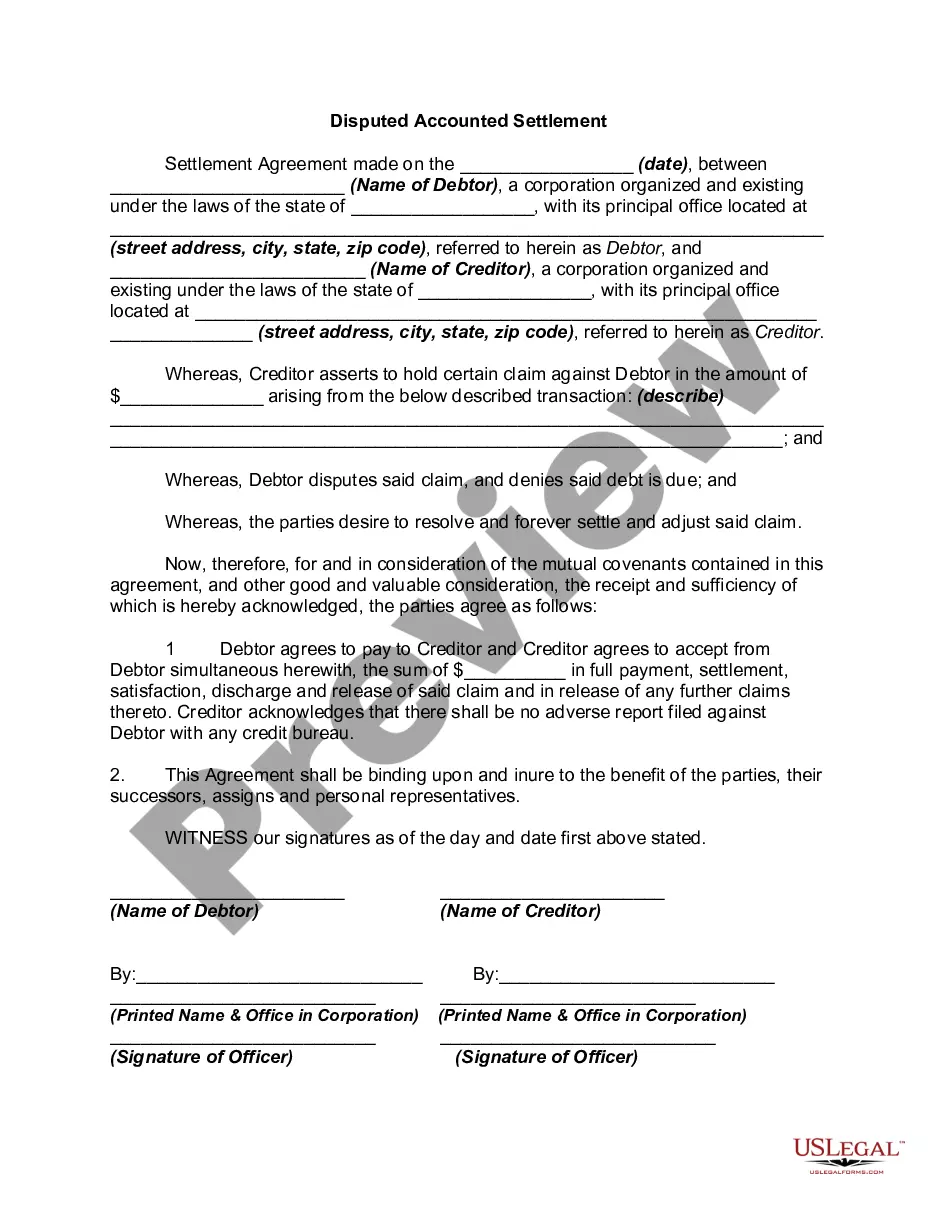
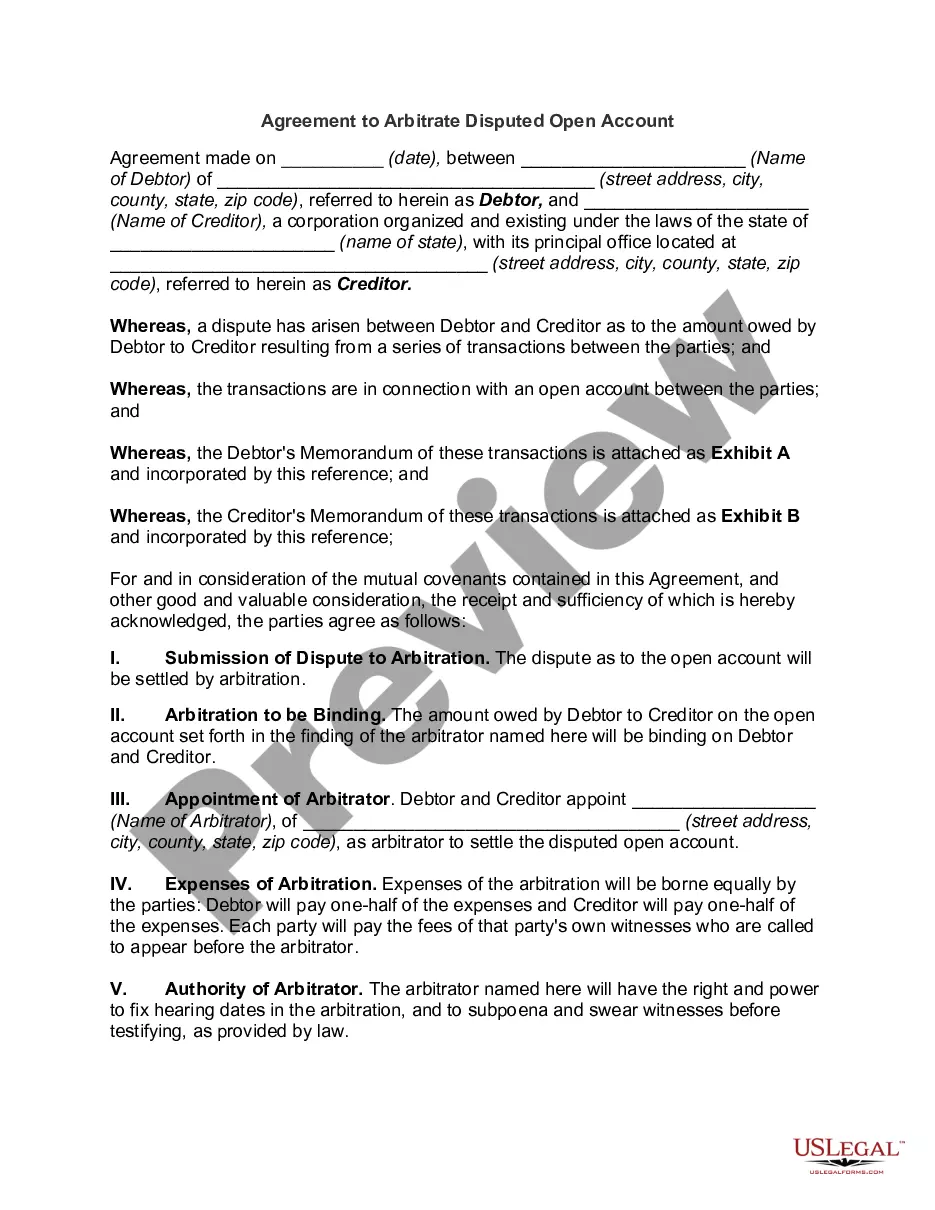
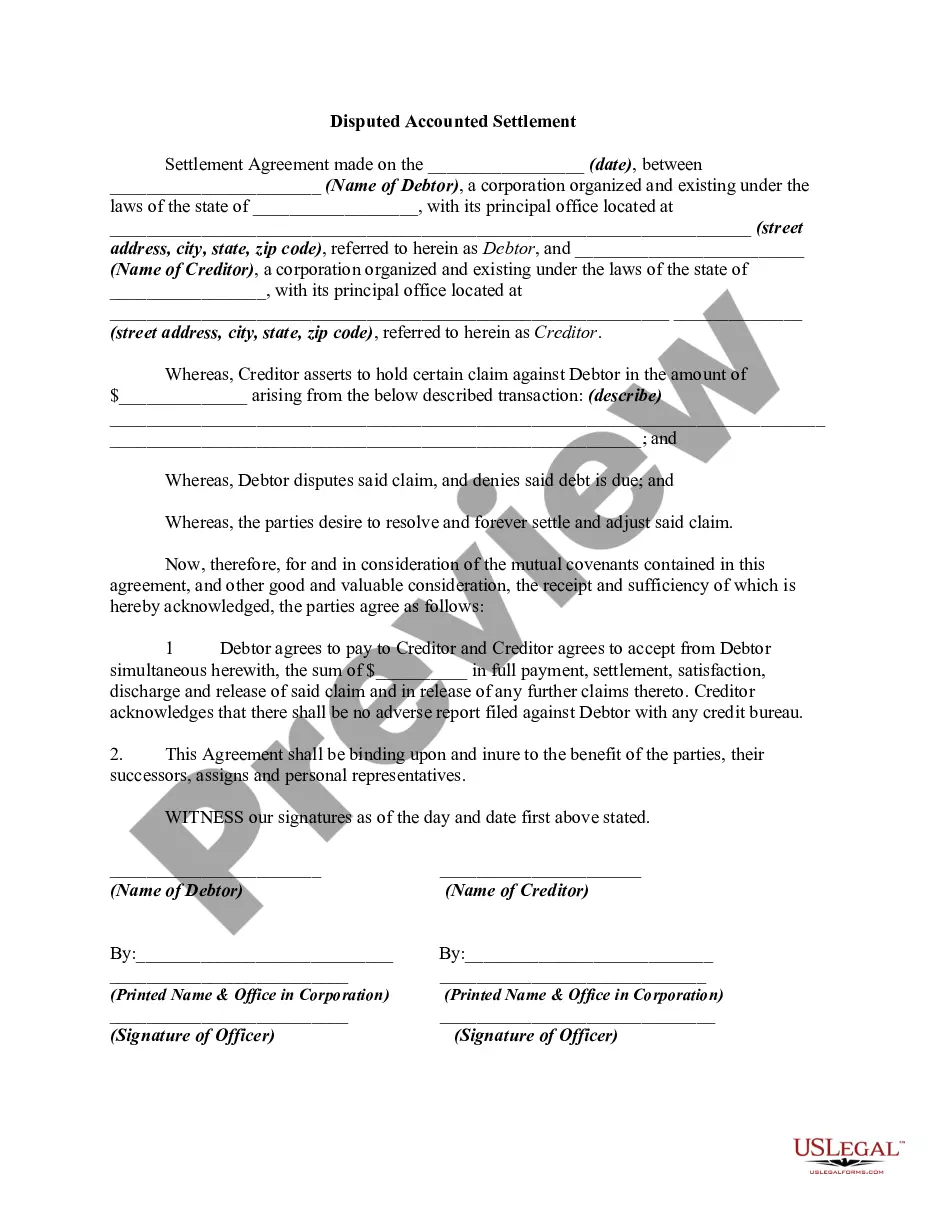
Louisiana Disputed Open Account Settlement
Description
Get your form ready online
Our built-in tools help you complete, sign, share, and store your documents in one place.
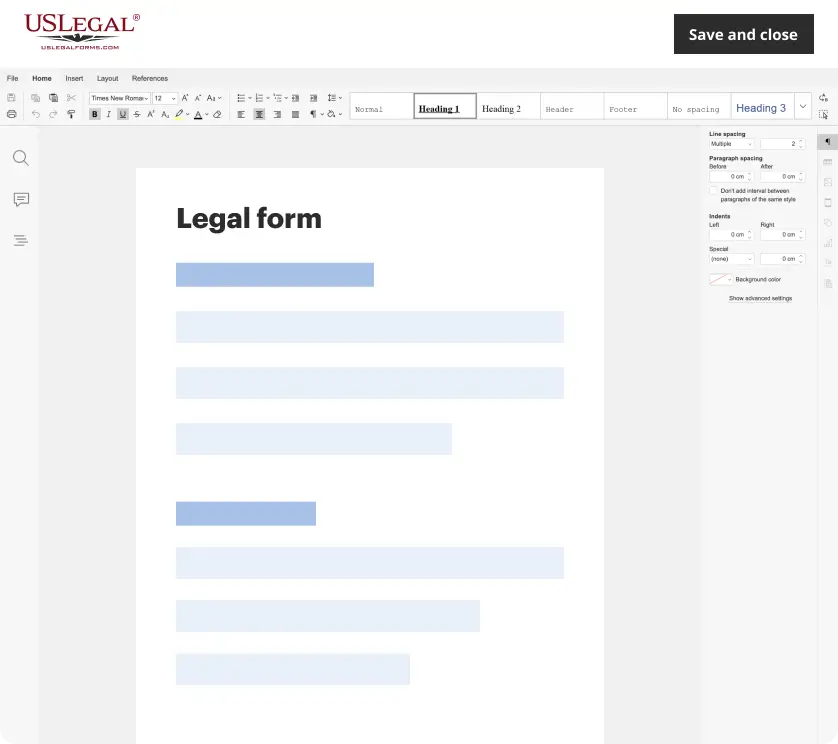
Make edits, fill in missing information, and update formatting in US Legal Forms—just like you would in MS Word.
Download a copy, print it, send it by email, or mail it via USPS—whatever works best for your next step.
Sign and collect signatures with our SignNow integration. Send to multiple recipients, set reminders, and more. Go Premium to unlock E-Sign.
If this form requires notarization, complete it online through a secure video call—no need to meet a notary in person or wait for an appointment.
We protect your documents and personal data by following strict security and privacy standards.
Make edits, fill in missing information, and update formatting in US Legal Forms—just like you would in MS Word.
Download a copy, print it, send it by email, or mail it via USPS—whatever works best for your next step.
Sign and collect signatures with our SignNow integration. Send to multiple recipients, set reminders, and more. Go Premium to unlock E-Sign.
If this form requires notarization, complete it online through a secure video call—no need to meet a notary in person or wait for an appointment.
We protect your documents and personal data by following strict security and privacy standards.
Looking for another form?



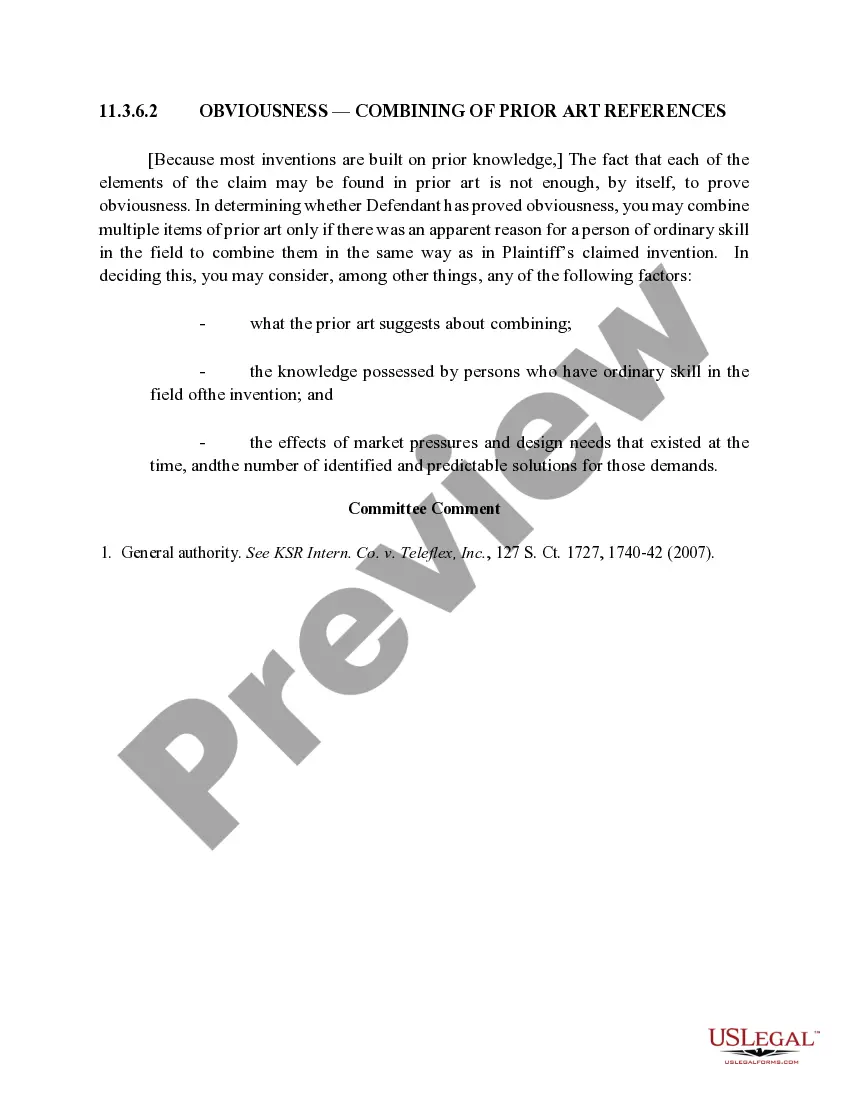
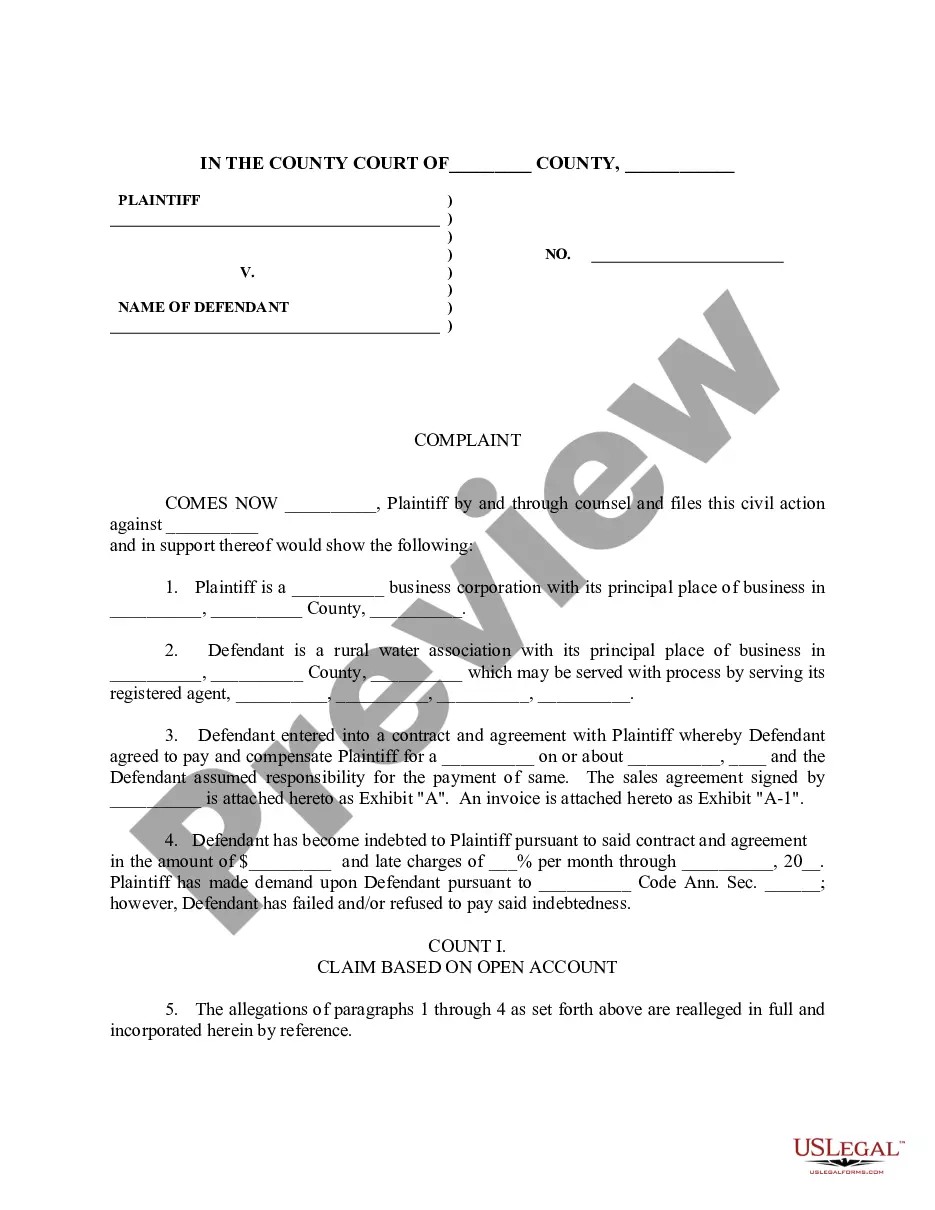
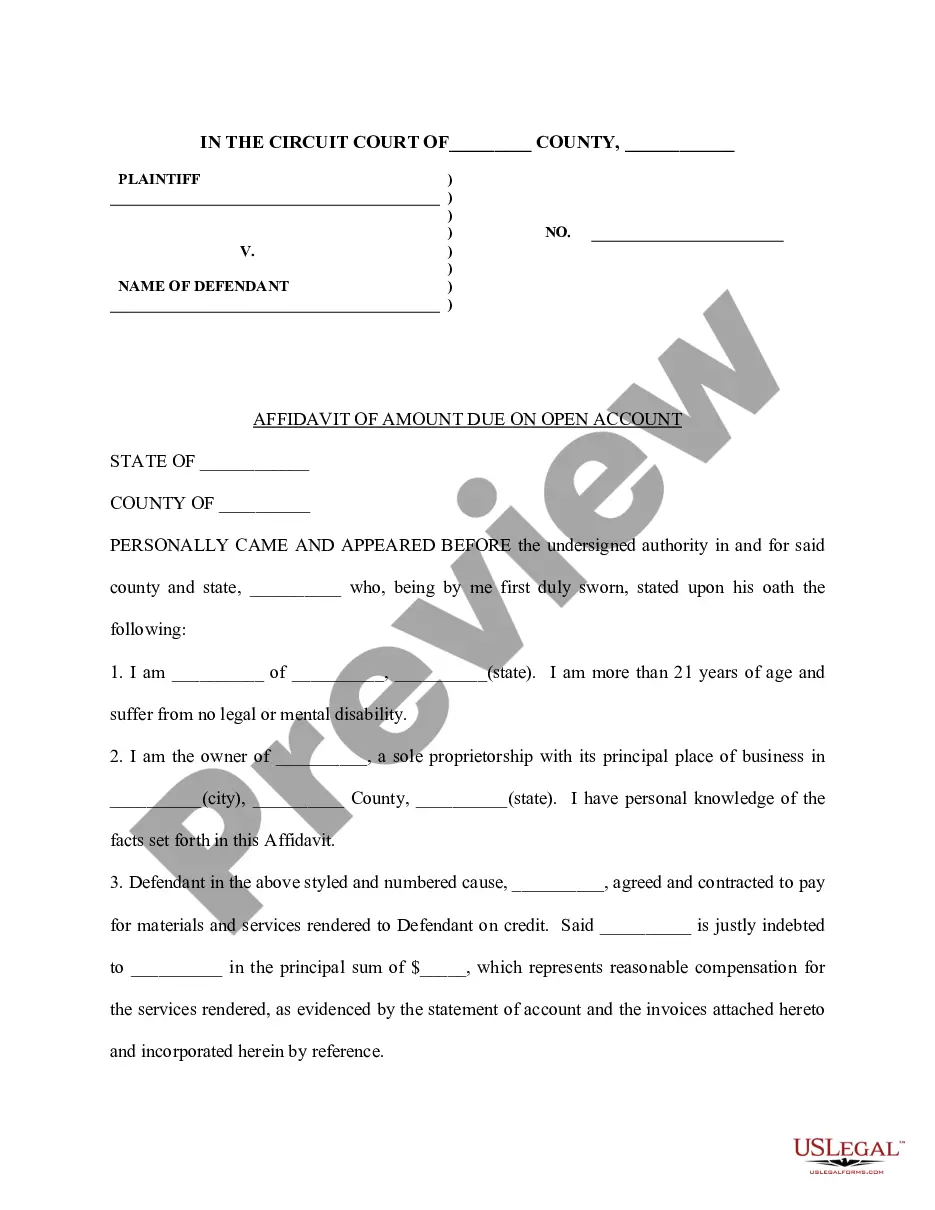
How to fill out Disputed Open Account Settlement?
If you're looking to be thorough, acquire, or produce legal document templates, utilize US Legal Forms, the leading selection of legal forms available online.
Utilize the site's simple and efficient search function to find the documents you require.
Various templates for commercial and personal purposes are organized by categories and states, or keywords.
Step 4. Once you have found the form you need, click the Get now button. Choose your preferred pricing plan and provide your details to register for an account.
Step 5. Process the payment. You can use your credit card or PayPal account to complete the transaction.
- Use US Legal Forms to obtain the Louisiana Disputed Open Account Settlement with just a few clicks.
- If you are already a US Legal Forms user, sign in to your account and click on the Download button to receive the Louisiana Disputed Open Account Settlement.
- You can also access forms you previously downloaded in the My documents tab of your account.
- If you're using US Legal Forms for the first time, follow the instructions below.
- Step 1. Ensure you have selected the form for your appropriate city/state.
- Step 2. Use the Preview option to review the form's content. Don’t forget to read the description.
- Step 3. If you are dissatisfied with the form, utilize the Search box at the top of the screen to find alternative versions in the legal form category.
Form popularity
FAQ
The statute of limitations for criminal cases varies, depending on the nature of the offense. Felonies punishable by life imprisonment or death have no time limit, while others are prosecutable even after 30 years. For misdemeanor cases, prosecutors have six months or two years to file charges against offenders.
A plaintiff may amend his petition without leave of court at any time before the answer thereto is served. He may be ordered to amend his petition under Articles 932 through 934. A defendant may amend his answer once without leave of court at any time within ten days after it has been served.
(1) Whoever commits the crime of theft when the misappropriation or taking amounts to a value of twenty-five thousand dollars or more shall be imprisoned at hard labor for not more than twenty years, or may be fined not more than fifty thousand dollars, or both.
Whoever attempts to commit any crime shall be punished as follows: (1)(a) If the offense so attempted is punishable by death or life imprisonment, he shall be imprisoned at hard labor for not less than ten nor more than fifty years without benefit of parole, probation, or suspension of sentence.
Whoever commits the crime of armed robbery shall be imprisoned at hard labor for not less than ten years and for not more than ninety-nine years, without benefit of parole, probation, or suspension of sentence.
Article 42 of the Code of Civil Procedure establishes the basic rule of venue: a defendant is to be sued in the parish of his domicile. The Code does establish exceptions to this basic principle, however, in the interest of providing a convenient place for trial.
Ing to Louisiana Civil Code, the statute of limitations for a Louisiana personal injury lawsuit is one year. The victim?known as the "plaintiff" in a lawsuit?has one year to take legal action. Personal injury claims are civil cases that depend on proof of liability and negligence.
RS - Simple burglary. A. Simple burglary is the unauthorized entering of any dwelling, vehicle, watercraft, or other structure, movable or immovable, or any cemetery, with the intent to commit a felony or any theft therein, other than as set forth in R.S. .
On the other hand, a felony theft charge in Louisiana is usually placed on an individual who steals an item worth more than $1000. A felony charge may be placed on an individual with overwhelming evidence needed to prove theft, such as intent to endanger the victim's life and a history of violence.
The state of Louisiana is unique in that nearly all civil actions have a one-year statute of limitations (most states range from two to five years for more claims). The exceptions are the three-year limits on collections of rent and debts and a 10-year statute of limitations for contracts and judgments.