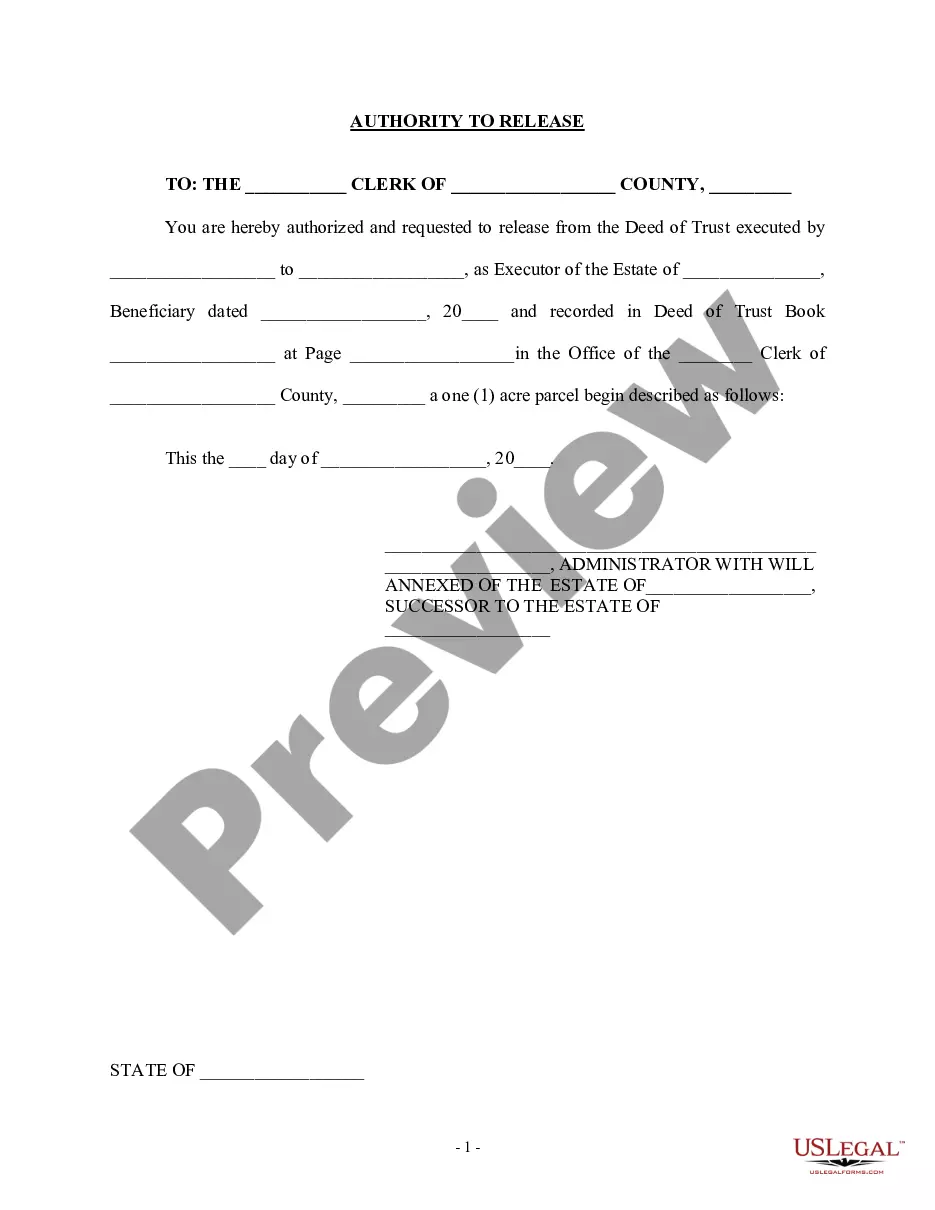
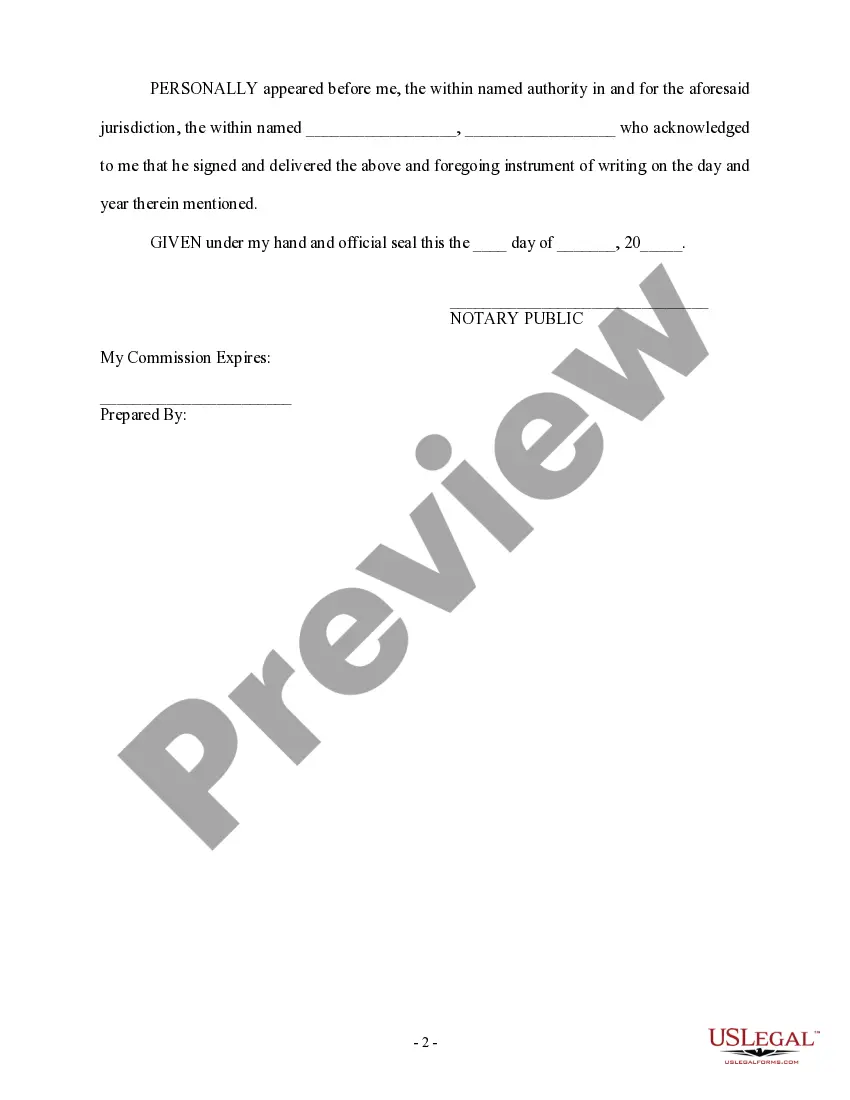
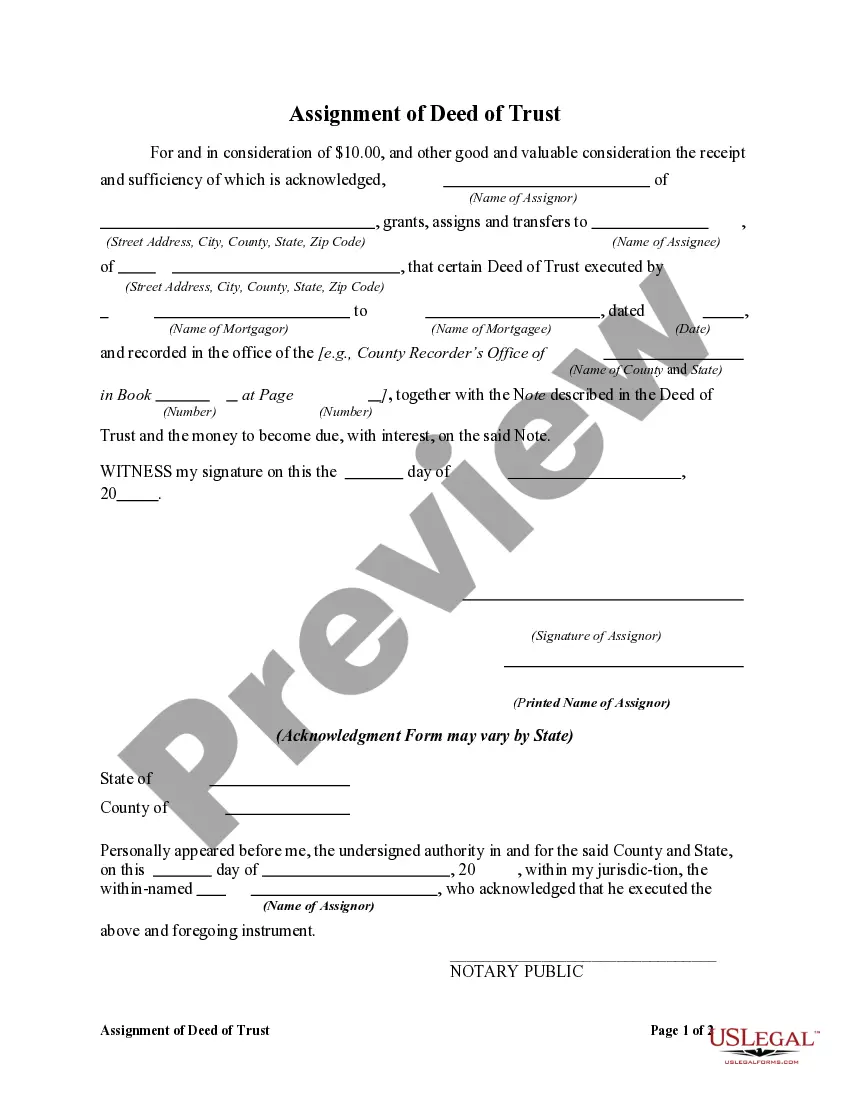
This form is an Authority to Release. The county clerk is authorized and requested to release from a deed of trust a parcel of land to the executor of the estate. The form must be signed in the presence of a notary public.
Louisiana Authority to Release of Deed of Trust
State:
Multi-State
Control #:
US-00186
Format:
Word;
Rich Text
Instant download
Description
Free preview


How to fill out Authority To Release Of Deed Of Trust?
You may spend hours online attempting to locate the legal document template that meets the federal and state requirements you need.
US Legal Forms provides thousands of legal forms that are reviewed by professionals.
You can easily obtain or generate the Louisiana Authority to Release of Deed of Trust from my service.
If you wish to find another variation of the form, utilize the Search field to locate the template that meets your needs and criteria. Once you have found the template you want, click on Buy now to proceed. Select the pricing plan you prefer, enter your details, and register for an account on US Legal Forms. Complete the purchase. You can use your credit card or PayPal account to buy the legal form. Choose the format of the document and download it to your device. Make edits to your document if needed. You can complete, modify, sign, and print the Louisiana Authority to Release of Deed of Trust. Download and print thousands of document templates using the US Legal Forms website, which offers the largest selection of legal forms. Utilize professional and state-specific templates to fulfill your business or personal needs.
- If you already have a US Legal Forms account, you can Log In and click the Download button.
- Then, you can complete, modify, print, or sign the Louisiana Authority to Release of Deed of Trust.
- Every legal document template you download is yours indefinitely.
- To get an additional copy of any downloaded form, go to the My documents tab and click the appropriate button.
- If you are using the US Legal Forms website for the first time, follow the simple instructions below.
- First, make sure you have selected the correct document template for the region/area you choose.
- Check the form description to confirm you have chosen the right form.
- If available, use the Preview button to review the document template as well.
Form popularity
FAQ
The three fundamental requirements for a trust include a legal purpose, a trustee, and identifiable beneficiaries. The trust must be established for a lawful reason and must clearly state who will manage the trust’s assets. Additionally, there must be individuals or entities designated to benefit from the trust. Understanding these elements can enhance your grasp on the Louisiana Authority to Release of Deed of Trust.
Discharging a trust means officially ending its obligations and distributing its assets. This process typically involves settling all debts and obligations, followed by a formal declaration that the trust is complete. Consulting the Louisiana Authority to Release of Deed of Trust can provide clarity on the necessary steps to ensure a proper discharge.
Transferring a house deed in Louisiana requires preparing a new deed that states the transfer of ownership. Both the seller and buyer must sign this document, and it should be notarized. Afterward, you will file the deed with the local parish clerk's office. Understanding the Louisiana Authority to Release of Deed of Trust can also be beneficial during this transition.
Yes, a deed of trust must be filed to be legally enforceable in Louisiana. Filing the deed provides public notice of the secured interest in the property, protecting the lender’s rights. It is essential to complete this step to ensure that the obligations under the Louisiana Authority to Release of Deed of Trust are upheld and to avoid future disputes. Always confirm that the filing is done correctly to safeguard your interests.
Filing a quitclaim deed in Louisiana involves several steps to ensure proper transfer of property rights. First, you need to draft the quitclaim deed, including the names of the parties and a clear description of the property. Once completed, you must sign the deed in front of a notary and then file it with the local parish clerk's office. Utilizing the Louisiana Authority to Release of Deed of Trust can also help clarify any existing obligations related to the property.
For irrevocable trusts, you can't edit or modify once it's established unless you have the beneficiary's permission. In other words, once you transfer your assets into an irrevocable trust, you lose all ownership of those assets.
Any creditor, heir, legatee, succession representative, or other person whatsoever shall have no right or cause of action against the person paying the money, or delivering the property, or transferring the stock or bonds, under the provisions of this Article, on account of such payment, delivery, or transfer.
General warranty deeds give the grantee the most protection, special warranty deeds give the grantee more limited protection, and a quitclaim deed gives the grantee the least protection under the law.
Mainly for this reason, general warranty deeds are the most commonly used type of deed in real estate sales.
What Is the Strongest Type of Deed? For real estate buyers, a general warranty deed provides greater protection than any other type of deed. While it's the best deed for the grantee, it gives the grantor the most liability.