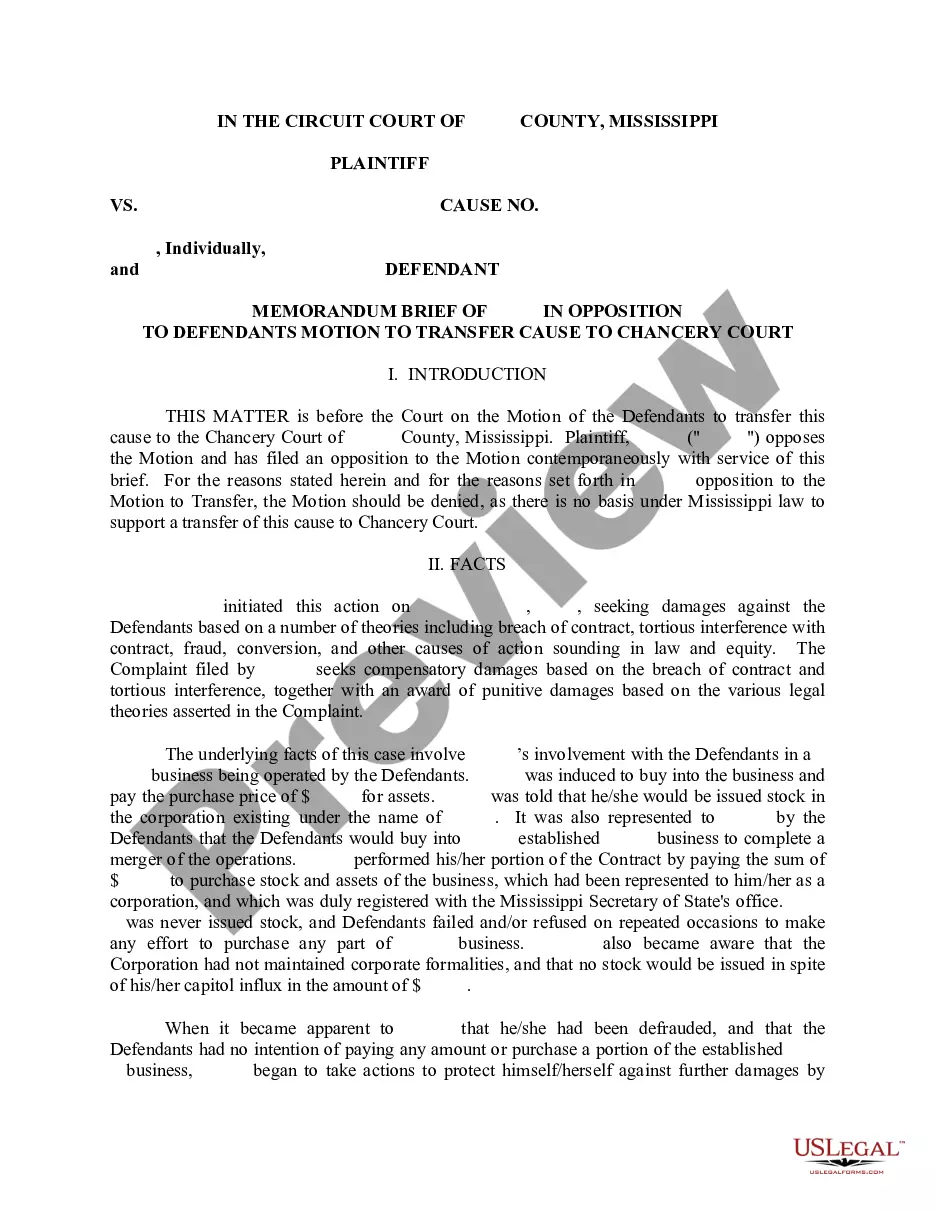
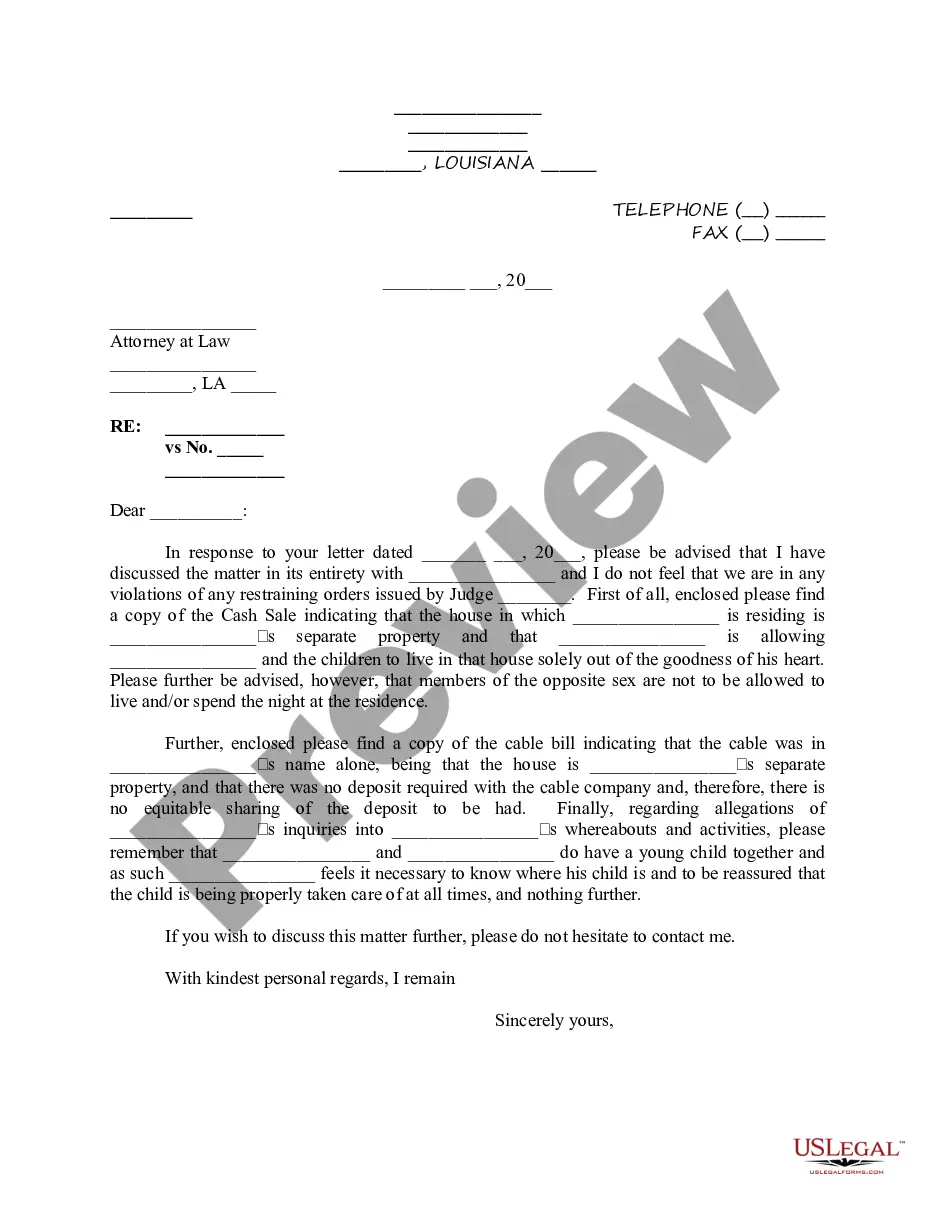
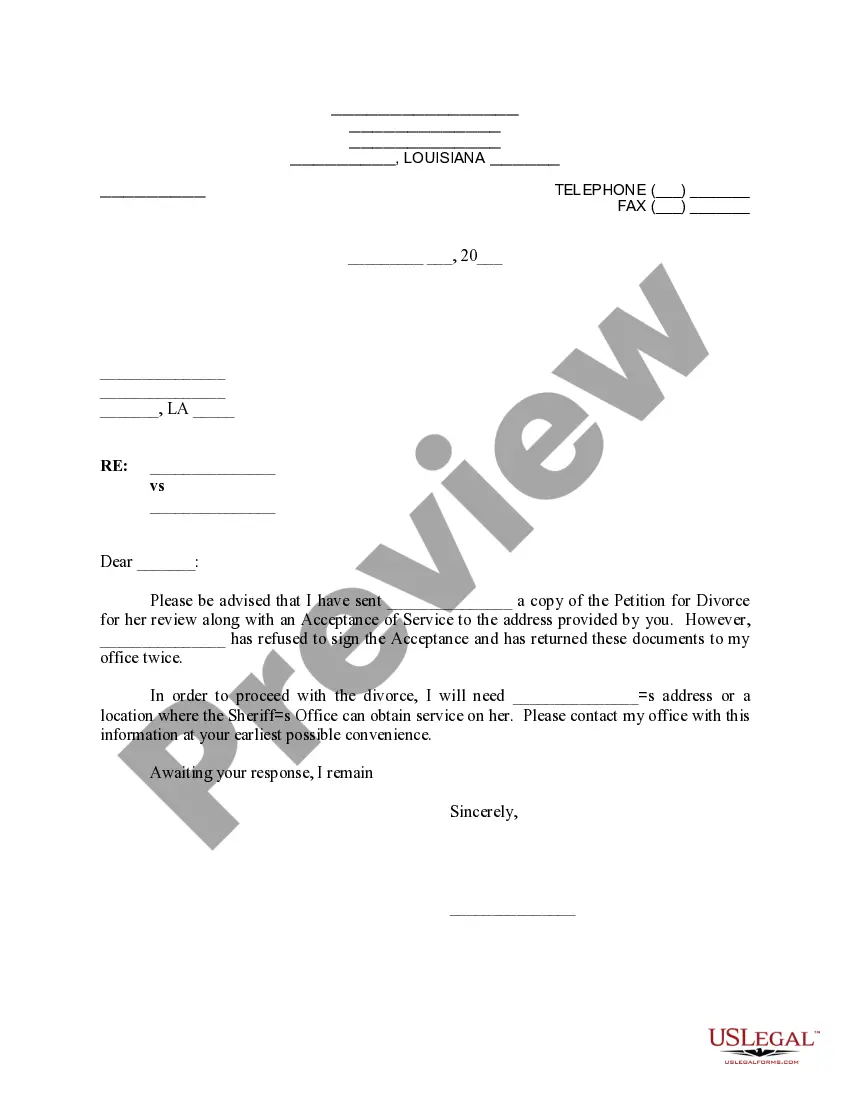
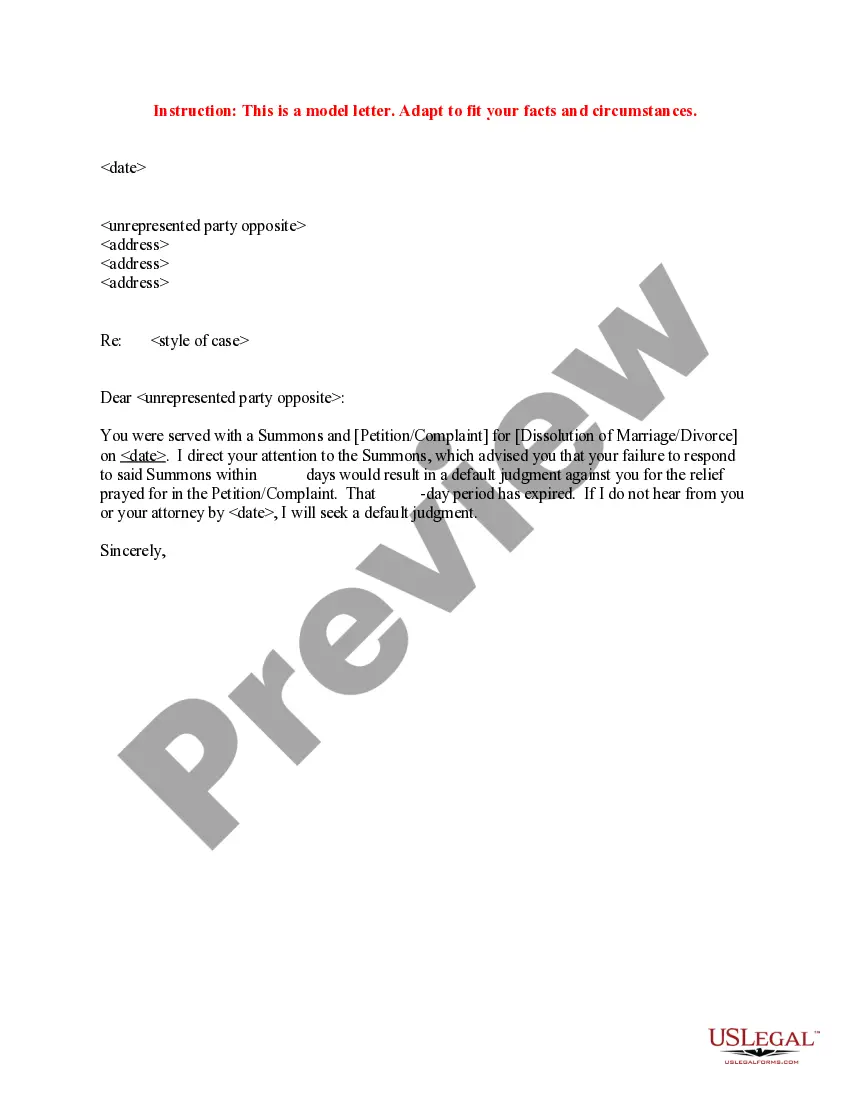
Louisiana Letter to Opposing Counsel Responding to Letter Alleging Violation of Restraining Order (Divorce)
Overview of this form
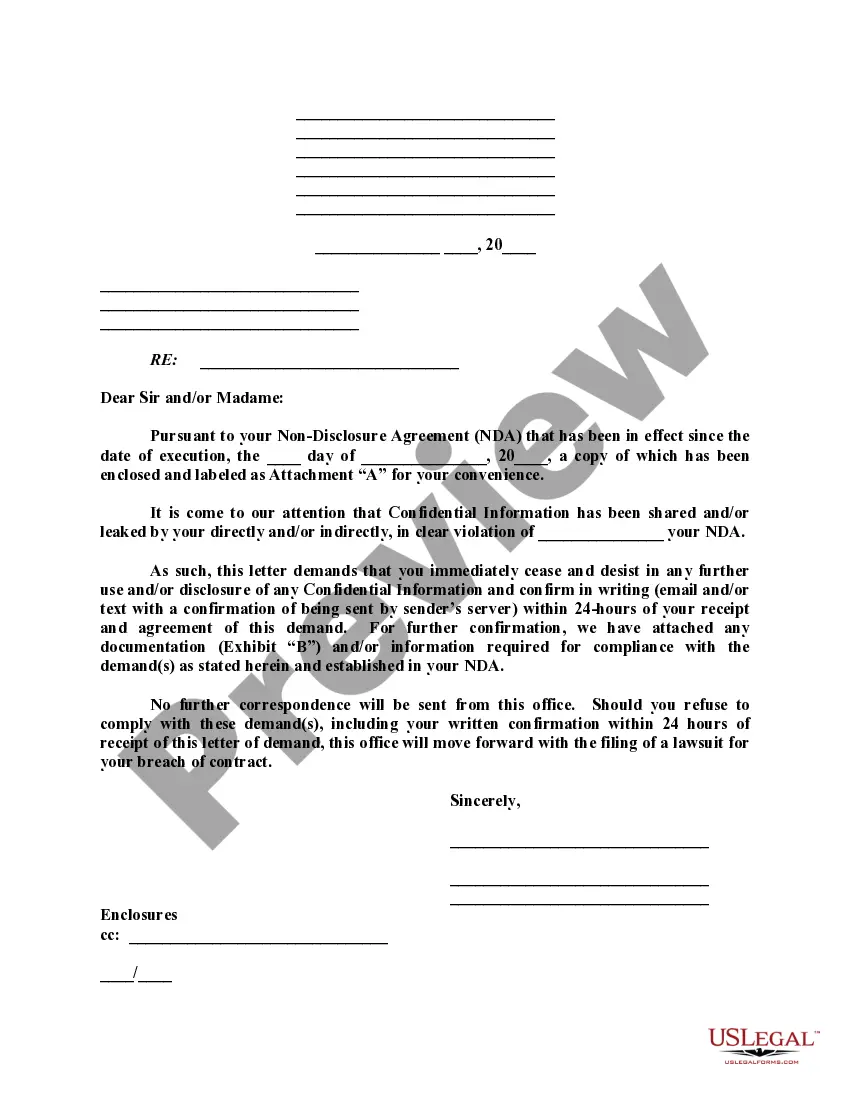
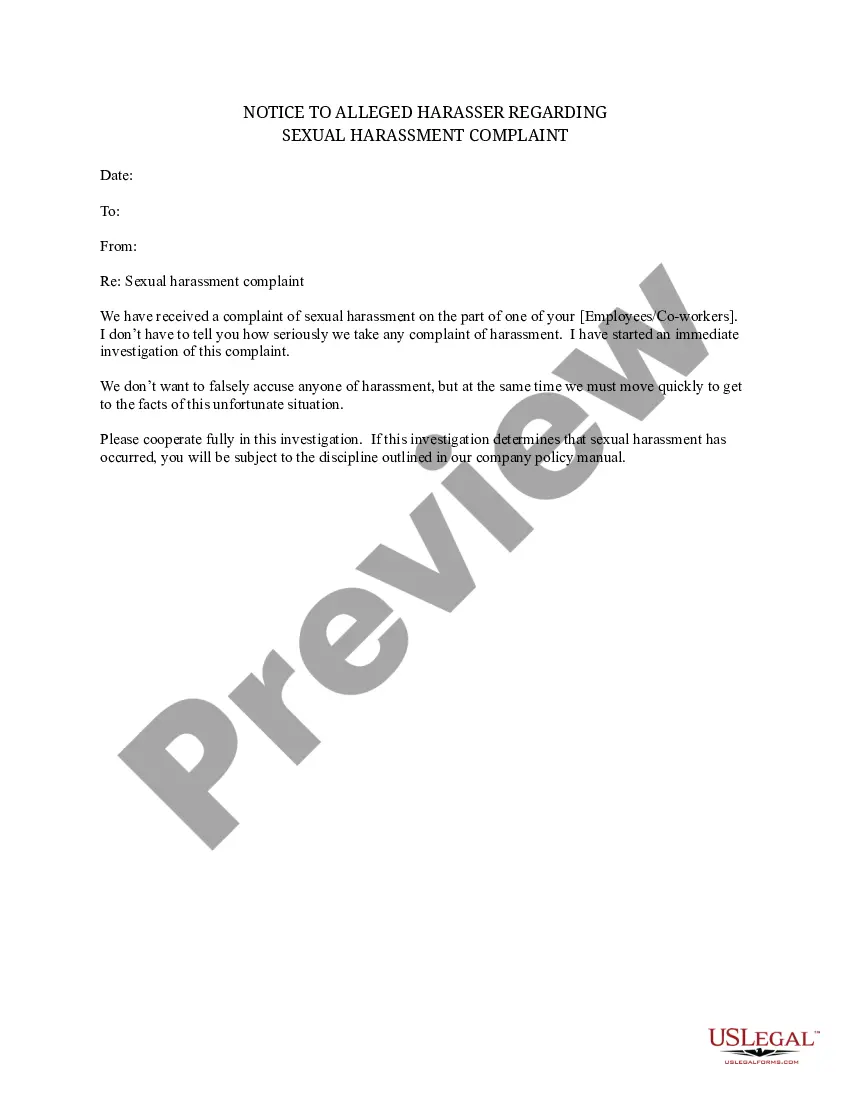
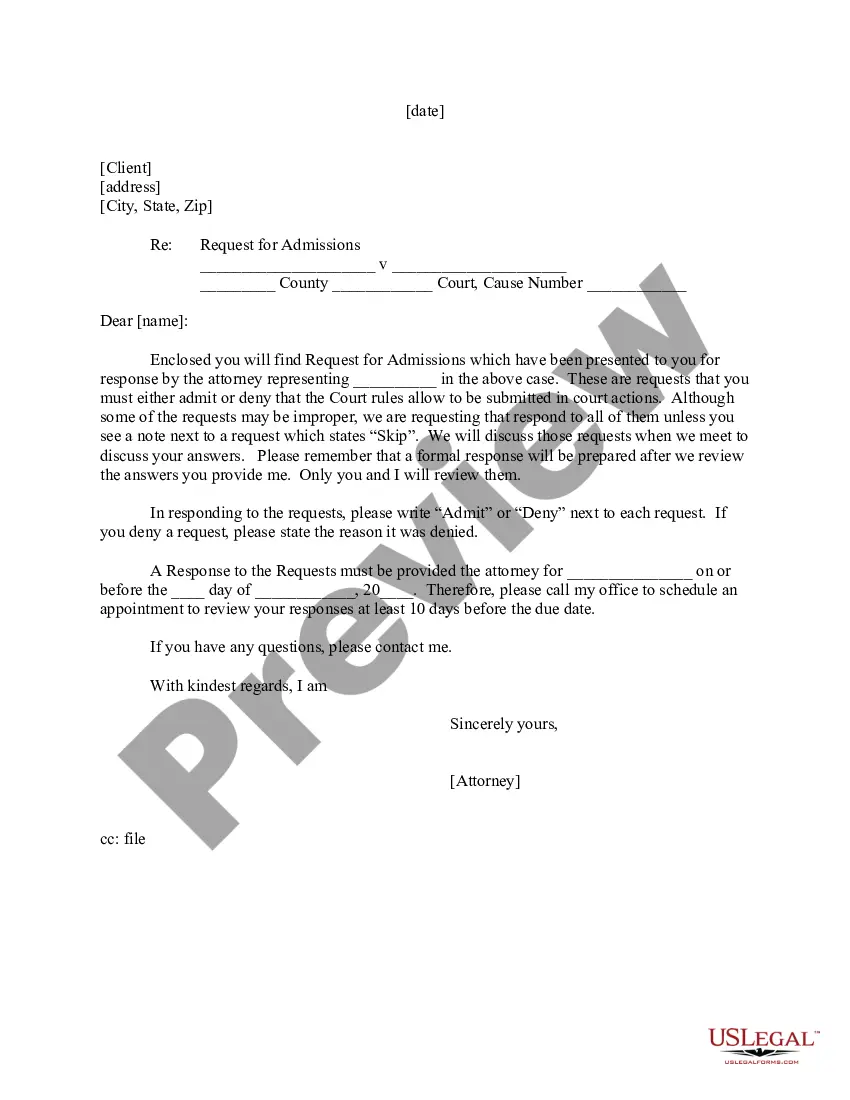
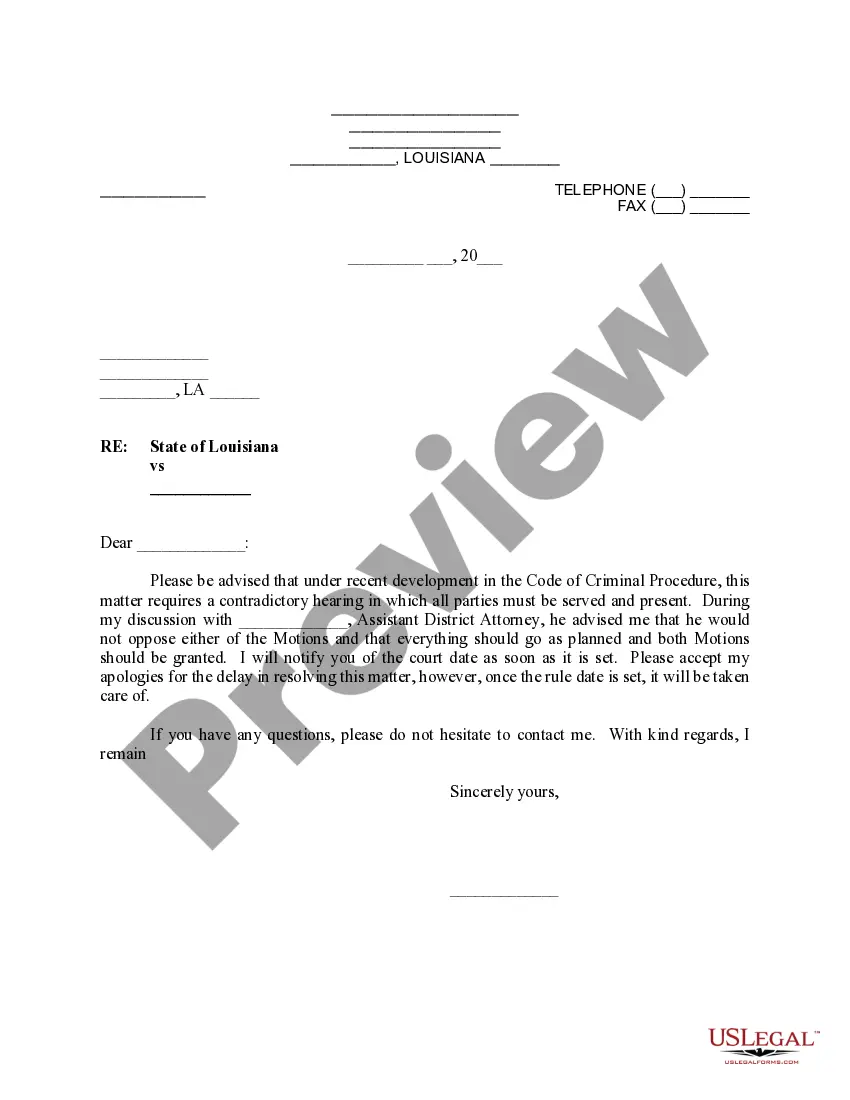
This form is a Letter to Opposing Counsel Responding to a Letter Alleging Violation of Restraining Order in a divorce case. It allows an attorney to formally respond to claims that their client has violated a restraining order issued by the court. This letter differs from other legal documents as it specifically addresses allegations and outlines the attorney's rebuttal, as well as provides supporting evidence regarding their client's compliance with the restraining order.
Key parts of this document
- Identification of the parties involved in the case.
- Reference to the restraining order and the specific allegations made against the client.
- Justification and explanation of the client's actions.
- Evidence attachments, such as property documents or bills, to support the client's position.
- A polite closing inviting further discussion if necessary.
When this form is needed
This letter should be used when an attorney receives a communication alleging that their client has violated a restraining order in the context of divorce proceedings. It is an essential tool for defending against such allegations and clarifying the client's actions to the opposing counsel.
Who needs this form
- Attorneys representing clients involved in divorce cases.
- Individuals needing to respond formally to allegations related to restraining orders.
- Parties wishing to protect their interests while ensuring compliance with court orders.
How to complete this form
- Identify the parties by entering their names and contact information at the top of the letter.
- Reference the letter you are responding to by including the date and specifics of the allegations.
- Provide a detailed explanation of your client's actions, refuting any claims of violation.
- Attach any relevant evidence, such as property documents or utility bills, to support your position.
- Conclude the letter politely, offering to discuss the matter further if necessary.
Is notarization required?
This form does not typically require notarization to be legally valid. However, some jurisdictions or document types may still require it. US Legal Forms provides secure online notarization powered by Notarize, available 24/7 for added convenience.
Get your form ready online
Our built-in tools help you complete, sign, share, and store your documents in one place.
Make edits, fill in missing information, and update formatting in US Legal Forms—just like you would in MS Word.
Download a copy, print it, send it by email, or mail it via USPS—whatever works best for your next step.
Sign and collect signatures with our SignNow integration. Send to multiple recipients, set reminders, and more. Go Premium to unlock E-Sign.
If this form requires notarization, complete it online through a secure video call—no need to meet a notary in person or wait for an appointment.
We protect your documents and personal data by following strict security and privacy standards.

Make edits, fill in missing information, and update formatting in US Legal Forms—just like you would in MS Word.

Download a copy, print it, send it by email, or mail it via USPS—whatever works best for your next step.

Sign and collect signatures with our SignNow integration. Send to multiple recipients, set reminders, and more. Go Premium to unlock E-Sign.

If this form requires notarization, complete it online through a secure video call—no need to meet a notary in person or wait for an appointment.

We protect your documents and personal data by following strict security and privacy standards.
Avoid these common issues
- Failing to include all necessary evidence to support the client's claims.
- Not adhering to formal letter structure, which may undermine the professional tone.
- Ignoring specific allegations contained in the opposing counsel's letter.
- Omitting contact information or closing remarks.
Advantages of online completion
- Convenience of completing and downloading the letter from any device.
- Editability allows users to customize the document according to specific needs.
- Reliability, as the forms are drafted by licensed attorneys to ensure legal compliance.
Looking for another form?

Form popularity
FAQ
Consult with a family law attorney experienced in defending people against false restraining orders. You must go to court for the final restraining order hearing and present your evidence proving why the accusations against you are false. The evidence can be police reports, witnesses, text messages and or emails.
You must first complete the Protected Person's Motion to Modify/Rescind Domestic Violence No-Contact Order. You are the protected person and the defendant is the person you want contact with. Court staff can assist you with the case number and date the order was signed, but cannot give legal advice.
Even if the restraining order goes on your record, it likely won't affect your current or future employment. Most employers who conduct background checks only check for the most serious crimes. It costs more to search for every possible crime a person might have committed.
Follow the Order. You will receive a notification of the order along with a hearing date where you can argue your case. Prepare Your Case. Contact witnesses if the order said there was physical violence or threats during an altercation and others were around when the event took place. Attend the Hearing. After the Hearing.
If you intend to apply to the court to revoke or vary a restraining order, you will need to prove that a change of circumstances has occurred. If everything has remained the same, then it is unlikely that the court will be willing to adapt or dissolve the order. A change of situation is case-specific.
While a restraining order might seem helpful in preventing you from harm, it can make things much worse. The whole idea of a restraining order relies on the fact that the person restrained will be afraid to violate the terms. However, they typically aren't.
If you believe the protection order was granted improperly or that it is no longer needed, you can file a motion asking the court to dissolve (terminate or cancel) the protection order. After you file the motion, the court will decide whether or not to schedule a hearing.
A violation of a restraining order will often result in arrest, and is a criminal offense.If there is a restraining order against you, but the person who filed the order repeatedly tries to have contact with you, you may go to court to ask the judge to vacate the restraining order.
Once a restraining order is entered, you can be charged with a crime if the protected party accuses you of violating the order. If a permanent order is issued, you will be prohibited from possessing a firearm while the order is in effect, and the order will show up on background checks.