Louisiana Assignment of Errors
About this form
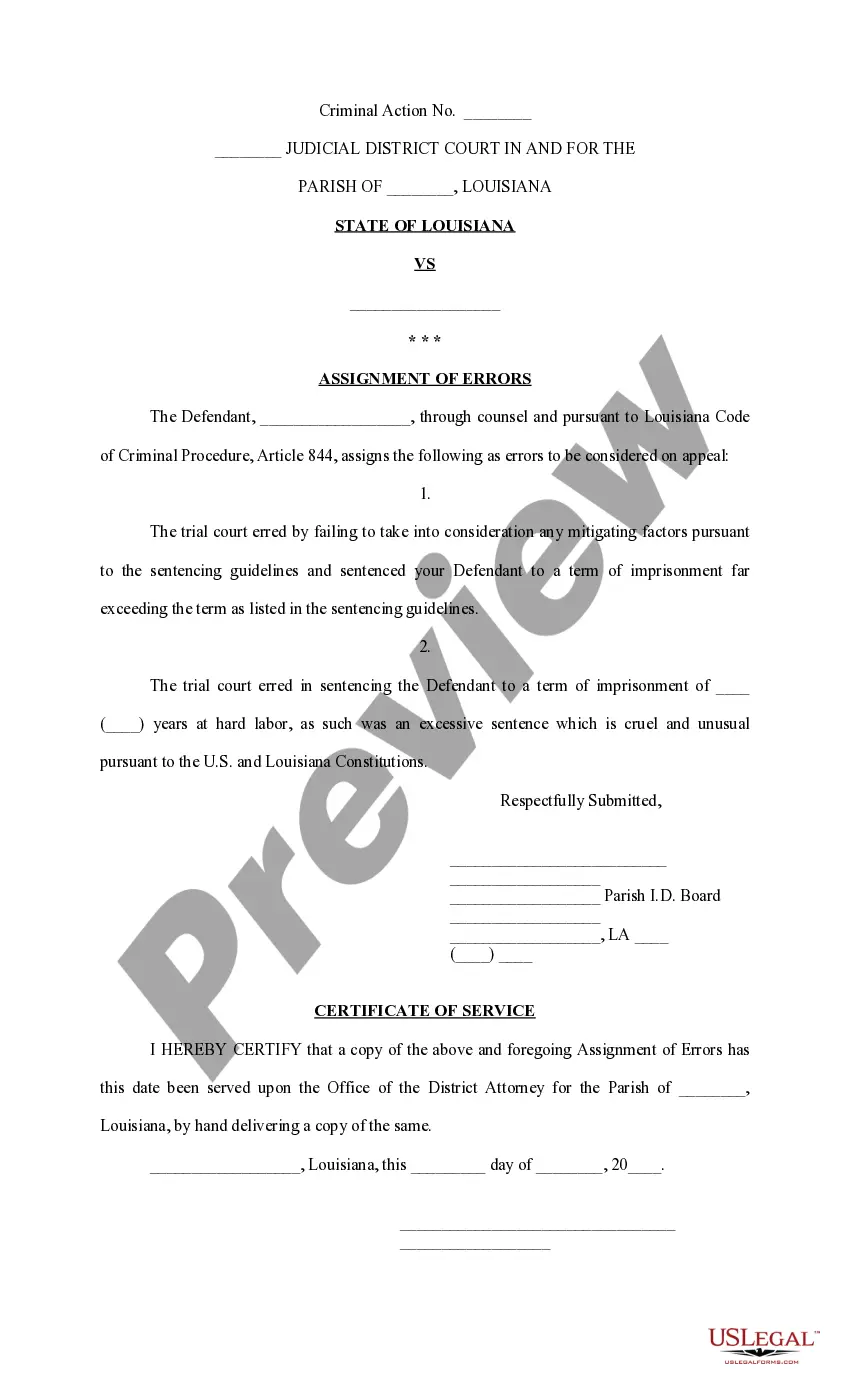
An Assignment of Error is a legal document filed by an appellant, detailing specific errors made by a lower court during a trial. This form is crucial for laying out the grounds for an appeal. Unlike other court documents, the Assignment of Error directly addresses faults in the trial court's decisions, such as misinterpretation of law or improper evaluation of evidence. It ensures that the appellate court has a clear understanding of the issues being raised by the appellant.
Key parts of this document
- Case Information: Includes the judicial district and details about the parties involved.
- Statement of Errors: Lists the specific errors alleged to have occurred during the trial.
- Legal Basis: Cites applicable law, such as Louisiana Code of Criminal Procedure Article 844, for the errors assigned.
- Signature Block: Provides space for the appellant and their attorney to sign and date the document.
- Certificate of Service: Confirms that the document has been duly served to the district attorney.
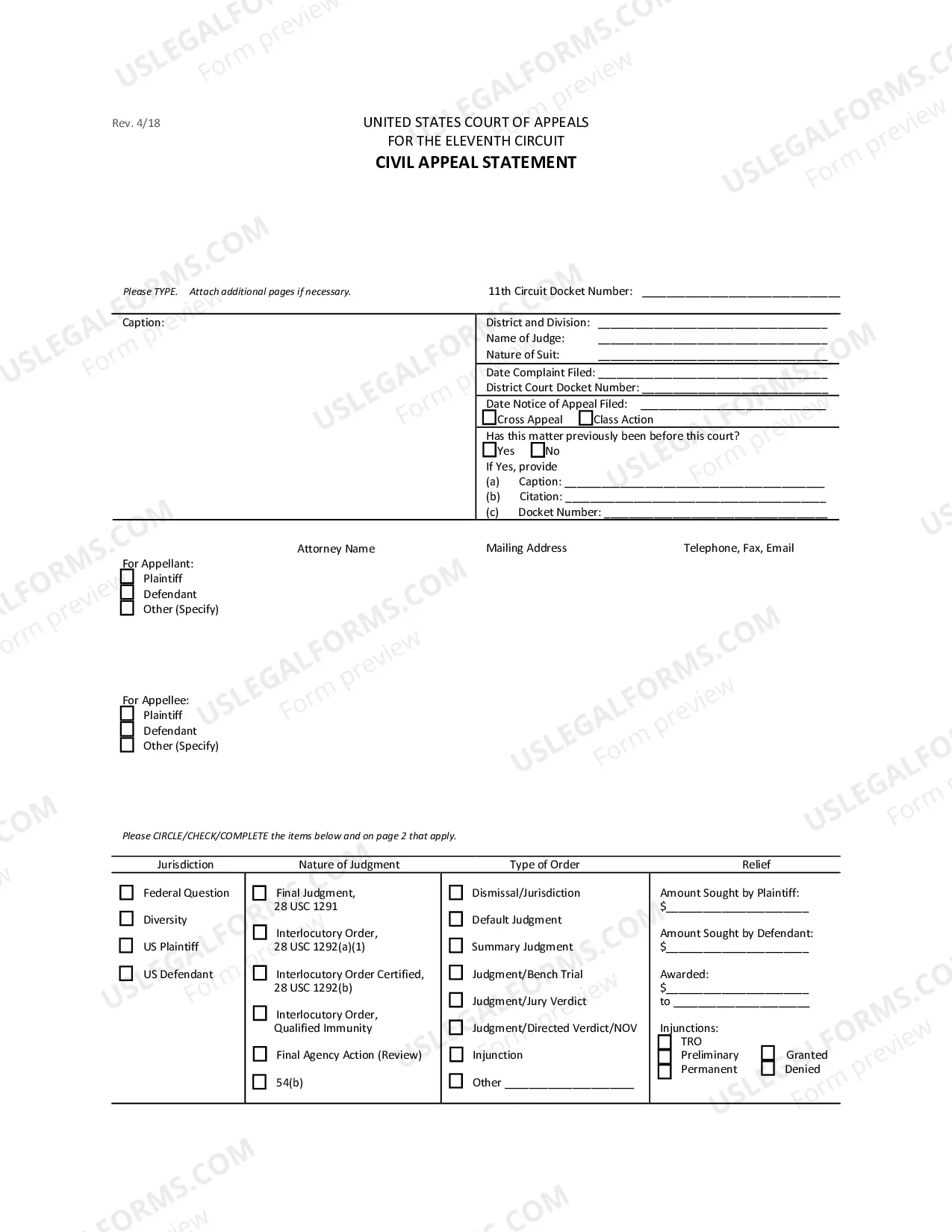
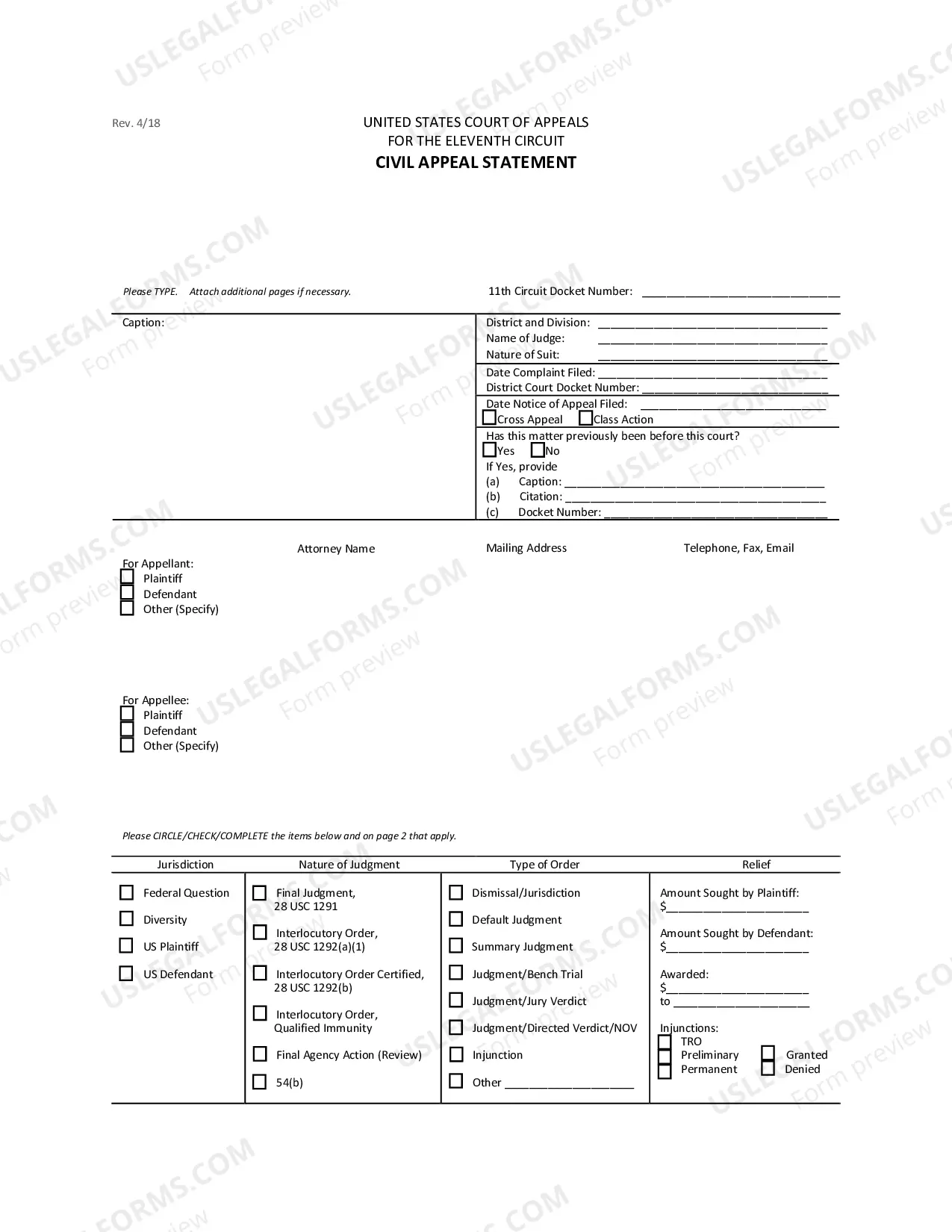
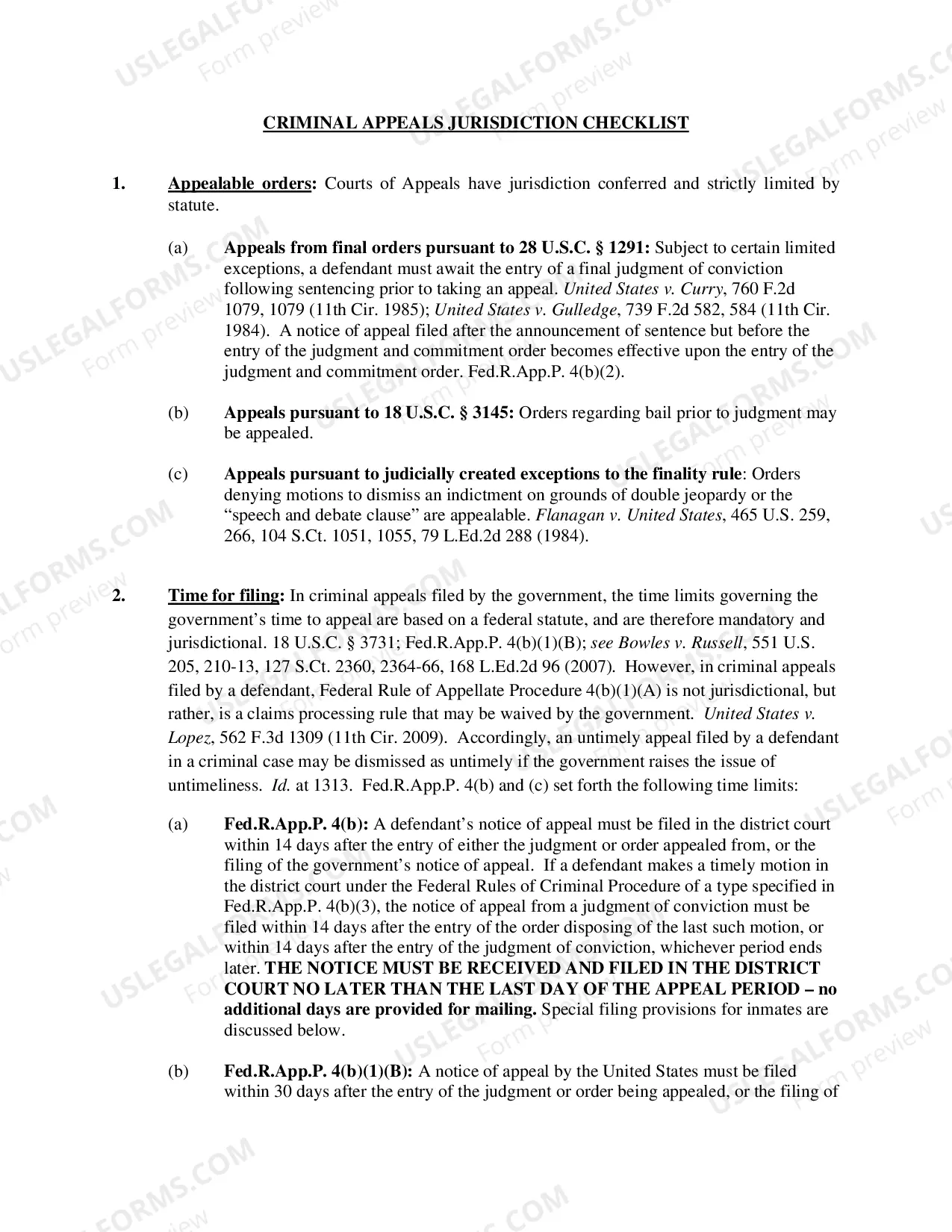
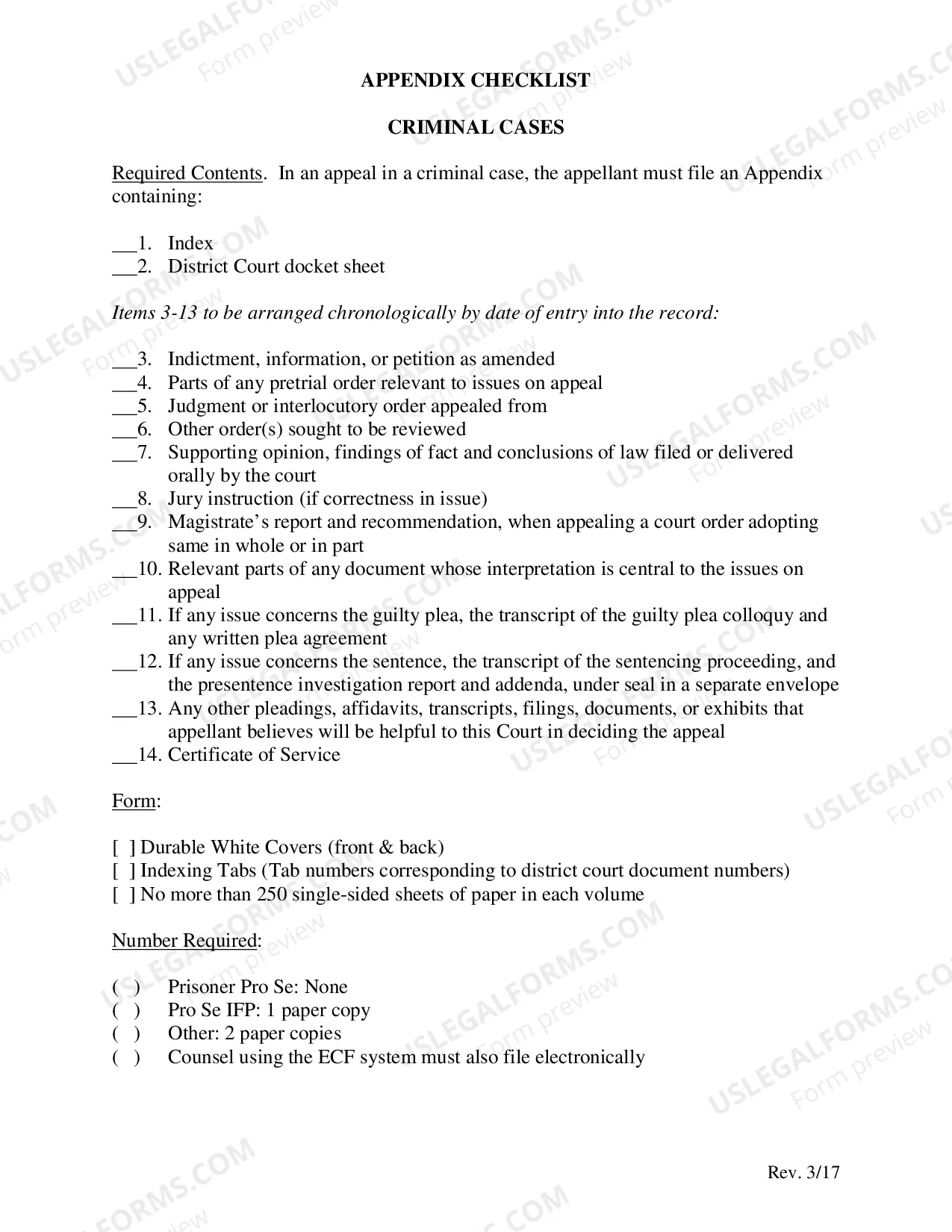
Situations where this form applies
This form should be used when a party wishes to appeal a decision made by a lower court and believes that errors significantly impacted the trial's outcome. For instance, if a defendant feels that the court failed to consider mitigating factors during sentencing or imposed an excessive sentence, they should file an Assignment of Error to address these issues before proceeding with the appeal.
Who needs this form
- Defendants in criminal cases who wish to appeal their sentencing or conviction.
- Appellants who have been involved in a lower court case and need to identify errors for their appeal.
- Legal representatives or attorneys acting on behalf of a client in the appeals process.
Instructions for completing this form
- Identify the case information, including the judicial district and names of the parties involved.
- Clearly state the specific errors you believe occurred during the trial.
- Cite the relevant legal statutes that support your claims of error.
- Sign and date the document in the designated areas.
- Complete the Certificate of Service to indicate that the document has been provided to the district attorney.
Does this document require notarization?
This form does not typically require notarization unless specified by local law. Always verify with local regulations to ensure compliance.
Get your form ready online
Our built-in tools help you complete, sign, share, and store your documents in one place.
Make edits, fill in missing information, and update formatting in US Legal Forms—just like you would in MS Word.
Download a copy, print it, send it by email, or mail it via USPS—whatever works best for your next step.
Sign and collect signatures with our SignNow integration. Send to multiple recipients, set reminders, and more. Go Premium to unlock E-Sign.
If this form requires notarization, complete it online through a secure video call—no need to meet a notary in person or wait for an appointment.
We protect your documents and personal data by following strict security and privacy standards.

Make edits, fill in missing information, and update formatting in US Legal Forms—just like you would in MS Word.

Download a copy, print it, send it by email, or mail it via USPS—whatever works best for your next step.

Sign and collect signatures with our SignNow integration. Send to multiple recipients, set reminders, and more. Go Premium to unlock E-Sign.

If this form requires notarization, complete it online through a secure video call—no need to meet a notary in person or wait for an appointment.

We protect your documents and personal data by following strict security and privacy standards.
Common mistakes to avoid
- Failing to specify all relevant errors, which can weaken the appeal.
- Omitting necessary case information, making it difficult to process the filing.
- Relying on vague language rather than precise legal claims.
- Not completing the Certificate of Service, which is essential for notifying the opposing party.
Advantages of online completion
- Easy access to downloadable templates drafted by licensed attorneys.
- Time-saving process, eliminating the need to visit a courthouse.
- Editable fields allow for customization to fit your specific case details.
- Reliable legal format, ensuring compliance with state requirements.
Key takeaways
- The Assignment of Errors is essential for appealing a criminal conviction in Louisiana.
- Clearly identifying errors can significantly impact the outcome of the appeal.
- Fulfilling procedural requirements, including service certification, is crucial for a valid appeal.
Looking for another form?
Form popularity
FAQ
Appeals in either civil or criminal cases are usually based on arguments that there were errors in the trial's procedure or errors in the judge's interpretation of the law. The party appealing is called the appellant, or sometimes the petitioner. The other party is the appellee or the respondent.
To perfect the appeal is to fully comply with the rules, procedures, and time lines of the court. When an appeal has been perfected, it is sent to the Superior Court so the judge can review the decision of the lower court and decide whether or not it should be enforced. Synonyms: perfect the appeal.
All pleadings/motions/requests may be filed with the Appeals Division by mail, fax or email. The Appeals Division fax number is (225) 342-8058, and its email address is dscs.appeals@la.gov.
As its name suggests, a suspensive appeal "suspends" the lower court's judgment and prevents it from being enforced while the appeal is pending. The devolutive appeal does not suspend the enforcement of the judgment while the appeal is pending. The suspensive appeal has one major catch.
A devolutive appeal is an appeal which allows the party who received the judgment to attempt to collect on the judgment while the appeals court decides the issues, as opposed to suspending the collection process while the appeal is pending. A devolutive appeal is allowed in some jurisdictions, like Louisiana.
Log in to your UI Online account. Click View and maintain in the left pane. Click Monetary and issue summary. Select the issue ID and then click Appeal.
Legal Definition of assignment of error : a declaration by a party to a legal action specifying the errors made by the court during the trial that the party seeks to have corrected (as by a new trial)
Filing the Notice of Appeal. Abandonment or Settlement. Waiver of Fees. Designating the Record. Civil Case Information Sheet. Briefs. Oral Argument. The Court's Decision.
Generally, the losing party in a lawsuit may appeal their case to a higher court.If an appeal is granted, the lower court's decision may be reversed in whole or in part. If an appeal is denied, the lower court's decision stands.