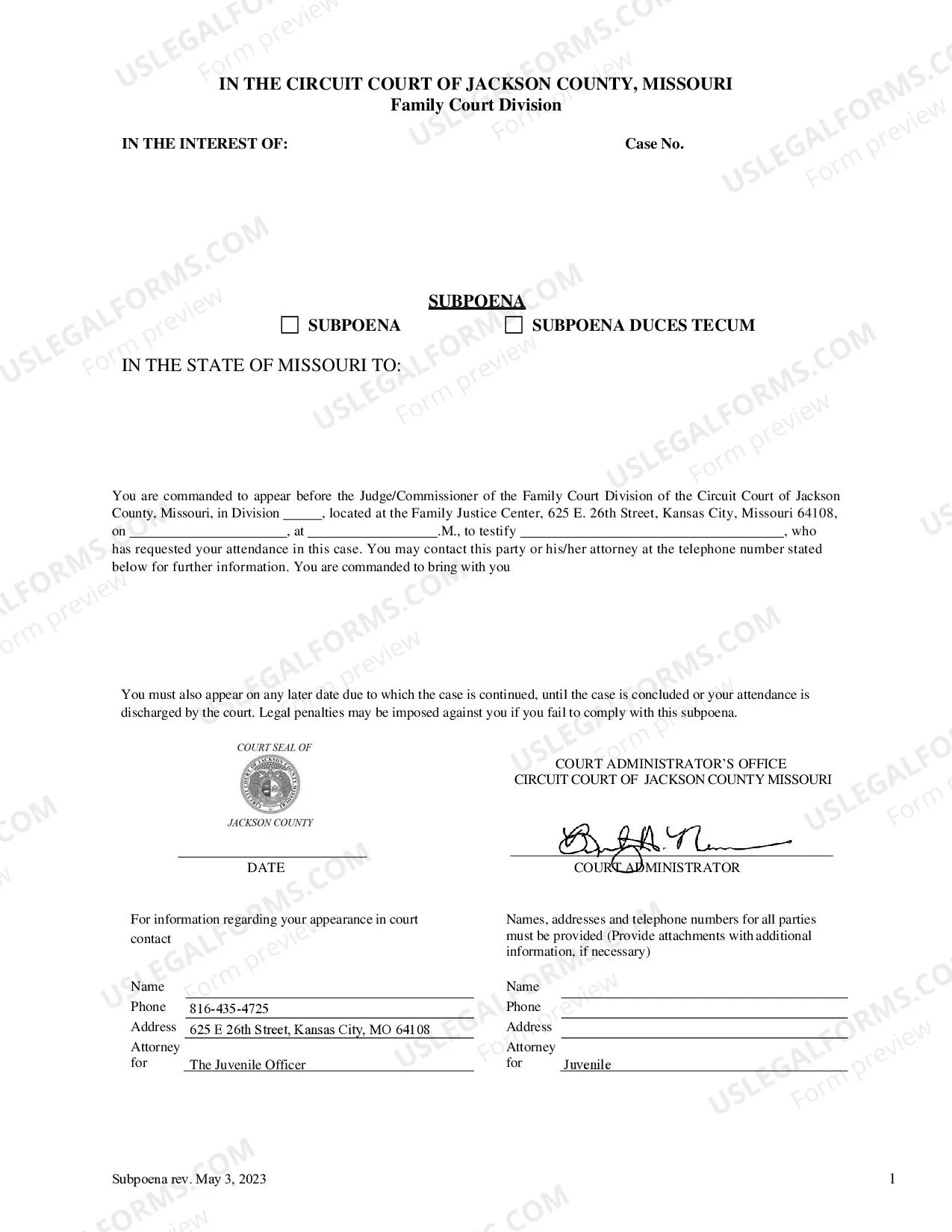
Louisiana Appeal from the Citation Clerk's Docket
What is this form?
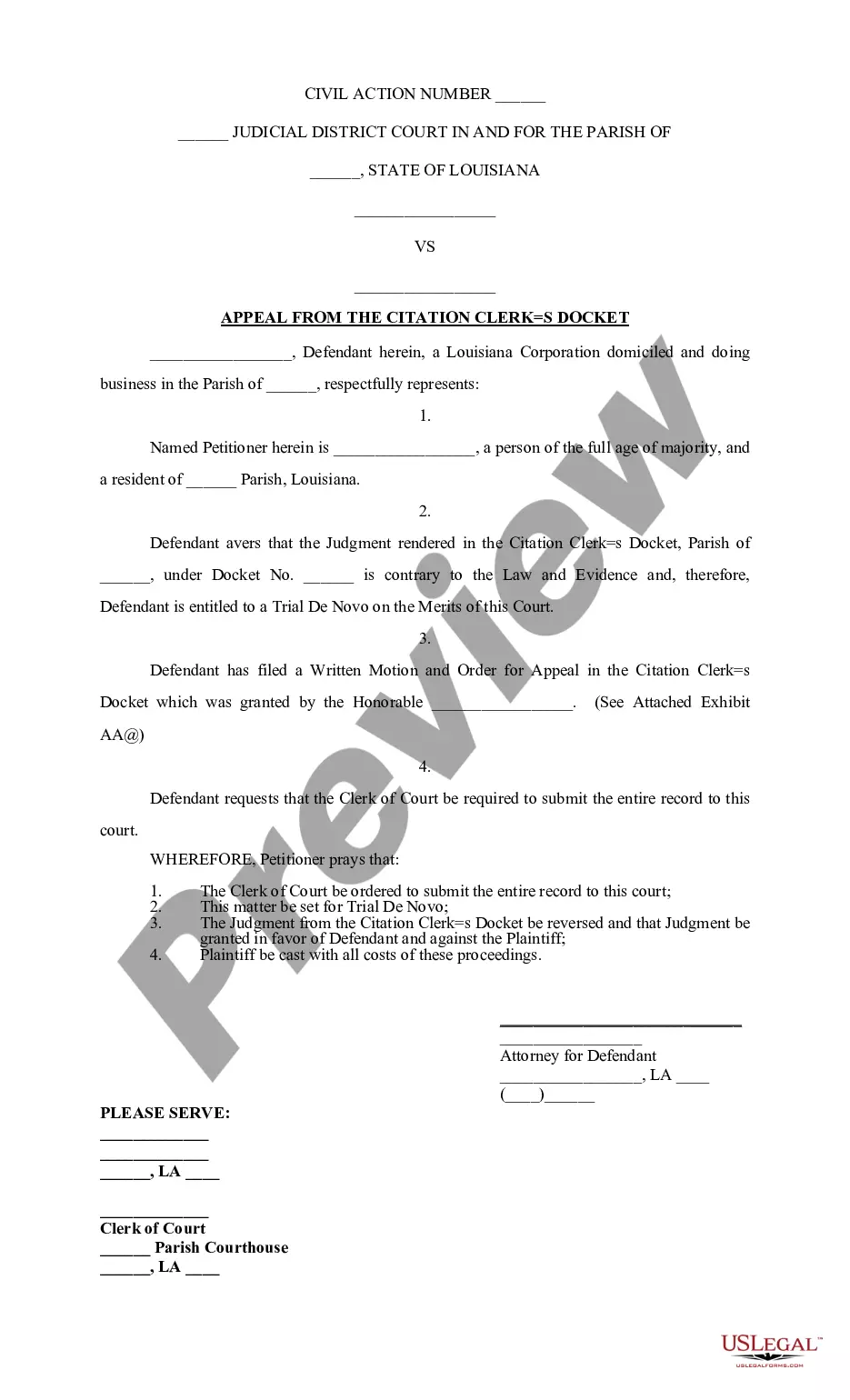
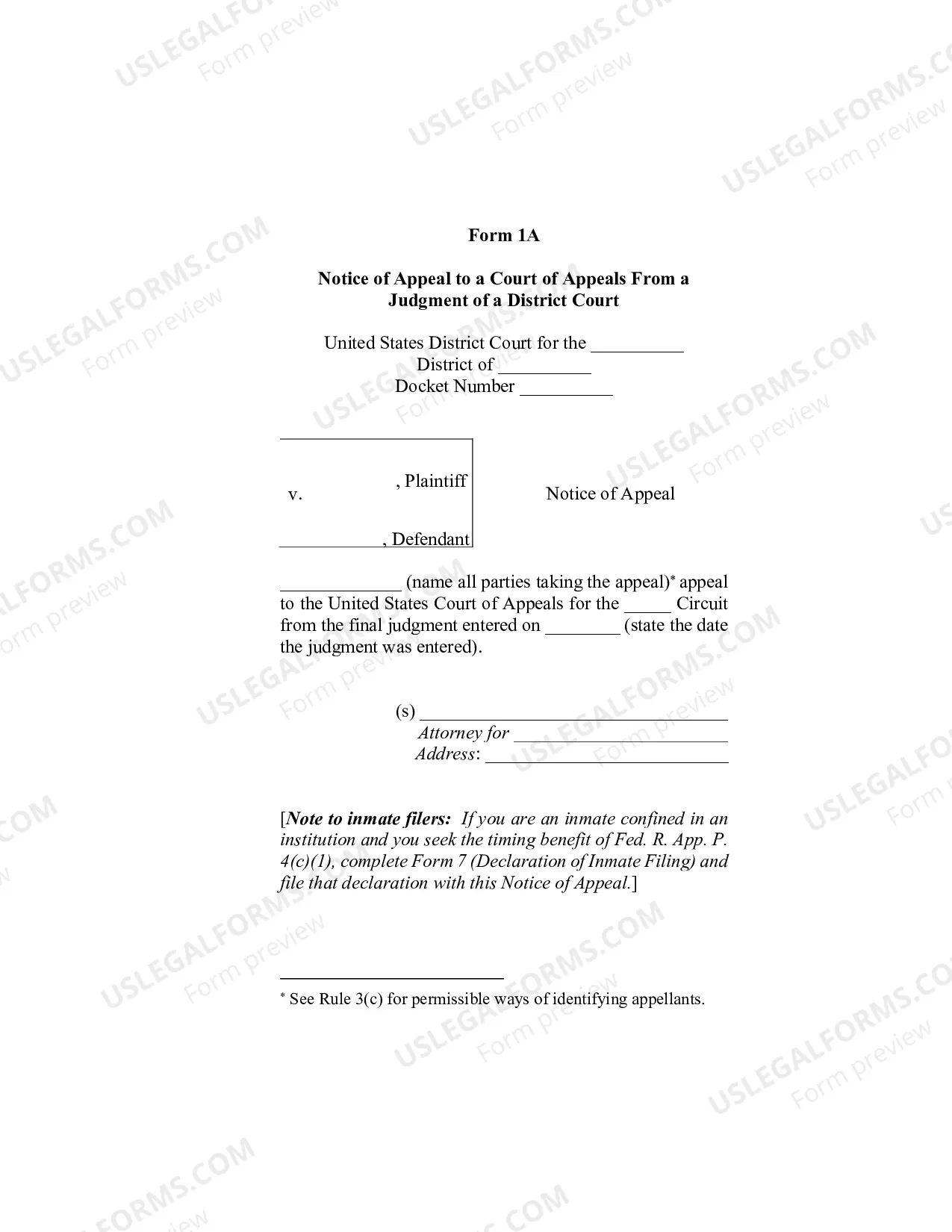
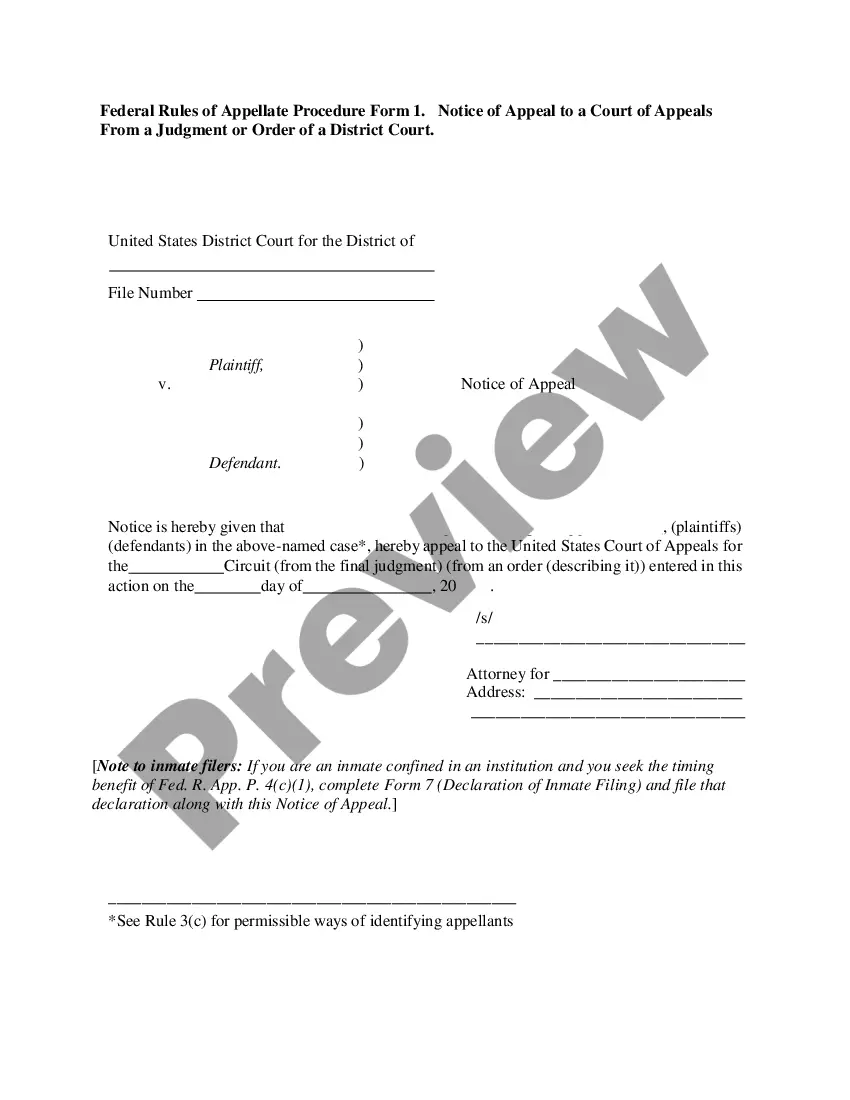
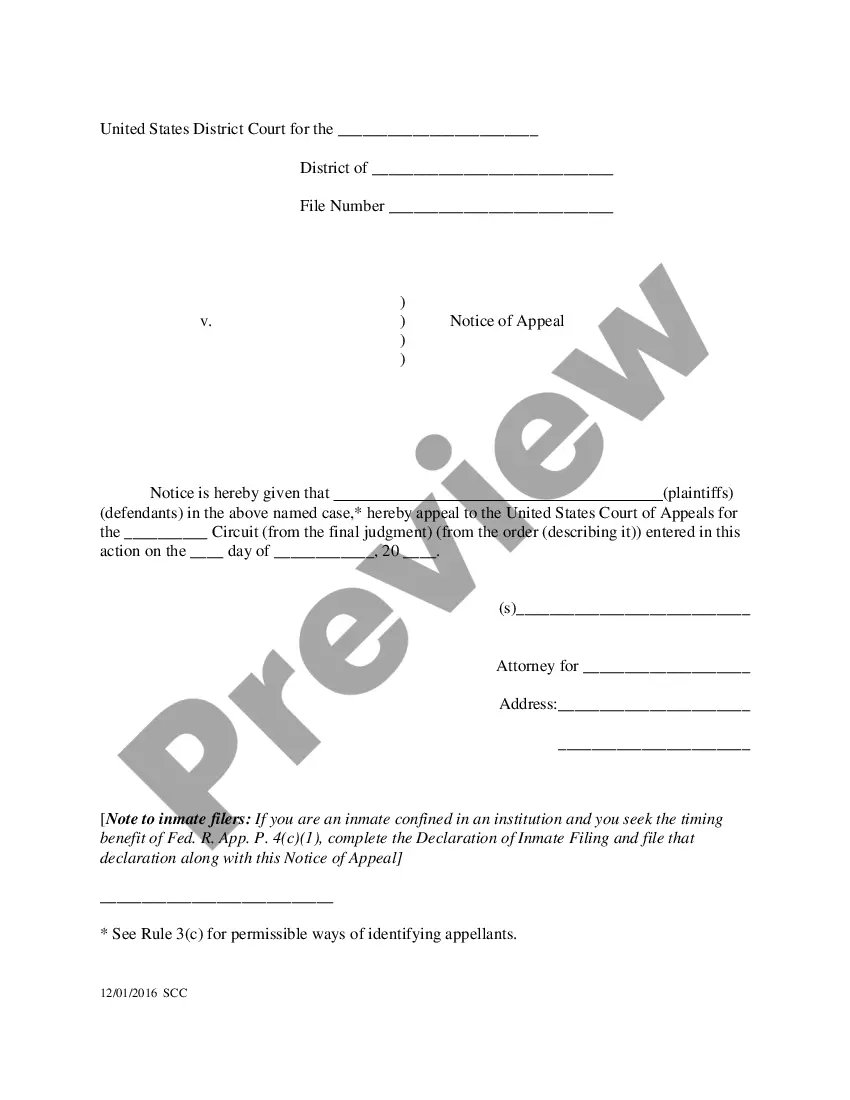
The Appeal from the Citation Clerkâs Docket form is a legal document used by defendants who believe that a judgment rendered against them in a lower court was incorrect based on the law and evidence presented. This form initiates a Trial De Novo, allowing the defendant to request that the original judgment be reversed and a new trial be conducted in the appropriate judicial district. It differs from other appeal forms by focusing specifically on appeals stemming from citation clerk judgments within Louisiana's legal system.
Key components of this form
- Petitioner Information: Details about the person appealing the judgment.
- Judgment Details: Reference to the specific judgment being contested, including the docket number.
- Legal Basis for Appeal: A declaration that the judgment was contrary to law and evidence.
- Request for Trial De Novo: A formal request for a new trial.
- Signature Block: Required signatures of the defendant and attorney.
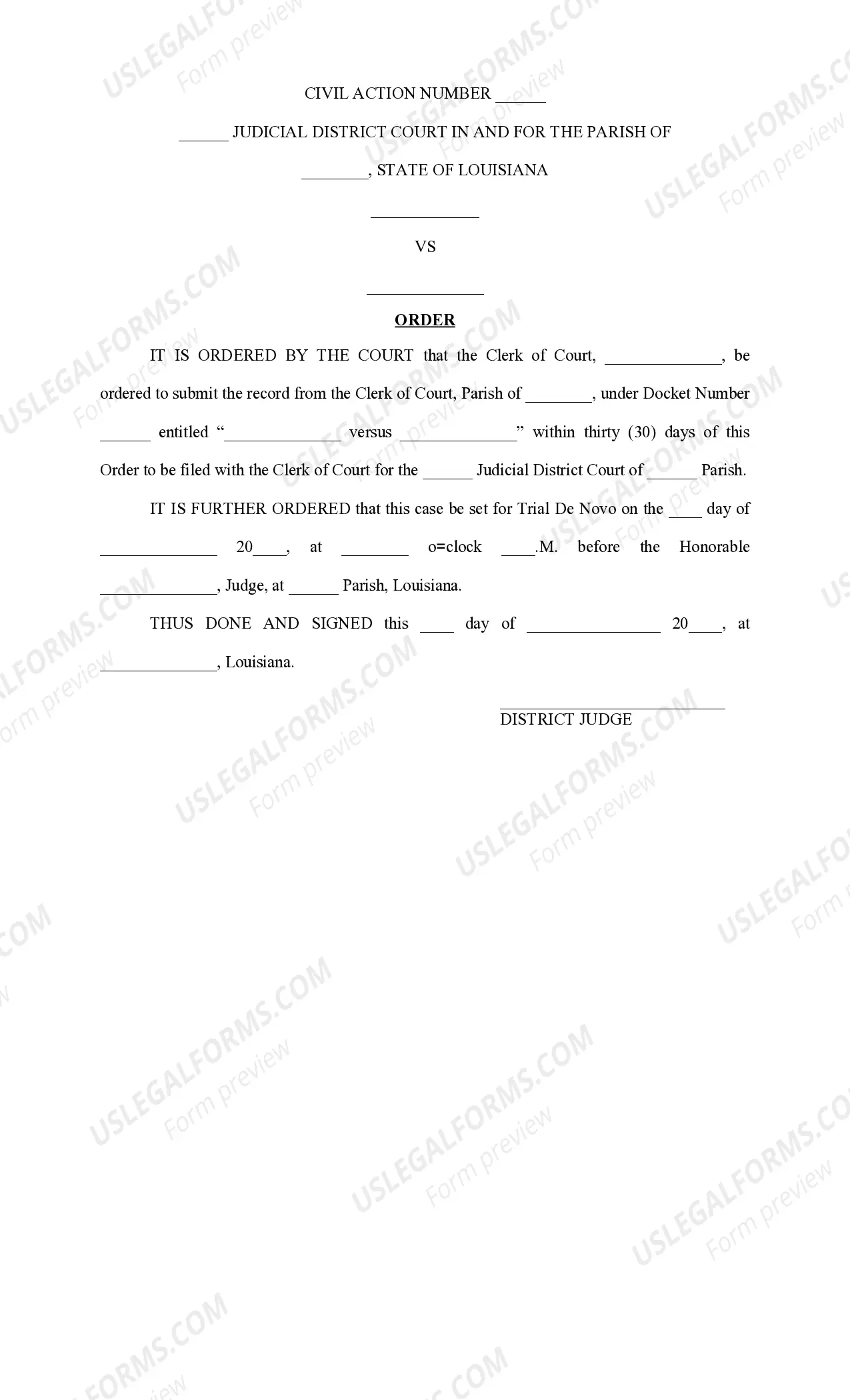
- Order Section: Contains the court's order to submit records and schedule the Trial De Novo.
When this form is needed
This form should be used when a defendant in Louisiana believes the judgment issued by a citation clerk was incorrect. Common scenarios include cases involving disputes over contracts, property issues, or other civil matters where the defendant seeks to contest the ruling. The form is essential for ensuring that the defendant has the opportunity for a fair hearing in front of a judge in a higher court.
Intended users of this form
- Defendants in civil cases who have received a judgment from a citation clerk.
- Individuals or entities who believe that the judgment is based on incorrect law or evidence.
- Legal representatives or attorneys filing on behalf of defendants.
How to complete this form
- Identify the petitioner: Enter the full name and address of the person appealing the judgment.
- Provide judgment details: Fill in the docket number and specifics of the judgment being appealed.
- State the grounds for appeal: Clearly articulate why the judgment is being contested.
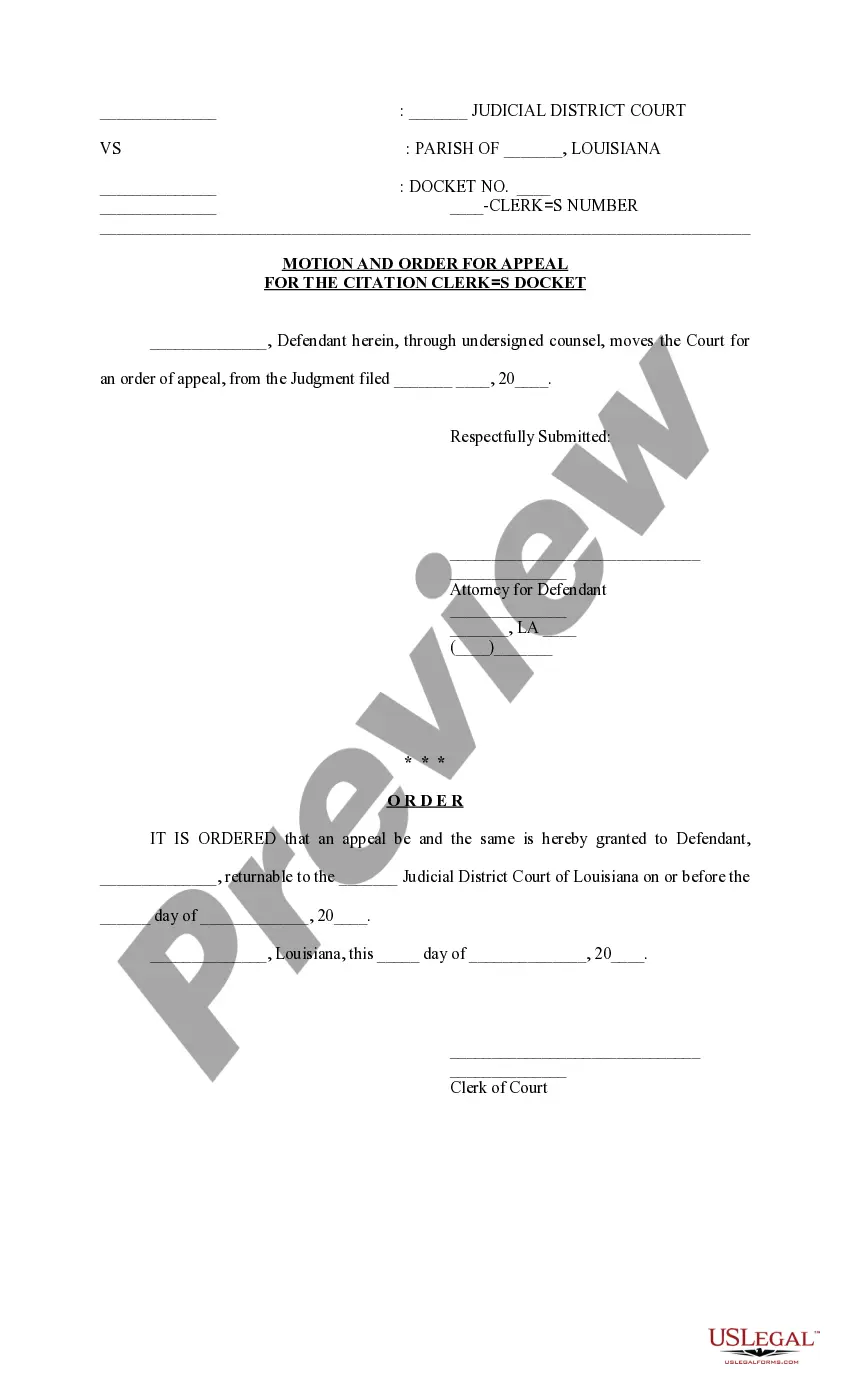
- Attach necessary documents: Include the written motion and order for appeal with this form.
- Sign and date the form: Ensure that both the defendant and their attorney sign the document before submission.
Notarization requirements for this form
This form does not typically require notarization unless specified by local law. It's advisable to check local regulations to confirm whether notarization is necessary for your appeal process.
Get your form ready online
Our built-in tools help you complete, sign, share, and store your documents in one place.
Make edits, fill in missing information, and update formatting in US Legal Forms—just like you would in MS Word.
Download a copy, print it, send it by email, or mail it via USPS—whatever works best for your next step.
Sign and collect signatures with our SignNow integration. Send to multiple recipients, set reminders, and more. Go Premium to unlock E-Sign.
If this form requires notarization, complete it online through a secure video call—no need to meet a notary in person or wait for an appointment.
We protect your documents and personal data by following strict security and privacy standards.

Make edits, fill in missing information, and update formatting in US Legal Forms—just like you would in MS Word.

Download a copy, print it, send it by email, or mail it via USPS—whatever works best for your next step.

Sign and collect signatures with our SignNow integration. Send to multiple recipients, set reminders, and more. Go Premium to unlock E-Sign.

If this form requires notarization, complete it online through a secure video call—no need to meet a notary in person or wait for an appointment.

We protect your documents and personal data by following strict security and privacy standards.
Avoid these common issues
- Failing to provide complete information about the original judgment.
- Not including the required attachments, such as the motion for appeal.
- Missing signatures from the petitioner or their attorney.
- Submitting the form after the deadline for appeals has passed.
Benefits of using this form online
- Convenience: Access and complete the form from the comfort of your home at any time.
- Editability: Easily modify the form to meet your specific legal situation before downloading.
- Reliability: Obtain forms that are drafted by licensed attorneys, ensuring compliance with legal standards.
Main things to remember
- The Appeal from the Citation Clerkâs Docket is crucial for contesting judgments in Louisiana.
- Completing this form allows defendants to seek a new trial based on legal grounds.
- Ensure all sections are filled accurately and timely to avoid common pitfalls in the appeal process.
Looking for another form?
Form popularity
FAQ
All pleadings/motions/requests may be filed with the Appeals Division by mail, fax or email. The Appeals Division fax number is (225) 342-8058, and its email address is dscs.appeals@la.gov.
Generally, the losing party in a lawsuit may appeal their case to a higher court.If an appeal is granted, the lower court's decision may be reversed in whole or in part. If an appeal is denied, the lower court's decision stands.
Filing the Notice of Appeal. Abandonment or Settlement. Waiver of Fees. Designating the Record. Civil Case Information Sheet. Briefs. Oral Argument. The Court's Decision.
The United States Court of Appeals for the Third Circuit serves the areas of Pennsylvania, New Jersey, Delaware, and the Virgin Islands. General information about the court can be viewed by selecting a category on the left. For directions to the courthouse in Philadelphia, click here.
Log in to your UI Online account. Click View and maintain in the left pane. Click Monetary and issue summary. Select the issue ID and then click Appeal.
The appellate courts do not retry cases or hear new evidence. They do not hear witnesses testify. There is no jury. Appellate courts review the procedures and the decisions in the trial court to make sure that the proceedings were fair and that the proper law was applied correctly.
An appeal is a review of the trial court's application of the law. There is no jury in an appeal, nor do the lawyers present witnesses or, typically, other forms of evidence. The court will accept the facts as they were revealed in the trial court, unless a factual finding is clearly against the weight of the evidence.
The appellate court determines whether errors occurred in applying the law at the lower court level. It generally will reverse a trial court only for an error of law. Not every error of law, however, is cause for a reversal. Some are harmless errors that did not prejudice the rights of the parties to a fair trial.
1. Affirm and uphold the original decision. 2. Overturn the original decision.